
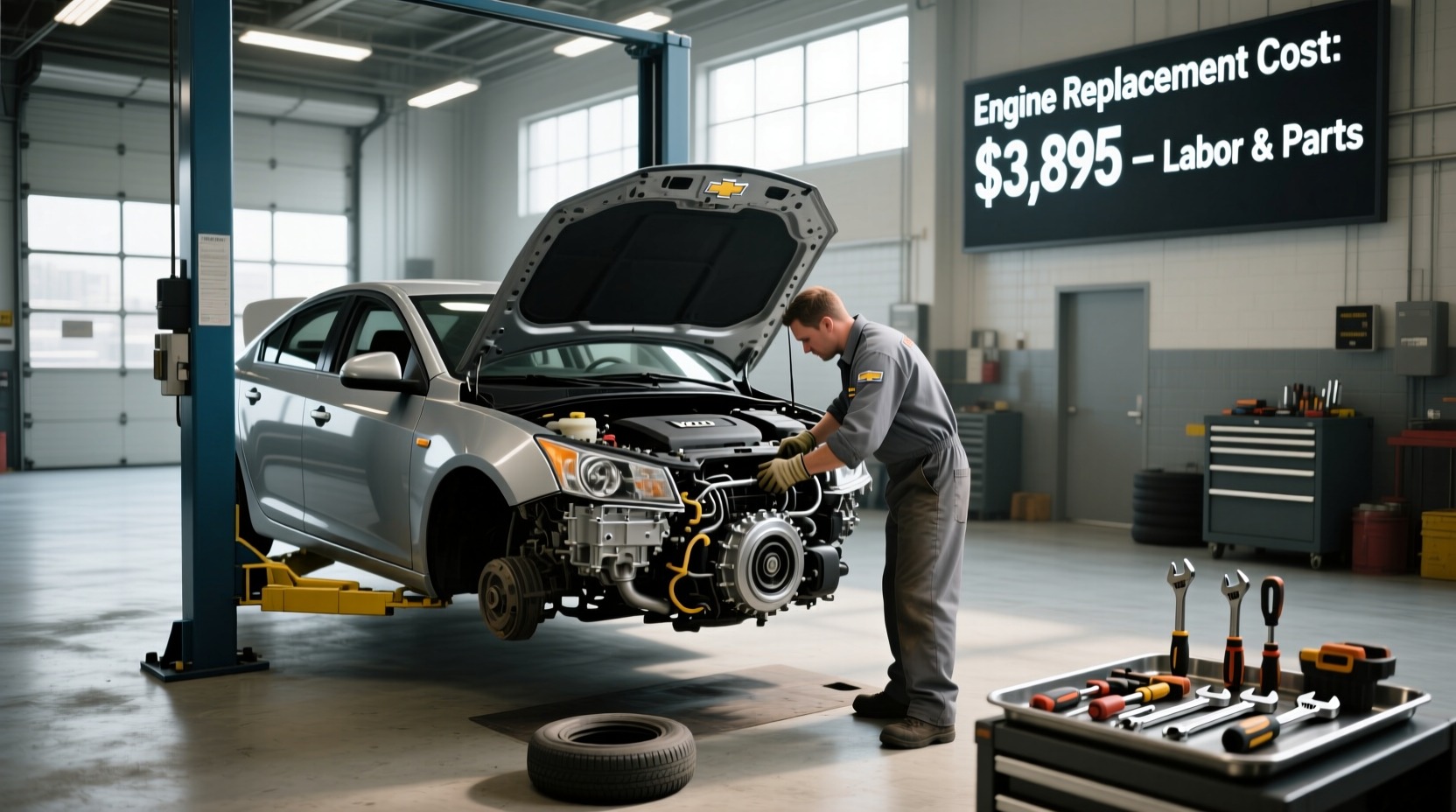
Few repair bills make a car owner’s stomach drop quite like the words “you need a new engine.” It’s one of the most expensive repairs a vehicle can face, and the price tag varies so much from shop to shop that it’s genuinely hard to know what a fair number even looks like.
Should you spend $2,000 on a used engine, or is a $9,000 remanufactured unit the smarter long-term move? The answer depends on your vehicle, your budget, and how long you plan to keep driving it. Here’s a full breakdown of what engine replacement actually costs in 2026, and how to figure out which option makes the most sense for your situation.
New Engine Costs
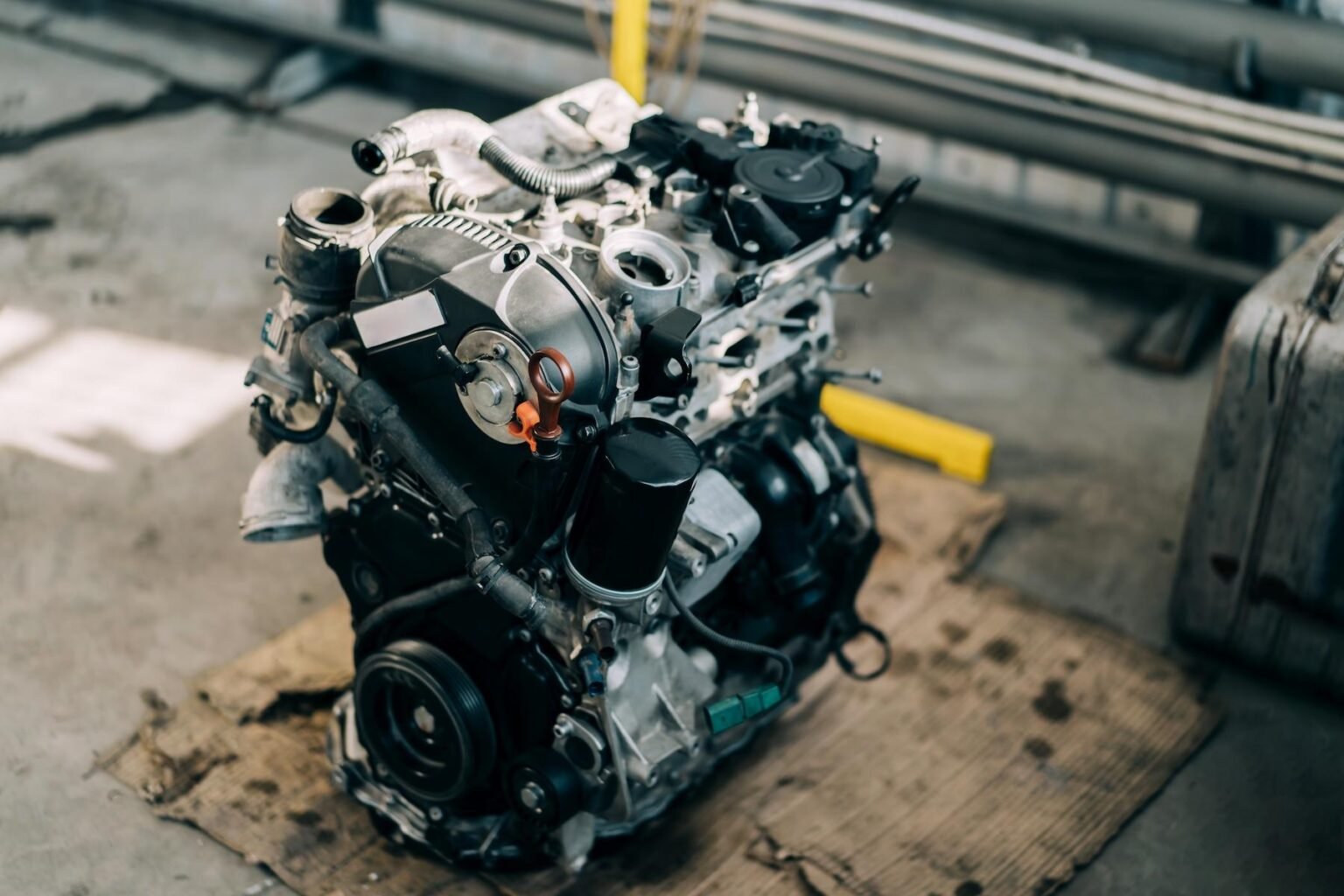
A realistic starting point is about $3,000 to $8,000 for many professionally completed engine replacements, although the bill can fall below or rise above that range.
AutoZone gives a broad estimate of $2,000 to more than $10,000, while Young Mechanic places many U.S. replacements between $3,000 and $8,000.
Here is a useful price snapshot. A used engine may cost about $1,000 to $4,000, a rebuilt engine around $2,500 to $6,000, a remanufactured engine roughly $4,000 to $8,000, and a new engine around $6,000 to $12,000 or more, depending on the vehicle.
Those figures are not interchangeable quotes. One source may describe the engine alone, while another includes installation. Junkyard Inventory, for example, lists used-engine swaps at roughly $1,500 to $4,000 total and new OEM replacements at $6,000 to $12,000 or more.
Before comparing prices from different repair shops, make sure you know exactly what each quote includes. Ask whether the stated price covers both the parts and the labor so you can make an accurate comparison.
Rebuilt Engine Costs
Rebuilding an engine means taking your existing block and restoring it to proper working condition, replacing only the specific components that have worn out or failed rather than swapping in an entirely different unit.
It’s a more budget-conscious route than buying new, and pricing typically falls somewhere between $2,500 and $6,000 depending on the extent of the damage and the vehicle involved.
Labor makes up the bulk of this cost. Rebuild jobs commonly take anywhere from 10 to 30 hours of shop time, and at rates ranging from $70 to $160 per hour depending on whether you’re working with an independent shop or a dealership, that labor alone can total $700 on the low end or climb past $4,800 at dealership pricing.
Add in a rebuild kit covering gaskets, pistons, and bearings, typically running around $1,200, along with machine shop services for around $800, and fluids or filters adding a few hundred more, and the full picture starts coming together.
Vehicle type matters quite a bit here too. Compact four-cylinder cars tend to land on the cheaper end, generally $2,500 to $4,000, since there’s simply less engine to work on and fewer labor hours required.
Trucks and SUVs running V6 or V8 engines push costs higher, often landing between $3,500 and $6,000, given the larger components and additional labor involved in accessing and rebuilding a bigger engine.
Rebuilding tends to appeal most to owners who want to preserve a specific engine, whether for sentimental reasons, classic car authenticity, or simply because replacement parts for that exact engine are hard to source elsewhere.
Remanufactured Engine Costs
Somewhere between a rebuild and a brand-new engine sits the remanufactured option, and for a lot of everyday drivers, this ends up being the sweet spot.
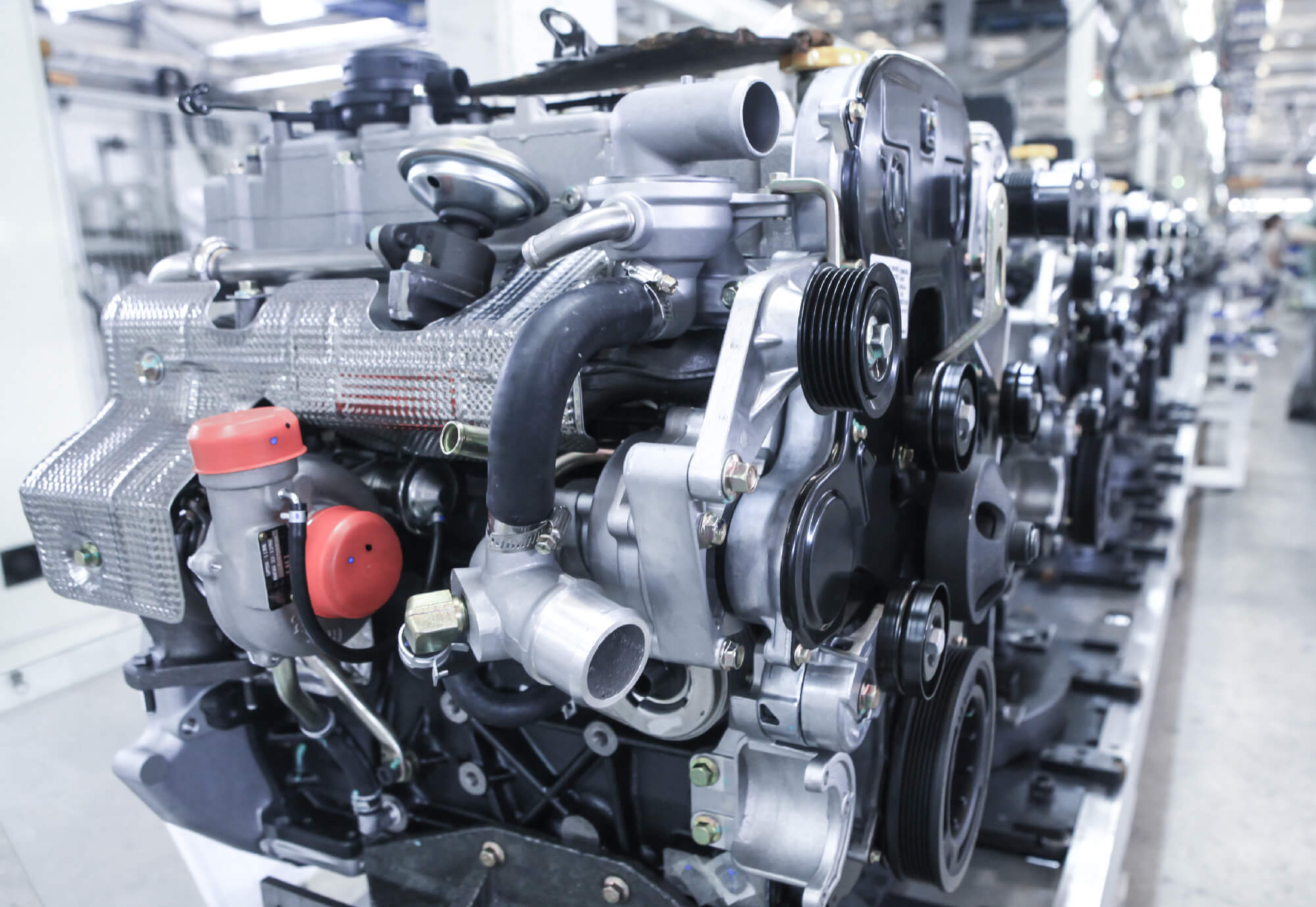
Remanufactured engines go through a full teardown process, where every component gets inspected, machined back to factory specifications, and rebuilt using new wear parts throughout.
That process typically runs $2,000 to $8,000 for the engine itself, depending on the source and vehicle type. What makes remanufactured engines particularly appealing is the warranty attached to them.
Unlike a used engine pulled straight from a salvage yard with minimal guarantees, remanufactured units frequently come with coverage lasting one to three years, and sometimes longer, giving buyers real peace of mind that they won’t be back in the shop again a few months later facing the same expensive problem.
Total cost including labor generally lands in the $4,000 to $8,000 range for most consumers, putting it noticeably below new-engine pricing while still delivering a level of reliability that used engines simply can’t match.
Shoppers looking for remanufactured units are often advised to look specifically for engines that have been fully machined and tested, since not every seller uses the term “remanufactured” consistently, and some blur the line between remanufactured and simply rebuilt.
For daily drivers, family vehicles, or higher-mileage cars where long-term dependability matters more than upfront savings, a remanufactured engine tends to strike the most sensible balance between cost and confidence.
Used Engine Costs
If keeping costs as low as possible is the priority, a used engine pulled from a donor vehicle at a salvage yard represents the cheapest realistic path to getting a car back on the road.
Pricing for used engines typically ranges from $800 to $5,000 depending on the source, mileage, and how thoroughly the engine has been tested before sale, with most falling somewhere between $1,800 and $3,500 for common vehicle types.
Mileage plays a major role in determining both price and expected lifespan. Buyers are generally advised to look for used engines with somewhere between 60,000 and 120,000 miles already logged, since anything beyond that starts introducing real risk of near-term failure.
A well-documented used engine that’s been compression-tested before sale offers considerably more confidence than one purchased without any verification at all.
Total installed cost, including labor, commonly lands between $2,500 and $4,500 for a midsize vehicle at an independent shop, making this by far the most affordable route among the four main options.
That affordability comes with real trade-offs, though. Warranty coverage on used engines tends to be minimal, often just 30 to 90 days, meaning buyers are taking on more risk in exchange for a significantly lower price tag.
Used engines make the most sense for older vehicles nearing the end of their practical lifespan, cars with a salvage title where investing heavily doesn’t make financial sense, or owners simply trying to get a few more years out of a vehicle without spending thousands doing it.
Labor Costs
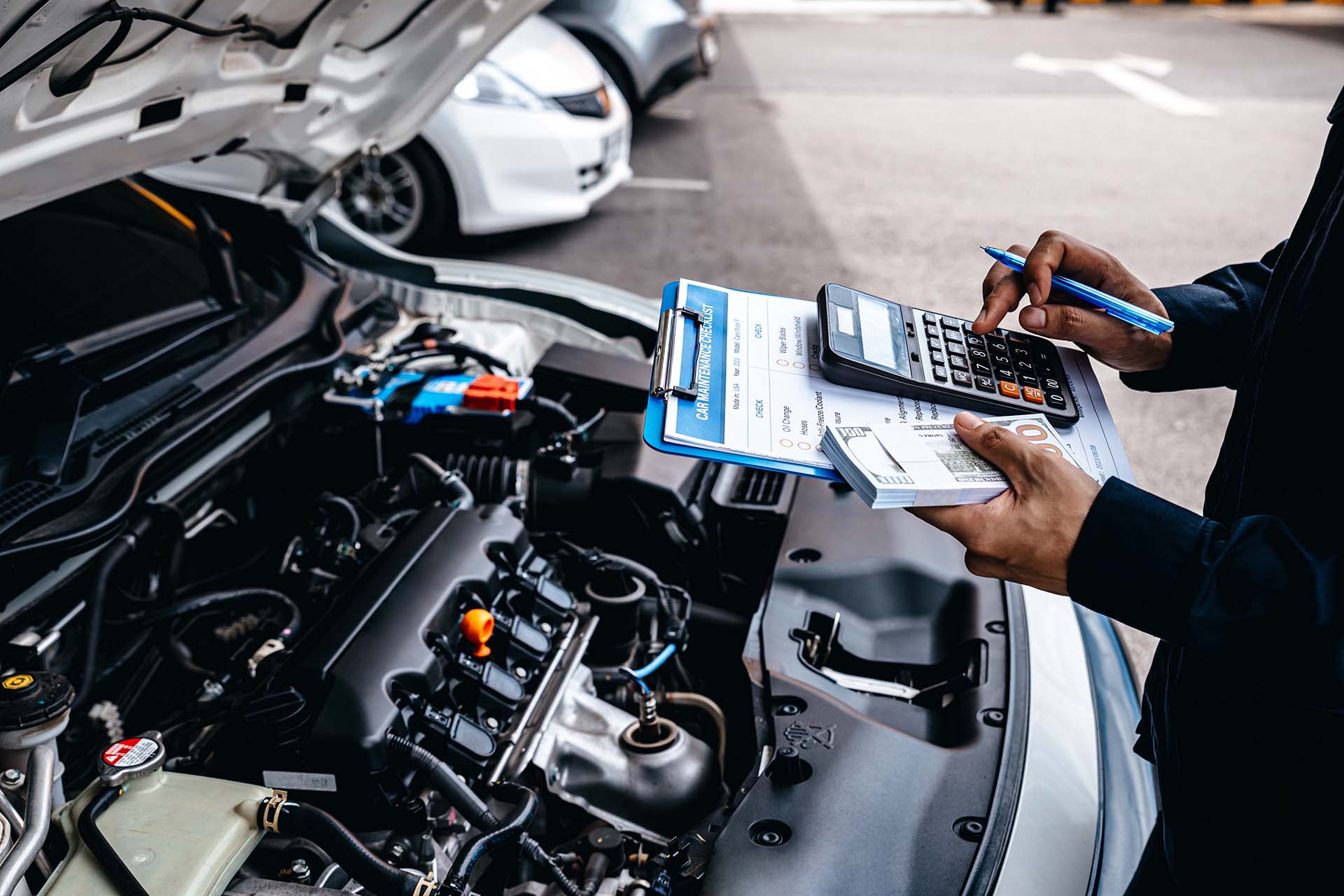
Parts get most of the attention in engine replacement conversations, but labor frequently ends up being the number that catches owners off guard.
Shop rates vary considerably depending on location and whether you’re working with an independent garage or a dealership, typically ranging anywhere from $70 to $160 per hour nationally, with $100 to $150 per hour representing a fairly common average.
The number of hours required depends heavily on the vehicle and how accessible the engine bay actually is. Simpler jobs on common vehicles might only require 4 to 12 hours of labor, while more involved rebuilds or replacements on trucks and SUVs can stretch past 20 hours once you factor in removal, installation, and testing afterward.
Once you know the estimated labor time, multiply it by the shop’s hourly rate to see how quickly costs can add up. At common rates, labor alone could add anywhere from $600 to $3,750 to the price of the engine.
For example, installing a long block engine in a midsize sedan could take around 20 hours at $120 per hour. That would put labor at $2,400, in addition to a $4,000 engine and several hundred dollars for fluids, gaskets, and other miscellaneous parts.
That single example alone lands close to $6,900 once everything is added together, illustrating just how quickly labor compounds the total bill regardless of which engine type you choose.
Dealerships almost always charge more per hour than independent shops, sometimes double the rate, which explains why two quotes for the same job can differ by thousands of dollars even when the parts being used are nearly identical.
How to Decide Whether Replacement Is Worth It
Imagine your vehicle is worth $9,000 and the replacement estimate is $4,500. That deserves serious consideration, particularly if the transmission, suspension, body, electronics, and other major systems remain in good condition.
Young Mechanic suggests that a used engine may make sense when the vehicle’s value exceeds a substantial portion of the repair cost and you intend to keep it for several more years.
Now picture a different situation: the car is worth $3,500, needs an $8,000 engine, has worn suspension, and already needs major transmission work. Spending the money may be difficult to justify.
A practical decision can be built from four questions:
- What is the vehicle worth today?
- What other repairs will it need soon?
- How long do you plan to keep it?
- What warranty comes with the replacement engine?
Do not focus only on the engine price. A used unit with an uncertain history may cost less today but carry more risk. A remanufactured engine may cost more but provide warranty protection. AutoZone notes that warranty length can affect engine pricing, while EngineCrux recommends comparing warranties when considering new, used, and remanufactured choices.
Getting at least two written estimates can also reveal large price differences. Young Mechanic says quotes may vary by $2,000 or more between shops.
Is Engine Replacement Worth the Cost?
Deciding whether an engine replacement is worth the money depends largely on how the repair cost compares with the vehicle’s current value. It also helps to consider how many more years you expect to keep driving the car before making the investment.
If a used engine replacement costs $3,000 and the car itself is worth $8,000 with years of reliable driving still ahead, that repair is almost certainly worth making. If the same $3,000 repair is going into a vehicle worth barely more than that on the used market, the math gets considerably harder to justify.
Owners planning to keep a vehicle for the long haul often find remanufactured engines offer the best balance, delivering solid reliability and real warranty protection without the steep price tag attached to a brand-new unit.
Those looking for the cheapest possible fix, particularly on older vehicles nearing the end of their useful life, tend to lean toward used engines despite the shorter warranty coverage, simply because the math favors spending less upfront on a car that won’t be around much longer.
Getting quotes from multiple shops, understanding exactly what’s included in each estimate, and matching the engine type to your specific vehicle and timeline puts you in the strongest position to make a smart decision rather than an expensive guess.
