
Buying a used car should feel exciting, not risky. Yet thousands of shoppers each year hand over their hard-earned cash only to discover they’ve been tricked. From rolled-back odometers to fake online ads, scammers have gotten creative, and honest buyers keep paying the price.
We talked to real people who shared their stories, the warning signs they missed, and the lessons they learned the hard way. If you’re planning to buy a used vehicle soon, these firsthand accounts might save you thousands of dollars and a massive headache. Read on before you sign anything or wire a single dollar.
1. Odometer Fraud
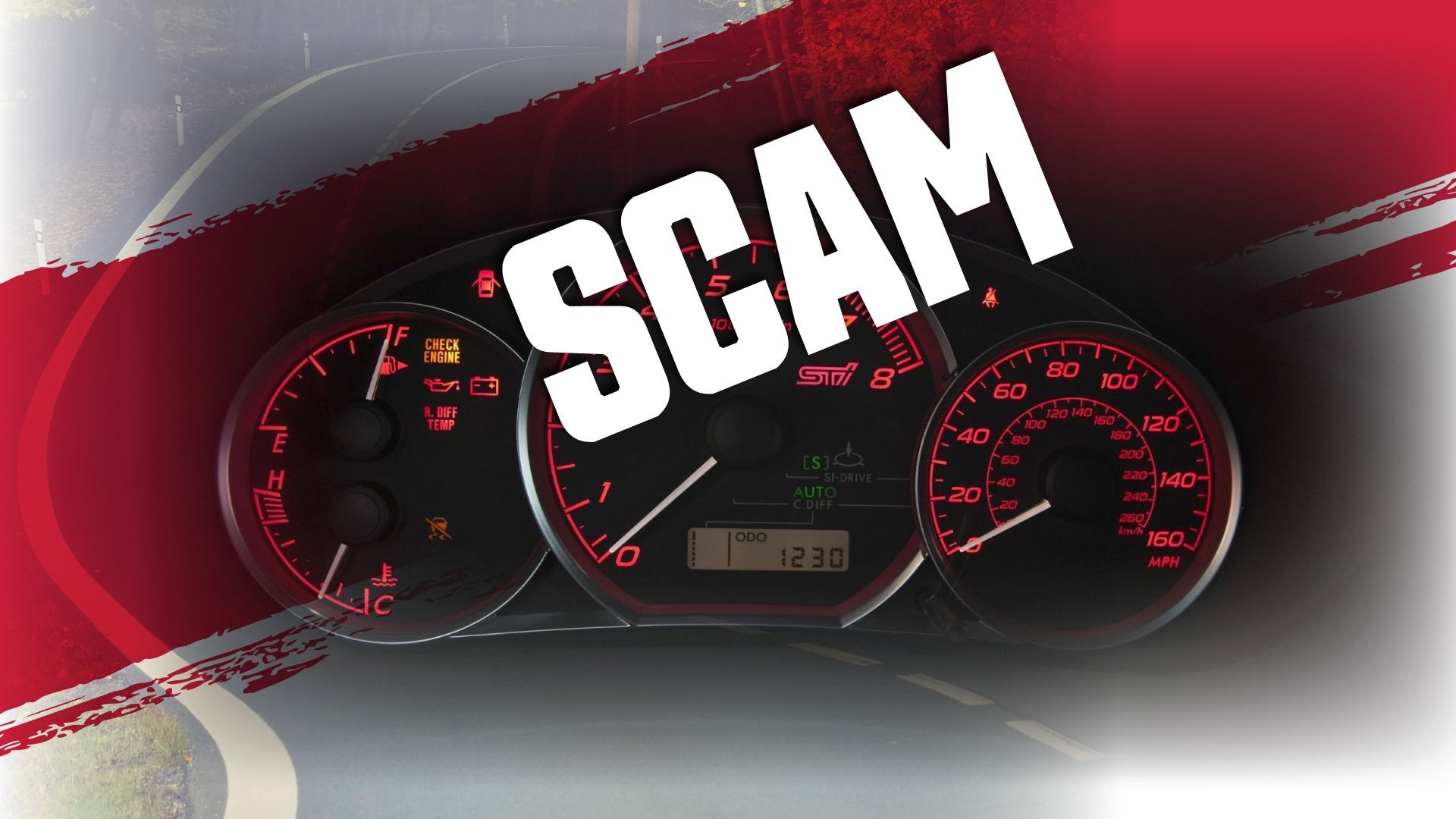
A used car can look like a very good bargain until you discover that the mileage is not genuine. Mark thought he had gotten a good deal when he bought a five-year-old sedan showing only 40,000 miles.
The seller was friendly, the documents appeared genuine, and the price seemed reasonable. Unfortunately, the excitement did not last. About two months later, the transmission started giving trouble.
When he took the car to a mechanic, he was told that the worn pedals, seat, and steering wheel looked more like those of a car that had covered nearly 100,000 miles. The odometer had been tampered with before the car was advertised.
This kind of fraud happens because digital odometers can be changed with inexpensive devices. Many buyers simply trust the figure displayed on the dashboard.
Mark later realized that checking the service history could have exposed the problem earlier. Maintenance receipts and vehicle history reports can reveal mileage differences.
Buyers should also check for excessive pedal wear, damaged seats, a heavily worn steering wheel, or service stickers showing different mileage. Mark now advises anyone buying a used car to verify maintenance records and match them with the odometer reading before making payment.
2. Curbstoning (Fake Private Sellers)
Renee wanted to avoid dealer markups, so she searched classified ads for a private seller. She met a man in a grocery store parking lot who claimed the car belonged to his sister.
He had no title with him, promising to mail it later, and pressured her to pay in cash immediately. She agreed, eager not to lose the deal to another buyer.
Weeks later, she learned the man was an unlicensed dealer flipping vehicles with hidden salvage titles, a practice known as curbstoning. These sellers pose as everyday people to dodge dealer regulations, consumer protection laws, and warranty obligations. Because private sales carry fewer legal safeguards, buyers assume all the risk once money changes hands.
Renee’s story highlights several warning signs she overlooked. The seller did not have the title at the meeting, the transaction took place in an unusual public location instead of the seller’s home, and there was pressure to complete the deal quickly.
Genuine private sellers typically have the title ready, are willing to meet at their residence, and don’t rush the process. If a seller cannot immediately prove ownership or seems to be selling multiple vehicles under different names, walk away.
Checking whether the same phone number appears across several listings is one simple way to spot a curbstoner before it costs you.

3. Title Washing
Diane found her dream SUV listed with a clean title and a price that seemed reasonable for the model year. She ran a basic search, saw nothing alarming, and completed the purchase. Six months later, when she tried to file an insurance claim after a minor accident, the insurer flagged the vehicle as previously flooded.
Someone had washed the title, meaning the salvage or flood designation had been scrubbed by moving the paperwork through a state with looser reporting rules. Diane’s car looked fine on the surface.
The engine ran, the interior smelled normal, and there was no visible water damage. But hidden corrosion in the electrical system eventually caused recurring failures that no mechanic could fully explain until they traced it back to moisture damage.
Title washing thrives because vehicle records aren’t always shared consistently between states. A car branded as salvage in one state can sometimes get a fresh, clean title elsewhere after minimal paperwork changes.
Diane’s advice to other buyers is straightforward. Get a complete vehicle history report from a reputable provider instead of relying only on the paper title. Buyers should also check for mildew odors, rusted bolts beneath the carpets, and condensation inside the headlights. These can all point to previous water exposure that may not appear on the title.
4. Fake Online Listings
Jamal thought he had found a rare bargain after seeing a pickup truck advertised online for several thousand dollars below its usual market price. The pictures were clear, and the listing provided plenty of information about the vehicle.
The seller explained that he was relocating because of military service and would not be available to meet personally. He promised to arrange delivery after receiving payment, which sounded reasonable to Jamal at the time. He sent half of the agreed amount as a deposit.
Sadly, the truck never arrived. Jamal later discovered that the pictures had been copied from a genuine dealership website in another state. The seller’s phone number stopped working shortly after the payment was made, leaving Jamal with a major financial loss and very little chance of recovering the money.
Online scammers often take advantage of people searching for affordable vehicles. They copy genuine pictures, create convincing stories, and avoid meeting buyers physically. Some also request payment through methods that provide little or no protection.
Jamal now asks sellers for live video calls and requests fresh pictures showing the vehicle with a handwritten date. He also insists on inspecting the car before paying. If a seller refuses these basic checks, he walks away.

5. “Just Needs” Scam
The ad read simply: runs great, just needs a new alternator. Priya figured that was an easy fix and negotiated the price down slightly to cover the part. She bought the car within a day of seeing it listed.
Turns out the alternator was the least of her worries. The transmission was failing, the timing belt hadn’t been replaced in over 100,000 miles, and the check engine light had been disconnected to hide multiple stored error codes.
What seemed like a minor, honest disclosure was actually a distraction from far costlier problems lurking underneath. Sellers using this tactic count on buyers feeling reassured by a small, named issue.
Admitting one flaw builds trust, making shoppers less likely to dig deeper. Priya later realized she never asked for a mechanic’s inspection, trusting instead the seller’s casual explanation and confident tone.
Now she recommends every buyer insist on a pre-purchase inspection from an independent mechanic, regardless of how minor the disclosed problem sounds. A scan tool check can reveal cleared codes that a casual test drive won’t show.
Asking why the seller is getting rid of a car that “just needs” one repair is also a fair question, and vague or shifting answers deserve extra scrutiny before any money is exchanged.
6. Car Cloning
Tomas answered an ad for a lightly used coupe with a title that matched the VIN plate under the hood. Everything checked out on paper, so he completed the sale and registered the vehicle. Months later, police contacted him because the car had been reported stolen under a different VIN in another state.
The car had been cloned. Thieves copied the VIN from a legitimate vehicle of the same type, created counterfeit documents, and placed a fake VIN plate over the original to make the stolen car appear legitimate.
Tomas lost the car entirely once authorities seized it, and he was left fighting to recover his payment from a seller who had already disappeared. Cloning scams rely on buyers trusting printed documents without cross-checking physical details.
Inconsistent VIN plates, mismatched fonts on stickers, or scratches around the VIN location on the dashboard are warning signs. The VIN on the dashboard, door jamb, and title should always match exactly.
Tomas now recommends running the VIN through a national database before any purchase and physically inspecting all VIN locations for tampering.
If a seller resists letting a buyer take photos of the VIN plates, that hesitation alone should be treated as a serious red flag worth walking away from immediately.
7. Escrow and Payment Scams
Sarah found what looked like a perfect deal from a seller claiming to be stationed overseas. He suggested using an online escrow service to protect both parties, sending a link that looked professional and legitimate. She transferred the full amount, confident the money was safe until delivery.
The escrow site was fake, built specifically to mimic real services and collect payments from unsuspecting buyers. Once Sarah sent the funds, the website vanished along with her money, and there was no legitimate company to contact for a refund.
Scammers favor this approach because escrow sounds secure and official, lowering a buyer’s guard. They often invent believable reasons for being unavailable in person, such as military deployment or a job transfer, making a video call or handshake deal impossible.
Sarah’s takeaway is to only use escrow services that are independently verifiable through a quick search, and never a link provided directly by the seller. Legitimate transactions rarely require exotic payment arrangements.
Meeting in person, using a bank’s official channels, or completing paperwork through a licensed title company remains far safer than trusting any third-party site suggested by someone selling a car sight unseen.
8. Must-Sell Now / Pressure Tactics
David still remembers how quickly the seller wanted the deal completed. She told him she was relocating to another state early the following morning and needed to sell the car that same day.
The asking price was already attractive, but she offered David an additional discount if he paid immediately without taking the car for a test drive. Thinking he was getting an opportunity that might not come again, he accepted.
Unfortunately, the urgency was deliberate. Pressure tactics are designed to make buyers act quickly before they have enough time to inspect the vehicle, check the documents, or consider whether the deal is genuine.
After buying the car, David discovered mechanical problems that could have been identified if he had taken his time. People using this trick may give different reasons for demanding immediate payment.
They might claim they are moving, facing an emergency, or have another buyer ready with cash. Whatever story they use, the goal is usually the same. They want to keep the buyer under pressure and push the deal forward before there is time to investigate.
David now believes buyers should never feel forced to decide immediately. A genuine seller should allow reasonable time for inspection and questions.
When someone strongly discourages a test drive or inspection, David sees it as a serious warning sign and walks away.
9. Fake Certified Used Cars
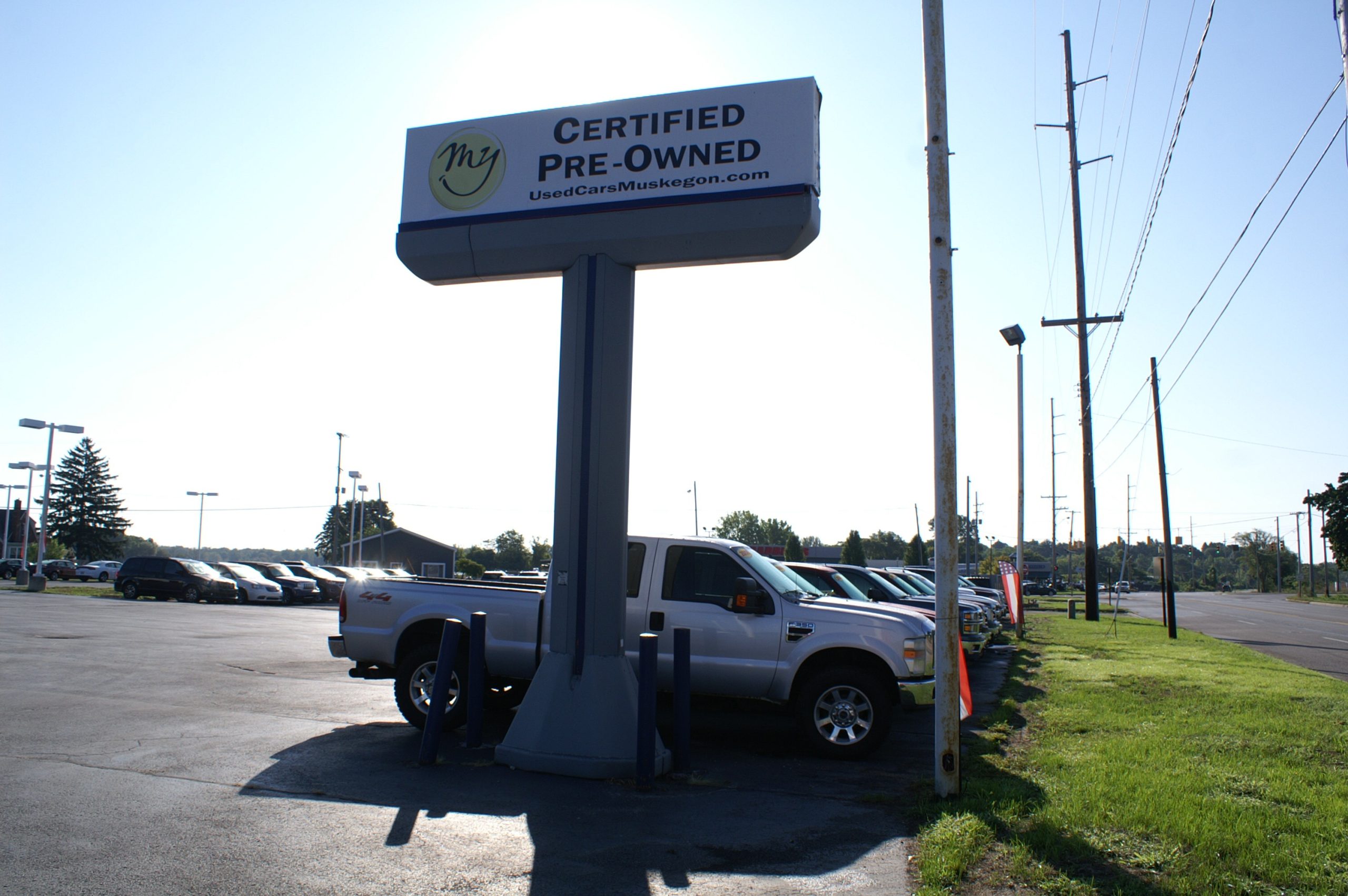
Angela paid a premium for what the dealer advertised as a certified pre-owned vehicle, expecting extended warranty coverage and a rigorous inspection process. She later discovered the dealership wasn’t authorized by the manufacturer to offer genuine certification at all.
Real certified programs exist only through franchised dealers approved directly by automakers, with standardized inspection checklists and factory-backed warranties.
Independent lots sometimes borrow the term loosely, slapping a certified sticker on a car that received nothing more than a basic once-over.
Angela’s warranty claim was denied months later when a mechanical issue arose, since no actual manufacturer backing existed behind the label she paid extra for.
The dealership pointed to fine print stating their own definition of certified differed from the manufacturer’s program. She now advises buyers to ask specifically which manufacturer program backs the certification and to request the inspection checklist used.
A quick call to the automaker’s customer service line can confirm whether a dealership is authorized to certify vehicles under that brand. Paying extra without this verification means paying for a label with no real substance or protection behind it.
10. Deposit or Overpayment Scams
Carlos listed his own car for sale and received a message from an eager buyer claiming to live out of state. The buyer sent a check for more than the asking price, explaining it would cover shipping costs, and asked Carlos to wire back the difference once the check cleared.
The check bounced days after Carlos had already sent the refund, leaving him out thousands of dollars with no way to recover it. Banks often make funds appear available before a check fully clears, tricking sellers into acting before fraud is detected.
This scam flips the usual script, targeting sellers rather than buyers, though it circulates constantly within used car marketplaces. Overpayment requests, unfamiliar shipping arrangements, and any request to wire money back are hallmark signs of this fraud.
Carlos now waits for checks to fully clear, which can take over a week, before releasing a vehicle or sending any money back to a buyer. He also refuses any deal involving shipping arrangements handled by the buyer’s own company.
Sticking to local, in-person transactions with verified funds remains the surest way to avoid losing money to this increasingly common trick.
