
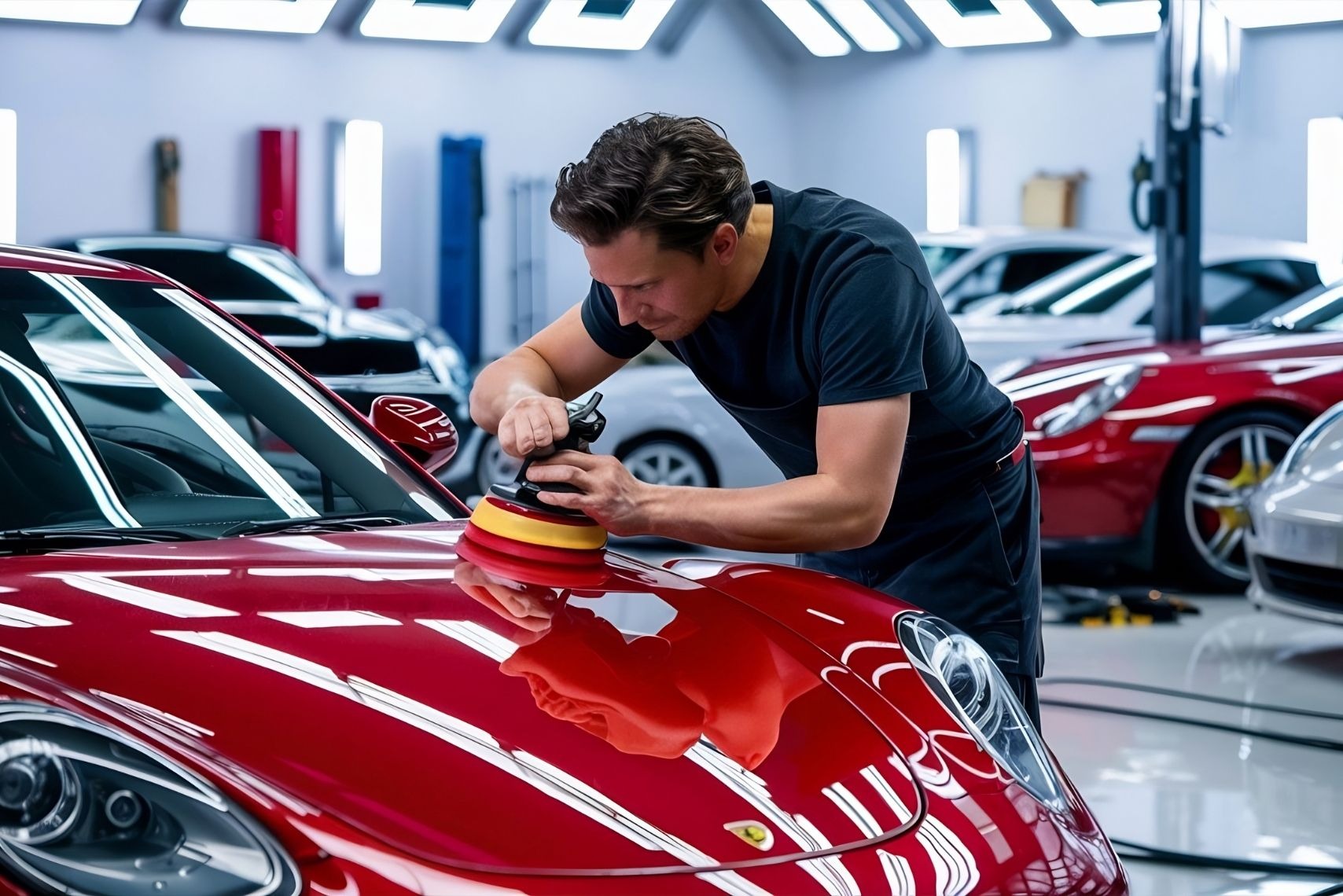
A dull paint finish can make a well-kept car look tired, even when the interior is spotless and the engine runs perfectly. The good news is that restoring that glossy appearance does not always require professional detailing. With the right products and a little patience, you can clean away contaminants, smooth minor imperfections, revive paint clarity, and protect the finish from future damage.
The trick is using each product for the job it was designed to handle. From the first wash to the final spray, these eight tools can help bring back a deep, clean shine while making routine car care easier. Whether your car is lightly dusty or showing years of neglected paint, the right approach can make a remarkable difference.
1. High-Quality Car Shampoo
The ALH stands out for buyers who value efficiency and long-term durability. It combines excellent fuel economy with the potential to accumulate very high mileage while remaining relatively tolerant of sensible, budget-conscious maintenance. Its strong reputation is well deserved, as long as owners follow the manufacturer’s recommended service requirements.
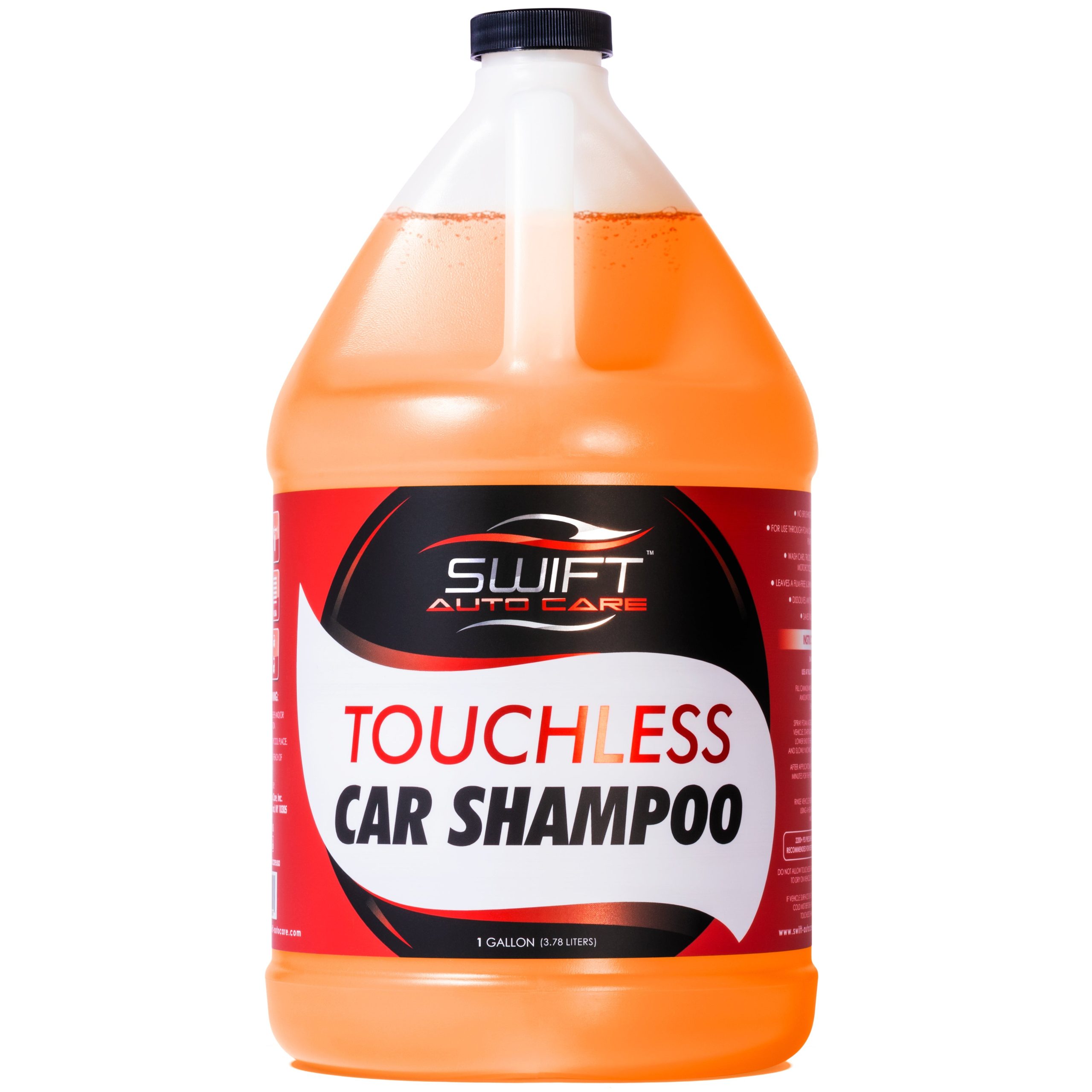
Dish soap might seem like a convenient substitute sitting under your kitchen sink, but its harsh formulation strips protective coatings and leaves paint more vulnerable to the elements.
Dirt, road grime, bird droppings, and airborne contaminants settle onto your paint daily, and these particles do more than sit on the surface. Left unaddressed, they grind against the clear coat every time wind or light abrasion moves them around, creating tiny scratches that dull the finish over months and years.
A proper wash routine interrupts that cycle before damage accumulates. Pair your shampoo with a microfiber wash mitt rather than an old sponge or towel, since microfiber traps dirt particles within its fibers instead of dragging them across the paint.
The two-bucket method takes this a step further by using one bucket for soapy water to clean the mitt and a second bucket filled with clean water to rinse away debris before dipping the mitt back into the soap.
This simple habit prevents you from unknowingly reapplying dirt straight back onto your paint, which defeats the entire purpose of washing in the first place.
2. Clay Bar or Clay Mitt
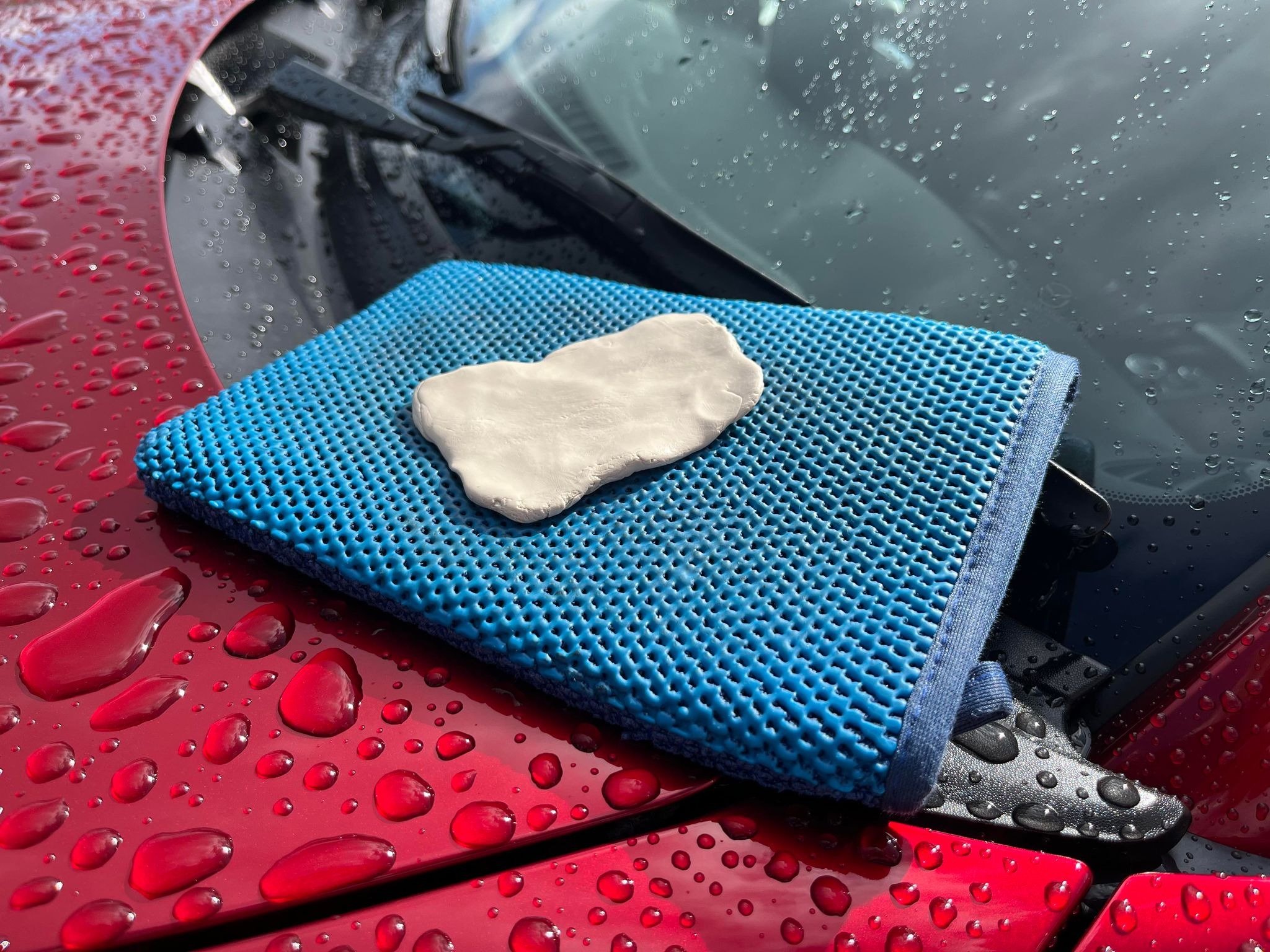
Your car can feel clean after washing and still have contaminants attached to its paint. Run your fingertips gently across a freshly washed panel, and you may notice a rough or gritty texture. That sensation often comes from particles that ordinary shampoo cannot remove.
A clay bar or clay mitt is designed to address those stubborn contaminants. Brake dust, industrial fallout, tree sap, and other particles can become bonded to the upper surface of the paint. Clay treatment helps pull these contaminants away, leaving the finish noticeably smoother.
There is a simple test worth doing before reaching for polish. Place a thin plastic bag over your fingertips and lightly touch the clean paint. The plastic can make tiny surface roughness easier to detect. If the panel feels gritty, clay treatment may be useful.
Lubrication is essential. Use a suitable clay lubricant or detailing solution so the clay can glide across the surface instead of dragging against dry paint. Work a small section at a time with light pressure. Once the surface feels smooth, wipe away the residue with a clean microfiber towel.
Do not treat clay as a polishing product. It does not repair scratches or restore faded paint by itself. Its job is surface preparation. By removing bonded contaminants first, it creates a cleaner, smoother foundation for polishing and protection.
3. Dual-Action Polisher
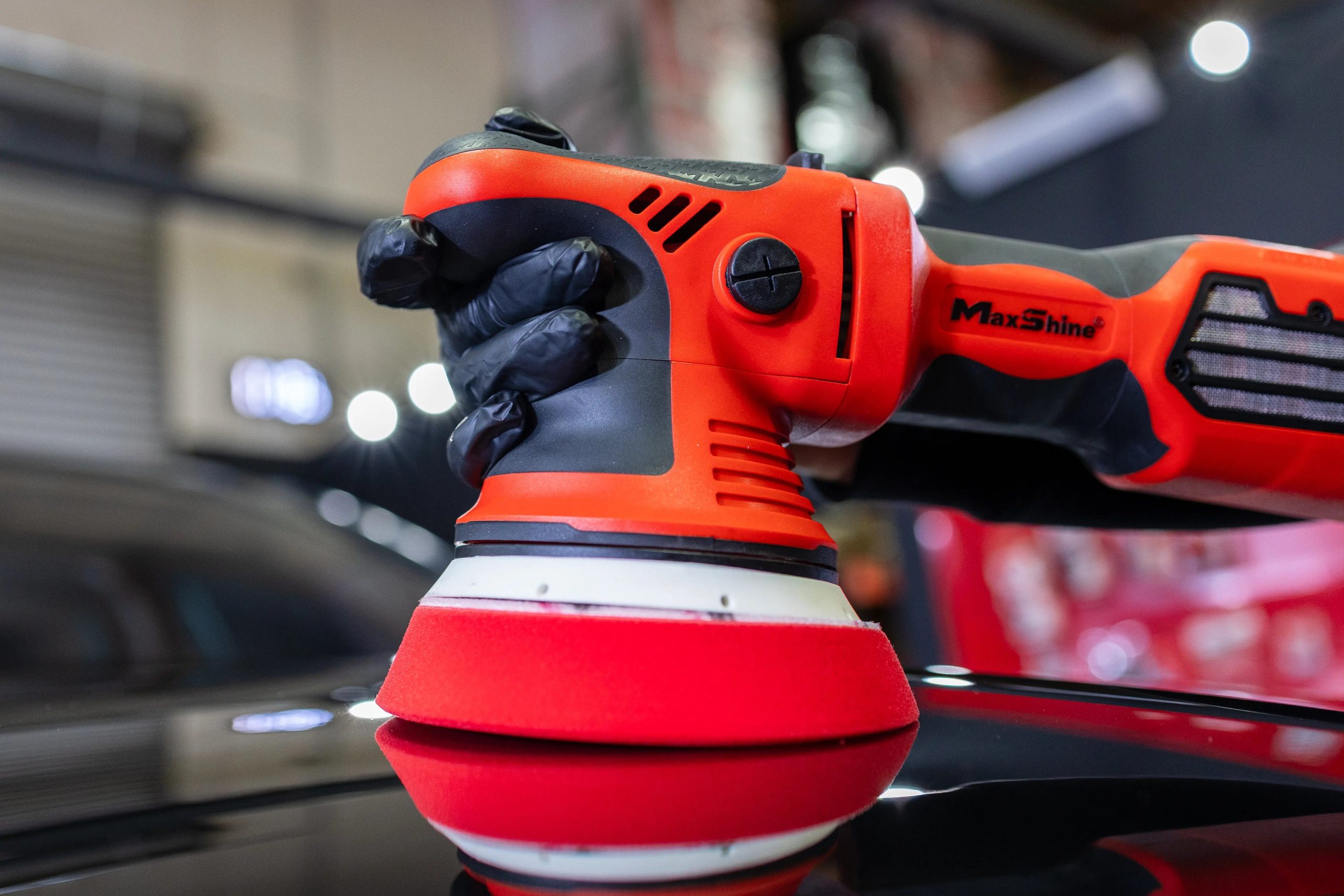
Polishing by hand can work for small areas, but correcting an entire vehicle manually can become tiring quickly. A dual-action, or DA, polisher provides a more efficient way to improve paint clarity while giving the user better control than many traditional rotary machines.
The movement of a DA polisher combines rotation with an orbital motion. That action helps spread polishing products across the panel and can reduce the risk of creating concentrated defects when the machine is used correctly. It is particularly useful for addressing light oxidation, swirl marks, haze, and minor scratches.
Pad selection matters. A cutting pad paired with an appropriate compound can provide more correction when the paint has noticeable defects. A softer finishing pad and a mild polish are better suited to refining the surface and producing a clear, glossy appearance.
Work in small sections instead of covering the entire car in one pass. Keep the machine moving, use moderate pressure, and follow the instructions supplied with the polish and machine. Before treating the whole vehicle, test your chosen pad and product combination on a small area.
A DA polisher is not a magic machine. Paint has a limited amount of clear coat, so aggressive correction should not become a routine habit. The goal is to remove only enough material to improve the appearance while preserving as much of the factory finish as possible.
4. Polishing Compounds
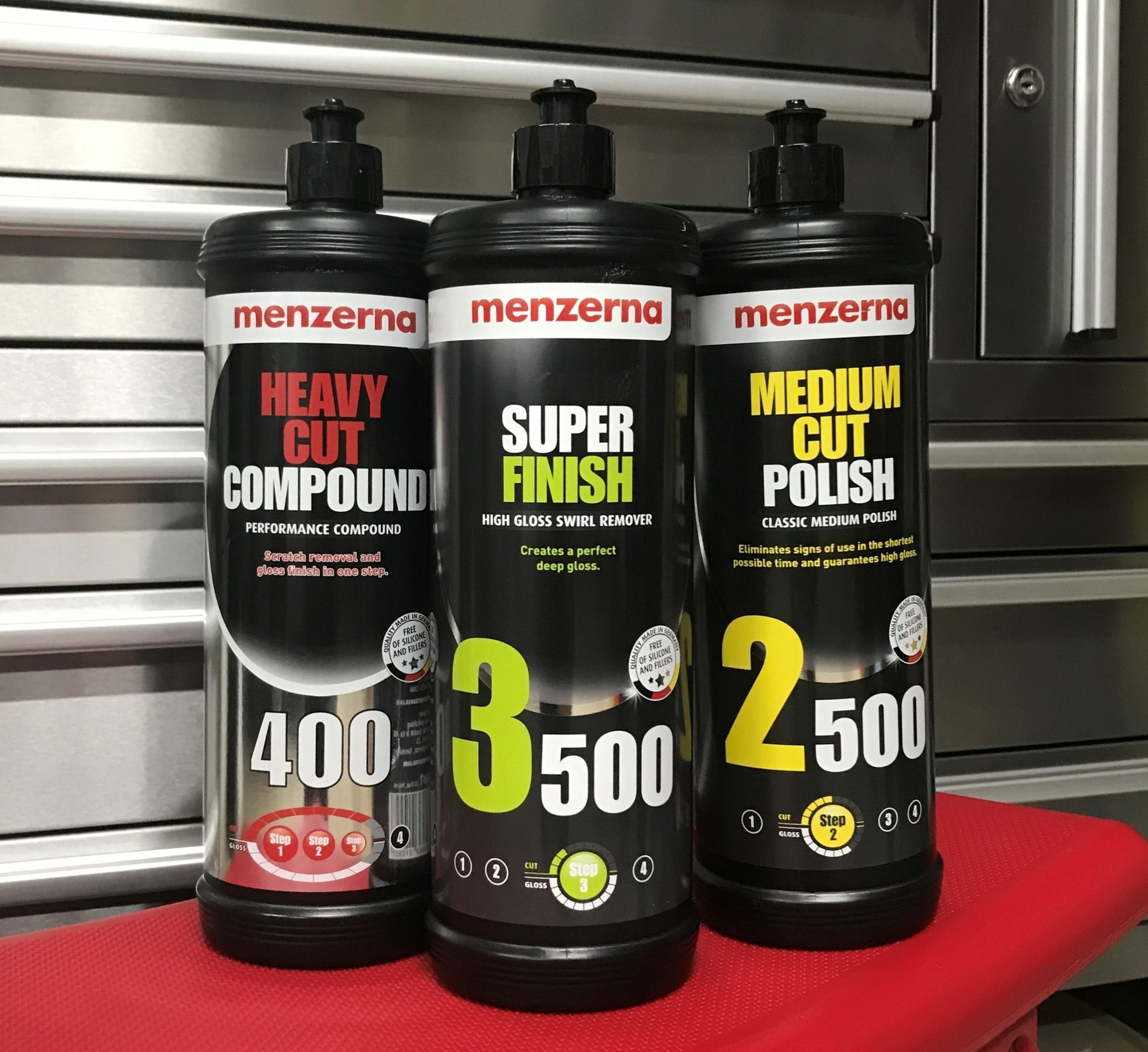
Choosing the right polishing compound is less about buying the strongest product and more about matching the product to the condition of the paint. A finish covered in light swirls needs a different approach from paint carrying deeper scratches or heavier oxidation.
Mild polishes are useful when the defects are relatively minor. They can refine the surface, improve clarity, and bring back gloss without removing as much clear coat as a more aggressive compound. When defects are deeper, a cutting compound may provide greater correction, but it should be used carefully and followed by a finishing polish when needed.
Products such as Meguiar’s Ultimate Compound and Chemical Guys C4 & P4 are examples of products commonly used for paint correction. The right choice depends on the paint, pad, machine, and defect you are trying to address.
A useful rule is to start with the least aggressive approach that can reasonably solve the problem. Test it on a small area first. If the results are not sufficient, gradually increase the level of correction until you achieve the desired outcome.
Also remember that polishing is not the same as simply adding shine. A good polishing process improves the way light reflects from the paint by reducing surface imperfections. That cleaner reflection is what creates the crisp, glossy appearance people associate with freshly detailed vehicles.
Used carefully, polishing compounds can transform tired-looking paint without requiring a complete professional correction service.
5. Microfiber Towels
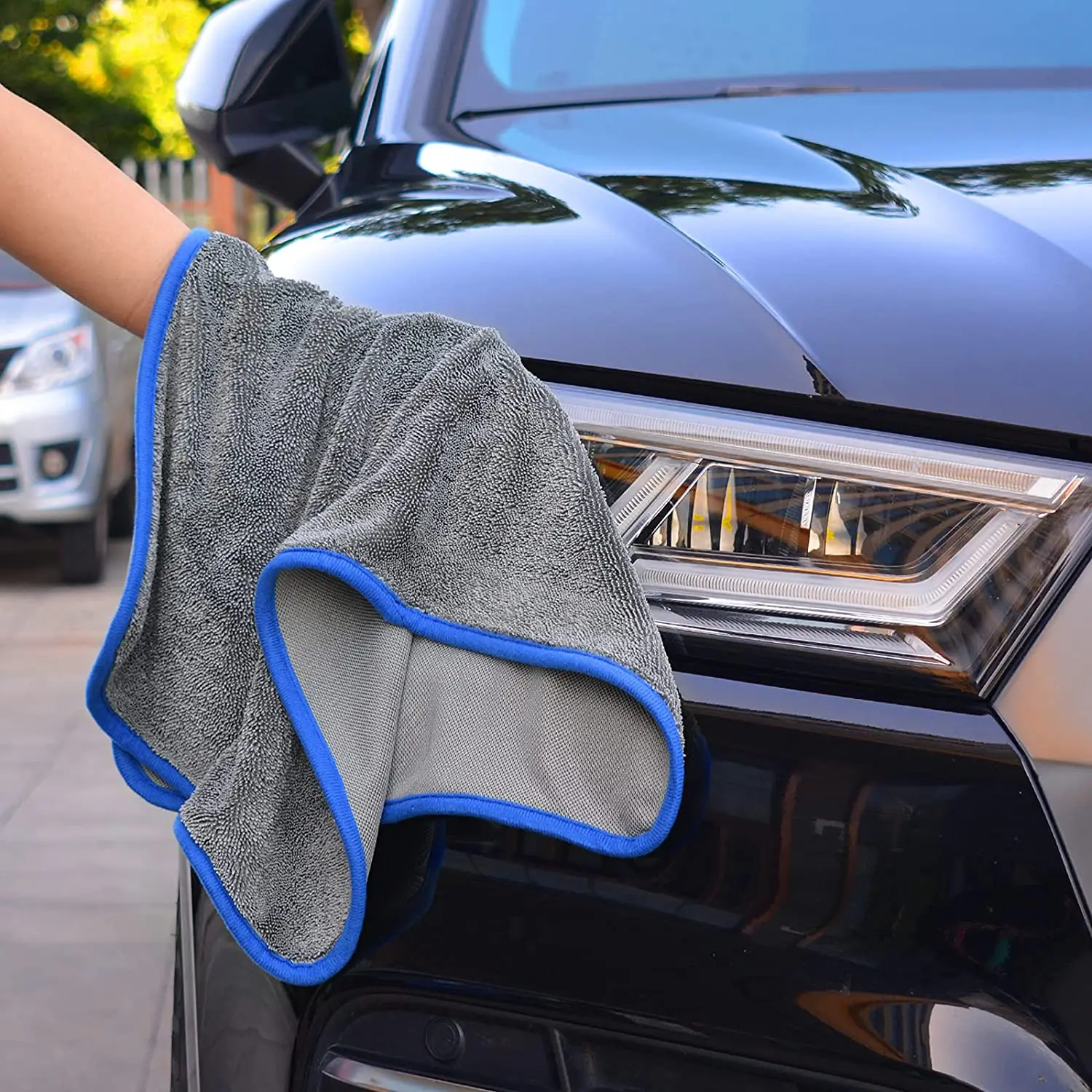
It sounds almost too simple to matter, but the towels you use throughout this entire process can make or break your results. Regular cotton towels or old T-shirts might seem like a harmless, budget-friendly substitute, but their rougher fibers can introduce fine scratches into paint you just spent hours correcting, undoing progress before you even step back to admire your work.
Microfiber towels solve this problem through their fiber structure, which is designed to trap dirt and residue within tiny loops rather than dragging particles across the surface.
This matters at every stage of the process, from initial drying after a wash to buffing off polish residue and applying that final coat of wax or sealant. Keeping several microfiber towels on hand, rather than trying to make one towel do everything, prevents cross-contamination between stages.
A towel used for drying after washing shouldn’t be the same one used to buff off polishing compound, since leftover grit or product residue can scratch subsequent layers. Color-coding your towels by task is a simple system many detailers swear by to avoid mixing them up.
Quality matters here too. Cheap, thin microfiber towels tend to fall apart quickly and offer less absorbency, while denser, well-constructed towels last longer and handle liquid without leaving streaks or lint behind, giving your finished paint that clean, professional look you’re working toward.
6. Wax and Paint Sealants
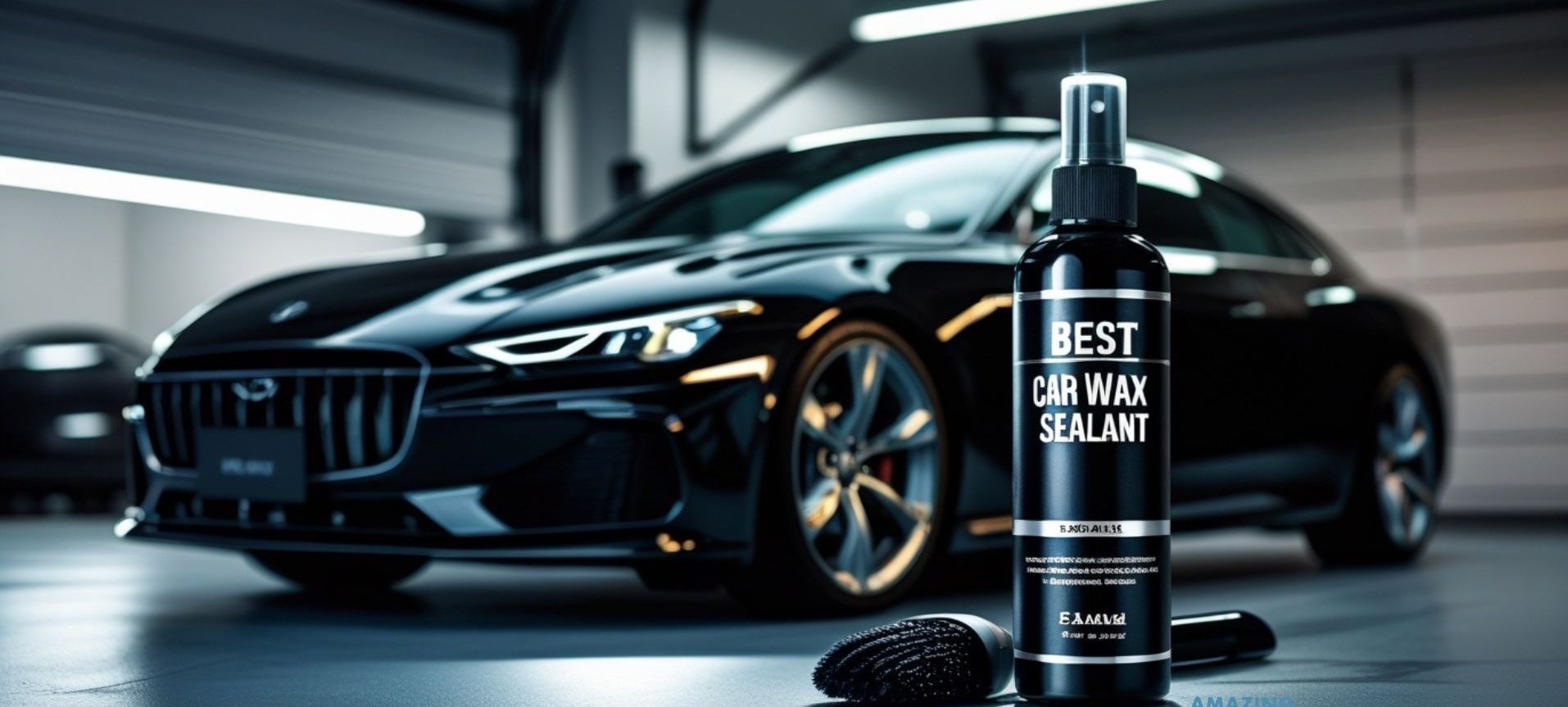
Once the paint has been washed, decontaminated, and polished, protection becomes the priority. Wax and paint sealants create a barrier between the freshly prepared finish and many of the contaminants it encounters during normal driving.
Traditional wax is popular because it can produce a rich, warm appearance while adding a layer of protection. Synthetic paint sealants are another option, particularly for drivers who want longer-lasting protection with less frequent application.
Products such as Sonax Premium Class Wax and Collinite 845 are examples of established options used for paint protection. Application does not need to be complicated.
Work on a clean, dry surface and follow the manufacturer’s instructions for how much product to use and how long it should remain on the paint. More product does not automatically mean more protection. A thin, even layer is generally easier to remove and can provide a more uniform finish.
Think of this stage as putting a protective jacket over your freshly polished paint. The polish improves the surface, while the wax or sealant helps defend it from exposure to sunlight, dirt, moisture, and oxidation.
There is also a practical benefit because protected paint can be easier to wash, as contaminants may have less opportunity to cling tightly to the surface.
Choose wax if you enjoy its traditional look and application process. Choose a synthetic sealant if durability and convenience are higher priorities. Either can be a useful final step after proper paint preparation.
7. Ceramic Coating or Spray Wax
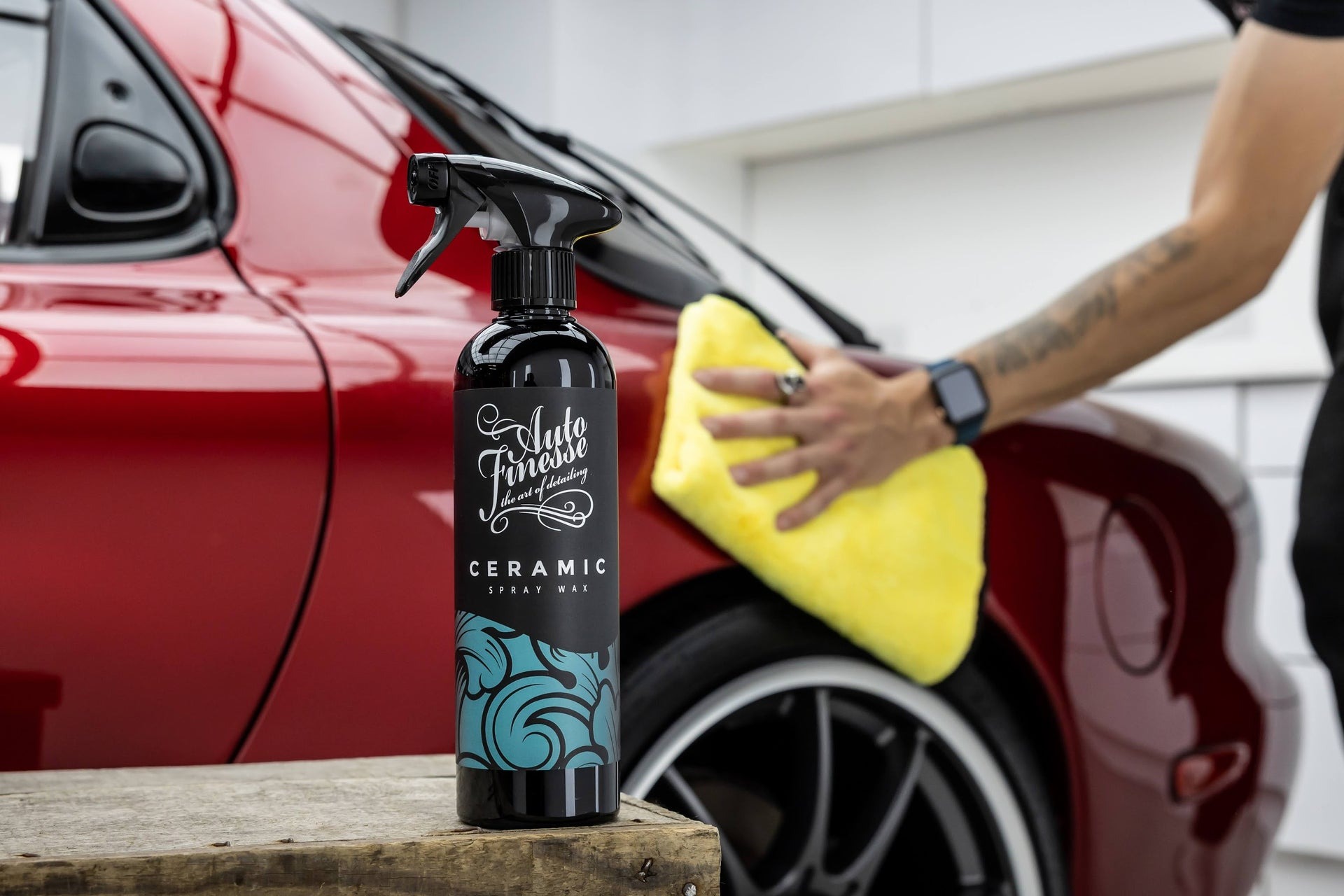
For drivers who want a longer-lasting protective layer, ceramic coatings and hybrid spray waxes offer another route. These products are designed to leave a protective film on the paint that can provide strong water repellency while helping maintain a glossy appearance.
A ceramic coating generally requires more careful preparation than a basic spray product. The paint should be thoroughly washed, decontaminated, and polished before application because the coating can lock in surface defects if the preparation is poor. Following the manufacturer’s application and curing instructions is essential.
Hybrid spray wax offers a simpler option. It can provide water-beading properties and added gloss without the preparation or application process associated with a dedicated ceramic coating. That makes it appealing to owners who want easier maintenance.
There is an important distinction between the two. A professional-grade ceramic coating is not simply a fancy wax, and a spray wax should not be expected to provide identical durability. Product formulas, application methods, environmental exposure, and maintenance habits all affect how long protection lasts.
For someone maintaining a daily driver, convenience may matter more than maximum durability. A spray product can be reapplied during regular detailing, while a ceramic coating may make sense for someone willing to spend more time preparing the vehicle properly.
Either choice works best when applied to clean, properly prepared paint. Protection cannot replace correction, so handle the surface first before adding the protective layer.
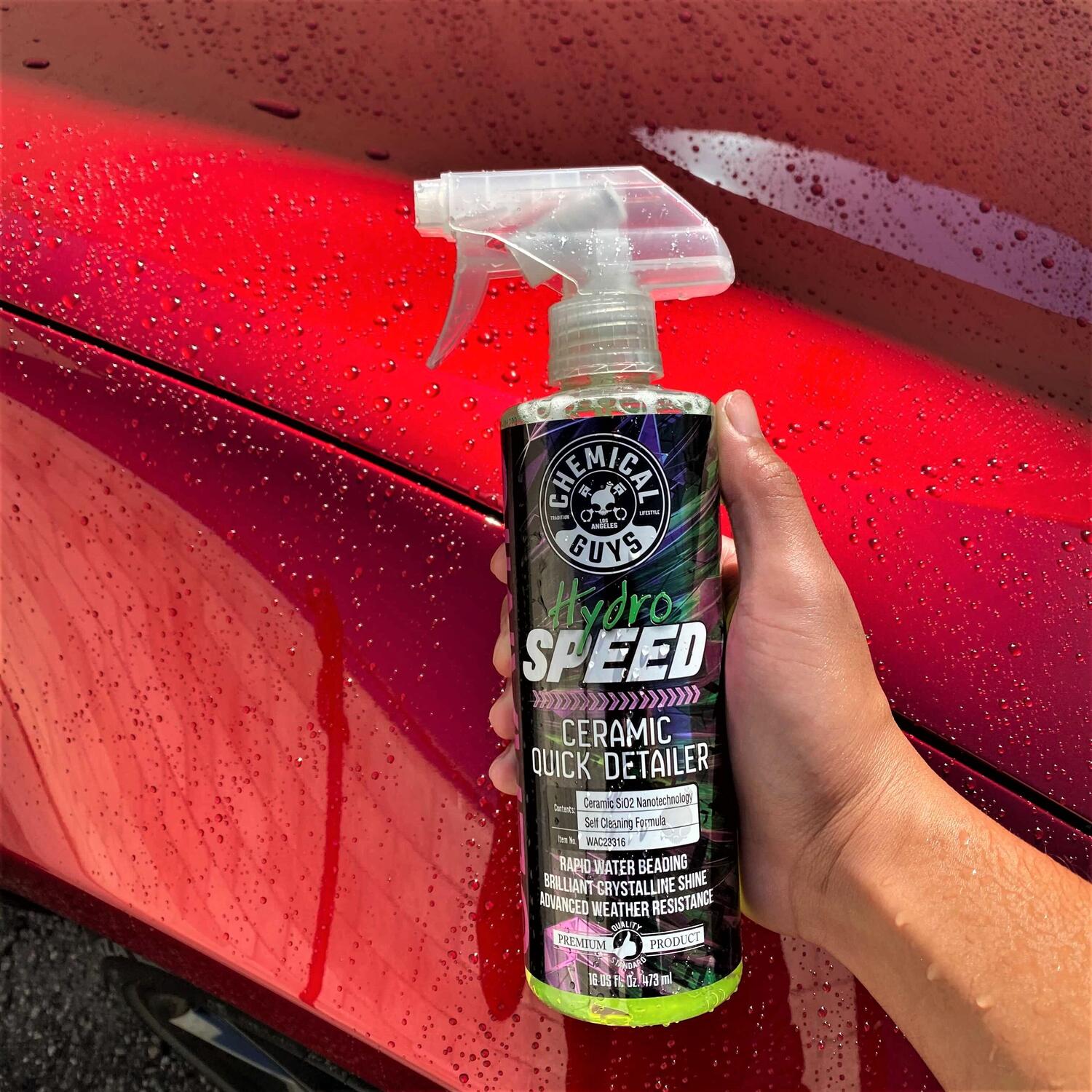
8. Detailing Sprays and Quick Detailers
Sometimes your car does not need another full wash or polishing session. Maybe there is a light layer of dust after a short drive, a few fingerprints on the door, or some residue that appeared while the car was parked. This is where a detailing spray or quick detailer earns its place.
These products are designed for light touch-ups. Sprayed onto a suitable microfiber towel or directly onto the panel according to the product instructions, they can help remove minor surface dust while leaving behind added slickness and shine.
The important word here is light. Quick detailers are not substitutes for a proper wash when the vehicle is covered in heavy dirt, mud, sand, or gritty road debris. Wiping a heavily contaminated surface can drag particles across the paint and cause scratches.
They are especially useful after waxing or sealing because they can refresh the appearance between more thorough detailing sessions. Some formulas also contain ingredients that enhance gloss or add a small amount of protection.
Keep a clean microfiber towel dedicated to this task, and use a fresh section of the towel as it becomes dirty. For fingerprints, use gentle strokes rather than aggressive rubbing.
A quick detailer is best viewed as a maintenance tool, not a paint-correction product. It will not remove deep scratches, repair oxidation, or replace polishing. Its value comes from keeping an already-clean vehicle looking fresh with very little effort.
Used properly, it can make routine car care feel much easier while helping preserve the polished appearance you worked to achieve.
