
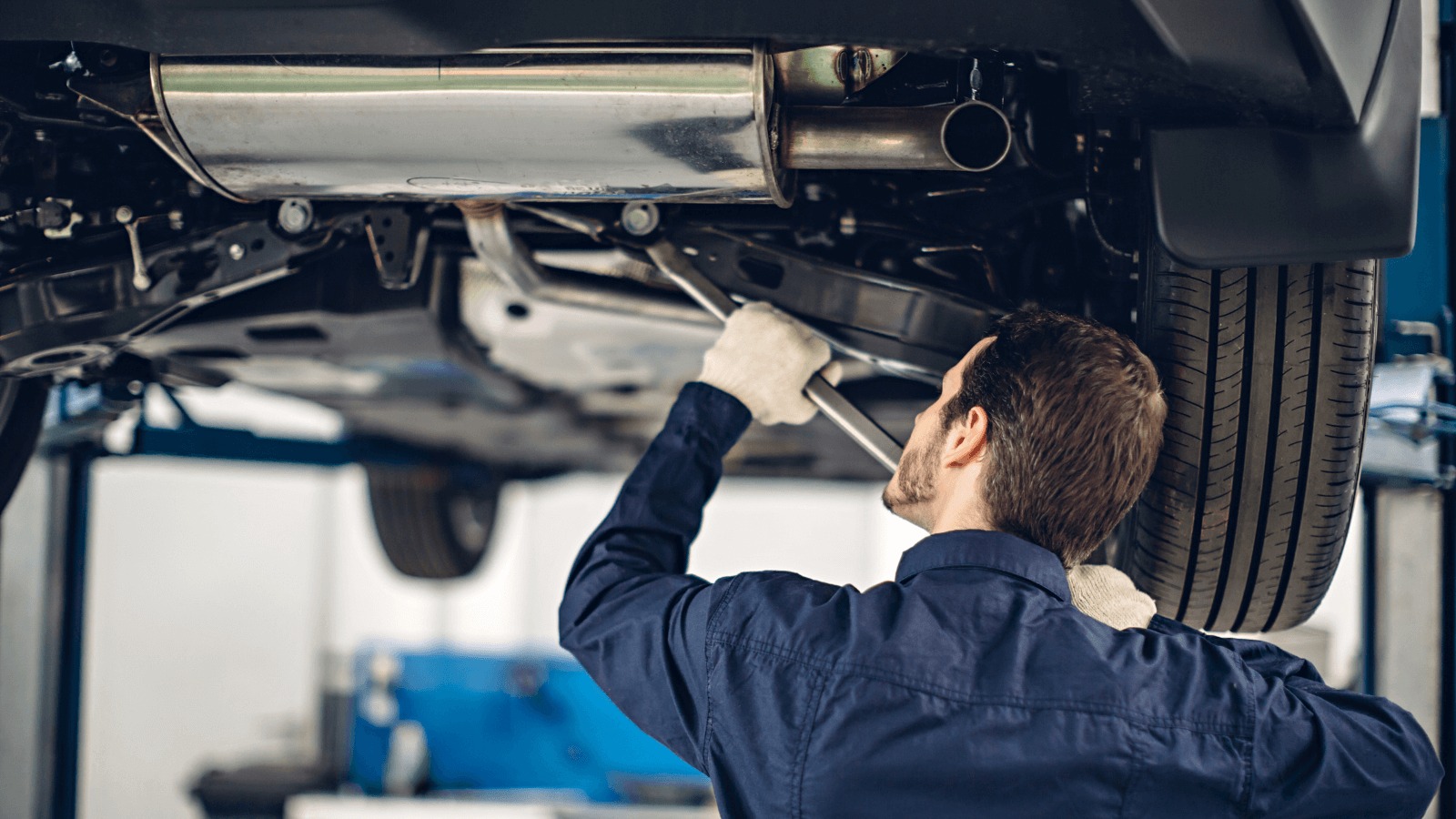
A car rarely becomes expensive to repair overnight. More often, small maintenance tasks are skipped until wear turns into a major mechanical problem. A few routine checks can protect your engine, transmission, brakes, cooling system, tires, and electrical components from damage that may cost thousands of dollars to fix.
The best part is that many of these jobs are simple enough to schedule alongside regular service visits. Staying ahead of worn parts and aging fluids also makes your car more dependable and can help preserve its value. These six maintenance jobs deserve regular attention because they address systems that can lead to the largest repair bills when neglected.
1. Engine Oil and Filter Changes
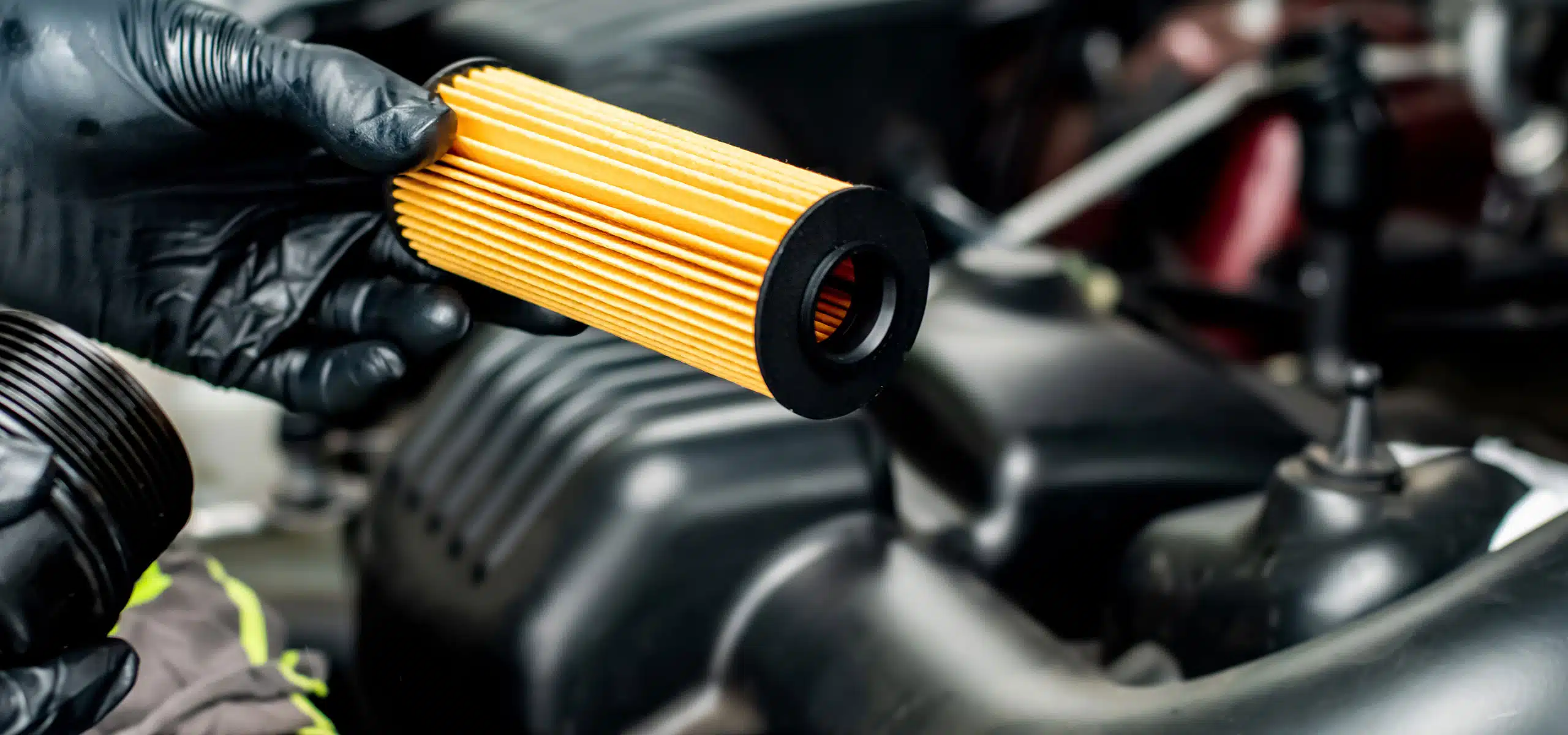
Oil is the lifeblood of your engine, and treating it as an afterthought is one of the fastest ways to shorten your car’s lifespan. Fresh oil keeps internal components lubricated, reducing friction between moving parts that would otherwise grind against each other and generate damaging heat.
Once oil breaks down or runs low, that protective layer thins out, allowing metal-on-metal contact that wears down bearings, pistons, and camshafts far faster than they should.
The financial stakes here are hard to ignore. An oil change typically costs a fraction of what you’d spend on dinner for a family of four, yet skipping this basic service repeatedly can accelerate engine damage to the point where a full replacement becomes necessary.
That repair bill often lands somewhere between $4,200 and $7,000, a staggering jump from routine maintenance that could have prevented it entirely.
Manufacturers provide specific intervals for a reason, generally somewhere between 5,000 and 15,000 miles depending on your oil type and driving habits.
Synthetic oils tend to last longer than conventional options, and vehicles used primarily for short trips or in extreme temperatures may need more frequent changes than the standard recommendation suggests.
Checking your owner’s manual rather than guessing ensures you’re following guidance tailored to your specific engine. Sticking a reminder on your calendar or setting a mileage-based alert removes the guesswork entirely.
This single habit, repeated consistently over the years you own a vehicle, does more to protect your engine’s health than almost any other maintenance task you could prioritize.
2. Transmission Fluid Service
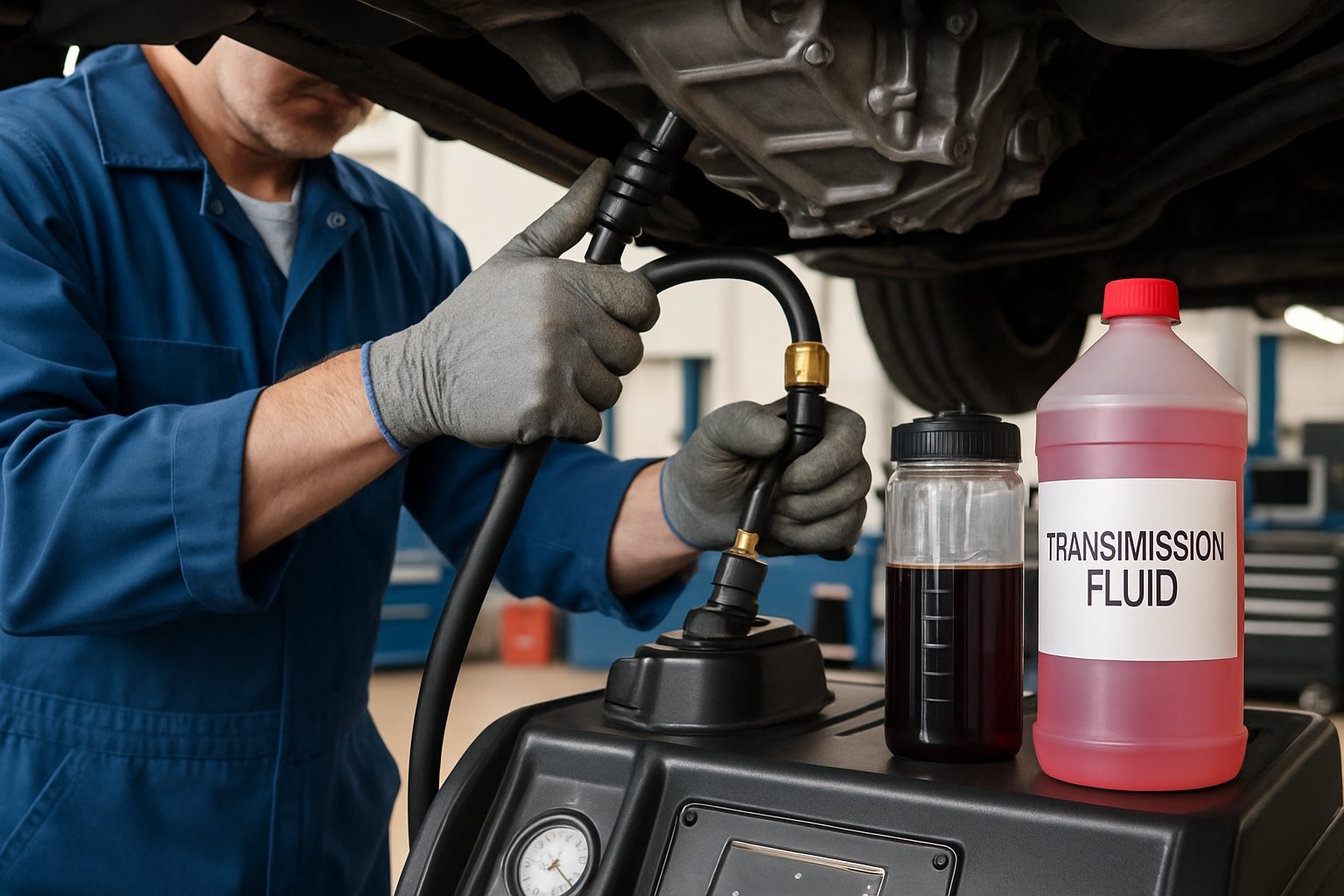
Transmission problems have a reputation for producing painful repair bills, and there is a good reason for that. A modern transmission contains numerous moving parts that depend on the correct fluid for lubrication, cooling, and hydraulic operation.
When the fluid becomes degraded or contaminated, those functions can suffer. The warning signs are not always dramatic at first. A vehicle may develop delayed engagement, rough shifting, slipping, unusual noises, or hesitation.
Ignoring those symptoms can allow a relatively manageable service issue to become a much larger mechanical problem. A transmission rebuild or replacement can cost approximately $3,000 to $5,500, depending on the vehicle and the extent of the damage.
Fluid service requirements vary widely. Some transmissions have traditional fluid-and-filter service intervals, while certain newer units use specialized fluids and procedures.
A few are marketed as having fluid designed to last for the vehicle’s expected service life, but that does not mean the transmission should be ignored.
The owner’s manual should be the first reference for the correct fluid specification and service procedure. If the vehicle requires inspection, replacement, or a professional fluid service, following that schedule can help reduce heat buildup and wear.
Pay attention to leaks as well. A small puddle beneath the car can indicate a fluid problem that deserves prompt attention. Catching a leak early may prevent a much larger transmission repair later.
3. Brake System Maintenance
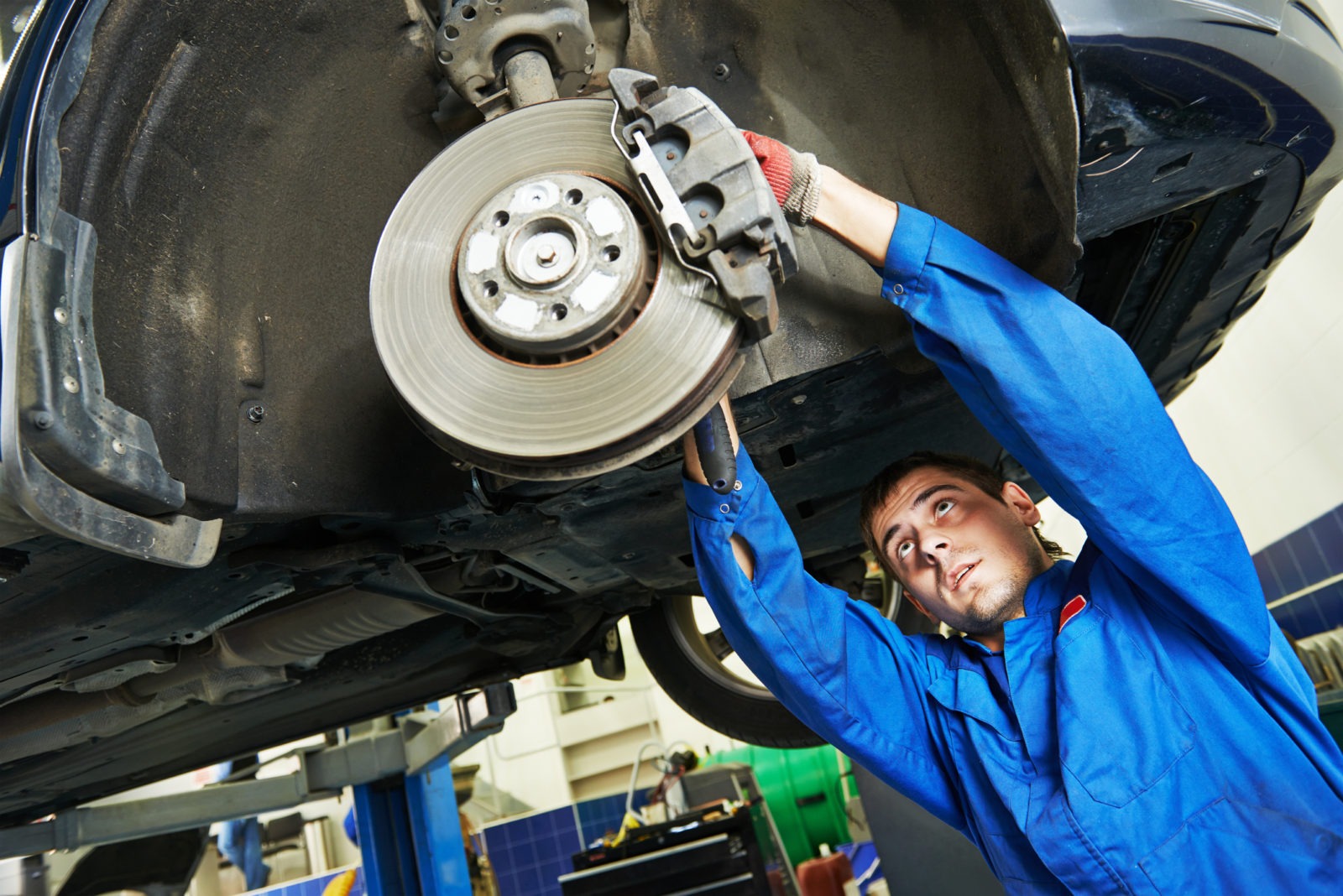
Brakes give you one of the clearest examples of why inexpensive maintenance matters. Brake pads gradually wear each time the vehicle slows down. Once the friction material becomes too thin, the underlying components can suffer damage, and stopping performance may be affected.
Replacing brake pads before they become severely worn is usually far less expensive than waiting until additional parts are damaged. A basic brake job may cost a few hundred dollars, while extensive repairs involving pads, rotors, calipers, or other components can reach $1,000 to $2,500 or more depending on the vehicle.
Regular inspections are important for another reason because brake fluid also requires periodic attention. Over time, it can absorb moisture and may need to be replaced according to the manufacturer’s recommended service schedule. A brake inspection also gives a technician the opportunity to examine the hoses, lines, calipers, rotors, and other components for signs of wear or damage.
Listen for changes when you drive. Persistent squealing, grinding, vibration, pulling, or a pedal that feels unusually soft should not be ignored. These symptoms can point to problems that deserve prompt inspection.
Brake maintenance is not simply about avoiding a repair bill. It directly affects your ability to stop safely. Scheduling inspections and replacing worn parts before metal components make damaging contact can protect both your vehicle and the people inside it.
4. Coolant System Care
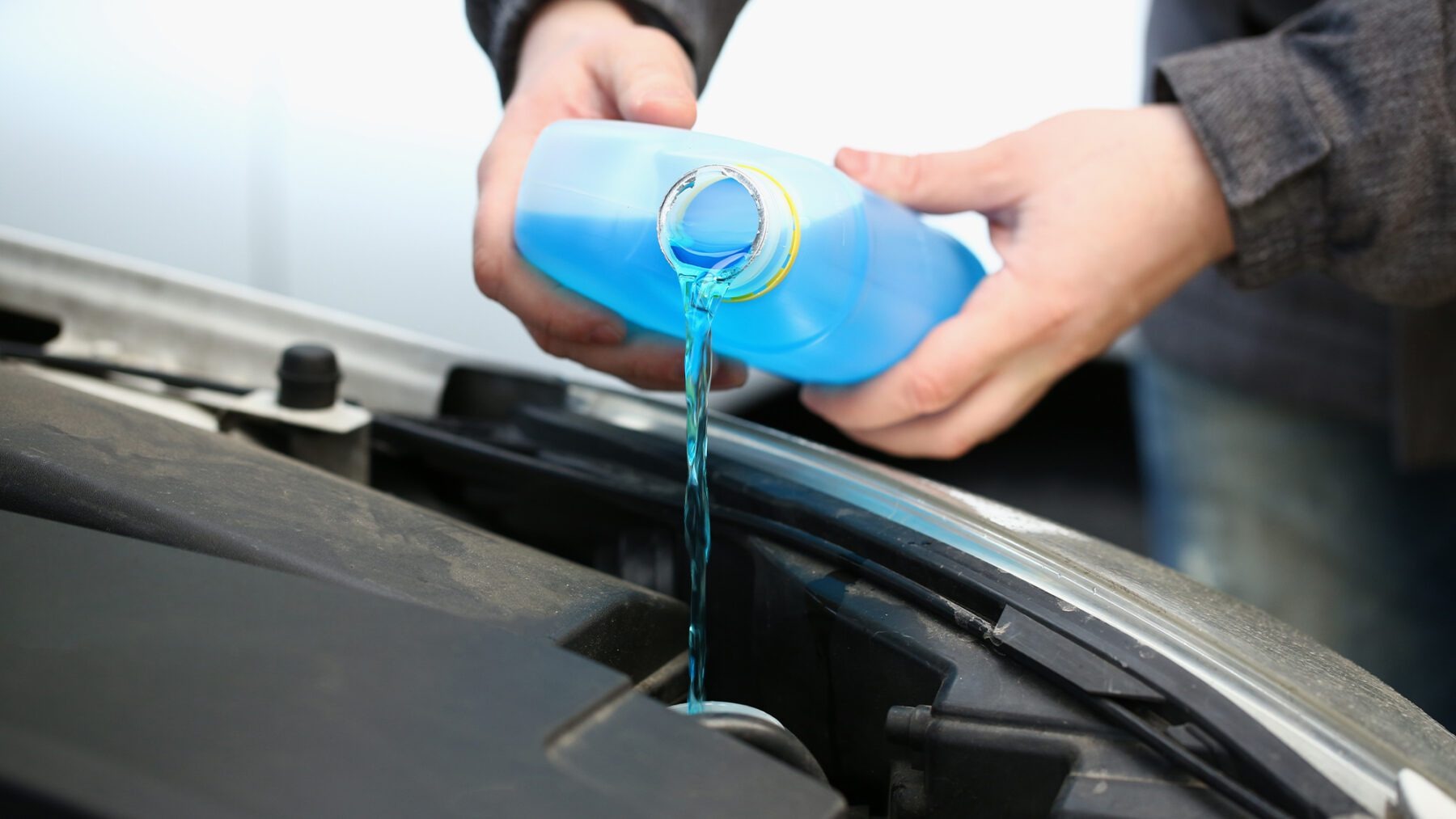
Heat is an engine’s constant adversary, and coolant serves as the primary defense keeping temperatures within a safe operating range. Beyond just preventing overheating, coolant also protects internal components from corrosion, a slower but equally damaging process that can compromise your engine over years of neglect.
When coolant breaks down or leaks, the effects ripple outward across multiple components. The radiator, thermostat, and water pump all depend on proper coolant levels and quality to function correctly.
Let this system degrade, and you risk replacement costs that reach up to $1,250 for a radiator alone, without even factoring in additional repairs to related parts affected by the same overheating event.
What makes this particularly frustrating is how preventable it is. Flushing and refilling coolant at recommended intervals, typically every 30,000 to 60,000 miles depending on your vehicle and coolant type, is a straightforward service most shops handle quickly and affordably.
Compare that modest expense to replacing an entire radiator or dealing with a warped cylinder head from sustained overheating, and the value becomes obvious.
Watching your temperature gauge during regular drives and addressing any coolant leaks immediately, rather than topping off and hoping for the best, prevents small issues from becoming catastrophic engine damage.
A five-minute check under the hood, done consistently, protects one of your car’s most critical cooling systems from failures that could otherwise sideline your vehicle entirely and drain your savings account.
5. Tire Maintenance and Alignment
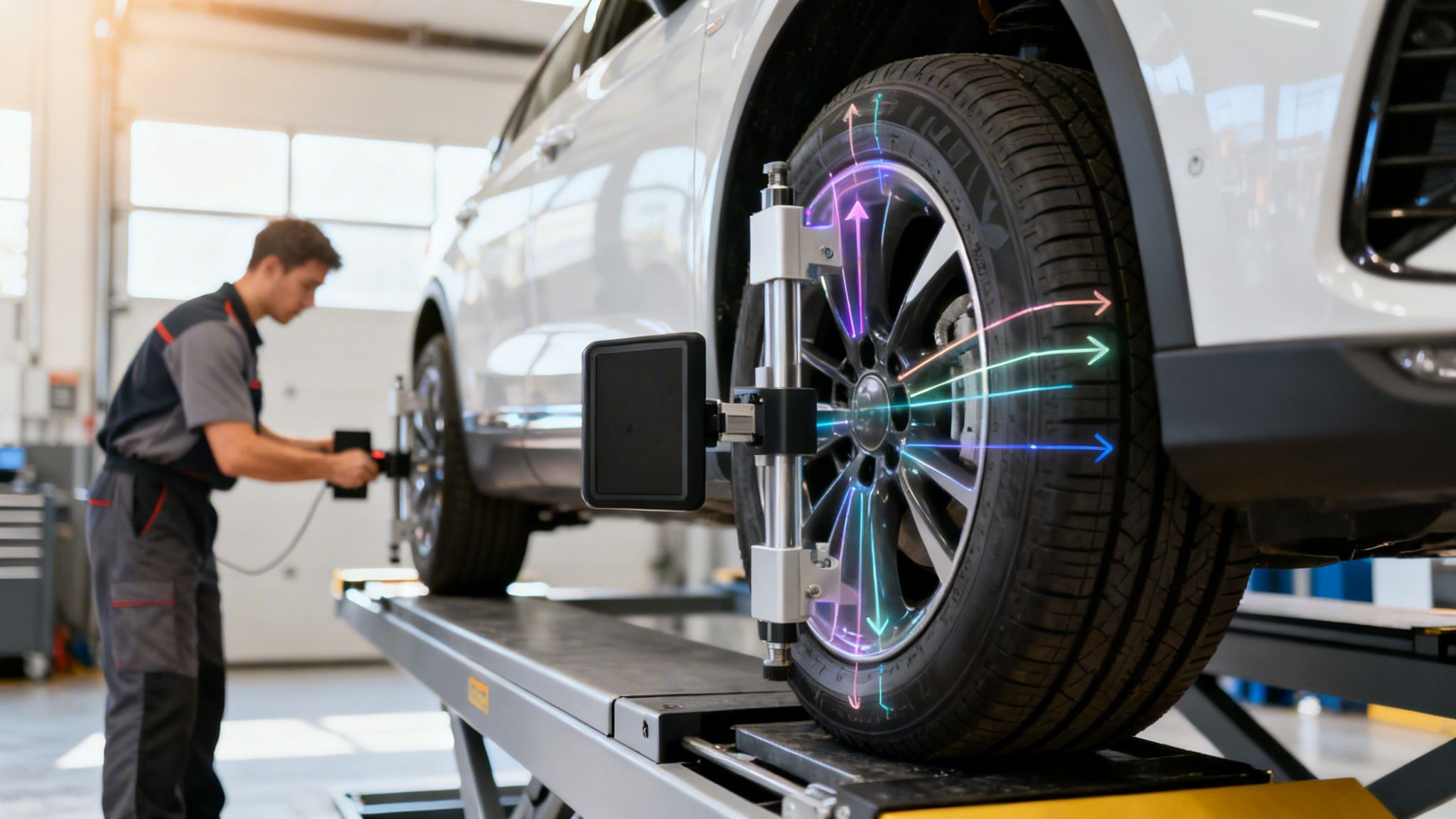
Your tires are the only part of your car actually touching the road, yet they’re often the most neglected component until a blowout or visible wear forces attention. Proper pressure, regular rotation, and correct alignment do more than extend tire life.
They protect your suspension system from strain that can lead to genuinely expensive repairs if left unaddressed. Underinflated or misaligned tires create uneven wear patterns, forcing your suspension components to compensate for the imbalance.
Over months and years, this added strain can damage shocks, struts, and other suspension parts, with repair costs ranging from $1,200 to $3,000 depending on how extensive the damage becomes before it’s caught. What seemed like a minor tire issue quietly transforms into a suspension overhaul.
Monthly pressure checks take less time than waiting in line at a coffee shop, yet this simple habit prevents the kind of gradual damage that sneaks up on drivers who assume their tires are fine because nothing looks obviously wrong.
Rotating tires every 5,000 to 8,000 miles promotes even wear across all four positions, extending their usable life and maintaining consistent handling characteristics.
Subtle symptoms can often point to alignment problems. The car may pull slightly to one side, the tires may develop uneven tread wear, or the steering wheel may sit off-center even when the vehicle is traveling straight.
Addressing these symptoms promptly, rather than living with them, protects both your tire investment and the suspension components working alongside them every time you hit the road.
6. Battery and Electrical System Upkeep
A dead battery is inconvenient, but electrical problems can become much more expensive when the cause is ignored. The battery supplies power for starting the engine and supports numerous electrical systems. The alternator then helps maintain the vehicle’s electrical supply while the engine is running.
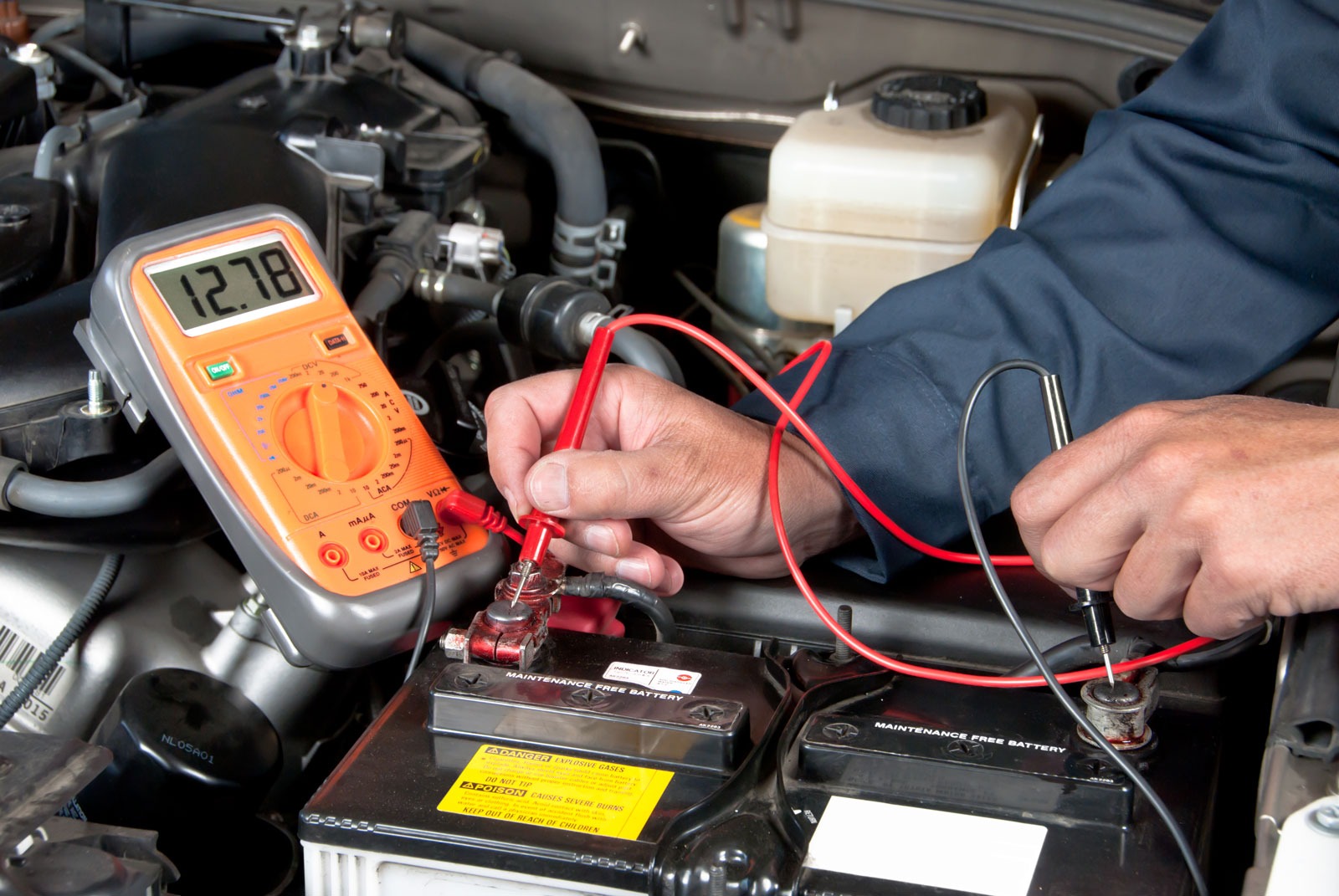
Start with basic battery care. Inspect the terminals for corrosion and make sure the connections are secure. A weak battery can also place additional demands on the charging system, so regular testing can reveal declining battery health before the vehicle refuses to start.
Age matters here. Many automotive batteries have a service life of several years, although climate, driving habits, vehicle design, and battery quality can change that timeframe. A battery test during routine service is a simple way to check its condition.
Electrical symptoms deserve attention, too. Flickering lights, repeated starting difficulties, warning messages, unusual electrical behavior, or accessories that stop working can point toward a charging-system or electrical fault.
Ignoring those signs can allow a small problem to affect other components. Repairs involving alternators or electronic systems can become costly, with some electrical repair situations reaching $1,500 to $4,000.
That does not mean every electrical warning leads to a bill of that size, but early diagnosis can prevent a minor issue from becoming a larger one. A few minutes spent checking the battery, connections, and charging system can therefore protect both reliability and your repair budget.
