
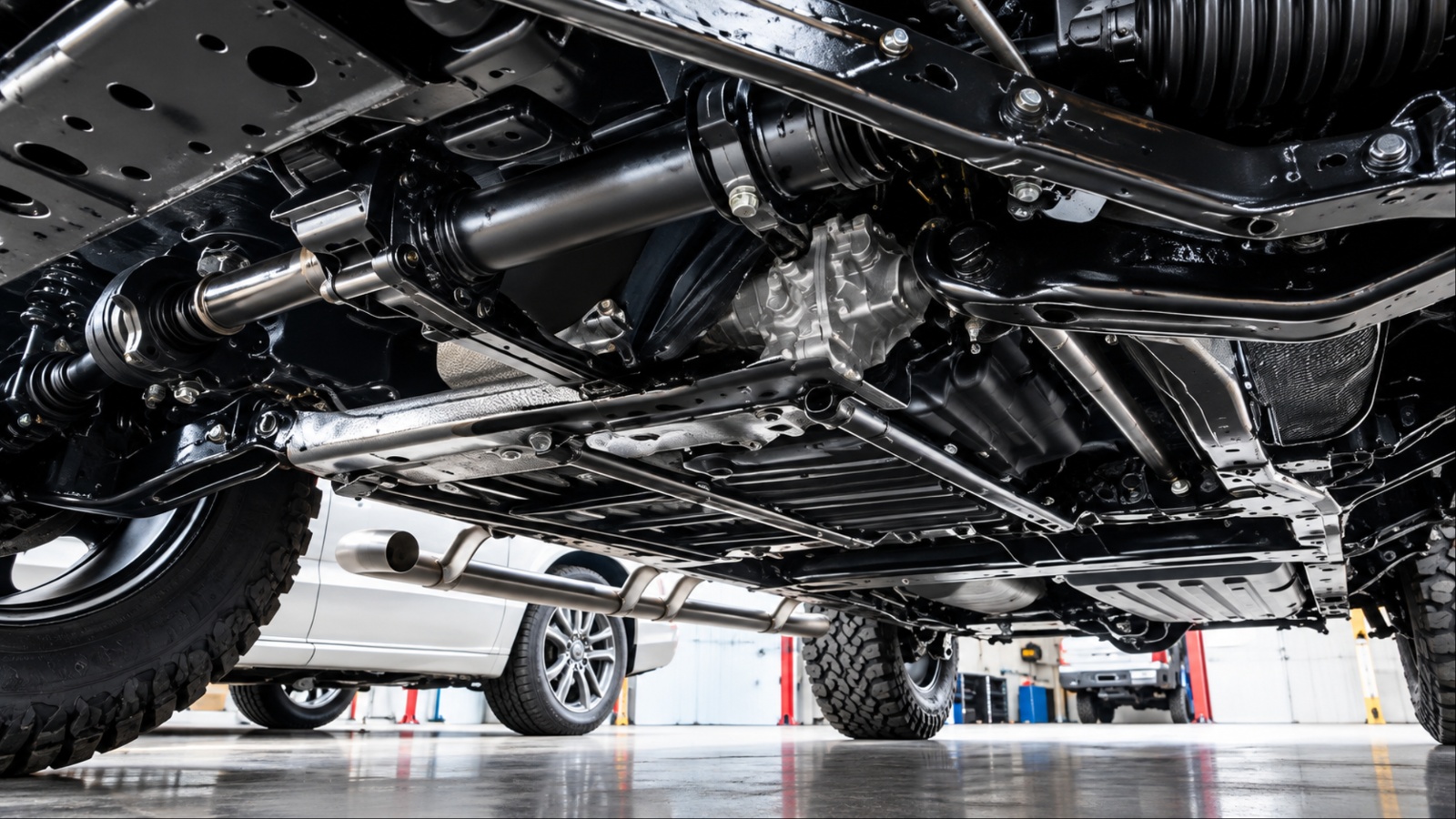
A new truck can leave a dealership looking almost completely protected against corrosion. The paint is fresh, the frame and underbody are factory-finished, and modern manufacturers use galvanized or corrosion-resistant materials in many areas.
When a dealer offers an extra rustproofing or undercoating package, it is reasonable to question whether the added protection is necessary. The answer largely depends on the conditions the truck encounters and how frequently it is driven.
For an owner in a region where roads are regularly treated with salt, additional corrosion protection can make sense, particularly if the truck will be kept for many years. For someone living in a dry climate with little exposure to road salt or coastal air, an expensive dealer-applied rustproofing package may provide considerably less value.
The important distinction is between preventing corrosion and simply paying for another layer of protection that the truck may not need.
Modern trucks already leave the factory with corrosion protection. The question is whether additional treatment meaningfully improves that protection under your particular conditions.
Why New Trucks Still Face a Rust Problem
Rust is fundamentally a corrosion process, and moisture combined with contaminants can accelerate it. Road salt is particularly problematic because it makes it easier for moisture to remain electrically conductive on metal surfaces, accelerating corrosion.
NHTSA-hosted vehicle maintenance guidance specifically warns that road salt can cause severe rust and recommends washing vehicles after driving on salted roads. It also advises paying attention to mud and salt accumulation underneath the vehicle, including areas around the underbody and engine compartment.
That matters for trucks because their underbodies can encounter considerably more contamination than the painted exterior suggests.
A pickup may regularly travel through mud, gravel, standing water, and snow. Salt and dirt can become trapped around the frame, suspension components, wheel wells, and other difficult-to-reach areas. Even a truck that looks spotless from above can accumulate corrosive material underneath.
Coastal environments create another risk. NHTSA-hosted manufacturer guidance identifies salt in coastal air as a factor that accelerates corrosion, while also recommending regular washing and attention to the underbody. This is where rustproofing can become worthwhile.
A truck driven year-round through a snowy region where salt or other de-icing chemicals are routinely applied faces a very different corrosion environment from one operated primarily in a dry inland climate.
The length of ownership also matters. If you trade the truck after three years, paying hundreds of dollars for a corrosion treatment may provide little financial benefit. If you plan to keep the truck for 10 or 15 years, protecting the frame and body from corrosion becomes considerably more important.
There is also a difference between surface corrosion and serious structural corrosion. Minor surface oxidation may be unattractive but relatively harmless.
Corrosion that affects a frame, suspension mounting point, brake line, or other structural component can become a major safety and repair issue. That makes prevention more valuable as a truck ages.
Rustproofing Isn’t a Substitute for Washing
One of the biggest misconceptions about corrosion protection is that applying an undercoating means the owner no longer needs to worry about cleaning the truck underneath.
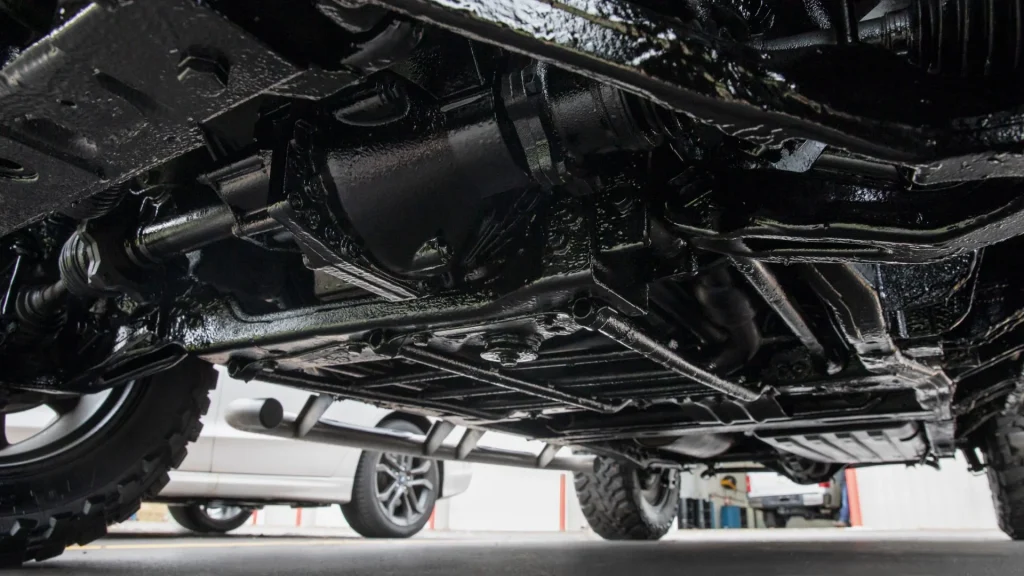
The opposite is closer to the truth. NHTSA-hosted service guidance recommends regular washing in areas where road salt is used and specifically advises cleaning the undercarriage and wheel wells.
One manufacturer service campaign recommends spraying a vehicle down at least weekly in snowy conditions and using a wash that targets the undercarriage at least monthly and after winter storms.
That is significant because salt can remain trapped in areas that are difficult to see. A thick coating does not magically eliminate the corrosive material accumulating around the vehicle. If dirt, moisture, and salt remain trapped against metal, the underlying problem can continue.
The quality and type of rustproofing therefore matter. Traditional oil- or wax-based corrosion inhibitors work differently from hard undercoatings. A penetrative treatment can reach seams, joints, and other areas where moisture can collect, while a hard coating creates a physical barrier over a surface.
Neither approach is automatically superior for every truck. A poorly applied coating can potentially trap moisture or hide developing corrosion rather than preventing it.
NHTSA-hosted technical guidance on corrosion prevention also warns that improper high-pressure washing can force corrosive chemicals into seams, laps, and crevices.
That is why preparation before any treatment is critical. The underside should be clean and free from significant existing corrosion, and the installer should understand which components should not be coated.
Exhaust components, brakes, sensors, electrical connectors, and moving parts require appropriate treatment rather than simply being covered indiscriminately.
A reputable installer should be able to explain exactly what product is being used, where it will be applied, how long it lasts, and what maintenance it requires.
Buyers should also be skeptical of claims that imply a treatment will make a truck permanently rustproof. No coating makes a vehicle permanently immune to corrosion.
Even manufacturers that recommend additional corrosion protection still emphasize regular washing and maintenance.
NHTSA-hosted guidance states that regular washing becomes particularly important when vehicles are exposed to road salt or coastal conditions. It also recommends repairing scratches and other paint damage because exposed areas can become starting points for corrosion.
In other words, rustproofing should be viewed as an additional defense, not a replacement for maintenance.
When Paying for Rustproofing Makes Sense
For a new truck, the strongest case for additional corrosion protection is a combination of salt exposure, long ownership, and difficult operating conditions.
If you live in a northern state where winter roads are frequently salted and intend to keep a truck for a decade, paying for a quality corrosion treatment can be a reasonable investment.
The same is true for owners who regularly drive on beaches, near the ocean, or in other environments where salt exposure is substantial.
It becomes less compelling if the truck spends most of its life in a dry climate and is regularly washed. There is also a practical financial argument.
A rustproofing treatment might cost several hundred dollars, depending on the provider and product. A major corrosion repair years later can cost considerably more, particularly if corrosion affects structural components or difficult-to-replace parts. But that does not mean every $500 or $1,000 dealer package is automatically worthwhile.
Before buying one, ask what is actually being applied. Is it an oil-based corrosion inhibitor, wax, rubberized undercoating, or another material? Does the treatment cover the frame, inner body cavities, and seams, or only easily accessible exterior surfaces? Does it require annual reapplication? Is there a written warranty, and what exactly does that warranty cover?
You should also check the truck manufacturer’s corrosion warranty before paying for additional protection.
Manufacturers provide different forms and lengths of corrosion coverage. For example, Chevrolet states that its corrosion protection and rust-through coverage have different terms, with rust-through protection typically extending to six years or 100,000 miles on applicable vehicles, although exact coverage varies.
That does not mean a factory corrosion warranty covers every rust problem. Cosmetic corrosion, damage caused by environmental conditions, and other exclusions can apply. The actual warranty document is what matters.
Nor should a dealer tell you that you must purchase a particular rustproofing service to preserve the factory warranty without providing a legitimate basis.
The Federal Trade Commission explains that federal warranty law generally prevents manufacturers from conditioning warranty coverage on the consumer’s use of a particular brand of parts or service, subject to specific exceptions.
The best approach is therefore to separate the factory warranty, the corrosion-treatment contract, and the actual rust-prevention benefits.
For a truck destined for harsh winters, additional protection can be cheap insurance against a problem that becomes increasingly expensive with age. For a lightly used truck in a dry climate, spending significant money on dealer rustproofing may not provide enough additional benefit to justify the cost.
Regardless of whether you buy the treatment, regular cleaning remains the most important part of the strategy.
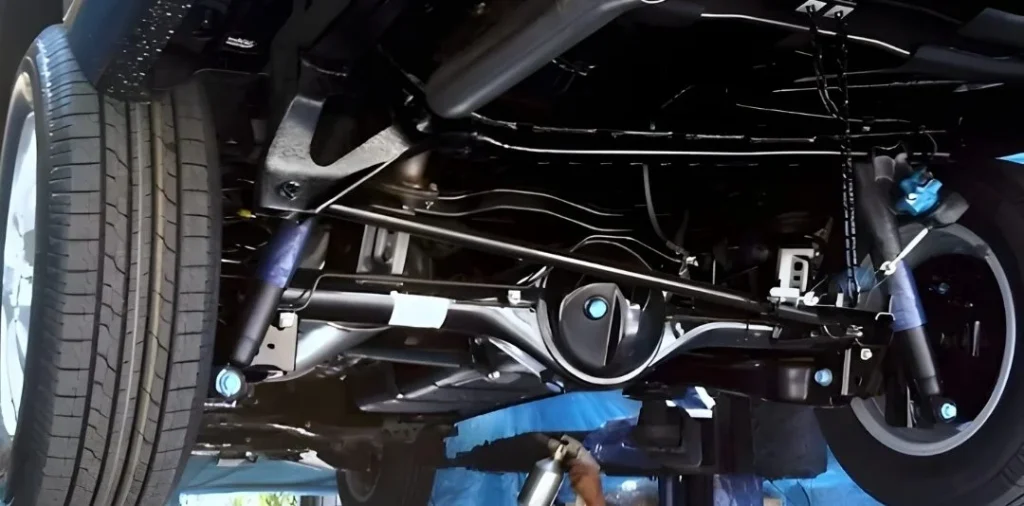
Wash the underside after major winter storms, clean salt from wheel wells and frame areas, repair chipped paint promptly, and inspect the underbody periodically. NHTSA-hosted guidance repeatedly emphasizes removing salt and accumulated dirt rather than allowing corrosive material to remain underneath the vehicle.
So, is rustproofing worth it on a new truck?
For a truck that will regularly face road salt, coastal exposure, or years of harsh use, yes, a properly applied corrosion treatment can be worth considering. For a truck operating mostly in dry conditions, it is much harder to justify an expensive treatment package.
The bigger mistake is assuming that buying rustproofing means you can forget about corrosion.
The best protection is a combination of factory corrosion protection, appropriate additional treatment when conditions justify it, and consistent underbody washing.
A new truck does not necessarily need another coating simply because a dealer offers one. But if you plan to keep that truck for many years in a salt-heavy environment, spending money to prevent corrosion while the vehicle is still new can be far cheaper than trying to repair serious rust after it has already taken hold.
