
Hybrid batteries are built to last, and modern manufacturers back that confidence with long warranties. Toyota, for example, covers hybrid batteries on vehicles beginning with the 2020 model year for 10 years or 150,000 miles, whichever comes first.
But a warranty does not make a battery immune to abuse. Excessive heat, blocked cooling systems, extreme operating conditions, and poor driving practices can increase the demands placed on the battery and its thermal-management system.
The U.S. Department of Energy notes that battery temperature has a major effect on degradation. These ten habits are ranked by their potential to accelerate battery stress, with the most damaging practices first.
1. Repeatedly Driving a Hybrid Hard When the Battery Is Extremely Hot
Few conditions are tougher on a hybrid battery than repeatedly demanding high electrical output while the battery is already operating in excessive heat. Hybrid systems are engineered to manage temperature, but thermal management has limits. Battery cells, power electronics, and cooling systems all have to work harder when temperatures rise.
The U.S. Department of Energy’s battery research demonstrates why temperature matters. In testing of electric-drive batteries, higher temperatures were associated with faster capacity loss and resistance growth.
One DOE study found substantially higher degradation rates at an average ambient condition of about 95°F compared with roughly 68°F. The exact effect varies by battery chemistry, thermal-management design, and operating conditions, so there is no universal mileage figure for heat-related battery life.
A hybrid driver can increase thermal stress by repeatedly accelerating hard, climbing long grades aggressively, or demanding maximum electric assistance when the battery is already hot. This does not mean spirited acceleration automatically destroys a battery.
The vehicle’s control system is designed to protect the pack and can reduce electric output when temperatures or operating conditions become excessive.
Toyota, for example, warns that a hybrid-system overheating message can appear during severe operating conditions such as driving up a long, steep hill. The manufacturer can reduce available output to protect the system.
The smarter habit is to let the vehicle manage its powertrain rather than constantly pushing it to the limits. If the car displays a battery-temperature or hybrid-system warning, take it seriously.
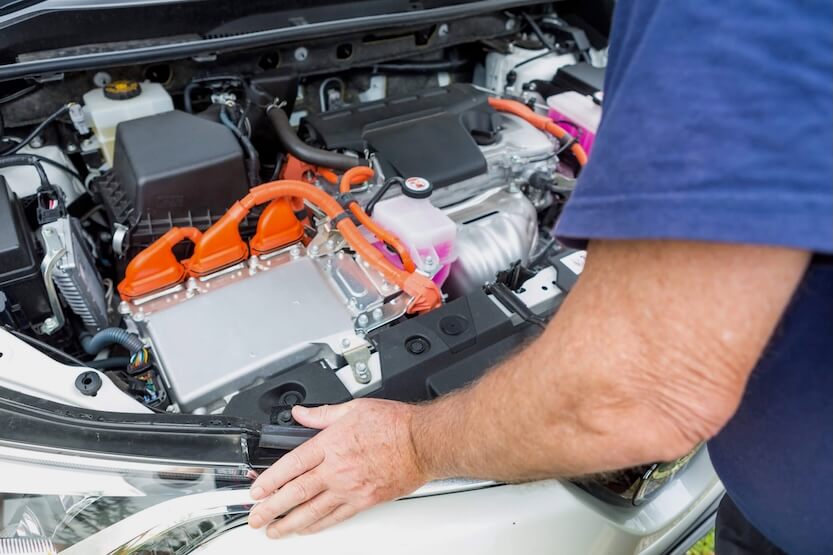
Heat is particularly important because battery degradation accumulates over time. One hot drive will not normally ruin a healthy battery. Repeated exposure to demanding conditions, however, can contribute to accelerated aging.
The best way to protect the vehicle is to avoid unnecessary high-load driving when it is already heat-soaked, keep the cooling system clear, and address any temperature warnings as soon as they appear.
2. Blocking the Hybrid Battery’s Cooling Vent
A blocked battery cooling vent is one of the easiest mistakes for an owner to prevent and one of the most directly documented threats to hybrid battery temperature control. Many hybrids use an intake vent inside the passenger compartment to draw air across the traction battery. If that airflow is restricted, the battery can become hotter than intended.
Toyota’s owner documentation provides a particularly clear example. On the RAV4 Hybrid, the battery cooling intake is located under the right side of the rear seat. Toyota specifically warns owners not to block it with seat covers, luggage, or carpeting because restricted airflow can interfere with battery cooling.
The manufacturer says limited battery input and output can reduce the distance the vehicle can operate using the electric motor and may reduce fuel economy.
That means a seemingly harmless habit, such as placing luggage over the vent or installing an accessory that obstructs it, can affect the hybrid system.
Dust is another concern. Toyota’s Highlander Hybrid documentation says heavy traffic and dusty operating conditions can require more frequent cleaning of the battery air-intake vent. Dust accumulation can interfere with cooling, potentially limiting battery charging and discharging.
The important point is that owners should follow the maintenance procedure specific to their vehicle. A battery cooling vent is not something to ignore simply because the vehicle continues to drive normally.
Drivers should also avoid improvising with water or compressed air. Toyota specifically warns against using water on the intake area and recommends vacuuming dust rather than forcing debris deeper into the system.
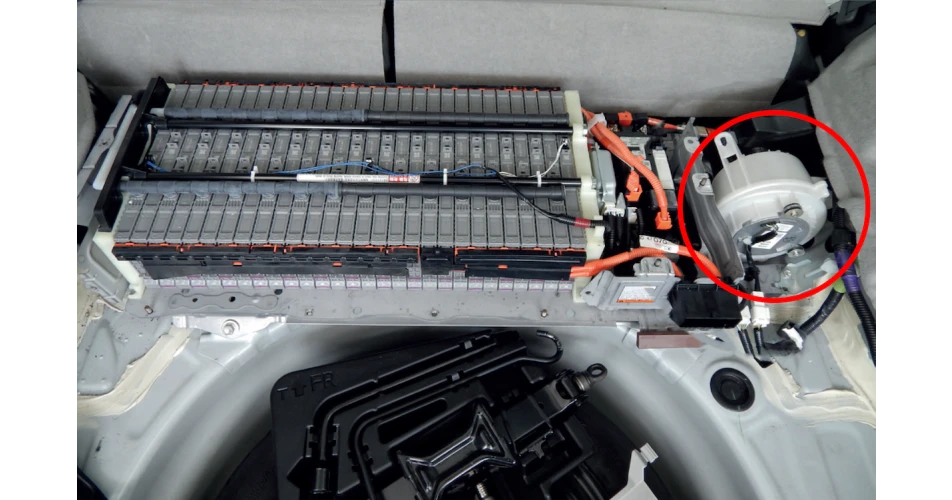
A hybrid battery can be expensive, but protecting its cooling airflow costs little. Keep the vent clear, check the owner’s manual for its location, and pay attention to any warning indicating restricted traction-battery cooling.
This is one of those maintenance habits where a few seconds of attention can prevent a much more expensive problem.
3. Repeatedly Flooring the Accelerator With a Low Battery
A hybrid battery is designed to charge and discharge repeatedly, so seeing the battery gauge drop during normal driving is not a problem. The trouble begins when a driver repeatedly demands maximum acceleration when the battery has very little usable charge remaining.
Hybrid control systems are designed to protect the battery, but aggressive driving can increase the amount of electrical power and heat moving through the system.
Hard acceleration is not automatically harmful. Modern hybrids are engineered to deliver strong electric assistance when the driver asks for it. The concern is a repeated pattern of high-load acceleration followed by frequent regenerative braking and another hard acceleration.
That creates repeated high-power cycling instead of the relatively moderate charge and discharge activity common during ordinary driving.
The battery management system constantly monitors factors such as temperature, state of charge, and available power. If conditions become unsuitable, the vehicle can reduce electric assistance.
Toyota’s owner documentation, for example, warns that severe operating conditions can trigger a message indicating reduced hybrid-system output to protect the system.
That protection should not be interpreted as permission to ignore the conditions. If the car repeatedly reaches a low state of charge during aggressive driving, the driver is asking the hybrid system to operate near the boundaries it was designed to manage.
A better approach is to use the available electric power smoothly. Strong acceleration when merging onto a highway is not something hybrid owners need to fear. Constantly treating every traffic light like a drag race is different.

There is also a practical efficiency benefit. Smooth acceleration allows the gasoline engine and electric motor to share the workload more efficiently, reducing unnecessary energy losses.
Hybrid batteries are remarkably durable when their management systems can operate within their intended temperature and charge ranges. The objective is not to keep the battery gauge full. It is to avoid repeatedly creating extreme operating conditions when there is no reason to do so.
4. Leaving the Car Sitting for Extremely Long Periods Without Proper Maintenance
A hybrid battery does not benefit from being ignored for months at a time. Long periods of inactivity can create problems for the vehicle’s electrical systems, particularly the smaller 12-volt battery that powers many of the car’s electronic functions.
This is an important distinction because the high-voltage traction battery and the 12-volt battery perform different jobs. A hybrid can have a healthy traction battery but still fail to start because its 12-volt battery has discharged. Depending on the vehicle, a depleted 12-volt system can prevent the hybrid system from entering its normal READY state.
Long-term storage can also expose the traction battery to conditions outside the routine driving pattern for which the vehicle was designed. Manufacturers therefore provide specific storage recommendations rather than one universal rule for every hybrid.
Toyota’s documentation states that the traction battery has a limited service life and that its lifespan can vary according to driving style and driving conditions.
The important takeaway is that occasional non-use is not the same as battery abuse. A hybrid parked for a weekend is not being damaged simply because it is not moving. The concern is prolonged inactivity combined with poor storage practices or failure to follow the manufacturer’s recommendations.
If a vehicle will be stored for an extended period, the owner’s manual should be consulted for the correct procedure. That may include maintaining the 12-volt battery and following specific instructions for the traction battery.
Owners should also avoid assuming that periodically starting the car for a few minutes is always sufficient. A short idle period may not adequately replenish a weakened 12-volt battery, and some hybrid systems are not designed to operate like conventional vehicles during stationary warm-ups.

Long-term storage should therefore be treated as a maintenance situation, not simply parking. Following the manufacturer’s storage procedure is a much safer strategy than improvising.
A hybrid battery can remain serviceable for many years, but proper care includes what happens when the vehicle is not being driven.
5. Ignoring Hybrid Battery Cooling System Maintenance
A hybrid battery can have sophisticated temperature control, but that system still needs airflow and maintenance. Ignoring the cooling system can allow heat to build up around the battery, increasing the stress placed on the cells and reducing the system’s ability to deliver and accept electrical power.
Toyota specifically warns that its hybrid battery cooling vents must remain unobstructed and periodically cleaned. The company notes that blocked vents can restrict battery input and output, reduce electric-motor operation, and reduce fuel economy.
Dust is particularly relevant for vehicles driven frequently in dusty environments. A clogged intake can gradually restrict airflow even when nothing obvious is covering the vent.
The mistake is assuming that because the vehicle is still running normally, the cooling system must be fine. A partially restricted vent may not produce an immediate warning. Instead, the battery can simply operate under less favorable thermal conditions.
Owners should inspect the cooling intake according to the vehicle’s maintenance instructions and keep luggage, clothing, pet hair, and other debris away from it. Do not spray water into the vent unless the manufacturer specifically instructs you to do so. Toyota warns that water or foreign material entering the intake can damage the traction battery.
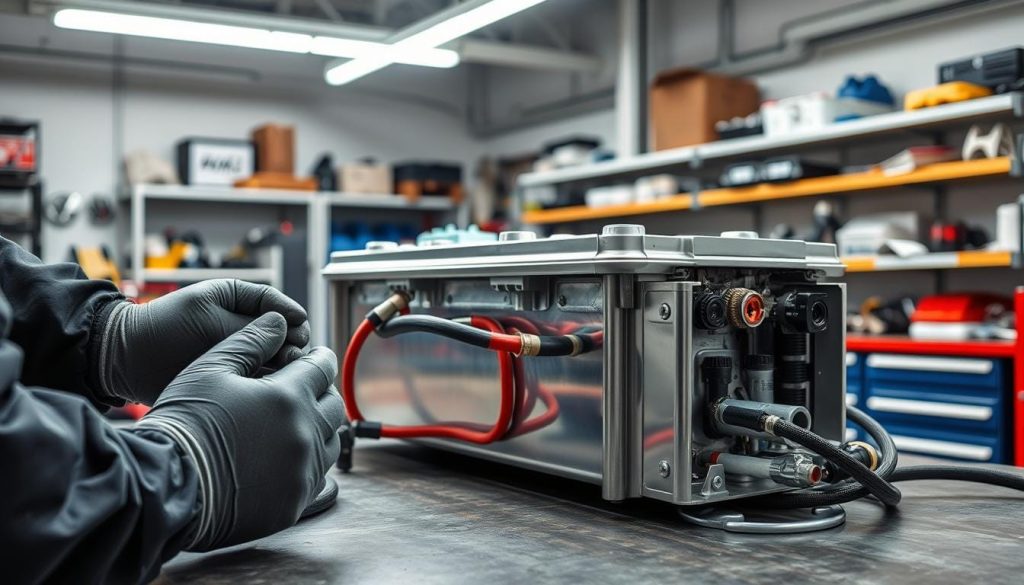
The battery cooling fan and associated ducts should also be checked if unusual fan noise, reduced hybrid performance, or warning messages appear.
This is inexpensive preventative maintenance compared with replacing a traction battery. The cooling system exists to keep battery temperatures within the range intended by the manufacturer, so keeping its airflow clear is one of the simplest ways to reduce unnecessary thermal stress.
6. Treating Every Short Trip as a Full Hybrid Warm-Up
Short trips do not automatically damage a hybrid battery, but repeatedly using the vehicle for very short journeys can create an operating pattern that is less favorable than normal mixed driving. The important distinction is that hybrids have multiple systems that need to reach their intended operating conditions, not simply the traction battery itself.
On a short trip, the gasoline engine may have limited opportunity to reach normal operating temperature before the vehicle is switched off. The hybrid system is designed to manage this automatically, but repeatedly starting, moving a short distance, and shutting down again can prevent the vehicle from spending much time in its normal operating range.
The traction battery itself is not being “worn out” simply because a trip is short. Hybrid batteries are specifically designed for repeated charging and discharging. Toyota’s current hybrid battery warranty, for example, covers the battery for 10 years or 150,000 miles, whichever comes first.
The concern is the entire vehicle’s operating cycle. Short trips can mean more frequent starts, more accessory use relative to miles driven, and less opportunity for the engine and other systems to reach stable temperatures.
Drivers should not avoid short trips when they are necessary. Instead, combining several errands into one trip can reduce unnecessary repeated cold starts. A longer drive also gives the vehicle more time to operate normally.

Another important point is to avoid unnecessarily revving the engine while the vehicle is stationary in an attempt to warm up the hybrid system. Instead, let the vehicle’s control system determine when the engine needs to run.
Hybrid systems are designed to handle urban driving, including frequent stops and short periods of electric operation. The goal is not to protect the battery from normal use. It is to avoid creating an unnecessarily harsh operating pattern through constant ultra-short journeys when trips can reasonably be combined.
7. Driving Aggressively in Extreme Heat
High temperatures are a major concern for lithium-ion and nickel-metal-hydride batteries because heat accelerates chemical reactions inside battery cells. Hybrid vehicles are designed with cooling systems to control this temperature, but repeatedly operating in extreme heat while demanding maximum power can increase battery stress.
The U.S. Department of Energy has found that elevated temperatures can accelerate battery degradation. Its research shows that battery aging is affected by both temperature and how the battery is used, meaning a consistently hot operating environment can be more demanding than moderate conditions.
That does not mean a hybrid should not be driven during a hot Texas summer or parked outside on a warm day. These vehicles are engineered for normal U.S. climate conditions. The greater concern is combining extreme ambient temperatures with repeated hard acceleration, steep climbs, heavy loads, and sustained high electrical demand.
Parking in shade or a garage when practical can reduce the amount of heat absorbed by the vehicle’s cabin and battery area. Keeping the battery cooling intake clear is equally important.
Some hybrids will automatically limit electric power when battery temperatures become excessive. That protective behavior is a sign that the vehicle’s control system is managing thermal conditions, not evidence that the battery is immune to heat.

If a temperature or hybrid-system warning appears, drivers should follow the owner’s manual rather than continuing to push the vehicle.
Heat exposure is unavoidable in many parts of the United States. The key is preventing unnecessary additional stress by maintaining the cooling system, avoiding blocked vents, and allowing the vehicle’s battery-management system to regulate power when temperatures become excessive.
8. Constantly Driving With a Nearly Empty Fuel Tank
Running a hybrid with very little gasoline may seem harmless because the electric motor can continue moving the vehicle for short periods. But repeatedly operating with an extremely low fuel level is not a good long-term habit, particularly because hybrid systems are designed to coordinate the gasoline engine and electric motor.
A hybrid is not an electric vehicle with gasoline simply serving as an emergency backup. The gasoline engine remains an important part of the powertrain and can start automatically when the battery needs assistance or operating conditions require additional power.
If the fuel tank becomes empty, the vehicle can eventually stop even when the traction battery still has charge. Toyota specifically warns hybrid owners that the vehicle cannot continue indefinitely on electric power after the gasoline engine runs out of fuel.
Repeatedly driving until the fuel warning appears also leaves little margin for unexpected traffic, detours, or fuel-system problems. More importantly, it can create unnecessary operating conditions in which the hybrid system must rely heavily on its battery until the gasoline engine can no longer assist.
That does not mean maintaining a full tank protects battery cells. There is no need to refuel every time the gauge drops slightly. The sensible approach is simply to avoid making extremely low fuel levels a routine.
The hybrid battery is designed to operate within a managed state-of-charge range rather than being repeatedly drained to zero. The vehicle’s electronics control this process automatically.
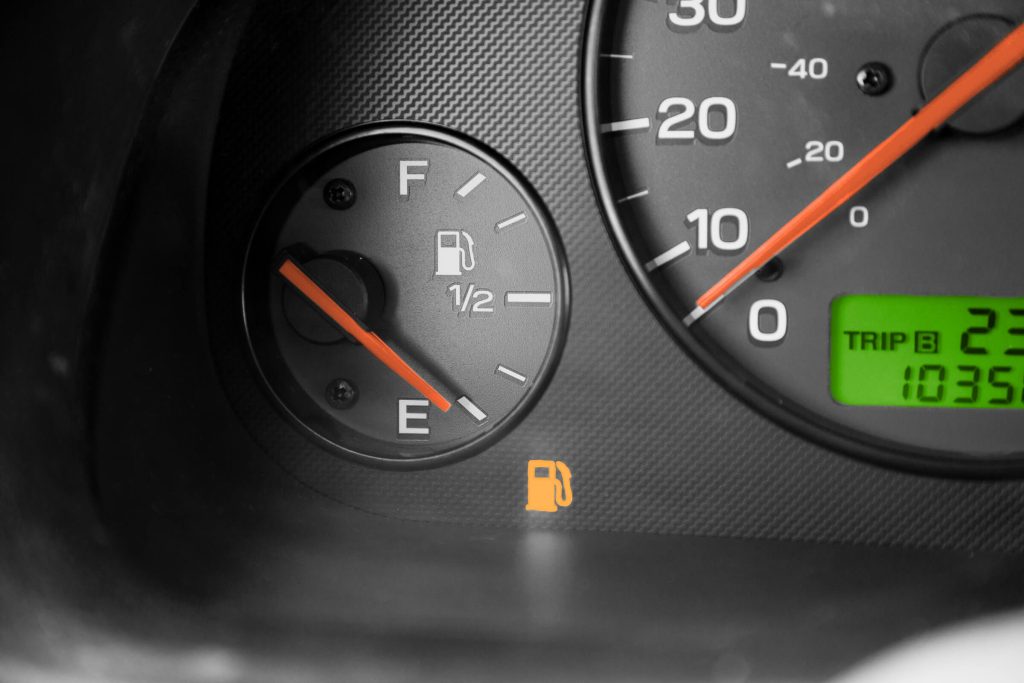
Drivers should therefore treat the low-fuel warning as a practical reminder rather than something to ignore. Refueling before the tank becomes nearly empty ensures the gasoline engine remains available whenever the hybrid system needs it.
The battery itself is unlikely to fail merely because a driver occasionally reaches the low-fuel warning. The problem is making that situation routine and unnecessarily increasing the demands placed on the complete hybrid powertrain.
9. Ignoring Warning Messages About the Hybrid System
Dashboard warnings are easy to dismiss when the vehicle still appears to drive normally. With a hybrid, however, ignoring a warning can allow a relatively manageable cooling, electrical, or battery-management problem to become a much more expensive repair.
Hybrid vehicles continuously monitor battery temperature, voltage, current, cooling performance, and other operating parameters. If the system detects conditions outside its expected range, it can illuminate warning indicators or display a message.
Toyota’s owner information, for example, explains that certain severe operating conditions can trigger warnings and that the hybrid system may limit output to protect components. A driver who continues operating the vehicle aggressively after such a warning can be working against the protection strategy built into the powertrain.
Not every hybrid warning means the traction battery is failing. A message can relate to the 12-volt electrical system, cooling system, sensors, or another component. That is why guessing at the cause is a poor approach.
A warning that disappears after restarting should not automatically be forgotten either. Intermittent faults can return, and the vehicle’s diagnostic system may store useful information for technicians.
The best response is to read the exact message and follow the manufacturer’s instructions. If the vehicle says to stop, stop. If it recommends inspection, arrange service rather than continuing to drive until the warning becomes permanent.
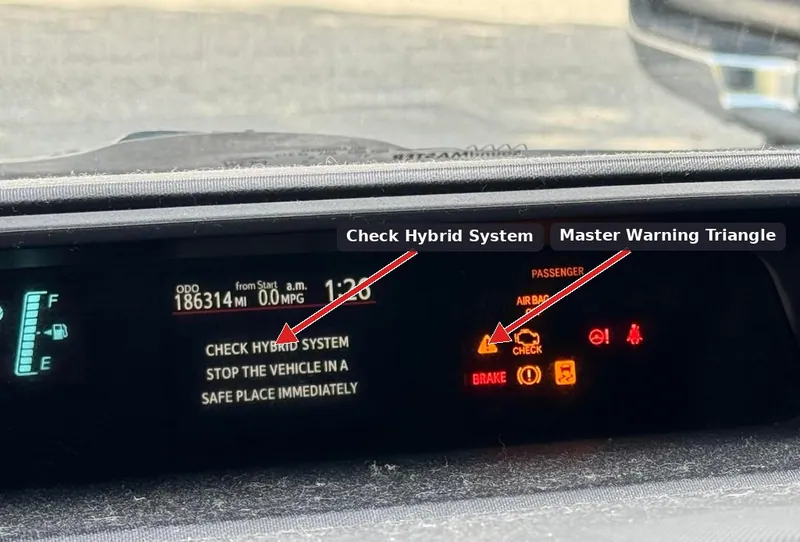
Early diagnosis can protect the battery because many hybrid components work together. A cooling problem, for example, can increase battery temperature even though the battery cells themselves were initially healthy.
The key habit is straightforward. Treat hybrid system warnings as important information rather than something to ignore. Modern battery management systems are designed to protect the battery pack, but they cannot resolve every underlying mechanical or electrical issue without proper attention.
10. Assuming the Battery Never Needs Inspection
Hybrid batteries are often marketed for their long service life, and rightly so. But long life does not mean zero maintenance. Assuming the traction battery and its supporting components can be ignored indefinitely is a mistake.
The battery pack itself generally does not require the kind of routine fluid changes associated with an engine. However, the surrounding system can require inspection, particularly the cooling intake, fan, wiring, sensors, and related electrical components.
Toyota’s maintenance information illustrates this distinction. The company provides specific guidance for inspecting and cleaning hybrid battery cooling vents because restricted airflow can affect battery performance.
Other manufacturers use different battery layouts and maintenance procedures, so there is no universal inspection schedule that applies to every hybrid.
Age also matters. Battery chemistry changes gradually with time and use, even when the vehicle is maintained correctly. Heat exposure, mileage, operating conditions, and charge-discharge cycles all contribute to aging.
That does not mean owners should pay for unnecessary battery replacement simply because the vehicle has accumulated a certain number of miles. A properly functioning hybrid battery can last many years.
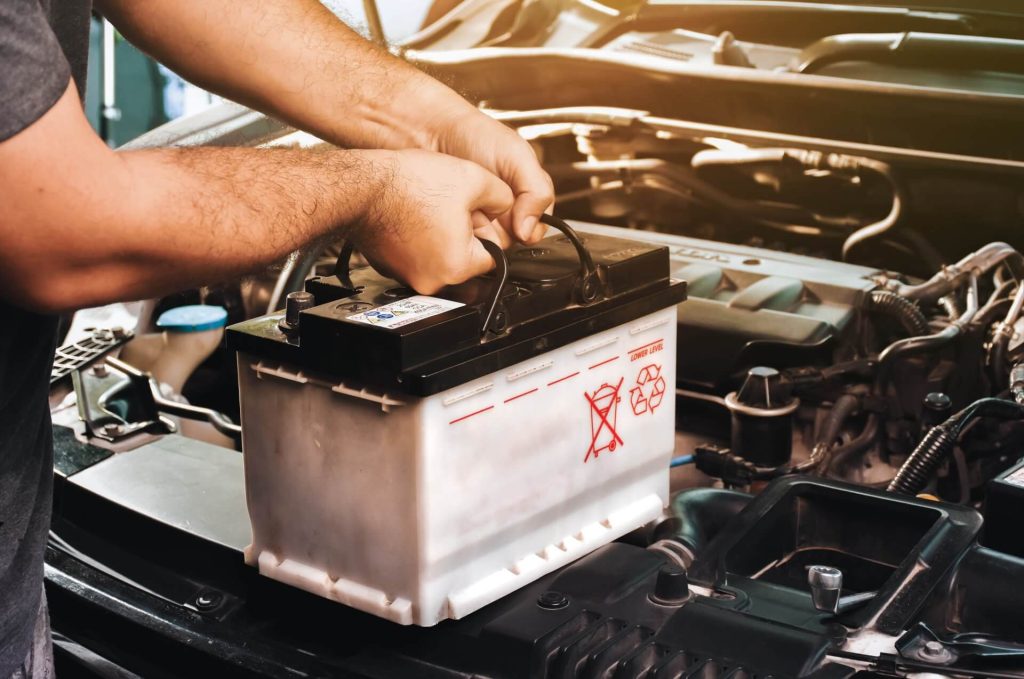
Instead, pay attention to changes such as unusual battery cooling-fan operation, reduced fuel economy, frequent engine running, warning messages, or noticeable changes in hybrid performance. None of these symptoms alone proves that the battery is failing, but they justify diagnosis.
Following the manufacturer’s maintenance schedule is the most reliable approach. Keep cooling passages clean, address warning messages promptly, and have unusual behavior inspected by a qualified technician.
The biggest mistake is not simply skipping one inspection. It is allowing a small supporting-system problem to continue until it places unnecessary thermal or electrical stress on an expensive traction battery.
