Buying a vehicle does not always mean you can take the usual route to a Georgia license plate. State law leaves several categories outside the standard registration system, usually because they are built for farming, recreation, specialized work, government service, or limited private transportation. Some are exempt from both registration and title requirements, while others qualify only when they meet specific conditions.
That distinction matters because owning an exempt vehicle does not automatically mean it can be driven anywhere on public roads. Georgia’s Department of Revenue provides a list of vehicles that the state does not register or title, while Georgia law spells out additional conditions for specialized vehicles and equipment. Here are 10 categories worth knowing before you buy, sell, or attempt to register one.

1. Mopeds
Mopeds are among the clearest examples of vehicles that Georgia does not place under its standard motor-vehicle registration and title system. The Georgia Department of Revenue specifically identifies mopeds as exempt from both registration and titling requirements.
That exemption, however, should not be applied to every small motorcycle or motorized two-wheeler. Georgia law has specific definitions, and the vehicle’s design, equipment, and classification can determine which rules apply. A small engine alone does not automatically make a vehicle a moped.
For someone buying one, this distinction is important. You should not expect to complete the same registration process required for a typical passenger car, pickup truck, or motorcycle. Georgia handles mopeds under a separate set of rules.
Being exempt from registration does not mean a moped can be operated anywhere without restrictions. Other requirements may still apply, including rules concerning the operator, equipment, traffic laws, and where the vehicle can legally be used.
Before purchasing a moped, check its specifications and confirm how Georgia classifies that particular vehicle. This is especially important when a seller describes a vehicle as a moped, but its legal classification may be different.
Taking a few minutes to verify the classification can prevent registration problems, unexpected requirements, or confusion when you are ready to operate the vehicle.
2. Motorized Carts
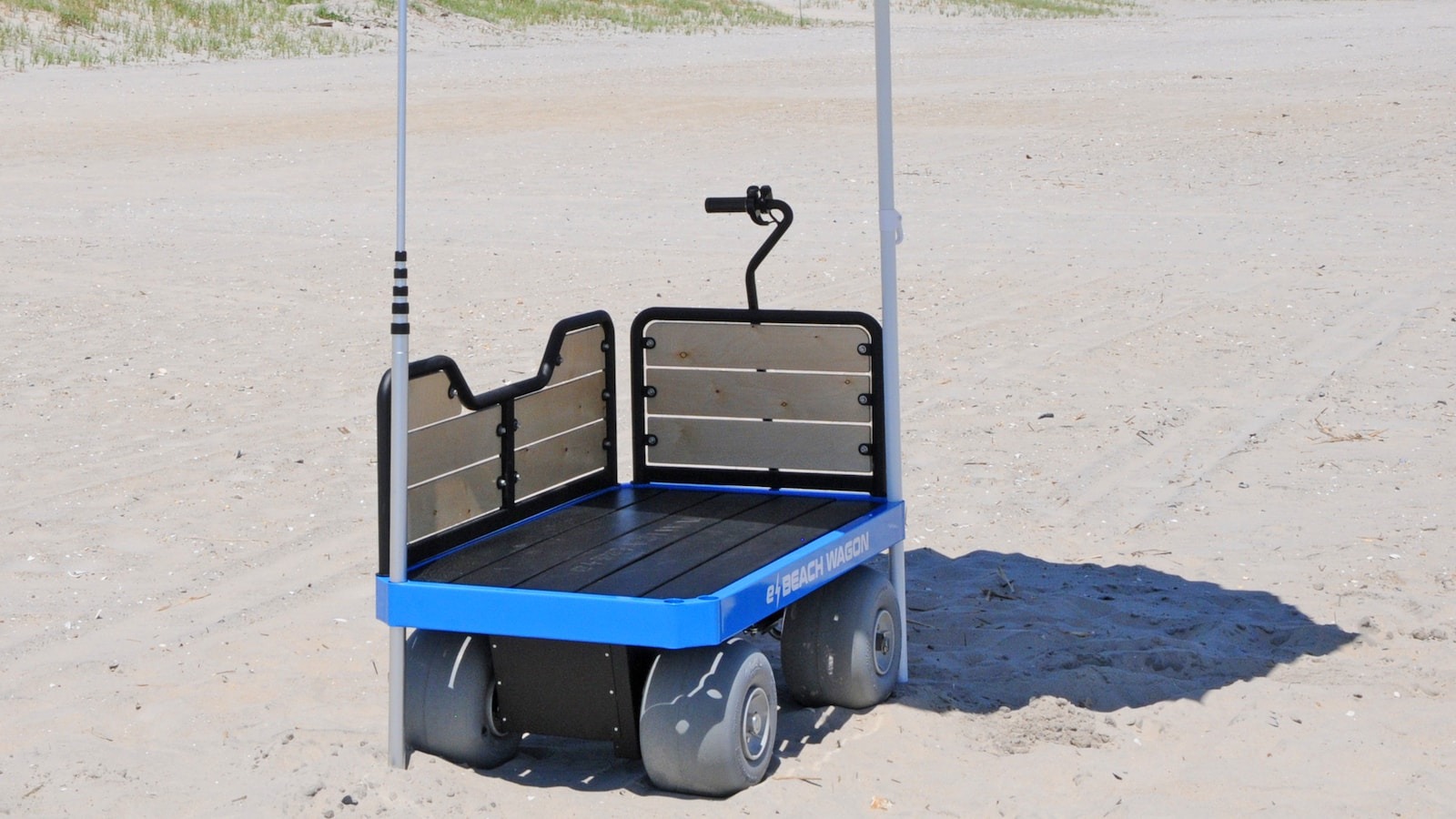
Golf carts and similar motorized carts represent one of the more practical exemptions on this list, especially for anyone living in a planned community or near a golf course.
Georgia law identifies golf cars specifically as exempt from standard registration requirements, which means residents can operate these vehicles within designated areas without dealing with tag renewals or titling paperwork that applies to passenger cars.
This exemption matters most in retirement communities and neighborhoods built around golf courses, where carts often serve as a primary mode of local transportation rather than just a recreational tool.
Families use them for quick trips to the clubhouse, errands within a gated community, or simply getting around without firing up a full-sized vehicle for short distances.
The exemption does come with boundaries worth understanding. Operating a golf cart on public roads, even at low speeds, often requires local permits or falls under separate municipal ordinances that vary by county.
Some cities allow carts on designated streets with posted speed limits, while others restrict them entirely to private property. Buyers assuming statewide registration exemption automatically means unrestricted road access are setting themselves up for a citation.
Insurance considerations also deserve attention here. Just because a cart doesn’t need state registration doesn’t mean liability coverage becomes optional in every situation, particularly if the vehicle regularly leaves private property.
Anyone purchasing a motorized cart for regular use should research both state exemption rules and local ordinances before assuming complete freedom from oversight. The two aren’t always the same thing.
3. All-Terrain Vehicles (ATVs)
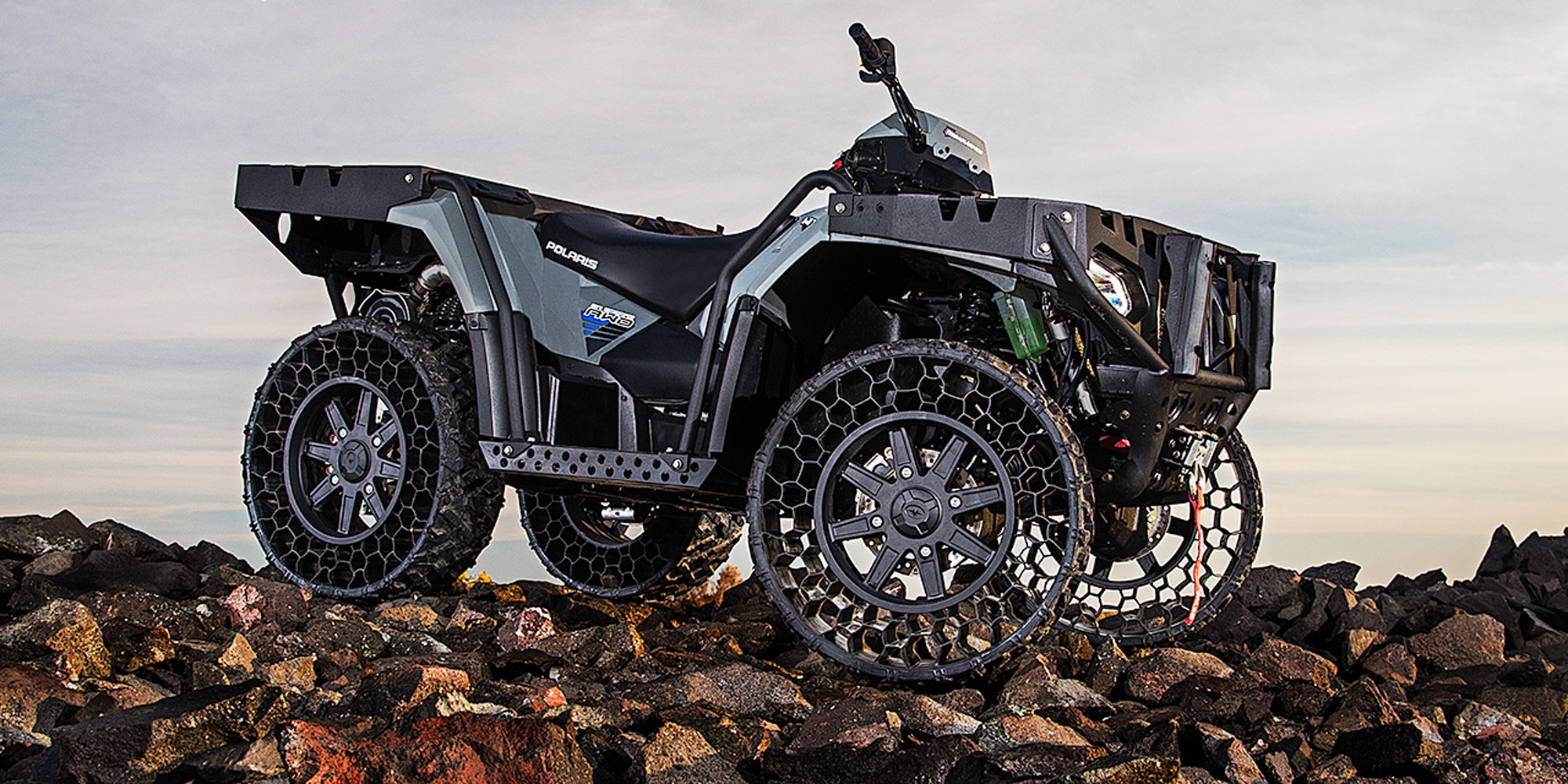
ATVs sit firmly outside Georgia’s registration system, and this exemption applies broadly rather than depending on how or where the vehicle gets used. The Georgia Department of Revenue lists ATVs among vehicle categories the state doesn’t title or register at all, treating them differently from cars, trucks, and motorcycles that share public roads regularly.
This distinction matters because some states tie ATV registration requirements to specific usage, requiring paperwork only when the vehicle leaves private land.
Georgia takes a simpler path by exempting the entire category outright. Whether someone rides an ATV exclusively on wooded trails or occasionally crosses onto a rural road to reach another property, the registration exemption remains consistent.
Recreational riders benefit most directly from this rule. Weekend trail enthusiasts and hunters who rely on ATVs to access remote property don’t face the same paperwork burden that comes with licensing a truck or SUV.
That said, exemption from state registration doesn’t eliminate every legal consideration surrounding ATV ownership and use. Local ordinances frequently step in where state registration law stays silent.
Counties and municipalities can impose their own restrictions on where ATVs may operate, particularly regarding public roads, noise ordinances, and operating hours.
Riders crossing into road right-of-ways, even briefly, should understand that safety equipment requirements and operating age restrictions often apply regardless of registration status.
Georgia’s approach essentially separates the question of “does this vehicle need a tag” from “where and how can this vehicle legally operate,” and both questions deserve equal attention from anyone bringing an ATV home.

4. Off-Road Vehicles
Off-road vehicles are broadly listed by Georgia’s Department of Revenue among vehicles the state does not register or title. That makes the category different from ordinary cars and trucks designed for regular highway use.
The wording matters because not every vehicle marketed for off-road use receives identical treatment. Georgia created a separate registration program for qualifying multipurpose off-highway vehicles, known as MPOHVs. Those vehicles must satisfy several conditions before registration is available.
For example, eligible MPOHVs generally need four or more wheels, a steering wheel, a nonstraddle seat, a certain speed capability, a specified width, and a gross vehicle weight below 4,000 pounds.
They also need safety equipment such as headlights, brake lights, taillights, a rearview mirror, and safety belts. That means a dirt bike, four-wheeler, or other recreational off-road machine cannot simply be registered because its owner wants to use it on county roads.
The takeaway for buyers is worth remembering. An off-road vehicle and a registrable MPOHV are not automatically the same. Georgia considers factors such as the vehicle’s construction and intended use when determining its classification.
If it does not meet the MPOHV requirements, the standard registration route remains unavailable.
5. Agricultural Tractors
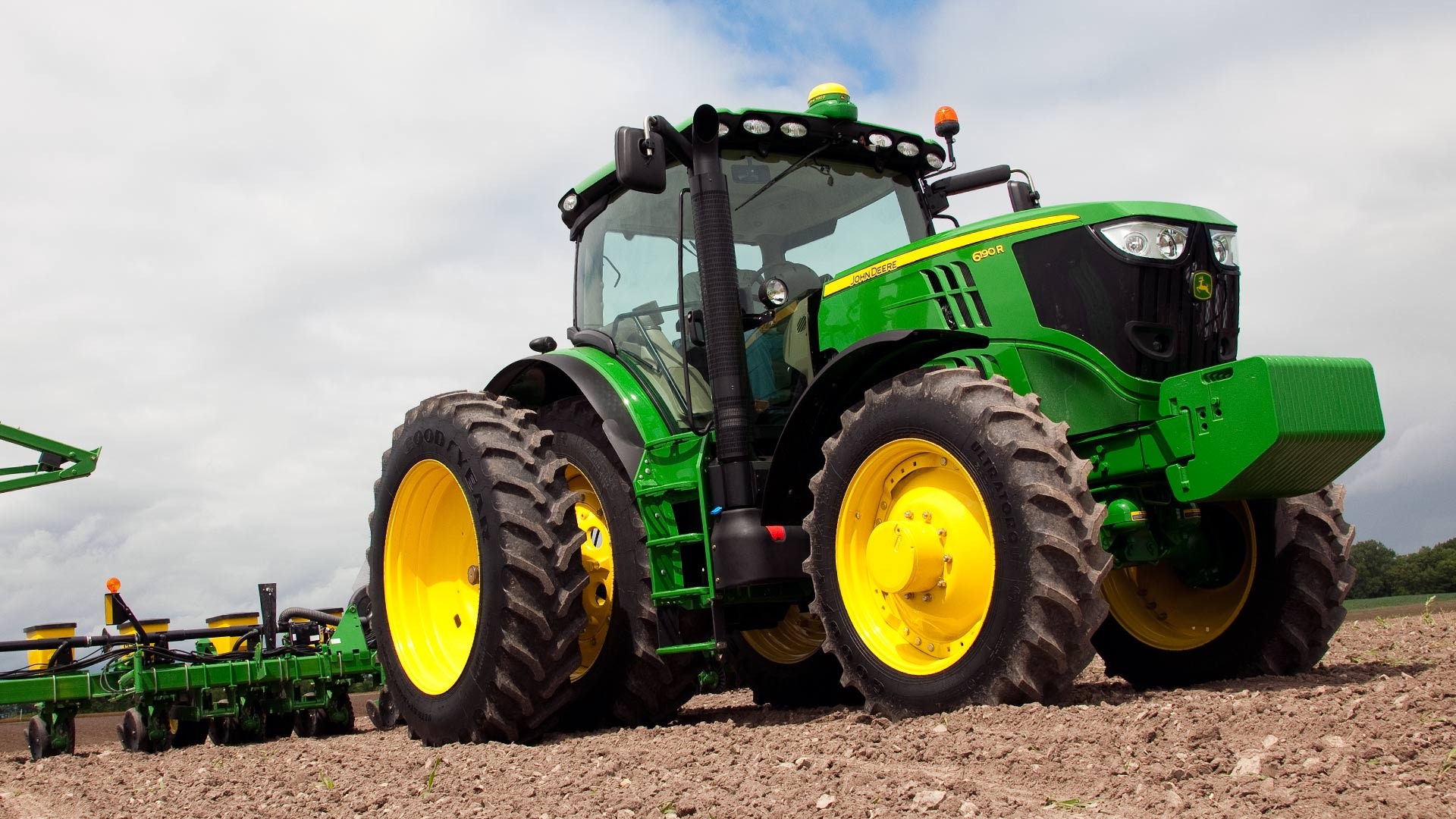
Agricultural tractors receive a specific exemption when they are used only for agricultural purposes. Georgia law places these tractors outside the ordinary registration requirement, and the Department of Revenue lists tractors used exclusively for agriculture among the exempt vehicles.
The phrase “used only for agricultural purposes” is important. The exemption is tied to how the vehicle is used, not simply to whether it happens to look like a farm tractor. A machine used for unrelated purposes may not receive the same treatment.
Georgia’s statute also includes a three-wheeled motorcycle used only for agricultural purposes within this exemption. That unusual provision shows why vehicle classification and actual use can matter when determining registration requirements.
For a farmer or agricultural business, the rule can remove the need for ordinary vehicle registration on qualifying equipment. It also recognizes that farm machinery operates differently from conventional passenger vehicles.
Still, an agricultural tractor should not be assumed exempt just because it is owned by someone who farms. The qualifying use must fit the statutory requirement.
Anyone purchasing used agricultural equipment should keep records showing its intended purpose and confirm the current requirements before operating it in situations where registration might otherwise be expected.
6. Certain Agricultural Trailers
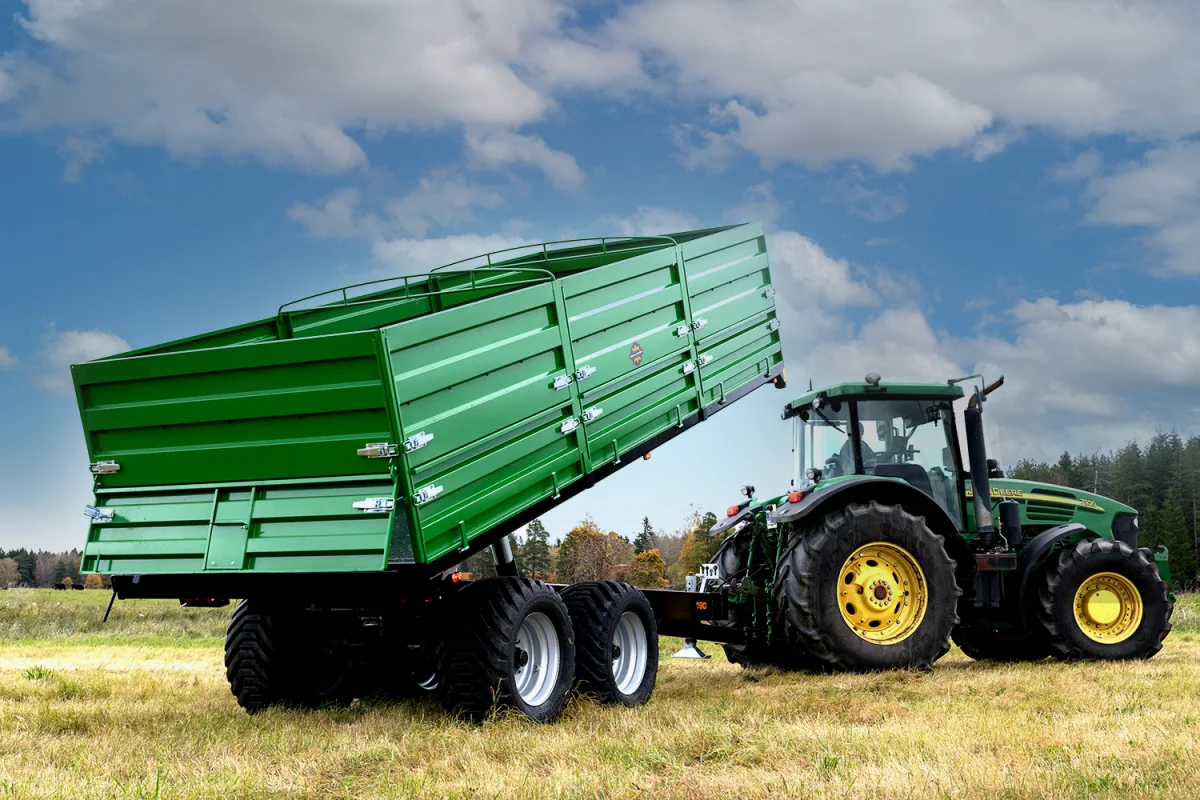
Trailers used in farming operations receive selective treatment under Georgia’s registration rules, and the word “certain” in this category matters enormously.
This isn’t a blanket exemption covering every trailer that happens to end up on a farm. Georgia law narrows this exemption to specific weight thresholds and usage requirements that trailers must meet before qualifying.
Trailers weighing less than 3,500 pounds used exclusively to move agricultural products between farms fall under this exemption, giving smaller operations flexibility when transporting goods across short distances.
This weight limit keeps the exemption focused on lighter equipment rather than extending it to heavier commercial trailers that might otherwise blur the line between farm use and general hauling. Farm trailers without springs represent another specifically defined category within this exemption.
The absence of springs might seem like an odd qualifying detail, but it reflects how Georgia law distinguishes basic agricultural equipment from more sophisticated trailers built with suspension systems designed for smoother road travel at higher speeds.
Farmers should pay close attention to both weight and design specifications before assuming a trailer automatically qualifies for exemption. A trailer purchased for general farm use that exceeds the weight threshold, or one equipped with springs for a smoother ride, might fall outside this narrow exemption despite serving agricultural purposes.
Given how specific these requirements are, farm owners investing in new trailers should confirm exemption eligibility against current Georgia Department of Revenue guidelines rather than assuming agricultural use alone guarantees exempt status.
Getting this wrong can mean unexpected registration fees down the road.
7. Fertilizer Trailers
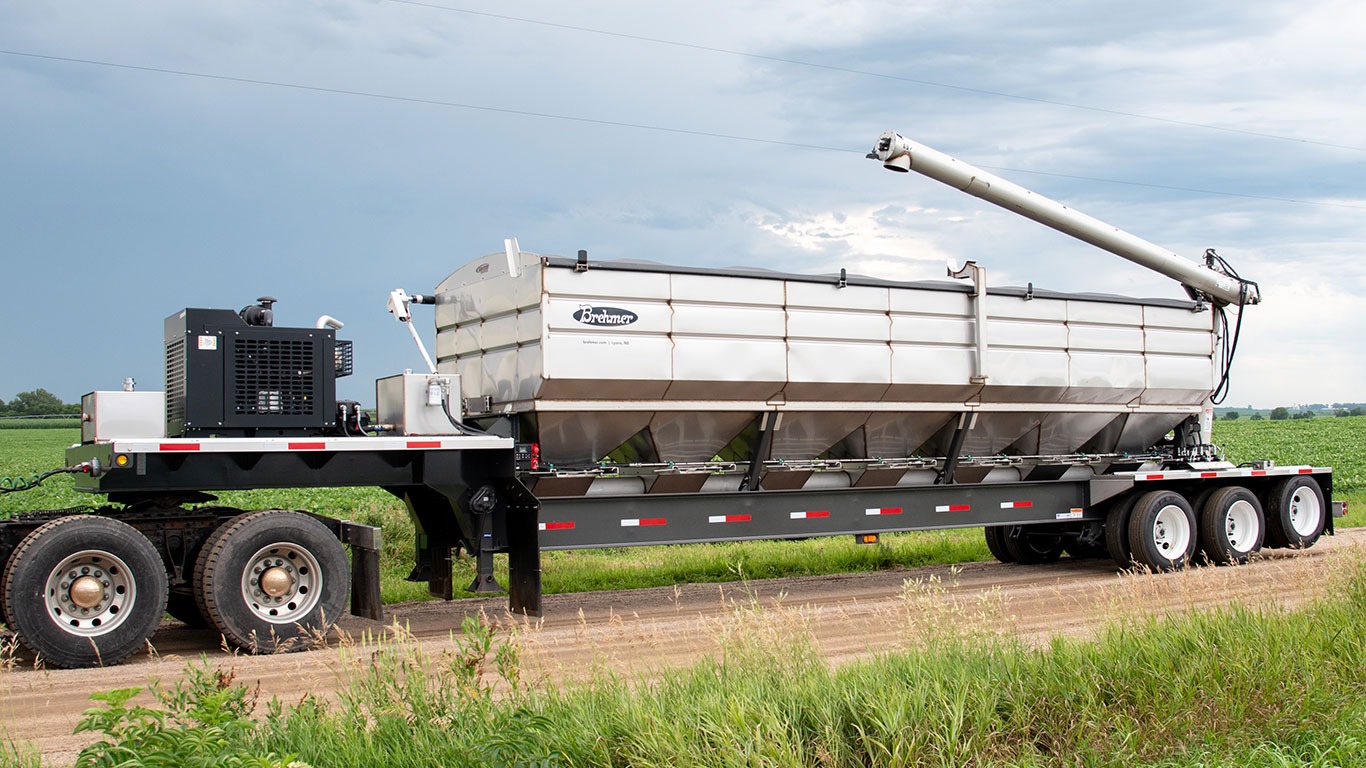
Few exemptions on this list get as specific as the one covering fertilizer trailers, and that precision is worth unpacking. Georgia law doesn’t simply exempt “farm trailers” as a broad category.
Instead, it outlines a specific set of conditions that a trailer must meet. It must have no springs, be pulled from a tongue rather than another type of hitch, and be used primarily to transport fertilizer to a farm.
Each requirement serves a purpose in narrowing this exemption to a specific type of equipment rather than opening the door to broader interpretation.
The lack of springs ties back to the same logic seen in other agricultural trailer exemptions, distinguishing basic utilitarian equipment from trailers built for smoother, faster road travel.
Tongue-pulled design specifies how the trailer connects to the towing vehicle, ruling out other hitching configurations that might otherwise seem similar. The “primarily used to transport fertilizer” requirement adds a functional test on top of the physical specifications.
A trailer meeting the springs and tongue requirements but used mainly for hauling equipment, livestock, or general farm supplies wouldn’t necessarily qualify under this specific exemption, even though it might fall under a different agricultural exemption instead.
Farmers relying on this exemption should keep documentation or clear evidence of the trailer’s primary use, since the specificity built into this rule suggests state officials expect trailers to genuinely match the defined purpose.
This isn’t an exemption designed for convenience or broad interpretation. It’s built around a precise piece of farm equipment serving a precise function, and understanding those boundaries helps farm owners avoid registration surprises when equipment gets inspected or questioned.
8. Certain Port Vehicles and Equipment
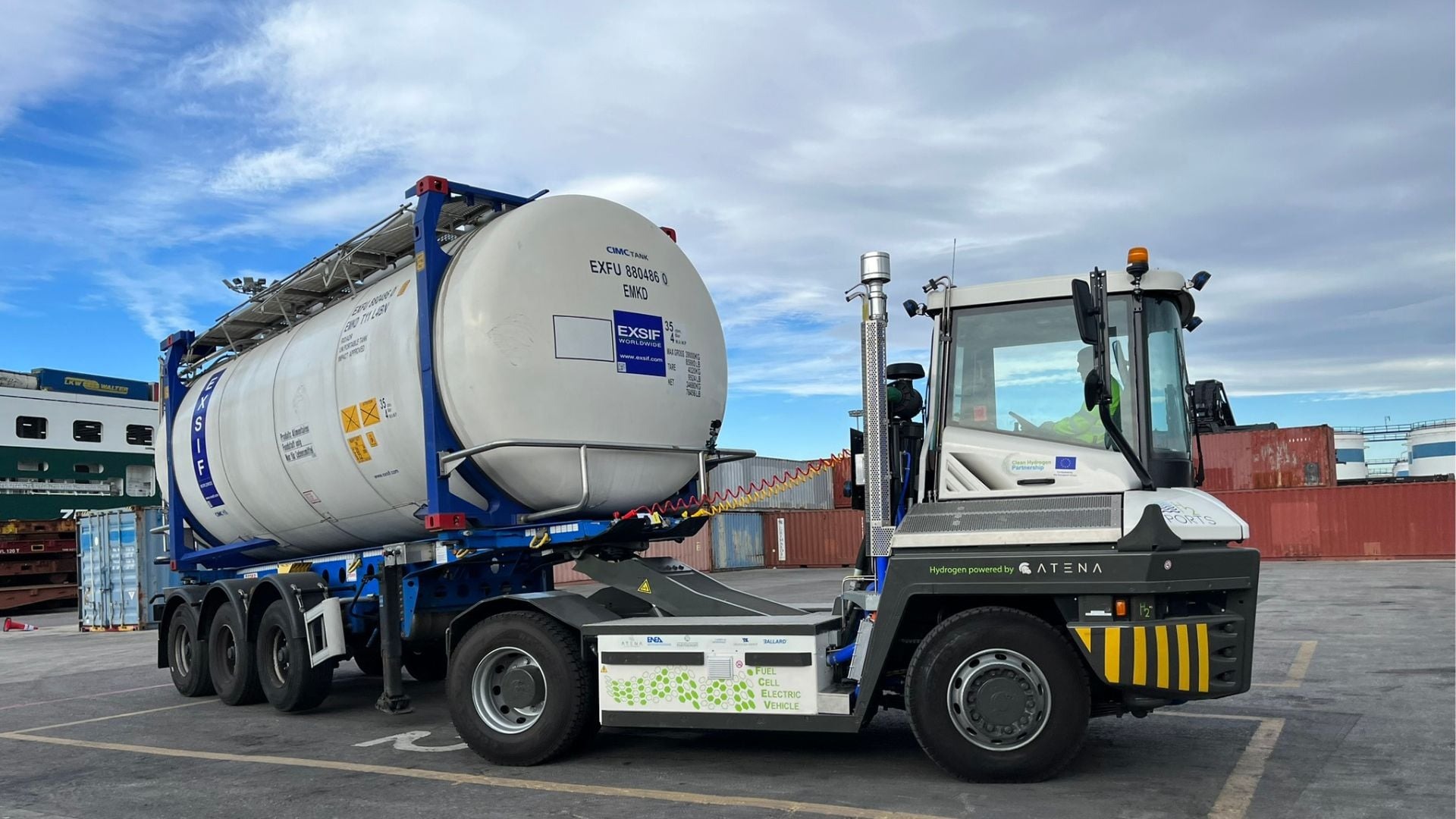
Georgia also provides a specialized exemption for certain vehicles and equipment operating at facilities under the Georgia Ports Authority. These vehicles can be used to transport cargo or containers between and within wharves, storage areas, and terminals under specified conditions.
This is not a blanket exemption for every truck, cart, forklift, or piece of equipment found near a port. The law sets conditions concerning where the vehicle operates and how it may use certain public roads.
For example, the statutory provision addresses operation on public roads within a specified distance of the port facility and includes requirements involving an escort vehicle with amber flashing lights.
That means the exemption is closely tied to port operations. A similar vehicle used somewhere else would not necessarily receive the same treatment.
This category is easy to overlook because most private vehicle owners will never encounter it. It exists mainly for specialized transportation activity connected with Georgia’s port facilities.
The lesson is straightforward. A vehicle’s location, purpose, ownership, and operating conditions can all affect its registration status. If specialized port equipment is sold or placed into private use, its previous exemption should not automatically be assumed to remain in effect.
Anyone dealing with such equipment should verify its status before putting it into ordinary road service.
9. Electric-Powered Personal Transportation Vehicles
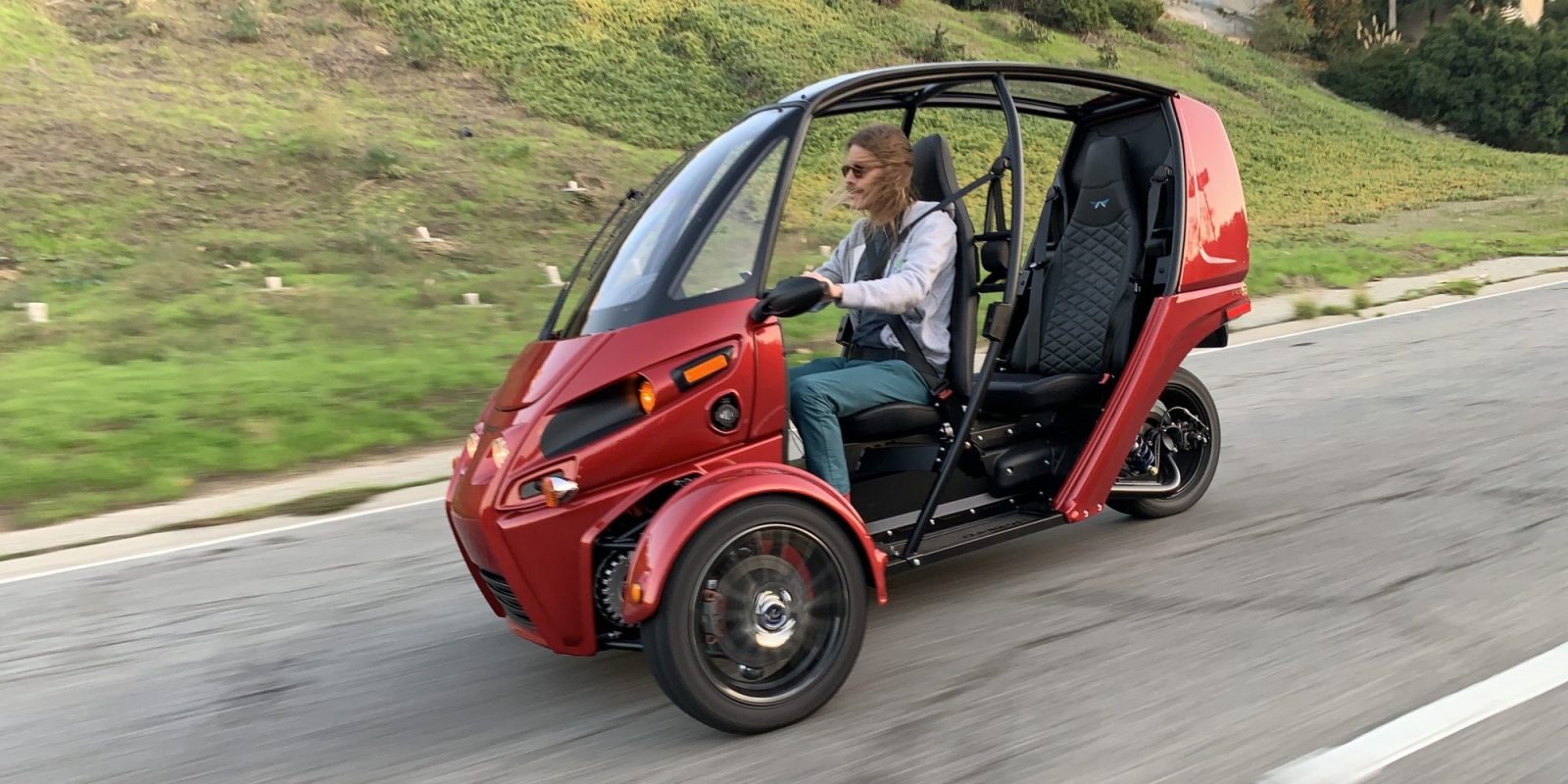
Confusion around this category tends to run high, largely because the name sounds like it might include electric cars. It doesn’t. Georgia law specifically excludes electric-powered personal vehicles from standard registration requirements, but this classification refers to a distinct statutory category rather than passenger electric vehicles that people drive on highways daily.
Electric-powered personal vehicles typically describe smaller devices built for short-distance, low-speed personal movement rather than full-scale automotive transportation.
Think along the lines of certain electric scooters or similar compact mobility devices, not Teslas or other electric passenger cars that absolutely require standard registration like any gasoline-powered vehicle would. This distinction matters enormously for consumers making purchasing decisions.
Someone buying an electric vehicle assuming registration exemption based on its power source alone could find themselves in violation of state law if that vehicle actually qualifies as a standard passenger car rather than falling under this narrower personal transportation category. Electric power alone doesn’t trigger an exemption.
The vehicle’s classification and intended use determine its legal status. Buyers should research exact statutory definitions before assuming any electric vehicle automatically avoids registration requirements.
Georgia law draws these lines carefully, and the personal transportation category exists for smaller, lower-speed devices rather than serving as a loophole for electric passenger vehicles generally.
Anyone uncertain about where a specific electric vehicle falls within these classifications should consult current Department of Revenue guidance directly, since misunderstanding this exemption could lead to operating an unregistered vehicle that actually requires standard titling and tags under Georgia law.
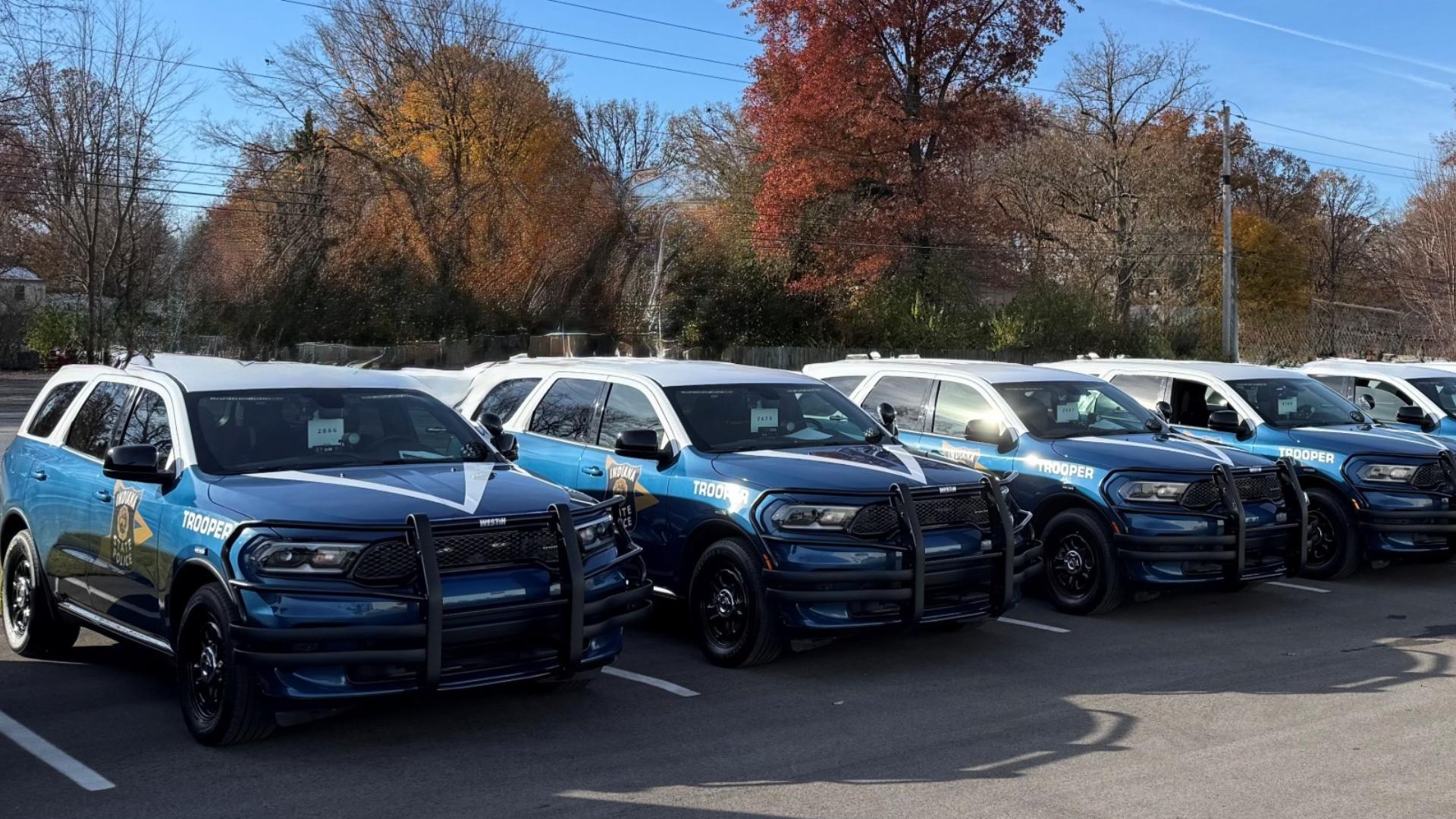
10. State and Local Government Vehicles
Vehicles owned by Georgia, a municipality, or another political subdivision receive special treatment under the state’s registration laws. However, this category needs a little clarification because it is not accurate to treat government vehicles as simply having no registration process at all.
Georgia Code Section 40-2-20 excludes certain government-owned vehicles from the ordinary registration requirement, while Section 40-2-37 establishes a separate registration and license-plate system for many state and local government vehicles.
Those plates can identify the vehicle as belonging to a state, city, county, authority, or board. There are also special rules for certain vehicles, including some used for covert police work and vehicles owned by the Department of Public Safety.
Regular plates may be issued in specified circumstances. For a private buyer, this distinction becomes important when purchasing former government equipment.
A vehicle’s previous government status does not automatically exempt its new private owner. Once ownership changes, the applicable private-vehicle registration rules may apply.
Anyone buying a former government vehicle should therefore confirm its current title and registration requirements before assuming the government exemption follows the vehicle.