
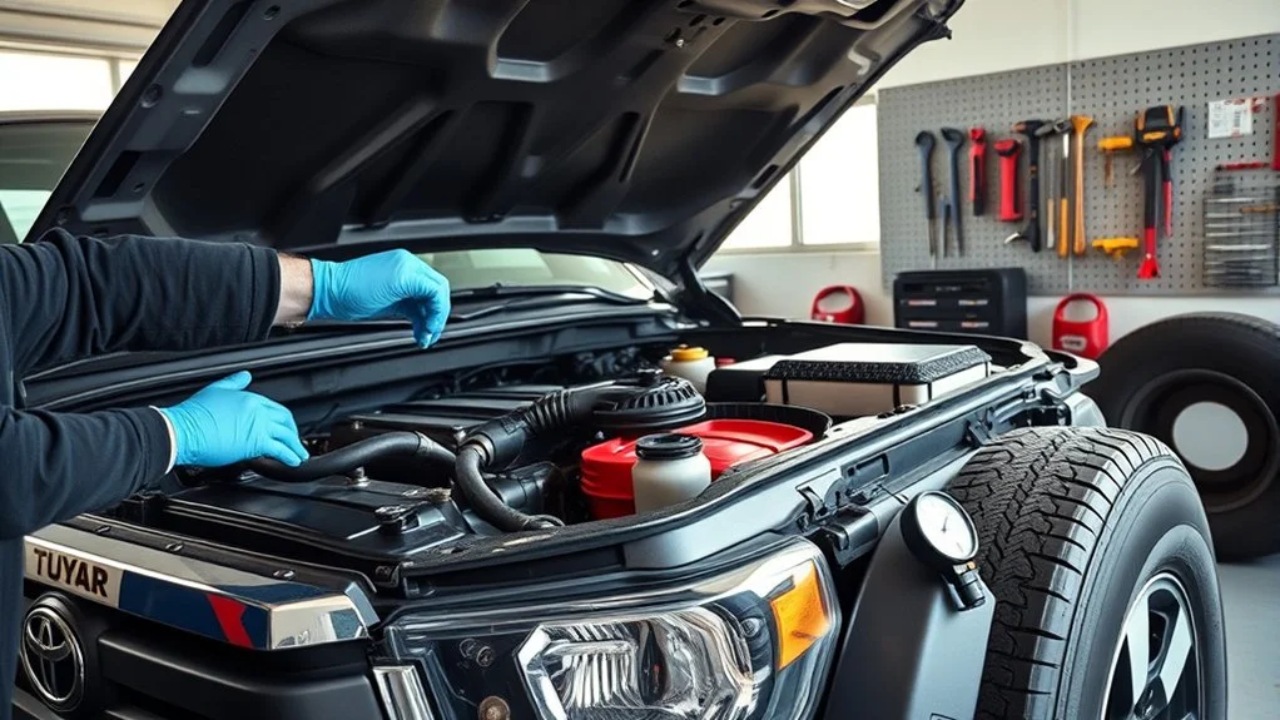
An engine can deliver hundreds of thousands of miles of reliable service when its owner consistently takes care of the essentials. Proper lubrication, effective temperature control, clean air, and sensible driving habits all play a crucial role in maximizing engine life.
The same engine can also develop expensive problems much earlier when basic maintenance is ignored or driving habits repeatedly put unnecessary stress on its internal components. This comparison looks at both sides of engine ownership.
The first five habits focus on practical actions that help reduce wear and preserve engine health. The second five examine common behaviors that can accelerate damage, increase repair costs, and shorten the useful life of an otherwise healthy engine.
5 Habits That Extend Engine Life
1. Change the Oil Based on the Engine’s Actual Needs
Engine oil does far more than make moving parts slippery. It forms a protective film between components, carries heat away from internal surfaces, suspends contaminants, and helps protect against corrosion. As oil ages, its ability to perform these jobs can gradually decline.
That is why following the manufacturer’s oil specification matters just as much as remembering the service interval. The correct viscosity and performance specification are selected for the engine’s lubrication passages, clearances, temperature range, and operating requirements.
Using an oil simply because it is marketed as suitable for “high mileage” or “performance” does not guarantee that it is appropriate for a particular engine.
The service interval should also be treated as a guideline based on the vehicle’s operating conditions. Frequent short trips, heavy traffic, extreme temperatures, towing, dusty environments, and extended idling can place greater demands on engine oil than steady highway driving.
Checking the oil level between services is another useful habit. A healthy engine can consume some oil, and certain engines are more sensitive to low oil levels than others. Running below the recommended level reduces the amount of lubricant available for critical components.
Do not assume that a warning light is the first reminder to check the oil. It may indicate that pressure has already fallen to a dangerous level.
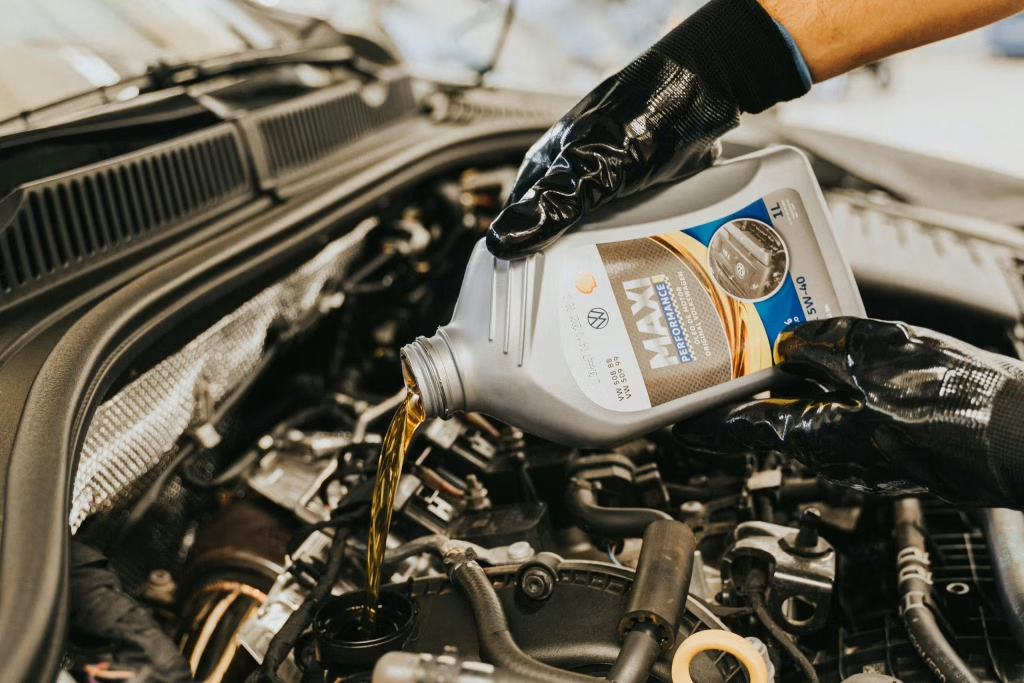
Regular oil changes are therefore one of the simplest ways to protect an engine. The cost of the service is small compared with the price of repairing worn bearings, damaged timing components, or a failed turbocharger.
2. Let the Engine Reach Normal Temperature Before Demanding Full Power
Cold starts are one of the most demanding periods of normal engine operation. Oil is thicker when cold, clearances between components have not yet reached their intended operating conditions, and combustion may not be as efficient as it becomes after the engine warms.
That does not mean a driver needs to leave a modern vehicle idling in the driveway for ten or fifteen minutes. In most cases, prolonged stationary warm-up wastes fuel and produces unnecessary emissions.
A better approach is to start the engine, allow a brief period for the engine to stabilize, and then drive gently until normal operating temperature is reached.
The important distinction is between warming the engine gradually and keeping it completely stationary.
During the first few minutes, avoid high engine speeds, hard acceleration, heavy towing, or sustained high loads. Gentle driving allows the oil, coolant, and other components to reach their normal operating ranges progressively.
Turbocharged engines benefit particularly from sensible warm-up behavior because their turbochargers operate at very high speeds and temperatures. Cold oil must reach the turbocharger’s bearings and lubrication passages properly before the engine is pushed hard.
The temperature gauge also should not be interpreted as proof that every component is already fully warmed. Coolant can reach its normal range before the oil has reached the same temperature.
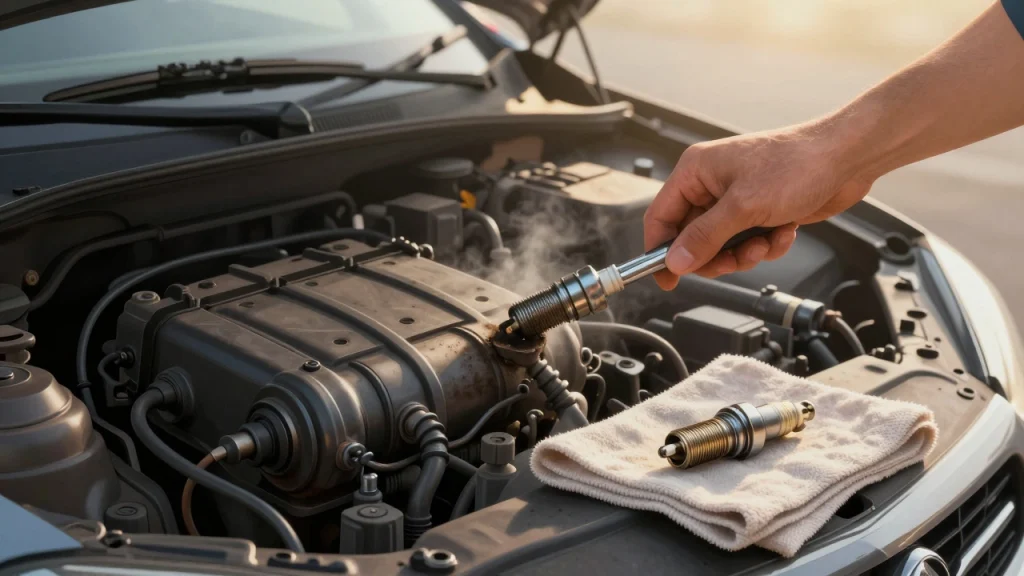
This habit matters because many engines spend much of their lives starting from cold. Treating those first few minutes gently reduces unnecessary stress during a period when lubrication and component clearances are still changing.
3. Replace the Air Filter Before Restriction Becomes a Problem
An engine needs a precise mixture of air and fuel to produce power efficiently. The air filter’s job is to prevent dust, dirt, insects, and other particles from entering the engine while allowing sufficient airflow.
A filter that is heavily contaminated can restrict airflow, potentially affecting engine performance and fuel economy. More importantly, a damaged, incorrectly installed, or poorly sealed filter can allow abrasive particles to enter the intake system.
Dust is particularly undesirable inside an engine because it can contribute to wear on cylinder walls, piston rings, and other surfaces. The filter therefore serves as an important barrier between the engine’s internal components and the outside environment.
Replacement timing should not be based purely on the calendar. Vehicles driven on dusty roads or in construction-heavy areas can load an air filter much faster than cars that spend most of their time on clean highways.
The inspection itself is simple. When the filter is removed, the housing and sealing surfaces should also be checked. A new filter cannot do its job properly if the housing is damaged or the filter is incorrectly seated.
Drivers should also avoid the temptation to repeatedly clean a disposable filter if the manufacturer specifies replacement. Aggressive handling can damage filter media or compromise its ability to trap particles.
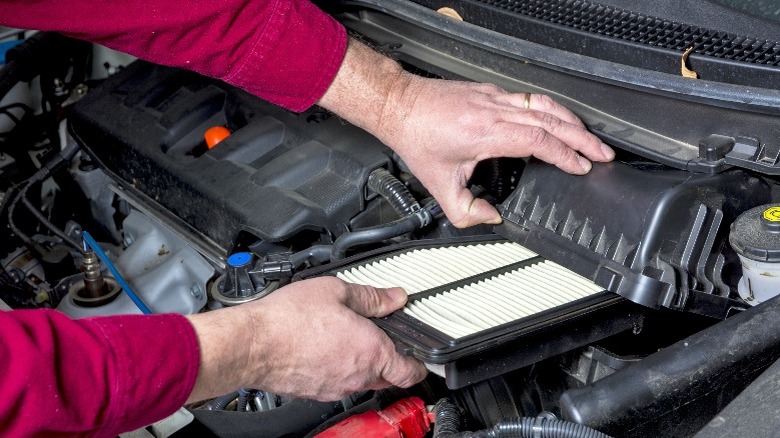
This is a small maintenance item with an important purpose. Protecting the engine from abrasive contamination costs little compared with repairing wear caused by dirt entering the intake system.
For that reason, checking the air filter during scheduled maintenance is one of the easiest engine-protection habits to develop.
4. Pay Attention to the Cooling System Before It Overheats
Engines generate enormous amounts of heat during combustion, and the cooling system has to continuously remove enough of it to keep temperatures within an acceptable range. Coolant, the radiator, thermostat, water pump, cooling fans, hoses, and related components all contribute to that job.
Ignoring a small coolant leak can therefore have consequences far beyond losing a little fluid. If coolant level drops sufficiently, the engine may no longer be able to transfer heat effectively. Continued operation at excessive temperature can damage gaskets, cylinder heads, pistons, and other components.
A good owner does not wait for steam from under the hood before taking cooling-system problems seriously. Low coolant, an unusual smell, visible leaks, a temperature gauge that behaves differently than usual, or cooling fans operating excessively can all justify an inspection.
Coolant itself also needs attention. The correct type and mixture should be used according to the manufacturer’s specifications. Different coolant formulations are not necessarily interchangeable, and simply topping up with an unknown product can create compatibility problems.
The radiator and cooling passages should also remain reasonably clean. Dirt, leaves, and debris can reduce airflow through the radiator, particularly in vehicles used in dusty environments.
One especially important habit is stopping when the engine is genuinely overheating. Continuing to drive because the destination is only a few miles away can turn a cooling-system fault into a major engine failure.
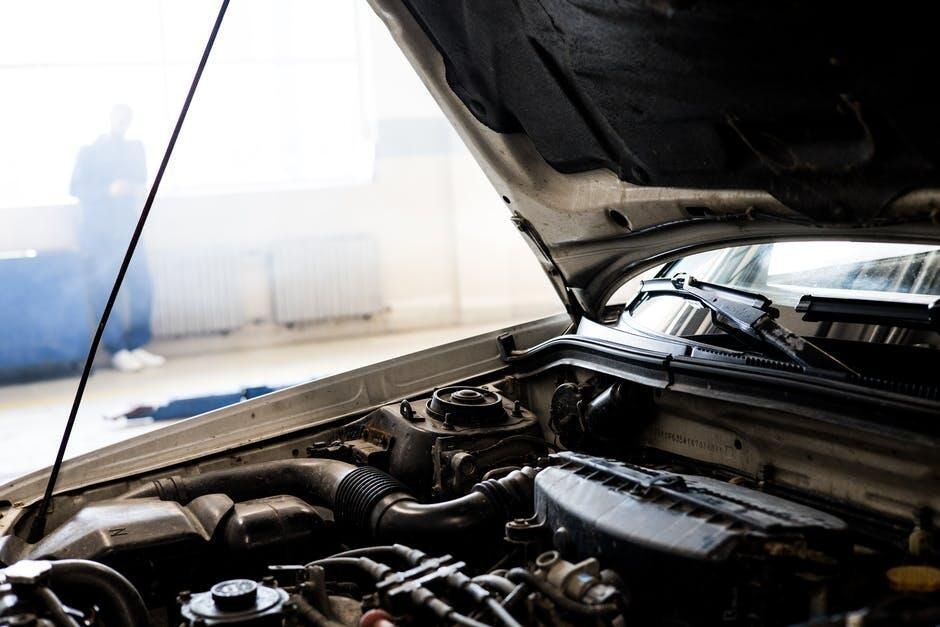
Temperature control is fundamental to engine longevity. Keeping the cooling system healthy prevents one of the fastest routes from a minor maintenance problem to an expensive mechanical repair.
5. Give the Engine a Chance to Stay Clean Internally
Engine cleanliness is not just about a spotless engine bay. Inside the engine, oil passages, combustion chambers, intake systems, and ventilation components can accumulate deposits or contaminants over time.
The best way to control this buildup is not to rely on aggressive cleaning products. It starts with correct maintenance and operating conditions. Using the specified engine oil, replacing filters on schedule, maintaining the ignition system, and addressing oil or coolant leaks promptly all help prevent problems from becoming larger.
Short-trip driving deserves special attention. If a vehicle is repeatedly driven for only a few minutes, the engine may spend much of its time below its ideal operating temperature.
Moisture and fuel contamination that would normally be reduced during longer operation may remain in the oil, while the exhaust system also has less opportunity to reach its normal temperature.
That does not mean every engine needs a weekly high-speed highway run. Instead, vehicles used primarily for very short journeys benefit from occasional longer drives when practical, allowing the engine and related systems to reach normal operating temperatures for an extended period.
The crankcase ventilation system should also remain functional because it helps manage gases and vapors produced inside the engine. A neglected ventilation system can contribute to sludge and pressure-related problems.
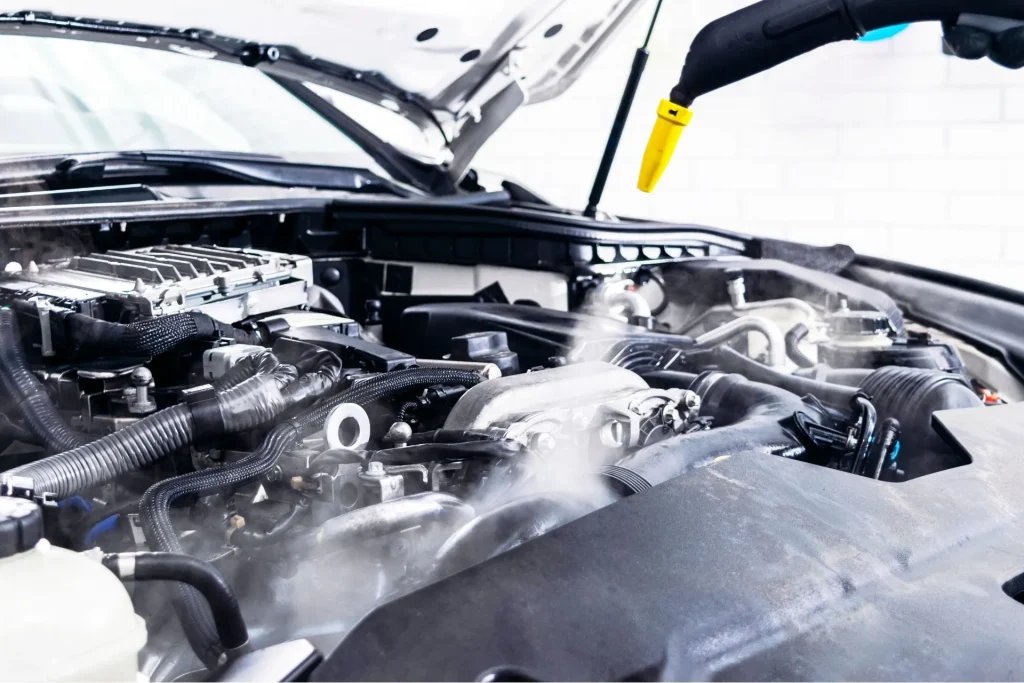
Finally, investigate unusual oil consumption, smoke, rough running, or persistent deposits rather than masking symptoms with additives.
Engine cleanliness is largely a consequence of good habits rather than a special treatment. Maintaining the systems that keep contaminants under control gives internal components a cleaner environment in which to operate for many years.
5. That End Engine Life
1. Ignoring an Overheating Engine
An engine that begins running too hot is sending a warning that should never be dismissed. Continuing to drive while the temperature is climbing can cause damage surprisingly quickly because several critical components are designed to operate within a relatively controlled temperature range.
Excessive heat can distort cylinder heads, damage head gaskets, degrade lubricants, and affect pistons and other internal components. Aluminum cylinder heads are particularly sensitive to severe overheating because they can change shape when exposed to extreme temperatures.
The dangerous part is that the original problem may be relatively inexpensive. A failed thermostat, damaged hose, malfunctioning cooling fan, low coolant level, or leaking radiator can sometimes be repaired without major engine work. The cost can increase dramatically if the vehicle is driven until the engine suffers internal damage.
A temperature warning should therefore change the driver’s priorities immediately. If the gauge enters an abnormal range, a warning appears, or steam begins coming from the engine compartment, continuing toward the destination is not a sensible gamble.
Drivers should also avoid opening a hot cooling system immediately. Pressurized coolant can cause serious burns. The vehicle should be allowed to cool sufficiently before inspection.
Repeated overheating is particularly destructive because heat can affect components that may not show an obvious symptom immediately.
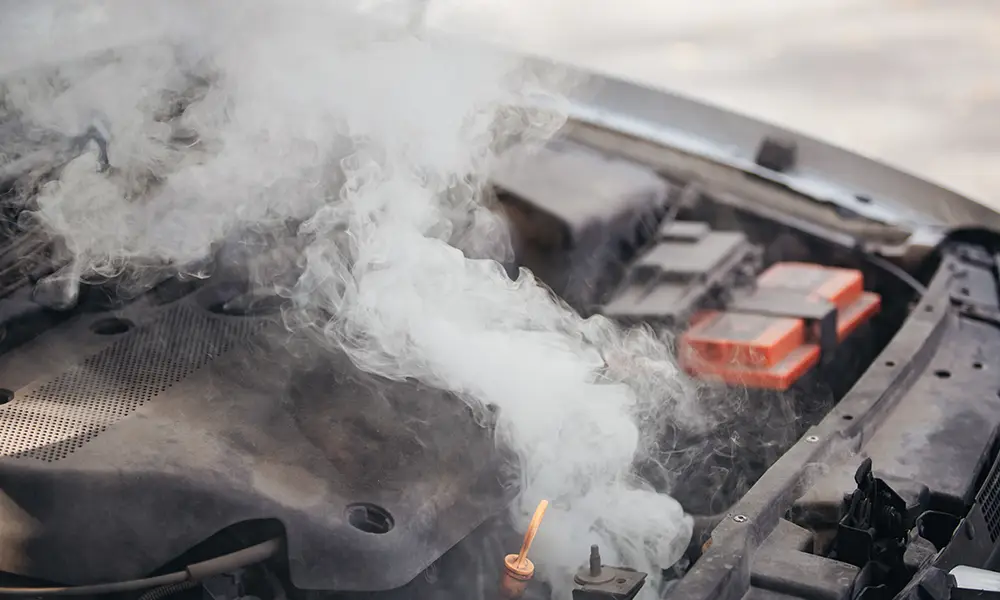
Treating overheating as an emergency rather than an inconvenience can be the difference between replacing a cooling-system component and rebuilding an engine.
2. Stretching Oil Changes Far Beyond the Recommended Interval
Oil does not remain in perfect condition indefinitely. As an engine operates, the lubricant is exposed to heat, combustion byproducts, moisture, and microscopic wear particles. Its additives gradually become depleted, and contamination can accumulate.
That makes extreme oil-change neglect one of the easiest ways to increase internal engine wear.
The problem becomes particularly serious when drivers believe that modern synthetic oil means the lubricant never needs replacing. Synthetic oil can provide excellent protection, but it still has a service life determined by the engine, oil specification, operating conditions, and the manufacturer’s maintenance schedule.
Long periods of idling, repeated short journeys, severe heat, dusty environments, towing, and stop-and-go traffic can create conditions that are harder on engine oil than steady highway use.
Neglected oil can contribute to sludge and deposits, restrict lubrication passages, and reduce the protection available to bearings and other moving parts. In turbocharged engines, degraded oil can also create additional problems because the turbocharger relies heavily on proper lubrication and temperature control.
Waiting until the oil looks extremely dark is not a reliable maintenance strategy either. Oil can darken while still performing its job, and clean-looking oil is not automatically proof that it remains suitable.
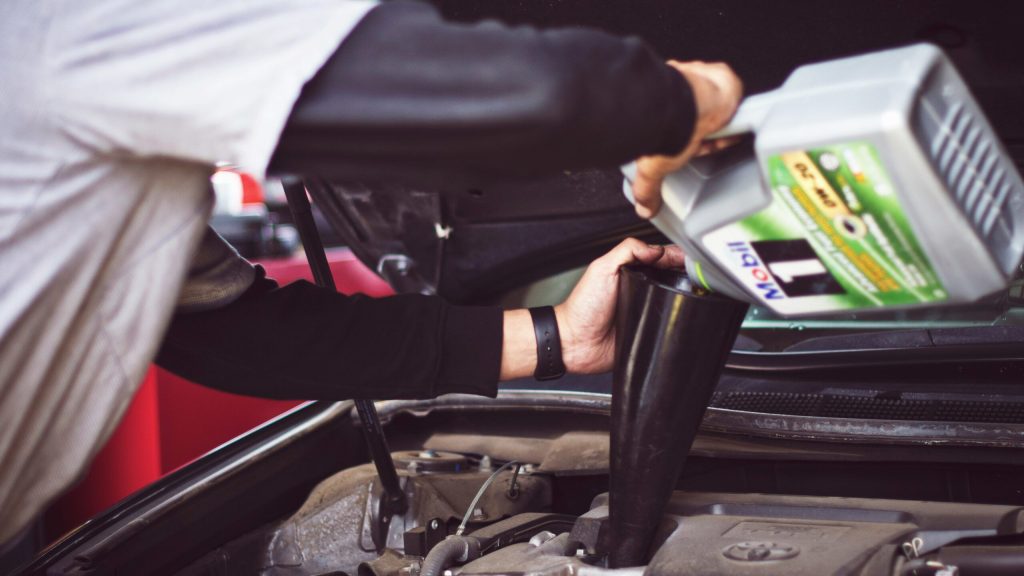
The smarter approach is to follow the manufacturer’s specified oil type and service schedule, adjusting for severe operating conditions when required.
Saving money by postponing an oil change is therefore a false economy. A relatively inexpensive service can protect components whose replacement may cost thousands of dollars.
3. Revving Hard With a Cold Engine
Few driving habits put unnecessary stress on an engine as quickly as demanding maximum performance immediately after startup. A cold engine has not yet reached its normal operating conditions, and its oil is not flowing exactly as it does once the engine is warm.
Hard acceleration and high engine speeds during this period increase mechanical demand before the lubrication system and other components have fully stabilized.
The solution does not require an elaborate warm-up routine. Modern vehicles generally do not need to sit idling for a long time before being driven. Instead, start the engine, give it a short moment to stabilize, and drive moderately until it reaches normal operating temperature.
This distinction is important because prolonged idling is not necessarily beneficial. Gentle driving can bring the engine and its supporting systems up to temperature more effectively while also avoiding unnecessary fuel consumption.
Turbocharged engines deserve particular consideration. Their turbochargers can spin at extremely high speeds, so demanding strong boost immediately after startup places significant stress on components that depend on proper oil circulation.
Cold-weather operation makes the issue more noticeable, but the principle applies year-round. Even on a warm day, the engine begins its operating cycle from a lower temperature than its normal running condition.

Repeatedly driving aggressively from cold will not necessarily destroy an engine after a few occasions, but doing it for years can contribute to unnecessary wear.
A few minutes of sensible driving after startup costs nothing and gives the engine a much easier beginning to each journey.
4. Continuing to Drive When Warning Signs Appear
One of the most expensive habits an owner can develop is treating warning signs as background noise. An engine may continue running even when something important has begun to fail, creating the illusion that there is no immediate problem.
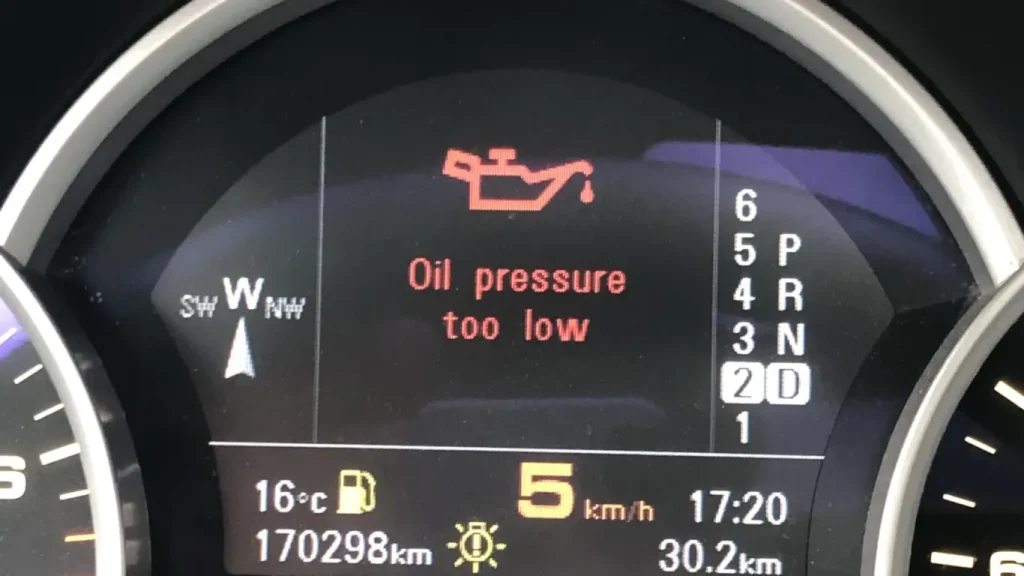
A check-engine light, unusual ticking, knocking, persistent misfire, excessive smoke, oil-pressure warning, sudden oil consumption, or unexplained loss of coolant can all indicate that the vehicle needs attention.
Not every warning means catastrophic failure is imminent. A check engine light, for example, can result from something relatively minor. But ignoring it for months removes the opportunity to diagnose the problem while it is still manageable.
A misfiring engine provides a good example. Continued misfires can affect combustion and, depending on the cause and vehicle design, place additional stress on emissions equipment and other components. An oil-pressure warning is even more urgent because insufficient lubrication can cause rapid internal damage.
Unusual mechanical sounds deserve similar attention. A faint noise that appears only occasionally may be difficult to diagnose, but allowing it to progress until it becomes loud can mean a component has already suffered significant wear.
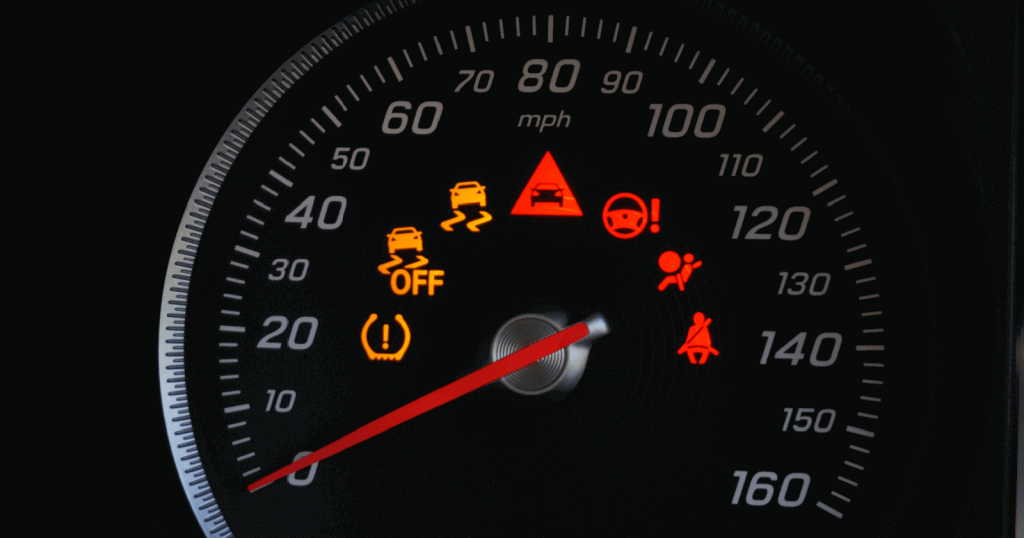
The same principle applies to smoke. Blue exhaust smoke can indicate oil consumption, while persistent white smoke may point toward coolant entering the combustion process. Black smoke can indicate excessive fuel in certain operating conditions.
The right response is not panic. It is a diagnosis. Getting a developing problem inspected early can turn a potentially major repair into a smaller intervention. Continuing to drive simply because the engine still starts is one of the worst strategies for protecting its lifespan.
5. Driving With Low Engine Oil
A surprisingly small amount of missing oil can become a major problem when the engine is already close to its minimum safe level. Oil is needed to protect bearings, camshafts, timing components, pistons, and numerous other moving surfaces.
When the level becomes dangerously low, the lubrication system may struggle to maintain the necessary oil supply, particularly during hard acceleration, cornering, braking, or steep inclines. That can increase friction and heat and may cause severe internal damage.
The oil-pressure warning is not the same thing as a routine maintenance reminder. If the oil-pressure warning illuminates while the engine is running, the situation can be serious enough to require shutting the engine down and investigating the cause.
Checking the dipstick, where the vehicle is equipped with one, is one of the simplest preventive habits an owner can develop. The vehicle should be parked on an appropriate level surface and checked according to the manufacturer’s procedure.
It is also important not to overfill. Adding oil until the level is far above the specified maximum is not an improvement. Excessive oil can create its own problems, including aeration and other undesirable effects depending on engine design.
Some engines naturally consume more oil than others, and consumption can increase as an engine ages. That makes periodic level checks particularly useful between scheduled services.
Low oil does not always announce itself with a dramatic noise before damage occurs. Sometimes the first obvious symptom is an engine that has already suffered serious wear.
Keeping the oil at the correct level is therefore one of the simplest habits an owner can use to protect the engine from avoidable failure.
