
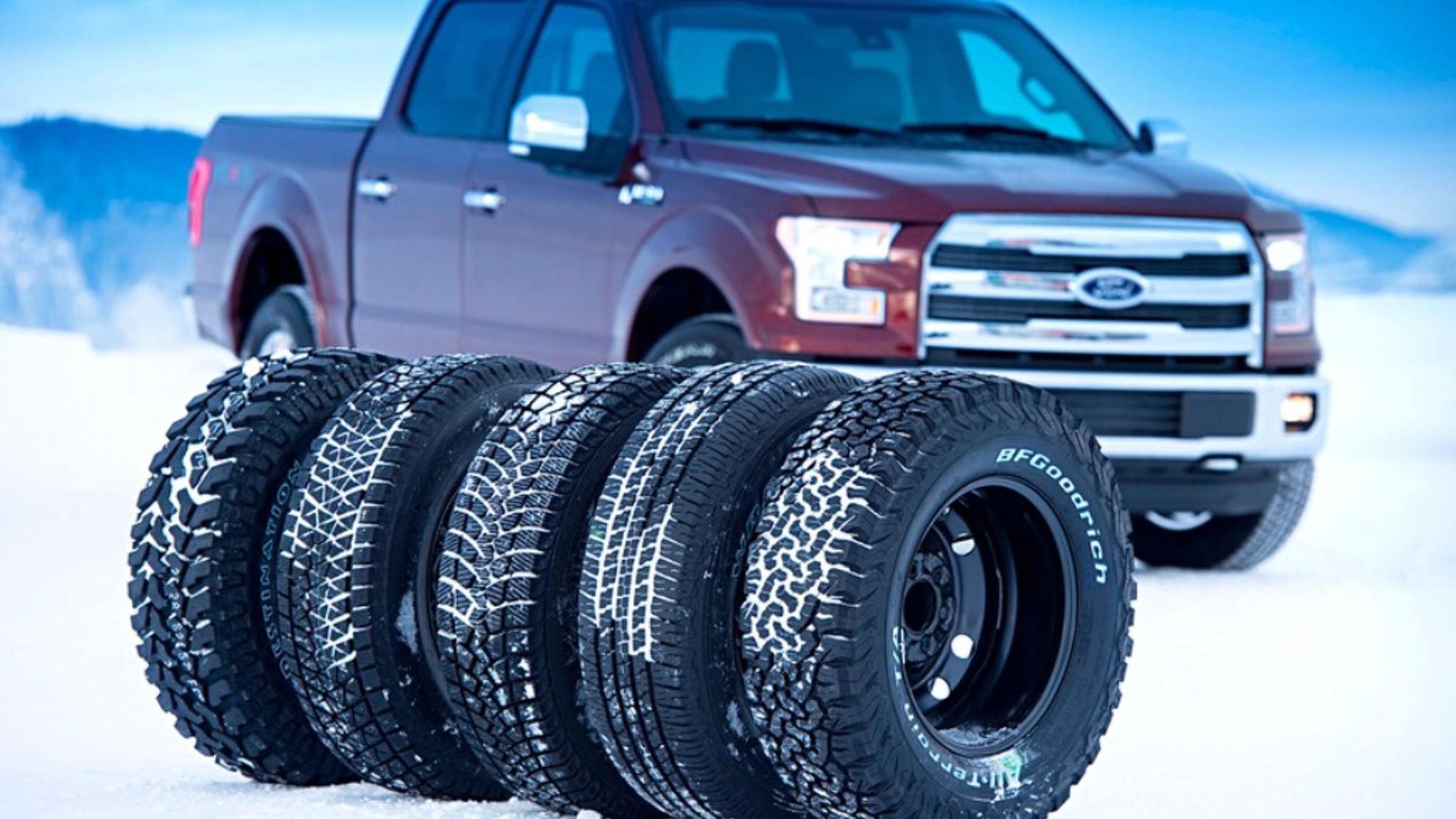
Winter driving can turn an ordinary commute into a test of traction, braking, and confidence. A good set of winter tires can make a major difference when temperatures fall and roads become covered with snow, ice, slush, or cold water. But not every winter tire is designed the same way, and the best choice depends on your vehicle, driving habits, climate, and budget.
The brands below stand out for their cold-weather tire technology, product selection, grip, ride quality, and value. From premium options built for severe ice to affordable choices for regular snow, this ranking can help you narrow your search and choose a winter tire brand that fits your needs.
1. Continental
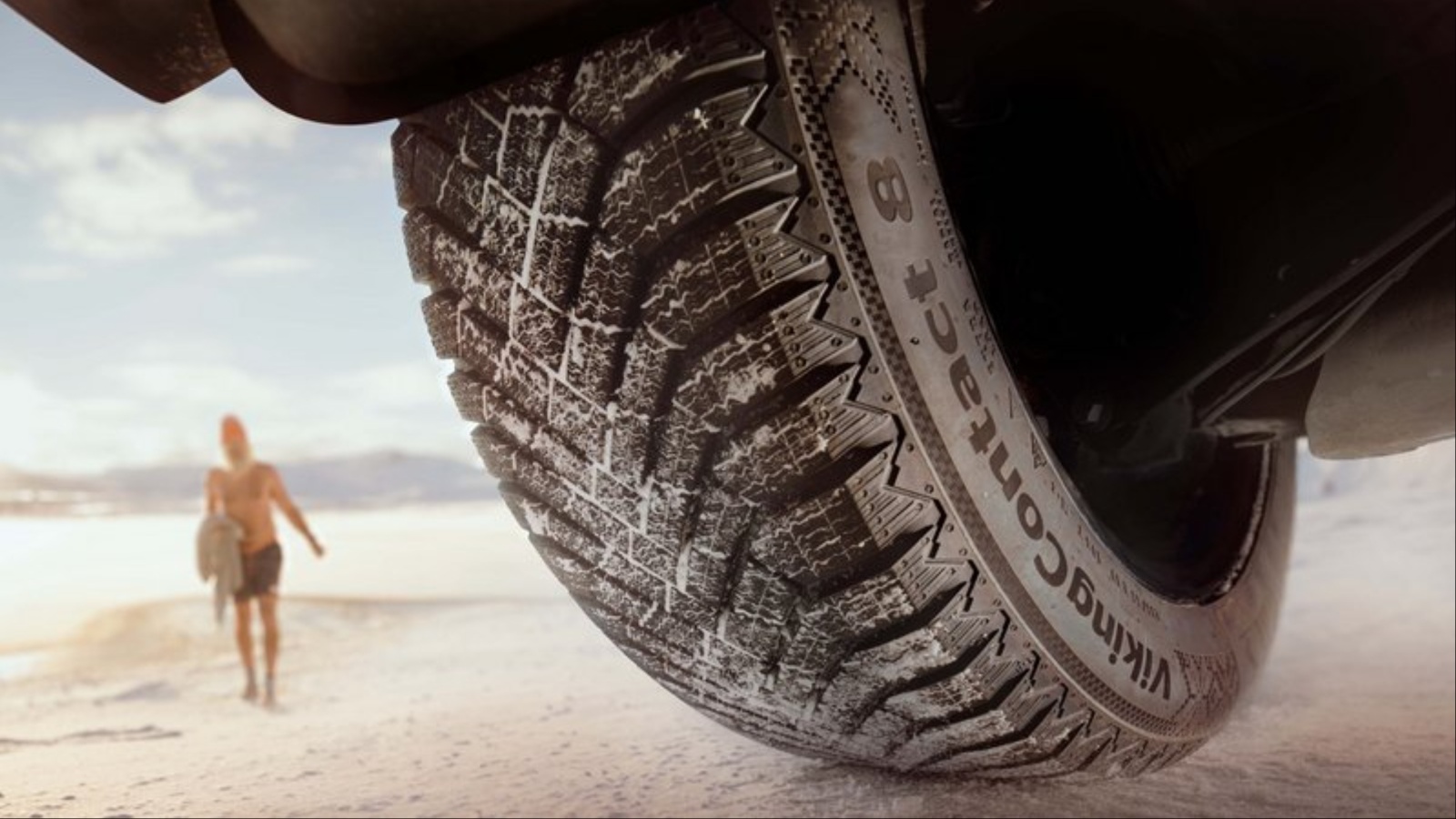
Germany’s tire engineering reputation shows up clearly once winter arrives, and Continental’s VikingContact 8 stands as proof of that reputation holding up under real conditions.
This tire earns praise for grip on both ice and packed snow, two surfaces that demand very different rubber behavior, yet Continental manages to balance both without sacrificing one for the other.
What sets this brand apart from many competitors is how well its winter lineup handles dry pavement too. Plenty of winter tires turn mushy and vague the moment roads clear, but Continental keeps handling sharp and predictable even when you’re driving on bare asphalt between snowstorms.
This scenario describes most winter driving reality across much of the country. Rolling resistance matters more than people realize, and Continental has clearly paid attention to this detail.
Lower rolling resistance improves fuel economy throughout the tire’s life, and it matters especially for electric-vehicle owners, where every bit of efficiency translates directly into driving range during the coldest months, when battery performance already takes a hit.
Buyers cross-shopping premium winter tires consistently rank Continental near the top for its combination of ice traction, snow performance, and everyday drivability.
If your budget allows for a top-tier option and you want a tire that performs well across every winter scenario rather than excelling narrowly in just one condition, Continental deserves serious consideration as your first stop.
2. Bridgestone
Ask any tire shop employee working in a snowy state which brand customers request by name, and Blizzak comes up constantly.
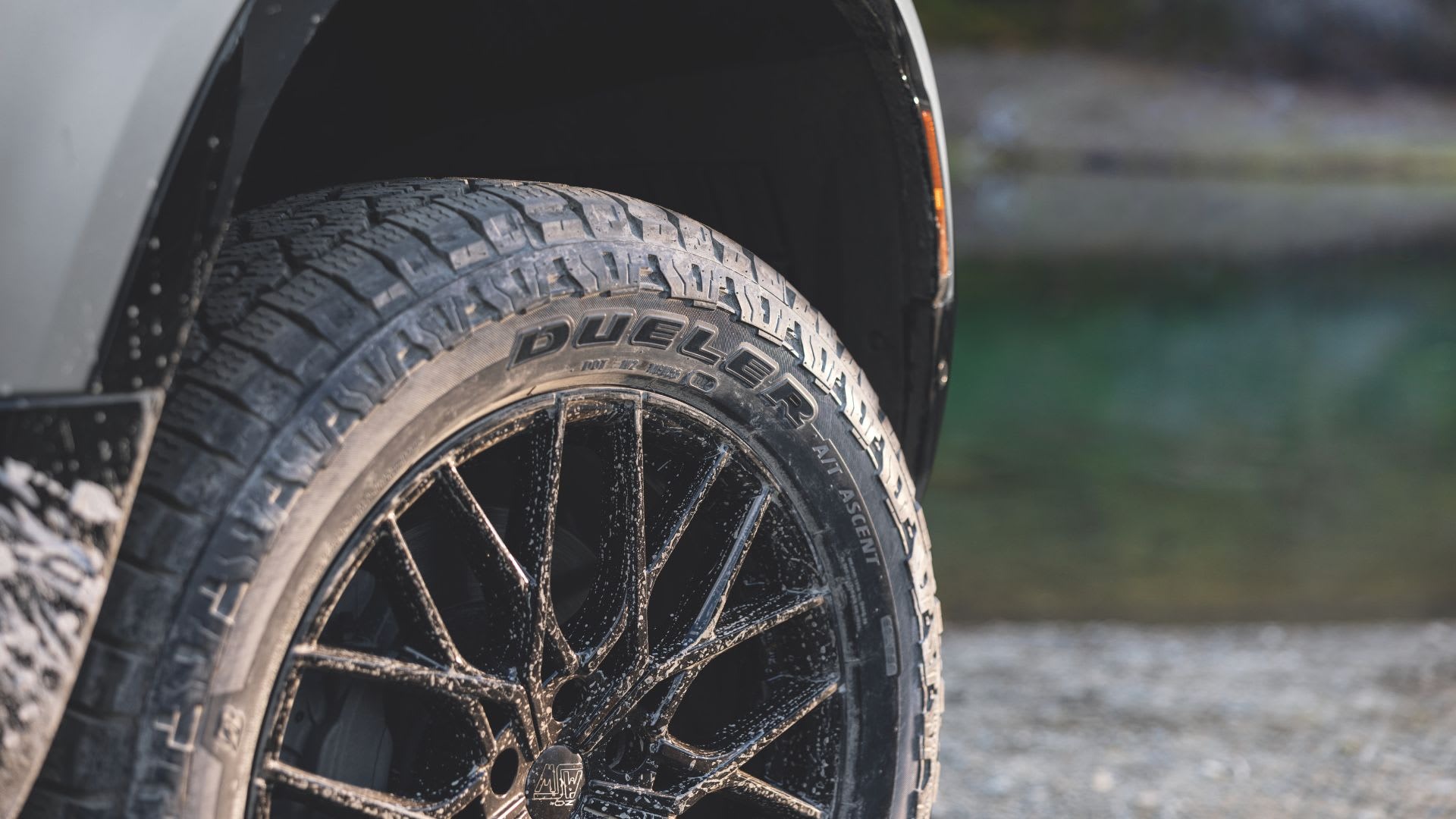
Bridgestone built this reputation over years, and the current lineup, including the WS90 for passenger cars and the DM-V2 for SUVs and trucks, continues earning that trust through consistent, measurable performance.
Ice braking is where this tire genuinely shines. Bridgestone’s rubber compound technology allows the tread to maintain flexibility even in punishing cold, gripping ice surfaces where stiffer compounds from other brands start sliding.
That difference becomes obvious the moment you need to stop suddenly on a frozen intersection, exactly the situation where a few extra feet of stopping distance separates a close call from a collision.
Snow traction pairs well with that ice performance, giving drivers confidence pulling out of unplowed driveways or climbing snow-covered hills without wheel spin becoming a constant frustration.
The DM-V2, tailored specifically for heavier SUVs and trucks, accounts for the additional weight and different handling characteristics these vehicles bring to winter roads.
Longevity often gets overlooked when people discuss winter tires, focusing purely on grip, but Bridgestone’s tread compounds hold up admirably across multiple winter seasons when stored properly during warmer months.
That durability translates into genuine long-term value, since replacing a full set of winter tires every single year adds up fast regardless of how good the grip feels initially.
3. Michelin
Michelin takes third place by combining strong winter capability with the refined handling and ride quality expected from a premium tire manufacturer.
Its winter selection includes products designed for passenger cars, performance vehicles, crossovers, and SUVs, giving drivers several ways to match a tire to their vehicle and climate.
The X-Ice family is particularly well known for studless winter performance. These tires are designed to maintain grip in freezing temperatures while providing controlled braking and steering on snow and ice.
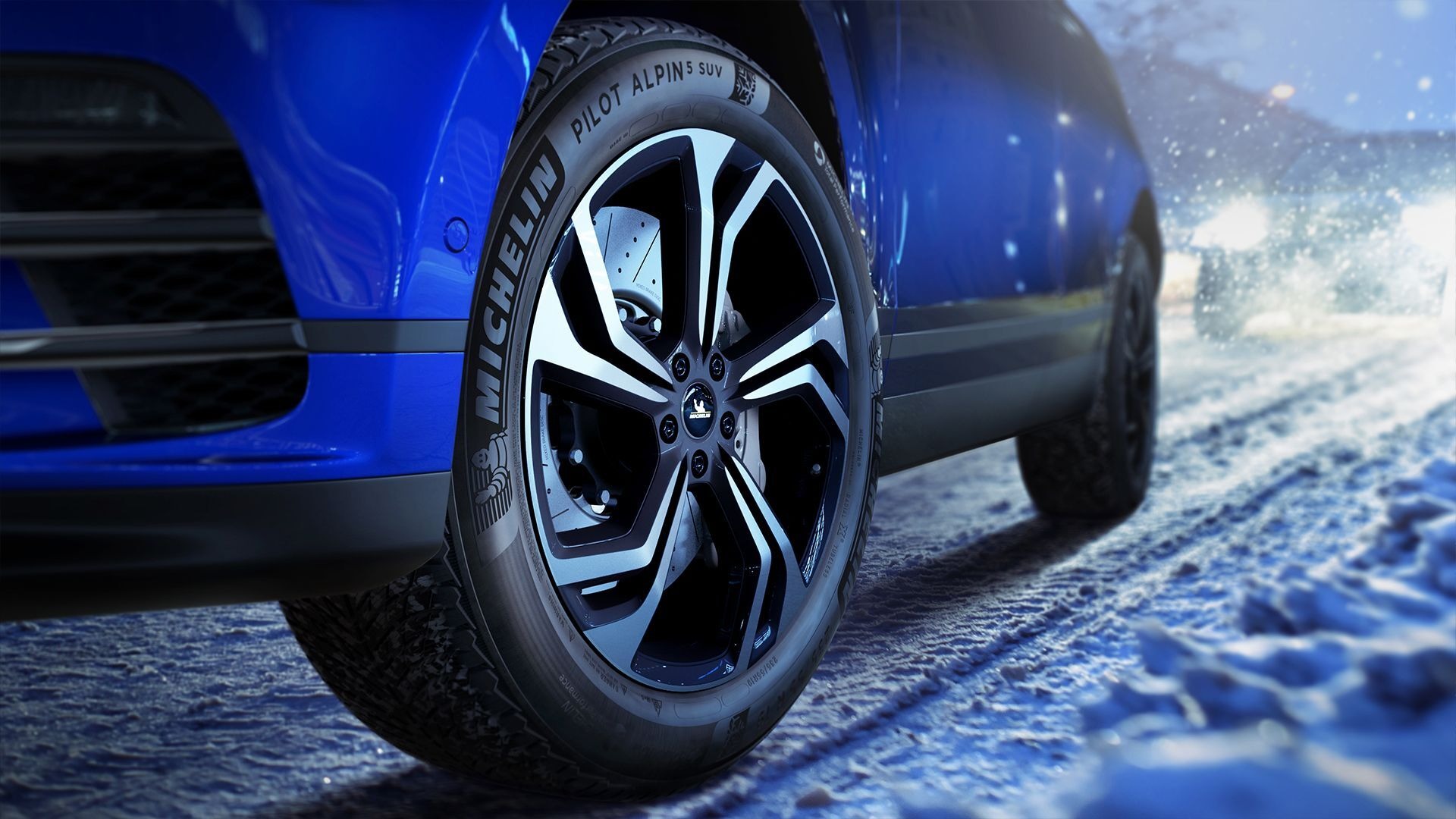
Michelin also offers the Pilot Alpin line for drivers who want winter performance suited to higher-performance vehicles. That distinction matters.
A driver with a sporty sedan may want sharper steering response and stronger dry-road behavior than someone driving through deep snow every day. Michelin’s lineup addresses those different priorities instead of treating every winter driver the same way.
Michelin also places considerable attention on tread life and everyday comfort. Dedicated winter tires are a seasonal investment, so durability matters when the tires are installed for several months each year.
The brand tends to sit toward the premium end of the market, and that can raise the purchase price. Still, drivers who value polished road behavior along with dependable cold-weather traction may find the extra cost worthwhile.
Michelin is a strong choice for motorists who refuse to give up steering feel and comfort simply because winter has arrived. Its products are especially appealing for premium cars and drivers who spend plenty of time on paved roads during the colder months.
4. Goodyear
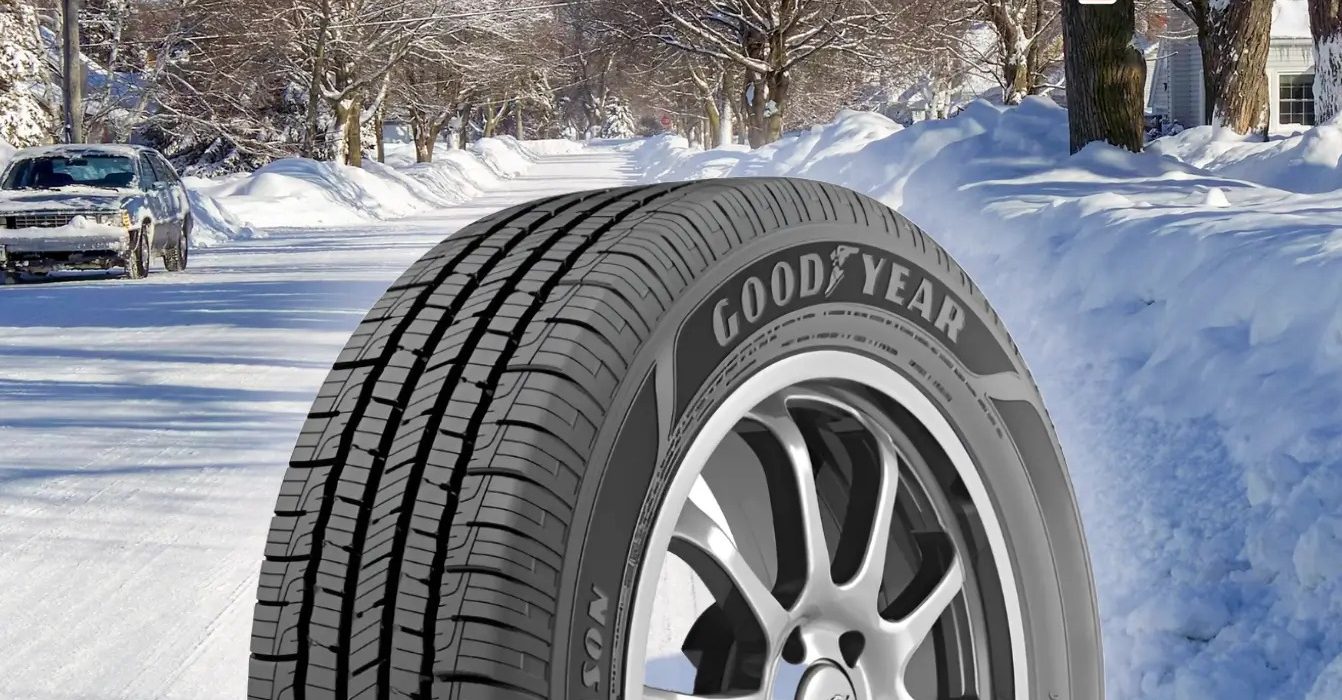
Goodyear holds fourth place with winter products that place strong emphasis on traction, wet-road control, and predictable behavior in changing conditions. That combination is useful for drivers who deal with more than just freshly fallen snow.
The UltraGrip family is the brand’s major winter offering, with different products designed around different vehicle applications. UltraGrip Ice 2, for example, was developed for passenger vehicles and focuses on traction in snow and ice while maintaining control on wet roads.
Wet pavement deserves attention because winter driving is not always about deep snow. Temperatures near freezing can produce rain, slush, standing water, and partially cleared roads. A tire that performs well only in fluffy snow would not be enough for many commuters.
Goodyear’s winter tires use specialized tread designs and rubber compounds intended to remain flexible in cold weather. Sipes in the tread create additional biting edges that help the tire grip snowy and icy surfaces.
The brand also offers a wide range of tire sizes, making Goodyear accessible to owners of many different vehicles. That broad coverage can simplify the process of finding a suitable winter tire without resorting to unusual fitments.
Goodyear makes sense for drivers who want a well-rounded winter tire from a familiar American brand. Its products can be particularly attractive for commuters who encounter a mix of wet pavement, slush, light snow, and deeper snow throughout the season.
5. Pirelli
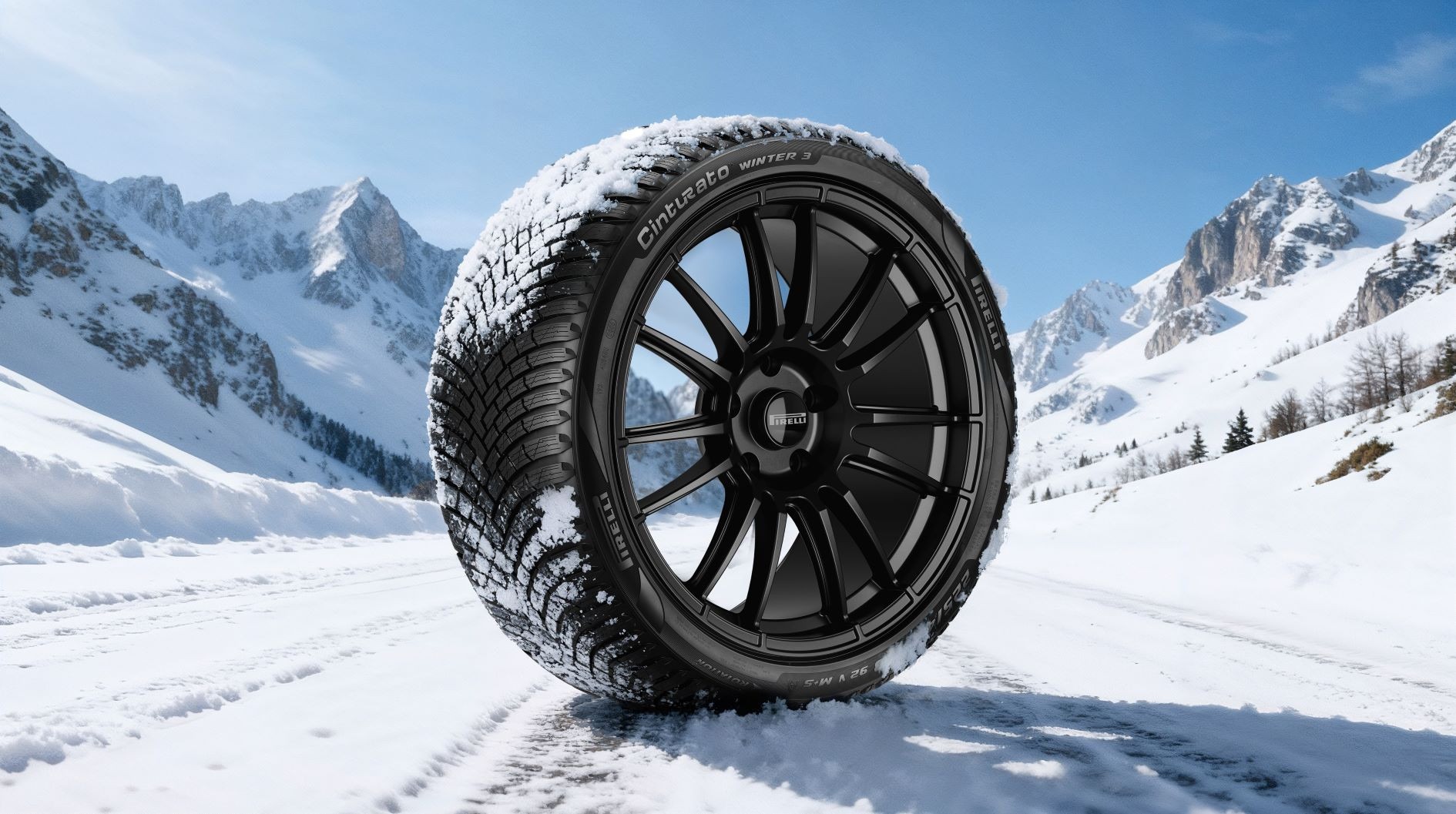
Pirelli takes fifth place and is especially appealing to drivers who care about winter performance without losing the steering feel associated with premium and performance vehicles.
The brand’s winter selection includes products for sedans, crossovers, SUVs, and higher-performance cars. The Cinturato Winter and P Zero Winter families illustrate Pirelli’s approach to cold-weather driving.
Rather than treating winter tires as purely utility-focused products, Pirelli develops options intended to preserve controlled handling and responsive steering while adding cold-weather traction.
That can matter for owners of sporty vehicles. A tire with excellent snow grip but vague steering may not satisfy someone accustomed to precise road behavior.
Pirelli attempts to address both needs through vehicle-specific designs and specialized tread patterns. Its winter products also emphasize braking and stability on wet and snowy roads.
Those traits are useful because American winter conditions can vary widely from one trip to another. A morning commute might begin on dry pavement, encounter slush on a highway ramp, and finish on an icy residential street.
Price is one area where Pirelli can lose points. Premium construction and specialized fitments can make some models more expensive than mainstream alternatives.
Still, drivers with luxury or performance-oriented vehicles may consider that premium worthwhile. Pirelli is a strong choice for motorists who want winter traction while retaining a more performance-focused driving feel.
6. Firestone
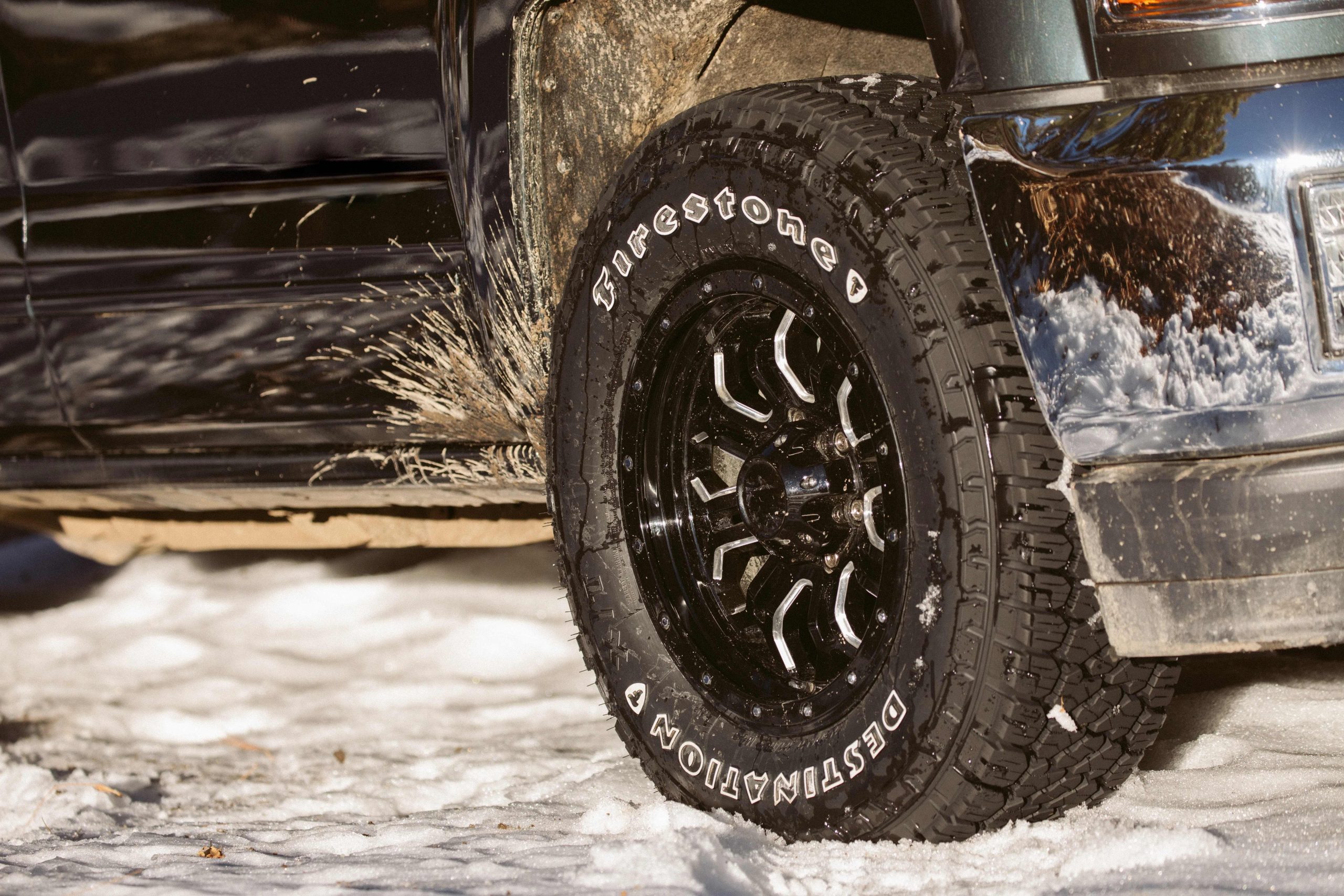
Firestone earns sixth place by offering winter performance at a price that can be easier for many households to manage. Its Winterforce lineup is particularly relevant to drivers who want dedicated winter tires without paying premium-brand prices.
The Winterforce 2 UV is designed for SUVs and crossover vehicles and provides additional traction for snowy and icy conditions. The lineup also includes winter products for passenger cars, giving Firestone a broad range of applications.
One appealing feature is the availability of studdable versions in certain applications. Studded tires can provide additional grip on ice where local laws permit their use.
Drivers should always check regulations before choosing a studded configuration. Firestone’s winter tires are aimed at practical use rather than luxury positioning.
They may not deliver the same combination of refinement, steering precision, or premium road feel found in the highest-priced competitors, but they can provide a sensible solution for drivers who face regular winter conditions.
That value proposition makes Firestone worth considering for families with multiple vehicles, commuters who need dedicated winter rubber, or drivers working within a tighter tire budget.
The brand also benefits from broad recognition and dealer availability across the United States. Easier access can be useful when replacement tires, mounting, balancing, or seasonal service are needed.
Firestone is not the flashy choice, but it is a practical one. For drivers seeking dependable winter traction at a more approachable price, the Winterforce range deserves a place on the shopping list.
7. Yokohama
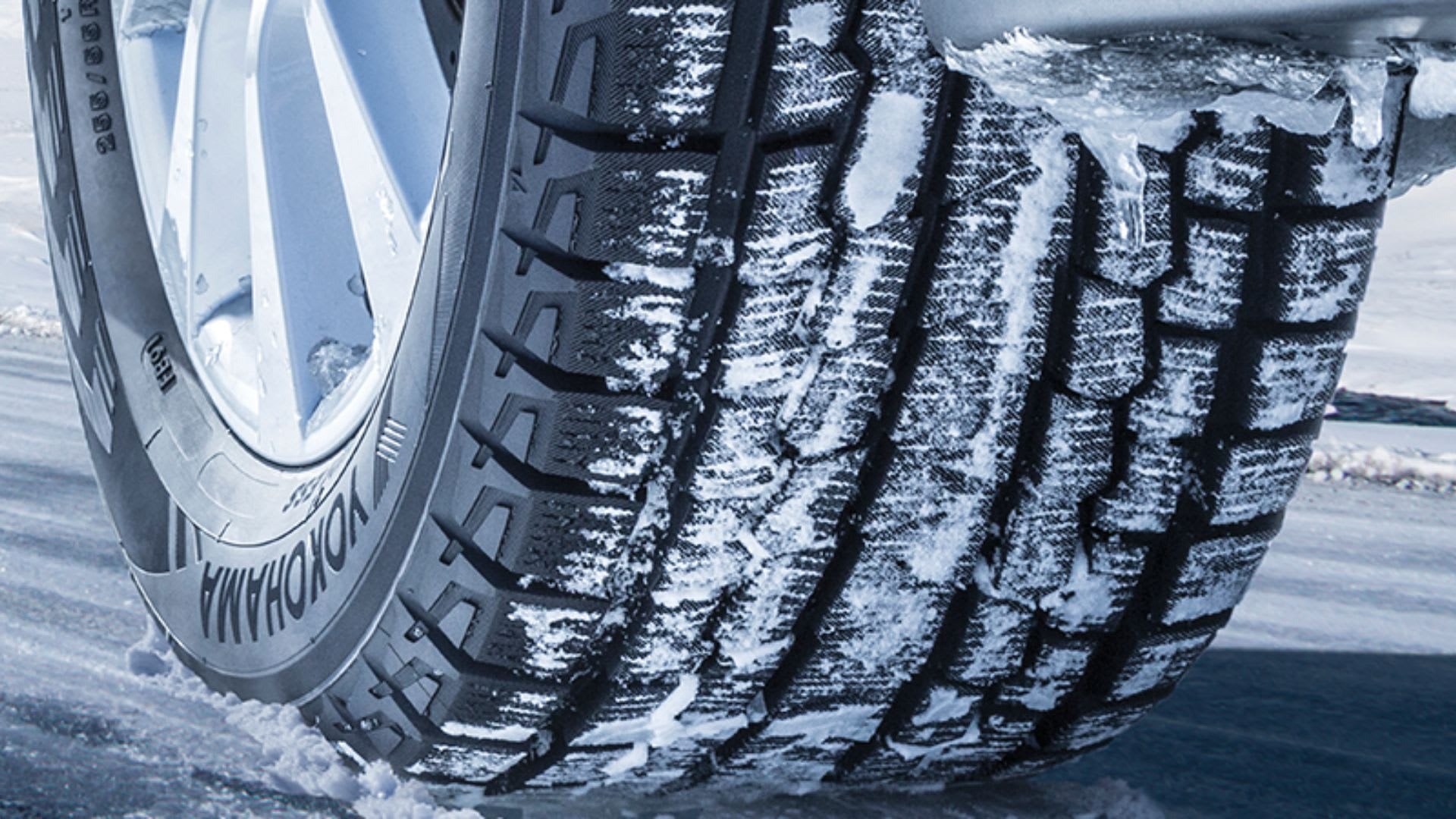
Yokohama ranks seventh with winter tires that offer a good balance of cold-weather traction, road control, and everyday usability. The Japanese manufacturer has developed studless products aimed at drivers who want reliable grip without the additional compromises associated with studded tires.
Yokohama’s iceGUARD family is particularly relevant to winter driving. These tires use specialized tread compounds and patterns designed to maintain flexibility in low temperatures and create additional grip on slippery surfaces.
Ice performance is especially important because a vehicle can feel secure on packed snow yet struggle when the same road becomes polished or frozen. Studless winter tires depend heavily on rubber formulation, tread design, and biting edges to maintain contact in those conditions.
Yokohama also pays attention to wet and dry road behavior. That matters for drivers who spend much of the season on cleared pavement rather than deep snow.
A winter tire still needs to provide stable steering and predictable braking during ordinary commuting. The brand offers products for passenger cars and crossover applications, giving it appeal beyond one specific type of driver.
Yokohama may not receive the same attention in American winter-tire discussions as Bridgestone or Michelin, but its products deserve consideration. Drivers looking for a dedicated studless tire with capable snow and ice behavior can find strong options within the lineup.
It is a particularly sensible choice for motorists who want dedicated winter rubber but prefer a balanced approach rather than an aggressively specialized tire.
8. Nokian
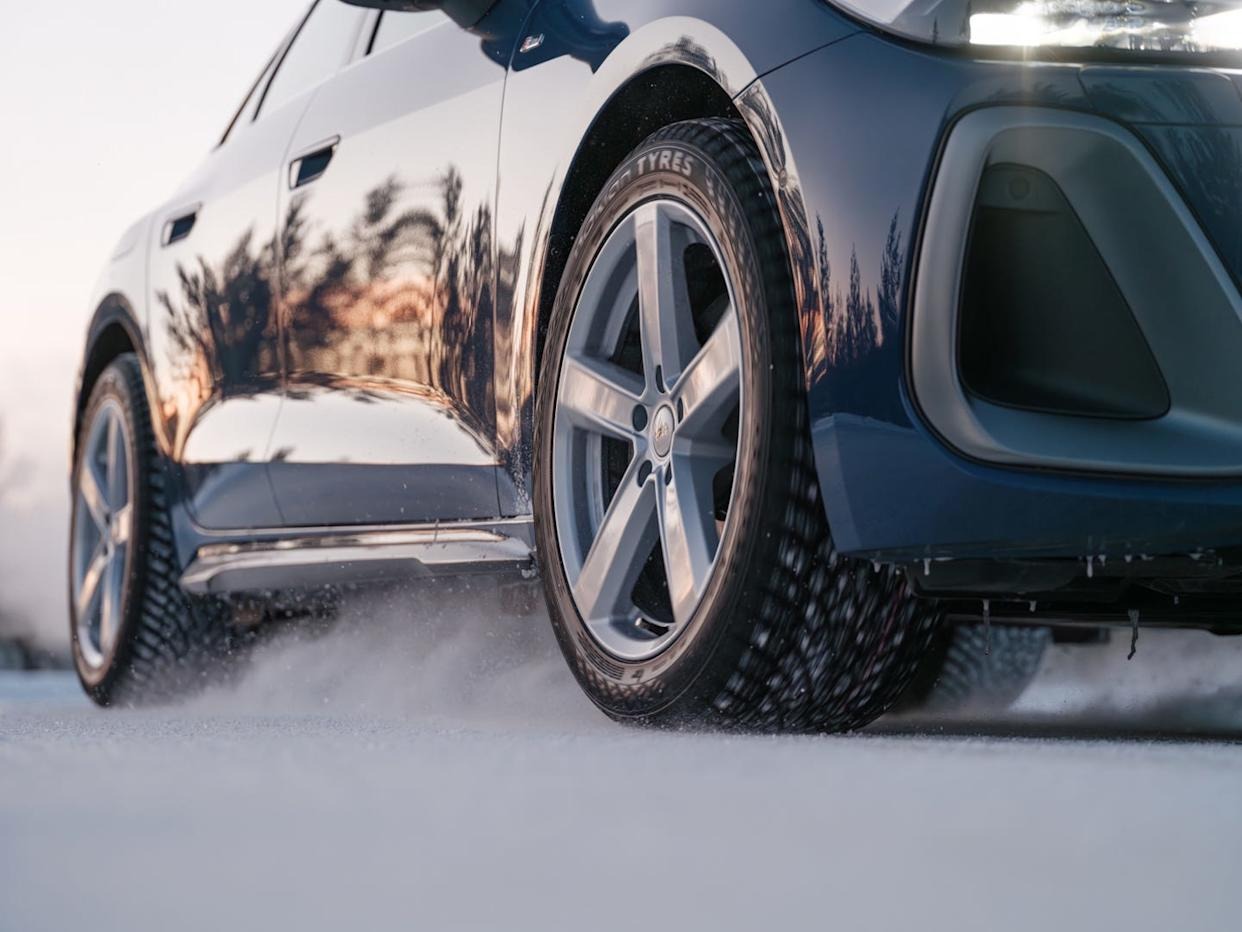
Finland doesn’t experience mild winters, and Nokian’s tires reflect decades of engineering built around some of the harshest cold-weather conditions found anywhere on the planet.
The Hakkapeliitta series has earned a reputation among serious winter driving enthusiasts that few other brands can genuinely match. Studded versions within this lineup deserve particular attention for drivers facing truly extreme ice conditions.
While studless technology has improved dramatically across the industry, physical metal studs still provide a level of ice grip that rubber compounds alone cannot fully replicate, particularly on glare ice or heavily compacted surfaces common in far northern regions and mountain passes.
Comfort might seem like an odd thing to highlight for a winter tire built around extreme performance, yet Nokian manages to deliver a genuinely smooth ride despite the aggressive tread patterns required for serious ice grip.
Many competing tires sacrifice comfort entirely in pursuit of maximum traction, but Nokian’s engineering avoids that particular trade-off remarkably well.
Precise handling rounds out this tire’s strengths, giving drivers accurate steering feedback even while running studded rubber across snow and ice.
For anyone living in genuinely extreme winter regions, places where temperatures regularly drop well below zero, and roads stay ice-covered for months rather than weeks, Nokian represents one of the most capable options available, provided your local regulations permit studded tires on public roads.
9. Hankook
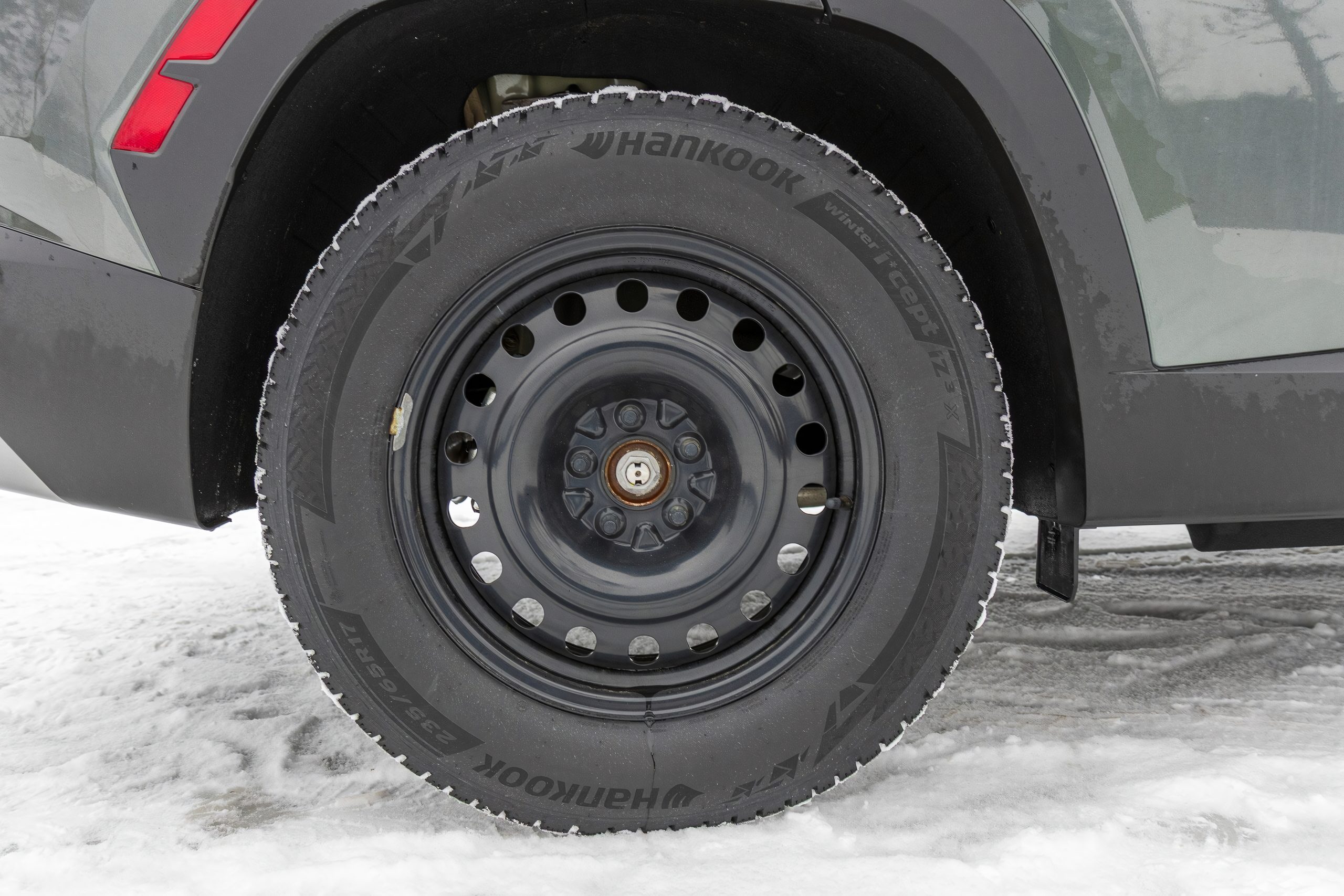
Value shoppers looking for genuine winter safety without premium pricing should take a close look at Hankook’s Winter i*cept evo3 W330 and related models within this lineup.
This tire strikes an impressive balance, offering performance that holds its own against more expensive alternatives while remaining significantly more affordable for buyers watching their budget.
Hydroplaning resistance stands out as a genuine strength, addressing that transitional winter weather where slush and standing water create hazards separate from pure snow and ice concerns.
Many budget-focused winter tires cut corners here, but Hankook’s tread design channels water effectively, maintaining grip during those messy in-between weather days that occur constantly throughout a typical winter season.
Snow braking performance holds up well too, giving drivers reasonable confidence stopping safely on snow-covered roads without the premium price tag attached to brands like Michelin or Continental.
For families managing tight budgets while still prioritizing safety, this combination of solid braking and reasonable pricing makes a compelling case worth genuine consideration.
Value pricing doesn’t mean cutting every corner, and Hankook has clearly focused its engineering budget on the performance areas that matter most for typical winter driving scenarios rather than spreading resources thin across every possible metric.
For drivers facing moderate winter conditions who want dependable safety improvements over standard all-season tires without stretching their budget into premium territory, Hankook offers a genuinely sensible, well-balanced choice worth putting on your shortlist.
10. General Tire
General Tire rounds out the ranking with winter products aimed at drivers who want practical traction and reasonable pricing. The brand is part of Continental’s larger tire group, giving it access to extensive tire-development resources while maintaining a more value-focused position in the market.
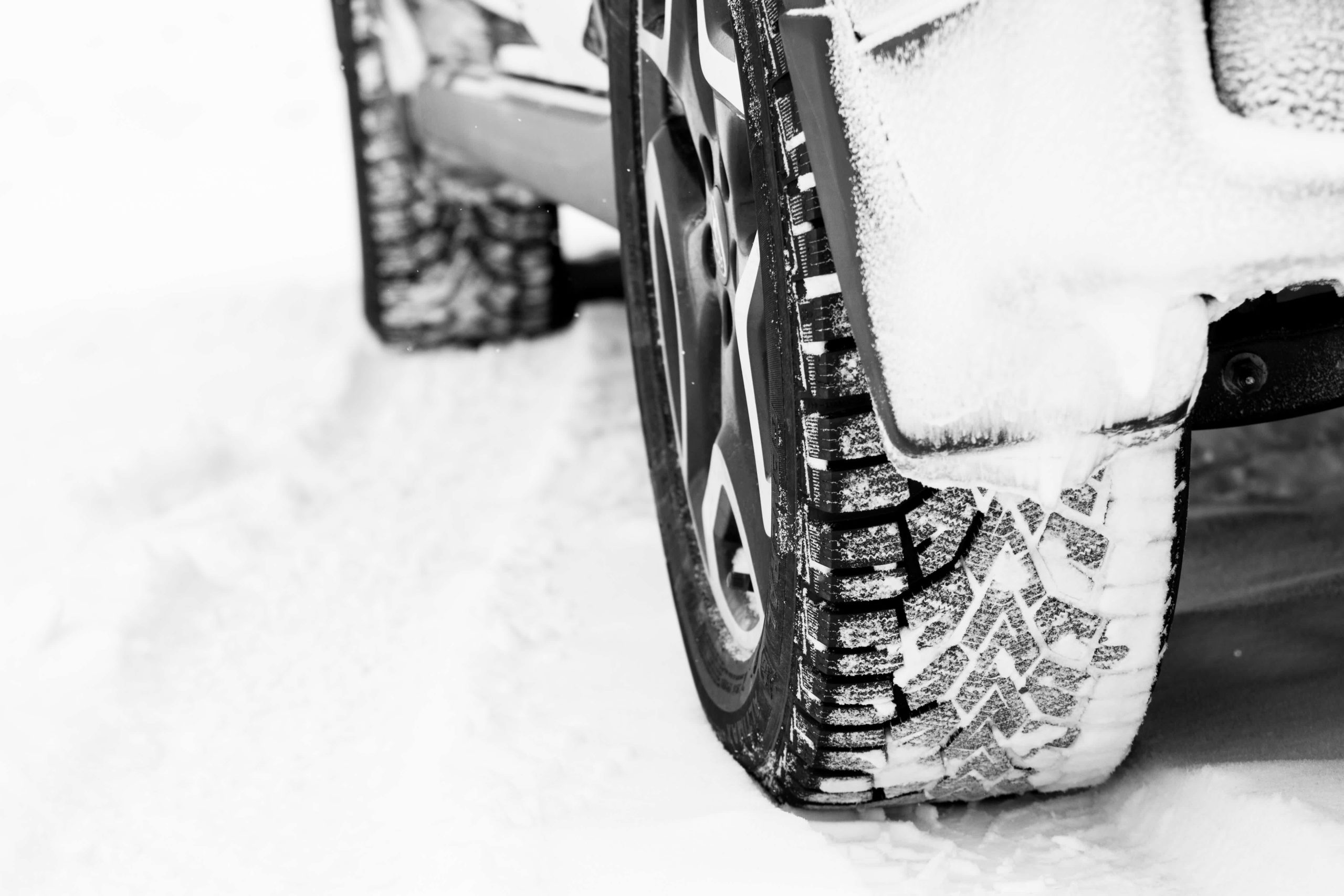
The Altimax Arctic 12 is one of General’s best-known winter offerings. It is designed to provide strong traction in snow and cold conditions while maintaining acceptable road behavior for everyday driving.
Certain versions can also accommodate studs where permitted, which can be useful for drivers who regularly encounter icy roads. One of the tire’s strongest selling points is value.
Not every driver needs a premium winter tire loaded with advanced features. Someone who experiences several snowstorms each season may simply want dependable traction, predictable braking, and reasonable tread life at a manageable price.
The Altimax Arctic 12 is also available in a broad selection of sizes, helping it serve a variety of passenger vehicles.
As with any winter tire, shoppers should pay attention to the exact model, size, vehicle, and driving conditions. A value tire can be a smart purchase when it matches the driver’s needs, but no single tire is perfect for every climate.
General Tire earns its place here because it provides an accessible route into dedicated winter driving equipment. For drivers who want more cold-weather capability than an all-season tire can provide without spending heavily, General is a brand worth checking.
