Crossing an international border in an American-registered car can look routine until an officer finds something that requires a closer inspection. Border agencies are concerned with more than the vehicle itself.
They can examine documentation, ownership, the contents being transported, vehicle identification, and whether the car is legally admissible under applicable rules. A stop does not automatically mean the driver has done anything wrong.
Sometimes officers simply need clarification or additional inspection. However, certain situations consistently attract attention because they create questions about ownership, customs declarations, safety compliance, or prohibited goods.
Knowing what can trigger additional scrutiny can make a legitimate border crossing considerably less stressful and prevent avoidable delays.
1. Missing or Inconsistent Vehicle Documents
One of the quickest ways for an otherwise ordinary border crossing to become complicated is a problem with the vehicle’s paperwork.
When an American car is being taken across an international border, officers may need to establish who owns it, whether the vehicle is properly registered, and whether the person driving it has authorization to possess or operate it.
A title, registration, and driver’s license do not necessarily answer every question. The circumstances of the trip matter as well. A driver using a vehicle registered to another person may face additional questions about permission, particularly if the owner is not traveling with the vehicle.
A recently purchased vehicle can also attract attention if the paperwork does not clearly match the vehicle identification number, ownership information, or declared transaction.
The VIN is particularly important. NHTSA explains that vehicle identification and certification information are fundamental parts of federal vehicle requirements, while imported vehicles may require specific declarations depending on their circumstances.

Another potential problem is inconsistency between what the driver says and what the documents show. Differences in the registered owner’s name, vehicle description, or purpose of the trip can lead officers to ask additional questions. That does not necessarily mean the vehicle will be refused entry, but it can extend the inspection.
Drivers should therefore carry the documents relevant to their specific trip and make sure the information is current and consistent. A clean, properly documented vehicle is much easier to explain than one accompanied by unclear ownership records, missing paperwork, or conflicting information.
2. The Car Is Being Imported Without Meeting U.S. Requirements
A vehicle can attract serious attention when someone attempts to bring it permanently into the United States without satisfying federal import requirements. This is particularly relevant when an American car has been modified overseas, sold abroad, or returned to the United States after being configured for another market.
NHTSA states that a vehicle less than 25 years old that was not originally manufactured to comply with applicable Federal Motor Vehicle Safety Standards cannot simply be permanently imported into the United States.
In qualifying cases, the vehicle must first be determined eligible for importation and generally must be handled through a registered importer for the required modifications.
The famous 25-year rule is often misunderstood. NHTSA says the vehicle must be at least 25 years old based on its date of manufacture, not simply because its model name or generation is considered old. Vehicles meeting that age threshold can be imported without regard to FMVSS compliance.
Emissions requirements are a separate issue. The EPA states that the Clean Air Act prohibits importing motor vehicles and engines that do not conform to applicable EPA emissions requirements, although specific exemptions and compliance pathways exist.
That means an American-branded or American-built vehicle is not automatically exempt from import rules merely because it originated in the United States. What matters is the vehicle’s certification, configuration, age, and circumstances of entry.
If a car was originally U.S.-certified and is simply being re-imported, the situation can be different. NHTSA specifically recognizes re-importation of U.S.-certified vehicles when the required certification remains applicable.
3. Undeclared Goods Hidden Inside the Car
A car can attract much more attention at a border when officers discover goods that were not declared. The issue is not limited to expensive merchandise.
CBP’s customs declaration requirements cover articles acquired abroad and brought into the United States, including commercial merchandise and various agricultural, wildlife, and food products. Travelers are required to make truthful declarations and can face penalties or seizure when restricted items are not declared.
The vehicle itself can make this more complicated because people sometimes place purchases, packages, or other items in the trunk, under seats, or elsewhere before reaching the inspection booth. An officer can question what is being transported and why, particularly when the contents do not match the driver’s explanation.
Commercial merchandise deserves particular attention. CBP’s declaration form specifically asks whether travelers are bringing articles for sale, samples used for soliciting orders, or other goods that are not personal effects.
Agricultural products are another major concern. CBP identifies fruits, vegetables, plants, seeds, soil, meat, meat products, animals, and wildlife products among items subject to restrictions. These rules exist partly to prevent agricultural pests and diseases from entering the United States.

The safest approach is simple. Know what you are carrying and declare anything required by the applicable rules. Trying to hide an item can lead to far more serious consequences than declaring it in the first place.
A routine vehicle inspection can become considerably more involved when officers find something that was not disclosed. That does not mean every undeclared item automatically results in prosecution or seizure, but CBP explicitly warns that failure to declare certain restricted goods can result in penalties and seizure.
4. The Vehicle’s VIN Does Not Match Its Paperwork
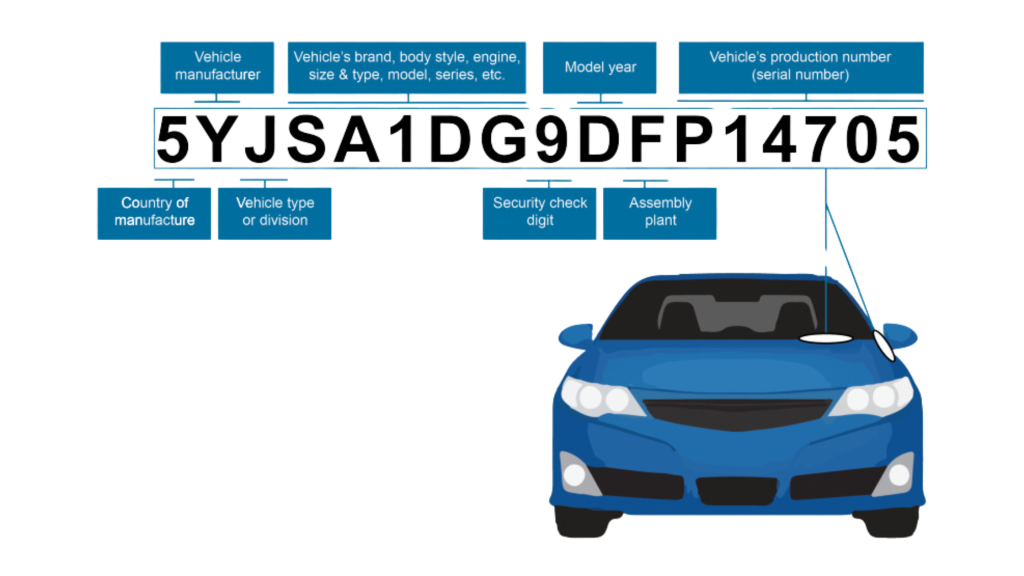
Few details are more important to border officials than being able to establish exactly which vehicle is being presented. The vehicle identification number, commonly called the VIN, connects the physical automobile with its registration, title, and other records. If those details do not match, the vehicle can require additional inspection.
A mismatch does not necessarily mean the car is stolen or illegally imported. Clerical errors, replacement documentation, recent purchases, and legitimate vehicle modifications can sometimes explain discrepancies. The problem is that an officer cannot simply assume that an inconsistency is harmless.
The VIN is a standardized identifier used to distinguish an individual vehicle. NHTSA’s vehicle-importation guidance emphasizes the importance of vehicle identification and certification when determining whether a vehicle complies with federal requirements.
Problems become more serious when the VIN displayed on the vehicle does not correspond with the title or registration presented by the driver. Officers may need to determine whether the documentation belongs to the vehicle, whether ownership is legitimate, and whether the automobile has any import or registration issues.
This is particularly relevant with recently purchased cars. Someone crossing a border shortly after buying a used vehicle should make sure the documentation they carry supports the transaction and accurately identifies the automobile.
Drivers should also avoid casually replacing or altering VIN-related labels or identification markings. Vehicle identification information has legal significance, and unexplained alterations can create questions that take considerably longer to resolve.
The practical takeaway is simple. Check the VIN before leaving home and make sure it matches the number listed on the relevant paperwork. It is far easier to resolve a small administrative error before reaching a border crossing than after an officer finds a discrepancy during an inspection.
5. Prohibited or Restricted Items Are Inside the Vehicle
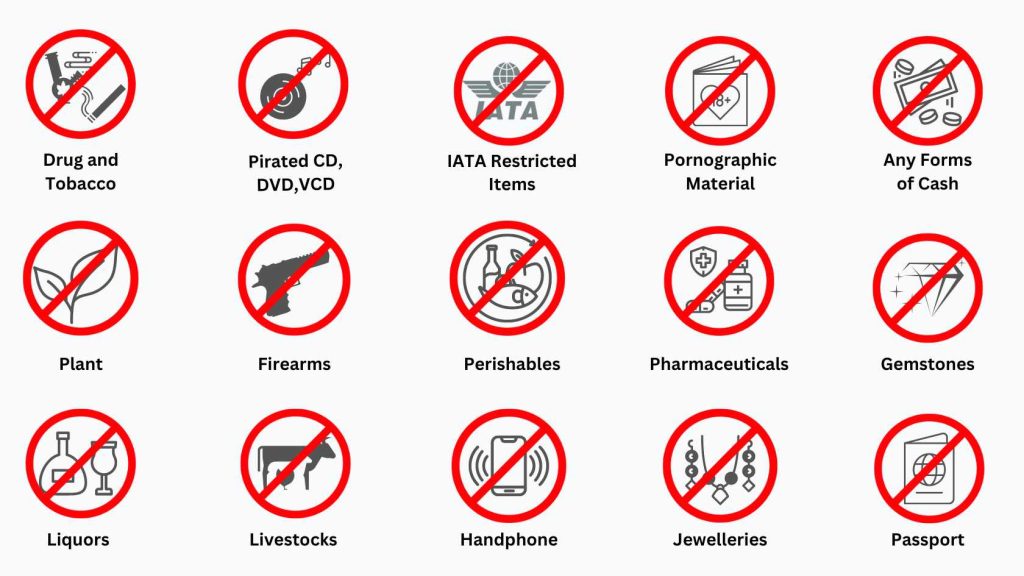
Sometimes the problem at a border has little to do with the car itself. What matters is what the car is carrying. U.S. Customs and Border Protection enforces restrictions on numerous categories of goods, and certain items can require permits, special documentation, or outright prohibition.
A driver who assumes that something is legal to carry simply because it was purchased legally elsewhere can therefore face an unexpected inspection.
Agricultural products are a particularly important category. CBP warns travelers about products such as meat, fruits, vegetables, plants, seeds, soil, and certain animal or wildlife products because they can introduce pests or diseases into the United States. Declaring an item allows an agriculture specialist to determine whether it is admissible.
Food is another area where assumptions can cause trouble. A package that looks harmless to a traveler may be subject to restrictions depending on its ingredients, origin, and quantity. The same principle applies to medications, firearms, ammunition, wildlife products, and other regulated merchandise, although the requirements differ significantly between categories.
CBP’s guidance makes an important distinction between declaring an item and having an item admitted. Declaring something does not guarantee that it can enter the country. Instead, it allows officials to determine whether applicable regulations permit entry.
This is why cleaning the vehicle and checking the trunk before a border trip can be surprisingly useful. Old agricultural products, camping materials containing soil, forgotten food, or other restricted items can remain in a vehicle long after their owner has forgotten about them.
If you are uncertain about an item, the safer approach is to declare it and allow the appropriate official to make the determination. Concealing it creates an entirely different problem because officers can treat an undeclared restricted item much more seriously than an item voluntarily presented for inspection.
6. The Car Contains Excessive Cash or Monetary Instruments That Were Not Declared
Cash can create another border complication, although carrying a large amount of money into the United States is not automatically illegal. The important issue is the declaration requirement.
CBP states that travelers entering or leaving the United States with more than $10,000 in currency or certain monetary instruments must report it to CBP.
This threshold applies to the combined amount carried by the traveler and accompanying family members when applicable, rather than meaning each person can automatically carry $10,000 without considering the group declaration rules.
The reporting requirement covers more than physical U.S. dollars. Certain monetary instruments are included under the applicable rules, which is why travelers should not assume that avoiding stacks of banknotes eliminates the obligation.
For someone driving an American car across a border, the issue can become especially visible when officers conduct a vehicle inspection and discover currency or monetary instruments that were not reported.
CBP has authority to enforce reporting requirements, and failure to report can result in serious consequences, including seizure of the currency.
There is an important distinction between carrying money and failing to report money when reporting is required. A traveler should not assume that a large amount automatically means wrongdoing, nor should they assume that keeping it hidden makes the situation safer.

If you are traveling with a substantial amount of currency or monetary instruments, determine the applicable reporting requirements before reaching the border. Keep documentation that can reasonably explain the legitimate source and purpose of the funds when appropriate.
An officer discovering undeclared money inside a vehicle may ask additional questions because the declaration requirement exists precisely so authorities can identify and document qualifying cross-border movements of currency and monetary instruments.
7. Unusual Vehicle Modifications Raise Questions
A modified American car is not automatically a problem at the border, but modifications can lead to additional questions when they affect the vehicle’s identity, certification, safety equipment, or apparent purpose. This becomes particularly relevant when a vehicle has been substantially altered from the configuration reflected in its documentation.
NHTSA’s import guidance makes clear that federal vehicle safety requirements apply to imported vehicles, with specific rules governing vehicles that were not originally manufactured to comply with U.S. Federal Motor Vehicle Safety Standards.
For vehicles less than 25 years old, eligibility and compliance can therefore become important when the automobile is being permanently imported rather than simply traveling temporarily.
A heavily modified vehicle may also prompt officers to look more closely at its documentation. Changes involving the engine, body, identification markings, or other major components can create questions about whether the vehicle being presented corresponds with the records supplied by the owner.
This does not mean aftermarket wheels, suspension upgrades, or an exhaust system automatically cause a vehicle to be stopped. Border officials are not simply checking whether a car is completely stock. The concern is whether something about the vehicle creates a customs, safety, identification, or import-compliance issue.

The distinction is particularly important for a car being permanently brought into the United States. NHTSA explains that imported vehicles must satisfy applicable Federal Motor Vehicle Safety Standards, while EPA requirements separately govern vehicle emissions compliance.
If a vehicle has been heavily modified, keeping records of the changes and any relevant compliance documents can help resolve questions more quickly. The important thing is consistency. The vehicle, paperwork, and stated purpose should all match.
8. The Driver Cannot Clearly Explain the Vehicle’s Purpose or Ownership
Sometimes the car itself is perfectly legal, but the circumstances surrounding it create enough unanswered questions for officers to conduct a more detailed inspection.
Ownership and the purpose of the trip are particularly important when the driver is not the registered owner or when the vehicle is being transported across the border for reasons beyond ordinary personal travel.
A person driving a family member’s or friend’s vehicle may have a legitimate reason for doing so. However, being able to explain the arrangement clearly can matter if an officer asks who owns the car, why the driver has it, and where it is going.
The same applies when a vehicle has recently been purchased, is being delivered for someone else, or is being taken across the border for repair, sale, or another specific purpose.
CBP’s customs rules distinguish between personal effects and commercial merchandise, and travelers are expected to make truthful declarations about goods being brought into the country.
That means the driver’s explanation should match the documents and the contents of the vehicle. A car described as a personal vehicle, for example, may raise more questions if it is packed with merchandise apparently intended for resale.
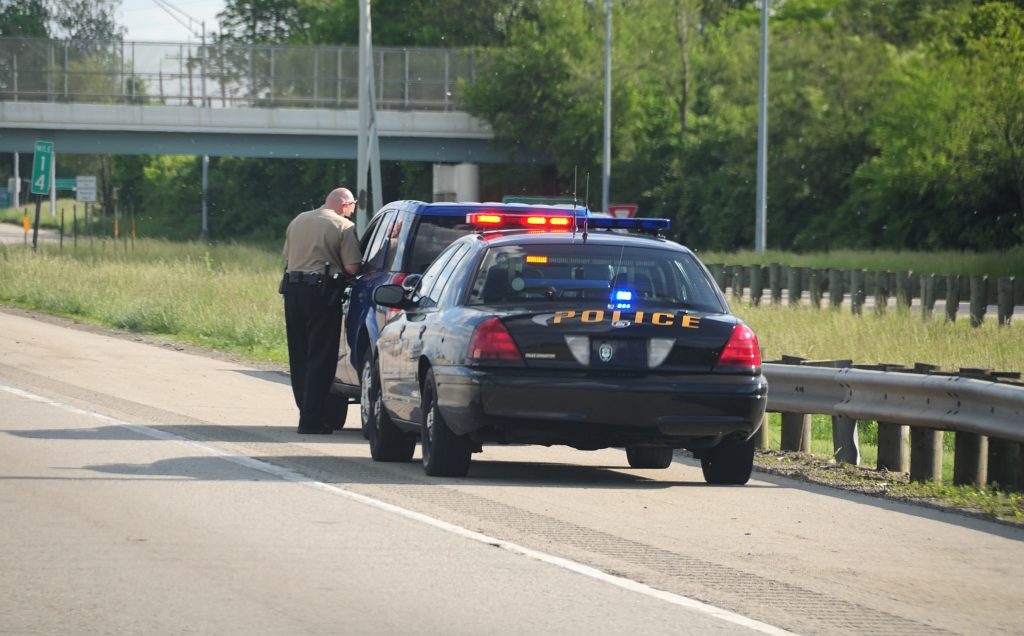
This is not about memorizing a script for border questioning. The better approach is simply to know the basic facts of your own trip. Know who owns the vehicle, where you obtained it, why you are crossing, what you are carrying, and whether anything in the car needs to be declared.
Border officers can ask additional questions when information does not appear consistent. A straightforward explanation supported by appropriate documentation can help establish the legitimate circumstances of the trip without turning a routine crossing into a prolonged investigation.