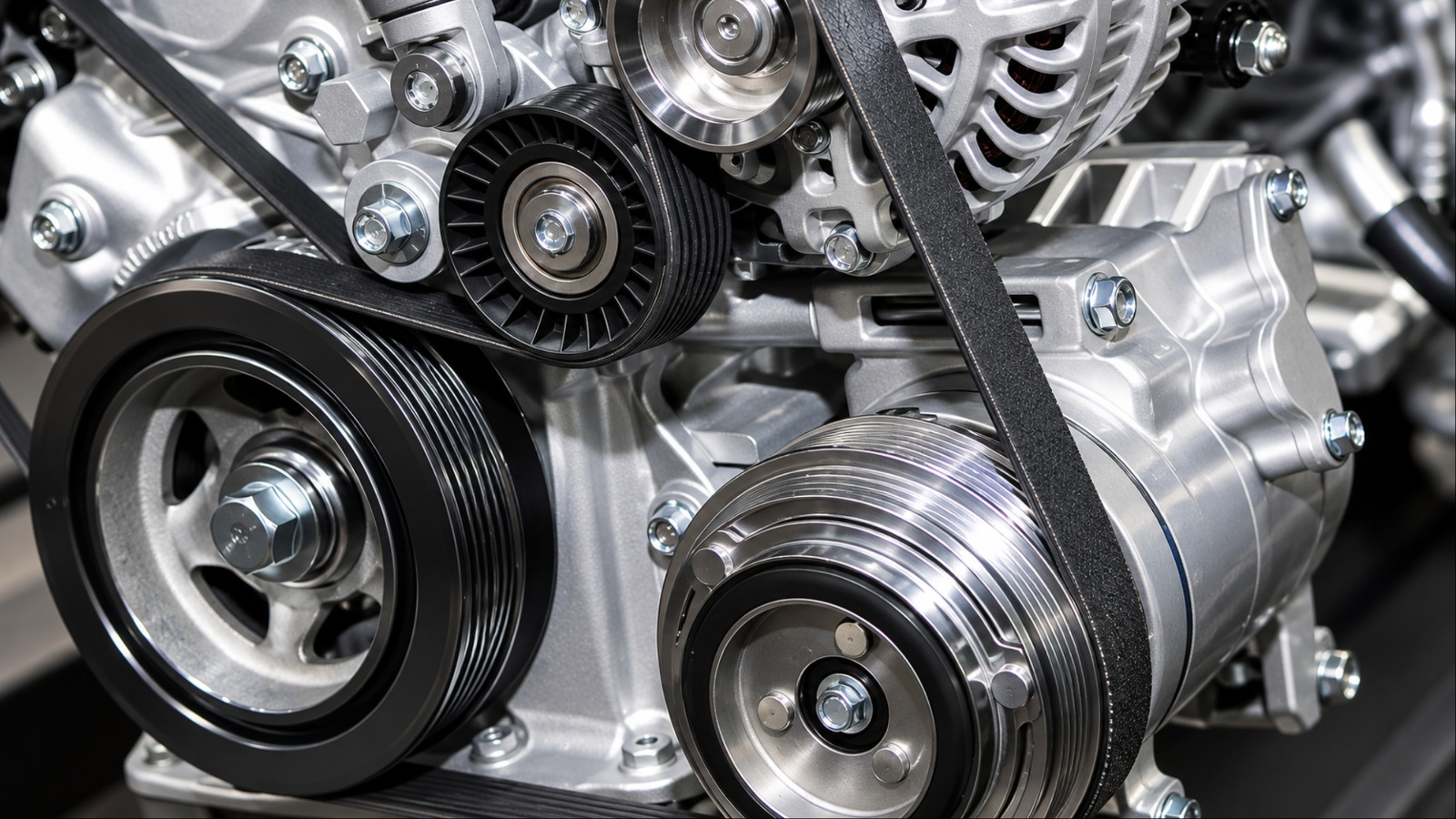
The serpentine belt may be one of the least noticeable parts under the hood, yet it can keep several essential engine accessories operating. Depending on the vehicle, one belt can drive components such as the alternator, air-conditioning compressor, power-steering pump, and other accessories.
When the belt becomes worn, damaged, or contaminated, the consequences can arrive quickly. Modern EPDM belts can also wear without developing the obvious cracks many drivers expect, making visual inspection more complicated.
Dayco recommends inspecting drive belts, tensioners, and accessories once a vehicle passes 60,000 miles, while Gates recommends replacing serpentine belts around 90,000 miles or according to the vehicle manufacturer’s schedule. Here are eight warning signs worth taking seriously.
1. Squealing or Chirping From Under the Hood
A serpentine belt that suddenly becomes noisy is giving you information that should not be ignored. A sharp squeal during startup, acceleration, or when accessories are switched on can indicate belt slippage.
Gates explains that glazing on the underside of a serpentine belt is an indication that slipping has occurred, while insufficient tension, a failing pulley bearing, contamination, or rib wear can contribute to that condition.
The sound can change depending on what the engine is doing. For example, a belt may remain relatively quiet at idle but squeal when the alternator or air-conditioning system places additional load on the accessory drive. A brief chirp that repeatedly occurs during startup can also point toward belt or pulley problems.
That does not necessarily mean the belt itself is about to snap. In fact, Gates emphasizes that belt failure can be caused by another component in the drive system. A worn tensioner or pulley can create abnormal belt movement, accelerate wear, and eventually cause the belt to fail.
This is why simply spraying a belt with a dressing product is not a proper repair. The cause of the noise needs to be identified. Oil or coolant contamination, pulley misalignment, and incorrect tension can all shorten belt life.
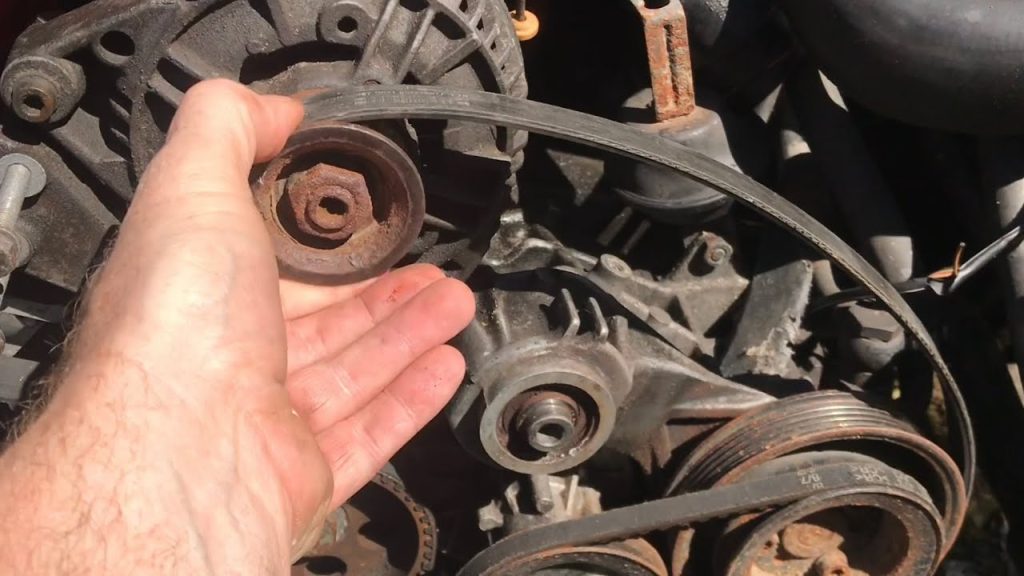
If a previously quiet engine develops persistent belt noise, inspect the complete accessory drive rather than waiting for the sound to disappear. A serpentine belt can continue operating while deteriorating, but once serious slipping, separation, or damage develops, failure can leave multiple engine accessories inoperative.
2. Visible Cracks, Fraying, or Damaged Ribs
A damaged belt is one of the clearest reasons to take action, but modern serpentine belts require a slightly more careful inspection than simply looking for cracks.
Older belt materials commonly displayed cracking as they aged, whereas many newer EPDM belts can lose material from their ribs without developing obvious surface cracks. Dayco explains that worn EPDM belts can develop a widened, U-shaped groove profile as material is lost from the ribs.
Traditional cracks are still relevant, particularly when they appear alongside other signs of deterioration. Gates notes that cracking, wear, glazing, and other forms of belt damage can be associated with improper tension, pulley problems, heat, and contamination.
Fraying along the belt’s edges deserves particular attention because it can indicate misalignment. A belt should run correctly within the pulley system. If an edge begins shredding or individual cords become visible, continuing to drive without identifying the cause is a poor gamble.
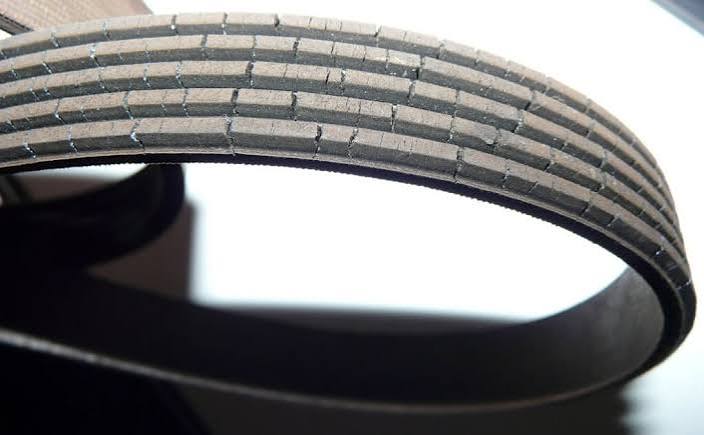
Do not inspect only the exposed top surface. The ribs and grooves that contact the pulleys are important, and some deterioration may be easier to see from the underside. A proper inspection should also include the tensioner and pulleys because replacing only the belt may not solve a problem caused by another component.
Dayco recommends inspecting drive belts, tensioners, and accessories after 60,000 miles, while its aftermarket guidance identifies 90,000 miles as a typical replacement point for worn belts, although the correct interval depends on the vehicle and manufacturer recommendations.
3. Belt Vibrations or Excessive Movement
A serpentine belt should run smoothly around its pulleys. If you notice the belt visibly vibrating, fluttering, or moving excessively while the engine is running, the problem may be more than simple belt age.
Excessive movement can indicate a worn automatic tensioner, pulley problem, or belt-tracking issue, and those conditions can accelerate belt deterioration.
Gates specifically identifies excessive movement or bouncing of the tensioner arm as a warning sign. A worn tensioner damper can allow the arm to move excessively, increasing belt slippage and heat. That additional heat can contribute to premature belt failure.
Gates also notes that abnormal chattering or bouncing of the tensioner arm during normal operation indicates a failed tensioner.
The belt itself may therefore be the victim rather than the original cause. If a pulley is becoming difficult to turn or the tensioner is no longer controlling belt tension correctly, the belt can experience forces it was not designed to handle continuously.
This is particularly important because many modern vehicles use one serpentine belt to operate several accessories. Dayco notes that contemporary belt-drive systems can contain more than 10 points of contact, making proper alignment and tension increasingly important.
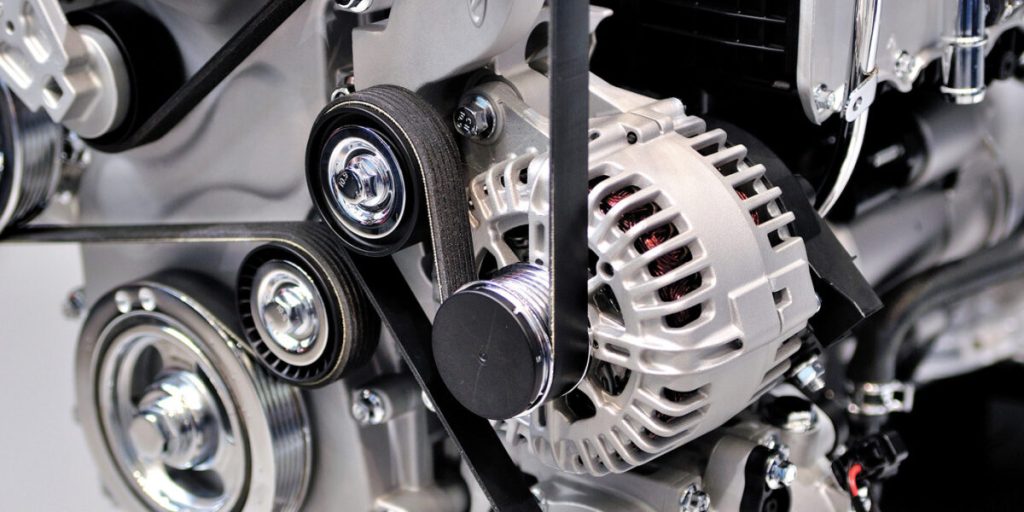
Do not put your hands near a running belt to investigate movement. A qualified technician can inspect the system safely and determine whether the tensioner, idler pulley, or belt itself needs attention. If excessive belt movement is accompanied by squealing, vibration, or visible edge wear, postponing inspection is a poor idea.
A new belt installed without correcting a worn tensioner or pulley can also suffer premature wear. Dayco recommends treating the belt, pulleys, and tensioner as one system rather than automatically replacing only the belt.
4. Battery Warning Light Appears While Driving
A battery warning light that appears while the engine is running can have several causes, but a failing serpentine belt is one possibility that should not be overlooked. On many vehicles, the serpentine belt drives the alternator. If the belt slips badly, comes off, or breaks, the alternator may stop receiving the mechanical drive needed to generate electricity.
The result can be a warning light on the dashboard followed by progressively weaker electrical operation. The battery itself may still contain enough stored energy to keep the vehicle running temporarily, but it is no longer being replenished normally by the alternator.
Gates explains that improper belt tension can cause belt slip and reduce the output of accessories. Its diagnostic guidance also emphasizes that accessory-drive problems can affect alternator performance.
The battery warning light does not mean the battery itself has necessarily failed. It indicates a charging-system problem, so the alternator, belt, tensioner, wiring, and related components all deserve consideration.
There can be other explanations, including an alternator fault or electrical connection problem. However, if the warning appears together with belt squealing, unusual belt movement, or visible belt damage, the accessory drive becomes particularly important.
Do not continue driving indefinitely while hoping the warning disappears. If the belt eventually breaks, the vehicle can lose alternator output completely.
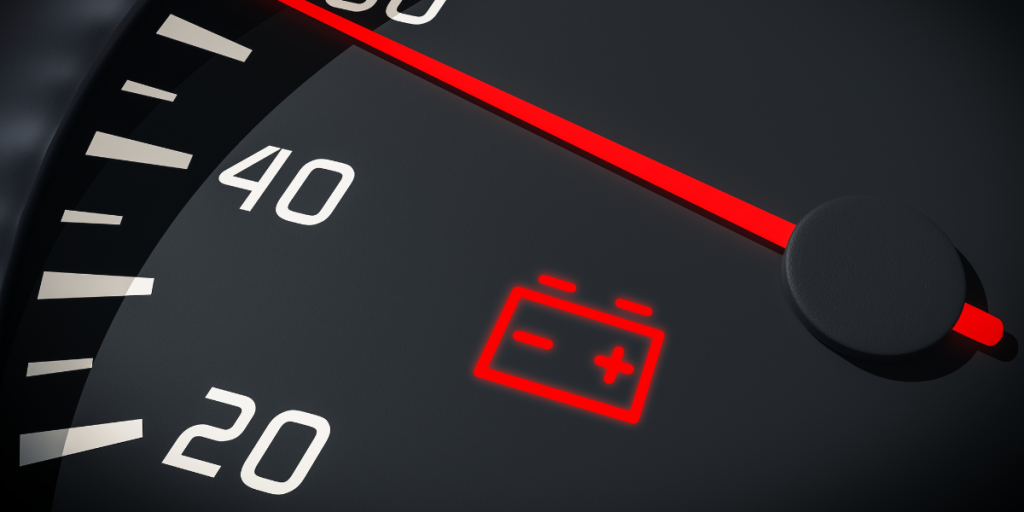
Depending on the vehicle’s belt arrangement, other belt-driven accessories may also stop functioning. Some engines use the serpentine belt to drive the water pump, meaning a belt failure can potentially lead to rapid overheating.
A charging warning accompanied by belt noise or visible deterioration is therefore a reason to have the vehicle inspected promptly rather than treating the dashboard light as a routine battery issue.
5. Air Conditioning Suddenly Performs Differently
If your air conditioner suddenly behaves differently, the serpentine belt may deserve attention, particularly when the change occurs together with belt noise.
On vehicles where the serpentine belt drives the A/C compressor, the belt has to transfer engine power through the compressor pulley. A slipping or damaged belt can therefore affect compressor operation.
One clue is a squeal that appears when the A/C is switched on. Activating the compressor increases the load placed on the accessory drive, so a belt that is already slipping may become noticeably louder at that moment.
Gates identifies squealing as a common indication of belt slip and explains that insufficient tension can allow the belt to slip against the pulley.
The important distinction is that poor cooling by itself does not mean the serpentine belt is failing. Low refrigerant, a compressor problem, an electrical fault, a blocked condenser, or a malfunctioning A/C component can all reduce cooling performance.
Look for a combination of symptoms instead. If the A/C suddenly becomes inconsistent and you also hear squealing, notice belt vibration, or see damaged ribs, the accessory drive should be inspected.
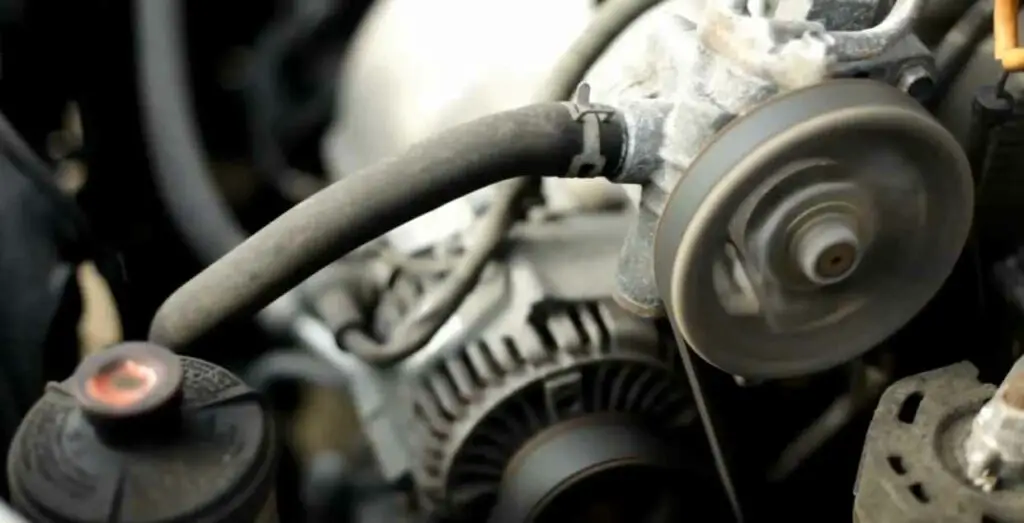
A severely deteriorated belt can eventually fail rather than simply continue slipping. What happens afterward depends on the vehicle’s design. If the belt drives only accessories such as the alternator and A/C compressor, those components can stop operating. On some engines, however, the belt also drives the water pump, making failure potentially much more serious.
Because accessory layouts differ considerably between vehicles, the correct belt routing and component arrangement should be verified for the specific model. A technician can inspect belt condition, tensioner operation, and pulley alignment while determining whether the A/C system itself is actually responsible for the change.
6. Power Steering Becomes Heavy or Difficult
A sudden change in steering effort can be alarming, especially when it happens while you are maneuvering at low speed. On vehicles equipped with a belt-driven hydraulic power-steering pump, a serpentine belt that slips or breaks can prevent the pump from operating normally.
Without adequate hydraulic assistance, the steering wheel can become substantially harder to turn.
This symptom is particularly useful because it can appear immediately after a belt problem develops. You may hear a squeal, notice a warning light, or smell overheated rubber before discovering that steering assistance has changed.
Gates notes that the serpentine belt system can drive multiple accessories, and its maintenance guidance stresses the importance of maintaining correct belt tension and inspecting the entire drive system.
There is one important exception. Many newer vehicles use electric power steering, which does not depend on the serpentine belt for steering assistance. In these vehicles, heavy steering usually points to a different underlying problem and requires a different diagnostic approach.
Even with hydraulic steering, a belt problem is not the only possible explanation. A failing power-steering pump, low hydraulic-fluid level, or another steering-system fault can also increase steering effort.
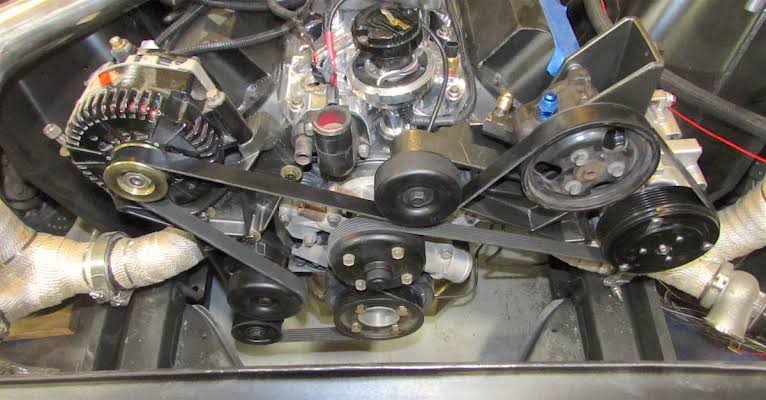
If the steering suddenly becomes heavy while driving, treat it as a safety issue rather than merely a maintenance annoyance. Reducing speed and finding a safe place to stop is sensible, particularly if the change occurs alongside belt noise or dashboard warnings.
A broken belt can also disable other accessories at the same time. Depending on the vehicle, alternator operation may stop, and the engine could potentially overheat if the water pump is belt-driven.
7. A Burning-Rubber Smell From the Engine Bay
A strong rubber smell after driving is not something to dismiss when it comes from the front of the engine. One possible cause is a serpentine belt slipping against a pulley.
Instead of transferring engine power efficiently, the belt can generate additional friction and heat. If the slipping continues, that heat can accelerate deterioration and potentially leave the belt unable to transmit power.
NAPA explains that a loose belt can generate additional friction and heat, which can harden the rubber and contribute to glazing. A glazed belt can then slip more easily, creating a cycle in which slipping produces more heat and the deteriorating belt slips even further.
The smell alone, however, cannot identify a failing belt. Oil, coolant, or other fluids contacting the belt can also cause deterioration and unusual odors. Dayco specifically warns that oil, power-steering fluid, and antifreeze contamination can cause EPDM belts to swell and create noise.
A useful clue is what happens alongside the smell. If you hear squealing, notice accessory performance changing, or see a shiny belt surface, the serpentine drive deserves immediate inspection. A technician should also determine why the belt is generating excessive heat. A failing tensioner or pulley can be responsible even when the belt itself appears relatively new.
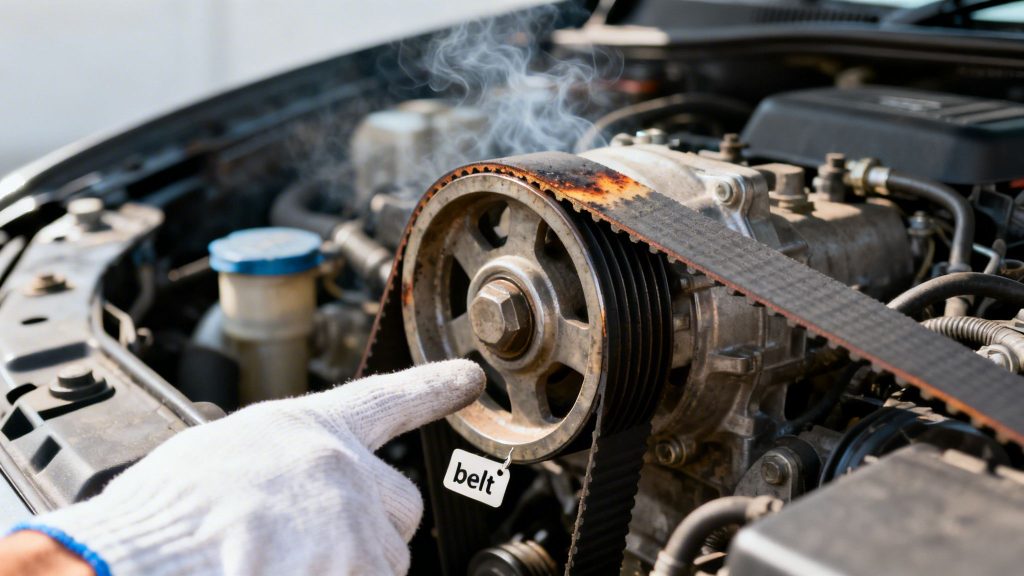
Do not spray belt dressing onto a slipping belt in an attempt to silence it. Dayco specifically advises against using belt dressing as a solution for serpentine-belt noise.
If the smell becomes strong or appears repeatedly, have the belt system inspected before the belt fails. Finding the source of the heat is more important than simply masking the odor.
8. The Belt Is Tracking Off-Center
A serpentine belt should remain properly positioned within its pulleys. If you notice it riding toward one edge, walking sideways, or appearing misaligned, the situation deserves attention because belt tracking problems can precede premature failure.
Dayco identifies improper belt tracking as a warning sign of tensioner or bushing problems. A belt that runs off-center can indicate that the tensioner is no longer maintaining correct alignment. Worn pulley bearings can create similar problems by allowing a pulley to move or sit at an incorrect angle.
This symptom is especially important because the belt does not necessarily have to look badly worn at first. Repeated side loading can damage the belt’s edges, produce fraying, and eventually cause the belt to walk off a pulley completely.
Dayco notes that a belt installed correctly can still fail quickly when worn pulley bearings, a damaged pulley, or a malfunctioning tensioner cause it to move away from its intended path.
Look for frayed edges, exposed cords, uneven rib wear, or rubber debris around the pulleys. Those signs can suggest that the belt has been running incorrectly rather than simply reaching the end of its normal service life.
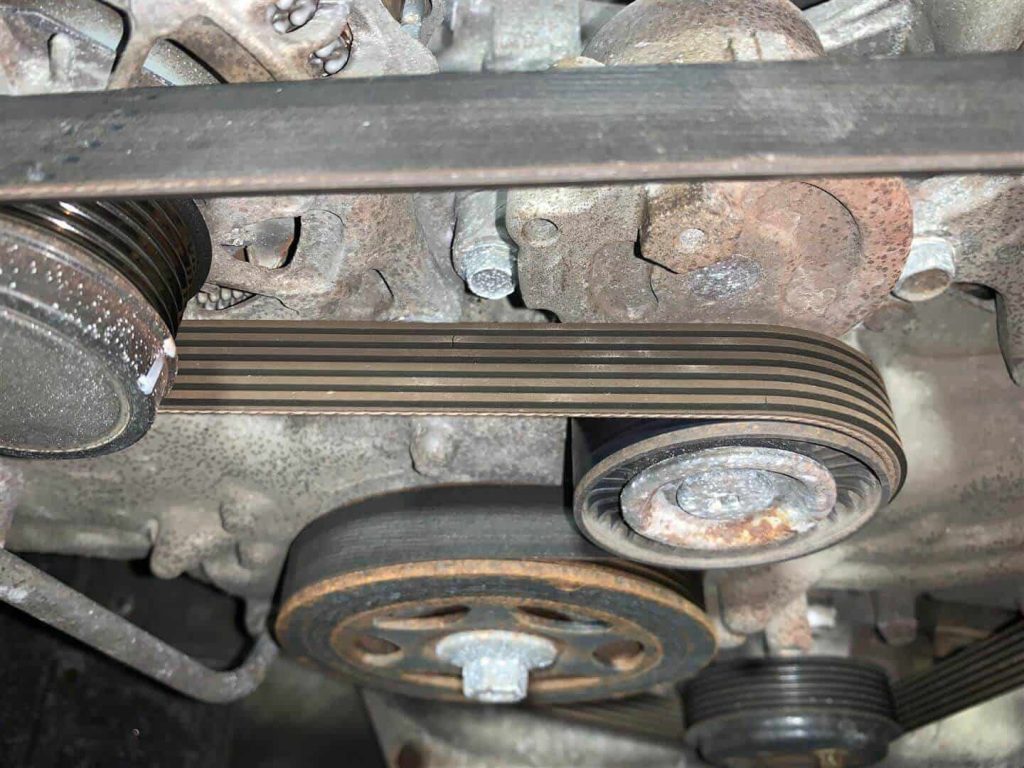
Do not attempt to push a running belt back into position. The accessory drive contains rapidly moving components, and an incorrectly tracking belt needs to be diagnosed with the engine off.
Mileage can provide additional context, but it should not override visible damage. Dayco recommends beginning regular inspection around 60,000 miles and notes that modern EPDM belts commonly reach roughly 90,000 miles before replacement, depending on the application and operating conditions.
If your belt is visibly walking toward an edge, the safest assumption is that the drive system needs attention before continued operation turns a correctable alignment problem into a complete belt failure.