
Choosing brake pads is not the sort of car decision most drivers want to get wrong. The right set can make daily trips quieter, stopping smoother, and maintenance easier, while the wrong choice may bring noise, excess dust, or disappointing braking under pressure. With so many brands on store shelves and online catalogs, knowing where each one fits can save both money and frustration.
From ceramic pads made for quiet commuting to heavy-duty options built for towing, the best choice depends on how you drive and what your vehicle demands. Here are eight brake pad brands that stand out in the U.S., ranked by their strengths, typical use, value, and driving needs.
1. Akebono
It looks like you only sent a backslash. Send the text you’d like me to rewrite, and I’ll keep the same style and avoid em dashes, semicolons, and colons.
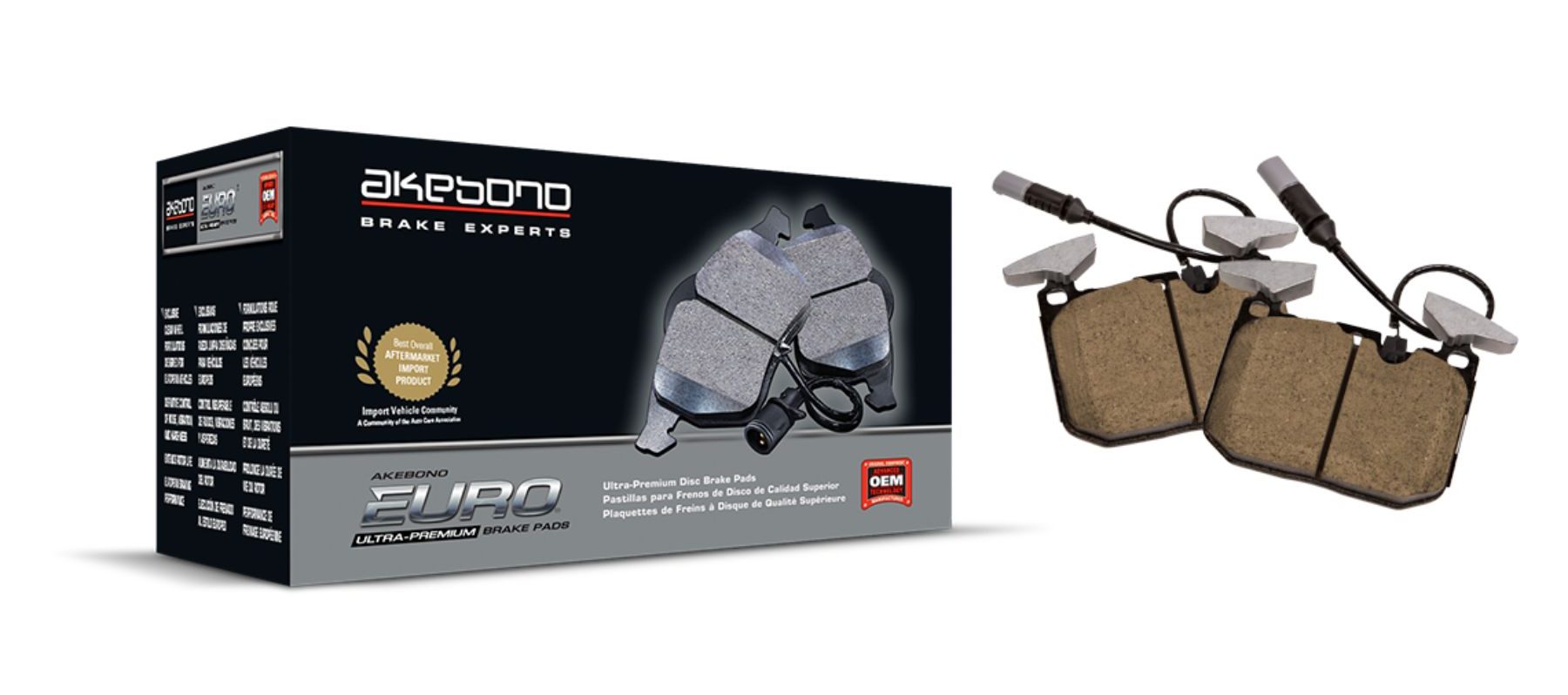
Major automakers including Ford, GM, Honda, and Toyota trust Akebono enough to supply Original Equipment parts directly to factory production lines, which tells you something about consistency and engineering standards.
The ProACT lineup stands out for anyone who values a quiet ride above all else. Step on the brake pedal and you get smooth, controlled stopping power without the screeching or grinding that plagues cheaper pads.
Dust production stays minimal too, meaning your wheels stay cleaner for longer stretches between washes. Pricing sits in a reasonable middle ground, typically between forty and ninety dollars per axle depending on your vehicle.
That makes Akebono accessible without feeling like a budget compromise. Commuters, parents doing school runs, and anyone racking up highway miles will appreciate how unremarkable the braking experience feels, in the best possible way.
Where these pads fall short is under heavier demands. Towing a boat or hauling a fully loaded truck bed pushes ProACT pads past their comfort zone, and aggressive driving on twisty roads isn’t their strong suit either.
Akebono can be viewed as the dependable everyday choice among brake pads. Its products are designed to deliver consistent performance and refined braking for daily driving rather than focusing on extreme applications.
For most households with a single family vehicle, though, this brand covers nearly every need without asking you to sacrifice comfort for function.
2. Brembo
Say the name Brembo to anyone who owns a BMW, Porsche, or Ferrari, and watch their eyes light up. This brand has built its reputation on the racetrack and carried that engineering pedigree straight into consumer vehicles.
Partnerships with premium European automakers do not happen by chance. They are earned through decades of reliable performance, consistent quality, and the ability to meet demanding standards in extreme conditions.
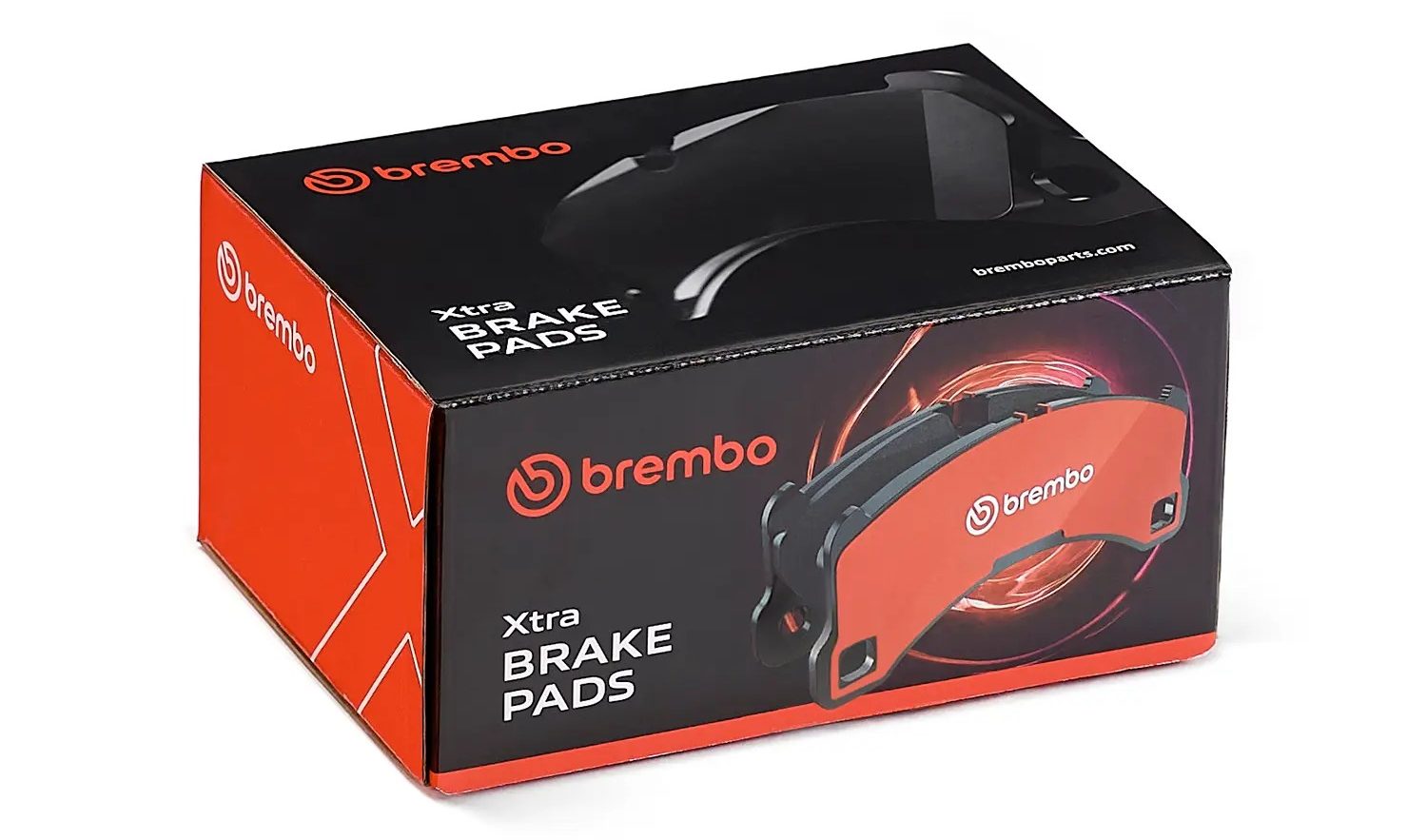
What separates Brembo pads from competitors is their formulation strategy. The ceramic and low-metallic compounds work together to deliver forceful stopping power precisely when you need it, without coating your rims in that chalky brake dust residue so common with lesser pads.
Drivers pushing their vehicles through curvy roads or spirited highway merges will notice the pedal feel is sharp, responsive, and predictable, even after repeated hard braking sessions.
Naturally, this level of craftsmanship comes at a cost. Expect to pay anywhere from seventy to one hundred fifty dollars per axle, which places Brembo firmly in premium territory compared to many domestic alternatives.
That price tag reflects genuine engineering value rather than marketing hype, though budget-conscious shoppers might wince initially.
Owners of luxury or high-performance vehicles often find that installing anything less than Brembo feels like an unnecessary downgrade from factory specifications.
If your car came equipped with these pads from the manufacturer, sticking with the same brand during replacement maintains that original driving character.
For enthusiasts who treat their commute as more than just point A to point B, Brembo delivers a braking experience that matches the rest of a well-engineered machine.
3. Wagner
Consider a typical weekday filled with traffic lights, school drop offs, grocery runs, and a long drive home. For this type of daily routine, Wagner places a strong emphasis on quiet operation, comfort, and dependable performance on the street.
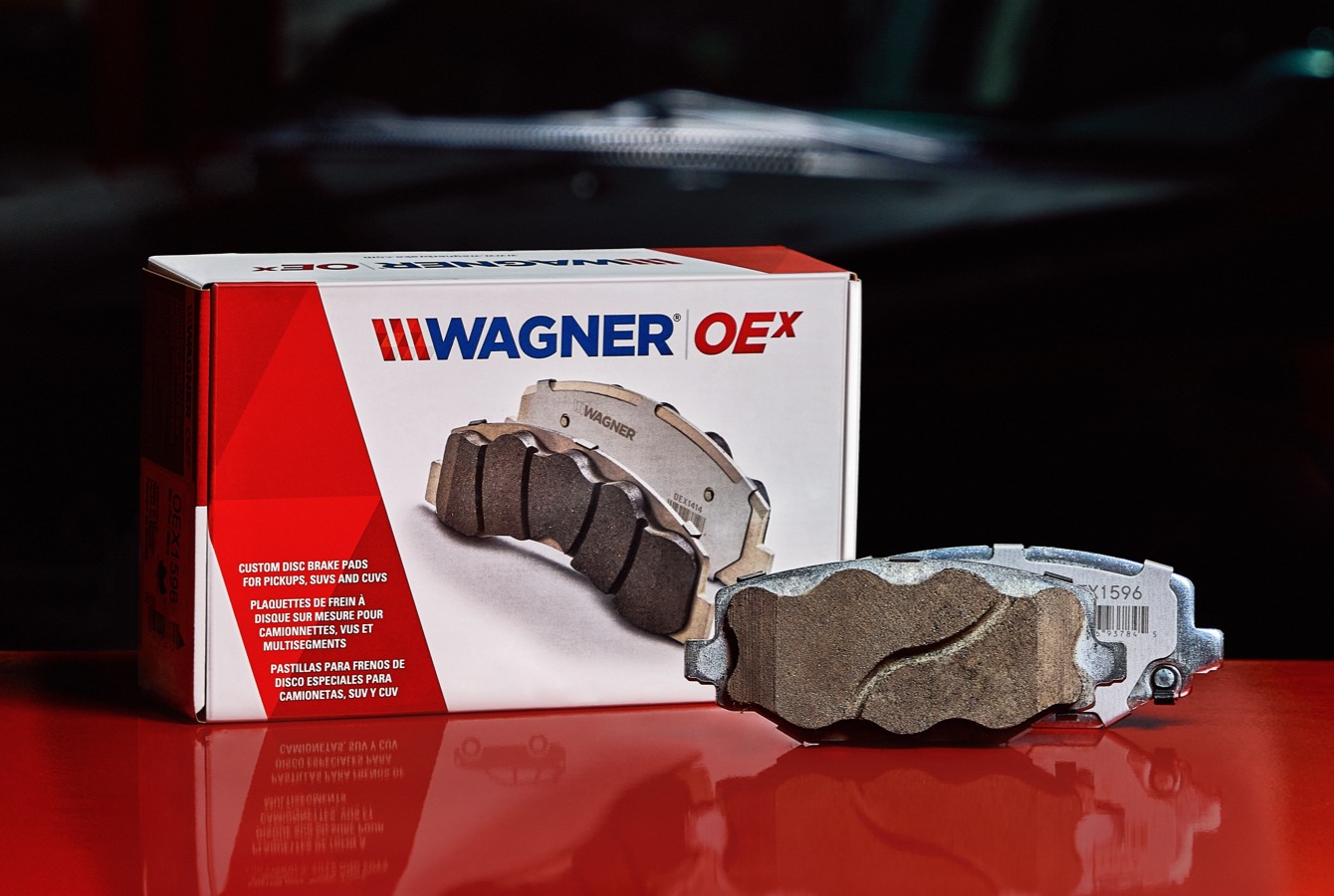
The ThermoQuiet line is designed around quiet operation and reduced dust, two qualities that matter when a vehicle is used every day.
Less brake dust can help wheels stay cleaner, while reduced noise makes ordinary driving more pleasant. Wagner also offers the OEX series, which is aimed at vehicles such as trucks and SUVs that may carry moderate loads.
Pricing is another reason the brand attracts practical buyers. Many Wagner applications sit around $35 to $75 per axle, giving shoppers an accessible choice without automatically dropping into the cheapest category available.
Still, buyers should pay attention to the exact product line. ThermoQuiet and OEX are built with different priorities, so choosing based only on the brand name would be a mistake.
A compact sedan used for commuting has different needs from a truck that frequently carries equipment. Wagner works best when the pad is matched to the vehicle and driving conditions.
For ordinary street use, its combination of quietness, low dust, reasonable cost, and broad application coverage makes it a strong choice.
4. Power Stop
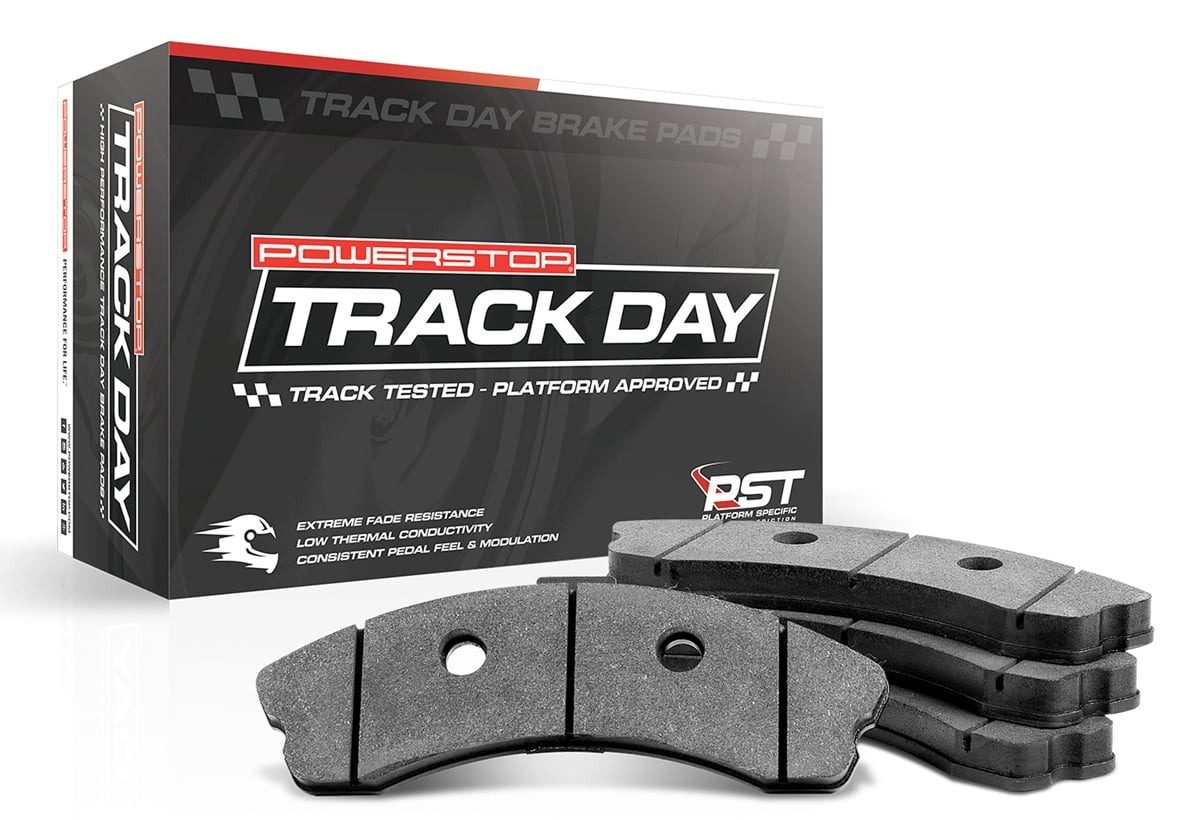
Got a truck that spends its weekends hauling a camper or dragging a boat trailer down the highway? Power Stop built its Z36 line specifically for that punishing scenario.
Standard pads tend to fade under sustained heavy loads, losing bite exactly when you need maximum stopping force. Power Stop tackled that weakness head-on using carbon fiber ceramic compounds engineered to resist heat buildup during extended braking.
Towing places greater demands on a vehicle’s braking system. The challenge is not simply bringing the load to a stop once, but maintaining consistent stopping performance as the brakes build heat over many miles.
That’s where cheaper pads reveal their limitations, softening and losing effectiveness right as you’re descending a grade with thousands of pounds behind you. Z36 pads maintain their bite through these demanding conditions, giving drivers genuine confidence behind the wheel.
Pricing runs from fifty to one hundred ten dollars per axle, and Power Stop sweetens the deal by including hardware and lubricant kits with most purchases.
That bundling saves buyers an extra trip to source those small but necessary components separately, which matters when you’re already elbow-deep in a brake job.
It’s worth being upfront about the tradeoffs, though. These pads aren’t designed with quiet sedans in mind, and installing them on a lightweight passenger car often results in more noise and dust than necessary for that application.
Save Power Stop for trucks, SUVs, and vehicles that regularly tow or carry heavy loads, and you’ll get a pad that performs exactly as intended under real-world stress.
5. Raybestos
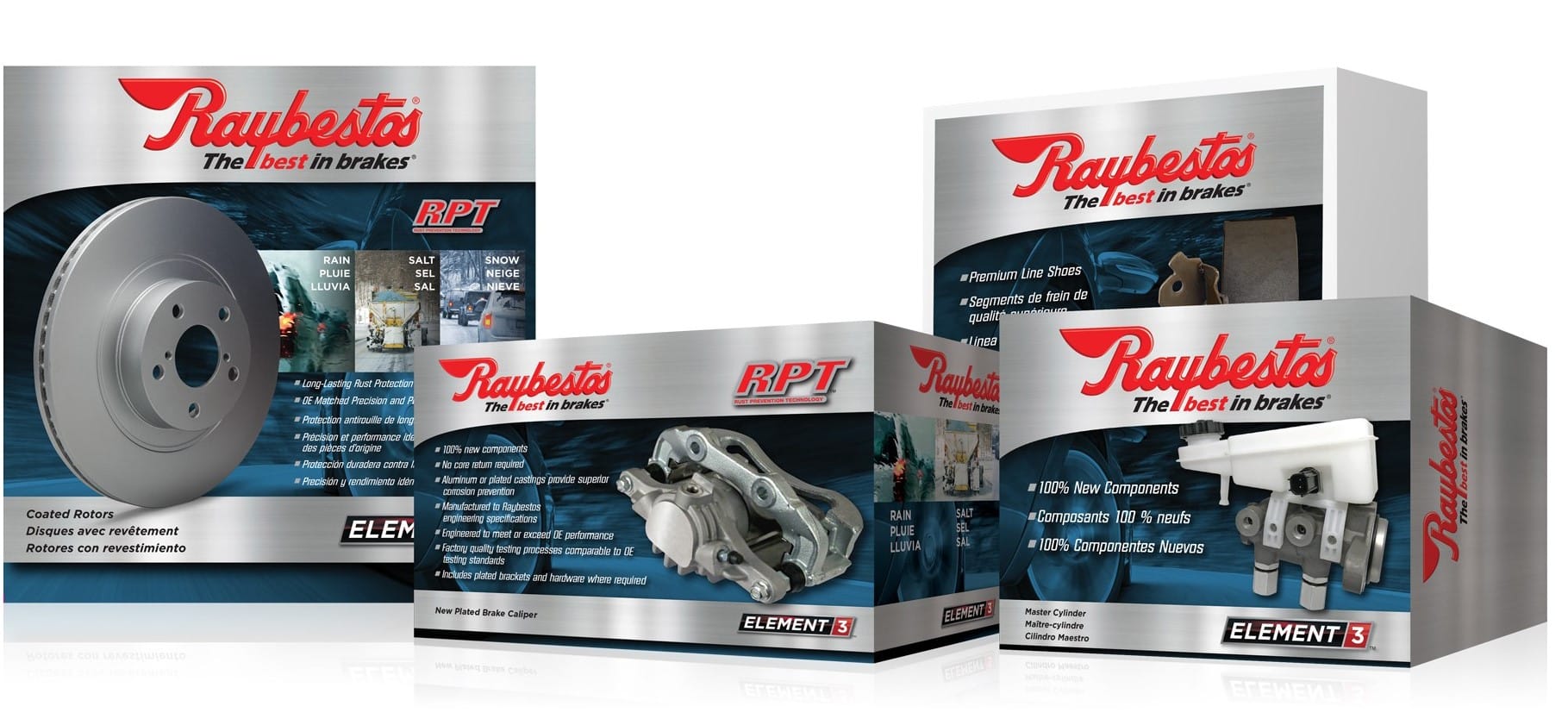
Sometimes the smartest brake purchase is not the most expensive one. Raybestos appeals to drivers who want an improvement in braking behavior without paying premium-brand prices.
The Element3 EHT line is particularly interesting because it blends ceramic and semi-metallic friction technologies. That combination is intended to balance quiet operation, responsive initial bite, and heat resistance.
In practical terms, it gives everyday drivers a brake pad that can feel composed during routine traffic while still offering useful capability when braking demands rise.
Typical pricing of around $35 to $70 per axle keeps Raybestos within reach for many vehicle owners. The value becomes even more appealing when replacing worn pads on an older daily driver where controlling maintenance costs matters.
Consider a driver who wants something better than a basic replacement but has no need for an aggressive performance compound. Element3 EHT can occupy that middle ground nicely.
It is suited to daily driving and light performance use without demanding the budget associated with some premium alternatives. Raybestos also has a long presence in the automotive aftermarket, which gives shoppers plenty of application choices.
As with any brake component, checking the exact part number for the vehicle remains important. The right pad depends on the vehicle’s weight, brake system, and intended use.
6. ACDelco
GM owners have a good reason to consider ACDelco when shopping for replacement parts. The brand offers components developed specifically for GM vehicles and designed to match the requirements of their applications.
ACDelco provides brake pads in different product tiers, including Gold and Silver options. Gold pads are positioned closer to an original-equipment-style replacement, with attention to pedal feel, braking behavior, and dust control.
Depending on the application, prices can range from about $50 to $150 per axle. Silver pads offer a more budget-conscious route, with many applications priced around $25 to $100 per axle.
That spread gives GM drivers room to choose according to vehicle age, driving habits, and maintenance budget. There is a practical advantage here.
When a vehicle owner wants familiar braking characteristics rather than a dramatic change in how the pedal feels, an OE-style replacement can be reassuring. A Silverado, Equinox, Malibu,
Sierra, or another GM vehicle may benefit from staying within a parts ecosystem designed with its braking system in mind. ACDelco is not limited to one type of driver, either.
The Gold range suits owners seeking a higher-grade replacement, while Silver can make sense when affordability is the priority. For GM vehicles, few choices are as straightforward.
7. Bosch
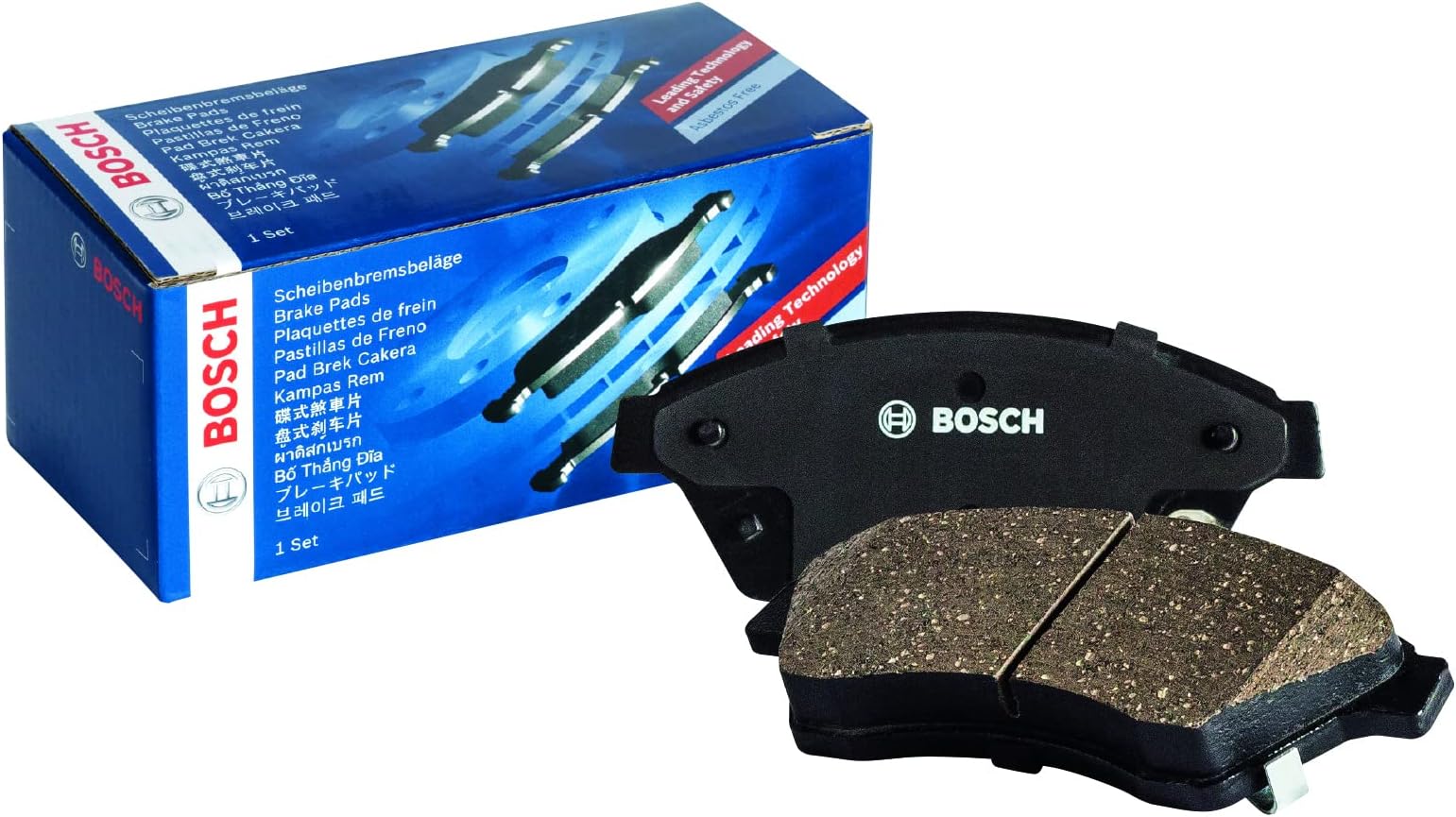
Sometimes the best choice is the one you can actually find without driving across town or waiting on a special order. Bosch has built a reputation around accessibility paired with dependable engineering, making the QuietCast series a common recommendation from mechanics and parts store employees alike.
The molded shim technology built into these pads directly targets noise and vibration reduction, tackling one of the most common complaints drivers have about brake performance.
Rather than experiencing that unsettling metallic vibration through the pedal or an occasional squeal at low speeds, QuietCast pads smooth out those rough edges considerably.
Pricing lands in a moderate range, generally between forty and eighty-five dollars per axle. That places Bosch squarely in accessible territory for most vehicle owners without requiring a premium budget or forcing a compromise toward genuinely cheap, lower-quality alternatives.
Perhaps the biggest advantage Bosch offers is sheer coverage. Nearly every auto parts retailer stocks options for a huge range of vehicle makes and models, meaning you rarely face the frustration of special ordering parts and waiting days for delivery.
This convenience factor matters more than people often realize, especially when a brake issue needs addressing quickly for safety reasons.
Combine that availability with consistent, dependable daily performance, and Bosch earns its spot as a practical, no-drama choice for drivers who simply want reliable stopping power installed without unnecessary delays or complications.
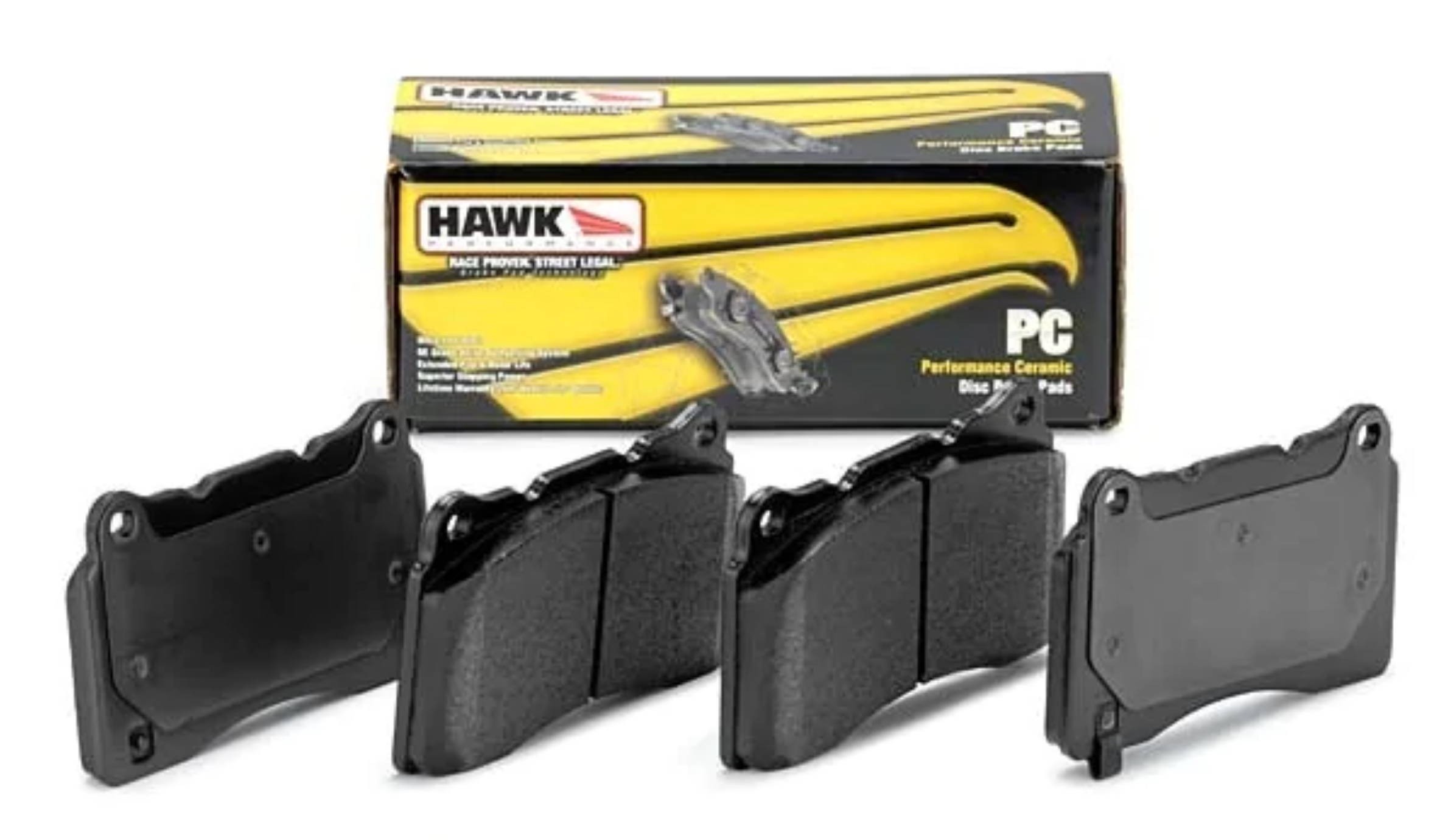
8. Hawk Performance
Some drivers simply ask more from their brakes. If weekend drives include fast back roads, spirited acceleration, or occasional track days, Hawk Performance deserves a closer look.
Its HPS 5.0 and HP+ pads are built for drivers seeking stronger initial bite and greater capability during repeated hard stops. Hawk uses Ferro-Carbon friction material in these performance-oriented products, giving them characteristics that differ from many comfort-focused street pads.
That extra capability comes with tradeoffs. Performance pads can create more dust and noise than pads designed primarily for quiet commuting. They may also be less appealing to someone who spends nearly every mile in relaxed city traffic.
Prices generally range from about $60 to $130 per axle, depending on the vehicle and selected compound. For an enthusiast, that additional expense can be worthwhile when braking response is a major part of the driving experience.
The important distinction is choosing the correct Hawk compound for the job. HPS 5.0 can suit spirited street use, while more aggressive options may be better suited to drivers who regularly demand higher brake temperatures.
Track driving also requires attention to the entire braking system, including rotors, fluid, cooling, and tires. For enthusiasts who want a performance-focused brake pad, Hawk provides a strong option without making every vehicle owner pay for features they will rarely use.
