
There’s something peaceful about a quiet gravel road cutting through open country, but your car doesn’t share the same romantic feelings about it. Every rock, rut, and cloud of dust takes a small toll on components that were designed with smooth pavement in mind.
Drivers who regularly travel unpaved routes to reach cabins, farms, or rural properties often notice their vehicles need more frequent attention than those driven exclusively on city streets.
The vibration, debris, and impacts add up in ways that aren’t always obvious until something breaks down unexpectedly. Knowing which parts take the hardest hit gives you a real head start on maintenance, helping you catch problems early instead of getting stranded on some remote stretch of road.
1. Tires
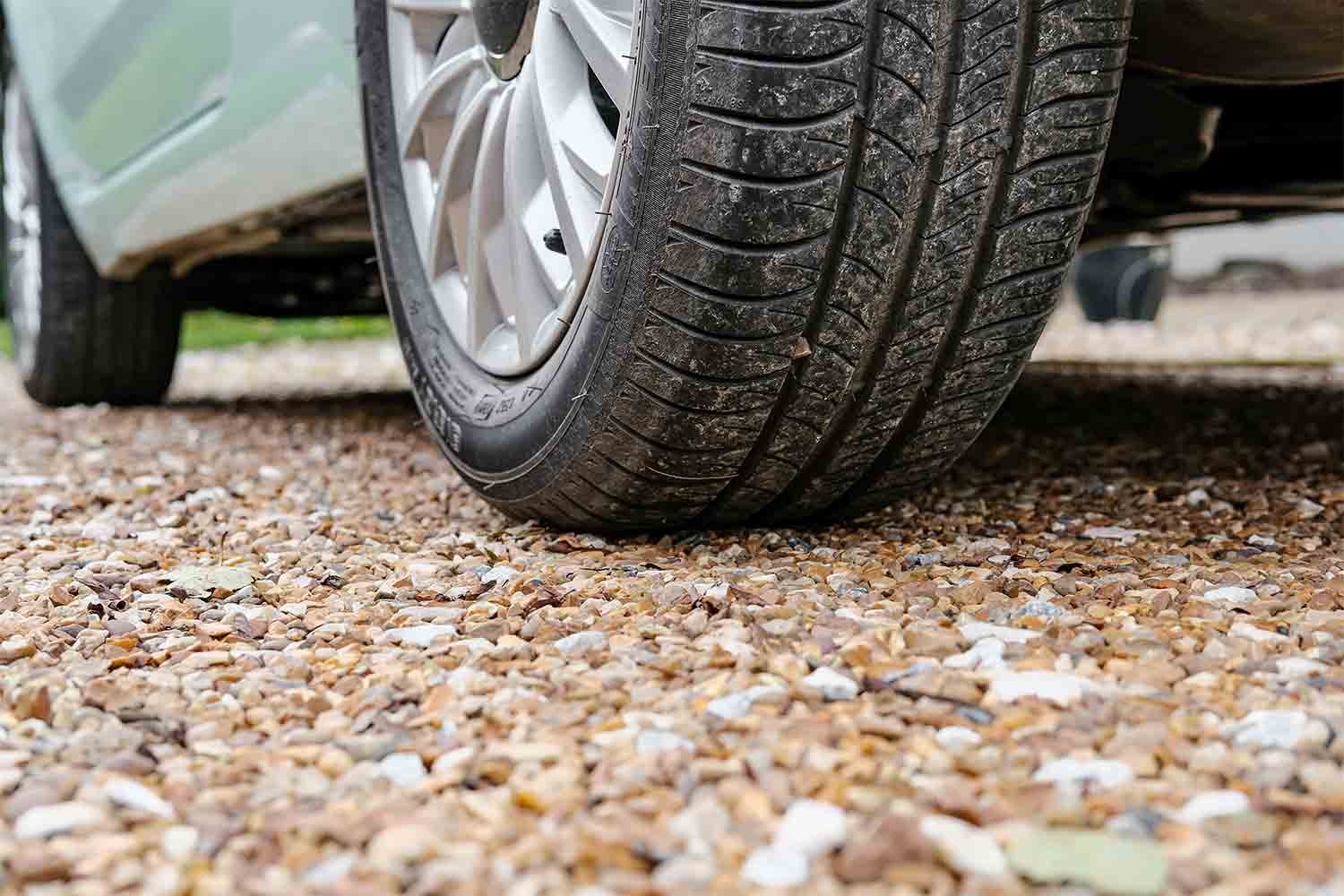
Tires are the first parts to face loose stones, sharp edges, and uneven surfaces. Gravel can work its way into the tread grooves, strike the rubber, or become lodged between the tread blocks.
A sharp stone may cause a puncture, while repeated contact with rough surfaces can damage the tread or sidewalls. The risk depends on the road, tire construction, inflation pressure, and driving speed.
A puncture is not the only concern. Tires can develop cuts, uneven wear, or damage that is difficult to spot during a quick inspection. A stone caught in the tread may also create a clicking sound as the wheel rotates.
Some tires are better suited to unpaved roads than others, but no tire is immune to sharp debris. Check the tread and sidewalls regularly, especially after driving through a rough section.
Look for cuts, bulges, missing rubber, or embedded stones. Maintain the recommended tire pressure, and inspect the spare tire as well. A damaged tire should be assessed by a qualified tire professional.
Do not continue driving on a tire with a visible bulge or suspected structural damage. Choosing suitable tires and reducing speed on rough gravel can help limit damage.
2. Shock Absorbers and Struts
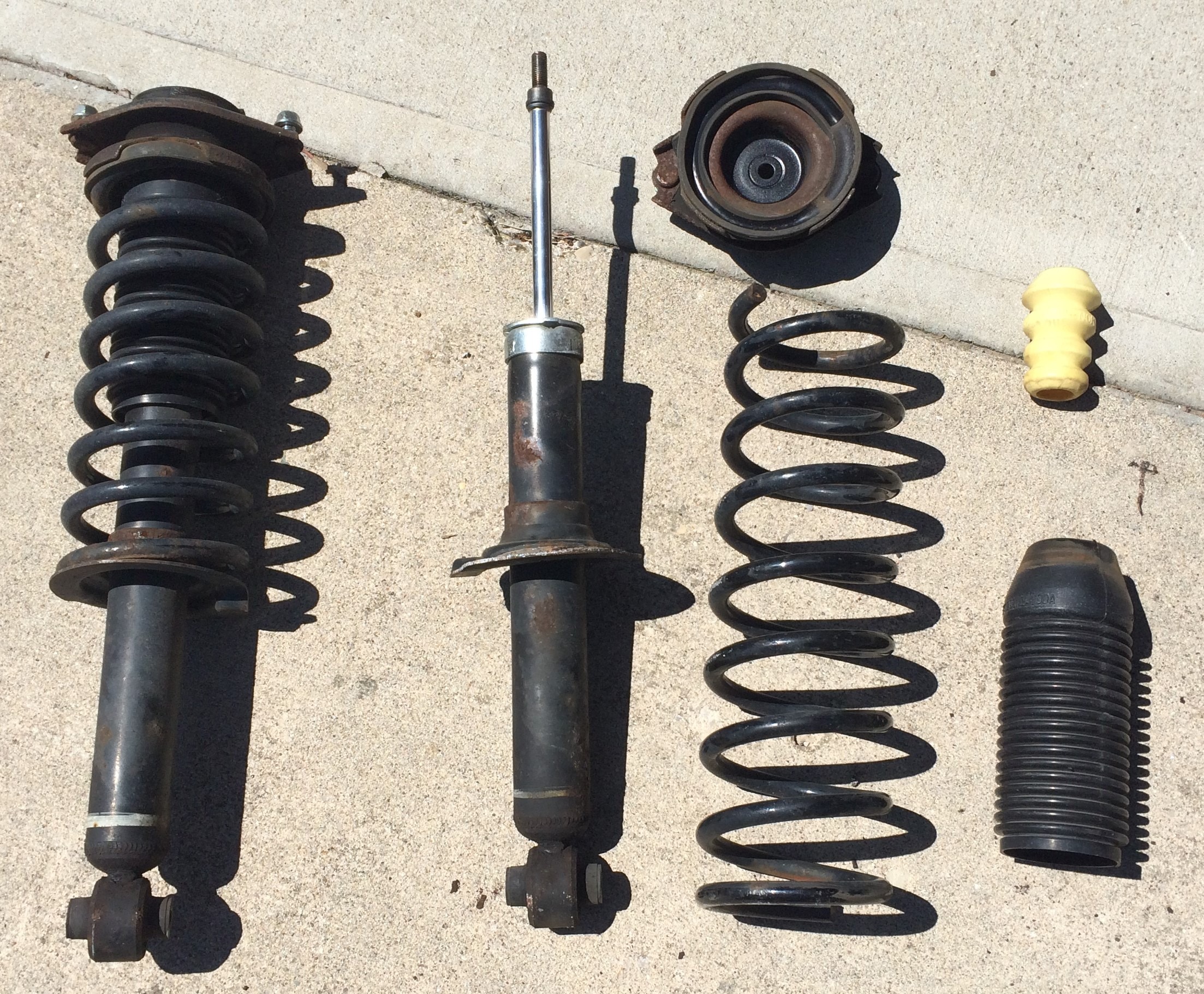
A smooth highway allows the suspension to work with relatively predictable wheel movement. Gravel roads are different. Corrugations, potholes, and repeated bumps force the shocks and struts to control rapid changes in suspension movement.
Frequent travel on these surfaces can increase wear, particularly when the vehicle is heavily loaded or driven quickly. Shock absorbers and struts help keep the tires in contact with the road.
When they become worn, the vehicle may bounce more than it should after a bump. You might also notice increased body movement, a less settled ride, or reduced control on uneven surfaces.
These symptoms can develop gradually, so a driver may not immediately recognize that the suspension is deteriorating. A leaking shock absorber, damaged strut mount, or worn internal component can affect performance.
However, gravel driving does not automatically mean the parts will fail. Vehicle weight, suspension design, road conditions, and driving habits all play a role. Pay attention to unusual bouncing, fluid leaking from a shock, or a change in handling.
Have the suspension inspected if these signs appear. Replacing worn shocks or struts can help restore proper wheel control and prevent additional stress on other suspension parts.
3. Control Arms and Bushings
Think about the suspension system as a network of joints and connections, each one designed to allow controlled movement while keeping everything aligned correctly.
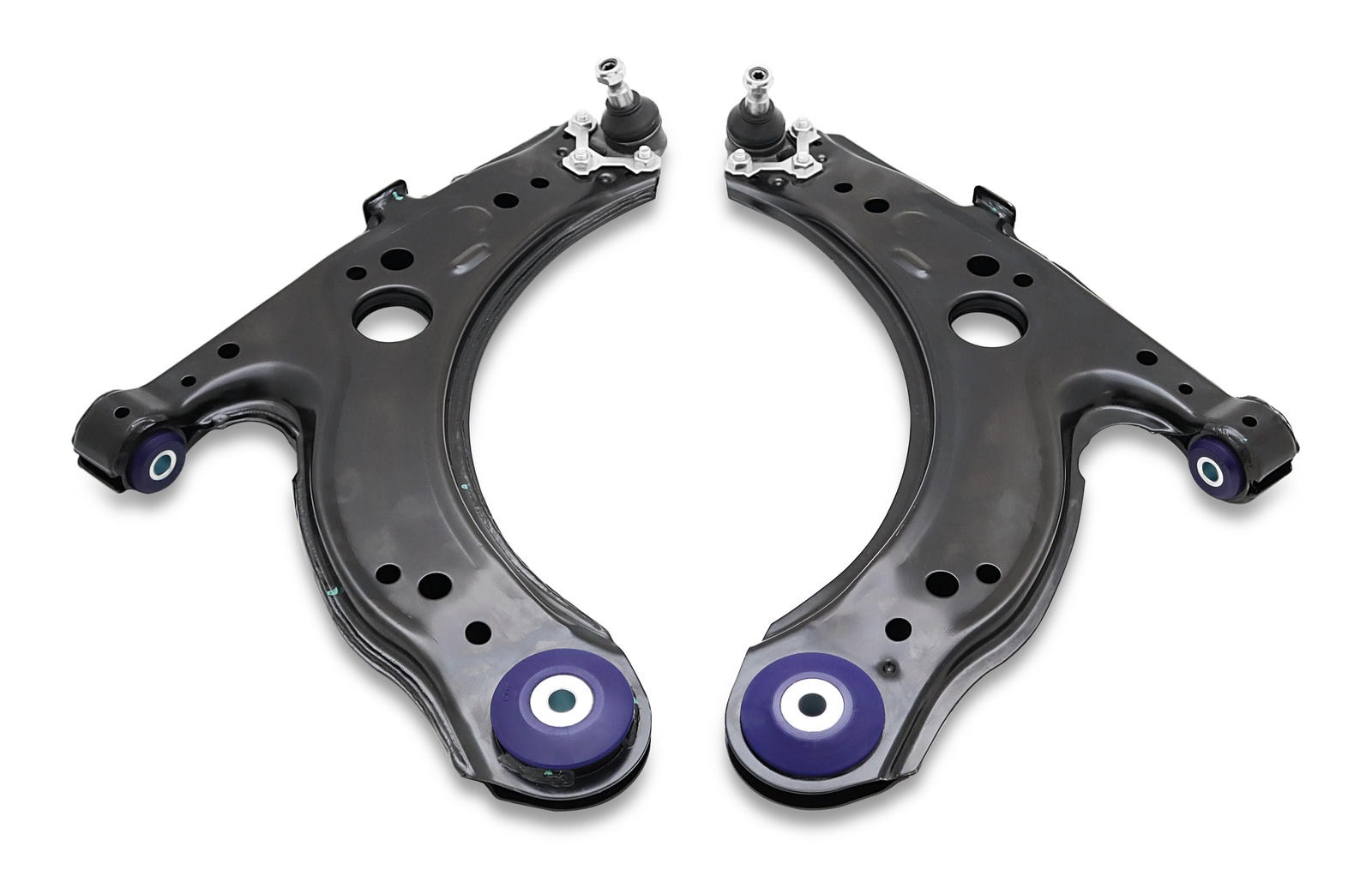
Control-arm bushings sit at some of these critical connection points, made from rubber or polyurethane material specifically chosen to absorb vibration while still holding components securely in place. Gravel roads test these bushings in ways paved surfaces rarely do.
Constant vibration transmitted up through the wheels doesn’t stay isolated to the tires and shocks alone. It travels through the entire suspension assembly, placing repeated stress on bushing material that gradually loses its original firmness and shape.
Unlike a sudden impact that causes obvious damage, this kind of wear happens incrementally, showing up as subtle changes in how the vehicle handles rather than any single dramatic failure.
Once bushings begin deteriorating, looseness develops within the suspension system that wasn’t present when everything was functioning correctly.
That looseness translates into noticeable changes behind the wheel, including a vehicle that feels less precise during turns or seems to wander slightly on straight stretches of road.
Alignment problems often follow closely behind, since bushings play a role in maintaining the correct geometry between suspension components.
Left unaddressed for extended periods, worn bushings can accelerate wear in other connected parts, creating a cascading effect that turns a relatively minor repair into something considerably more involved.
Routine suspension inspections, particularly for vehicles that see regular gravel exposure, help catch bushing wear before it progresses into alignment issues or handling complaints that are harder to diagnose.
4. Tie Rods and Steering Joints
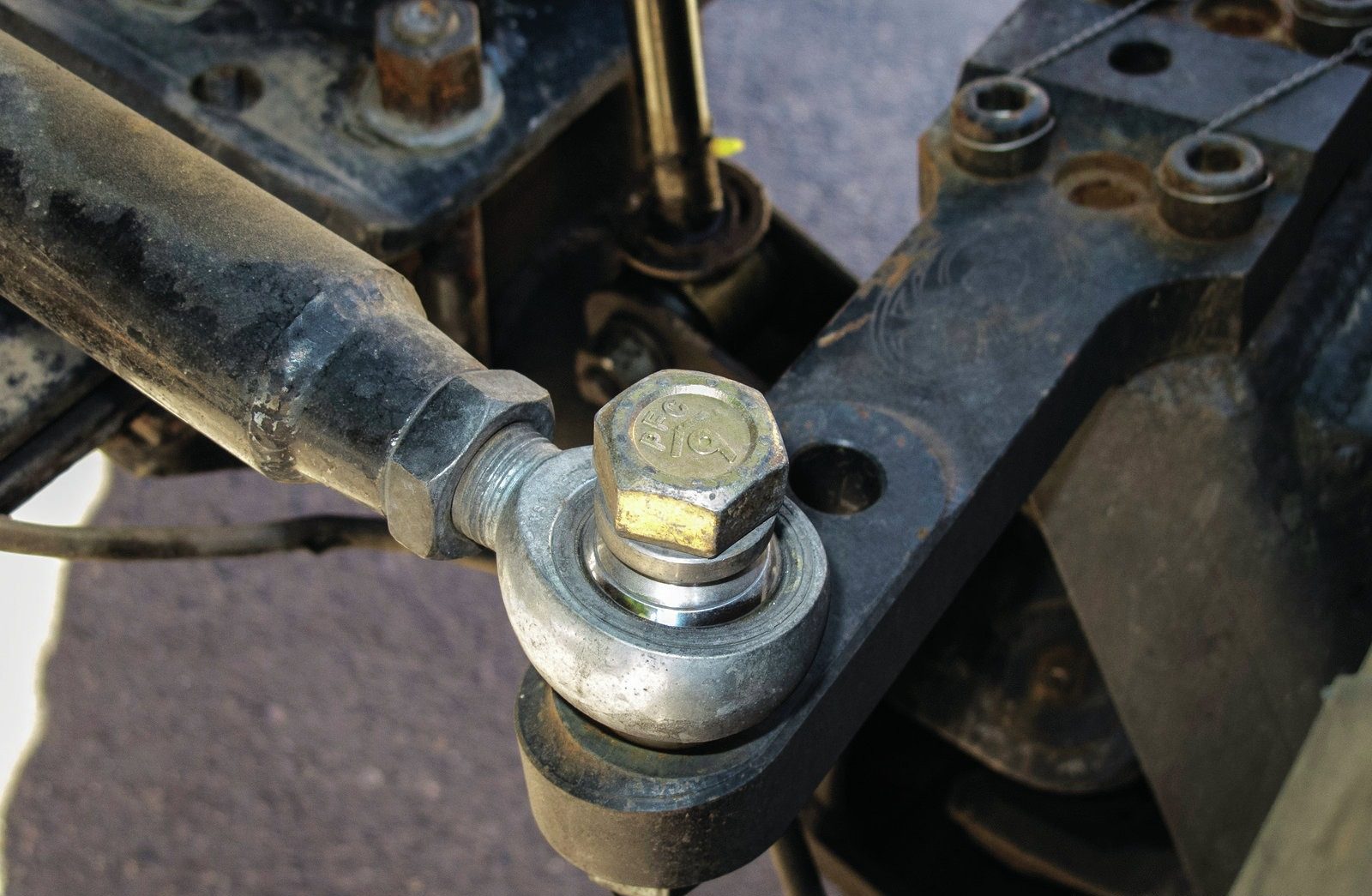
Steering components must respond accurately whenever the driver turns the wheel. Tie rods and steering joints connect the steering system to the wheels, allowing the vehicle to change direction.
Rough gravel surfaces can create repeated impacts that place additional stress on these parts, particularly when a wheel strikes a pothole or large stone.
A worn tie rod end may develop excessive play. That can cause loose steering, a clunking sound, or a vehicle that does not track as precisely as it should.
If a steering joint becomes badly damaged, it can affect the vehicle’s ability to respond properly to steering input. Alignment may also be affected when suspension or steering components bend or wear.
A driver might notice that the steering wheel is no longer centered or that the vehicle pulls toward one side. Uneven tire wear can accompany these problems.
Not every steering issue comes from gravel. Worn joints, damaged boots, corrosion, and ordinary age can all contribute. A technician should inspect the steering linkage and check for looseness before deciding which part needs replacement.
Drivers who regularly travel on gravel should pay attention to new steering noises or changes in handling. Prompt repairs are important because steering components are directly related to vehicle control.
5. Wheels and Wheel Hubs
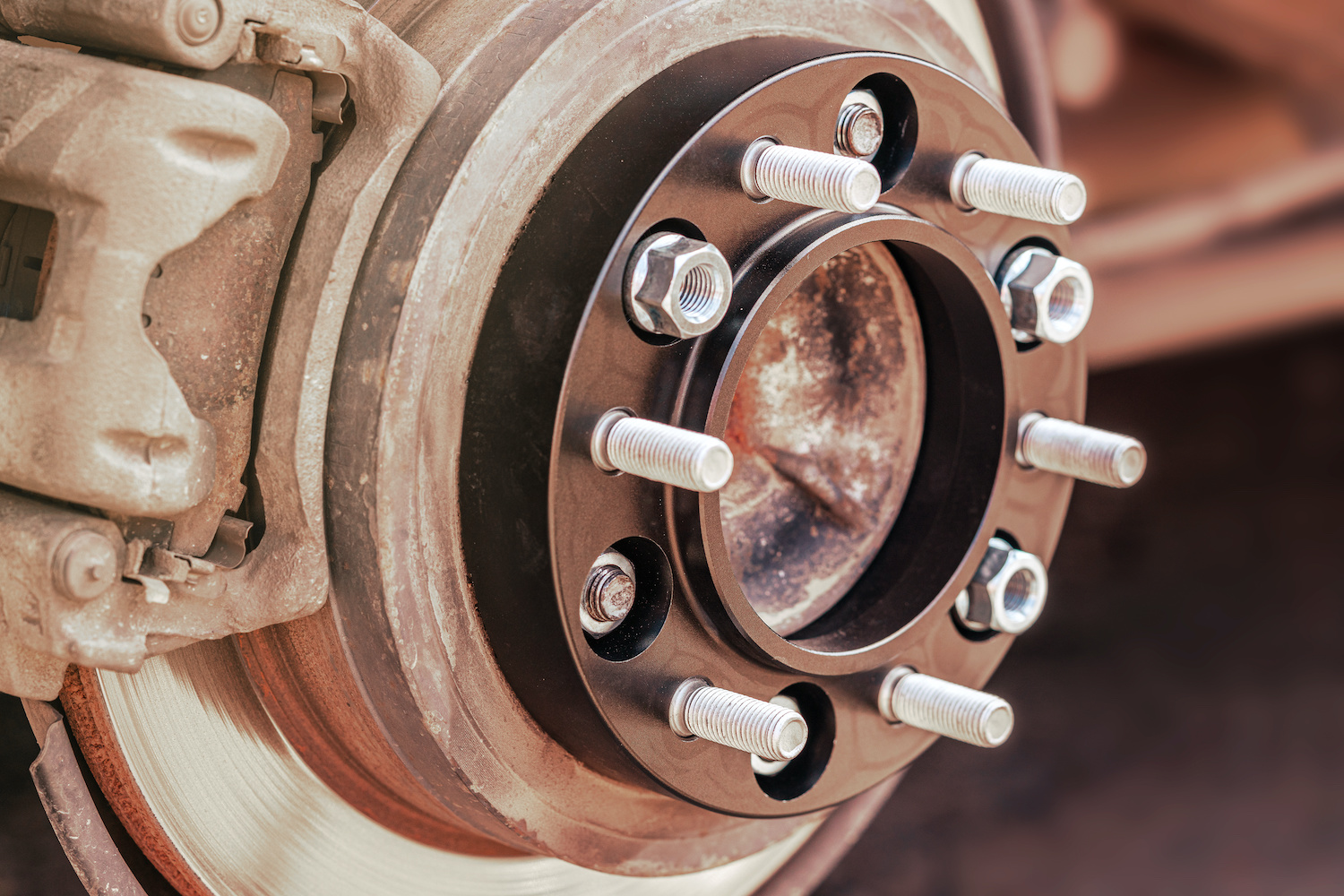
Some gravel road damage happens instantly, and wheel impacts fall squarely into that category. Large stones sitting unexpectedly in your path, combined with the potholes and uneven sections common on unpaved routes, can deliver a sharp, sudden impact directly to the wheel itself.
Depending on the severity of that impact, the result can range from minor cosmetic scuffing to a genuinely bent rim that throws off balance and alignment.
A bent wheel isn’t just an appearance issue either. It can create vibration that’s noticeable at various speeds, and in more severe cases, it may compromise the wheel’s structural integrity enough to pose a safety concern.
Aluminum alloy wheels, increasingly common on modern vehicles, tend to be more vulnerable to cracking under sharp impact compared to older steel wheel designs, which flex slightly rather than fracturing outright.
Wheel hubs face a different kind of challenge, one that builds gradually rather than striking all at once. Repeated impacts transmitted through the wheel assembly place ongoing stress on the bearings housed within the hub, and over enough miles, that stress accelerates bearing wear beyond what normal pavement driving would produce.
A worn wheel bearing eventually announces itself through a distinct humming or grinding noise that changes pitch with vehicle speed.
Both issues can often be addressed by taking the same simple precaution. Pay close attention to how your vehicle feels after driving over a particularly rough stretch of road.
Unusual vibration, pulling to one side, or new noise from the wheel area all warrant a closer inspection before continuing to drive extensively on the affected wheel or hub.
6. Exhaust System
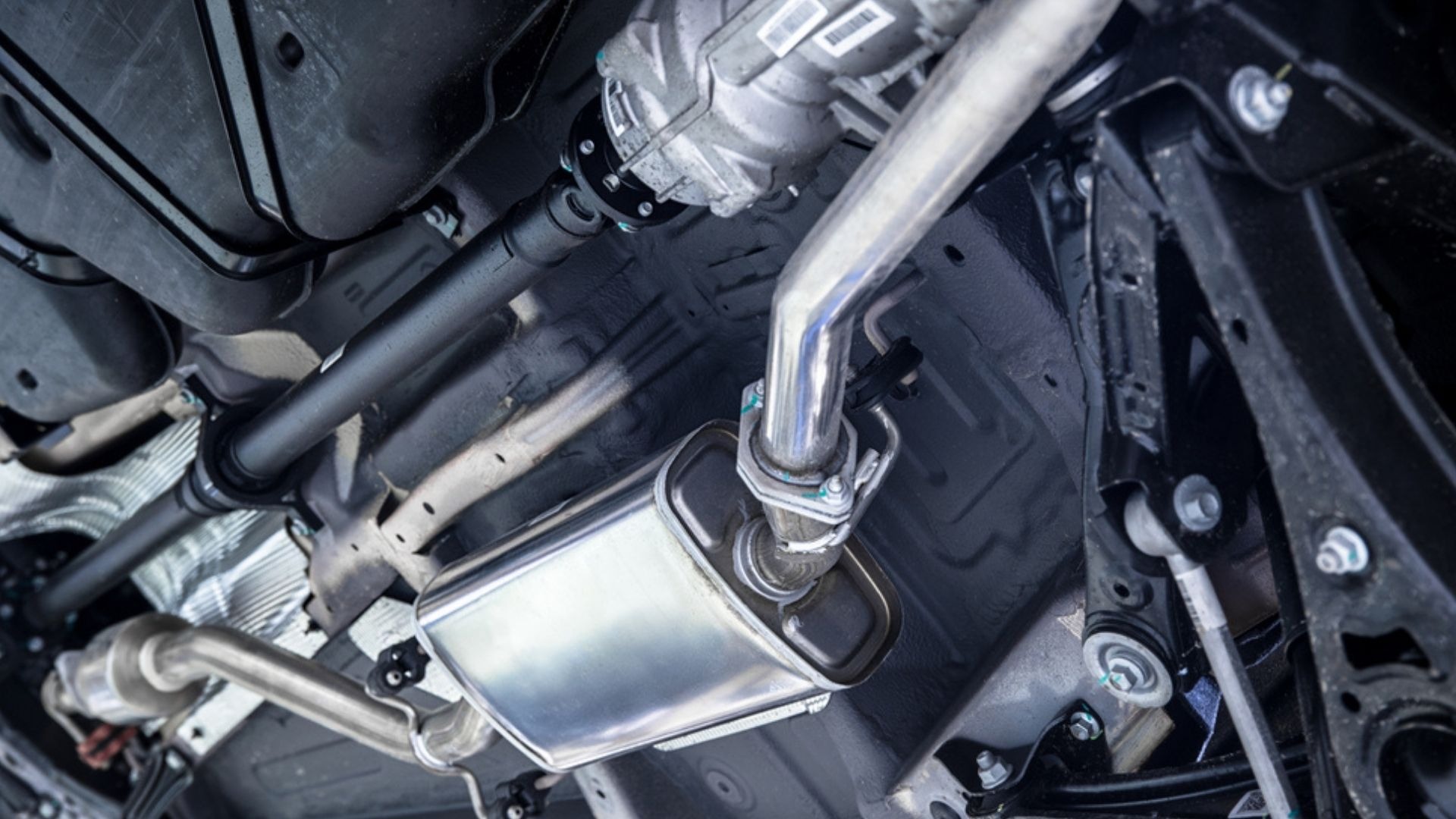
The exhaust system sits beneath the vehicle, where it can be exposed to stones and uneven ground. A large rock may strike an exhaust pipe, muffler, catalytic converter, or heat shield.
Contact with a raised section of the road can also bend an exhaust component or damage its mounting points. A damaged exhaust hanger may allow the system to move more than it should.
That can produce rattling or banging sounds, especially when the vehicle travels over bumps. A dented pipe may restrict exhaust flow, while a cracked pipe or damaged joint can create an exhaust leak.
The risk depends on the vehicle’s ground clearance and exhaust layout. Some cars have more vulnerable low-mounted components than others. Frequent travel on rough roads increases the chances of an impact, but careful driving can reduce the risk.
A rattling sound does not always mean the exhaust pipe itself is damaged. Heat shields, loose fasteners, and worn rubber hangers can also produce noise. A technician can inspect the entire system and determine the cause.
If you smell exhaust inside the cabin, have the vehicle checked immediately. Exhaust gases can contain carbon monoxide, which is dangerous. Repairs should address the source of the leak rather than simply quieting the noise.
7. Engine Oil Pan and Underbody Components
Ground clearance matters more on gravel roads than most drivers realize until they’ve bottomed out over an unexpected rut or hit a stone sitting higher than the surrounding surface.
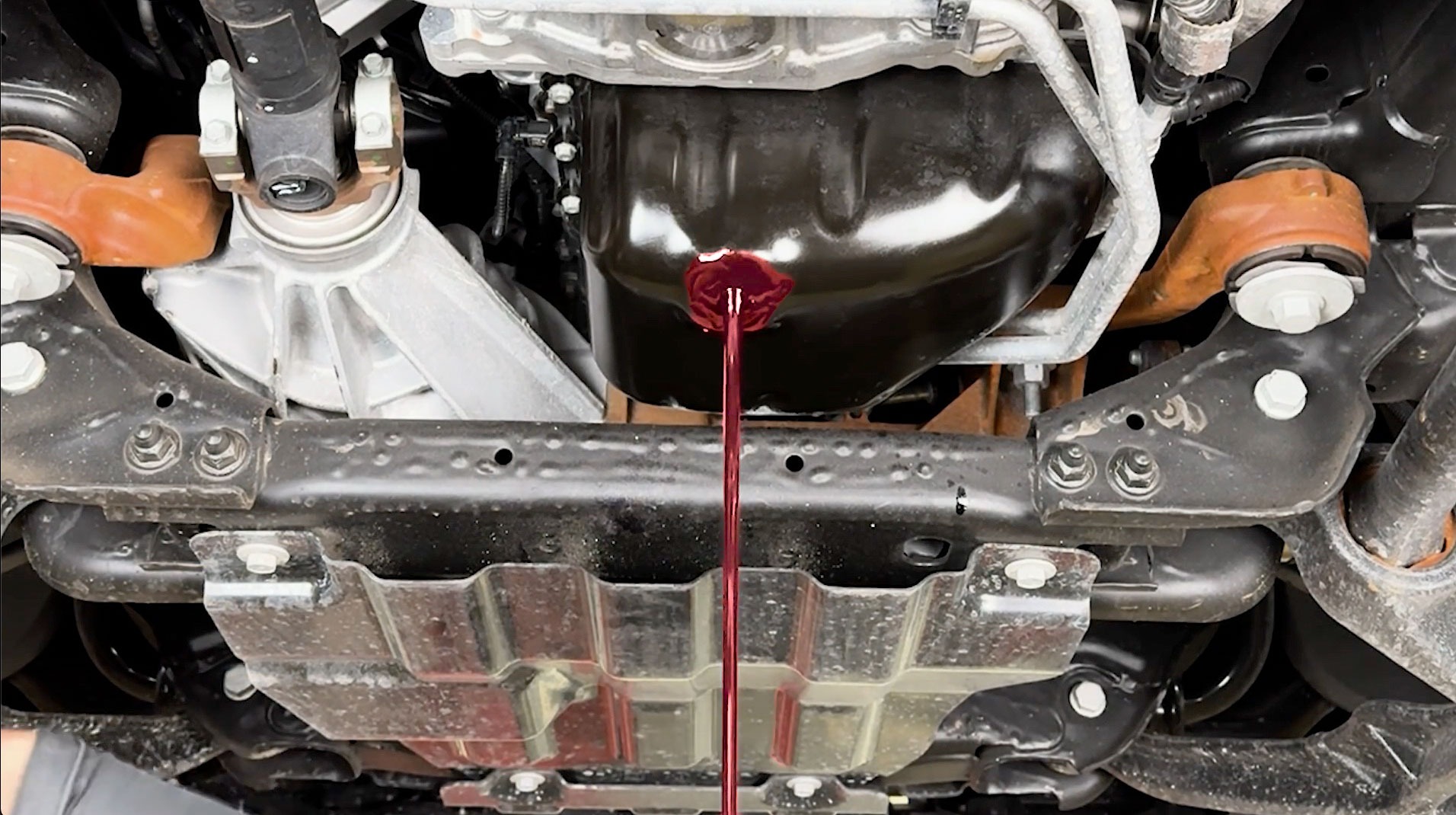
The engine oil pan sits among the lowest points on most vehicles, making it one of the more vulnerable underbody components when driving conditions turn rough and unpredictable.
A direct impact severe enough to puncture or crack the oil pan creates an immediate and serious problem, since that’s exactly where your engine’s lubricating oil is stored during operation.
Losing oil rapidly through a damaged pan can lead to engine damage within a remarkably short distance if the leak goes unnoticed, which is why any sudden drop in oil pressure warning or visible fluid beneath a parked vehicle deserves immediate attention rather than a wait-and-see approach.
The oil pan isn’t traveling alone down there either. Transmission housings, fuel tanks, and various other underbody components share similarly exposed positions, and vehicles with lower ground clearance face elevated risk across all of these areas simultaneously.
Trucks and SUVs built with higher clearance naturally fare better, but even they aren’t entirely immune to damage from a particularly aggressive rock or deep rut.
Drivers who frequently travel gravel routes, especially in vehicles without substantial ground clearance, often benefit from installing aftermarket skid plates designed to shield these vulnerable components.
That upfront investment tends to look reasonable compared to the cost and inconvenience of repairing a punctured oil pan or damaged transmission housing after the fact.
8. CV Boots and Driveshaft Components
Small and easy to overlook, CV boots play an outsized role in keeping your drivetrain functioning correctly, and gravel roads put them through conditions they weren’t necessarily designed to handle with ease.
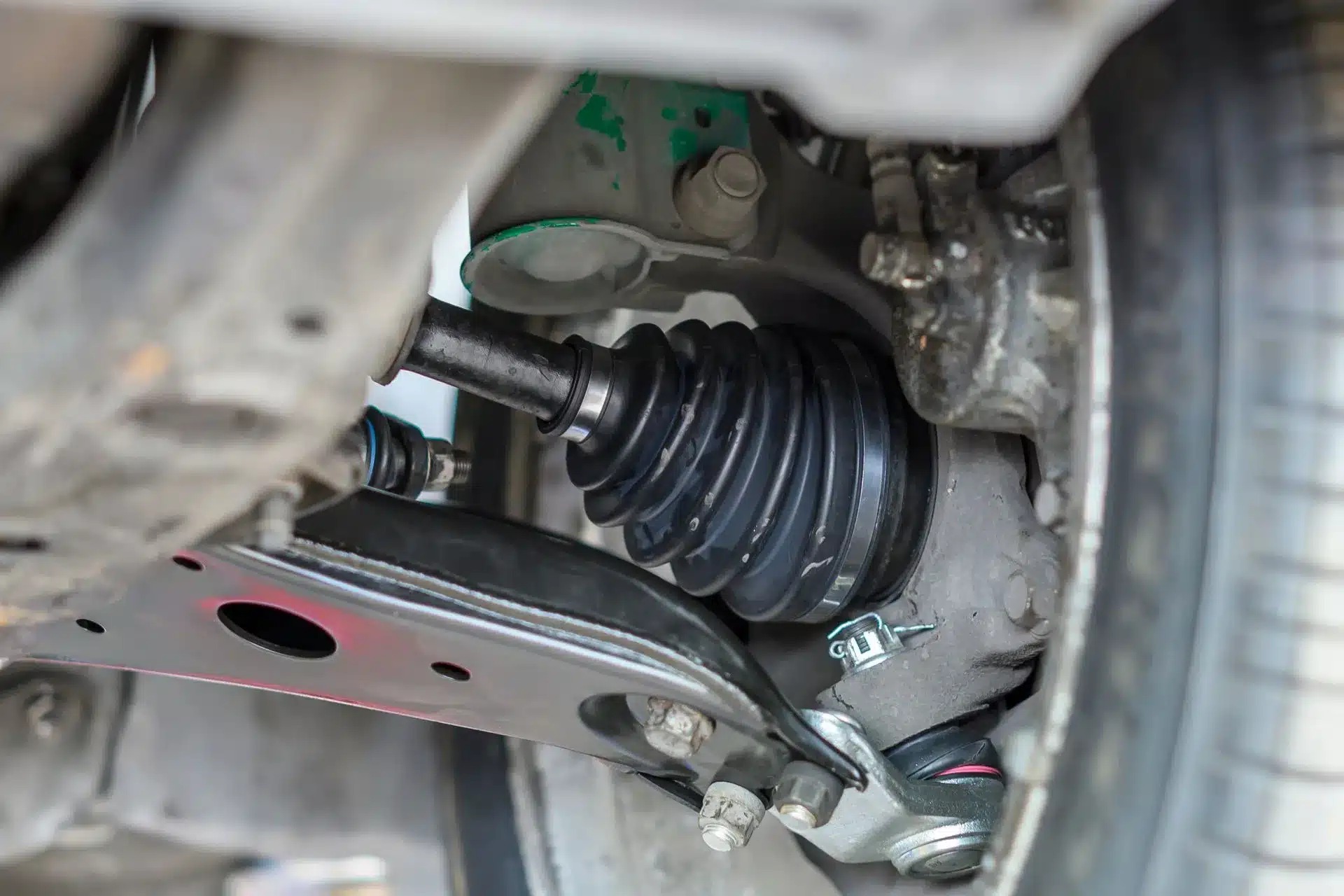
These flexible rubber covers protect the CV joints, which allow your driveshaft to transmit power smoothly even as suspension movement changes the angle between components constantly.
Exposure to flying debris represents the primary threat here. A sharp stone or piece of road debris striking a CV boot at the wrong angle can puncture or tear the rubber, and once that protective barrier is compromised, two problems develop simultaneously.
Grease that’s supposed to stay contained within the joint begins leaking out, reducing the lubrication the CV joint needs to function properly, while dirt, dust, and moisture from the road work their way into the same space that grease is escaping from.
That combination accelerates wear inside the joint considerably faster than it would experience under normal, undamaged conditions. What starts as a small tear in the boot can progress into a fully worn CV joint within a surprisingly short period, particularly if the damage goes unnoticed during regular vehicle inspections.
Driveshaft components elsewhere in the drivetrain also experience additional vibration from gravel driving, contributing to gradual wear in universal joints and related connections.
Checking CV boots periodically for tears, cracks, or grease residue around the joint area gives drivers an early warning system, catching damage while a simple boot replacement is still possible rather than facing a more expensive CV joint repair later.

9. Air Filters and Other Exposed Filters
Dust is one of the most common concerns for vehicles that frequently travel on gravel roads. Loose surfaces can produce fine particles that enter the air intake system.
The engine air filter is designed to trap dirt before it reaches the engine, so dusty driving can cause it to become dirty faster than it would on paved roads. A restricted air filter can reduce airflow and may contribute to poor engine performance or reduced fuel economy.
It does not mean that every dusty road will damage the engine. The filter’s job is to protect the engine, and a dirty filter is often a maintenance issue rather than a failure.
Cabin air filters can also collect dust, especially when the vehicle’s ventilation system draws air from outside. A clogged cabin filter may reduce airflow from the vents or cause the fan to work harder.
Drivers who spend time on gravel should inspect the engine air filter according to the manufacturer’s maintenance schedule, with more frequent checks when conditions are dusty. Replacing a dirty filter with the correct part helps maintain airflow and protect the engine.
Avoid using compressed air in a way that damages the filter material. Some filters are designed to be replaced rather than cleaned. Follow the service instructions for the vehicle.
10. Brake Components
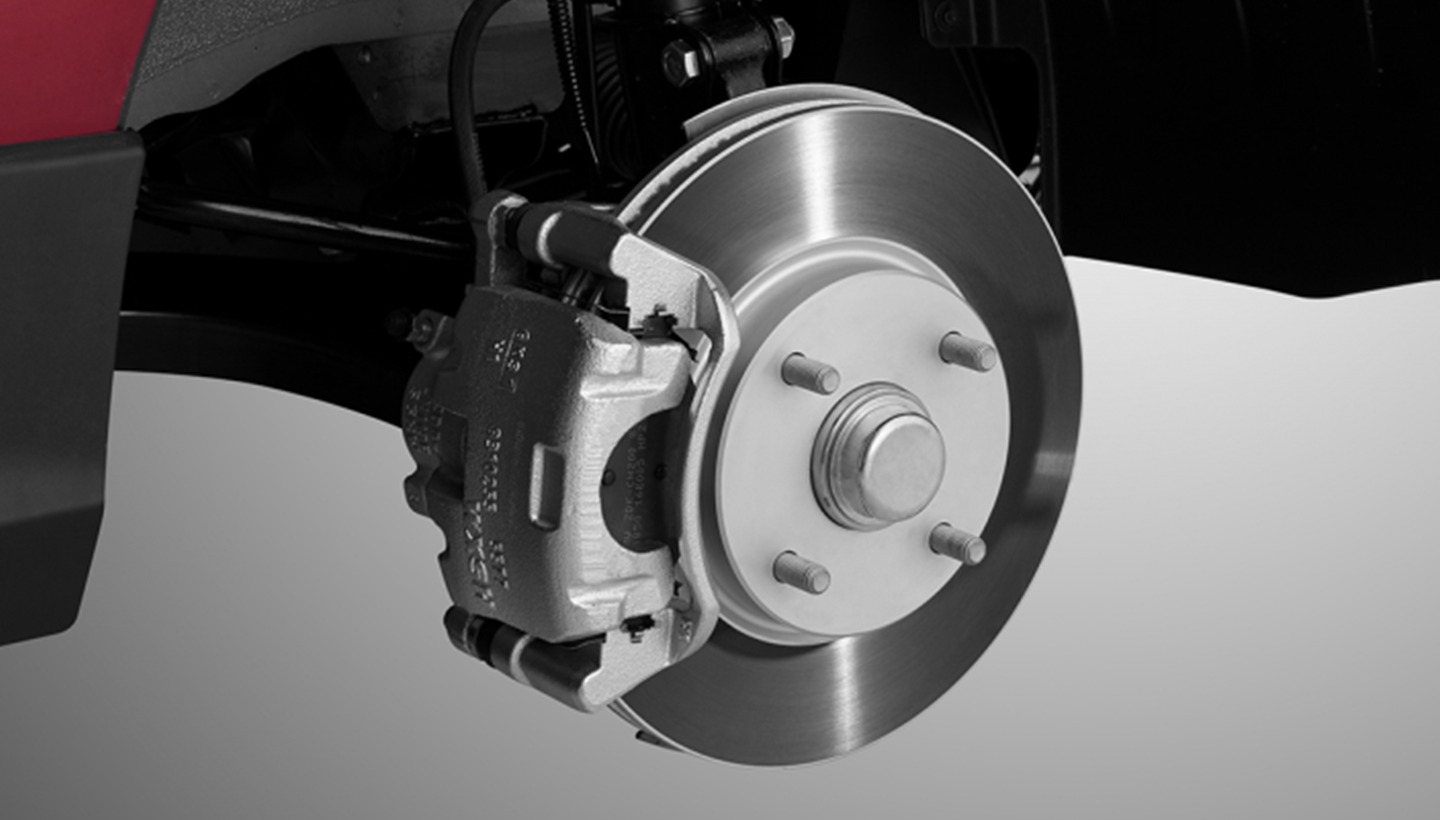
Brakes operate in an environment where dust, dirt, and loose stones can be present. Gravel roads may expose brake components to more debris than smooth pavement, and repeated braking on loose surfaces can increase the amount of work the system must do.
Small stones can sometimes become trapped near the brake rotor or shield and produce an irritating scraping sound. A stone caught near a brake component does not necessarily mean the brake system is failing.
The noise may disappear when the debris moves away. However, persistent grinding, a change in braking performance, or a warning light should receive attention.
Brake pads and rotors wear according to driving habits, vehicle weight, road conditions, and the quality of the components. Gravel driving can contribute to dust accumulation and may increase the need for inspection, but it does not guarantee premature brake failure.
After traveling on dusty roads, drivers should pay attention to changes in pedal feel, unusual sounds, or a vehicle that pulls to one side during braking. A technician can inspect the pads, rotors, calipers, and brake shields.
Regular brake maintenance remains important regardless of the road surface. If the vehicle has reduced braking power or a persistent grinding sound, have it checked before continuing to drive.