
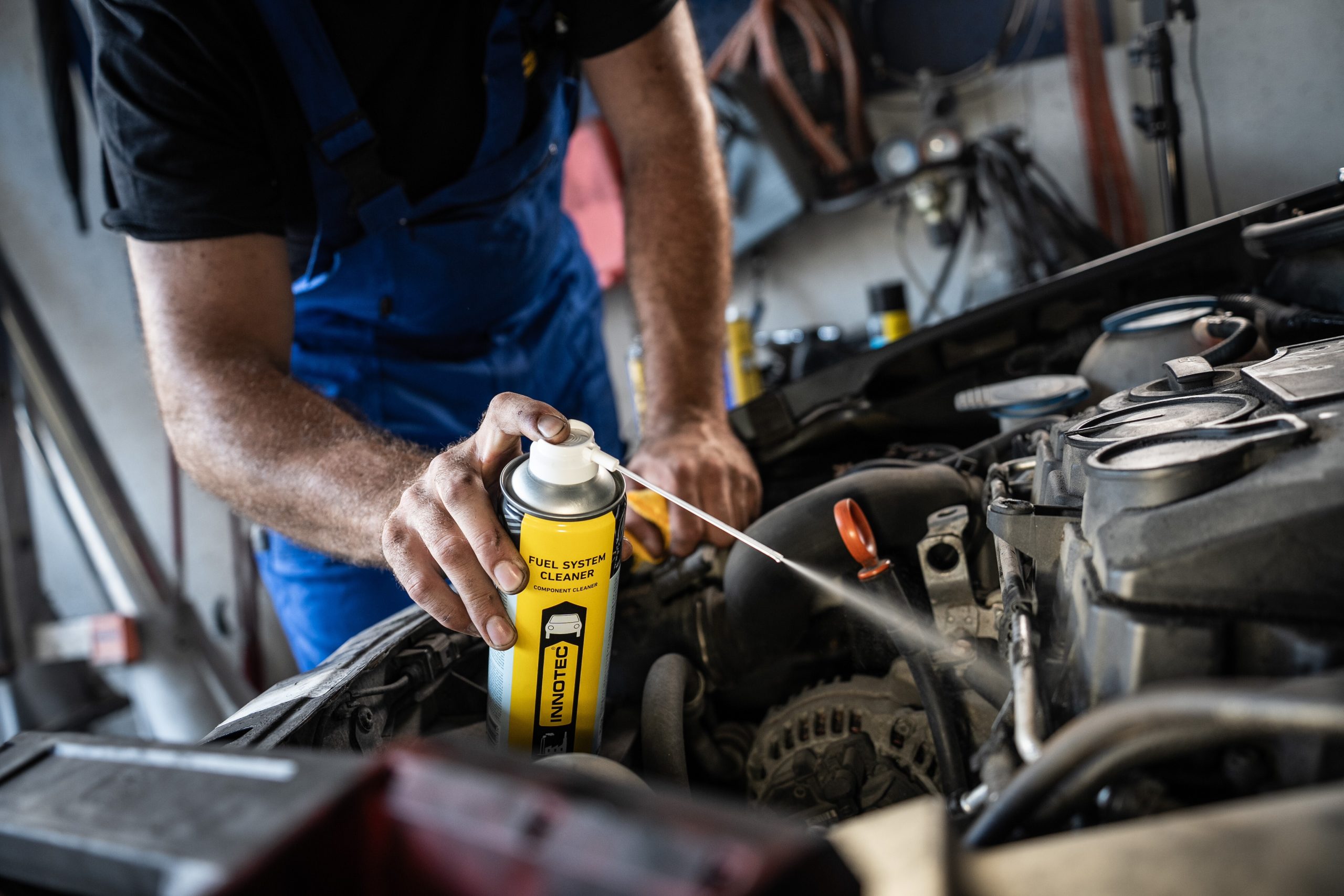
Fuel system cleaning may sound like another costly service that repair shops recommend, particularly when your vehicle appears to be running normally. In reality, the need for this service depends on the vehicle and its condition.
Some cars may benefit from cleaning, while others can run reliably without it. The service is most worthwhile when deposits are contributing to noticeable drivability issues or when it is specifically recommended by the vehicle manufacturer.
It is not automatically required just because a car reaches a certain mileage. Understanding what the service actually does can help you avoid paying for work your vehicle does not need. It can also help you recognize situations where cleaning may restore proper fuel delivery, smoother running, and better engine response. Here is how to tell the difference.
What Does a Fuel System Cleaning Actually Do?
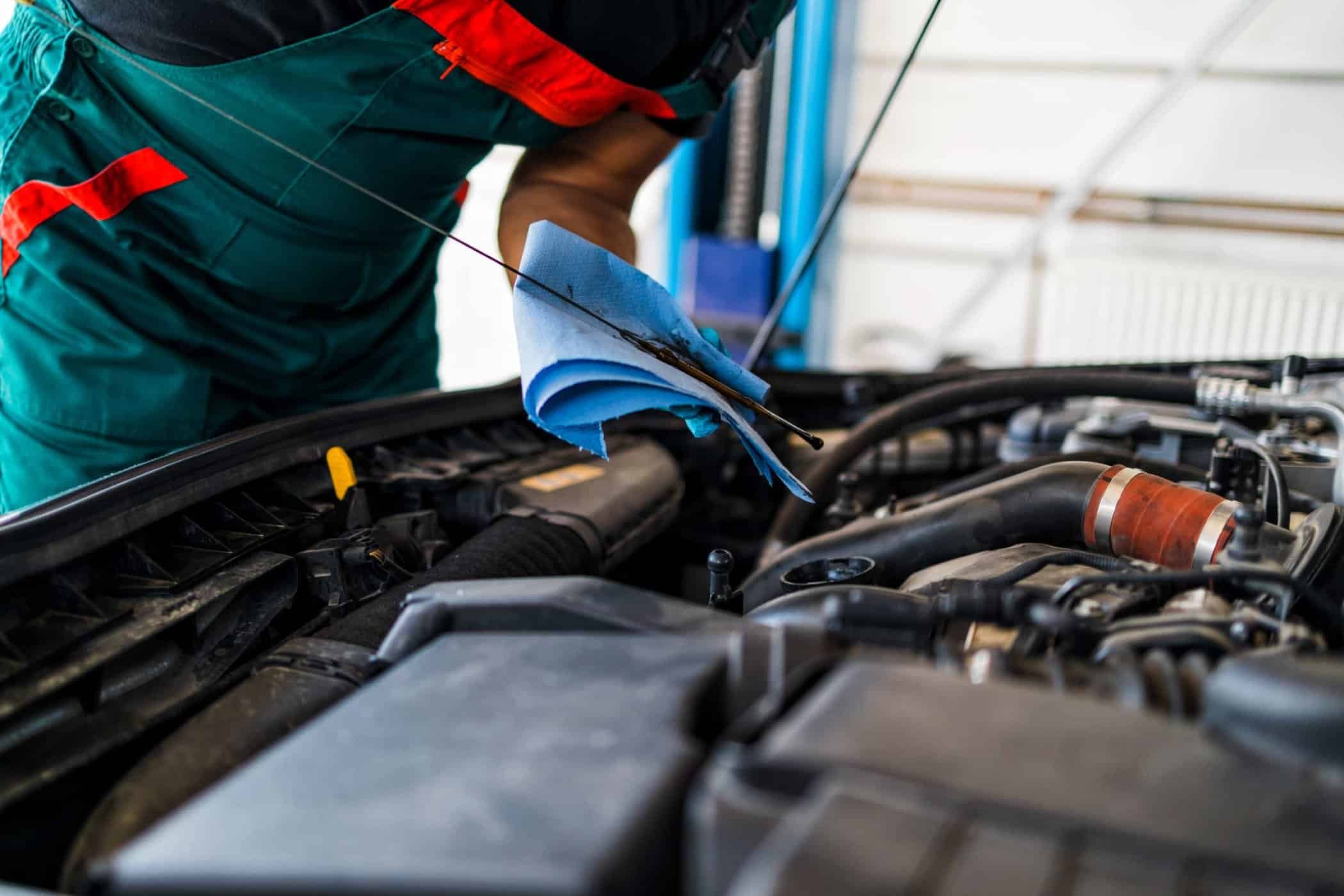
A fuel system cleaning removes deposits and residue that can interfere with fuel delivery and air intake. Depending on the vehicle and service being performed, a technician may clean fuel injectors, the throttle body, intake passages, or other related parts.
Some services use a cleaning solution through the fuel system, while others use equipment that delivers cleaner directly to a particular component. The term can be confusing because two shops may use it to describe very different jobs.
A bottle of cleaner added to the fuel tank is not the same treatment as a pressurized injector service. A direct intake cleaning is different again.
On gasoline direct injection engines, intake valve deposits can require a specialized procedure because fuel does not wash across those valves in the same manner as it does with port injection.
That distinction matters when deciding whether a service is worthwhile. If a shop recommends cleaning, ask exactly which component needs attention, what evidence supports the recommendation, and what procedure will be used.
A clear answer is much more useful than simply hearing that the engine is “dirty.”
What Causes Deposits to Build Up?
Fuel and engine operation naturally produce deposits. Heat, fuel residue, oil vapor, and combustion byproducts can leave material around injectors, throttle components, intake passages, and valves.
The amount varies according to engine design, fuel quality, driving habits, maintenance history, and operating conditions. Consider an injector. Its job is to deliver fuel in a precise spray pattern.
If deposits interfere with that pattern, the engine may not receive fuel as evenly as intended. The result can be rough running, hesitation, or reduced efficiency.
That does not mean every injector eventually needs a professional cleaning, though. Modern fuel systems are designed to operate reliably without constant special treatment.
Direct injection deserves extra attention. In these engines, gasoline enters the combustion chamber rather than passing over the intake valves.
Oil vapor and other material can therefore collect on the back of those valves. A basic fuel additive in the tank cannot directly wash away heavy deposits in that location.
Driving conditions can also matter. Frequent short trips, heavy traffic, and poor-quality fuel may contribute to deposit formation. Still, those factors alone are not proof that cleaning is needed. The condition of the vehicle should guide the decision.
What Are the Signs Your Car May Need Cleaning?
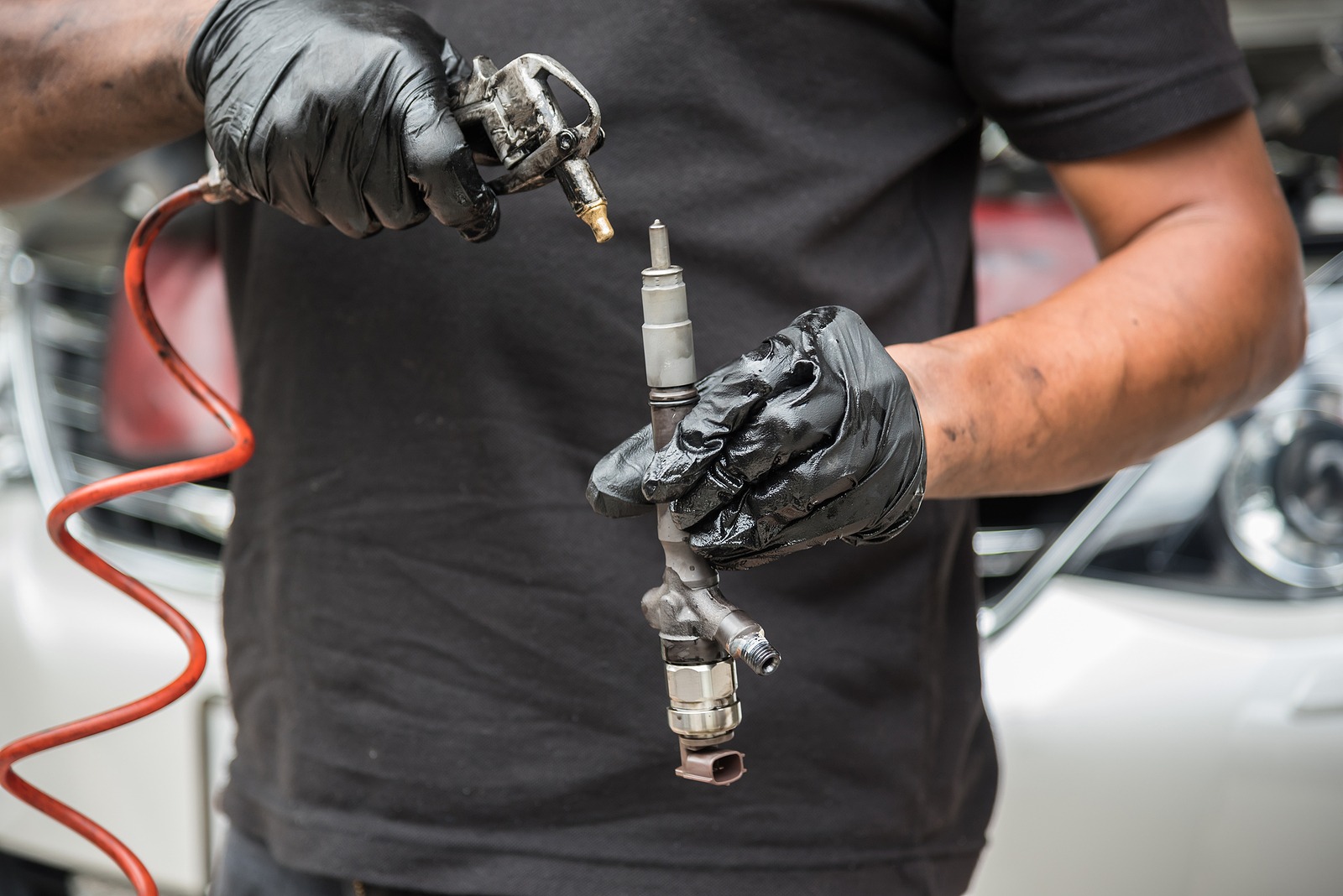
Your car usually gives you clues before a fuel system problem becomes a major concern. Rough idling is one example. If the engine suddenly feels less smooth while stopped, deposits affecting fuel delivery or airflow could be involved.
Hesitation when accelerating can also point toward an issue with fuel delivery, although several other mechanical or electrical faults can create the same sensation. Fuel economy deserves attention, too. A noticeable drop without a change in driving habits may justify an inspection.
Hard starting, uneven engine operation, stumbling, or reduced throttle response are additional reasons to have the vehicle checked. Misfires can also occur when deposits interfere with proper combustion.
This is where careful diagnosis becomes important. These symptoms do not necessarily indicate that the fuel system needs cleaning. Similar problems can be caused by a weak ignition coil, worn spark plugs, vacuum leaks, faulty sensors, fuel pump issues, or failing fuel injectors.
Cleaning the system without finding the actual fault could waste money and leave the original problem untouched. For that reason, diagnosis should come before treatment.
If a check engine light appears, a technician should determine why it came on rather than assuming a cleaning service will solve it.
When Is Fuel System Cleaning Worth Paying For?
The service is easier to justify when there is a specific reason for it. Suppose your vehicle has a rough idle, hesitation, poor acceleration, or suspected injector deposits.
A technician may test the vehicle and find evidence that cleaning could help restore proper fuel delivery. In that situation, the service has a clear purpose rather than being an arbitrary maintenance purchase.
Manufacturer guidance is another good reason. If your owner’s manual lists a particular cleaning procedure at a certain mileage or under certain operating conditions, following that guidance makes sense.
Vehicle design varies widely, so advice that applies to one engine may not apply to another. There is also a difference between light deposits and heavy buildup.
A fuel additive may help with mild injector deposits, while a professional procedure may be needed for more stubborn contamination.
Intake valve deposits on some direct-injection engines can require a specialized cleaning method rather than a standard fuel-system treatment. Think of the service as targeted maintenance.
It should have a reason, a defined procedure, and an expected benefit. If those three pieces are missing, it is fair to ask why you should approve the work.
When Is It Probably Not Necessary?
A healthy vehicle that starts easily, idles smoothly, accelerates normally, and has no related diagnostic concerns may not need a special fuel system cleaning simply because a shop recommends one.
This is especially true when the owner’s manual does not list the service as routine maintenance. Mileage alone should not decide the issue. Some repair shops advertise cleaning at fixed intervals, but there is no universal interval that applies to every vehicle.
One source suggests that some shops use ranges such as 30,000 to 60,000 miles, while another stresses checking the manufacturer’s maintenance schedule instead.
That difference is worth remembering. A mileage number printed on a service menu does not automatically mean your particular engine requires the treatment.
There is nothing wrong with asking for proof before spending money. Ask the technician what symptoms or test results indicate a problem. Find out which component needs cleaning and whether the procedure is recommended by the manufacturer.
If the answer is simply that every vehicle needs the service at a certain mileage, getting a second opinion can be sensible. Routine maintenance is important, but paying for unnecessary work is not part of good vehicle care.
Can Fuel Additives Replace Professional Cleaning?
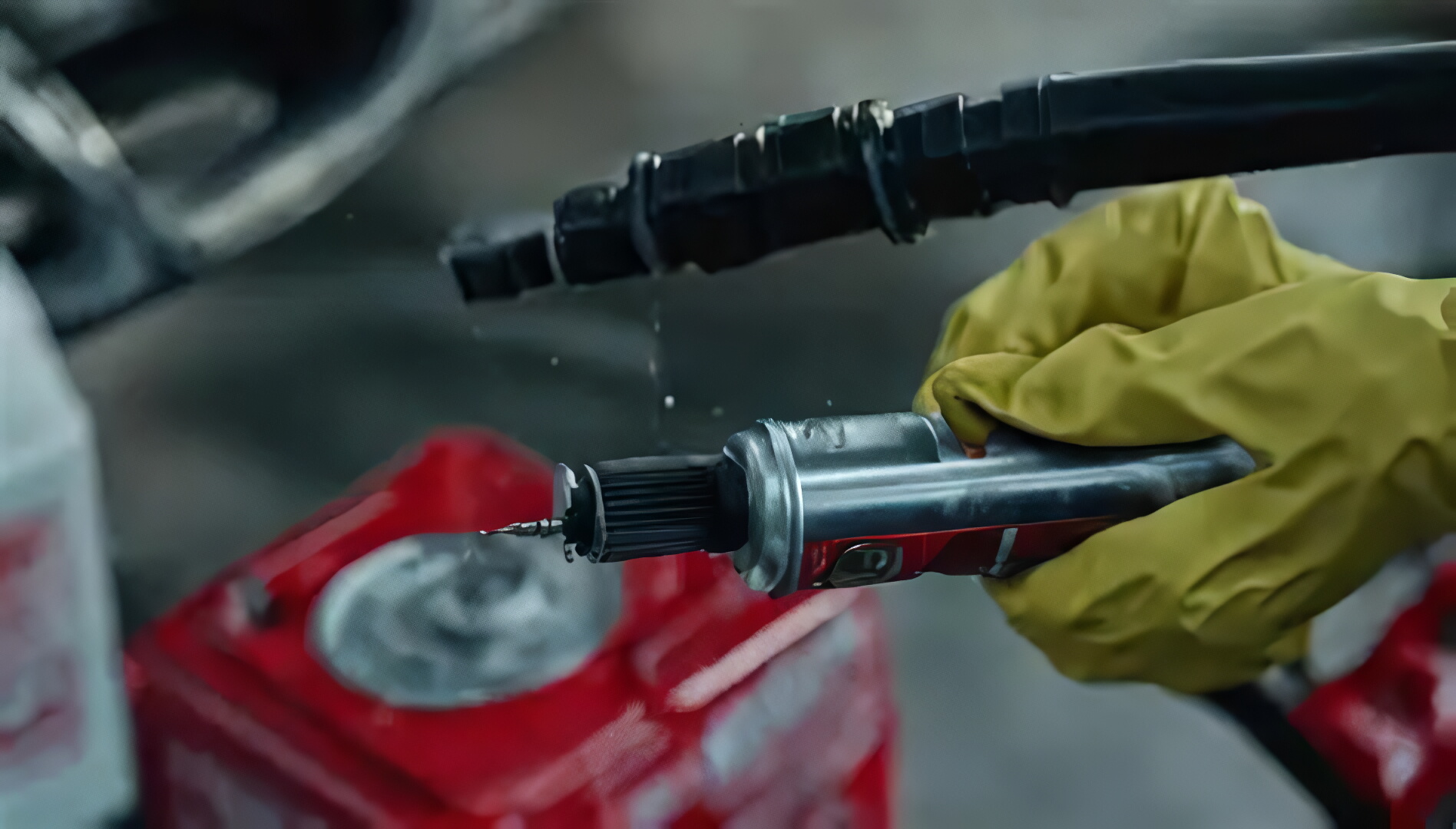
Fuel additives can have a place in vehicle maintenance, but they are not a universal substitute for professional cleaning. A tank additive mixes with the fuel and may help reduce light deposits in fuel-system components.
It cannot perform every type of cleaning that a technician can perform with specialized equipment. Picture two different situations. In the first, an otherwise healthy engine has mild injector deposits.
A suitable fuel-system detergent may help maintain cleaner injectors. In the second, a direct-injection engine has heavy carbon deposits on its intake valves.
Adding cleaner to the fuel tank will not directly scrub those valve surfaces because the gasoline does not travel across them in the same way as it does in a port-injected engine.
There is another important limit. Fuel cleaner cannot repair a failed fuel pump, damaged injector, bad ignition coil, vacuum leak, faulty oxygen sensor, or mechanical engine problem.
If the vehicle continues running poorly after an additive is used, repeating the treatment may simply delay proper diagnosis. Used appropriately, an additive can be a maintenance tool.
It should not become a substitute for inspection when the car is showing persistent symptoms.

How Should You Decide If Your Car Needs It?
Start with the owner’s manual. It can tell you whether the manufacturer specifies fuel-system maintenance and whether a particular procedure is required. That information is more useful than a generic service interval because it relates to the engine installed in your vehicle.
Next, pay attention to how the car behaves. Smooth idle, normal acceleration, easy starting, and steady fuel economy provide little reason to suspect a deposit-related problem.
Rough running, hesitation, hard starting, poor fuel economy, or misfires deserve an inspection. Then ask the shop for details. What part is dirty? How was that determined?
What cleaning method will be used? Is the service intended to correct a current symptom, prevent a known problem, or simply follow the manufacturer’s schedule?
Those questions can turn a vague recommendation into a useful maintenance decision. A fuel system cleaning is neither a scam nor a mandatory service for every vehicle.
It can be worthwhile when deposits are actually affecting operation or when the manufacturer calls for it. For a healthy car with no supporting evidence, there may be little reason to pay for it.
The best approach is to start with a proper diagnosis, understand what the cleaning process involves, and only proceed when there is a clear reason to have the service performed.
