
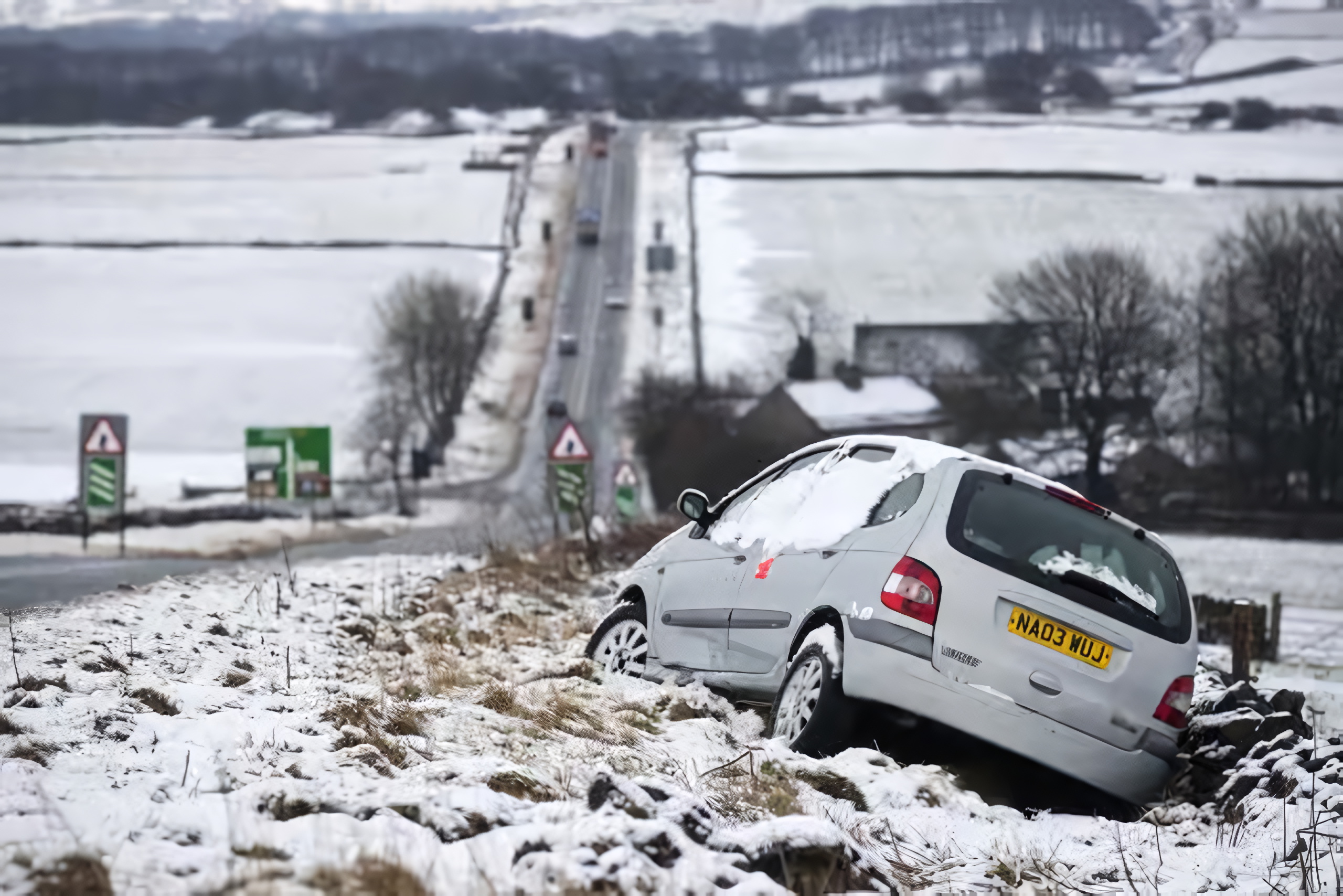
Winter road brine helps keep icy roads safer, but it can be rough on a car. The salty liquid reaches places drivers rarely see, clings to metal, holds moisture against surfaces, and speeds up corrosion. That damage may start quietly beneath the vehicle before causing a costly repair. Brake pipes can weaken, suspension hardware can rust, exhaust parts can develop holes, and electrical connections may corrode.
Even paint and wheel components can suffer after repeated exposure. The good news is that regular cleaning and sensible inspections can limit the damage. Here are 10 car parts worth watching when winter roads are regularly treated with salt or liquid de-icers.
1. Undercarriage and Frame
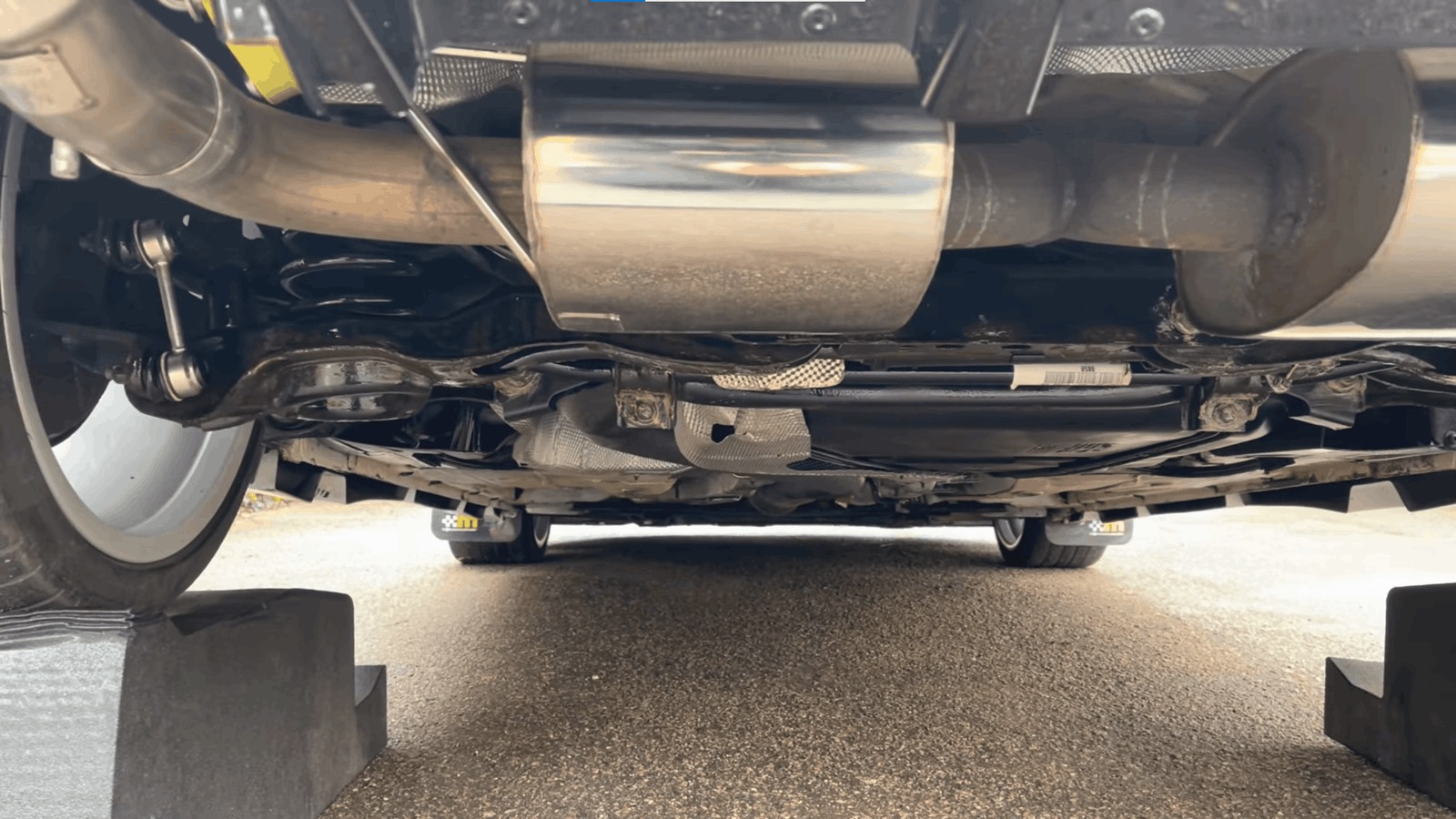
Your undercarriage takes the brunt of every brine-soaked mile you drive, and there’s no getting around it. Salt clings to exposed metal, and once it bonds with moisture, an electrochemical reaction kicks off that slowly eats away at steel.
This isn’t a cosmetic issue tucked away where nobody looks. Frame rust can compromise structural integrity over enough seasons, weakening the very bones that hold your suspension, exhaust, and body together.
Picture driving through slush for an entire winter without a single undercarriage wash. Salt builds in layers, packed into seams and crevices where it never fully dries out.
Moisture gets trapped against bare metal for days at a time, and that trapped moisture is exactly what accelerates corrosion fastest. Areas around wheel wells, frame rails, and rocker panels tend to show damage first since these spots collect the thickest coating of road spray.
Older vehicles without factory rustproofing face the steepest risk, though newer trucks and SUVs driven regularly through treated roads aren’t immune either.
Once rust perforates structural steel, repair costs climb fast, sometimes reaching levels where fixing the frame costs more than the vehicle is worth.
Regular undercarriage washes, ideally every few weeks during active winter months, rinse salt out before it has time to settle in. Aftermarket rust-proofing sprays and oil-based undercoating treatments add another layer of defense, and many independent shops offer this service specifically ahead of winter for a reasonable fee.
2. Brake Lines and Components
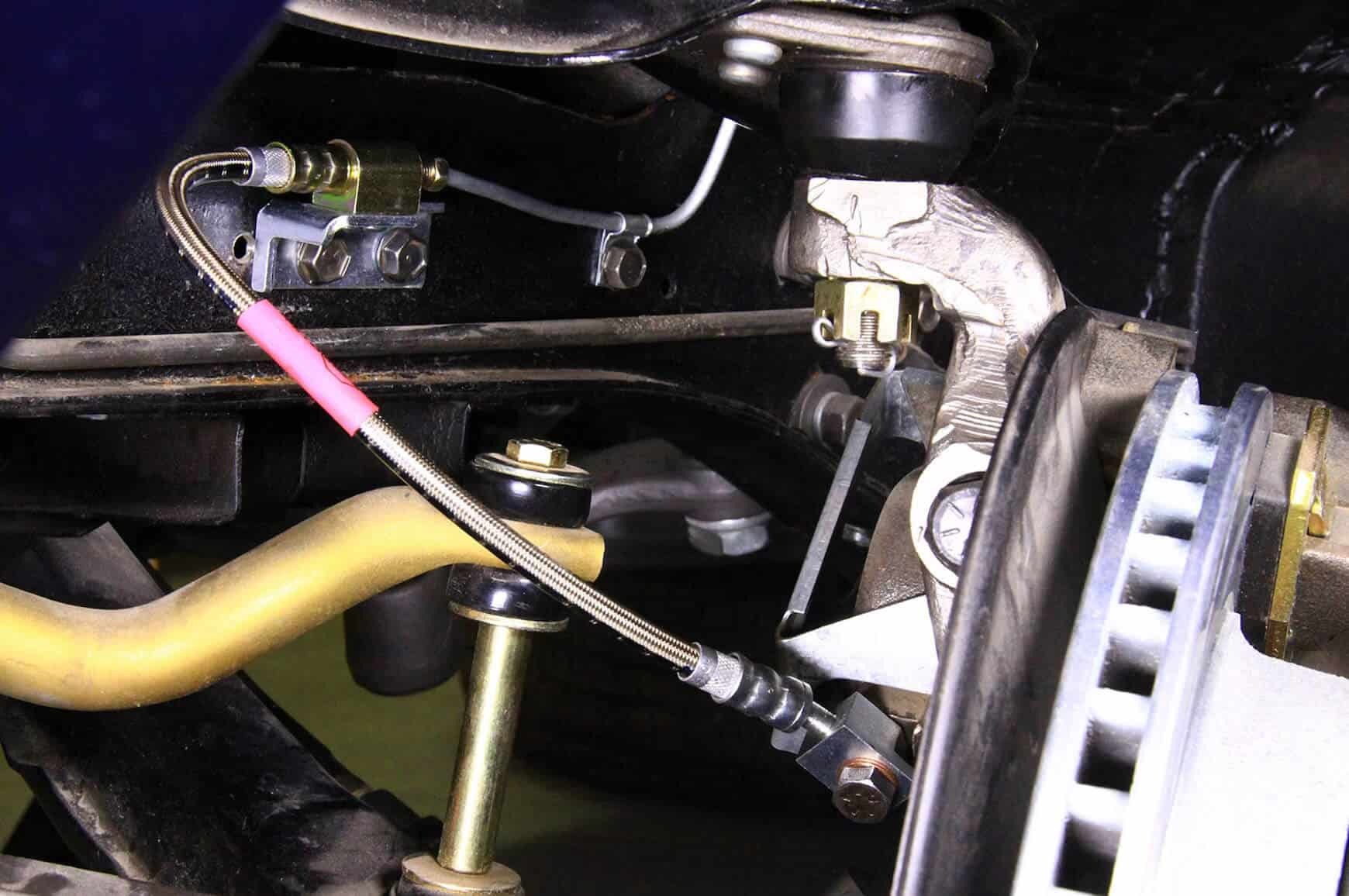
Brake lines run along your undercarriage, exposed and vulnerable, making them one of the more dangerous parts brine can compromise.
These steel lines carry pressurized brake fluid to each wheel, and once corrosion eats through the metal wall, fluid leaks follow, sometimes without obvious warning signs until pedal feel changes suddenly.
A mechanic once described inspecting a decade-old sedan where brake lines had thinned so badly from years of salt exposure that light pressure from a fingernail dented the metal.
That’s the kind of deterioration happening slowly, invisibly, underneath cars driven daily through winter without anyone noticing until a routine inspection catches it.
Calipers and rotors face similar exposure, though their damage shows up differently. Corroded calipers can seize partially, causing uneven brake wear or a pulling sensation during stops.
Rotors develop surface rust quickly, and while light surface rust typically wears off within a few stops, deeper pitting reduces braking effectiveness and shortens pad life considerably.
Vehicles parked outside through winter, especially those driven infrequently, tend to develop worse brake corrosion since rust has extended time to set in without the natural cleaning effect of regular driving.
Annual brake inspections become more important during and after winter months specifically because of this accelerated wear pattern.
Rinsing your undercarriage regularly helps here too, alongside having a trusted mechanic physically inspect brake lines rather than relying on dashboard warning lights alone, since corrosion damage doesn’t always trigger electronic alerts until failure is already close.
3. Exhaust System and Mufflers
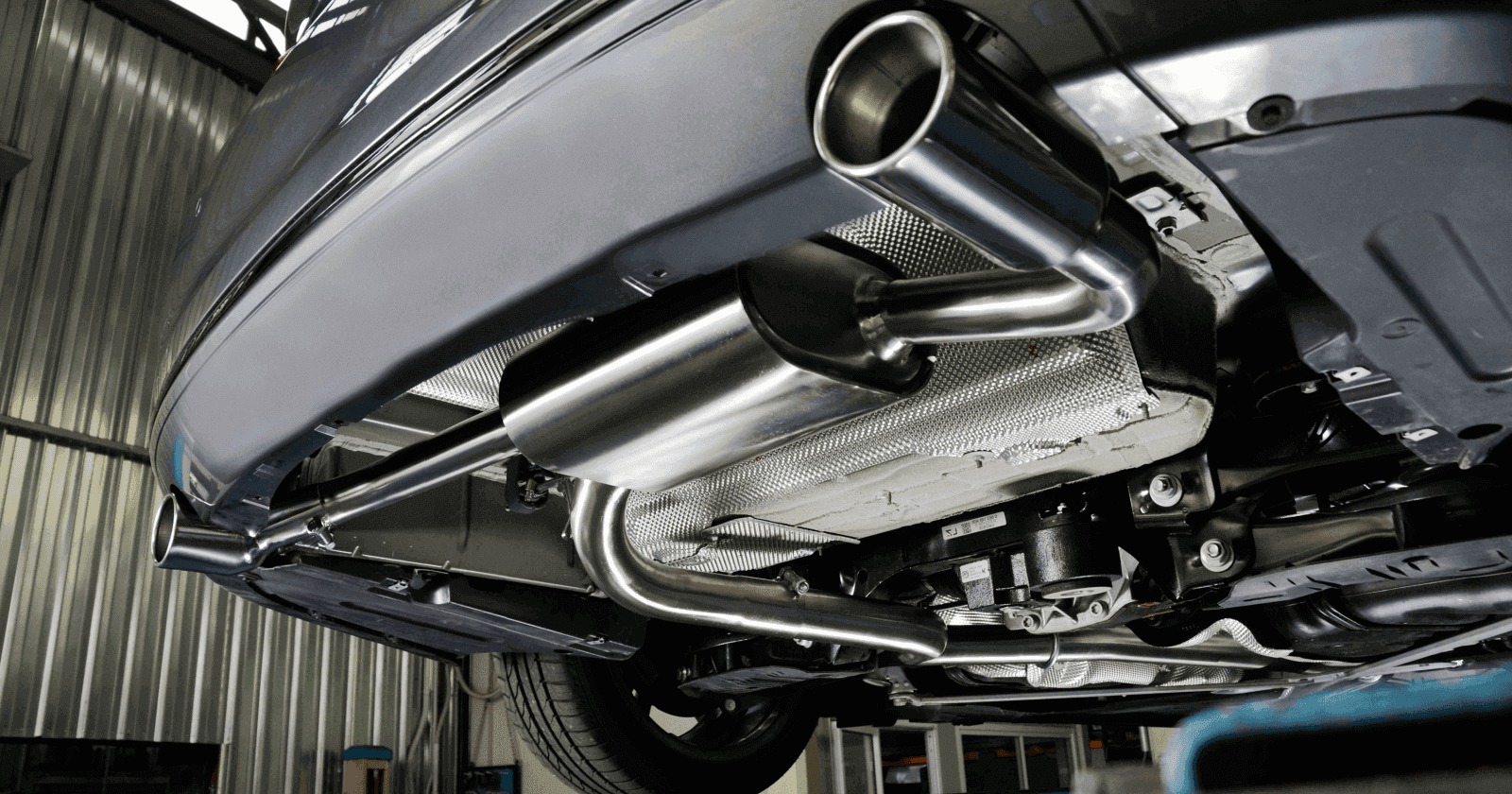
Look underneath a winter-driven car, and the exhaust system is easy to spot. Pipes, mufflers, clamps, hangers, and heat shields sit close to the road, where they receive plenty of salty water.
The combination of moisture, road chemicals, and repeated heating and cooling can encourage corrosion. A tiny rusty spot may eventually become a hole.
Once that happens, the exhaust can become louder, and fumes may escape from places where they should not. AAA lists exhaust systems among the vehicle components that can suffer serious rust damage from de-icing chemicals.
Exhaust corrosion does not always progress at the same rate. A surface can look rusty while remaining serviceable, whereas deeper corrosion around a seam, clamp, hanger, or weld may require replacement.
That is why tapping, scraping, or trying to repair heavily corroded metal without proper knowledge is a poor idea. During routine service, have the system checked from front to rear. Listen for a new rumble, ticking sound, or unusually loud exhaust note.
Also pay attention to unusual fumes around the vehicle. A damaged exhaust deserves prompt attention because the problem can involve both emissions and occupant safety.
4. Paint and Clear Coat
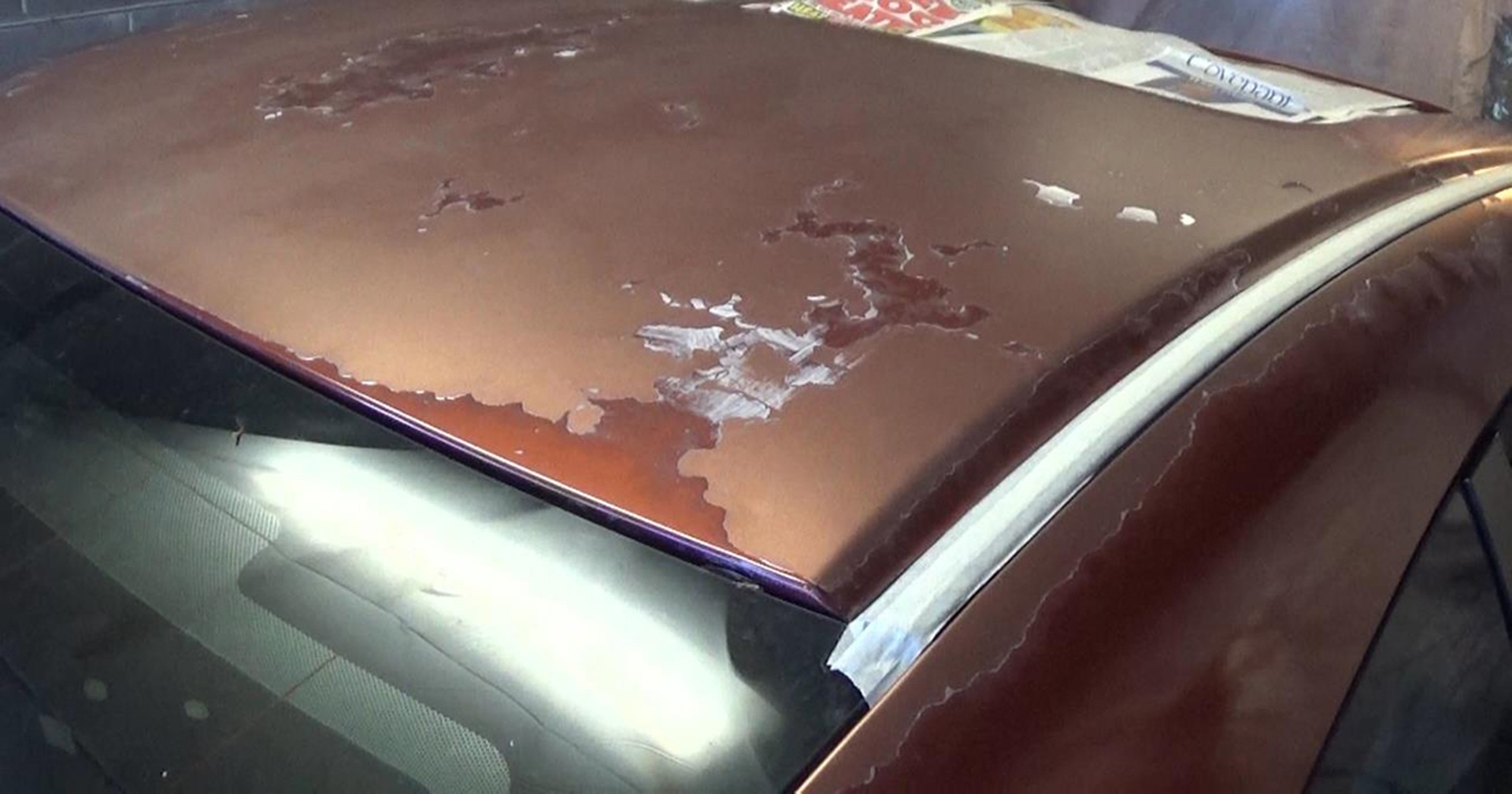
Your car’s paint is the first line of defense against everything brine throws at it, and once that barrier fails, rust gets a direct path to bare metal.
Salt is corrosive by nature, and prolonged contact with painted surfaces causes bubbling, discoloration, and clear coat peeling that starts small but spreads if left untreated.
Chips and scratches matter enormously here. Even a tiny rock chip exposes raw metal underneath, and once brine settles into that exposed spot, rust begins forming within days rather than months.
What started as a cosmetic nuisance the size of a pinhead can become a visible rust bubble by spring if nobody addresses it during winter.
Door edges, wheel wells, and lower body panels see the heaviest brine exposure since these areas sit closest to road spray kicked up by tires. Regular washing removes surface salt before it has time to work into scratches or settle against seams where panels meet.
Waxing your vehicle before winter begins adds a protective layer between paint and salt, and reapplying that wax partway through the season extends protection further.
Touch-up paint for chips, applied promptly rather than postponed until spring, prevents small exposed spots from becoming larger rust problems.
Regular car washes, ideally ones that include an undercarriage rinse, remain the simplest and most effective defense against paint damage.
Many drivers underestimate how much protection a fifteen-minute wash provides compared to the repair costs tied to addressing rust after it’s already taken hold.
5. Battery and Electrical Systems
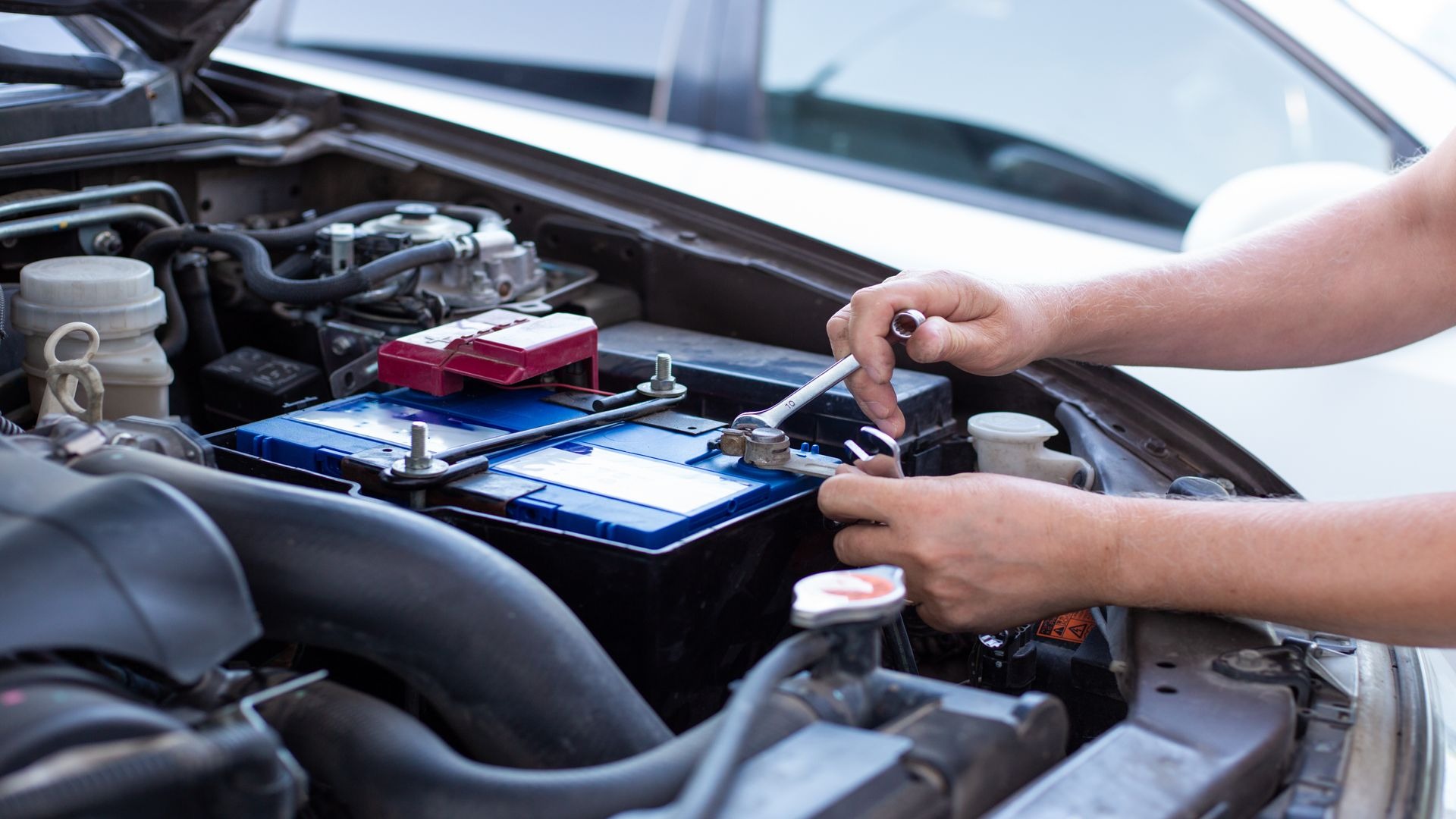
Cold weather already stresses your battery under normal conditions, reducing its cranking power and chemical efficiency. Brine complicates this further by creating conductive pathways where they shouldn’t exist, corroding terminals and connectors that batteries and electrical systems depend on for clean, uninterrupted contact.
Corroded battery terminals develop a chalky, greenish-white buildup that interferes with the connection between the battery and cable.
This buildup increases resistance, meaning your starter motor gets less power exactly when cold temperatures already demand more of it.
Drivers sometimes assume a dead battery needs replacing when the actual problem is simply corrosion blocking proper contact. Electric vehicles face a distinct version of this risk.
Battery packs mounted low on EV platforms sit closer to road spray than traditional engine bays, and high-voltage connectors require precise, uncorroded contact points to function safely and efficiently.
Manufacturers design protective sealing for these components, though damaged seals or aging gaskets can allow moisture intrusion over enough winters. Wiring harnesses running along the underside of any vehicle, gas or electric, face similar exposure.
Corroded connectors along these harnesses can cause intermittent electrical faults that are notoriously difficult to diagnose since symptoms often appear and disappear depending on moisture levels and temperature.
Cleaning battery terminals with a wire brush and applying dielectric grease creates a protective barrier against corrosion. Regular underbody washing protects wiring harnesses the same way it protects other undercarriage components, making it one preventative habit that pays off across nearly every category on this list.
6. Suspension Components
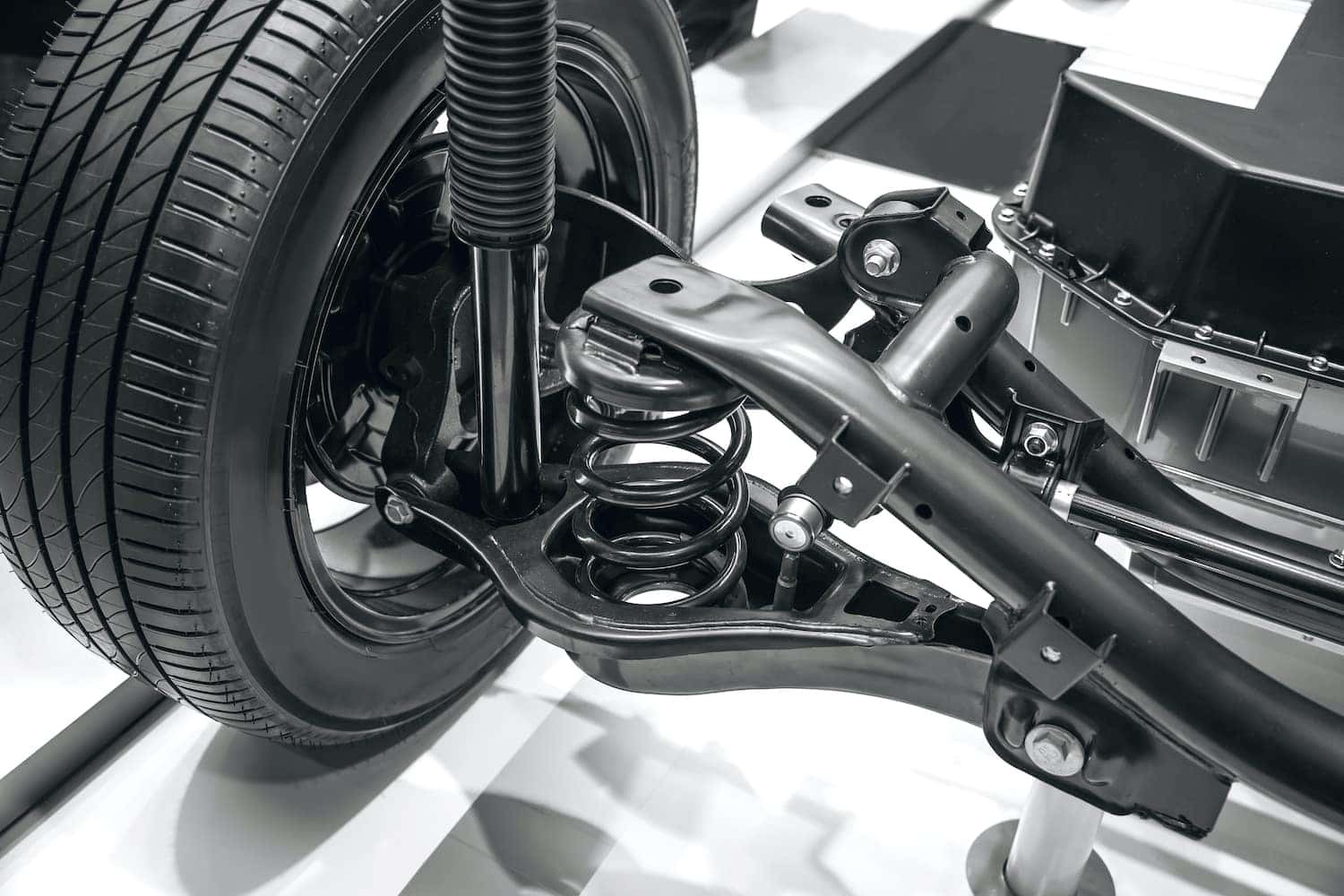
Suspension hardware spends winter close to the road, so it receives plenty of salty spray. Shock absorbers, struts, springs, control arms, mounting hardware, and other metal components can develop corrosion when brine repeatedly reaches them.
AAA specifically identifies suspension components as vulnerable to winter salt damage. Rust does not mean every suspension part needs immediate replacement.
Surface corrosion can be common, especially on older vehicles. Trouble begins when corrosion becomes deep enough to weaken a component, damage a mounting point, or interfere with a fastener.
Drivers may notice clunks, rattles, unusual bouncing, uneven ride height, or changes in handling when suspension parts have problems. Those symptoms can have many causes, so a proper inspection is needed before blaming road salt alone.
Keeping the underside clean is one of the easiest ways to reduce salt buildup. An undercarriage wash can reach areas that a normal exterior wash misses.
If a vehicle has already spent several winters on heavily treated roads, ask a technician to inspect suspension mounting areas, springs, shock bodies, and control-arm hardware during routine service.
7. Door Handles and Hinges
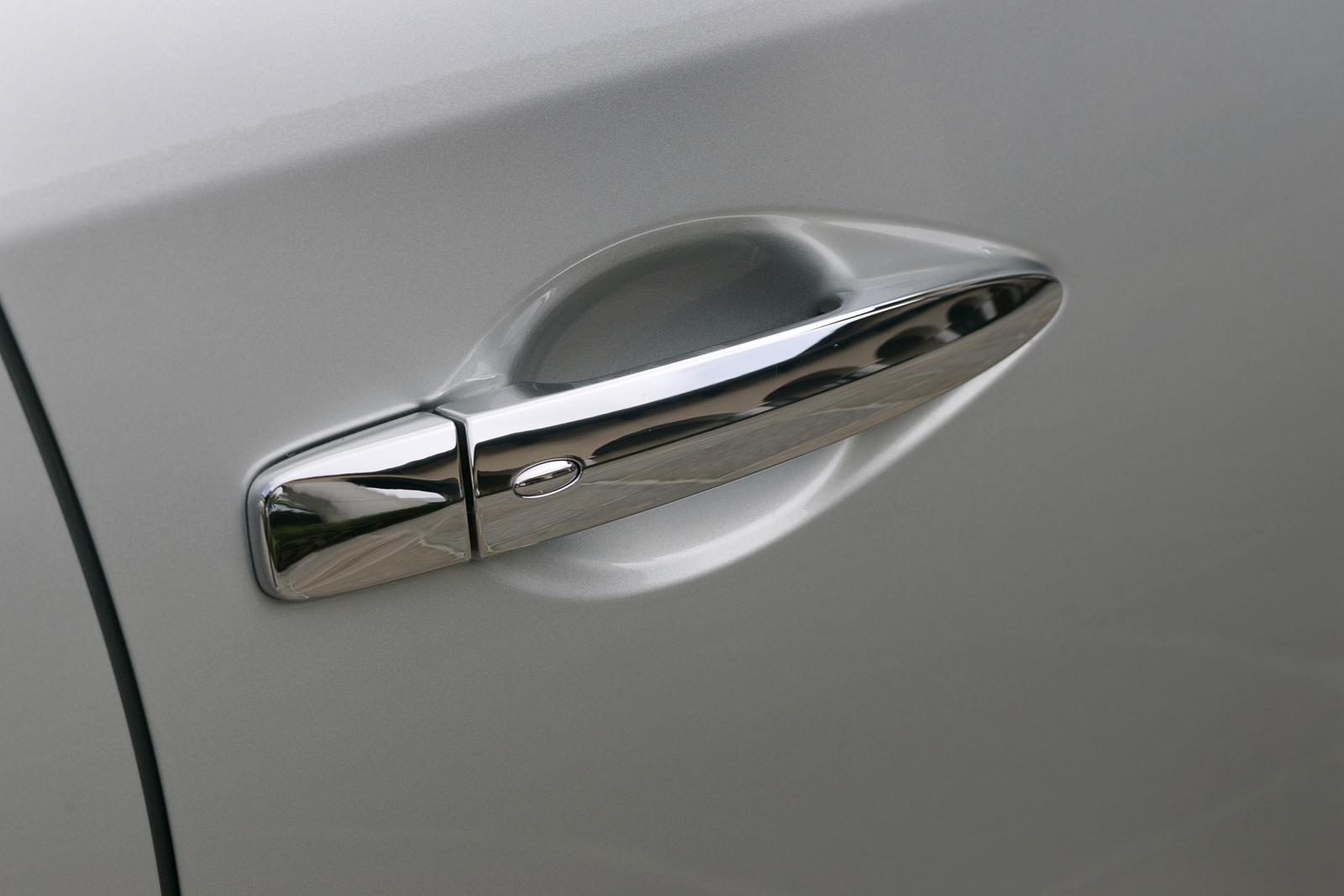
Door handles and hinges seem like minor components until one snaps off in your hand on a freezing morning, leaving you locked out or unable to close a door properly.
Cold temperatures alone make plastic and metal more brittle, and brine compounds that brittleness by promoting corrosion in hinge pins and internal handle mechanisms.
Picture reaching for your door handle after an overnight freeze, pulling with normal force, and feeling it snap cleanly rather than open smoothly.
This happens more often than most drivers expect, particularly on older vehicles where plastic handle components have already weakened from years of temperature cycling combined with salt exposure working into small gaps and seams.
Metal hinges face a different but related problem. Corrosion inside hinge mechanisms increases friction, causing doors to creak, stick, or hang unevenly.
Left unaddressed, that friction accelerates wear on hinge pins until doors eventually sag or fail to latch securely. Lubricating hinges with a silicone-based spray before winter begins reduces friction and displaces moisture that would otherwise sit against metal surfaces.
For handles, avoid forceful tugging when they feel stiff or frozen to prevent unnecessary strain on components already weakened by cold and corrosion.
Regular washing, particularly around door seams and handle recesses where brine tends to pool, removes accumulated salt before it works into these smaller mechanical parts. It’s a small maintenance habit that prevents an inconvenient and sometimes costly repair.
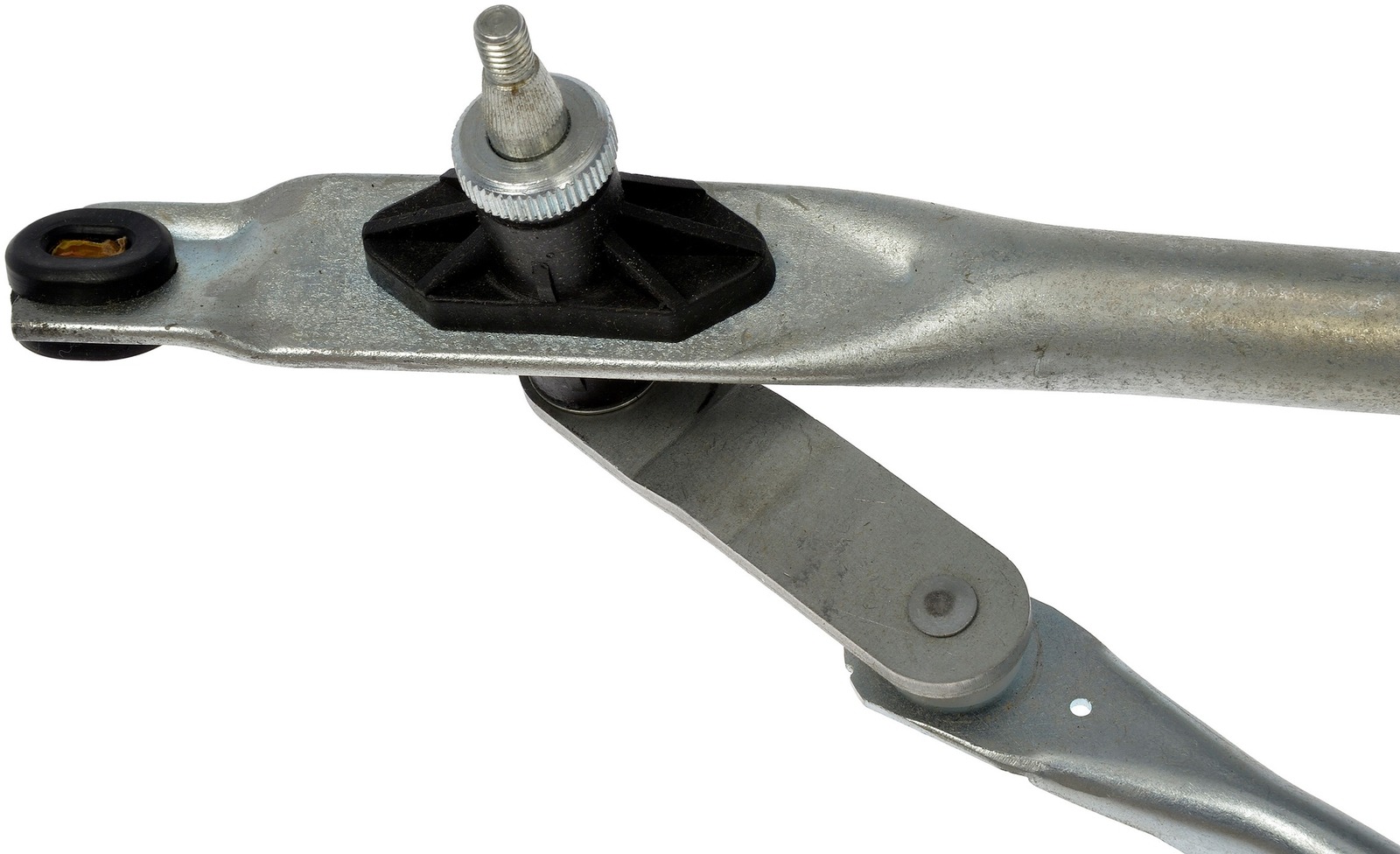
8. Windshield Wipers and Linkages
Windshield wipers face a strange kind of winter stress that most drivers don’t think about until a blade tears or a motor burns out mid-drive.
Brine and slush freeze around wiper blades and the linkage system beneath your hood’s cowl area, and forcing frozen wipers into motion puts serious strain on parts never designed for that kind of resistance.
A driver starting their car on a frigid morning, running the wipers immediately without checking whether blades are frozen to the glass, risks tearing rubber edges or straining the small motor responsible for wiper movement.
That motor isn’t built to fight through solid ice, and repeated strain of this kind shortens its lifespan considerably faster than normal use would. Wiper linkages, the metal arms connecting the motor to each blade, also corrode from brine exposure over successive winters.
Corroded linkage joints move less smoothly, sometimes causing wipers to streak unevenly or stall partway through their sweep pattern.
Rubber blade edges degrade faster in cold, salt-heavy conditions too, losing their clean wiping edge and leaving streaks across your windshield exactly when visibility matters most. Replacing blades at the start of winter, rather than waiting until they visibly fail, keeps this problem from compounding.
Before starting your wipers on any frosty morning, manually check whether blades are frozen against the glass and free them by hand if needed. This single habit prevents most of the motor and linkage damage tied to winter brine exposure.

9. Tires and Tire Pressure Monitoring System (TPMS)
Rubber itself resists salt damage reasonably well, so your tires won’t corrode the way metal parts do. The components attached to them are a different story entirely.
TPMS sensors, typically mounted inside each wheel, contain small electronic components and metal valve stems that brine can damage over enough exposure, sometimes triggering false warning lights or sensor failure altogether.
Wheels themselves, particularly steel and certain alloy designs, are vulnerable to corrosion where brine settles into crevices around lug nuts, valve stems, and the inner barrel of the wheel.
This corrosion sometimes creates a rough surface that makes proper tire sealing difficult, leading to slow air leaks that seem to have no obvious cause.
A driver noticing their tire pressure warning light illuminating repeatedly through winter, despite tires appearing visually fine, might be dealing with a brine-damaged TPMS sensor rather than an actual pressure problem.
Diagnosing this correctly saves money compared to guessing and replacing the wrong component. Reduced grip on brine-treated surfaces is worth mentioning too, since the chemical composition changes how tires interact with road surfaces compared to dry pavement or even plain snow.
This isn’t damage exactly, but it’s a safety consideration tied directly to the same substance causing mechanical wear elsewhere on your vehicle.
Rinsing wheels during regular washes, checking tire pressure manually rather than relying solely on sensors, and having a shop inspect TPMS function during routine tire rotations all help catch brine-related issues before they become expensive or unsafe.
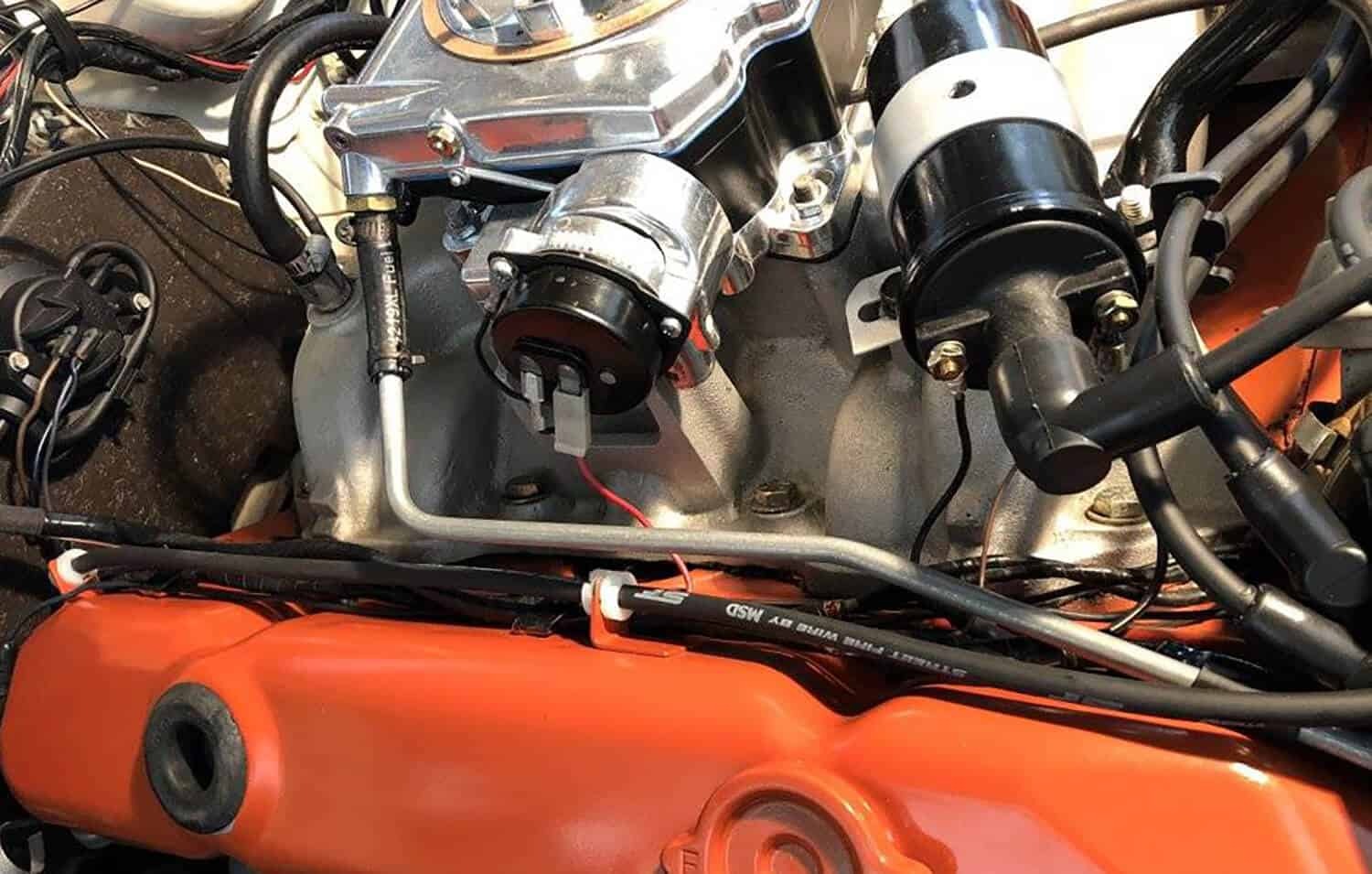
10. Fuel Lines and Engine Components
Winter road brine can cause problems for a car’s fuel system, especially when salty water repeatedly reaches the underside of the vehicle. However, road brine does not normally enter a properly sealed fuel system and mix with petrol or diesel.
The bigger concern is corrosion on exposed fuel lines, fittings, brackets, fuel tanks, and other metal parts underneath the car. Fuel lines deserve special attention because rust can gradually weaken the metal.
What begins as surface rust may become deeper corrosion after repeated exposure to salt and moisture. If a fuel line develops a leak, it can cause fuel loss and create a serious safety concern.
Drivers should watch for signs such as a strong fuel smell, damp areas underneath the car, or an unexplained drop in fuel level. Any suspected fuel leak should be inspected by a qualified mechanic before the vehicle is driven again.
The engine is generally better protected, but oil pans, wiring, brackets, bolts, and other exposed components can still collect salty residue. Regularly washing the underside of the vehicle helps remove salt deposits and reduce corrosion.
If heavy rust is already visible, professional inspection is the safer option because cleaning alone cannot repair badly weakened metal parts.
