
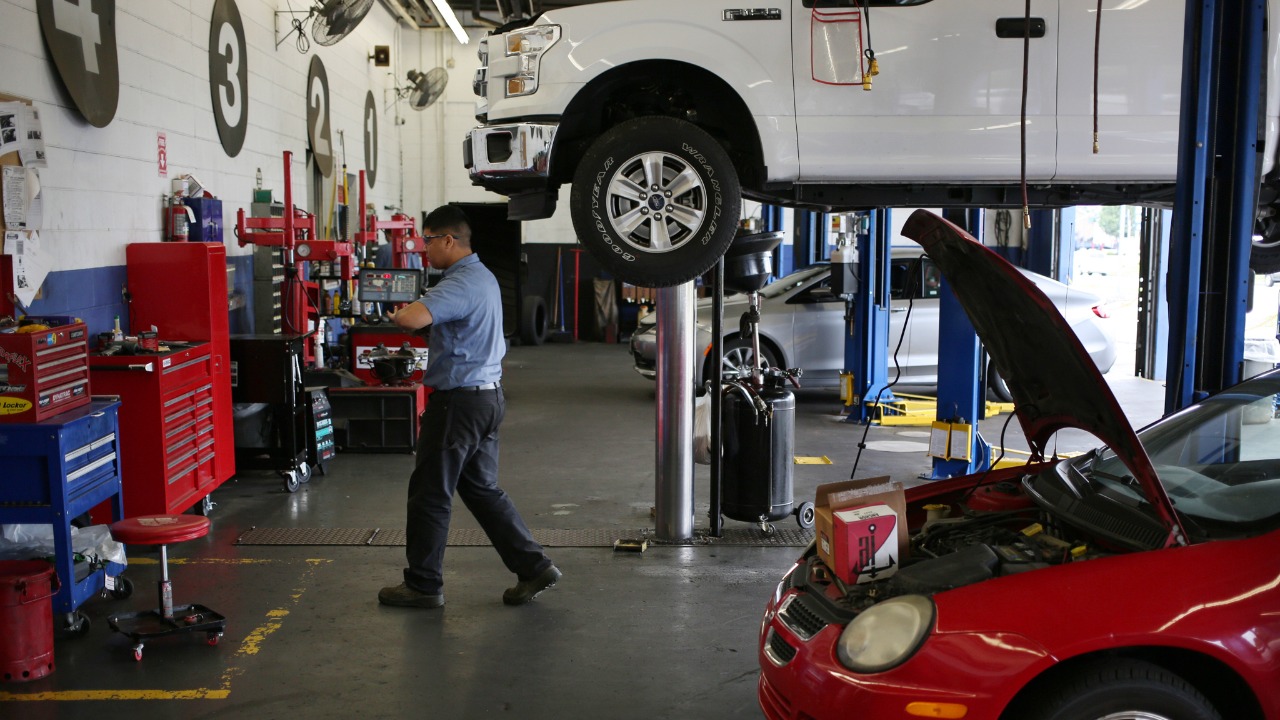
Car repairs can become expensive surprisingly quickly, but paying a professional is not always the best use of your money. Some jobs require specialized equipment, precise measurements, programming, or safety-critical procedures that make professional workmanship worth every dollar.
Others are much simpler, and a careful owner can complete them at home with basic tools and patience. The important distinction is knowing where the line falls.
A brake system repair is not comparable to replacing a cabin filter, just as a coolant-system diagnosis is different from changing windshield wipers. This guide separates five repairs worth paying for from five jobs that sensible owners can handle themselves.
5 Repairs Worth Paying For
1. Airbag System Repairs
Airbag repairs are among the jobs where saving labor costs is rarely worth the risk. An airbag system is designed to deploy within fractions of a second during a serious collision, meaning every component has to function correctly and communicate with the vehicle’s restraint-control system.
Modern vehicles can contain multiple airbags, seat-position sensors, crash sensors, pretensioners, and electronic control modules. A warning light may indicate a problem with any one of these components, and determining the actual cause is not necessarily as simple as replacing the part that appears suspicious.
The difficulty increases after a collision. Some vehicles require replacement of deployed airbags, seat-belt pretensioners, or crash sensors, while the restraint-control module may also need specific procedures. Simply installing a replacement airbag does not guarantee that the complete system will operate correctly.
Professional technicians also have access to manufacturer-specific diagnostic equipment and service procedures. That can be essential when a fault needs to be identified before parts are replaced or when a module requires programming.
This repair is worth paying for because the airbag system is not something you want to discover was incorrectly repaired during an emergency. A mistake can leave a vehicle appearing perfectly normal while compromising occupant protection.

There is also no sensible reason to experiment with a component specifically designed to deploy explosively. Even when the repair appears mechanically straightforward, handling restraint-system components incorrectly can create serious personal-injury risks.
For these reasons, airbag diagnosis, replacement, and post-collision restraint-system work are jobs best entrusted to a qualified technician familiar with the particular vehicle.
2. Automatic Transmission Rebuilds
An automatic transmission rebuild is another repair where professional labor is usually money well spent.
Modern automatic transmissions can contain hundreds of individual components, including clutch packs, planetary gearsets, valves, seals, bearings, and electronically controlled hydraulic components. Getting one small detail wrong can prevent the entire transmission from operating correctly.
The problem begins with disassembly. A transmission may need to be removed from the vehicle before the internal work even starts. That alone can require a lift and specialized equipment. Once opened, the technician has to inspect numerous components for wear rather than simply replacing whichever part looks damaged.
Cleanliness is critical as well. Automatic transmissions depend on precisely controlled hydraulic passages and small clearances. Dirt or debris introduced during assembly can create problems after the supposedly completed repair.
Modern transmissions add another layer of complexity through electronic controls. Depending on the vehicle, a rebuilt transmission may require adaptation procedures, software programming, or specific fluid-level procedures after installation.
A professional transmission shop also has specialized tools for measuring clearances, testing hydraulic components, and identifying internal damage. Those capabilities can make the difference between an effective rebuild and an expensive second attempt.
This is why a transmission rebuild is fundamentally different from many routine maintenance jobs. An experienced home mechanic may possess the technical ability to perform one, but the equipment, workspace, and diagnostic knowledge required are substantial.
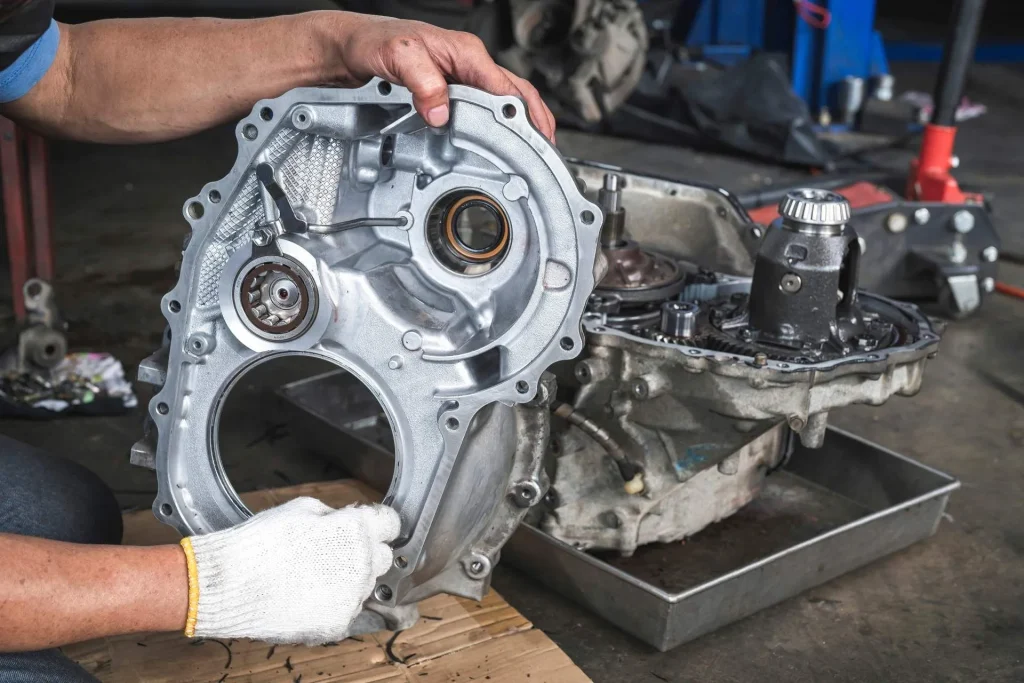
Paying a specialist can also provide accountability. A reputable transmission shop should be able to explain what failed, what was replaced, and what warranty applies to the completed work.
For a repair this expensive and technically demanding, that additional assurance can be worth considerably more than the labor savings from attempting it without the necessary equipment.
3. Wheel Alignment After Major Suspension Work
A wheel alignment is easy to underestimate because the procedure sounds simple. In reality, correct alignment involves precise measurements of angles that determine how the tires contact the road and how the vehicle responds to steering inputs.
After major suspension work, paying a professional to perform the alignment is usually a better decision than trying to approximate it at home.
The most important measurements include camber, caster, and toe. Their correct values vary by vehicle, and even a relatively small deviation can affect tire wear, steering behavior, and straight-line stability.
Replacing components such as control arms, tie rods, steering parts, or certain suspension assemblies can change those angles enough to require a complete alignment.
Modern alignment equipment uses sensors or targets attached to the wheels and compares the measured geometry against vehicle-specific specifications. A technician can then make the appropriate adjustments and confirm the results afterward.
This is particularly important because incorrect alignment can produce consequences that are not immediately obvious. A vehicle may drive acceptably during a short test drive while gradually destroying an expensive set of tires through uneven wear. Poor alignment can also cause the steering wheel to sit off-center or make the car pull in one direction.
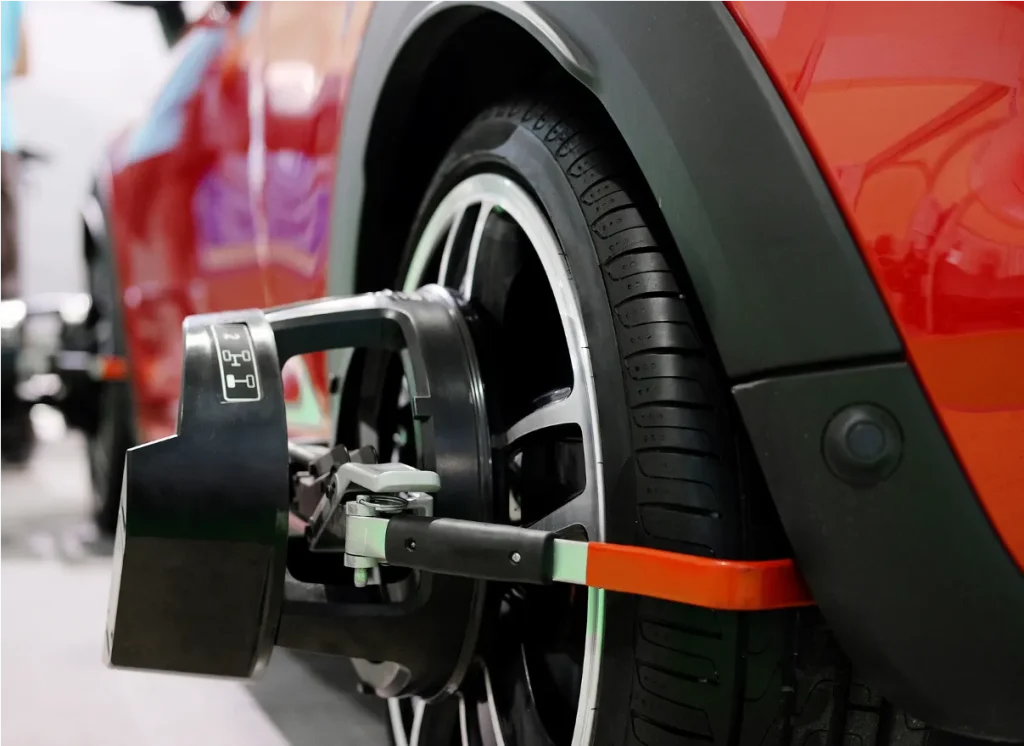
The reason this repair belongs on the professional side is precision. An owner may be able to replace the suspension component itself, but accurately measuring and correcting the resulting geometry requires equipment that is difficult to reproduce in a typical driveway.
There is another benefit to having the work documented. A professional alignment printout can show the measured values before and after adjustment, giving the owner evidence that the vehicle’s geometry has actually been corrected.
For a relatively modest service charge compared with the potential cost of premature tire replacement, professional alignment is usually money well spent.
4. Timing Belt Replacement
A timing belt replacement is one of the repairs where a small mistake can have enormous consequences. The belt synchronizes the crankshaft and camshaft, allowing the valves and pistons to operate at precisely the correct moments. If that synchronization is lost, an engine can suffer serious internal damage.
The repair itself often involves much more than removing an old belt and installing a new one. Depending on the engine, access can be restricted by other components in the engine bay. The technician may need to remove covers, accessories, or engine mounts before reaching the timing system.
Correct timing is the critical part. The crankshaft and camshaft must be positioned according to the manufacturer’s specifications before the new belt is installed and tensioned correctly.
A belt that is installed one or more teeth out of position can cause poor running or prevent the engine from starting. On interference engines, incorrect timing can potentially allow pistons and valves to collide.
The condition of related components matters too. Many manufacturers specify replacement of the tensioner and idler pulleys along with the belt, while some engines also justify replacing the water pump during the same service if it is driven by the timing belt.
That is why this repair is worth paying for when the owner lacks substantial engine experience. A professional can follow the vehicle-specific procedure, use the correct locking or positioning tools, and verify the timing before returning the car to service.
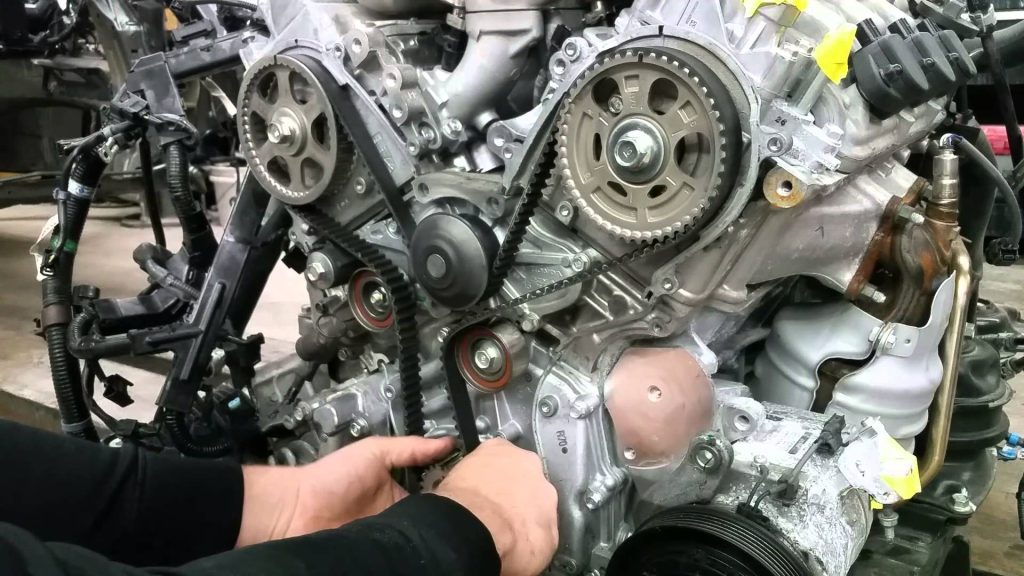
The cost of professional labor may appear high because the job can take several hours. However, that expense is minor compared with the cost of repairing an engine damaged by incorrect timing.
For an experienced enthusiast with the right tools and service information, a timing-belt job is possible at home. For the average owner, professional installation provides valuable protection against one of the costliest mistakes in routine engine maintenance.
5. Advanced Diagnostic Electrical Repairs
Electrical diagnosis is one of the areas where professional expertise can save more money than simply replacing parts. Modern vehicles contain numerous control modules, sensors, communication networks, and electronically controlled components. When something stops working, the visible symptom may be several steps removed from the actual fault.
A malfunctioning window, for example, could involve a switch, motor, fuse, wiring problem, control module, or communication issue. Similarly, an engine warning light does not automatically mean that the component named in a diagnostic code needs replacement. The code may simply indicate that the computer detected an abnormal signal.
Professional diagnostic technicians can use scan tools, wiring diagrams, multimeters, oscilloscopes, and manufacturer-specific diagnostic procedures to isolate the problem. That is especially valuable with intermittent faults, where replacing parts based on guesses can become extremely expensive.
Modern vehicles also communicate through networks such as CAN, allowing different modules to exchange information. A fault in one area can sometimes generate symptoms elsewhere, making traditional trial-and-error troubleshooting particularly inefficient.
Paying for diagnosis becomes even more sensible when programming or module configuration is involved. Some replacement electronic modules require vehicle-specific software, coding, or initialization before they can function correctly.
This repair category is included because electrical problems often punish guesswork. An owner may spend hundreds of dollars replacing sensors only to discover that a damaged wire was the real cause.
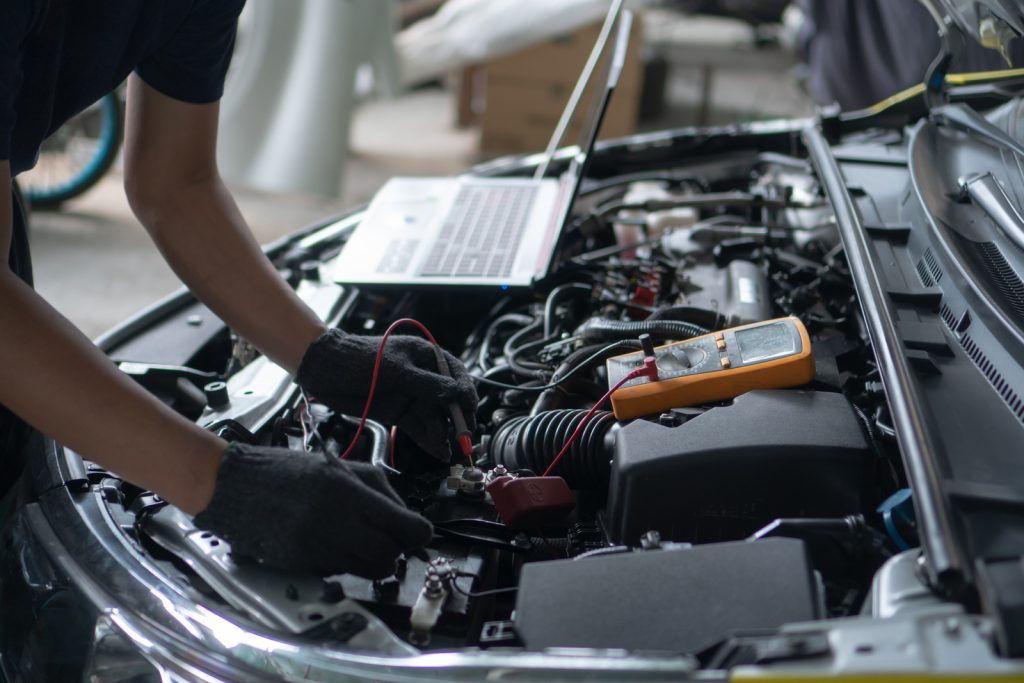
A professional diagnosis does not necessarily mean the technician must perform every subsequent repair. In some cases, an owner can use the diagnostic findings to complete a straightforward component replacement independently. Paying for accurate fault identification first can therefore be an excellent compromise.
When the problem involves complex electronics, vehicle communication networks, or intermittent electrical behavior, paying for proper diagnosis is usually cheaper than replacing parts until the warning light disappears.
5 Repairs Worth Doing Yourself
1. Engine Air Filter Replacement
Replacing an engine air filter is one of the easiest ways for an owner to eliminate unnecessary labor costs. The filter is usually housed inside a plastic airbox in the engine compartment, and access typically involves releasing clips, removing screws, or disconnecting a small number of fasteners.
The purpose of the filter is straightforward. It prevents dirt and debris from entering the engine’s intake system while allowing sufficient air to pass through for combustion. Over time, dust accumulates within the filter material and can restrict airflow.
The exact replacement interval varies according to the vehicle and operating conditions. A car driven frequently on dusty roads may require more attention than one that spends its life on clean urban pavement. Rather than replacing the filter blindly, owners can inspect it while following the manufacturer’s maintenance guidance.
Installation requires one important precaution. The airbox must be properly sealed after the filter is installed. If the cover is not seated correctly, unfiltered air can enter the intake system downstream of the filter.
This is an ideal DIY job because it involves no specialized diagnostic equipment and generally requires very few tools. The replacement filter can also be compared with the old one before installation, giving the owner an immediate indication of how much contamination has accumulated.
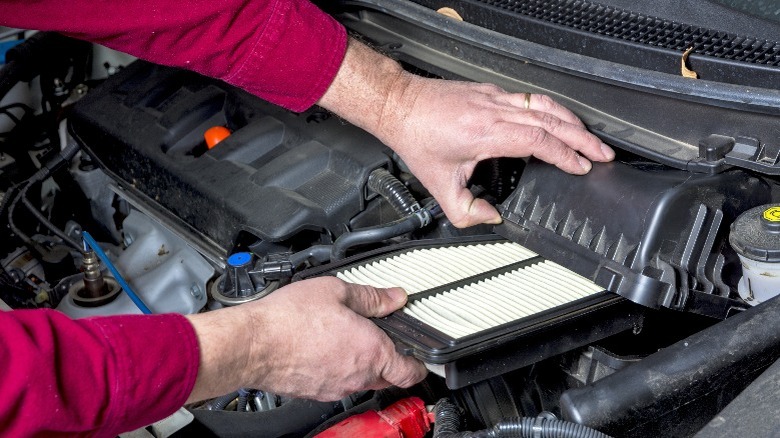
Another advantage is speed. Once the location of the airbox is known, the procedure can often be completed quickly. That makes paying shop labor particularly difficult to justify for an owner who is comfortable opening the hood and following basic instructions.
The job still deserves care because forcing clips or incorrectly positioning the filter can damage the housing. But with the correct replacement component and a clean working area, this is exactly the kind of small repair that makes financial sense to handle yourself.
2. Cabin Air Filter Replacement
The cabin air filter is another repair that rarely justifies a professional labor charge. On many vehicles, it is located behind the glovebox or beneath an easily accessible panel, allowing an owner to replace it with minimal equipment.
Manufacturer guidance commonly treats the cabin filter as a routine maintenance item, and Kia, for example, specifically lists climate-control filter replacement among owner maintenance tasks.
Its job is more important than its small size suggests. The filter catches dust, pollen, and other airborne particles before they enter the passenger compartment. A heavily restricted filter can also reduce the amount of air moving through the climate-control system, making the blower feel weaker and potentially reducing heating or cooling performance.
Honda similarly describes its cabin filter as helping filter pollutants and debris while supporting air-conditioning efficiency.
The actual replacement procedure varies by vehicle, but many designs require nothing more complicated than removing the glovebox or releasing a small access cover. The important part is installing the new filter in the correct airflow direction and ensuring the housing closes properly.
This is an ideal DIY task because the risk is relatively low when the manufacturer’s procedure is followed. There is no need to disconnect major mechanical components, remove pressurized systems, or perform electronic programming.
The savings can also be disproportionate to the difficulty. A shop may charge labor for a procedure that an owner can complete during a short break.
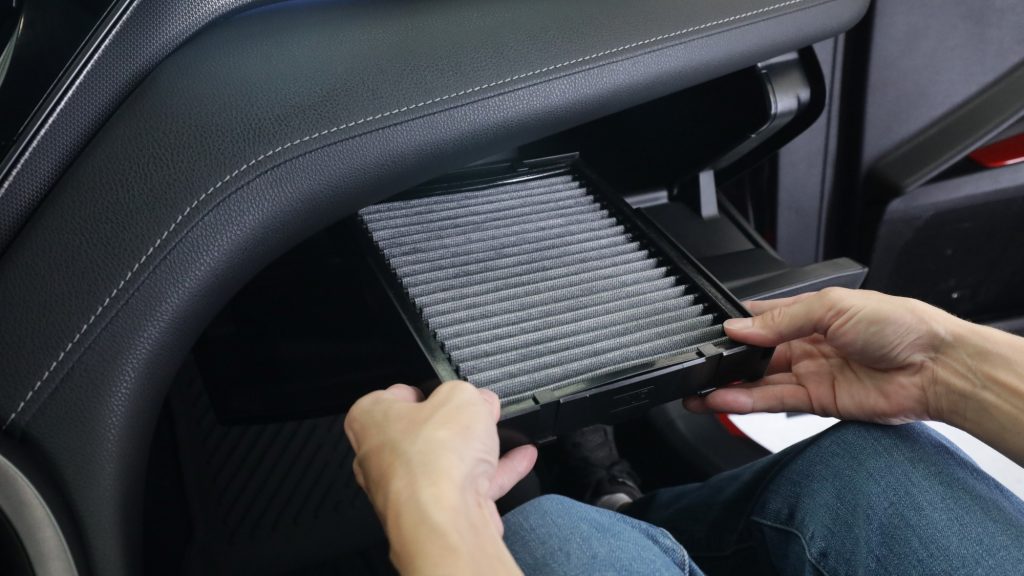
It is worth checking the old filter before throwing it away. If it is heavily loaded with dust, leaves, or debris, that provides useful information about the vehicle’s operating environment. Kia notes that cars used in severely polluted cities or dusty conditions may require more frequent inspection and replacement.
For owners comfortable with basic maintenance, replacing the cabin filter yourself is one of the easiest ways to keep money in your pocket.
3. Windshield Wiper Blade Replacement
Replacing windshield wiper blades is another job where paying a technician generally provides little advantage. The components are designed to be replaced periodically, and many modern vehicles use simple locking mechanisms that allow the old blade to be released and the new one secured without specialized equipment.
The reason to take the job seriously is visibility. A worn blade can leave streaks, skips, or patches of water across the windshield, reducing the driver’s ability to see clearly during rain. Kia’s owner’s information specifically says blades should be replaced when they become worn or cracked, or when they no longer clean the windshield adequately.
The process itself varies between vehicles. Some use traditional hook-style arms, while others use push-button or proprietary connectors. That makes checking the correct replacement type important before starting. For vehicles with unusual wiper designs, the owner’s manual is the safest reference.
One mistake beginners sometimes make is allowing the bare wiper arm to fall against the glass. The metal or plastic arm can damage the windshield, so it should be supported carefully during installation.
Manufacturer instructions can also specify a particular service position for the wipers. Mahindra’s owner’s information, for example, provides a defined blade replacement procedure and specifically warns against allowing the arm to strike the windshield.
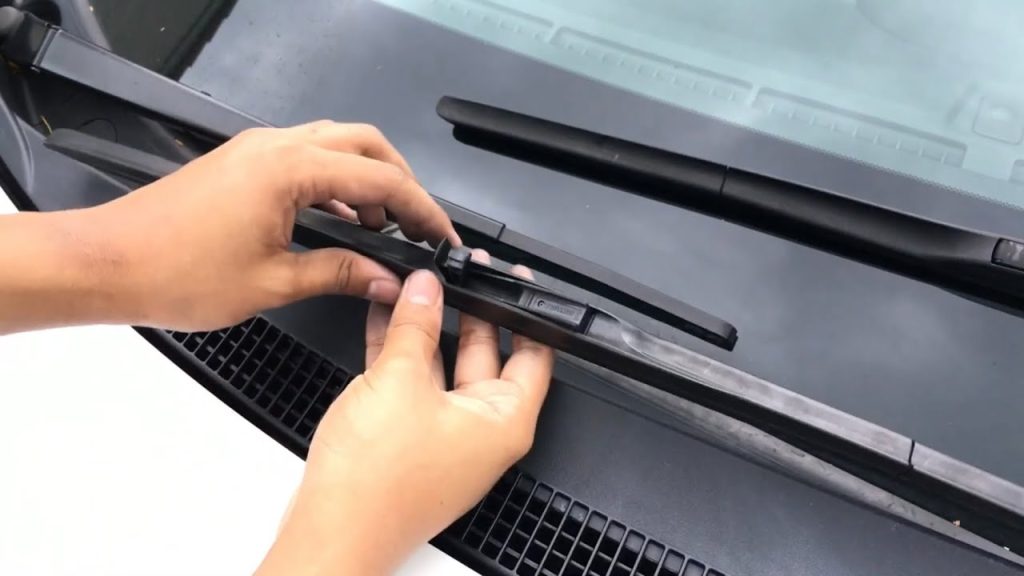
Cleaning the windshield and the replacement blades after installation is also worthwhile. Dirt, insects, and other contamination can reduce wiping performance even when the rubber itself is new. Kia recommends cleaning contaminated blades and glass before replacing them unnecessarily.
This job belongs firmly in the DIY category because it requires little time, minimal equipment, and no mechanical diagnosis. The only real challenge is identifying the correct blade and installing its connector securely.
4. Battery Replacement
Replacing a conventional 12-volt car battery is another repair that many owners can handle themselves, provided the vehicle does not use a complicated battery-management system requiring special registration or programming.
The physical job is usually straightforward, but attention to electrical polarity and vehicle-specific procedures is essential.
A battery supplies the electrical power needed to start the engine and operate numerous vehicle systems. Volkswagen notes that the battery supports both engine starting and the vehicle’s electronic safety and convenience functions, which explains why battery condition matters well beyond simply turning the starter motor.
The first step should always be confirming the correct replacement specification. Battery dimensions, terminal arrangement, capacity, and starting performance need to match the vehicle’s requirements. Some modern vehicles also use AGM or other specialized battery types, so substituting an inappropriate unit can create charging or durability problems.
Removal generally involves disconnecting the negative terminal before the positive terminal, releasing the retaining hardware, and lifting out the battery. Installation reverses the process, with the positive connection made before the negative connection. The exact procedure should follow the vehicle manufacturer’s instructions.
Modern vehicles introduce an important qualification. Some models have intelligent charging systems and require the replacement battery to be registered or coded through diagnostic equipment. In those cases, the physical replacement may still be simple, but the electronic setup can make professional assistance worthwhile.
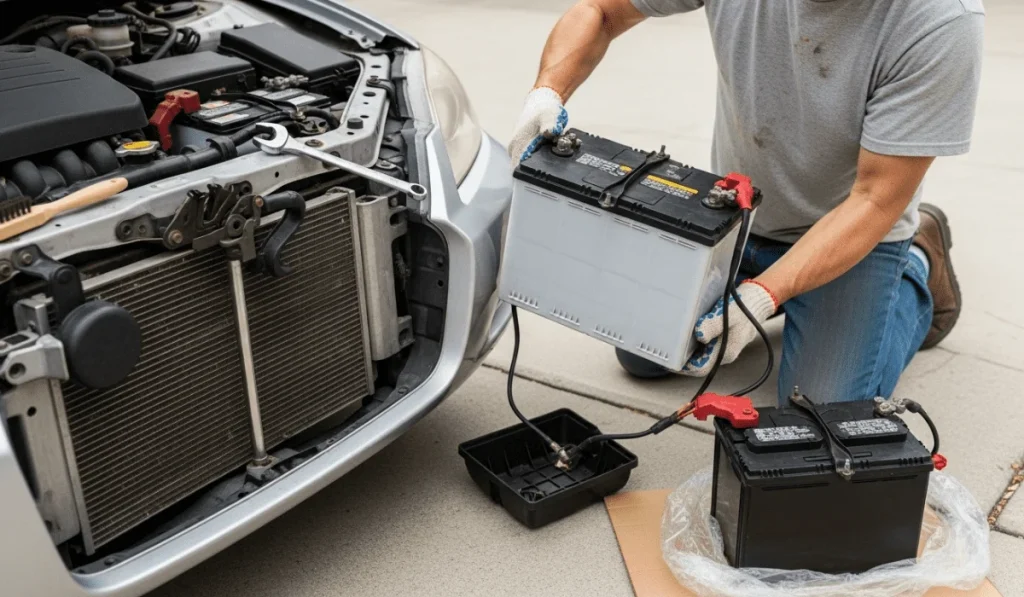
For a conventional system without those requirements, however, paying labor for battery installation is often unnecessary. The job requires careful handling because batteries are heavy and electrical shorts can cause damage, but it does not require advanced mechanical skills.
Battery replacement can be a practical DIY repair, but there is one important condition. Know what type of electrical system the vehicle uses before getting started. If the replacement requires registration, coding, or specialized battery technology, having a professional handle the job may be the safer option.
5. Engine Oil and Filter Change
An engine oil and filter change is one of the most common maintenance jobs that experienced owners can perform themselves. It requires more equipment than replacing a filter or wiper blade, but the basic procedure is still straightforward when the vehicle can be lifted and supported safely.
Engine oil performs several important functions, including lubrication, cooling, and cleaning. Volkswagen describes oil as an essential routine service consumable and emphasizes the importance of using the manufacturer’s recommended specification.
The critical issue with a DIY oil change is not the act of removing the drain plug. It is everything surrounding the procedure.
The vehicle must be safely supported, the correct oil specification and quantity must be confirmed, the drain plug must be properly installed, and the filter must be correctly fitted. Over-tightening either the filter or drain plug can create problems, while under-tightening can result in leaks.
Used oil also has to be collected and disposed of responsibly. It should never be poured onto the ground or into a drain. Owners should use an appropriate collection container and take the used oil to a recycling or collection facility that accepts automotive fluids.
The job can make financial sense because labor is eliminated and the owner controls the exact oil and filter being installed. It also provides an opportunity to inspect the underside of the vehicle for leaks or other obvious issues.
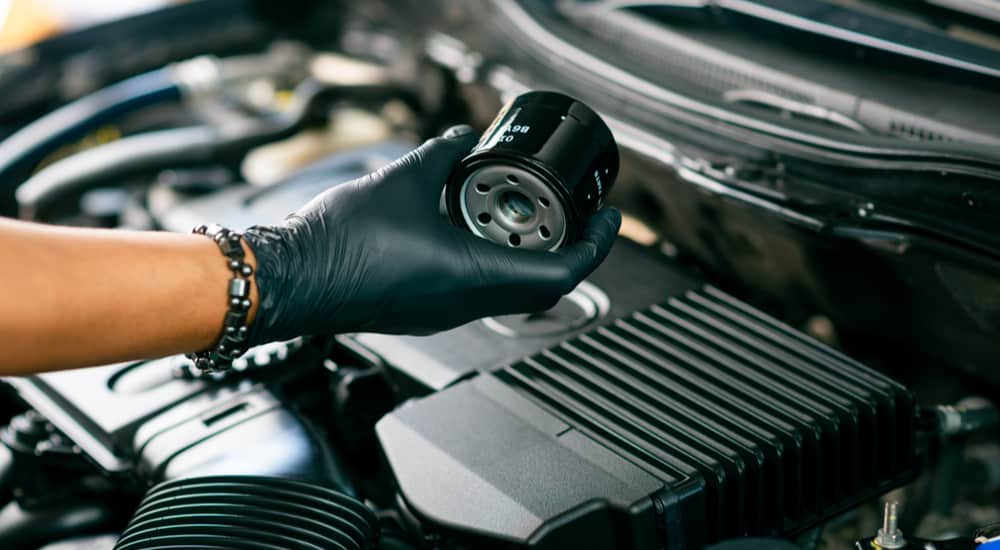
Safety, however, is non-negotiable. A vehicle must never be supported solely by a jack while someone is working underneath it. Proper jack stands or an appropriate lift are essential.
For someone who already owns the necessary equipment and is comfortable working safely underneath a vehicle, an oil and filter change is an excellent DIY task. For someone without safe lifting equipment, paying a professional is the better decision.
The repair may be simple, but safe access to the underside of the vehicle is what determines whether doing it yourself is actually worthwhile.
