
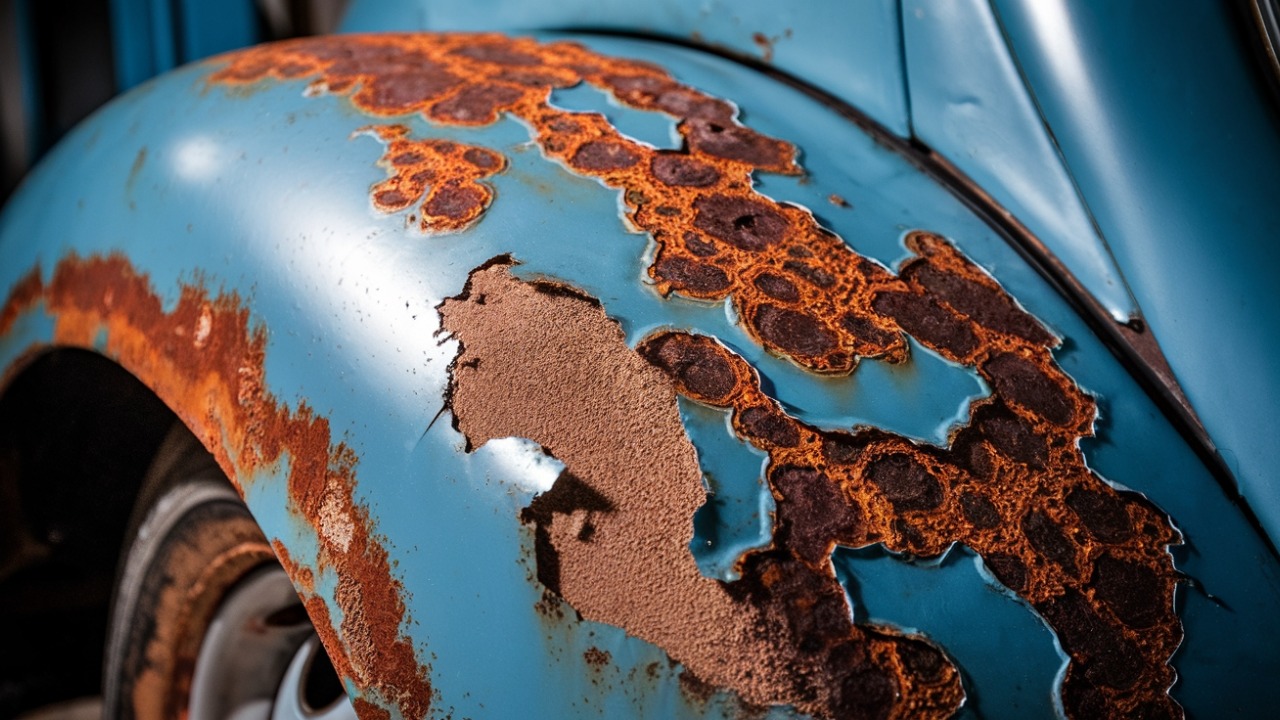
Rust is more than an ugly orange stain. Once corrosion gets into steel, simply covering the visible damage can leave the underlying problem active. The most effective treatments either remove corrosion, chemically convert it, or create a properly bonded barrier after suitable surface preparation.
Poor rust treatments can actually make matters worse by trapping moisture, dirt, and road salt against the metal and allowing corrosion to spread underneath. This guide looks at five methods that can effectively help control automotive rust and five common approaches that may accelerate the problem instead.
Knowing the difference can save owners from repeatedly treating the same rust and eventually replacing otherwise repairable metal.
5 Rust Treatments That Work
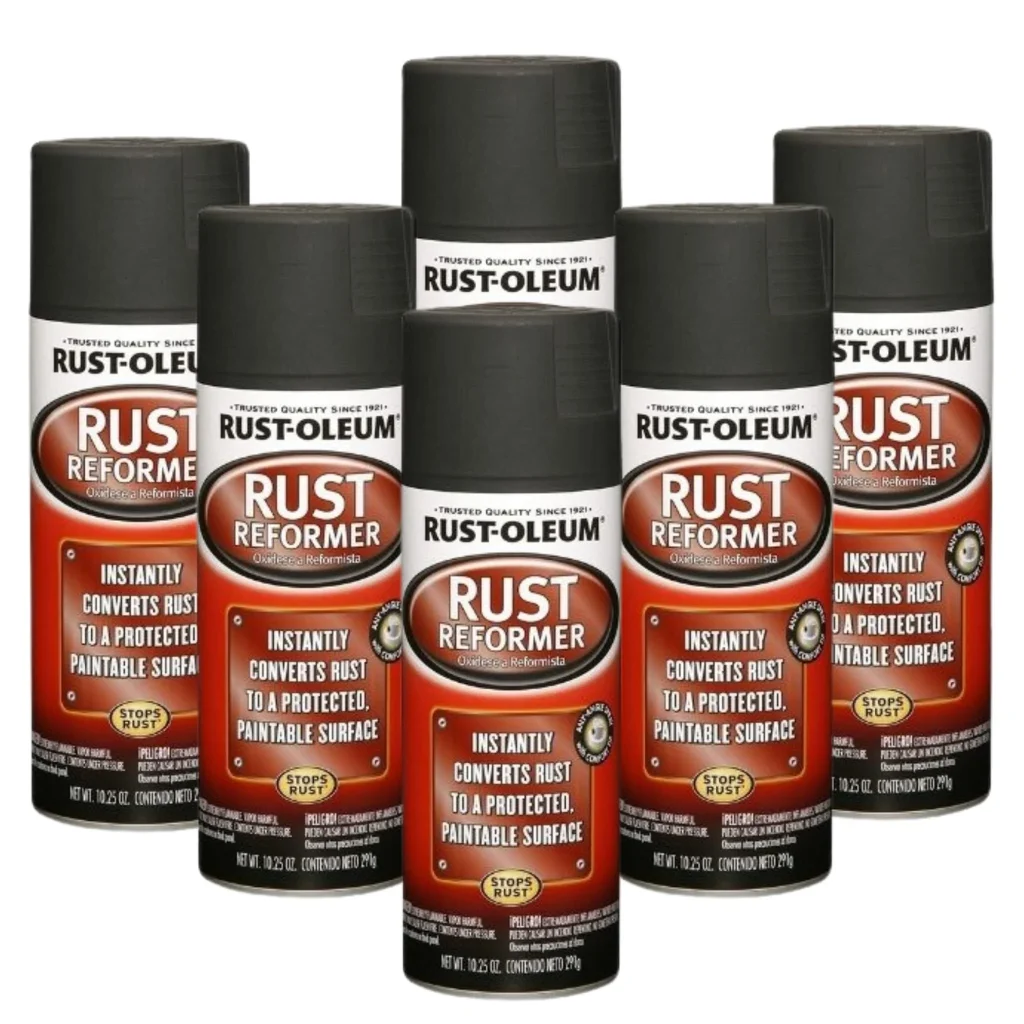
1. Rust-Oleum Rust Reformer
Rust-Oleum Rust Reformer is useful when removing every trace of surface rust is impractical, but the remaining corrosion is stable enough to treat.
The manufacturer states that the product chemically converts rust into a protected, paintable surface and bonds directly to rusty metal. That makes it fundamentally different from simply spraying ordinary paint over corrosion.
Its biggest advantage is convenience. Rust-Oleum specifically says bare-metal sanding is not required, although loose rust, dirt, and deteriorated material should still be removed before application. The treated surface develops the characteristic dark finish associated with the converted corrosion.
That preparation step should not be skipped. A converter cannot reliably stabilize loose flakes that are barely attached to the metal. Wire brushing or scraping first removes material that could otherwise separate later and take the protective coating with it.
Rust reformers become particularly useful on brackets, hardware, and other steel components where complete mechanical removal would be difficult. Once the conversion has taken place, the surface can be painted according to the product’s instructions, adding another protective layer.
The treatment is not a replacement for cutting out severely weakened metal. If corrosion has created holes or significantly reduced structural thickness, coating it does not restore the lost steel.
Its real value is therefore preventive and corrective at the surface level. Used on properly prepared rust, it can turn an active corrosion problem into a stable base for further protection rather than simply hiding the orange discoloration beneath ordinary paint.
2. POR-15 Rust Preventive Coating
POR-15 Rust Preventive Coating takes a different approach from a conventional rust converter. The manufacturer describes it as a non-porous coating designed to seal and protect rusted or seasoned metal from water, salt, chemicals, and other corrosive contaminants.
That makes surface preparation particularly important. POR-15 is intended to bond to properly prepared rust, not to loose dirt, grease, or unstable scale. The company’s broader rust-control system includes dedicated cleaning and preparation products before the coating stage.
Once cured, the coating forms a hard barrier intended to keep corrosive contaminants away from the metal. This makes the product particularly interesting for restoration work, chassis components, and other areas where preserving an existing steel surface is more practical than replacing the component.
The coating should not be viewed as a magical way to repair structural corrosion. If a frame section has become dangerously thin or perforated, applying a coating cannot restore the metal’s original strength. Structural repairs require proper fabrication and welding where appropriate.
Another important consideration is application. A durable coating is only useful if it bonds correctly and covers the intended surface. Contamination, inadequate preparation, or moisture trapped beneath the coating can compromise the result.
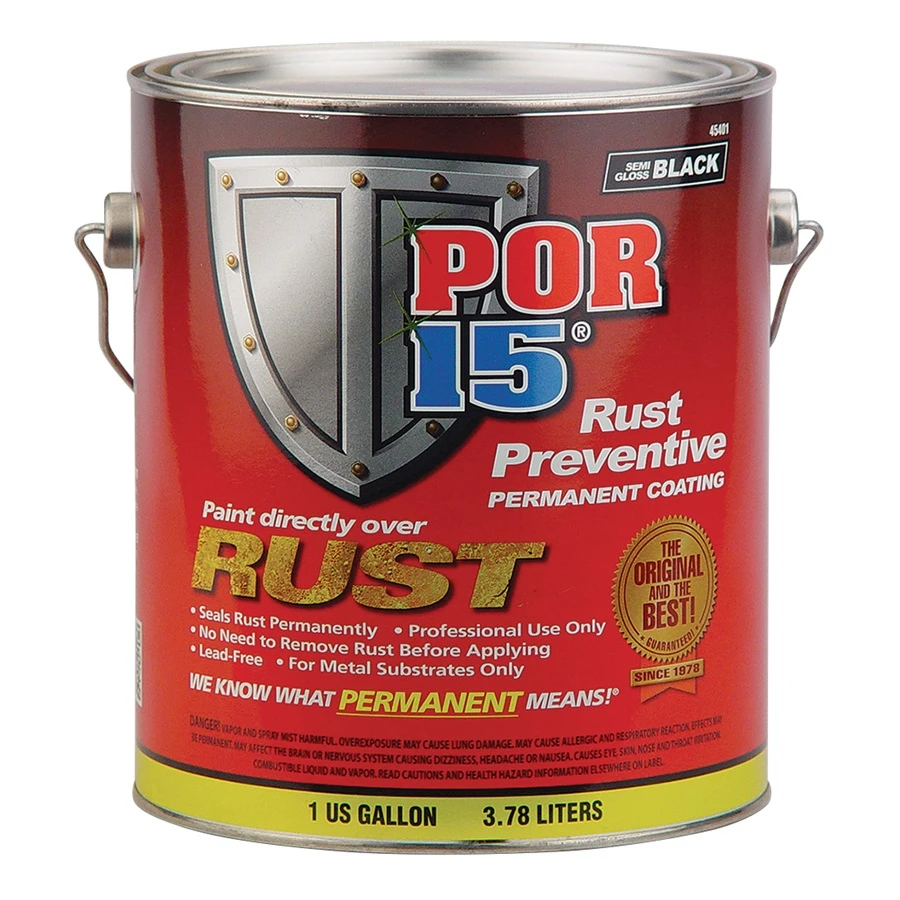
POR-15 stands out because its core approach is straightforward and effective. After the corroded surface is properly prepared, the coating forms a tough protective barrier that helps keep moisture and other corrosive contaminants away from the metal. When applied to the right type of rust, it provides far more protection than simply covering untreated corrosion with ordinary paint.
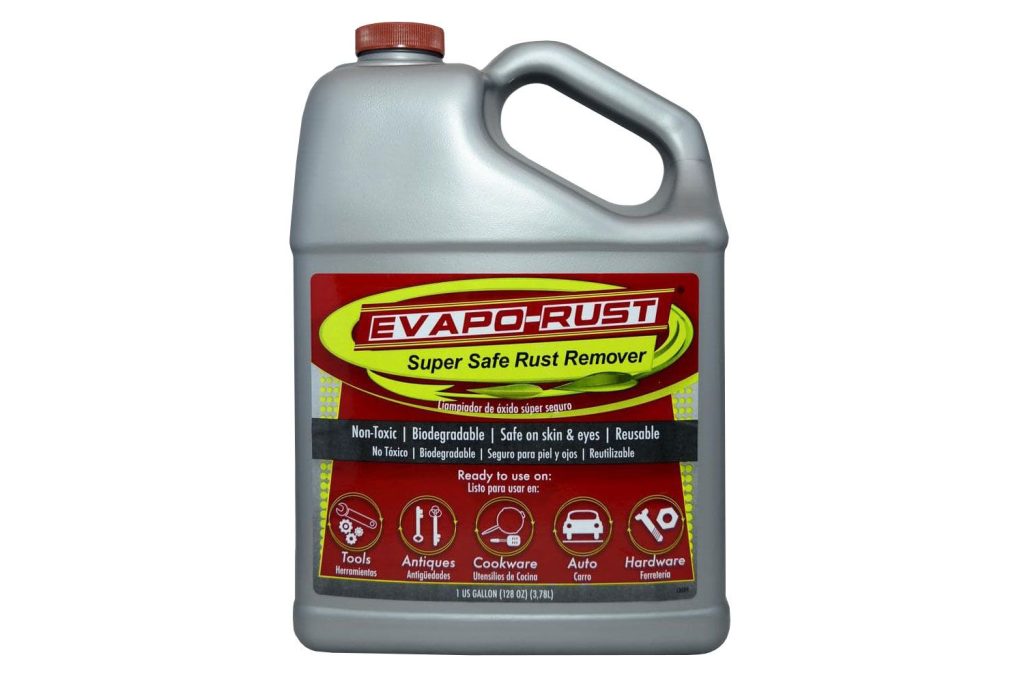
3. Evapo-Rust
Evapo-Rust is a particularly useful option when the goal is to remove rust rather than cover it. Unlike a coating that stays on the vehicle after treatment, Evapo-Rust is a water-based rust remover designed to dissolve iron oxide while leaving sound metal behind.
The manufacturer describes it as biodegradable and non-corrosive to skin, with the product intended for soaking rusty steel and iron components.
Its usefulness depends on the part being treated. Small removable components such as brackets, tools, hardware, and other steel pieces can often be submerged in the solution, allowing the treatment to reach corrosion that would be difficult to remove manually. The process is therefore quite different from spraying a coating onto an assembled vehicle.
Preparation still matters. Heavy dirt, grease, and loose scale should be removed first so the solution can contact the rust directly. Severely scaled parts may also require mechanical cleaning before or after treatment.
The major advantage is that the rust itself is being removed rather than chemically disguised or trapped beneath another layer. Once the corrosion has been eliminated, the clean metal must be protected because untreated steel can begin oxidizing again when exposed to moisture and oxygen.
Evapo-Rust is not appropriate for every automotive corrosion problem. It is most practical when a component can be removed and treated separately. It is far less convenient for large body panels, vehicle frames, or enclosed cavities.
That limitation is precisely why it deserves a place here. Effective rust control does not always mean finding the strongest coating. Sometimes the smartest approach is to remove the corrosion completely first, then apply an appropriate protective finish to the restored metal.
4. Fluid Film
Fluid film approaches rust prevention by creating a protective, moisture-resistant film rather than converting existing corrosion into another substance. The manufacturer describes its products as lanolin-based corrosion inhibitors designed to protect metal surfaces against rust and corrosion.
This makes the product particularly useful for areas exposed to road salt, water, and grime, including underbody components and other vulnerable metal surfaces. Its ability to remain as a protective film means it can continue providing a barrier after application rather than disappearing immediately like a conventional cleaner.
The important distinction is that fluid film is primarily a corrosion-prevention treatment, not a substitute for repairing heavily rusted metal. If a component already has thick, loose scale, spraying over it does not magically restore the steel underneath.
Loose corrosion should be removed first, and severely damaged structural parts may require replacement or professional repair.
Its penetrating characteristics can also make it useful around seams, fasteners, and difficult-to-reach metal surfaces where maintaining a protective layer is valuable. The coating can help reduce the amount of water and salt directly contacting exposed metal.
There is a trade-off. Because the product remains somewhat oily, it can attract dust and dirt, particularly in areas that are constantly exposed to road debris. That means application should be deliberate rather than treating every surface indiscriminately.
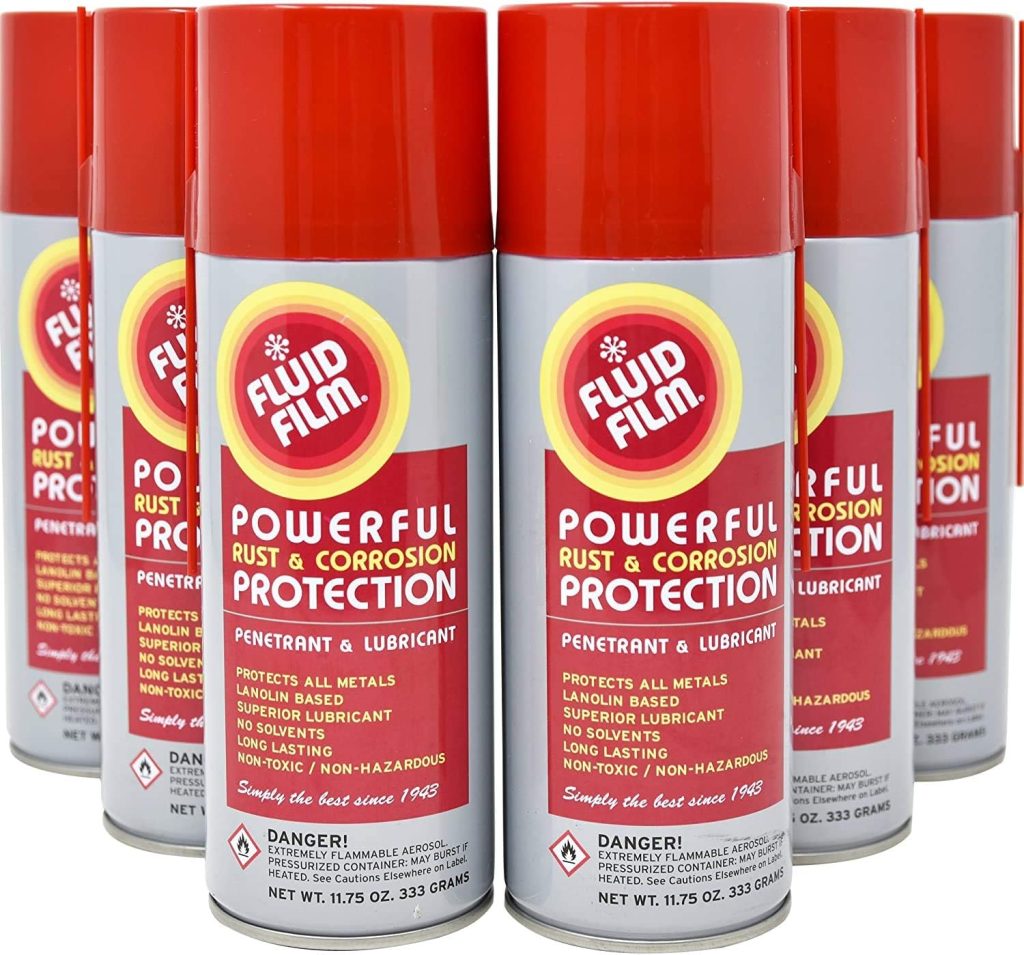
Fluid film belongs on this list because prevention is often easier than corrosion repair. Applying a suitable inhibitor to clean or lightly corroded metal can interrupt the cycle of moisture and oxidation before the problem becomes structural.
For vehicles regularly driven through winter salt, that preventive role can be more valuable than waiting until significant rust has already developed.
5. Eastwood Internal Frame Coating
Eastwood Internal Frame Coating targets one of the most challenging areas for rust treatment, corrosion hidden inside enclosed automotive structures. The product is designed for use on internal frame surfaces, with a formulation intended to reach areas that are difficult to treat with conventional exterior coatings.
This matters because vehicle frames and boxed structural sections can rust from the inside. Water, dirt, and road salt can enter through openings or seams, remain trapped inside, and begin corroding metal that cannot be inspected easily from the outside.
An exterior coating alone cannot necessarily solve that problem. The visible outside of the frame may look reasonably sound while corrosion continues internally. An internal cavity treatment addresses a part of the vehicle that ordinary paint cannot reach.
The product uses an extension wand that allows the coating to be sprayed through access holes and distributed along internal surfaces. Proper preparation remains important, particularly because loose scale and heavy contamination can prevent a protective coating from adhering effectively.
The treatment also has an important limitation. If the frame has already suffered severe structural deterioration, coating it does not restore lost metal or structural strength. A qualified professional should assess serious corrosion affecting load-bearing areas.
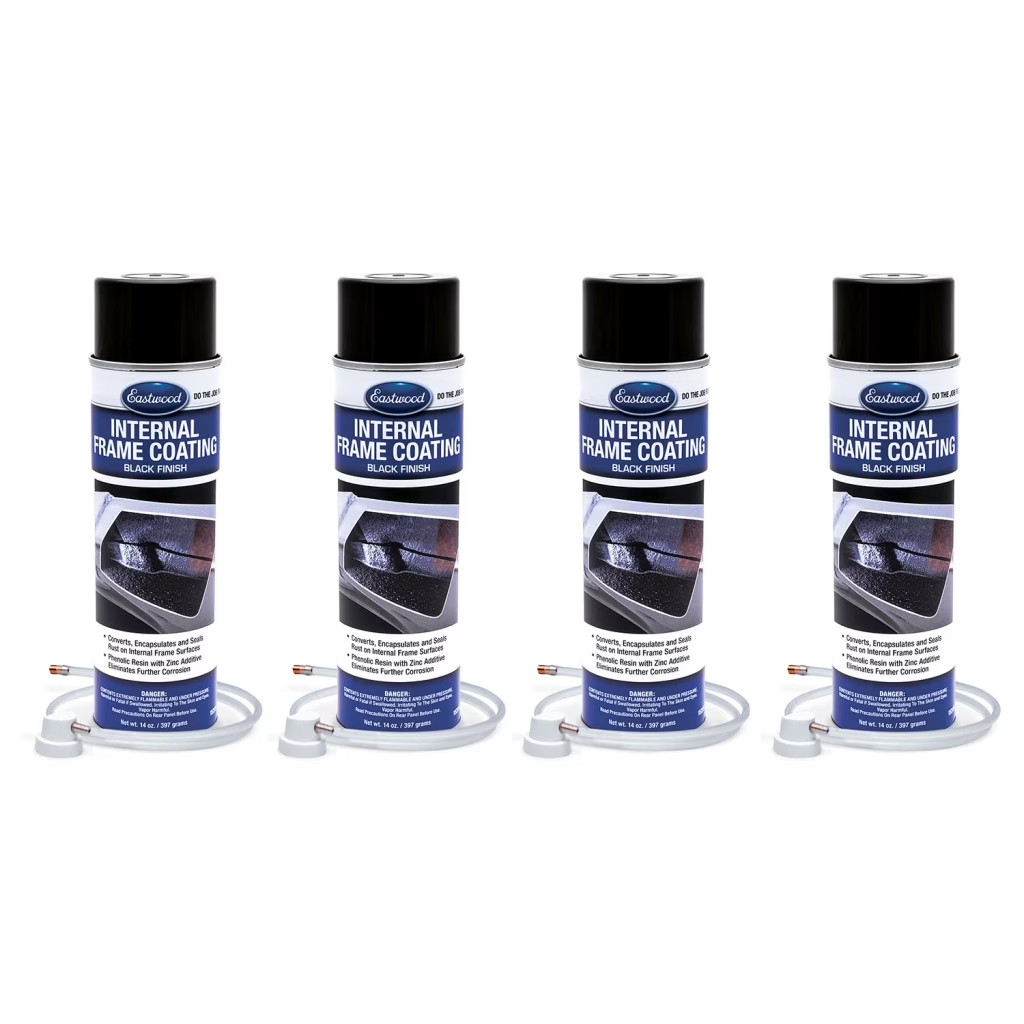
Its value lies in prevention and preservation. Treating an internally accessible frame before corrosion becomes severe can help protect metal that would otherwise remain vulnerable to moisture and road salt.
That makes it a worthwhile rust-control strategy because it addresses the location of the corrosion rather than simply improving the appearance of the visible surface. When combined with sensible cleaning and regular underbody inspection, cavity protection can help slow corrosion in one of the vehicle’s most difficult areas to reach.
5. That Traps Moisture
1. Undercoating Over Dirty Rust
Undercoating can protect a properly prepared vehicle, but applying it directly over dirty, flaky rust is one of the easiest ways to hide a developing corrosion problem. The thick material can cover the orange surface and make the underside look dramatically healthier without actually removing the corrosion.
The problem is what remains underneath. Road salt, mud, and moisture can become trapped between the steel and coating. If oxygen and water continue reaching the metal through cracks, seams, or incomplete coverage, corrosion may continue while becoming much harder to see.
The risk is particularly significant when loose scale has not been removed. Undercoating can adhere to the unstable rust rather than sound metal. When that rust eventually separates, the protective layer can detach with it, exposing fresh areas underneath.
That does not make undercoating inherently bad. Applied to clean, properly prepared surfaces, a suitable product can provide useful protection against road debris, moisture, and corrosion. The preparation determines whether the coating becomes a protective barrier or simply a cover.
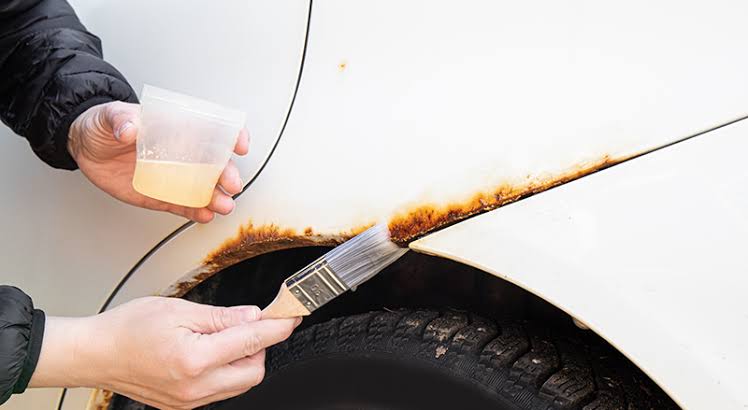
Owners should therefore inspect the underside carefully before application. Loose scale should be removed, contaminated areas cleaned, and the metal allowed to dry properly. Existing structural corrosion should also be evaluated rather than hidden.
Undercoating belongs in this category because its greatest weakness is misuse. It can protect good metal, but it cannot turn severely corroded steel into healthy steel. Spraying it over an unresolved rust problem may delay discovery while corrosion continues underneath.
2. Rubberized Spray Over Active Corrosion
Rubberized coatings are popular because they create a thick, flexible layer that can protect surfaces from water, dirt, and road impacts. The trouble begins when the material is sprayed over corrosion that has not been properly cleaned and dried.
A rubber-like coating can seal the visible surface while leaving rust underneath. If moisture has already entered the corrosion layer, the new coating may prevent it from evaporating. That creates precisely the environment an owner is trying to eliminate.
The appearance can be particularly deceptive. Fresh black coating makes a rusty frame or wheel well look clean and professionally treated. Months later, however, the material may crack, separate, or conceal expanding corrosion.
Preparation therefore determines whether the product is useful. Loose rust, dirt, grease, and salt contamination should be removed before a coating is applied. The substrate also needs to be appropriately dry and suitable for the specific product.
Another concern is inspection. A thick rubberized layer can make it difficult to visually monitor the metal beneath it. If corrosion develops later, the problem may remain hidden until the coating begins separating.
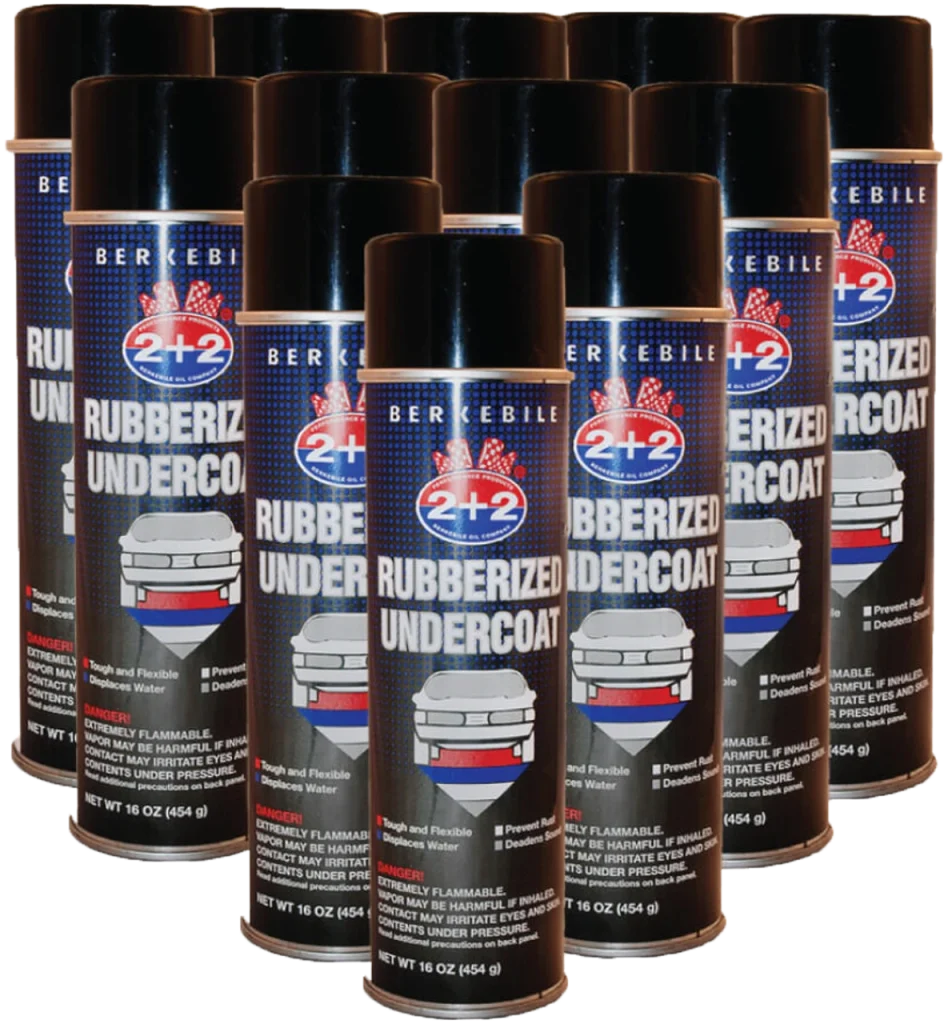
These products can have legitimate applications when used according to their instructions on properly prepared surfaces. The issue is using them as a shortcut around rust removal.
That is why this treatment belongs on the cautionary side. The material itself is not necessarily the problem. Covering active corrosion without understanding what is beneath the coating is what creates the risk. A protective coating should finish a rust-control process, not replace cleaning and inspection.
3. Silicone Sealant Applied Directly to Rust
Silicone sealants can be extremely useful for sealing properly prepared automotive seams, gaps, and joints, but they are a poor substitute for rust treatment when applied directly over corroded metal. Their ability to block water is precisely what can become problematic if moisture has already been trapped beneath the material.
A rusty surface is rarely perfectly clean. It can contain oxide scale, dirt, salt, and microscopic pockets of moisture. Covering that surface with an impermeable sealant may prevent additional water from reaching some areas, but it can also trap existing contamination against the steel.
The situation becomes particularly troublesome when the sealant begins separating from the surrounding surface. Water can enter through a small gap and travel beneath the material while remaining difficult to detect from outside.
Silicone can also complicate later repairs. Once cured, removing old sealant can require significant cleaning before another coating or repair material can bond properly.
That does not mean silicone has no automotive purpose. It can be appropriate for specific sealing applications when the surfaces are clean, dry, and compatible with the product. Its job should be keeping water out of a correctly prepared joint, not covering active corrosion.
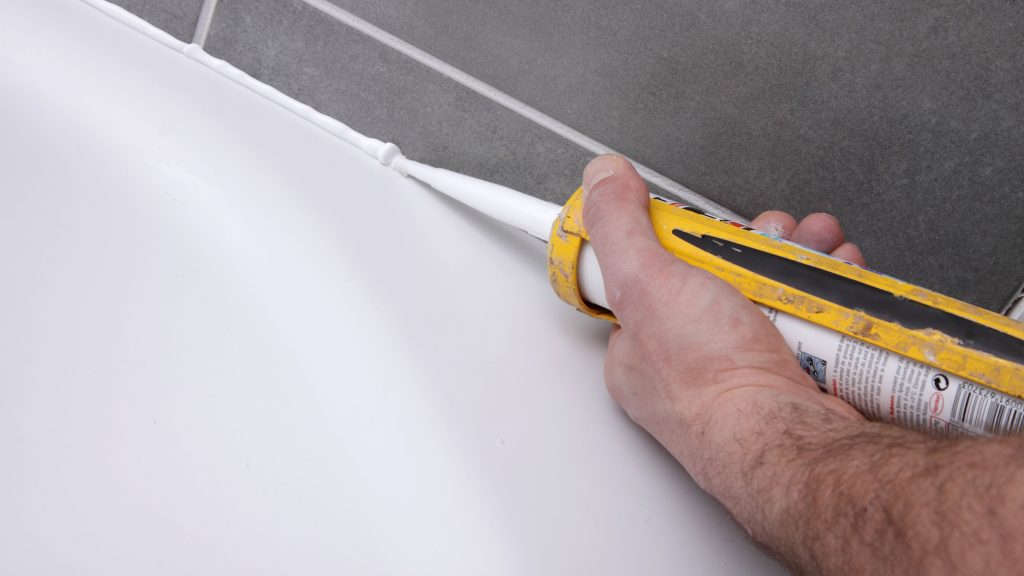
This distinction is why it appears in this section. An owner looking at a rusty seam may see sealant as an easy way to stop water intrusion. If the rust is not addressed first, however, the repair can simply hide the condition.
A proper treatment process follows a clear sequence. Start by cleaning the area, then remove or stabilize the existing corrosion and make sure the surface is completely dry. Apply a suitable sealant afterward when needed. The goal is to keep new moisture out rather than trapping moisture that is already present.
4. Paint Directly Over Flaking Rust
Ordinary automotive or industrial paint can provide excellent corrosion protection when applied to properly prepared metal. Painting directly over loose, flaking rust is a different matter. The paint may initially hide the corrosion, but the unstable material underneath can continue deteriorating.
The first problem is adhesion. Paint needs a reasonably sound substrate. If the rust underneath is loose, the paint is effectively attached to material that can separate from the steel. As the flakes detach, the coating can crack or peel with them.
Moisture creates another pathway for trouble. Rust is porous compared with solid steel, and contamination can remain within its irregular surface. Applying paint before properly cleaning and drying the area can leave moisture trapped beneath the new finish.
Looks can sometimes be deceptive. A freshly painted frame bracket or body panel may seem fully restored, but the underlying metal may still have lost thickness. Paint can improve the appearance of corroded metal, but it cannot replace steel that has already been eaten away by rust.
This is especially important for structural components. If corrosion has significantly reduced the thickness of a frame, suspension mount, or other load-bearing part, paint is not a structural repair.
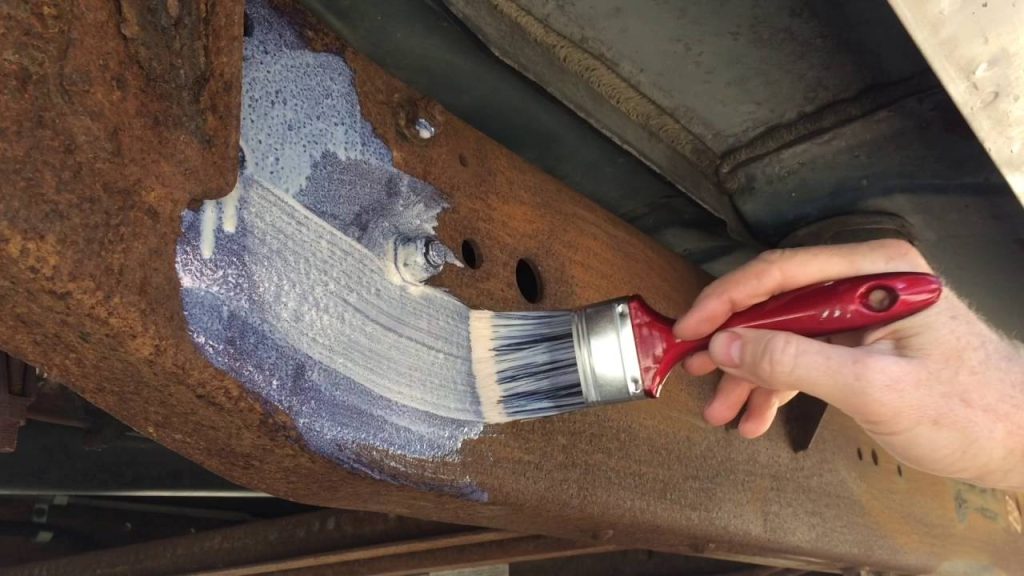
The correct role of paint comes later in the process. After rust has been mechanically removed or appropriately converted, the prepared surface can receive a compatible primer and topcoat according to the product’s instructions.
Paint therefore becomes problematic only when it is used as a shortcut. A sound coating over prepared metal can be an excellent defense against corrosion. The same coating applied directly over loose rust can simply hide the problem while the steel continues to deteriorate underneath.
5. Grease Packed Into Rusty Cavities
Grease can provide useful corrosion protection in certain applications, particularly around appropriate mechanical components and protected cavities. Problems arise when large amounts are packed into dirty, rusty areas without first cleaning and assessing the metal.
Grease is water-resistant, which is part of its appeal. Unfortunately, that same characteristic can allow dirt and existing moisture to remain trapped against a corroding surface. Road grime can mix with the grease and form a thick layer that makes the area difficult to inspect.
This is particularly concerning in cavities where water already enters through seams or drain openings. Adding grease without understanding the drainage path can create a messy environment in which contaminants remain against the metal for long periods.
Grease can also make future inspection and repair substantially harder. A technician may need to remove accumulated material before determining whether the underlying metal is sound.
There are legitimate uses for corrosion-resistant greases and cavity protectants, but they should be selected for the specific application and applied to appropriately prepared surfaces. They should not be treated as a universal answer to visible rust.
The reason this approach belongs on the list is that it can create a false sense of security. The rusty area disappears beneath a thick coating, but the corrosion itself has not necessarily been removed or stabilized.
A better strategy is to clean the cavity, remove loose corrosion where practical, ensure drainage remains open, and then apply a product specifically designed for cavity corrosion protection.
Rust prevention works best when moisture is controlled, and the metal can still be inspected. Packing dirty, wet corrosion beneath grease may accomplish the opposite.
