
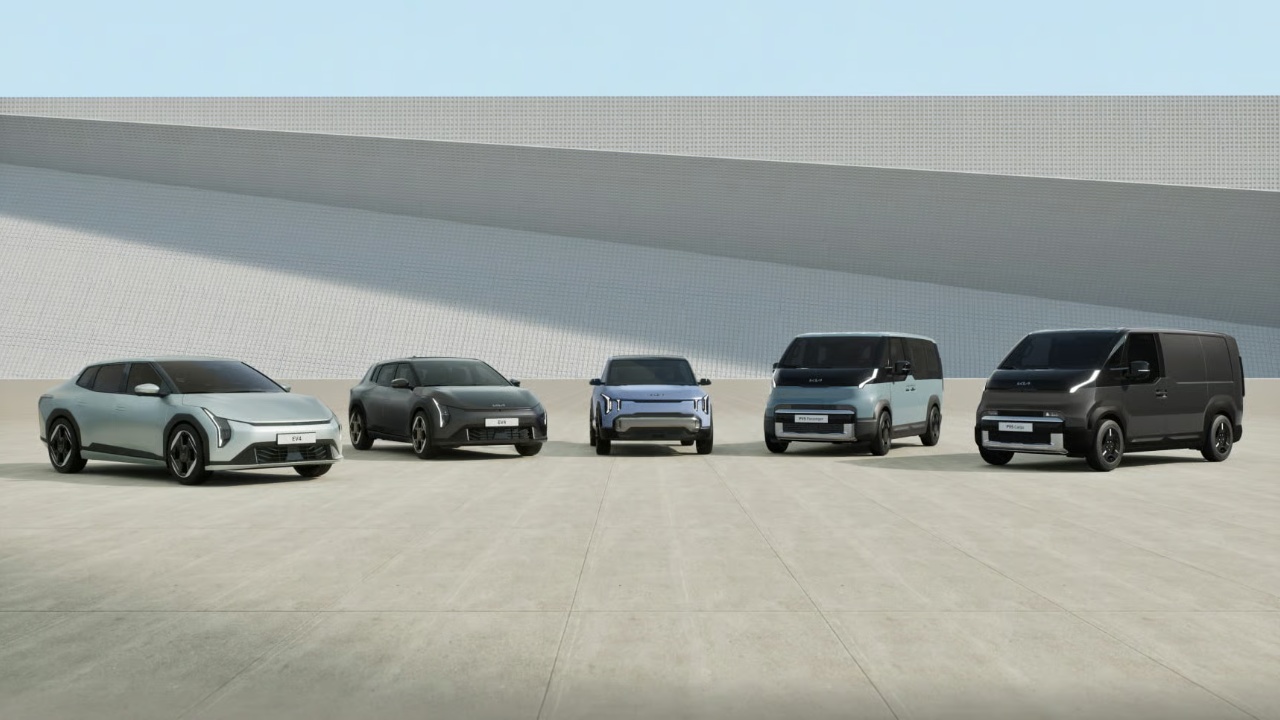
Electric vehicles have moved far beyond the early days when limited range, slow charging, and unfamiliar technology dominated the conversation.
Today’s U.S. EV market includes vehicles capable of traveling more than 300 miles on a charge, sophisticated battery thermal management, fast charging systems, and increasingly broad model choices.
The EPA reported that the average new battery-electric vehicle had an estimated range of 292 miles for model year 2024, nearly four times the average in 2011. Yet some old assumptions about EVs remain common. Here are ten EV myths that no longer accurately describe today’s technology, ownership experience, or U.S. market.
1. EVs Cannot Go Far Enough for Normal Driving
One of the oldest arguments against electric vehicles is that their range is too limited for ordinary American driving. That criticism had more relevance when early mass-market EVs commonly offered well under 200 miles of range. Today’s market is considerably different.
The EPA reported that the average range of a new battery-electric vehicle reached 292 miles for model year 2024. That figure is nearly four times the average BEV range recorded in 2011.
It does not mean every EV can travel 292 miles, because the actual number varies substantially by vehicle size, battery capacity, efficiency, wheels, and drivetrain. It does show how far the market has moved from the short-range EVs that helped create this perception.
The EPA also notes that many newer EVs can travel more than 200 miles on a full charge, with some exceeding 300 miles. For a driver whose normal commute and errands consume a fraction of that distance, the vehicle does not need to be recharged every time it is driven.
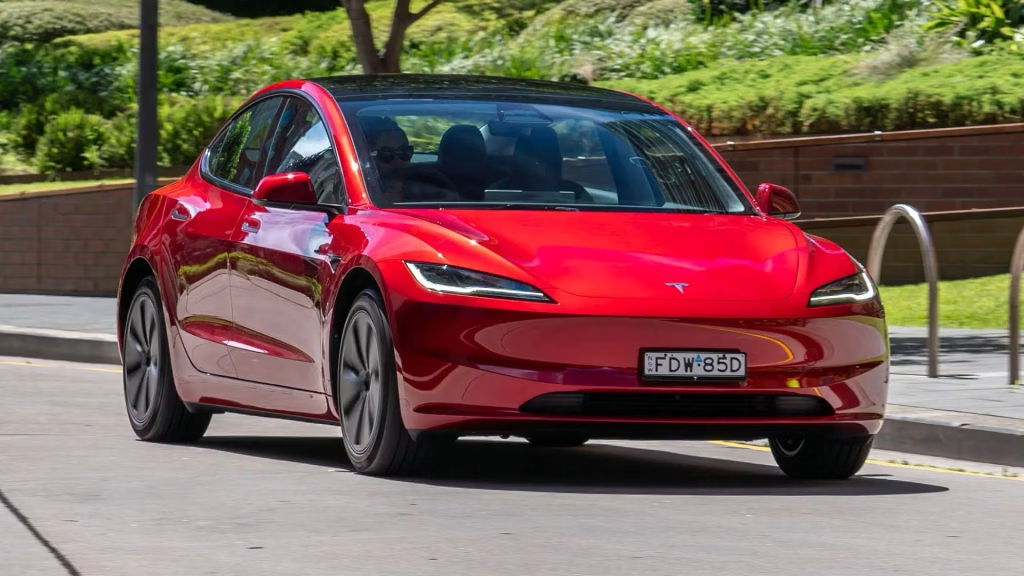
There is still a legitimate limitation for some drivers. Long-distance travel, heavy towing, extreme temperatures, and sustained high-speed driving can reduce usable range. The Department of Energy specifically notes that cold temperatures, rapid acceleration, heavy loads, and significant inclines can reduce EV range.
The outdated part of the myth is treating every EV as a short-range vehicle. Modern EVs cover a broad range of driving needs, and their capability has increased dramatically compared with the first generation of mass-market models.
2. EV Batteries Need to Be Replaced Every Few Years
Battery replacement is one of the most persistent concerns surrounding EV ownership. The concern is understandable because lithium-ion batteries gradually lose capacity over time. However, that does not mean an EV’s entire battery pack will become unusable after only a few years. Real-world evidence does not support that assumption.
The U.S. Department of Energy’s Alternative Fuels Data Center says modern EV batteries are designed for extended life.
It notes that several manufacturers provide battery warranties covering eight years or 100,000 miles, while the National Laboratory of the Rockies’ predictive modeling indicates today’s batteries may last approximately 12 to 15 years in moderate climates and 8 to 12 years in extreme climates.
Battery chemistry, thermal management, driving patterns, and charging behavior all influence longevity.
More recent real-world data adds another useful perspective. Recurrent’s analysis of more than 30,000 electric vehicles found that battery replacements were concentrated among the earliest generations of EVs.
Its researchers also noted that battery technology and battery-management systems have improved as newer vehicles have entered the market.
That does not mean EV batteries never fail. They can develop faults, lose capacity, or require repair, just like other major vehicle components can fail. A replacement battery can also be an expensive repair when a major failure occurs outside warranty coverage.
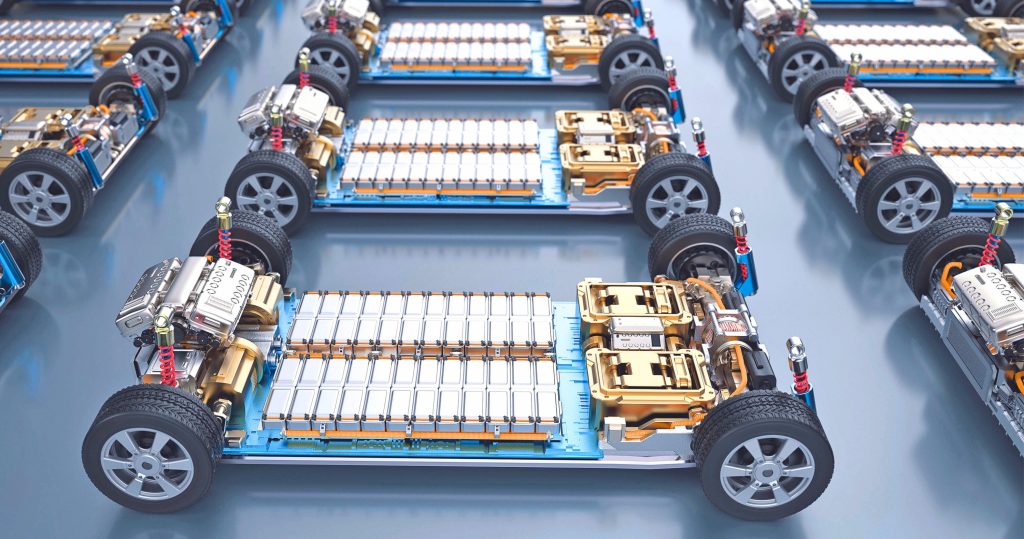
The myth is the idea that normal battery degradation automatically means a complete replacement after a few years. Modern EV batteries are engineered as long-life components, and manufacturers provide substantial warranty coverage because of that expectation.
Battery health should still be considered when buying a used EV, but assuming every battery has a short expiration date is no longer supported by the available evidence.
Battery degradation is real, but owning an EV does not mean planning for a complete battery replacement every few years.
3. EVs Take Hours to Charge Every Time
Charging an EV is often pictured as a long wait beside a vehicle while the battery slowly fills. That image can be accurate with a basic household outlet, but it does not describe the full range of charging options available to U.S. EV owners today.
The U.S. Energy Information Administration says about 75 percent of EV owners charge at home.
A Level 1 charger connected to a standard 120-volt outlet can add roughly 2 to 5 miles of range per hour, while Level 2 equipment operating from a 240-volt supply can add approximately 10 to 20 miles of range per hour.
For a driver who plugs in overnight, that can be enough to replenish the miles used during a normal day without making a separate charging stop.
Public DC fast charging changes the experience again. The EIA says DC fast chargers can bring an EV to about 80 percent in roughly 20 minutes to an hour, depending on the vehicle and charger. The EPA similarly notes that many plug-in vehicles can regain hundreds of miles of driving range in as little as 20 to 30 minutes under suitable conditions.
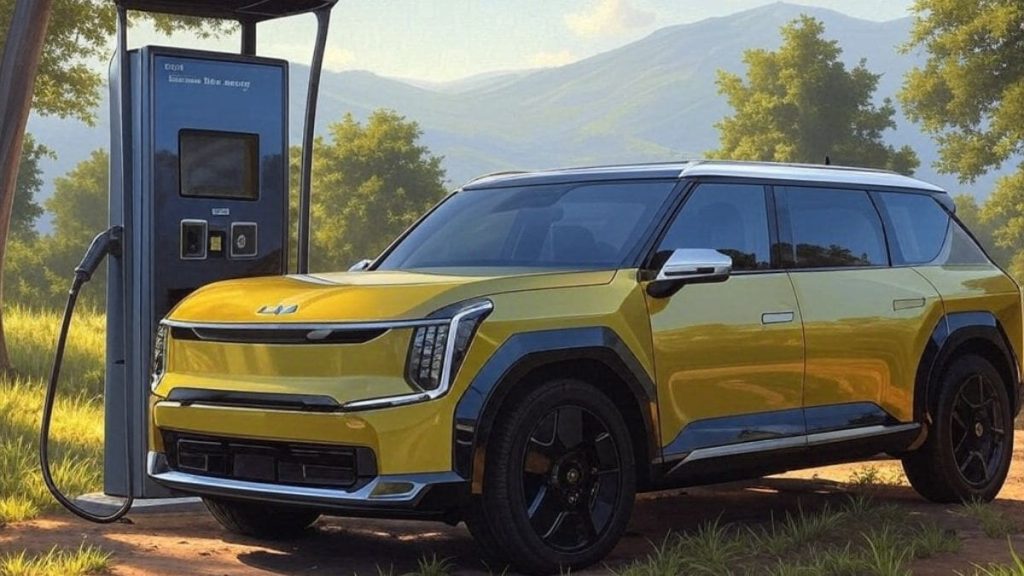
There is an important catch. Charging speed is not constant throughout the charging session. As the battery approaches a high state of charge, the charging rate generally slows down.
The EPA says charging beyond approximately 80 percent can take considerably longer, which is why road-trip charging stops are often planned around reaching roughly that level before continuing.
So the myth is not that charging can be slow. It certainly can be. The outdated assumption is that every EV charging session requires hours of waiting. Home charging can happen while the vehicle is parked, and modern DC fast charging can restore a substantial amount of range during a normal travel break.
4. EVs Are Useless in Cold Weather
Cold weather can reduce an EV’s range, but saying electric vehicles are useless in winter goes much further than the evidence supports. Modern EVs use battery management and thermal systems specifically designed to operate across a wide range of temperatures, while manufacturers increasingly provide features intended to reduce the effects of cold conditions.
The U.S. Department of Energy acknowledges that cold temperatures can reduce EV efficiency and driving range. Heating the cabin requires energy, and batteries perform differently when temperatures fall. The impact varies according to the vehicle, outside temperature, driving conditions, and heating system.
That is a limitation worth understanding, particularly for drivers who regularly encounter severe winter conditions. But reduced range is not the same thing as an EV becoming unusable.
DOE recommends practical measures such as preconditioning the vehicle while it is still plugged in, using seat heaters where available, parking in a garage when possible, and considering a heat pump when purchasing an EV. A heat pump can heat the cabin more efficiently than a resistance heater in many conditions.
Cold-weather charging has also improved. Modern EVs can manage battery temperature before and during charging, and many vehicles can precondition the battery when a fast-charging destination is entered into the navigation system. That helps the battery reach a more suitable temperature before high-power charging begins.
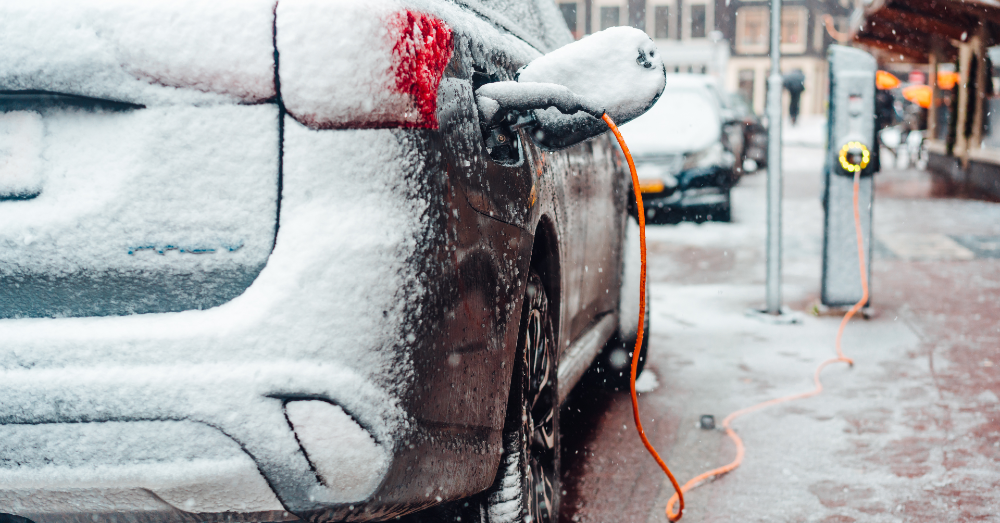
Winter still requires planning. A driver traveling long distances in freezing conditions should not assume the same range available during mild weather. Extra energy consumption from cabin heating, snow, wind, and cold temperatures can reduce the distance available between charging stops.
The outdated part of the myth is treating that seasonal penalty as proof that EVs cannot function in cold climates. Millions of EV miles are driven in winter conditions, and modern thermal-management systems give owners practical ways to manage the effects.
5. EVs Are Always More Expensive to Operate
The purchase price of an EV can still be higher or lower than a comparable gasoline vehicle depending on the model, incentives, and market conditions. But the claim that an EV is inherently more expensive to operate does not hold when operating costs are examined separately from the purchase price.
The U.S. Department of Energy says all-electric vehicles generally have lower fuel costs than conventional gasoline vehicles because electricity is typically less expensive per mile than gasoline. DOE also points to reduced maintenance requirements because all-electric vehicles have fewer moving parts and do not require conventional engine oil changes.
The maintenance difference is substantial in principle. A battery-electric vehicle does not have an internal-combustion engine requiring engine oil, oil filters, or spark plugs.
It also does not use a conventional multi-speed automatic transmission in the way most gasoline vehicles do. EVs still require tires, brake components, cabin filters, and other service items, so they are certainly not maintenance-free.
Regenerative braking can also reduce wear on friction brakes. Instead of relying entirely on brake pads and rotors to slow the vehicle, the electric motor can recover some kinetic energy and send it back toward the battery. The amount of brake wear reduction depends heavily on driving style and vehicle design.
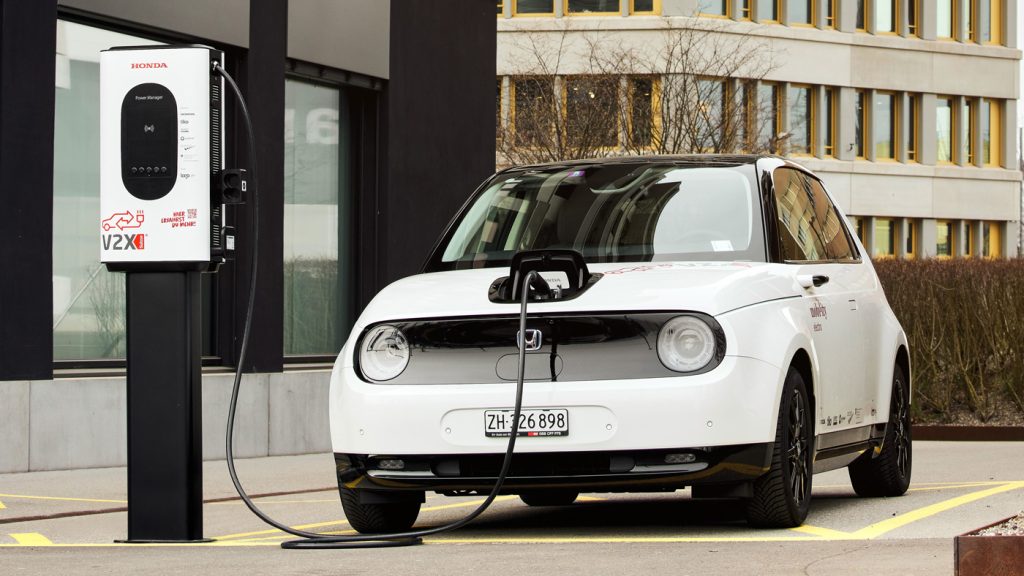
Fuel prices and electricity rates naturally change the calculation. Someone charging primarily at home during favorable electricity rates can have a different energy bill from an owner relying heavily on public fast chargers. Likewise, gasoline prices vary by location and time.
That means there is no universal dollar figure that applies to every EV owner. The important point is that EV operating costs should be calculated using the actual electricity price, charging pattern, vehicle efficiency, gasoline price, and comparable gasoline vehicles.
When those variables are considered, the assumption that an EV automatically costs more every time it is driven becomes difficult to defend. For many owners, energy and routine maintenance can be meaningful areas of savings even when the purchase-price comparison is less straightforward.
6. EVs Cannot Handle Long Road Trips
The idea that an EV is suitable only for short commutes has become increasingly outdated as vehicle range, charging infrastructure, and route-planning technology have improved. Long-distance EV travel still requires more planning than simply filling a gasoline tank, but that is very different from saying it cannot be done.
The U.S. Department of Energy notes that many modern EVs can travel more than 200 miles on a charge, while some models can exceed 300 miles. The agency also points out that DC fast chargers can provide substantial additional range during a relatively short stop.
Charging infrastructure has expanded substantially as well. The Joint Office of Energy and Transportation reported that the United States had more than 78,000 public EV charging locations and more than 241,000 public charging ports as of early 2025. The number continues to change as new stations open and existing locations add equipment.
Road-trip planning is therefore different from gasoline travel, but it is not necessarily complicated. Modern EVs and charging applications can calculate charging stops based on the route, battery state, and expected energy consumption.
Drivers can also choose fast-charging locations along major interstate corridors rather than treating charging as an unpredictable search.
There are still situations where an EV can be less convenient. Rural routes may have fewer chargers, towing can significantly reduce range, extreme temperatures can increase energy consumption, and a busy charging station can introduce waiting time. Those limitations matter for buyers who frequently travel remote routes.
For the typical road trip on established U.S. highways, however, the technology has moved well beyond the short-distance-only stage.

An EV may require a different rhythm, with charging incorporated into meal or rest stops, but modern range and a growing public charging network have made long-distance electric travel a practical option for many drivers.
The myth survives largely because charging is not identical to gasoline refueling. The experience is different, but different does not mean impossible.
7. EVs Have No Real Performance Advantage
Electric vehicles were once associated primarily with efficiency and environmental goals rather than outright performance. That perception has aged badly. Electric motors can deliver maximum torque almost immediately, giving EVs a very different acceleration characteristic from most gasoline-powered vehicles.
The U.S. Department of Energy explains that electric motors provide instant torque, while an internal-combustion engine generally needs to build power through its rev range and transmission. That characteristic can make an EV feel exceptionally responsive from a standstill.
The performance evidence is even clearer when looking at production vehicles. The Tesla Model S Plaid, for example, is rated by Tesla at 1,020 horsepower and a 0 to 60 mph time of 1.99 seconds when equipped with the appropriate configuration and rollout subtraction.
Tesla lists a top speed of 200 mph with the required hardware and wheels. Those figures put the car firmly into supercar performance territory despite its four-door body.
Electric performance is not limited to one manufacturer. The Porsche Taycan Turbo GT can produce up to 1,092 horsepower with Launch Control for a limited duration and achieve 0 to 60 mph in 2.1 seconds in the Weissach package configuration.
Of course, performance is not the same as efficiency. High-output EVs can consume energy rapidly during aggressive driving, and repeated acceleration runs can cause power limitations when the battery or motors reach thermal limits. Weight is another consideration because large battery packs add substantial mass.
Still, the idea that EVs cannot be genuinely fast is no longer credible. Instant motor response, sophisticated traction control, and multiple high-output electric motors have allowed manufacturers to build EVs capable of acceleration that would have been extraordinary even among gasoline performance cars.
The more accurate statement is that EVs deliver performance differently. They can be extremely quick from a stop, while gasoline performance cars may retain advantages in engine sound, sustained high-speed operation, or driving character depending on the model.
The old assumption that electric propulsion automatically means slow driving no longer matches the vehicles available in the U.S. market.
8. EVs Are Only Available as Small Cars
Early mainstream EVs were often small hatchbacks or compact vehicles, which helped create the impression that electric propulsion was inherently associated with small transportation. The modern U.S. market has moved considerably beyond that format.
Electric vehicles now cover multiple segments, including compact crossovers, midsize SUVs, full-size pickups, luxury sedans, and large family vehicles. The Ford F-150 Lightning is one of the clearest examples.
Ford built the Lightning as an electric version of America’s best-known full-size pickup line, giving buyers a battery-powered truck with a conventional pickup bed and substantial towing capability.
The Chevrolet Silverado EV takes the concept further into the full-size pickup category. Chevrolet lists available configurations with substantial cargo and towing capability, demonstrating that battery-electric technology is no longer restricted to compact passenger vehicles.
SUV choices are even broader. The Hyundai Ioniq 5, Kia EV9, Rivian R1S, Tesla Model X, and Cadillac Escalade IQ demonstrate how manufacturers have adapted electric drivetrains to different sizes and purposes.
The three-row Kia EV9, for example, shows that an EV can be designed specifically around family transportation rather than simply converting a small car to electric power.
The variety matters because vehicle size influences how useful an EV can be for a particular household. A single commuter may prefer a compact crossover, while a large family may require three rows and substantial cargo capacity. Someone towing recreational equipment may want a full-size electric pickup.
There are still fewer electric choices in some specialized categories than there are gasoline alternatives. Heavy-duty work trucks, inexpensive small cars, and certain commercial vehicles remain areas where gasoline and diesel dominate.
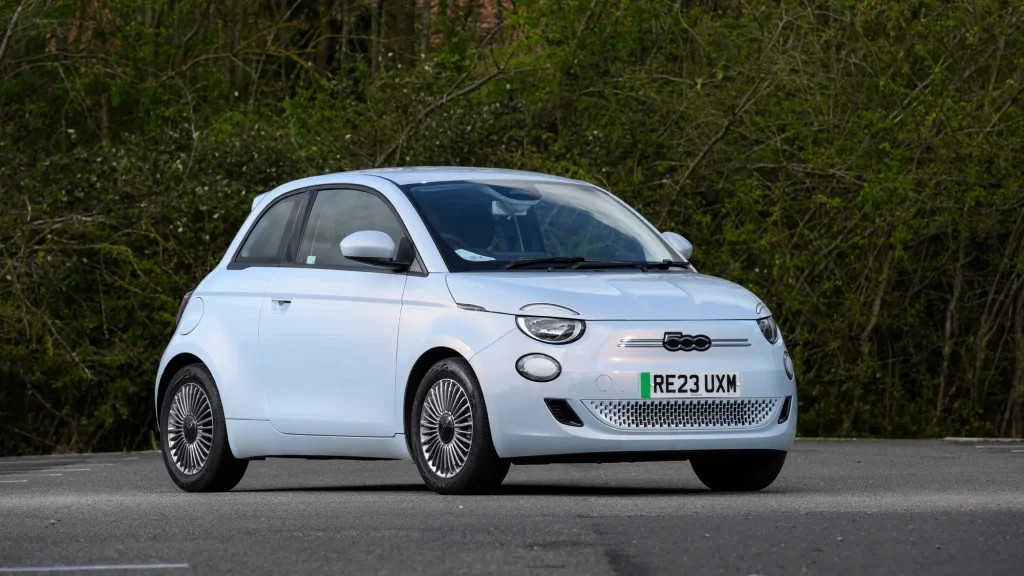
But the claim that EVs are limited to tiny cars is clearly outdated. Electric propulsion has been scaled into vehicles weighing several thousand pounds and serving roles that were once considered almost exclusively gasoline or diesel territory.
The market has moved from asking whether an EV can be large to determining which size and body style makes the most sense for a particular buyer.
9. EVs Will Overload the U.S. Power Grid
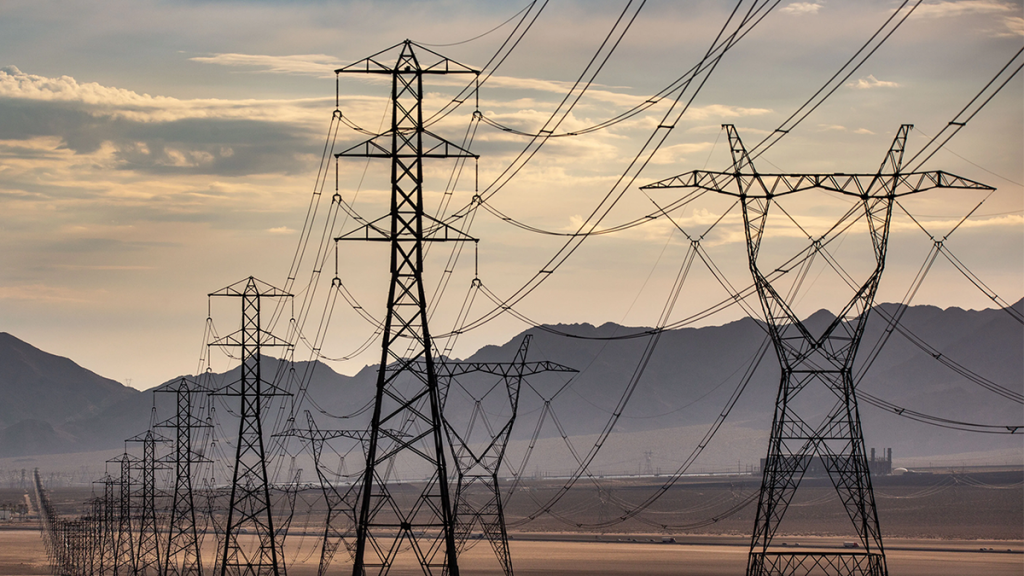
The idea that millions of EVs plugging in at once will bring the U.S. power grid to its knees is not supported by current evidence. EV adoption will increase electricity demand, and utilities will need to plan for that growth, but charging can be managed to reduce pressure on the grid.
The EPA explains that EV charging can be shifted to off-peak periods, such as overnight, when electricity demand is often lower. Managed charging can prevent large numbers of vehicles from drawing maximum power simultaneously. Future vehicle-to-grid technology could also allow some EVs to send electricity back to the grid under appropriate conditions.
Utilities do face genuine challenges. Local transformers, distribution equipment, and neighborhood networks may require upgrades as EV ownership increases, particularly where many households charge at similar times.
However, EV adoption does not automatically mean uncontrolled electricity demand. Charging schedules, electricity rates, and utility planning can help manage additional load.
The more accurate description is that EVs will create additional demand that requires investment and careful management, rather than causing an inevitable collapse of the American power grid.
10. EV Batteries Cannot Be Recycled
This myth confuses a real industrial challenge with the idea that EV batteries simply become useless waste. Lithium-ion batteries require specialized handling, but they can be reused, repurposed, and recycled.
The EPA warns that lithium-ion batteries should not be placed in household garbage or conventional recycling bins because they can create fire hazards and require specialized management. This concerns proper disposal, not simply throwing batteries away.
An EV battery that no longer provides the desired driving range can still retain useful energy-storage capacity. Depending on its condition and economics, it may be reused or repurposed for stationary energy storage before eventually being recycled.

Recycling can recover valuable materials from spent batteries and reduce dependence on newly extracted resources. The U.S. Department of Energy’s ReCell program is also developing improved battery-recycling technologies.
Challenges remain because battery chemistry, pack design, material prices, transportation, and recycling economics vary. Not every battery follows the same process.
The accurate conclusion is that EV batteries are not perfectly recyclable in every circumstance, but they are not simply useless waste. Repair, reuse, repurposing, and material recovery can all provide pathways after a battery leaves its original vehicle.
