
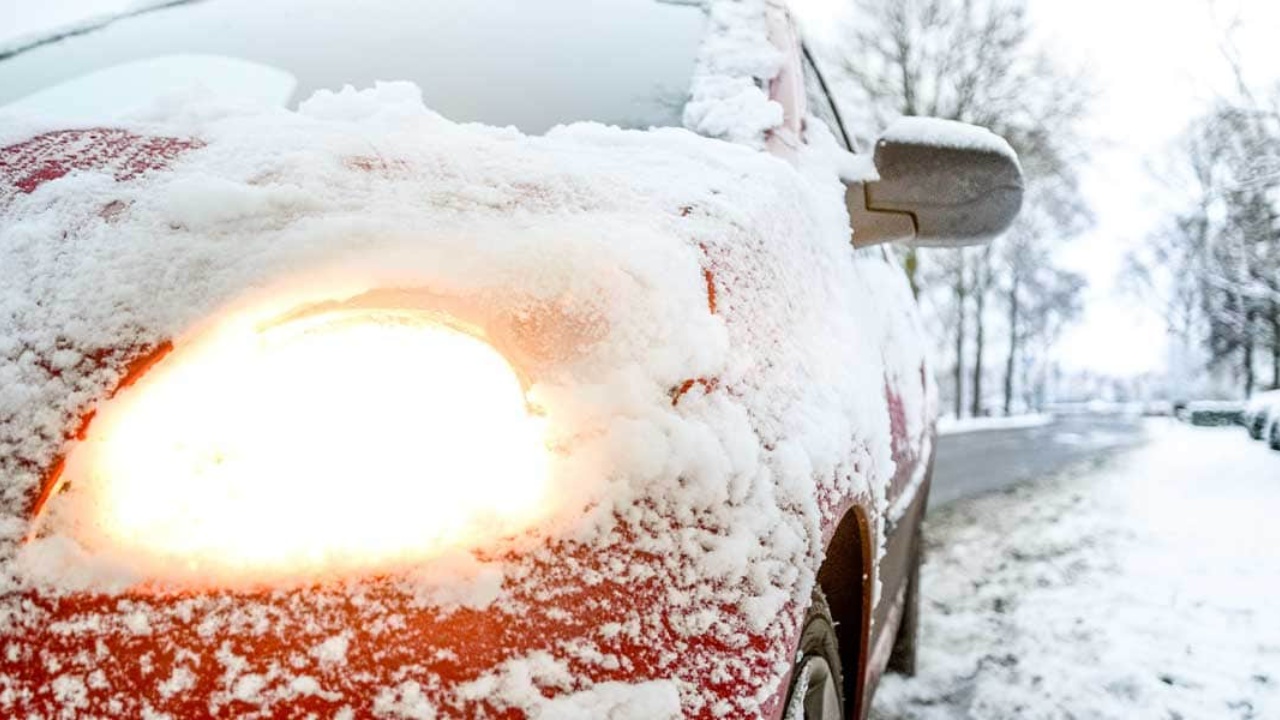
October is when many winter-related vehicle problems begin showing themselves, even before snow or freezing temperatures arrive. Falling temperatures affect battery output, tire pressure, engine fluids, visibility, and fuel economy, while shorter days increase the importance of working lights and clear glass.
The timing also matters because a component that works normally during summer can suddenly struggle when temperatures drop.
The U.S. Department of Energy found that a gasoline vehicle’s city fuel economy can be about 15% lower at 20°F than at 77°F, while hybrids can lose around 30%. The following problems are backed by U.S. government and automotive safety data.
1. Weak Battery Suddenly Refuses to Start
A battery that seems perfectly healthy in September can become a serious problem as temperatures begin to fall in October. The reason is simple. Cold weather reduces a battery’s ability to deliver power while also making the engine harder to start.
NHTSA specifically warns that battery power decreases as temperatures fall and that gasoline and diesel engines require more battery power to start in cold weather.
AAA has also documented the effect in more specific terms. According to AAA, an engine can require roughly 30% more energy to start when temperatures reach freezing, while at 0°F a vehicle battery may deliver only about half of its rated capacity. That combination can turn a marginal battery into a no-start situation.
October is therefore a useful warning period rather than a month to ignore battery condition. If the engine has recently been cranking slower than usual, the headlights dim briefly during startup, or the vehicle has already required a jump-start, colder weather can expose the underlying weakness.
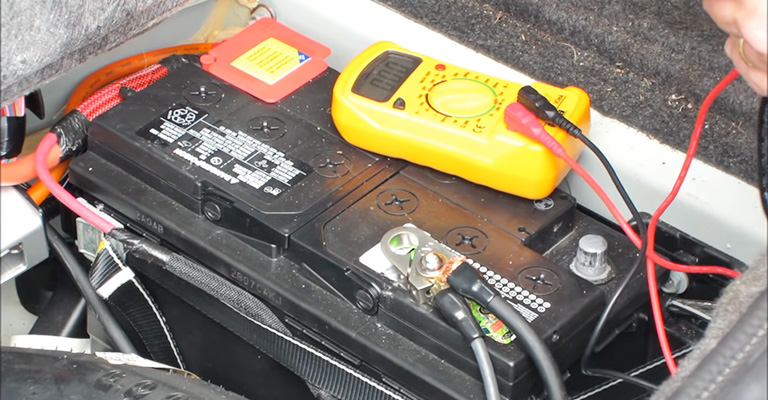
AAA recommends having the battery and charging system tested before winter. Battery terminals should also be checked for corrosion and secure connections. This is especially important for vehicles with older batteries, since cold weather can reveal problems that warmer conditions were masking.
A battery does not necessarily fail because October itself damages it. Rather, lower temperatures reduce the margin available in a battery that was already approaching the end of its useful life.
2. Tire Pressure Drops Without a Puncture
One of the easiest cold-weather problems to mistake for a tire leak is a sudden drop in tire pressure. As outdoor temperatures fall, the air inside a tire contracts, causing its pressure to decrease. NHTSA specifically warns drivers that tire inflation pressure drops as outside temperatures decrease.
AAA offers a useful rule of thumb that tire pressure can change by about 1 psi for every 10°F change in temperature. The exact change depends on the conditions, but the principle remains important. A tire that was properly inflated on a warm September afternoon can trigger the TPMS warning when a much colder October morning arrives.
That does not mean drivers should simply add air whenever the dashboard warning appears without checking the recommended specification. NHTSA says the correct pressure is the vehicle manufacturer’s recommended cold inflation pressure, found on the driver’s door-jamb label or in the owner’s manual.
The number molded into the tire sidewall is the tire’s maximum pressure, not the vehicle’s recommended setting.
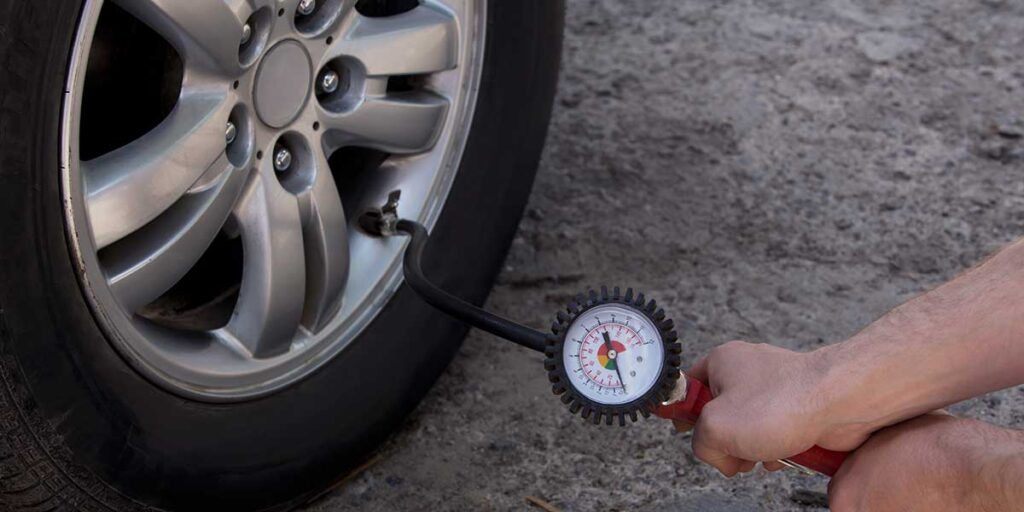
Check all four tires when they are cold, preferably before driving or after the vehicle has been parked for at least three hours. Do not assume that one warning means only one tire needs attention.
Cold weather can also reveal an existing slow leak. If one tire repeatedly loses pressure while the others remain stable, the cause may be a puncture, valve problem, wheel issue, or other mechanical leak rather than temperature alone.
3. Windshield Washer Fluid Freezes
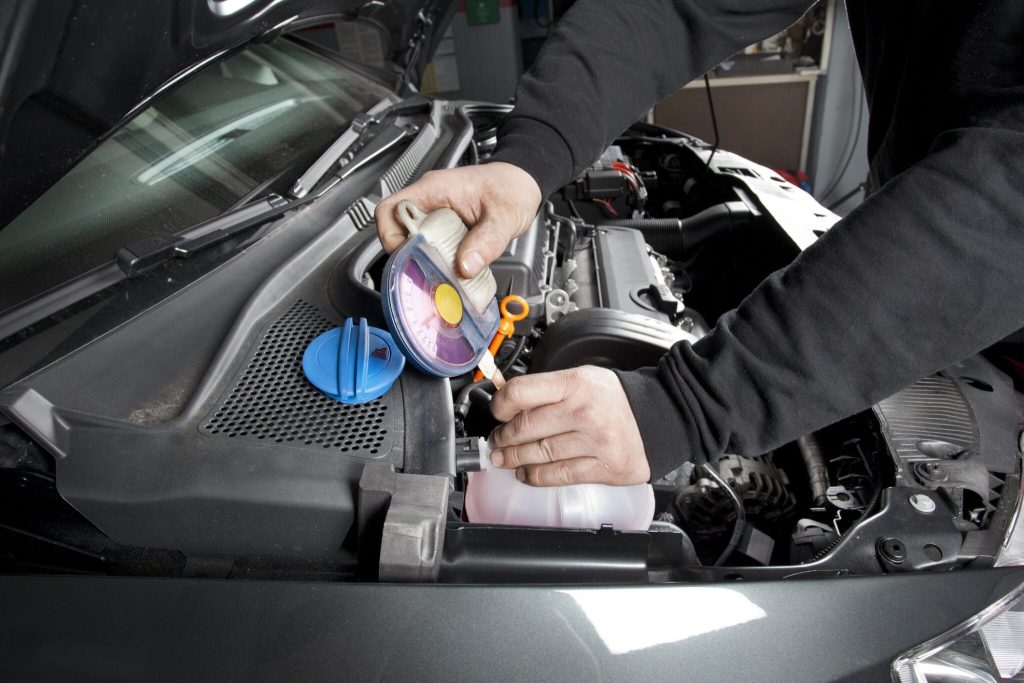
A washer reservoir that works normally during September can become useless when temperatures fall below freezing, especially if the vehicle still contains summer-formulated fluid or diluted washer solution.
NHTSA recommends filling the washer fluid reservoir with high-quality winter fluid containing de-icer before cold weather arrives. This is practical because drivers can quickly use a significant amount of washer fluid in snow, slush, and road spray, especially when maintaining a clear windshield is essential.
The problem is not limited to the reservoir itself. Fluid can also freeze in the washer lines or nozzles, preventing spray from reaching the windshield. If a driver repeatedly activates a frozen system, the pump and other components can be placed under unnecessary strain. Vehicle manufacturers similarly warn against using unsuitable fluids in freezing conditions.
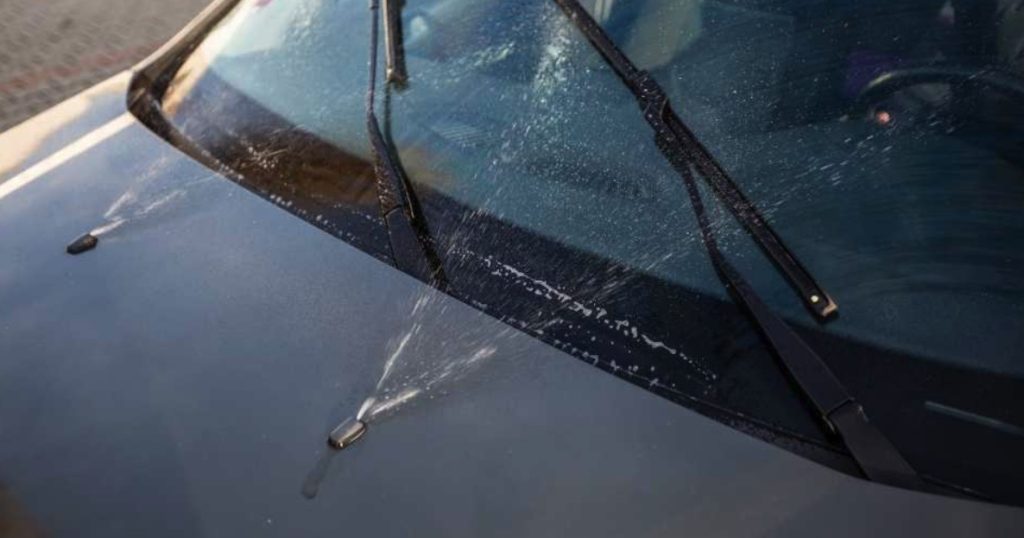
October is a good time to check what is already in the reservoir rather than waiting for the first freezing morning. If the fluid is intended for warm-weather use, replace it with a product whose freezing protection matches the temperatures expected in your area. Do not simply add winter fluid to an unknown mixture and assume the resulting protection is adequate.
NHTSA also recommends carrying extra washer fluid during winter travel. This becomes particularly useful in regions where road salt, slush, and spray coat windshields rapidly.
A low washer-fluid warning may seem minor in October, but winter visibility can deteriorate quickly. Keeping the correct fluid available is therefore a simple preventive step that directly supports safe driving.
4. Engine Takes Longer to Reach Operating Temperature
Cold weather can make a vehicle feel different immediately after startup. The engine may idle differently, the transmission can shift more firmly, and the vehicle can take longer to reach its normal operating temperature.
These effects are not necessarily signs of a mechanical failure. Cold temperatures change the operating conditions of the engine, fluids, battery, and emissions system.
The U.S. Department of Energy has documented how significantly cold conditions can affect vehicle operation. At 20°F, conventional gasoline vehicles can experience approximately a 15% reduction in city fuel economy compared with 77°F conditions.
The study attributes part of the difference to factors including longer engine warm-up, increased friction from colder fluids, and other cold-weather effects.
This becomes noticeable as October progresses because overnight temperatures can fall sharply even when afternoon temperatures remain comfortable. Short trips are particularly affected. A vehicle may spend much of a five-mile commute warming up instead of operating at its most efficient temperature.
Drivers should not respond by letting the engine idle for a long time simply to warm the vehicle. Modern vehicles generally reach operating temperature more effectively through gentle driving than extended idling.
The appropriate approach is to start the vehicle, allow it a brief period to stabilize, then drive moderately until normal temperature is reached.
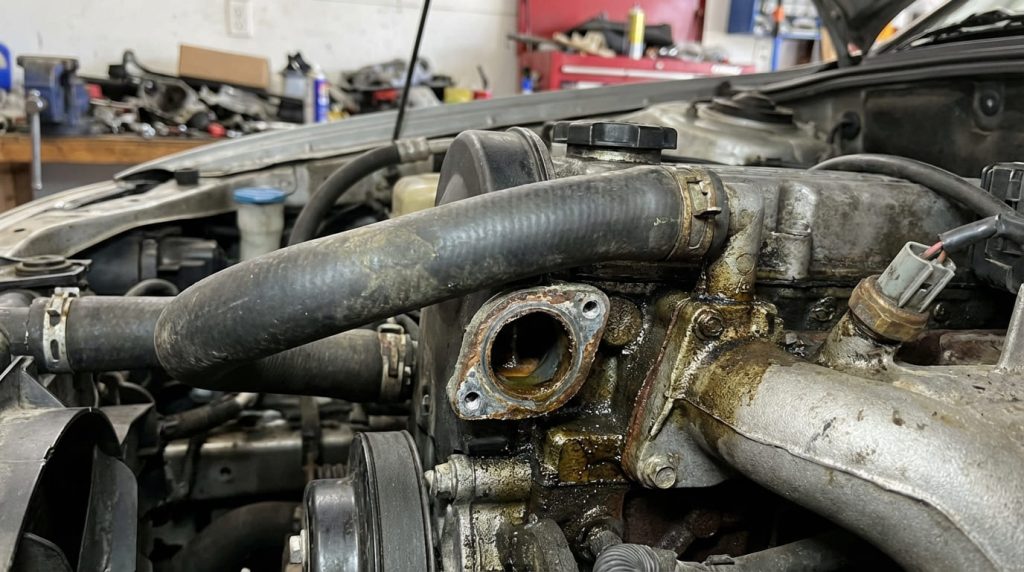
If an engine consistently takes an unusually long time to warm up, never reaches its normal temperature, or produces a temperature warning, that is different. A thermostat, coolant-temperature sensor, cooling-system issue, or another fault may be involved and deserves inspection.
5. Wiper Blades Become Hard and Leave Streaks
Wiper blades face a difficult transition when summer heat gives way to colder weather. Rubber components exposed to sunlight, heat, dirt, and repeated use can become hardened or damaged, and freezing conditions can make an already worn blade perform even worse.
NHTSA specifically recommends checking windshield wipers before winter and replacing worn blades. It also notes that drivers in areas with significant snow and ice may consider heavy-duty winter wipers.
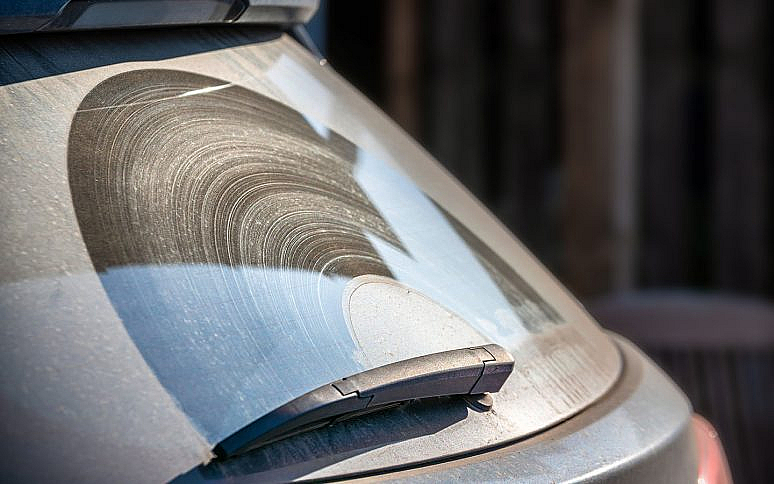
The problem becomes obvious when the windshield needs to be cleared during rain, sleet, or road spray. Instead of removing water cleanly, a deteriorated blade can leave streaks, missed areas, or a hazy film across the driver’s field of view. That can create glare when headlights from approaching traffic hit the wet glass.
October is an ideal time to inspect the rubber edge before severe weather arrives. Look for cracks, splits, hardened sections, or areas where the blade no longer maintains consistent contact with the windshield. Also check whether the blade skips across the glass rather than moving smoothly.
Another cold-weather issue is frozen wiper blades. If a blade is stuck to the windshield by ice, forcing it to move can damage the rubber or put unnecessary strain on the wiper mechanism. Clear the ice from the glass first instead of using the wipers as a scraper.
NHTSA also recommends making sure front and rear defrosters function correctly. Good wipers alone cannot compensate for a windshield that remains covered with frost or condensation.
6. Coolant Protection Becomes Inadequate
Coolant is not simply there to prevent an engine from overheating in summer. Its antifreeze properties are equally important when temperatures fall.
NHTSA recommends checking that a vehicle has enough coolant and that the mixture meets the manufacturer’s specifications before winter weather arrives. The agency also recommends checking the cooling system for leaks and testing the coolant when appropriate.
This becomes especially important in October because a cooling system can appear completely normal during warm weather while containing an incorrect or weakened coolant mixture. If the freeze protection is inadequate, extremely cold temperatures can cause coolant to freeze and expand. That can create serious problems for the cooling system and engine.
Coolant also contains additives that help protect against corrosion, but those protective properties deteriorate with age. NHTSA advises following the manufacturer’s maintenance recommendations for coolant replacement rather than assuming every vehicle needs the same interval.
Drivers should pay attention to signs that point toward a cooling-system problem before winter arrives. A low coolant warning, visible leak, unexplained loss of coolant, overheating, or sweet-smelling fluid around the engine compartment should not be dismissed as normal aging.
The correct coolant specification matters too. Modern vehicles can use different coolant formulations, and mixing incompatible products can create additional problems. The owner’s manual or manufacturer-approved service information should determine which coolant is appropriate.
October maintenance is therefore less about automatically replacing coolant and more about verifying that the existing system has the correct fluid, sufficient freeze protection, and no unresolved leaks.
7. Fuel Economy Drops Noticeably
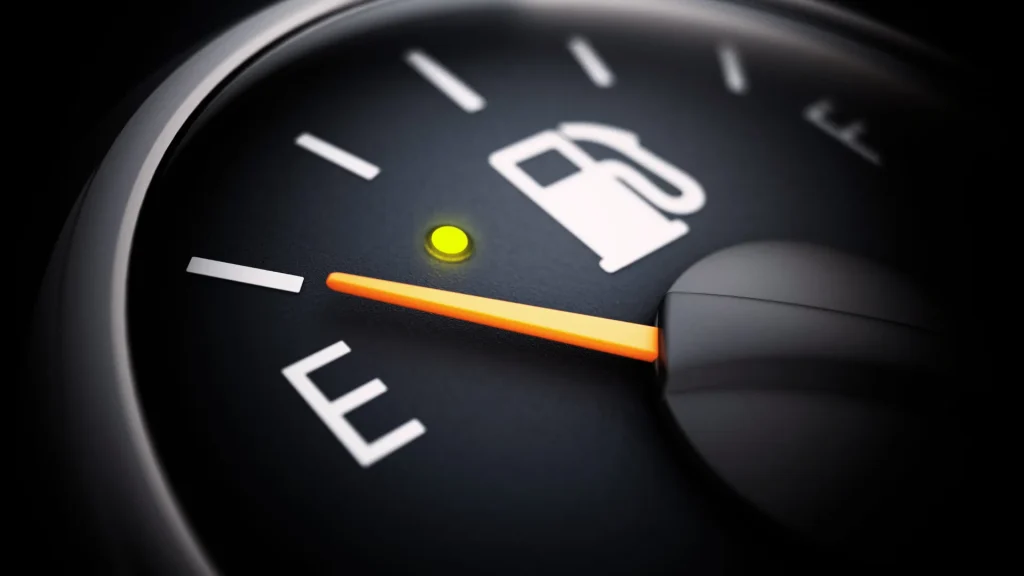
Many drivers notice their fuel economy worsening once temperatures begin falling, and there is strong U.S. government data supporting the phenomenon. The Department of Energy found that a conventional gasoline vehicle can deliver about 15% lower city fuel economy at 20°F than at 77°F.
For conventional hybrids, the reduction can be around 30%, while all-electric vehicles can experience reductions approaching 40% under the tested conditions.
Several factors contribute to the decline. Cold engines require more time to warm up, colder lubricants create additional resistance, and winter gasoline formulations can have different energy characteristics. Cabin heating also introduces additional energy demands, while snow, ice, wet roads, and lower tire pressure can increase rolling resistance.
Short trips make the effect particularly noticeable because the vehicle may never spend much time at its most efficient operating temperature. A driver who normally gets excellent mileage on longer trips may see a significant change when October brings more cold starts and short commutes.
That does not automatically mean something is wrong with the vehicle. However, a sudden or extreme deterioration should still prompt basic checks. Tire pressure is particularly important because pressure falls as temperatures decline, increasing rolling resistance.
The best response is not to chase one specific cause. Check tire pressure against the manufacturer’s cold-pressure recommendation, keep up with maintenance, avoid unnecessary idling, and recognize that some seasonal reduction is normal.
Cold-weather fuel economy is therefore partly an engineering consequence of lower temperatures, not necessarily evidence that an engine or fuel system has developed a fault.
8. EV Driving Range Falls Faster
Electric vehicles can experience a particularly noticeable change once temperatures fall, and the effect can begin before winter officially arrives.
The Department of Energy reports that all-electric vehicles can experience nearly a 40% reduction in fuel economy at 20°F compared with 77°F under controlled test conditions. The exact impact varies substantially by vehicle, temperature, driving conditions, battery chemistry, and use of heating systems.
Cold temperatures affect the battery itself, while cabin heating creates an additional electrical demand. Unlike a gasoline engine, which produces substantial waste heat that can be used to warm the passenger compartment, an EV must use electrical energy for cabin heating.
Many newer EVs use heat pumps to reduce that demand, but their effectiveness varies by design and temperature.
October can provide an early warning because drivers may begin seeing lower efficiency as morning temperatures fall. A vehicle that previously returned a certain number of miles per kilowatt-hour may show a gradual decline without having any battery fault.
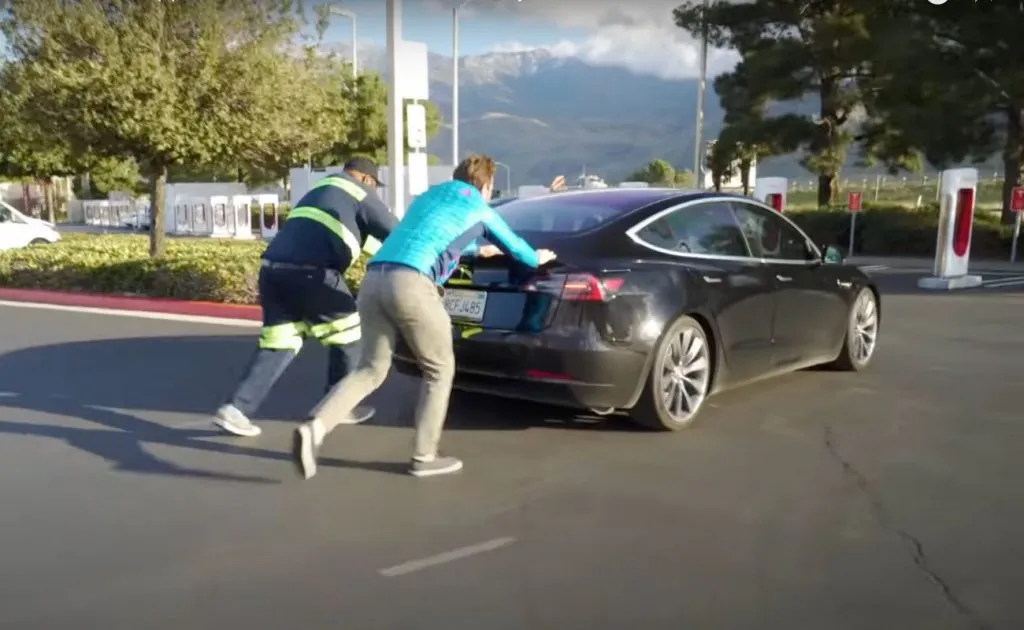
Preconditioning can help. If the vehicle supports it, warming the cabin and battery while connected to charging power can reduce the energy required after departure. Keeping the vehicle plugged in according to the manufacturer’s recommendations can also help battery thermal-management systems maintain a more favorable temperature.
The important distinction is between temporary cold-weather range reduction and permanent battery degradation. A winter range decrease does not automatically mean the battery has lost the same percentage of its long-term capacity.
Drivers should therefore compare efficiency under similar temperatures and routes rather than judging battery health from one cold morning.
9. Door Locks and Seals Start Freezing
Water that enters door seals, handles, locks, or other gaps can become a nuisance when temperatures fall below freezing. The problem can begin in October in areas experiencing early freezes, particularly after rain followed by a sharp overnight temperature drop.
Rubber door seals can also become stiff in colder conditions. If moisture is trapped between the seal and the body before freezing, the door may resist opening. Pulling aggressively on the door can damage the seal or other components.
The problem is not limited to older vehicles. Any vehicle can experience freezing around doors if water is present and temperatures fall sufficiently. The likelihood depends heavily on local weather, parking conditions, and the vehicle’s design.
Drivers in cold climates should inspect door seals for tears, deformation, or sections that have pulled away from their mounting points. Damaged seals allow more water and moisture to enter areas that should remain protected. They can also contribute to wind noise and water intrusion.
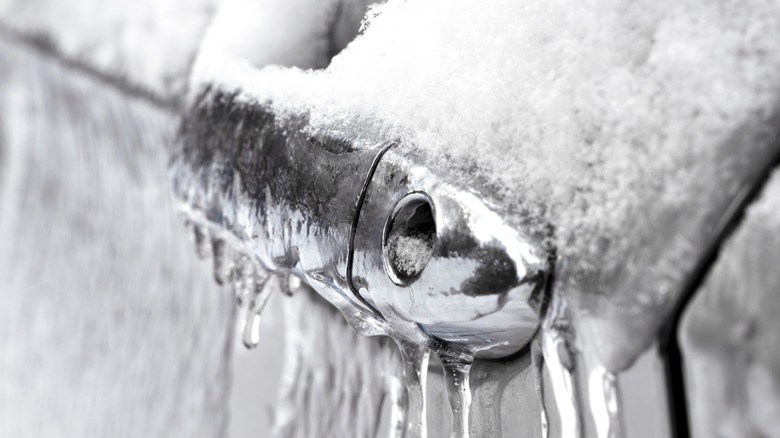
If a door is frozen shut, forcing it open is usually a poor solution. Gentle warming and careful removal of ice are safer approaches. Avoid pouring very hot water over frozen glass or seals because sudden temperature changes can damage components or glass.
This is another reason October preparation matters. Door seals are inexpensive to inspect, but a damaged seal discovered during freezing weather can become much more inconvenient to address.
10. Braking Feels Different on Wet or Frosty Roads
October brings colder mornings, falling leaves, rain, and the first frosts in many parts of the United States. None of these conditions automatically means the brake system has failed, but they can change how quickly a vehicle can stop because the road surface provides less available traction.
NHTSA reports that in 2023 there were an estimated 101,390 police-reported crashes involving snow or sleet conditions. Although those figures concern winter precipitation rather than ordinary October rain or frost, they demonstrate how road conditions can significantly affect vehicle control.
The mechanical brakes themselves may remain perfectly functional while stopping distances increase because the tires have less grip. Wet leaves can be particularly slippery, and frost can create low-traction patches before drivers realize the pavement is affected.
This makes October a useful month to evaluate braking behavior. If the pedal feels soft, the vehicle pulls to one side, the steering wheel shakes during braking, or grinding noises appear, those symptoms should be inspected rather than attributed to the weather.
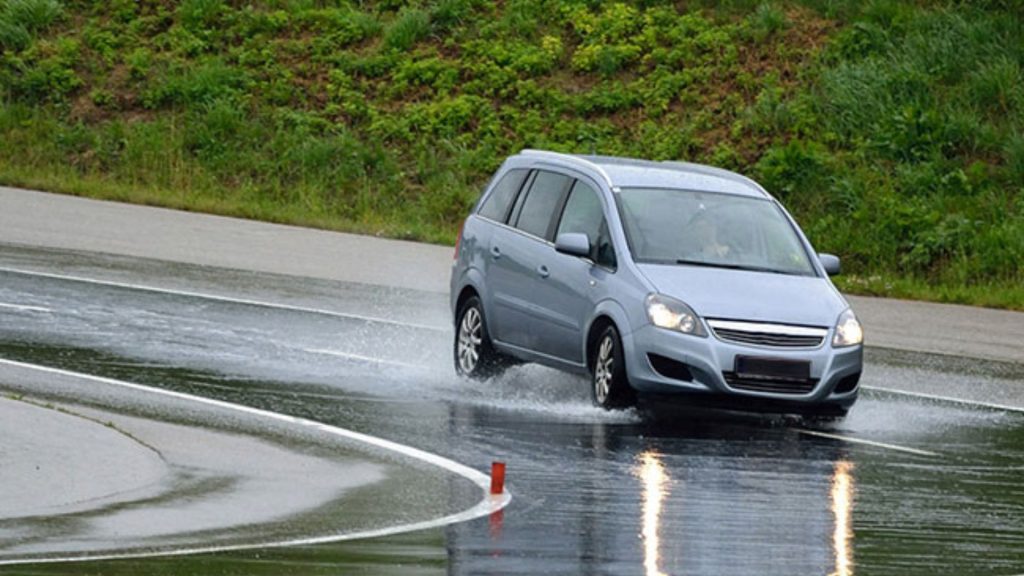
Tire condition matters just as much. Adequate tread depth and correct inflation help maintain traction, while worn tires can struggle more on wet surfaces.
The key distinction is between reduced road grip and a mechanical brake problem. Cold or wet pavement can make a healthy vehicle stop less effectively, but it should not cause persistent brake-system symptoms. Drivers should slow down, increase following distance, and avoid assuming that electronic safety systems can compensate for inadequate traction.
11. Headlights Become More Important as Days Get Shorter
October does not directly damage headlights, but it creates a seasonal problem because drivers spend more time on the road in darkness. The days become progressively shorter, and rain or fog can further reduce visibility.
NHTSA specifically recommends checking headlights, brake lights, turn signals, emergency flashers, and other vehicle lighting as part of winter preparation.
A bulb that is nearing failure can become especially inconvenient when daylight hours decrease. The same applies to cloudy or oxidized headlight lenses, damaged bulbs, or electrical faults that cause intermittent operation.
Drivers should check both low and high beams, turn signals, brake lights, reverse lights, and hazard flashers. Do not assume that because one side works, the system is functioning correctly. Modern vehicles can also use LED assemblies or complex lighting modules, meaning a failure may require more than simply replacing a conventional bulb.
Headlight aim matters as well. Lights that point too low reduce forward visibility, while improperly aimed lights can create glare for other drivers. Any adjustment should follow the vehicle manufacturer’s procedure.
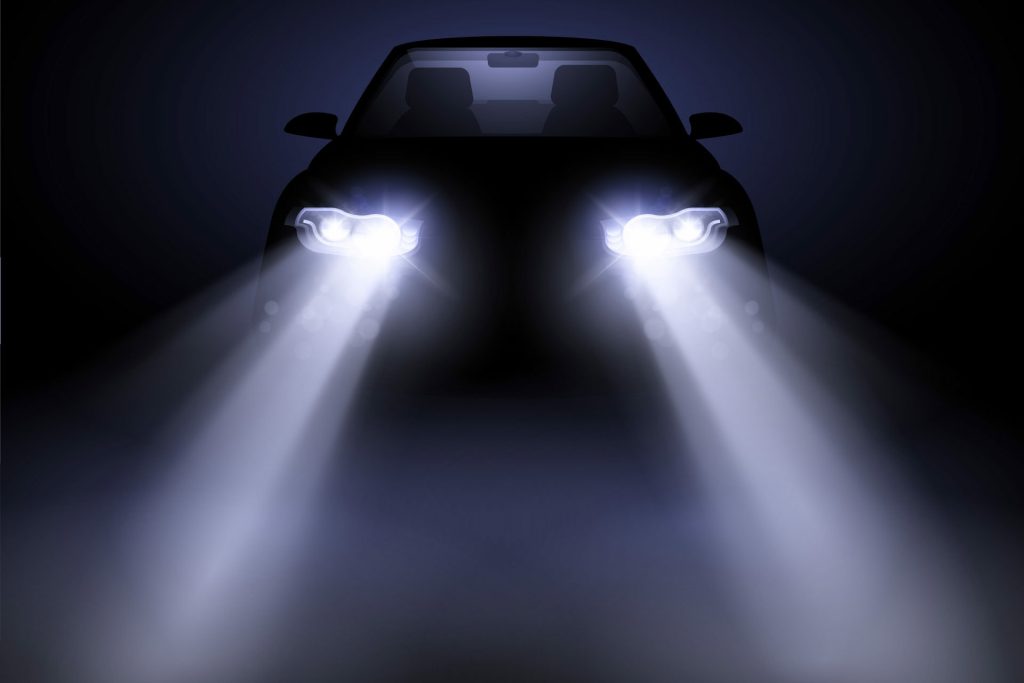
The seasonal timing makes this issue easy to overlook. A driver who rarely uses headlights during summer daylight may suddenly depend on them during the morning commute in October.
A working lighting system cannot eliminate poor visibility caused by fog, heavy rain, or darkness, but it gives the driver the equipment needed to see and be seen. NHTSA’s recommendation to inspect lighting before winter is therefore relevant well before the first major snowstorm.
12. Cabin Defroster Cannot Keep Up With Frost
A weak defroster becomes much more noticeable when cold mornings arrive. The system has to remove frost, condensation, or ice from the windshield while simultaneously keeping the cabin comfortable. If airflow is weak or the system cannot direct warm air toward the glass, visibility can deteriorate quickly.
NHTSA specifically recommends confirming that both the windshield wipers and front and rear defrosters work properly before winter weather. That recommendation is important because a defroster is a visibility system, not merely a comfort feature.
Several different problems can produce poor defrosting performance. Low coolant, a cooling-system fault, a malfunctioning blower motor, restricted cabin-airflow components, a thermostat problem, or a climate-control fault can all affect how effectively warm air reaches the windshield. The exact diagnosis depends on the vehicle.
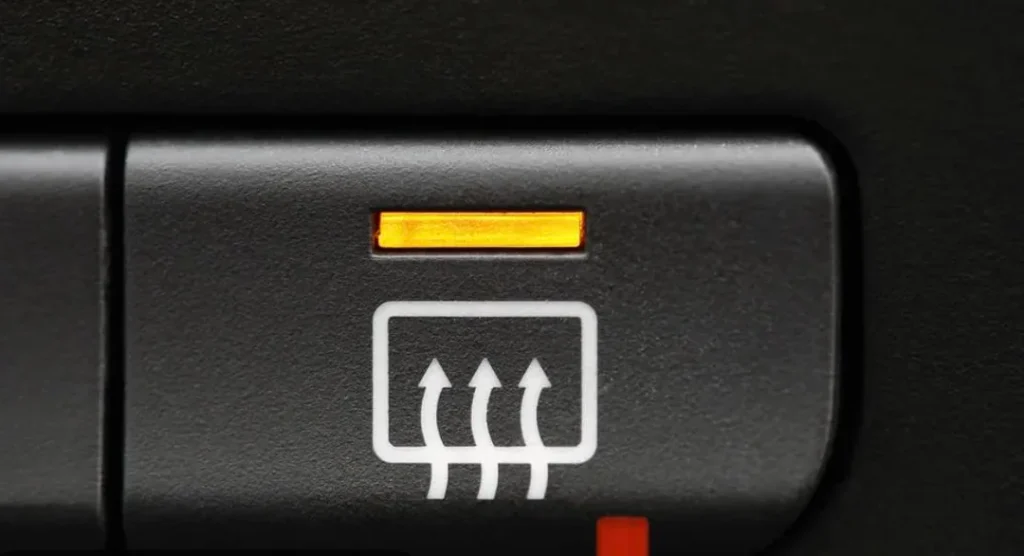
Drivers should also avoid relying on the defroster to compensate for heavily iced glass. Ice should be removed safely before driving, and windshield wipers should not be forced across frozen surfaces. Some manufacturers specifically warn that attempting to operate frozen wipers can damage the wiper system.
October provides a useful opportunity to test the system while conditions are manageable. Turn on the windshield defrost setting, verify that airflow reaches the appropriate vents, and make sure the blower operates at different speeds.
If the system worked normally throughout summer but suddenly produces little airflow or only cold air when the engine is warm, that is a reason for diagnosis rather than simply waiting for colder weather to make the problem worse.
