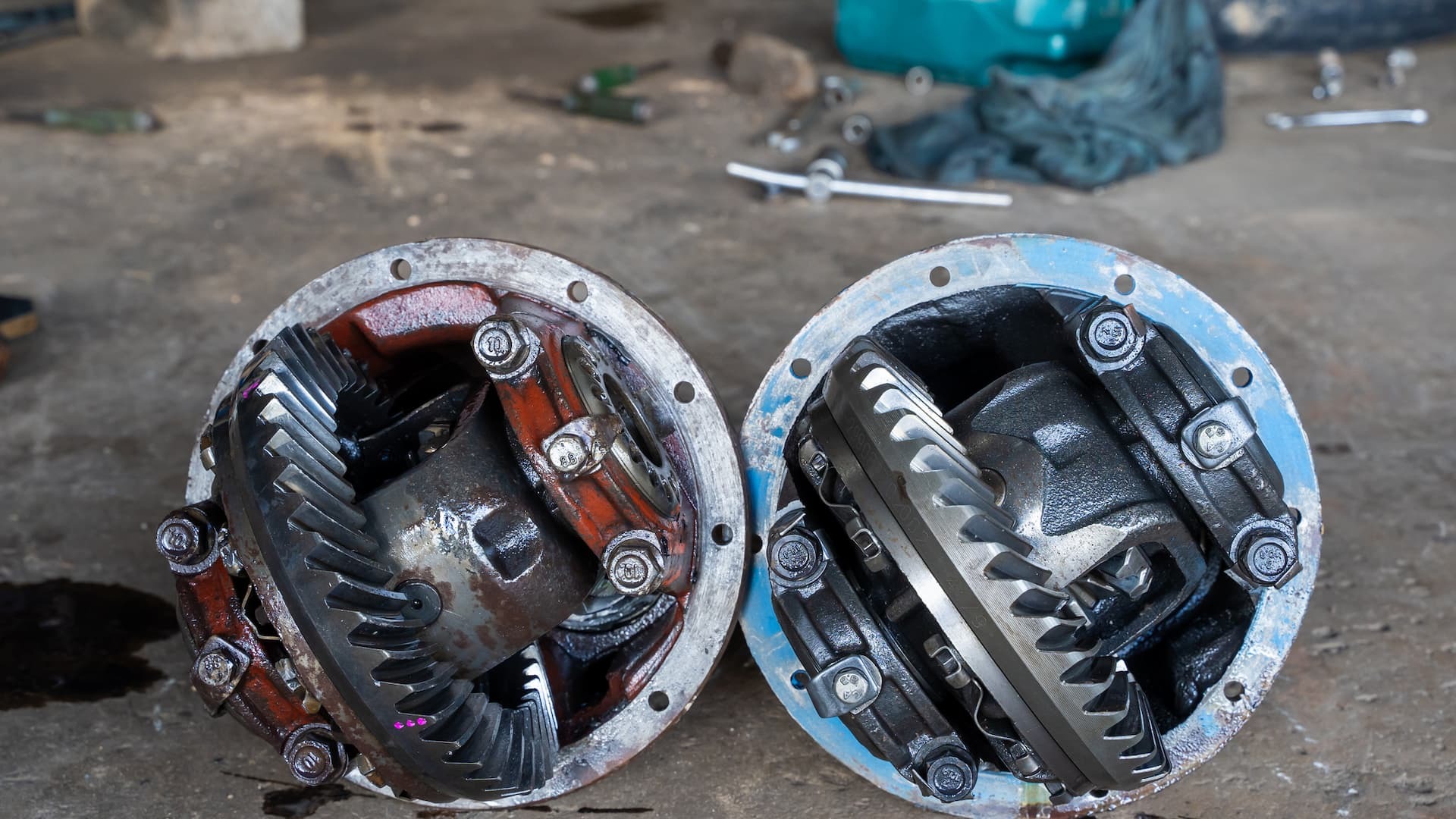
Replacing a rear differential is a repair that can catch a vehicle owner off guard. The part may look small compared with an engine or transmission, yet the bill can reach several thousand dollars. The good news is that replacement is not always necessary. A leaking seal, worn bearing, damaged gasket, or low fluid level may be repairable for less.
When the differential itself is damaged, the price depends heavily on the vehicle, part, labor rate, and related work. Knowing what affects the estimate makes it easier to compare quotes and avoid paying for work your vehicle does not need.
What a Rear Differential Actually Does
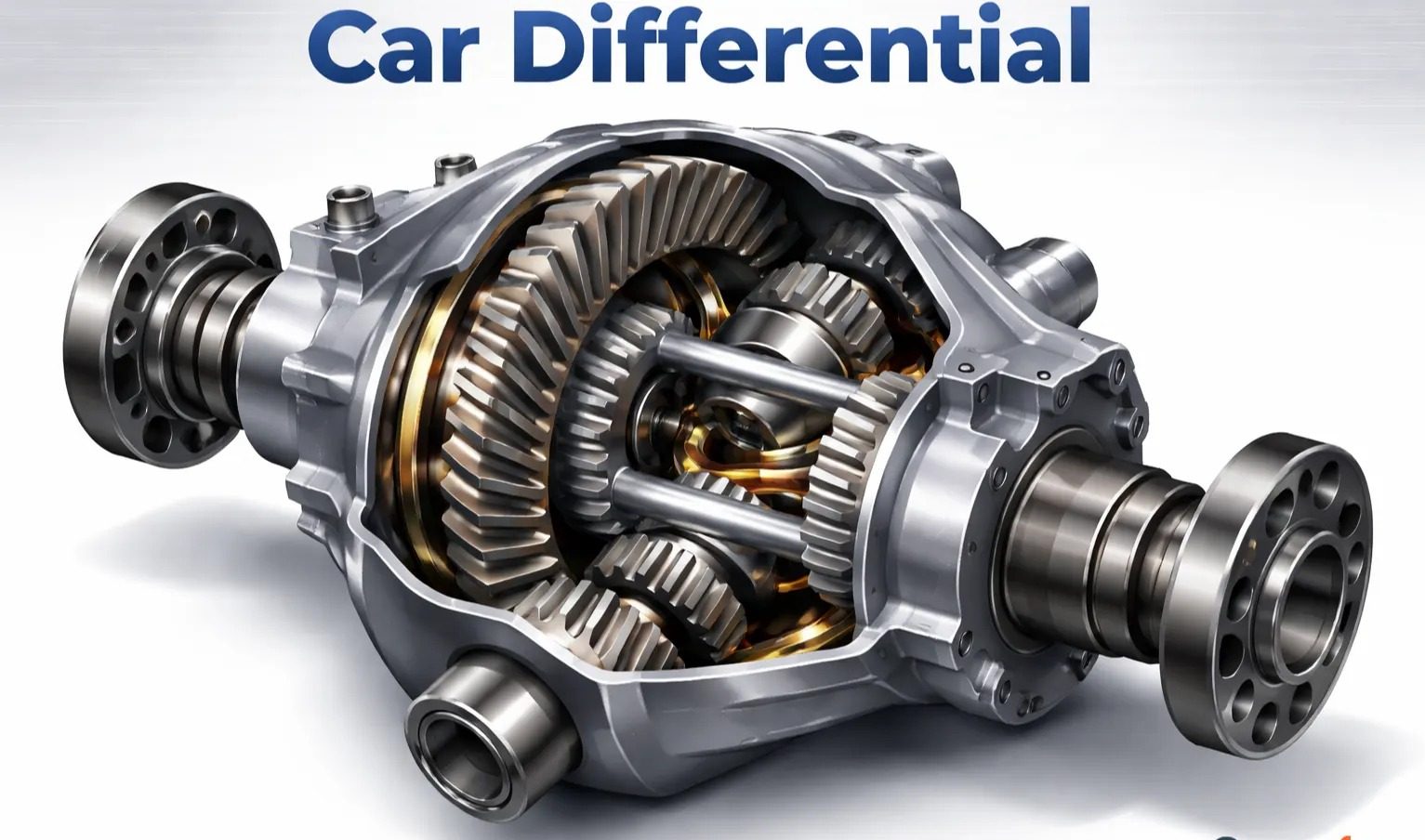
A rear differential sits within the drive axle and sends engine power to the rear wheels while allowing those wheels to rotate at different speeds. That second job matters whenever the vehicle turns.
The outside wheel travels farther than the inside wheel, so forcing both wheels to rotate at exactly the same speed would create tire scrub and handling problems.
The differential uses gears to accommodate that difference while transferring power to the wheels. ConsumerAffairs describes it as a set of gears inside the drive axle, while Auto Chimps explains that the unit receives power through the drivetrain and distributes it between the wheels.
Not every rear differential is built the same way. An open differential is simpler, while limited-slip and locking designs add components for traction.
Torque-vectoring systems can use sensors and electronic controls to manage power distribution. These differences matter because a basic unit may cost less than a specialized assembly. Vehicle design also plays a role.
A truck, performance vehicle, luxury car, or model with an unusual drivetrain can require pricier parts and more installation time. LatestCost places many standard replacement jobs around $1,000 to $3,000, while specialized vehicles can exceed $4,000.
Typical Rear Differential Replacement Prices
For a complete replacement, published estimates vary. ConsumerAffairs puts the common range at about $2,500 to $6,000, while Auto Chimps gives a broader rule-of-thumb range of $1,500 to $4,000.
LatestCost reports about $1,000 to $3,000 for many passenger vehicles, SUVs, and light trucks, with premium applications going higher.
These ranges reflect different vehicles, parts, shops, and repair conditions. A used or rebuilt unit can lower the parts bill, whereas a new OEM assembly may push it higher.
Consider a few real examples. ConsumerAffairs reports an independent-shop estimate of $2,500 for a Ford F-150 using used parts. A BMW 7 Series replacement was estimated at $5,000, split evenly between parts and labor.
A Lexus IS quoted by a dealer reached $5,800, with $3,800 for parts and $2,000 for labor. Those examples show why a single “average price” can be misleading. The exact vehicle and repair source matter.
Labor rates can vary significantly depending on location and the repair facility. ConsumerAffairs cites examples of roughly $90 to $130 per hour in smaller markets, compared with about $150 to $200 per hour in major metropolitan areas.
The estimate can include fluids, seals, bearings, taxes, fees, and related work. Listing these items helps prevent a low quote from becoming a larger invoice.
Why Labor Can Make the Bill Climb
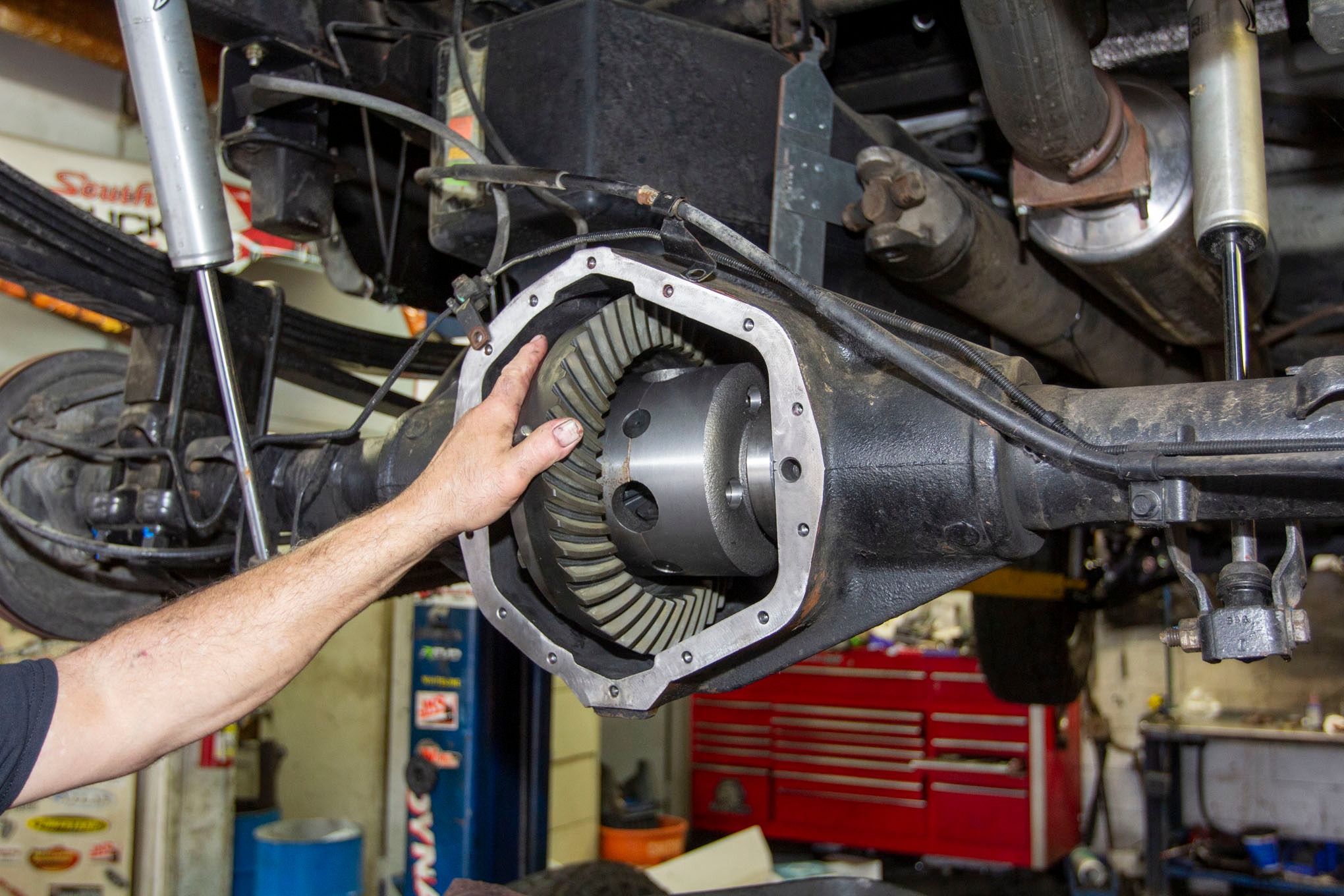
The differential is not usually a quick bolt-on repair. The technician may need to raise the vehicle, drain the old fluid, disconnect the driveshaft, remove axle shafts, detach mounting hardware, lower the assembly, install the replacement, refill the unit, and perform road and leak checks. Precise gear setup is also important.
ConsumerAffairs says some replacements can require eight to 10 hours of labor, while its broader labor guidance places many jobs at three to five hours and heavier or tighter installations at six to 10 or more. LatestCost lists a typical range of four to nine hours.
This is where a repair estimate can change quickly. Rusted fasteners, worn axle seals, damaged driveshaft components, limited access, or additional diagnostic work can all add labor time and increase the final cost.
The replacement type matters too. Installing a complete rebuilt unit can be faster than rebuilding the original differential because rebuilding requires careful internal measurements and gear setup. Shop choice also affects the labor bill.
A dealership or specialty shop may charge more than an independent facility. Before approval, ask for the labor hours, hourly rate, parts price, and every additional service to be listed separately. That request makes quotes easier to compare and clarifies the bill.
Repairing Instead of Replacing Can Save Money
A failed differential does not automatically mean the entire assembly must be replaced. If the problem is limited to a gasket, bearing, seal, or fluid leak, a smaller repair may solve it.
Auto Chimps lists gasket replacement around $150 to $250, bearing replacement around $200 to $400, and sealing work around $400 to $800. Those figures are far below a complete replacement, although the actual charge depends on the vehicle and shop.
The difference can be significant. A leak caused by a worn seal may only require replacing the seal and refilling the fluid, while broken gears inside the housing can turn into a much more involved repair. In severe cases, replacing the entire differential assembly may be necessary.
A mechanic should inspect the differential before recommending the more expensive option. Ask what failed, whether the housing and gears can be reused, and whether a rebuilt or used assembly is available.
ConsumerAffairs notes that rebuild pricing can be difficult to estimate because parts availability varies, and some repair shops prefer replacing complete units instead. A second opinion can help with a costly repair.
Diagnosis should come before purchase. Inspection can separate a worn gear from a seal leak and prevent an unnecessary full replacement unit entirely.
Ways to Keep the Replacement Bill Under Control
Start with diagnosis, not parts shopping. Noise, vibration, leaks, clunks, uneven tire wear, and handling changes can point toward differential trouble, but those symptoms can have other causes too.
ConsumerAffairs lists whining, humming, grinding, vibrations, fluid leaks, jerking, tire wear, unstable handling, and burning smells among warning signs. A proper inspection can determine whether the differential is actually responsible.
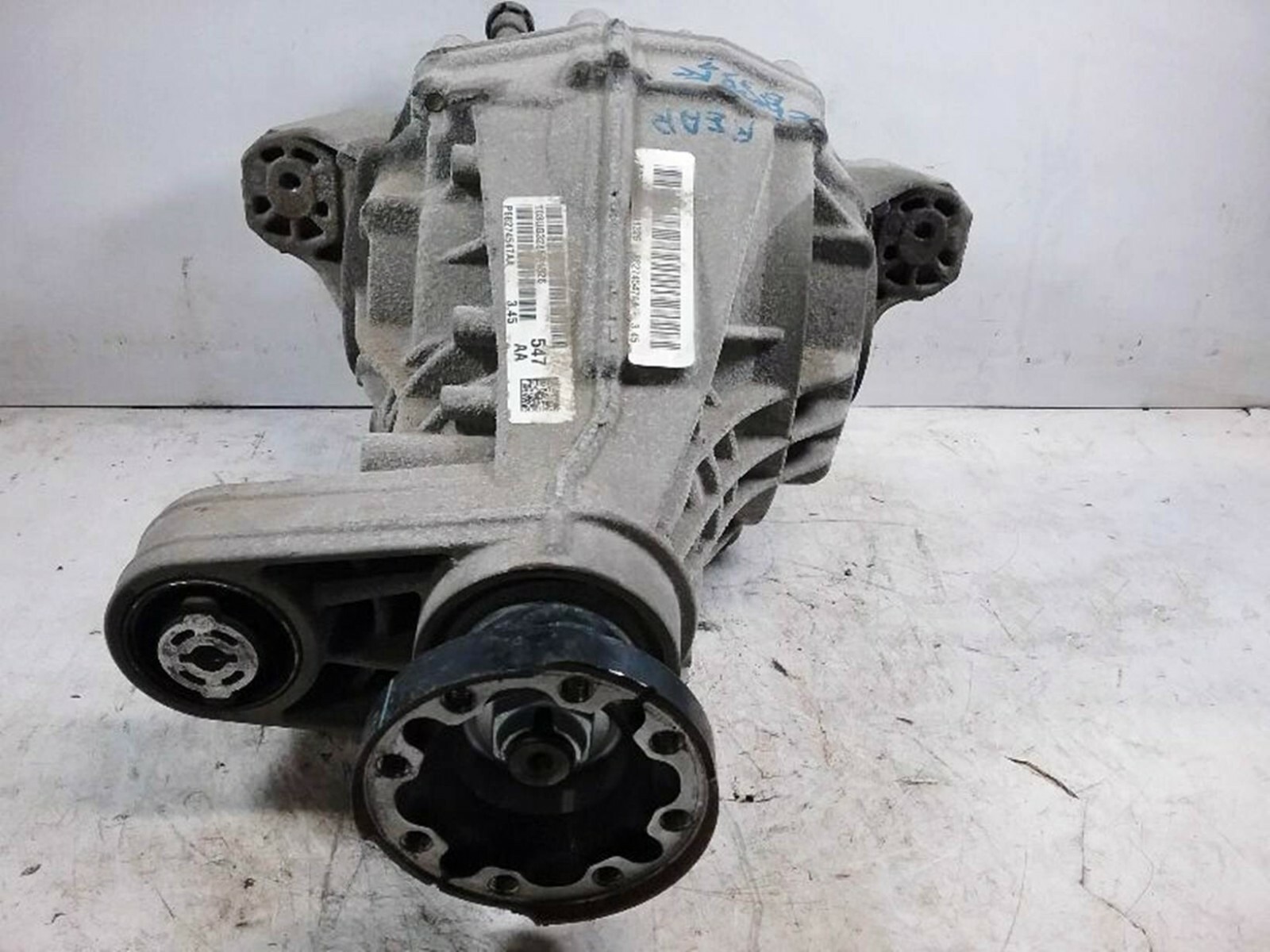
Once the diagnosis is confirmed, request itemized estimates from more than one qualified repair shop. Compare the part, whether it is new, used, rebuilt, or aftermarket, the warranty, labor hours, fluid, seals, and related work.
LatestCost says replacement units can range from roughly $600 to $1,900, with labor commonly accounting for four to nine hours, while seals, fluids, bearings, and shop fees can add to the bill.
Do not forget the warranty. ConsumerAffairs reports that rear differentials are commonly covered by powertrain warranties when the failure qualifies under the contract.
Accident damage, overloading, abuse, or missed maintenance may not qualify. Checking coverage first could save thousands. Regular fluid service and drivetrain inspections can help catch leaks or wear before failure occurs.
Auto Chimps recommends fluid changes at roughly 30,000 to 50,000 miles, though the correct interval should follow the manufacturer’s interval.