
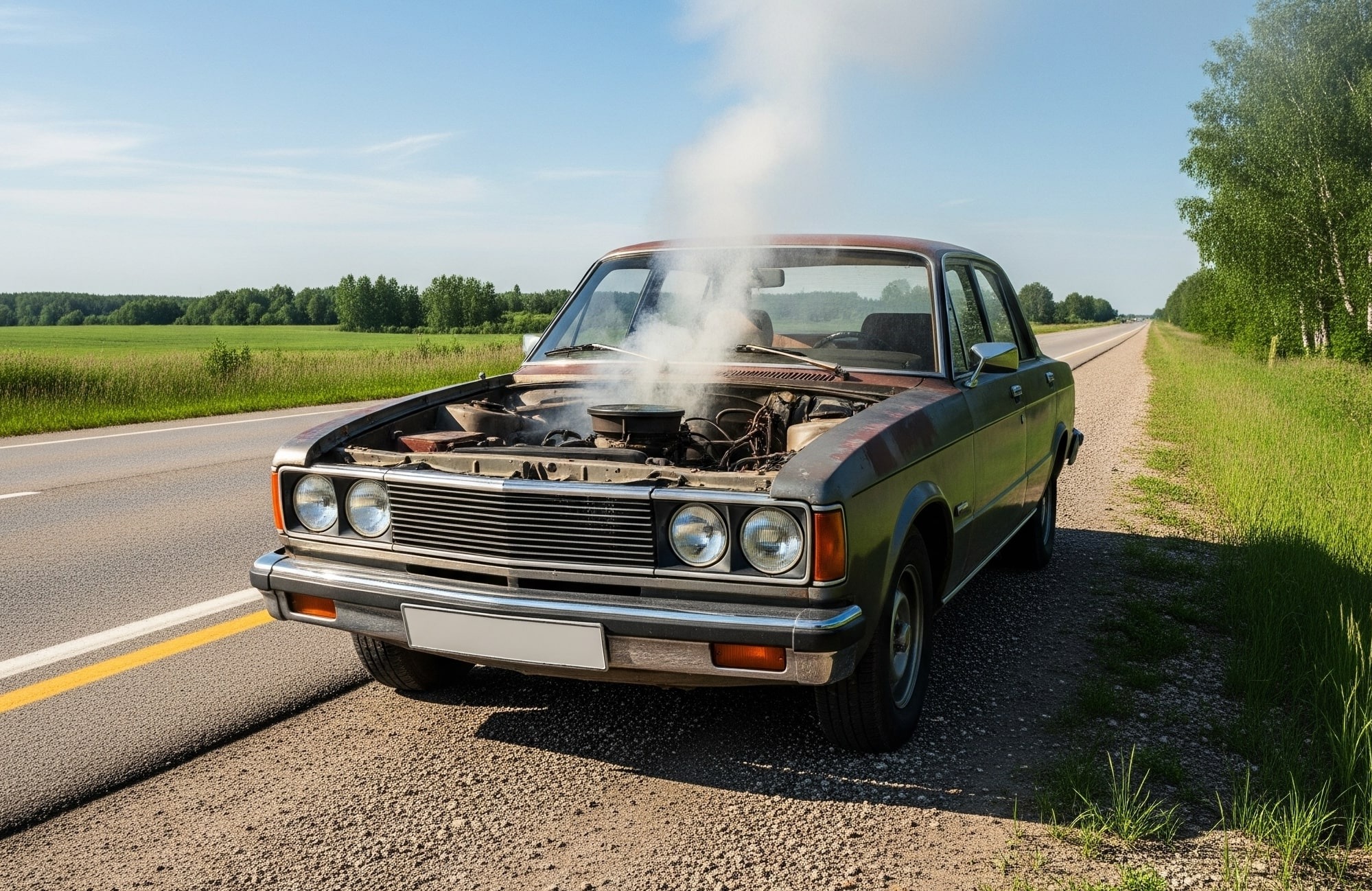
Nobody expects their engine to give up before hitting six figures on the odometer, yet it happens more often than most drivers realize. Sometimes the culprit is something as simple as neglected maintenance, and other times it’s a design flaw baked into the engine from the factory floor.
The frustrating part is that most of these failures are entirely preventable if you know what to watch for and catch problems early enough. Whether you’re shopping for a used car or trying to protect the one you already own, understanding these ten risk factors could save you from a devastating repair bill. Let’s get into exactly what causes engines to fail early, and what you can do about it.

1. Overheating
Heat represents one of the fastest ways to destroy an otherwise healthy engine, and overheating tops this list for good reason. Your cooling system exists specifically to regulate temperature, pulling heat away from the engine block and dissipating it through the radiator before things get dangerous.
When that system fails to do its job properly, temperatures inside the engine climb rapidly, and the consequences can be severe. Warping represents one of the first casualties once temperatures spike beyond safe operating ranges.
Metal components like cylinder heads and engine blocks expand under extreme heat, and if that expansion happens unevenly or too quickly, permanent warping can occur that prevents proper sealing between components.
Head gasket failure frequently follows close behind, since this critical seal sits directly between the engine block and cylinder head, withstanding tremendous pressure and heat during every drive.
Several culprits typically trigger this cascade of problems. Low coolant levels leave your system without enough fluid to absorb and transfer heat effectively, often caused by a slow leak that went unnoticed for weeks or months.
Faulty radiators develop internal blockages or external damage that prevents proper heat dissipation, while failed water pumps stop circulating coolant through the system entirely.
Stuck thermostats present another common cause, sometimes remaining closed and preventing coolant flow exactly when your engine needs it most.
Catching this problem early through regular coolant checks and prompt attention to any temperature gauge warnings can mean the difference between a simple radiator repair and a catastrophic engine rebuild.
2. Low or Contaminated Oil
Engine oil does much more than make the dipstick look full. It creates a protective film between moving metal surfaces, helping reduce friction and carrying heat away from internal components.
When the oil level becomes too low, or the oil becomes badly degraded, that protection can break down. Consider what happens inside the engine.
Pistons move rapidly, bearings rotate against crankshaft surfaces, and camshaft components operate under considerable pressure. These parts depend on adequate lubrication.
Without it, friction increases, and temperatures can climb. Low oil may result from an external leak, worn piston rings, valve-seal problems, or simply failing to check the level.
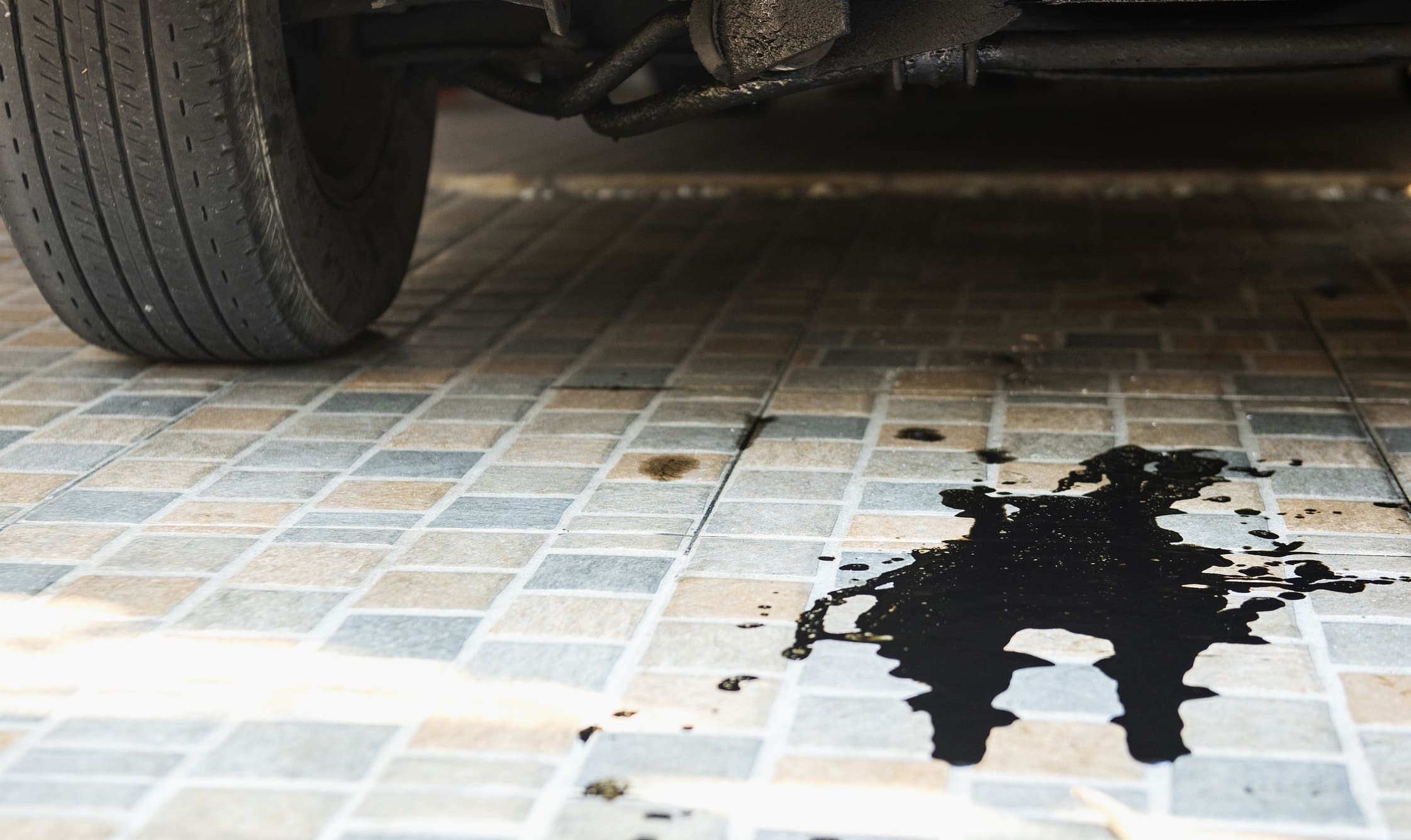
Some engines also consume oil gradually without leaving obvious puddles beneath the vehicle. Contaminated oil creates another problem. Fuel, coolant, sludge, metal particles, or excessive moisture can reduce its ability to protect engine components.
An engine suffering from poor lubrication may produce ticking, knocking, or grinding sounds. Oil-pressure warnings can also appear. Such signs should never be treated as minor inconveniences.
Use the oil grade specified by the vehicle manufacturer and follow the recommended service schedule. Check the oil level periodically, especially before long trips.
If the engine is losing oil between services, find out why rather than repeatedly topping it off without addressing the source.
3. Timing Belt or Cam Belt Failure
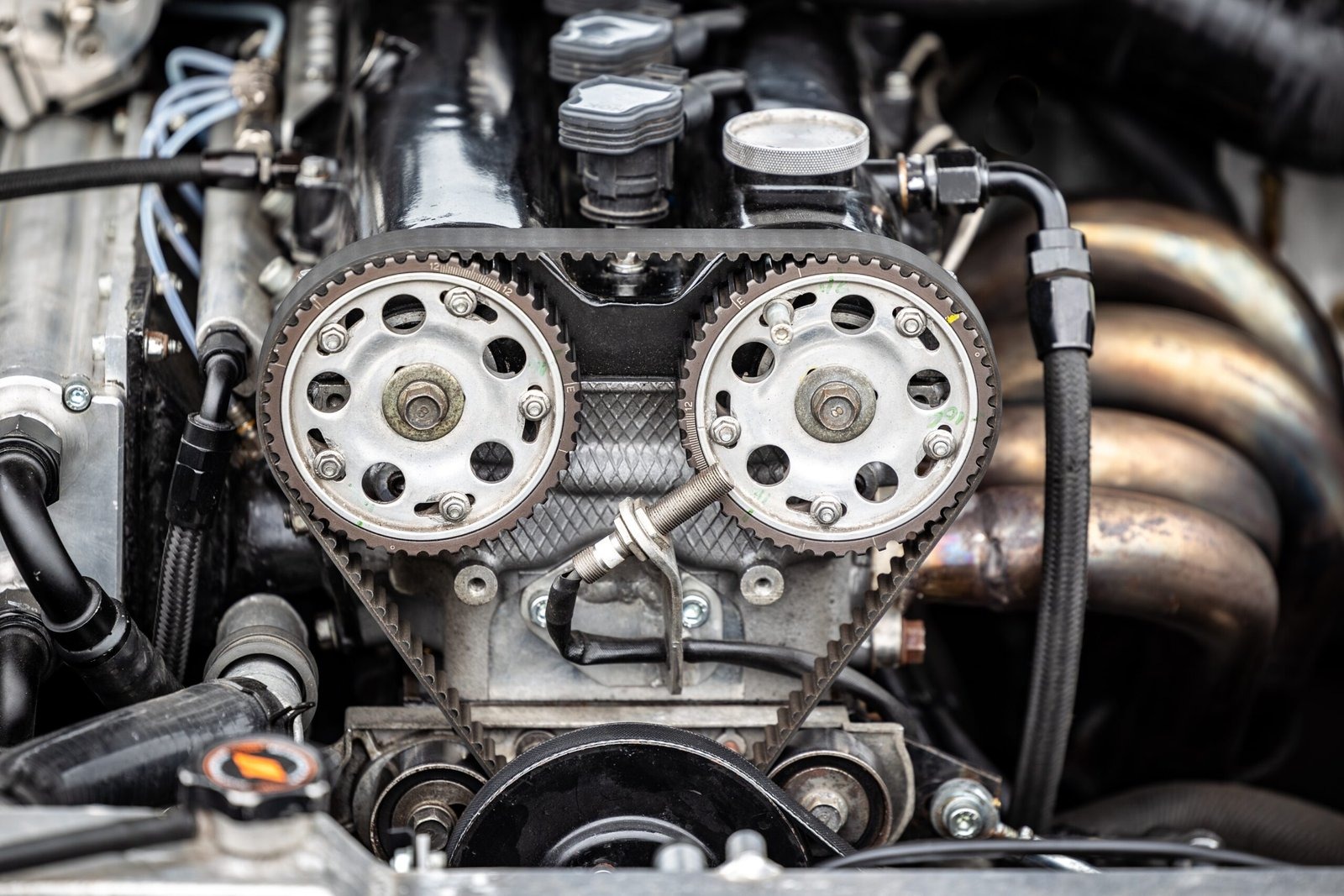
Imagine two groups of engine components that must move together with precise timing. The crankshaft controls piston movement while the camshaft controls valve operation. The timing belt keeps these movements synchronized.
When the belt becomes badly worn, breaks, or slips, that synchronization can disappear instantly. In an interference engine, the consequences can be severe because pistons and valves occupy overlapping areas inside the cylinder at different moments. If their timing becomes incorrect, they can collide.
A broken timing belt may leave a vehicle unable to start or cause an engine to stop suddenly while driving. Internal damage can include bent valves, damaged pistons, or other cylinder-head problems. Repair costs can therefore be much higher than the price of replacing the belt as scheduled.
Timing belts are wear items. They do not necessarily provide obvious warnings before failure. Some belts may show cracking or deterioration during inspection, but visual condition alone does not always tell the full story.
This is why the manufacturer’s replacement interval matters. Depending on the vehicle, replacement may be specified by mileage, age, or both. The associated tensioners, pulleys, and water pump may also require attention during the same service.
If your vehicle uses a timing belt, check the maintenance schedule and determine when it was last replaced. Waiting for the belt to break is a risky way to handle a component with a defined service interval.
4. Ignition System Faults
A gasoline engine needs the right amount of fuel, air, compression, and ignition at the correct moment. When the ignition system develops a fault, combustion can become uneven or fail inside one or more cylinders.
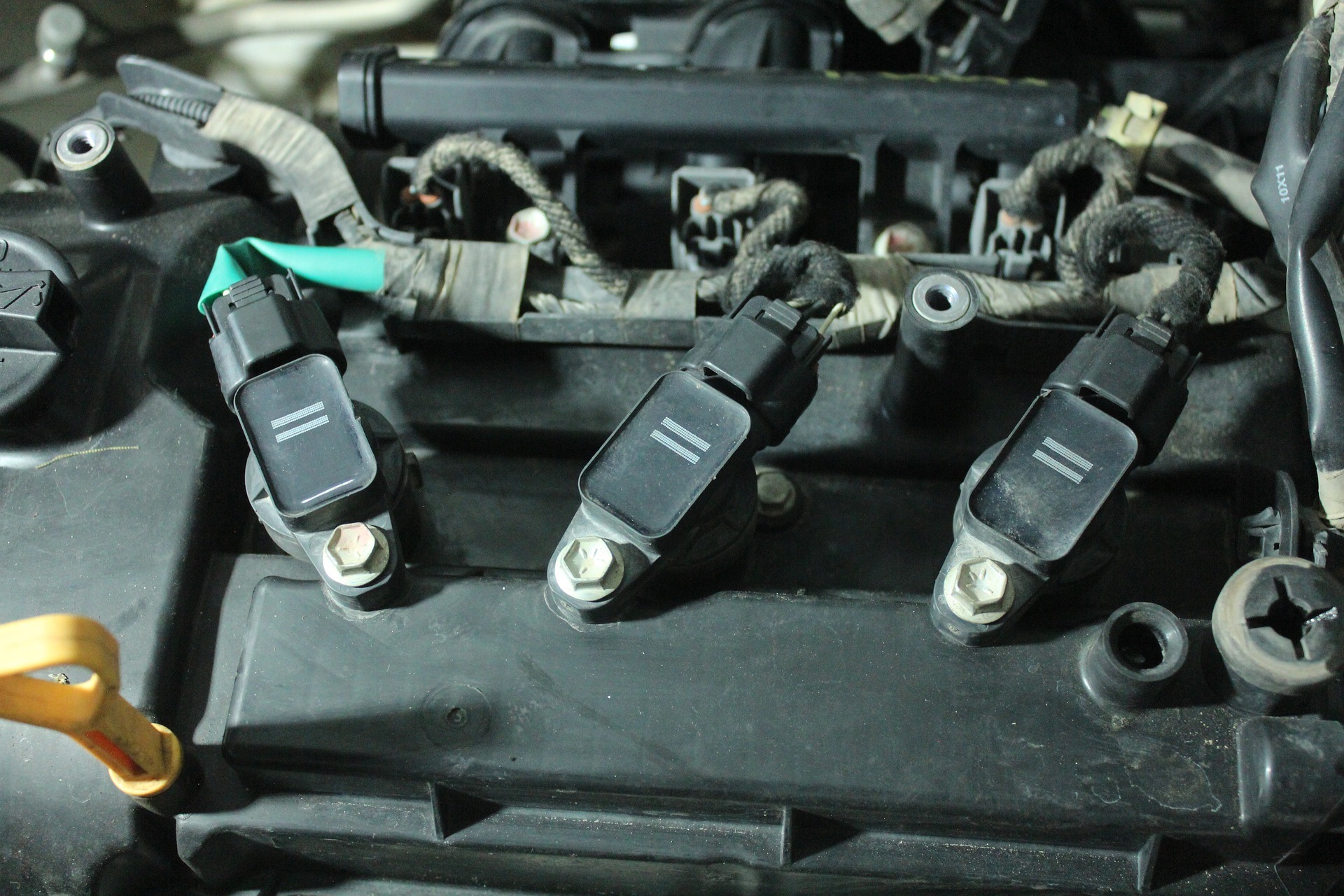
Worn spark plugs are a common starting point. Ignition coils can also fail, while wiring, connectors, and certain sensors may create related problems. A driver might notice hesitation, shaking, reduced acceleration, poor fuel economy, or a check engine light.
One misfire does not automatically mean an engine is about to fail. The concern is repeated or severe misfiring that remains unresolved.
Unburned fuel can enter the exhaust system and damage the catalytic converter. Persistent combustion problems can also contribute to abnormal temperatures and stress on engine components.
A flashing check-engine light deserves particular attention because it can indicate an active misfire that may damage the emissions system.
Driving for weeks with an obvious ignition problem simply because the vehicle still runs can turn a relatively modest repair into a more expensive one.
Spark plugs should be replaced according to the manufacturer’s schedule rather than waiting for obvious symptoms. Ignition coils and related components should be tested when misfires appear.
A smooth-running engine is not something to take for granted. If the vehicle suddenly begins shaking at idle, stumbling during acceleration, or losing power, have the cause diagnosed promptly instead of assuming the problem will disappear on its own.
5. Fuel System Problems
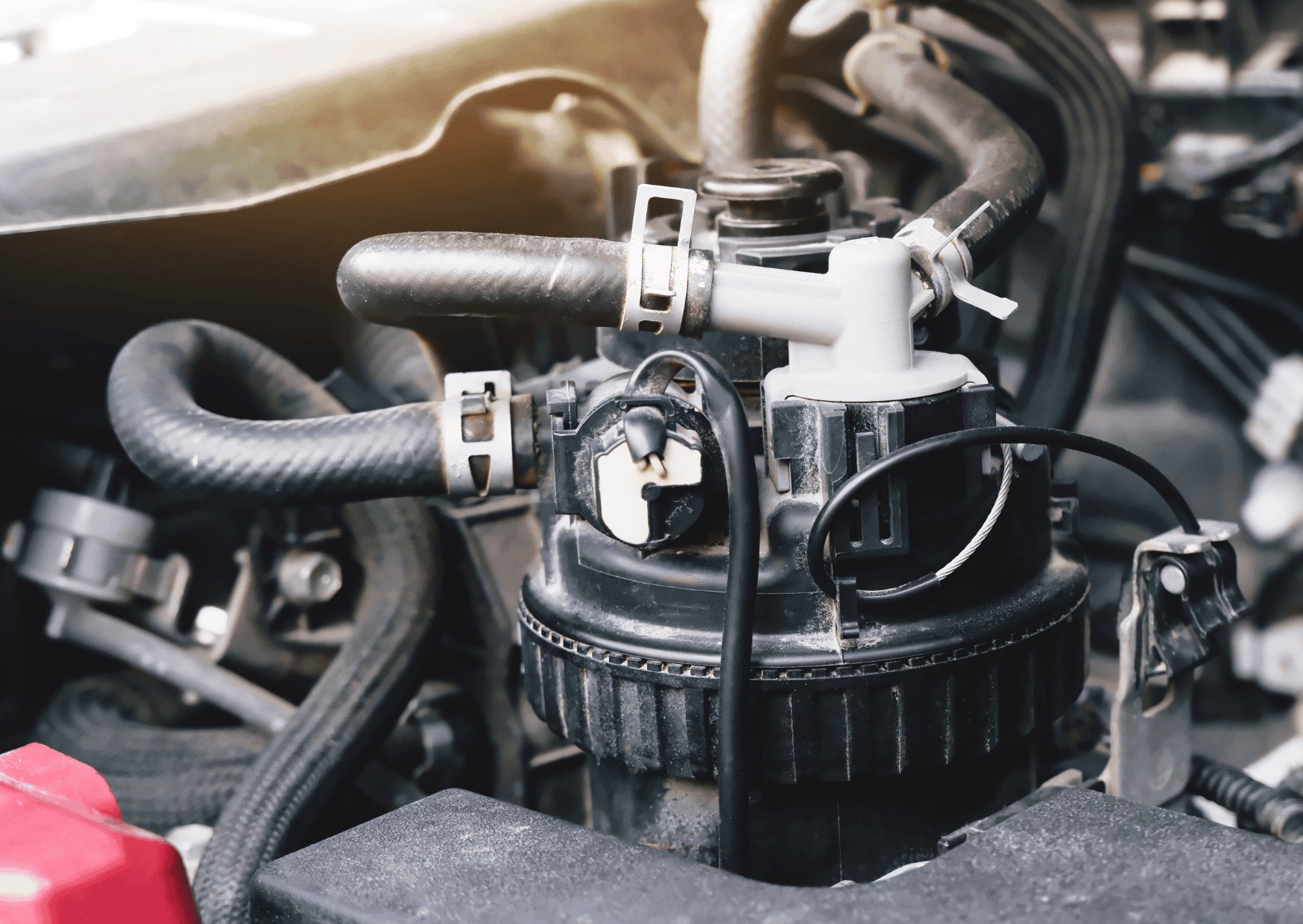
An engine cannot produce reliable power without a consistent supply of properly delivered fuel. Problems anywhere between the fuel tank and combustion chamber can interfere with that process.
A weak fuel pump may struggle to maintain adequate pressure, particularly when the engine is under heavy load. Dirty or restricted injectors can interfere with fuel delivery and spray patterns.
Contaminated fuel can introduce water or debris into the system, while a restricted filter can reduce the amount of fuel reaching the engine. The symptoms are often easy to dismiss at first.
The vehicle might hesitate when accelerating, take longer to start, idle roughly, or lose power during highway driving. A lean fuel mixture, where there is too little fuel relative to the amount of air, can also contribute to increased combustion temperatures and misfires.
Not every fuel-related problem causes immediate internal engine damage. However, allowing a serious delivery problem to continue can place additional stress on the engine and emissions system.
Use fuel that meets the manufacturer’s specifications and replace serviceable fuel filters according to the recommended schedule. If the vehicle develops repeated hesitation or stalling, proper diagnosis is preferable to repeatedly replacing unrelated parts.
A mechanic can test fuel pressure, inspect injectors, examine fuel trims, and check related sensors. Finding the actual cause early can prevent a small fuel-system fault from contributing to a much larger mechanical problem.
6. Oil Leaks and Low Lubricant Pressure
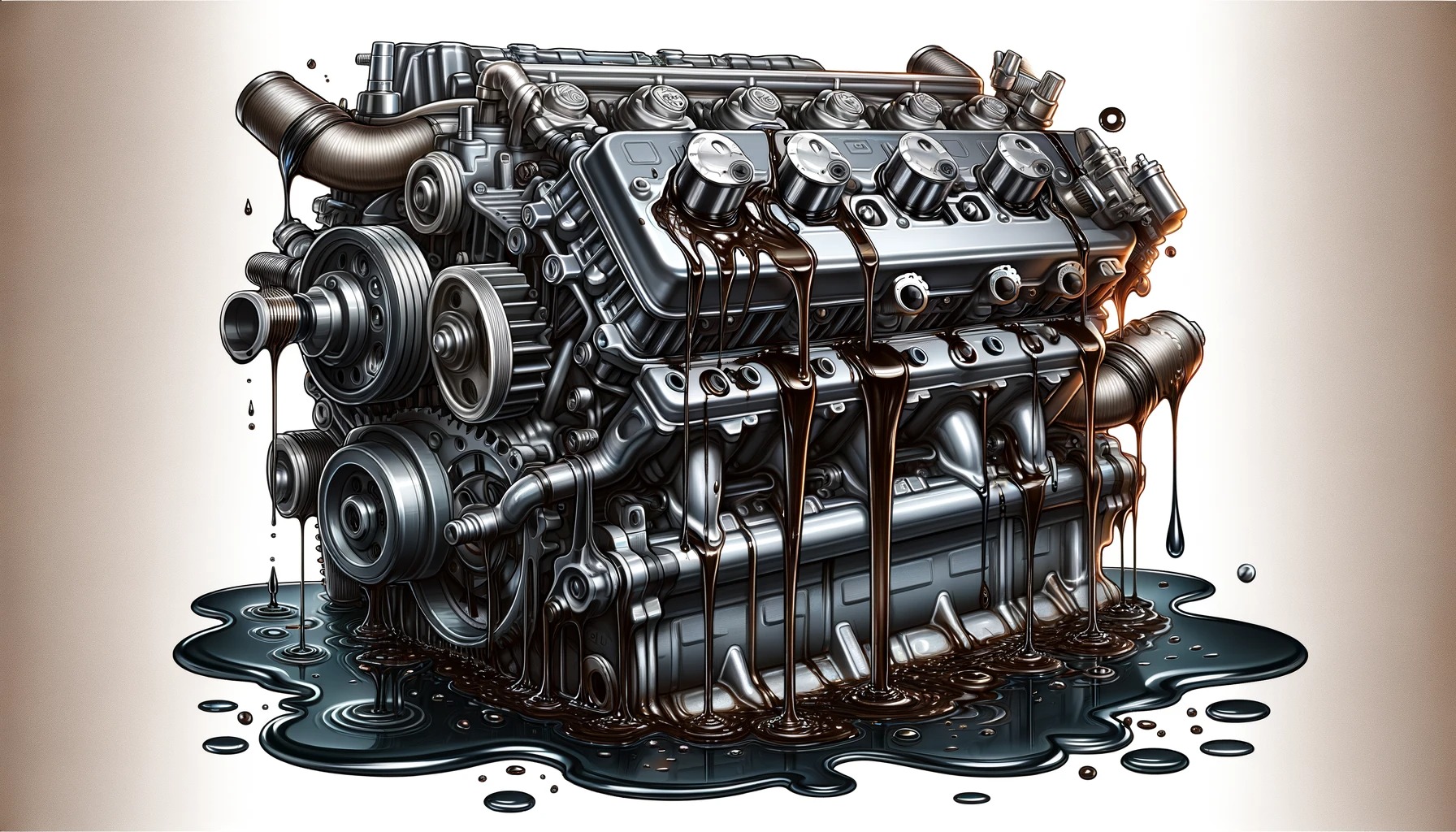
An oil leak may begin as a few drops on the driveway, but the consequences can become much more serious if the leak is ignored. Engine oil has to remain at an adequate level and reach internal components under the proper pressure.
Leaks can develop around valve covers, oil pans, crankshaft seals, oil filters, drain plugs, and other sealing surfaces. Some leaks are slow enough to go unnoticed for months. Others can worsen rapidly after a gasket deteriorates or a component becomes damaged.
Low oil pressure presents a different concern. An engine can have oil in the pan but still fail to deliver adequate lubrication to critical areas. A worn oil pump, restricted pickup, internal bearing wear, or other mechanical fault can contribute to low pressure.
An oil-pressure warning should be treated seriously. If the warning appears while the engine is running, shutting the engine off as soon as it is safe to do so can help prevent further damage.
Continuing to drive while oil pressure is dangerously low can destroy bearings and other internal parts. Check the area where your vehicle is normally parked for fresh oil spots. Also pay attention to burning-oil smells or visible smoke near the engine.
Fixing a leaking seal or damaged pan is usually far less expensive than repairing an engine damaged by prolonged oil starvation.
7. Engine Misfires
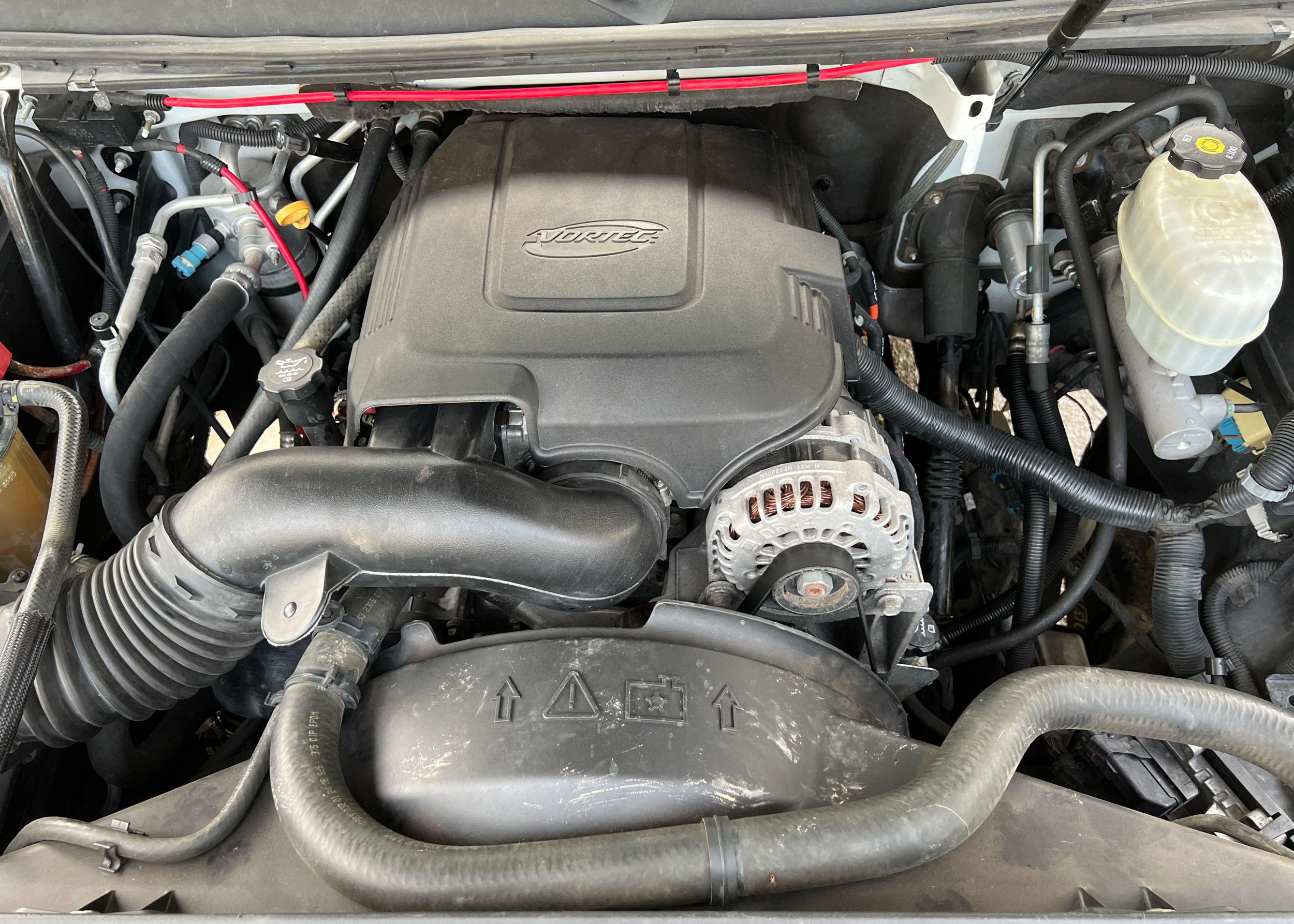
An engine misfire occurs when combustion in a cylinder does not happen correctly. The cause can be electrical, fuel-related, mechanical, or a combination of several faults. Although an occasional rough moment may seem harmless, repeated misfires deserve attention.
Worn spark plugs and defective ignition coils are common causes, but they are not the only possibilities. Fuel injectors, vacuum leaks, low compression, valve problems, and sensor faults can also produce similar symptoms.
Drivers often notice a misfire as a shaking sensation, uneven idle, hesitation, or reduced power. Some vehicles may display a check engine light, while others may store diagnostic trouble codes even when the driver notices very little.
Persistent misfires can allow unburned fuel to reach the exhaust system. This may overheat and damage the catalytic converter. If the underlying cause is mechanical, continued operation may also allow cylinder, valve, piston, or other internal problems to worsen.
The important thing is to diagnose the reason rather than simply replacing parts at random. A technician can use diagnostic codes, ignition tests, fuel-system measurements, compression testing, and other checks to identify the source.
If the engine begins running rough, do not assume that restarting the vehicle has solved the problem. A temporary improvement does not necessarily mean the fault has disappeared.
Prompt attention can keep a relatively manageable issue from developing into a costly engine or emissions-system repair.
8. Poor Maintenance Practices
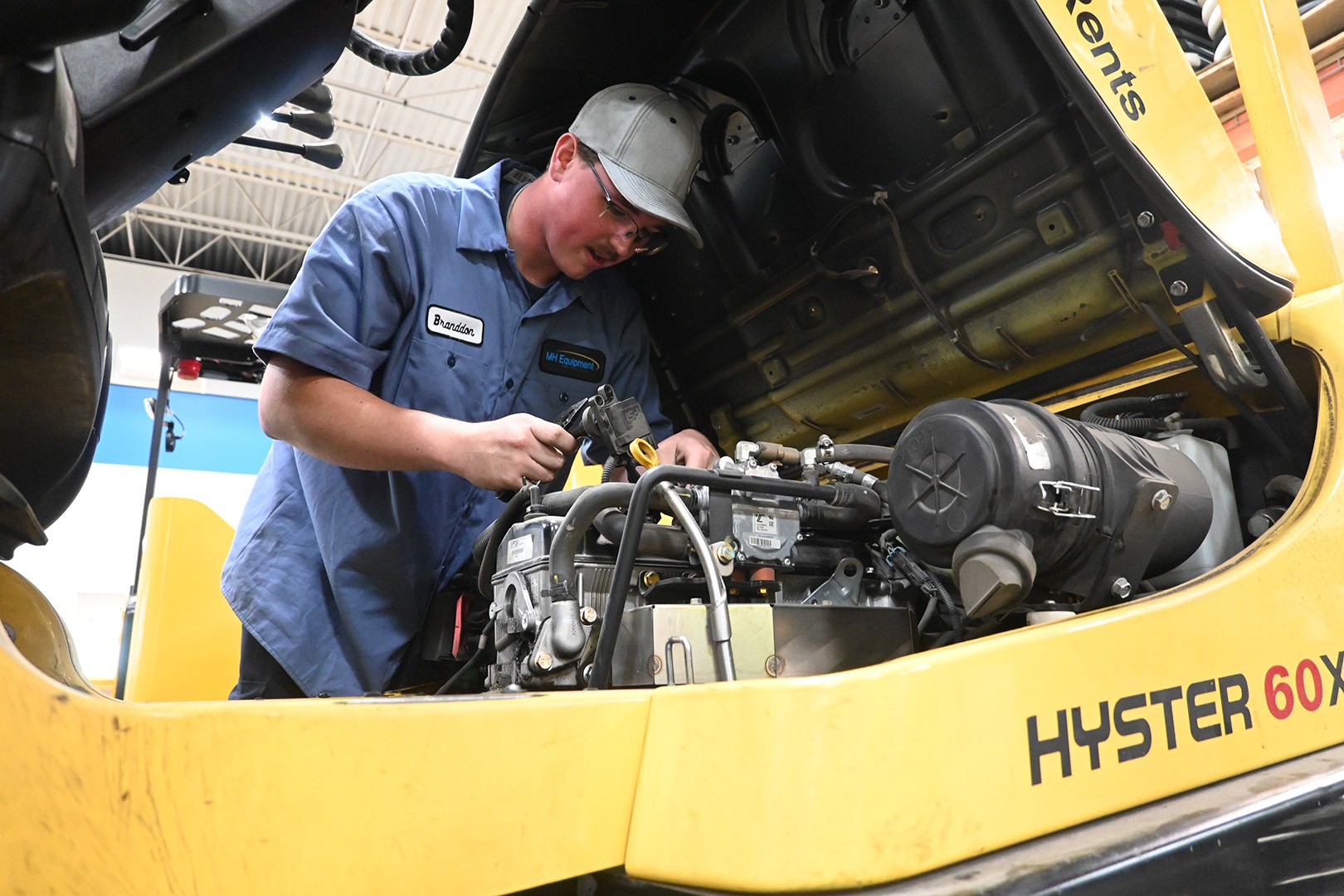
Sometimes the simplest explanation turns out to be the correct one, and neglected maintenance ranks among the most common reasons engines fail well before reaching 100,000 miles.
Even engineering marvels built with premium materials and tight tolerances depend entirely on consistent care to reach their full potential lifespan.
Oil changes represent the foundation of this maintenance responsibility, yet plenty of drivers stretch intervals far beyond manufacturer recommendations, sometimes going tens of thousands of miles without fresh oil circulating through their engine.
That neglect allows degraded oil to continue circulating long after it’s lost its protective properties, accelerating wear throughout every lubricated component.
Coolant flushes get overlooked just as frequently, allowing old fluid to lose its ability to properly regulate engine temperature while also becoming increasingly corrosive toward internal cooling system components.
Air filter replacements might seem minor by comparison, but a severely clogged filter restricts airflow considerably, forcing your engine to work harder while potentially allowing contaminants past the filtration system entirely.
Timing belt replacements represent perhaps the most consequential maintenance item drivers choose to skip, sometimes hoping to save a few hundred dollars now while risking thousands in catastrophic damage later if that belt fails unexpectedly.
Each of these neglected services compounds the others, creating a pattern where multiple systems degrade simultaneously rather than in isolation.
Building a habit of following your manufacturer’s recommended service schedule, keeping records of completed maintenance, and addressing warning signs promptly rather than postponing them protects your investment considerably.
Engines built to last well beyond 200,000 miles routinely fail before reaching half that distance purely due to preventable neglect, making consistent maintenance one of the highest value habits any car owner can develop.

9. Manufacturing or Design Flaws
Sometimes an engine fails early even though its owner has followed the maintenance schedule. Manufacturing defects, engineering weaknesses, defective components, or an inadequate design can create problems that ordinary maintenance cannot fully prevent.
Certain engine families have developed reputations for particular faults. Examples reported across the automotive industry have included excessive oil consumption, cooling-system weaknesses, premature timing-component wear, and head-gasket problems.
That does not mean every engine from a particular model year will fail. Production changes, maintenance history, driving conditions, and individual vehicle differences can all matter.
Technical service bulletins and manufacturer campaigns can be useful sources of information when a recurring vehicle problem is identified. A recall differs from a service bulletin because recalls generally address safety or regulatory concerns and may include specific remedies from the manufacturer. Service bulletins, by contrast, typically provide technicians with guidance for diagnosing or repairing known issues.
When buying a used vehicle, research the specific engine code and model year rather than relying only on the brand’s reputation. Check maintenance records and ask whether known manufacturer campaigns or repairs have been completed.
Owners who already have a vehicle with a known engine issue should watch for the symptoms associated with that problem. Catching excessive oil consumption, unusual noises, coolant loss, or timing-related symptoms early can help limit damage.
An early failure caused by a design or manufacturing issue is not necessarily the owner’s fault. Documentation and professional diagnosis can help determine what actually happened.

10. Overloading and Harsh Driving Conditions
Engines are designed to operate within certain limits, and how a vehicle is used can affect how quickly its components wear. Heavy towing, frequent high-load driving, repeated short trips, and severe temperatures can place additional demands on the engine.
Towing a trailer that exceeds the vehicle’s rated capacity is particularly demanding. The engine may have to produce sustained power while the cooling and lubrication systems work harder.
Long periods of aggressive acceleration can also increase heat and mechanical stress. Short trips create a different issue. When a vehicle is driven only a few miles at a time, the engine may not reach its normal operating temperature for long enough to evaporate moisture and fuel that can accumulate in the oil.
Frequent stop-and-go driving can add another layer of strain. Cold and hot weather can affect fluids, batteries, cooling systems, and engine operation as well. Proper maintenance becomes even more important when a vehicle regularly operates under demanding conditions.
Use the vehicle according to its towing and payload ratings. Give the engine time to warm under normal driving rather than repeatedly demanding heavy power immediately after startup.
Follow the severe-service maintenance schedule if your driving habits match the conditions described by the manufacturer. A vehicle does not need to be driven gently at all times.
The practical goal is to stay within its designed operating limits and respond when unusual heat, noise, vibration, or warning lights appear.
