Buying a used car with an open recall can raise an important question for shoppers. Is it simply a vehicle that needs a free repair, or could the unresolved recall point to a problem that deserves closer attention before you buy?
The answer depends largely on what the recall involves, whether a repair is available, and how urgently the manufacturer says the problem needs to be addressed. An open recall does not automatically mean the vehicle is unsafe to purchase, but ignoring the recall can expose you to a known safety risk.
In the U.S., the National Highway Traffic Safety Administration says recall repairs are generally provided free of charge by the manufacturer’s authorized dealerships. NHTSA also advises owners to follow any specific instructions from the manufacturer, including warnings to stop driving or park a vehicle outside.
The first step is straightforward. Before buying the car, find out exactly what the recall involves and confirm whether the required repair has already been completed.
What an Open Recall Actually Means
An open recall means the manufacturer has identified a safety-related defect or federal safety-standard issue affecting a particular vehicle, but the required remedy has not yet been completed on that vehicle.
The important distinction is that a recall does not necessarily mean the car is currently experiencing a mechanical failure. Some recalls involve components that could fail under particular circumstances, while others concern software, electrical systems, airbags, braking components, fuel systems, or other safety equipment.
NHTSA’s recall database allows consumers to search using a vehicle’s VIN. The agency also identifies certain urgent recalls, including “do not drive” and fire-risk campaigns. That classification matters when you’re negotiating to buy a used vehicle.
For example, an open recall involving a software update may be considerably different from one involving a fuel leak, defective brake component, or fire risk. You should therefore avoid treating every open recall as equally serious.
The recall notice should explain the defect, potential consequences, and available remedy. Ask the seller or dealer for the recall campaign number and check it yourself through NHTSA before completing the purchase.
The Federal Trade Commission also recommends checking for open recalls when shopping for a used vehicle, along with obtaining a vehicle history report and arranging an independent inspection.
Can You Buy a Used Car With an Open Recall?
In many cases, yes. An open recall by itself does not automatically make a used vehicle impossible to purchase.
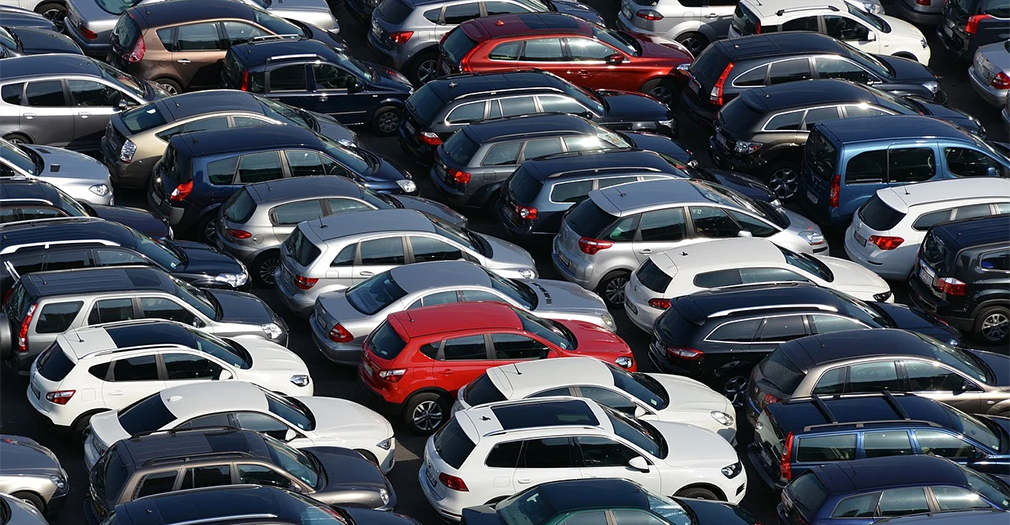
The FTC notes that federal law does not generally prohibit dealers from selling used vehicles with open recalls, although federal law requires new vehicles sold by dealers to be free of open safety recalls.
That distinction is important because a buyer should not assume that a dealership has already completed every recall simply because the vehicle is being offered for sale.
If you’re considering the car, ask the dealer to have the recall repaired before you take ownership. Since recall remedies are generally free through the manufacturer’s dealership network, there is usually little reason for the buyer to accept an unresolved recall when the repair is already available.
The situation becomes more complicated when the recall remedy has not yet been released. Manufacturers sometimes announce recalls before replacement parts, software updates, or other repair procedures are available.
In that situation, the vehicle may remain listed as having an open recall even though the owner has already contacted the manufacturer. This is where the exact nature of the defect becomes critical.
If NHTSA or the manufacturer says do not drive, the vehicle should not be treated like an ordinary used-car purchase. NHTSA specifically tells owners to follow those instructions while waiting for a remedy.
A recall involving a less urgent issue may present a different situation, but buyers should still understand the defect and confirm when the repair will become available.
What You Should Check Before Buying
Start with the vehicle’s 17-character VIN. Don’t rely solely on a seller’s statement that the recall has been handled.
Use NHTSA’s recall lookup system and check the vehicle directly. NHTSA says its system can identify current open safety recalls associated with a vehicle.
Next, ask the seller for documentation showing whether previous recall work was completed. A vehicle history report can provide additional information, but it should not replace a direct recall check or an independent inspection.
The FTC recommends obtaining a vehicle history report and having a used vehicle inspected by an independent mechanic before purchase.
You should also find out whether the recall repair is currently available. Call a franchised dealership for the vehicle’s brand and provide the VIN. The dealership can generally tell you whether parts are available and whether the vehicle is eligible for the recall remedy.
If the repair is available, ask the seller to complete it before signing the final paperwork. If the repair is not available, consider whether you are comfortable owning the vehicle while waiting. The answer depends heavily on the recall’s severity and the manufacturer’s instructions.
Pay particular attention to recalls involving:
- Braking or steering systems
- Fuel leaks
- Fire risks
- Airbags
- Loss of propulsion
- Seat belts
- Wheels or suspension
- Driver-assistance systems
- “Do not drive” or “park outside” warnings
These issues deserve more scrutiny than a recall involving a relatively minor software or equipment problem.
When an Open Recall Can Affect the Deal
An unresolved recall can also become a negotiating point. If you are considering a vehicle with an open recall, compare its price with similar vehicles that have no outstanding campaigns.
You should not assume the recall automatically justifies a large discount because the repair may be free. However, inconvenience, waiting time, and uncertainty can reasonably become part of the negotiation.
More importantly, don’t let a low price distract you from the nature of the defect. A seller offering a significant discount because a vehicle has a serious unresolved safety recall should prompt additional questions rather than an immediate purchase.
You should also inspect the vehicle for unrelated problems. A recall only addresses the specific defect identified by the manufacturer. It does not mean the vehicle has been mechanically inspected from bumper to bumper.
The FTC specifically recommends an independent inspection even when a used vehicle has been inspected or certified by a dealer.
That inspection can uncover accident damage, worn suspension components, brake problems, fluid leaks, or maintenance issues that have nothing to do with the recall.
There is another important point to understand. Recall repairs are separate from routine maintenance and unrelated repairs. A manufacturer generally will not cover other repairs simply because a vehicle has an open recall.
So if a used car has an open recall plus worn tires, neglected maintenance, and evidence of previous damage, fixing the recall will not solve those other ownership costs.
An open recall should not automatically eliminate a used car from consideration, but it should never be ignored.
The safest approach is to identify the exact recall, determine its severity, verify the VIN through NHTSA, confirm whether a remedy is available, and ask the seller to complete the repair before purchase whenever possible.
NHTSA states that recall repairs are free at the manufacturer’s dealership, and the agency advises owners to address open recalls promptly.
If the recall involves a do-not-drive warning, fire risk, or another serious safety issue, the situation is very different from a vehicle waiting for a routine software update. In those cases, the manufacturer’s instructions should take priority.
A used car with an open recall can still be a viable purchase, but the buyer should understand exactly what is wrong, what the manufacturer plans to do about it, and whether the repair is available before handing over the money.
A recall is a reason to investigate the vehicle more carefully, not simply something to ignore because the dealership says it will be fixed later.