
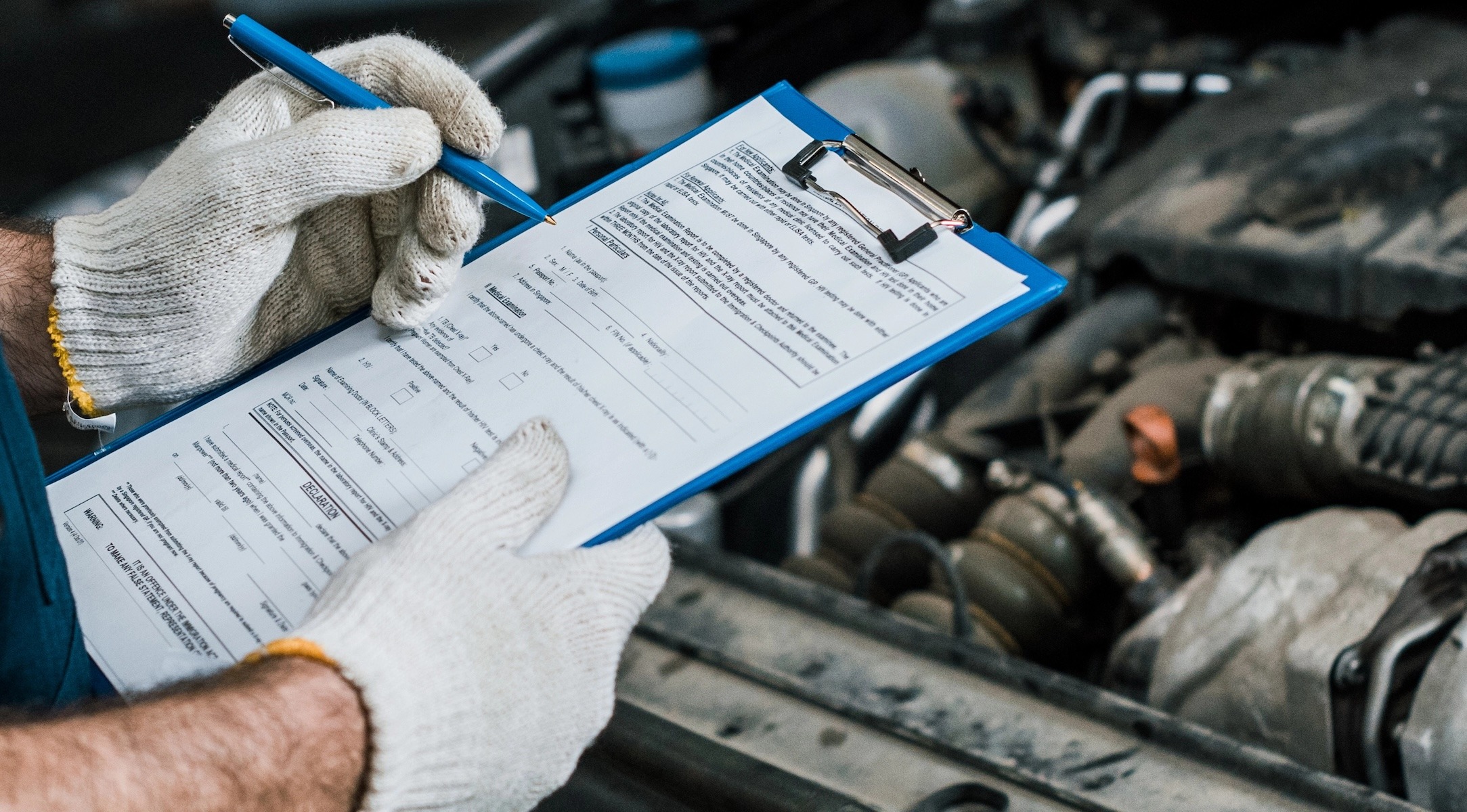
Buying a used car can seem easy until you consider what might be hiding beneath the clean paint, quiet engine, and polished sales pitch. A short test drive can tell you plenty, but it cannot reveal every worn component or pending repair. That is where a pre-purchase inspection, often called a PPI, becomes useful.
A qualified independent mechanic checks the vehicle before you commit your money, giving you a clearer picture of its condition. RepairPal’s September 2026 estimate places a typical PPI at $186 to $273 before taxes and fees. For many buyers, that fee is small compared with discovering a costly repair after the sale.
What Is a Pre-Purchase Inspection?
A pre-purchase inspection is a professional examination of a used vehicle before the buyer completes the purchase. Instead of relying only on appearance or a seller’s description, the mechanic examines the car’s mechanical, electrical, structural, and safety-related components.
Autotrader says a typical inspection can include the body, tires, brakes, engine bay, undercarriage, fluids, electronics, diagnostic codes, and a road test. Newer vehicles may also receive checks of driver-assistance systems, infotainment functions, and EV battery health.
Think of the PPI as another set of trained eyes. A technician may spot an oil leak, uneven tire wear, worn suspension parts, brake problems, warning codes, damaged body panels, or signs of previous repairs that a casual buyer could miss.
Mobile Car Care also describes checks involving the engine, transmission, electrical equipment, brakes, suspension, frame, fluids, and road performance.
The person performing the inspection should be independent. ConsumerAffairs recommends choosing the mechanic yourself rather than depending on a report supplied by the seller.
How Much Does a Pre-Purchase Inspection Cost?
Price is one reason some buyers hesitate, but the inspection fee is generally modest compared with a major vehicle repair. RepairPal’s September 2026 estimate places the average pre-purchase inspection between $186 and $273. That figure excludes taxes and fees and can vary according to location and vehicle.
Other pricing sources show a wider range because inspection services are not identical. VinInspect lists basic visual checks at about $50 to $100 and standard professional inspections at roughly $150 to $300. More detailed evaluations can cost more.
The vehicle can also affect the price. Luxury cars, performance vehicles, hybrids, and EVs may require specialized knowledge or additional testing. RepairPal, for example, lists a 2026 Porsche 911 inspection at about $220 to $322.
Location plays a part as well. A mobile inspector may charge for travel and convenience, while a shop inspection may include access to lifts and specialized equipment.
Rather than asking only for the cheapest price, find out exactly what the inspection includes, whether the vehicle will be lifted, whether diagnostic equipment will be used, and whether you will receive a written report.
What Does a Pre-Purchase Inspection Cover?
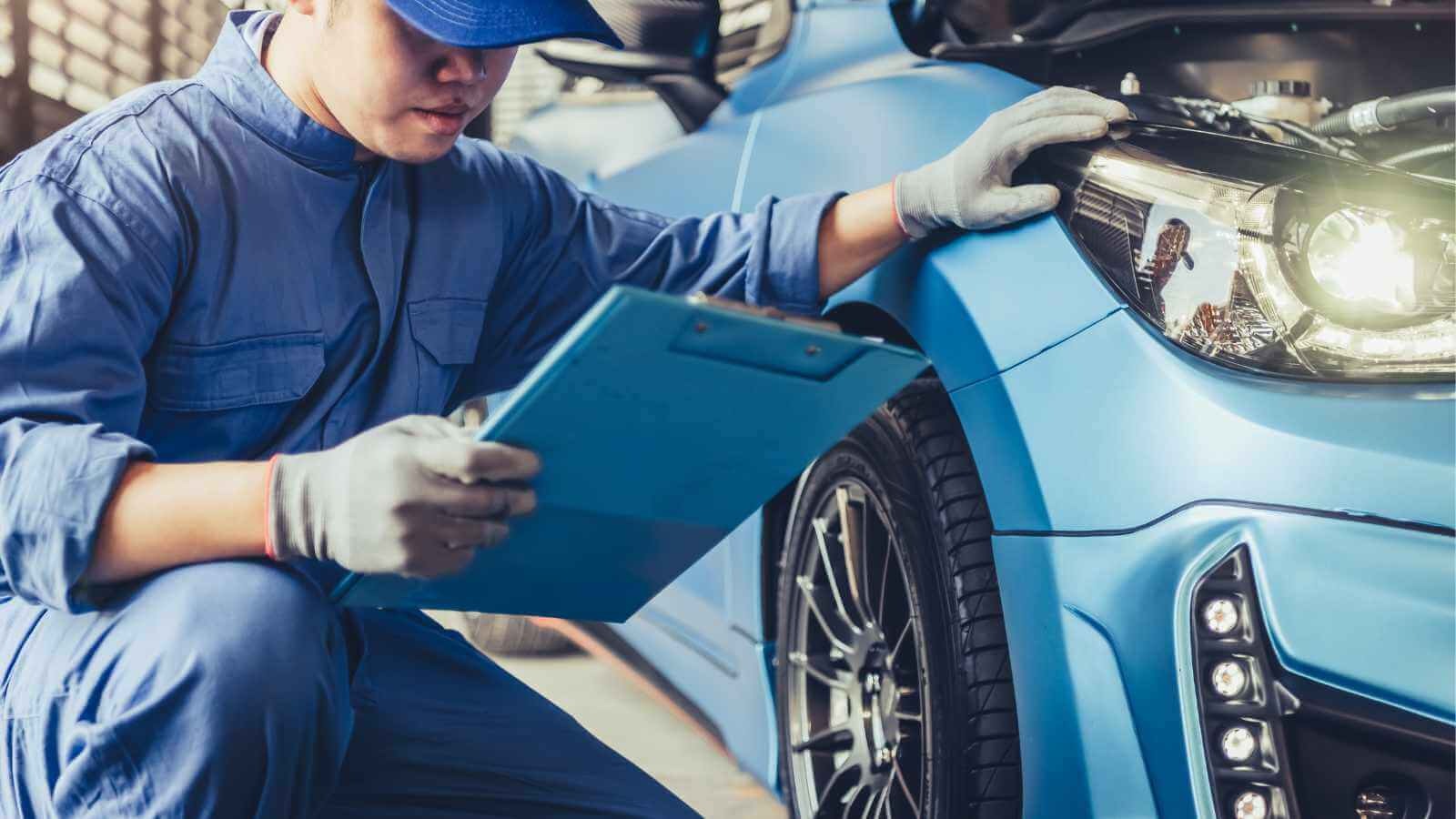
A thorough PPI should involve much more than a quick look beneath the hood. The mechanic should assess major vehicle systems and record the findings.
Engine condition, transmission operation, fluid leaks, belts, hoses, steering, suspension, brakes, tires, exhaust components, and the underbody are common inspection areas.
Electrical checks and computer diagnostics can also reveal warning codes that may not appear during an ordinary test drive. The road test deserves special attention. Some problems become apparent only while the vehicle is moving.
A mechanic can listen for unusual sounds, feel vibrations, assess braking behavior, check steering response, and observe transmission performance during acceleration and deceleration.
Modern vehicles may require additional checks. Autotrader’s current guidance includes adaptive cruise control, lane assistance, blind-spot monitoring, cameras, parking sensors, emergency braking, infotainment functions, and EV battery condition.
Still, a PPI cannot predict every future repair. Chariotz explains that some faults may appear only under conditions a normal road test does not reproduce.
A clean inspection report indicates that the vehicle appeared to be in good condition at the time of the inspection. It does not guarantee that a mechanical or electrical problem will not develop later.
When Should You Get One?
Timing matters. The best point to arrange an inspection is after you have found a vehicle that passes your initial screening but before you make a nonrefundable commitment.
EpicVIN recommends reviewing the VIN, title information, and vehicle history first, then paying for a professional inspection once those records look acceptable.
That order can save money. If a history report already shows a title issue or another problem that makes you reject the vehicle, there is little reason to spend additional money having a mechanic inspect it.
A PPI becomes especially useful when buying an older vehicle, a high-mileage car, a luxury model, an unfamiliar model, or a vehicle being sold privately.
It can also be valuable for long-distance purchases because an inspector can assess the car before you travel or arrange transportation.
Distance does not have to prevent an inspection. Autotrader notes that mobile services can send inspectors to a seller’s location and provide digital reports, photographs, and videos.
One warning sign deserves particular attention. If a seller refuses to allow a reasonable independent inspection, buyers should carefully reconsider the transaction. RepairPal lists this type of refusal as a reason to walk away, while Autotrader also recommends caution when sellers prevent inspections or pressure buyers into making a quick payment.
Is a Pre-Purchase Inspection Worth It?
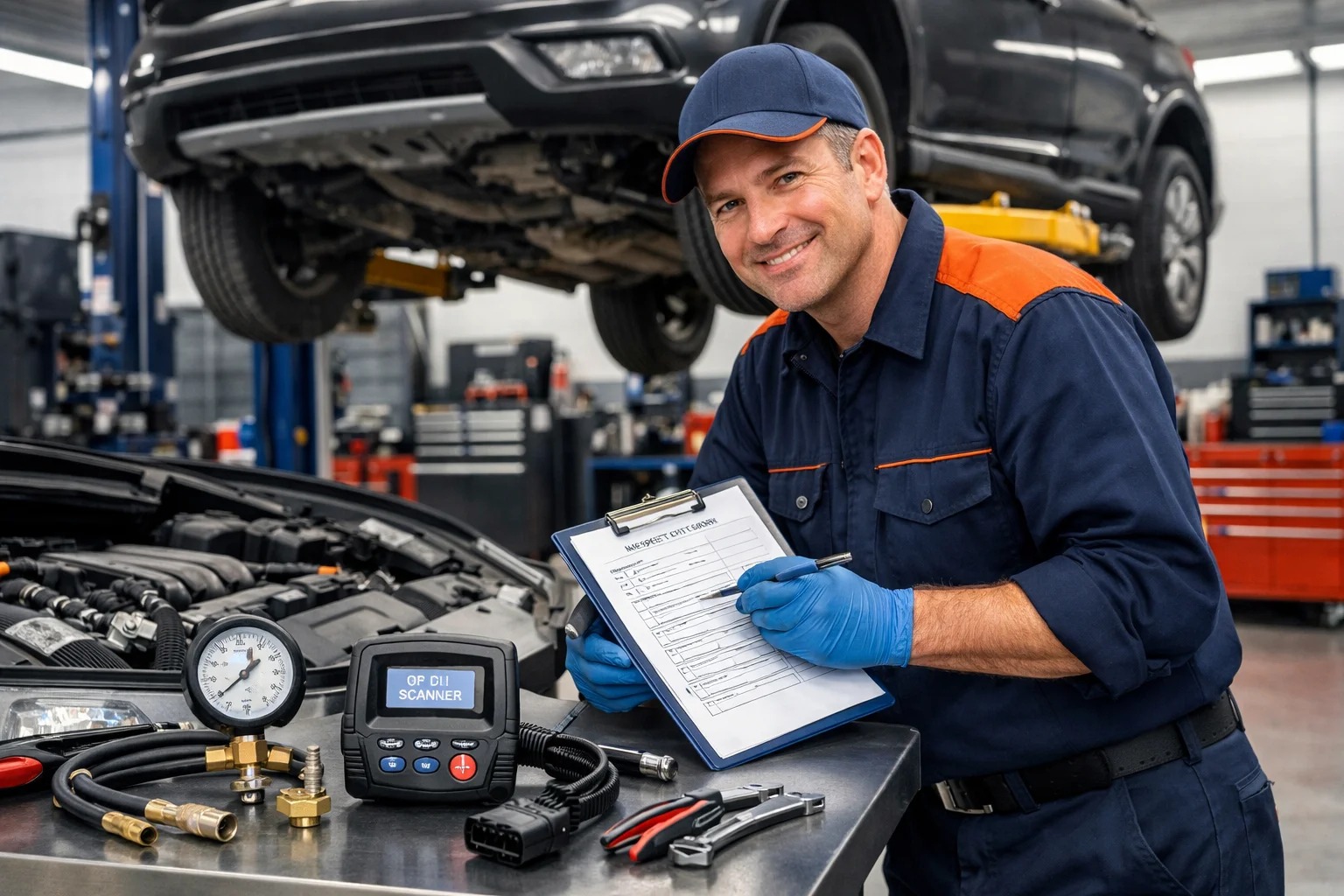
For most used-car buyers, the cost can be justified by the information it provides. Spending around $200 on an inspection may seem unnecessary when the vehicle looks clean, drives well, and comes with maintenance records.
Yet one hidden problem can cost several times that amount after the purchase. The report can also strengthen your position during price discussions.
RepairPal explains that minor problems may give you grounds to request a lower price, while major repairs can provide a reason to reject the vehicle.
Another benefit may not show up on the final invoice, but it can be just as valuable. A professional inspection can give buyers greater confidence by providing documented information about the vehicle’s current condition. That gives you more to rely on than a brief test drive and the seller’s claims alone.
It is also important to keep a PPI separate from a vehicle history report. A history report can contain recorded accidents, title information, mileage records, ownership events, and service records, while an inspection examines the vehicle’s physical condition today. Neither replaces the other.
NHTSA’s consumer guidance also recommends checking mileage against titles, maintenance records, inspection records, and vehicle history information when looking for possible odometer fraud.
The process can be straightforward. Start by checking the VIN and vehicle history, then choose an independent mechanic and confirm exactly what the pre-purchase inspection includes. Review the written findings carefully before signing the paperwork. Spending a few hundred dollars on an inspection could help uncover problems before they turn into a much more expensive repair.
