
For years, stretching an auto loan from five or six years to seven years or more has been an easy way to make an expensive vehicle look more affordable. The monthly payment falls, the buyer qualifies for a larger loan, and the transaction can move forward. But the math does not stop simply because the payment looks manageable.
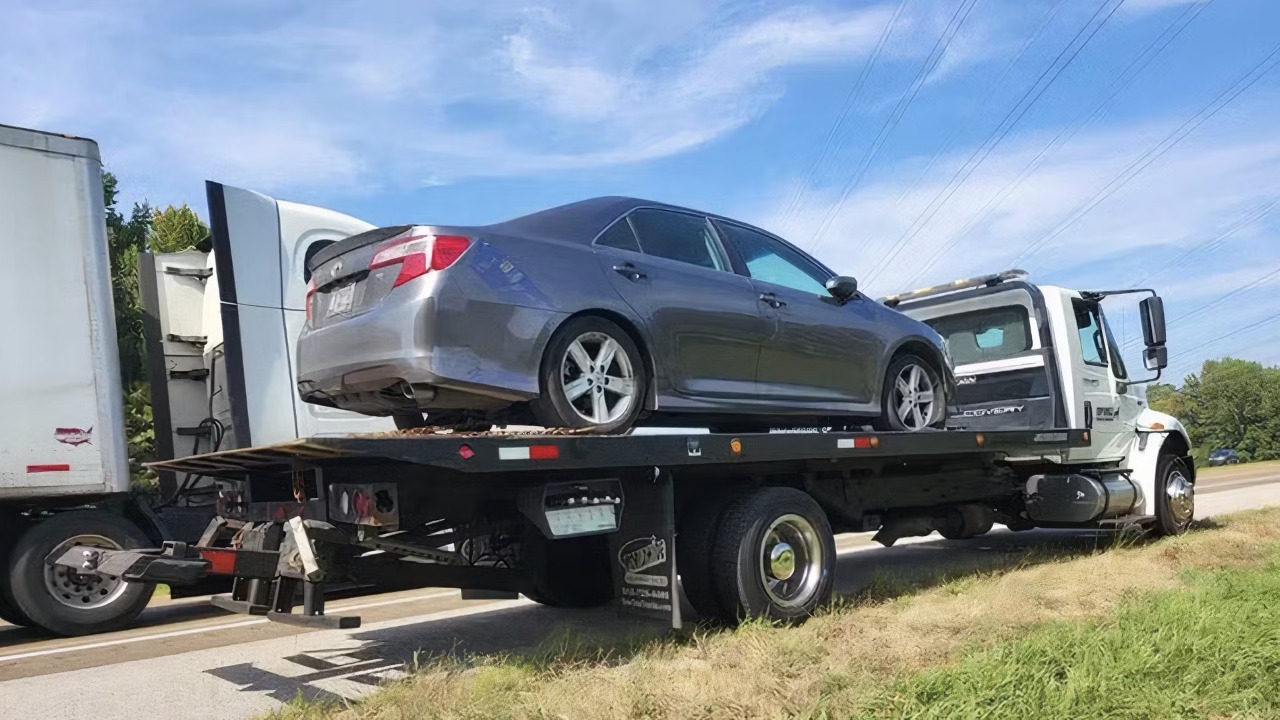
In 2026, that math is becoming increasingly painful for some American borrowers. Repossessions are tracking toward roughly 3 million vehicles annually, according to a recent analysis from CUCollector, a level approaching the approximately 3.2 million repossessions associated with the 2009 financial crisis.
The same analysis points to 84-month loans, elevated vehicle prices, and loans originated during the high-price, high-rate period of 2022 and 2023 as major sources of current stress.
The situation deserves some qualification. There is no comprehensive federal database that counts every vehicle repossession in real time, and the Consumer Financial Protection Bureau has specifically noted that detailed nationwide repossession data are limited.
The CFPB’s 2025 analysis found that repossession rates at the end of 2022 had already surpassed pre-pandemic levels among the lenders it studied.
Still, the combination of high balances, long loan terms, and elevated delinquencies is putting pressure on both borrowers and lenders.
Why 2022 and 2023 Auto Loans Are Causing Problems Now
The seeds of today’s problem were planted when vehicle prices and financing costs were unusually high.
During the pandemic-era vehicle shortage, new and used vehicle prices rose sharply. Buyers who needed a vehicle often had limited negotiating power, while interest rates subsequently climbed as the Federal Reserve tightened monetary policy. Many borrowers responded by extending loan terms.
An 84-month loan can make a large vehicle loan seem much more manageable each month compared with a 60-month term. The lower payment, however, means paying interest for a longer period while continuing to owe money on a vehicle that loses value over time.
The CFPB warns that longer auto loans can leave borrowers with negative equity for longer periods. When a vehicle is worth less than the amount owed on the loan, selling or trading it becomes more difficult because the owner must somehow cover the difference.
That problem can become particularly severe when a borrower financed a vehicle at a high purchase price with little money down.
Consider a simplified example. A buyer purchases a $50,000 vehicle and finances nearly the entire amount over seven years. During the first several years, a substantial portion of each payment goes toward interest, while the vehicle loses value through depreciation.
If the borrower needs to sell the vehicle after two or three years, the market value may be considerably below the remaining loan balance. That creates negative equity.
The borrower can potentially roll that negative equity into another loan, but doing so increases the next loan balance and can perpetuate the problem.
CUCollector’s September 2026 analysis says roughly 30% of trade-ins are underwater and places typical new-vehicle payments in the $770 to $786 range, while loan terms have moved toward 73 to 84 months.
It also identifies the 2022-2023 loan vintages as the core problem cohort because those loans were originated when vehicle prices and borrowing costs were elevated.
The problem becomes more severe when a borrower experiences an income shock, unexpected expense, or job loss. A barely affordable vehicle payment can quickly become impossible.
Why Repossession Does Not Necessarily End the Debt
One of the biggest misconceptions about repossession is that surrendering the vehicle eliminates the loan. It usually does not.
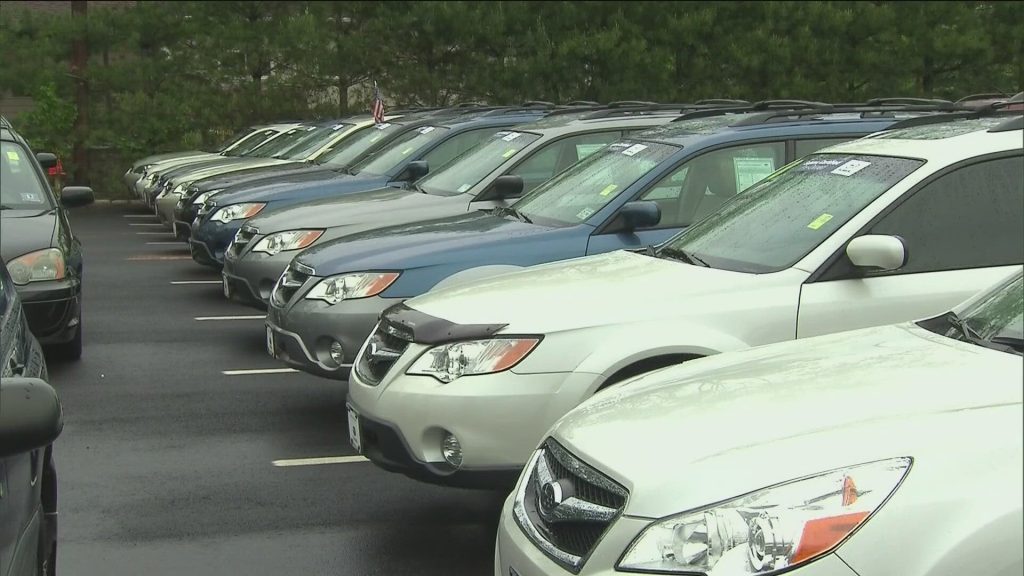
When a lender repossesses a vehicle, the car can be sold, often through an auction. If the sale proceeds are less than the outstanding loan balance plus allowable repossession expenses, the borrower can remain responsible for the difference.
The CFPB calls this a deficiency balance. For example, if a borrower owes $25,000 and the vehicle sells for $18,000 after repossession, the borrower could potentially remain responsible for the $7,000 difference plus applicable costs. State laws and the terms of the loan can affect exactly what happens.
That is why the recovery rate for lenders matters. CUCollector estimates lenders are recovering only about 30.5 cents for every dollar in the repo pipeline. In other words, a significant portion of the original loan exposure can remain unrecovered when a seriously delinquent vehicle is eventually repossessed and sold.
The CFPB has also emphasized that repossession can create serious consequences for consumers. Losing a vehicle can interfere with a person’s ability to work, while the borrower may still owe money after the vehicle is gone. A repossession can also damage credit.
The lender therefore faces a loss, while the borrower loses transportation and can still have a debt obligation. That makes early intervention particularly important.
What Borrowers Can Do Before a Repo
The most important step is to contact the lender before the vehicle is repossessed. The CFPB advises borrowers who know they may have difficulty making a payment to contact their lender or loan servicer as soon as possible.
Depending on the lender and circumstances, options can include changing the payment date, establishing a payment plan, temporarily pausing payments through forbearance or arranging another hardship program.
Borrowers should not rely on a verbal promise alone. If the lender agrees to modify the payment arrangement, the CFPB recommends getting the agreement in writing and asking how the change will affect the credit report. Written documentation can become important if the account is later reported incorrectly.
Refinancing can be another possibility. A borrower with improved credit or access to a lower interest rate may be able to reduce the monthly payment. However, refinancing into an even longer loan can increase the total interest paid and extend the period of negative-equity risk.
Selling the vehicle may also be preferable to waiting for repossession, particularly if the vehicle is worth enough to cover the outstanding loan. The CFPB recommends determining both the payoff amount and the vehicle’s approximate market value before pursuing this option.
If the vehicle is worth less than the loan balance, the borrower should calculate the negative equity before agreeing to a sale or trade. Simply rolling the shortage into another loan can transfer today’s problem into tomorrow’s debt.
Another possibility is asking the lender about a voluntary surrender. But borrowers should understand that voluntarily returning a vehicle does not automatically eliminate the remaining balance. The Federal Trade Commission notes that borrowers can still owe the difference between the loan balance and what the lender receives when the vehicle is sold.
Borrowers should also review their state-specific protections. Rules governing notice, reinstatement, redemption, and the repossession process vary by state.
The Bigger Problem Is the Gap Between the Car and the Loan
The current pressure on repossessions highlights a broader issue with auto financing. A vehicle typically loses value over time while the loan balance falls according to a fixed repayment schedule. These two changes do not always happen at the same pace, which can leave borrowers owing more than the vehicle is worth.
An 84-month loan can keep a payment within a household’s monthly budget, but it can also leave the borrower owing money on a vehicle that has already lost substantial value. The longer the term, the longer that mismatch can persist.
The CFPB’s research shows how significant the auto-credit market has become. Outstanding U.S. auto loan balances exceeded $1.64 trillion through the third quarter of 2024, representing more than 100 million active auto finance accounts.
That means the consequences extend beyond individual borrowers. For lenders, weaker recovery rates can increase losses. For consumers, repossessions can remove a critical source of transportation while leaving behind fees, deficiency balances, and damaged credit.
For the broader used-car market, a large increase in repossessions can also add more vehicles to auction channels.
The roughly 3 million annual figure cited by CUCollector should therefore be viewed as an industry estimate rather than a precise government count. The CFPB itself cautions that nationwide repossession data remain limited. But the underlying warning is much easier to document.

Borrowers who took out large loans during the expensive 2022-2023 period are now reaching the stage where long-term financing, depreciation, and household affordability pressures can collide.
For anyone struggling with a car payment, waiting for the tow truck is the worst point at which to start looking for solutions.
Calling the lender early, documenting every agreement, examining refinancing or hardship options, calculating the vehicle’s actual value, and understanding the remaining loan balance can create alternatives before repossession becomes unavoidable.
The current pressure on auto credit highlights an important point. A lower monthly payment does not necessarily make a loan cheaper or reduce the financial risk. If a vehicle loses value faster than the loan balance declines, an affordable payment can still leave the borrower owing more than the vehicle is worth for an extended period.
