
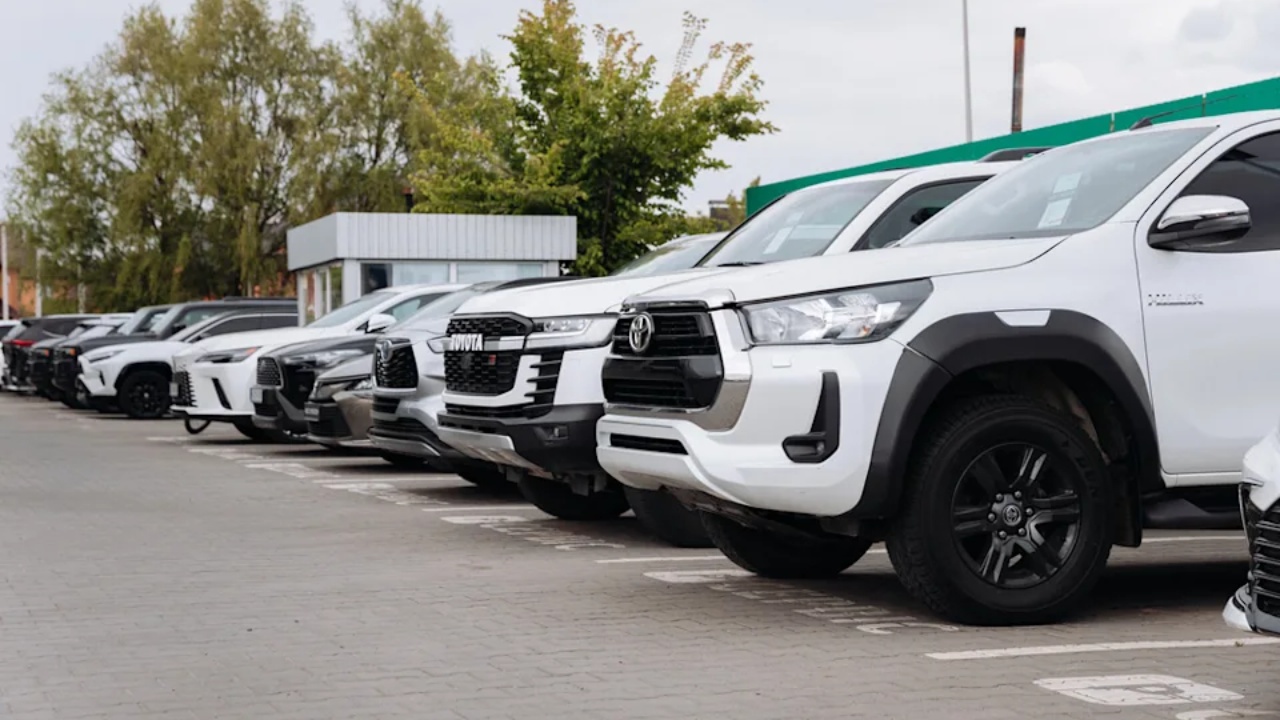
A three-year-old vehicle is supposed to be well beyond its initial teething period, yet the latest U.S. dependability data shows owners are reporting more problems than in any year since the current study format began.
J.D. Power’s 2026 U.S. Vehicle Dependability Study recorded 204 problems per 100 vehicles, up 2 PP100 from 2025 and the highest figure since the study was redesigned in 2022.
The research covered 33,268 original owners of 2023 model-year vehicles after three years of ownership and 184 specific problem areas. Infotainment was the largest category at 56.7 PP100, while exterior problems followed at 27.5 PP100.
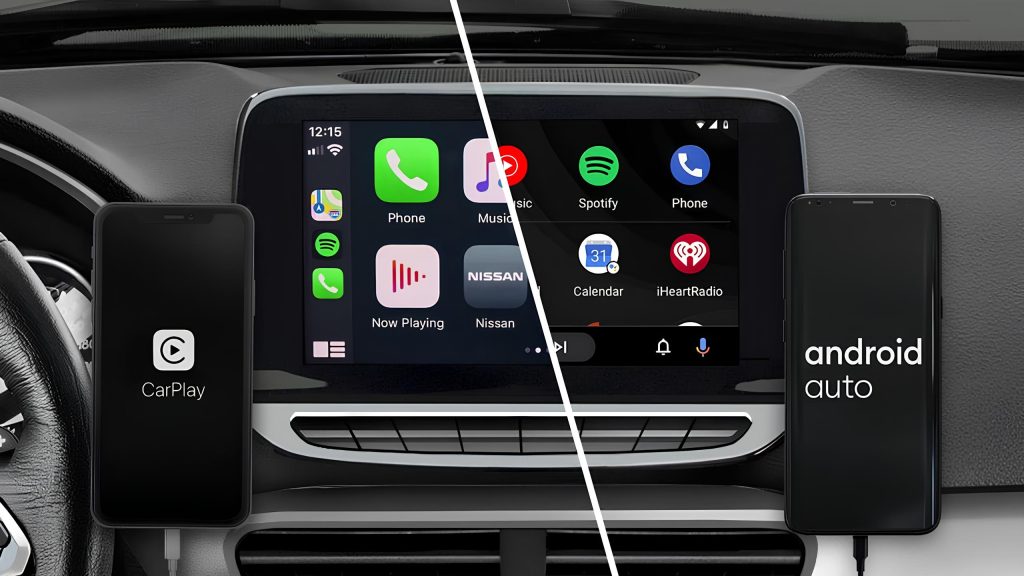
1. Apple CarPlay and Android Auto Connectivity
The single most frequently reported problem in the 2026 study has little to do with an engine, transmission, or suspension component. It involves getting a smartphone to communicate properly with the vehicle.
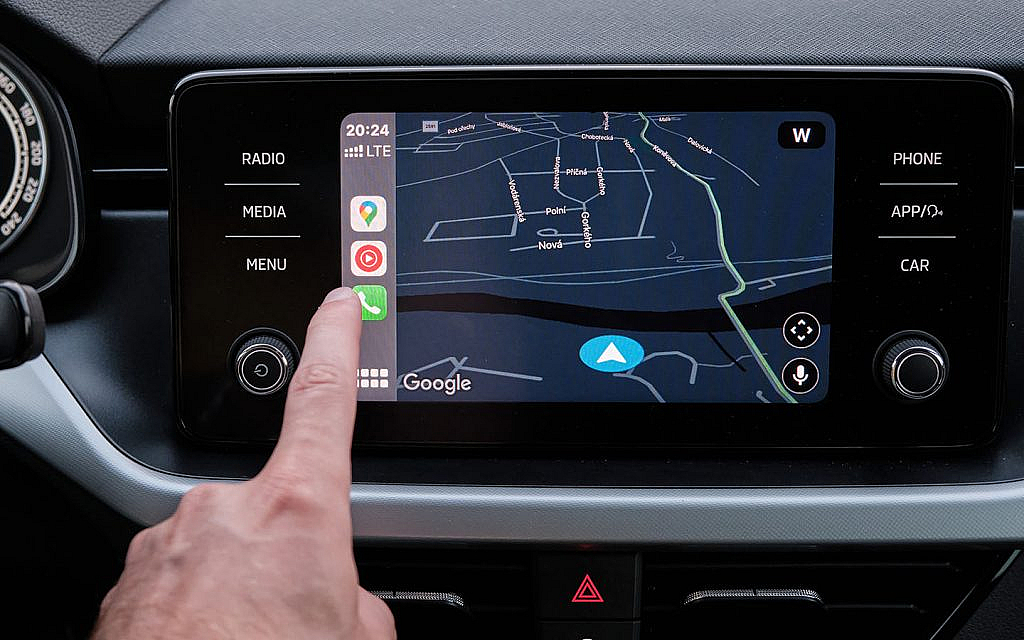
J.D. Power recorded 8.9 problems per 100 vehicles for Android Auto and Apple CarPlay connectivity, making it the industry’s top individual problem for the third consecutive year.
The problem can appear in several forms. A phone may connect successfully one day but fail to reconnect automatically the next. Wireless smartphone integration may drop out during a drive, while a wired connection works normally. Some owners may also experience interruptions when switching between applications, making calls, or using navigation.
What makes this particularly significant is how central smartphone integration has become to the driving experience. Drivers increasingly use their phones for navigation, music, messaging, and communication, so an unreliable connection can affect multiple functions simultaneously.
J.D. Power’s data also shows that this is not an isolated infotainment complaint. The study found that four of the five most frequently reported industry problems were directly related to integrating a mobile phone with the vehicle.
Together, Apple CarPlay and Android Auto connectivity, built-in Bluetooth, wireless charging pads, and OEM app connectivity represented 24.2 PP100, nearly half of the problems recorded within the infotainment category.
The issue illustrates how vehicle dependability has changed. A car can have a functioning powertrain yet still generate a frustrating ownership experience because its digital systems do not communicate consistently.
For owners approaching the three-year mark, repeated connection failures should therefore be documented rather than dismissed as something the phone is causing. Keeping both the vehicle software and smartphone operating system current can help, but persistent problems may require dealer diagnosis of the vehicle’s infotainment system.
2. Built-In Bluetooth Problems
Bluetooth is one of the oldest smartphone-related technologies in today’s dashboard, yet it remains a significant source of reported problems. In the 2026 J.D. Power U.S. Vehicle Dependability Study, built-in Bluetooth systems generated 5.5 PP100, making the issue the second-largest phone-integration complaint identified in the study.
Bluetooth problems can be more complicated than simply failing to pair a phone. An owner’s device may appear in the vehicle’s list but fail to connect automatically. Another common frustration is partial functionality, where phone calls work but audio streaming does not behave correctly.
The problem becomes particularly noticeable in vehicles that rely heavily on Bluetooth for hands-free communication. Drivers expect the car to remember previously paired devices and establish the connection without repeating the setup procedure every time the vehicle starts.
J.D. Power’s findings show why this matters in the bigger dependability picture. Bluetooth issues are part of a much broader concentration of problems involving mobile-device integration.
Along with Apple CarPlay and Android Auto connectivity, wireless charging, and OEM app connectivity, Bluetooth problems contributed to 24.2 PP100 in combined phone-related issues.
That number is striking because it represents problems owners experience with devices that are not even part of the vehicle’s original mechanical architecture.
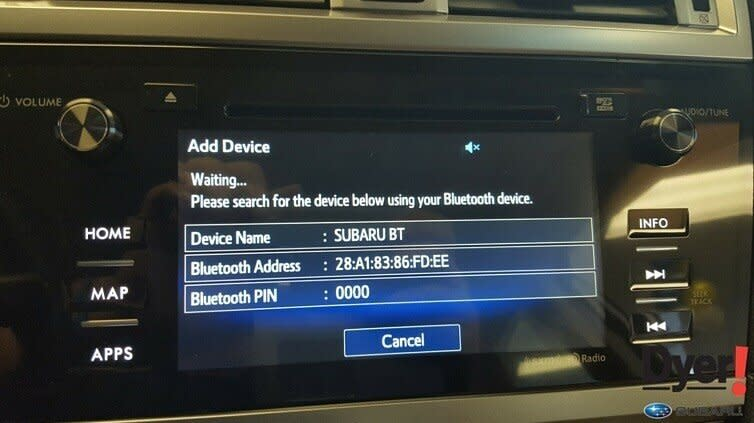
Bluetooth can also be affected by software compatibility. Phones receive operating-system updates throughout their lives, while vehicle infotainment systems may receive updates less frequently. This creates an environment in which a pairing configuration that worked when the vehicle was new may become less reliable later.
A persistent Bluetooth problem should not automatically be blamed on the phone. Testing another compatible device can help establish whether the problem follows the phone or remains with the vehicle. If multiple devices repeatedly experience the same behavior, the vehicle’s infotainment system deserves attention.
3. Wireless Charging Pad Failures
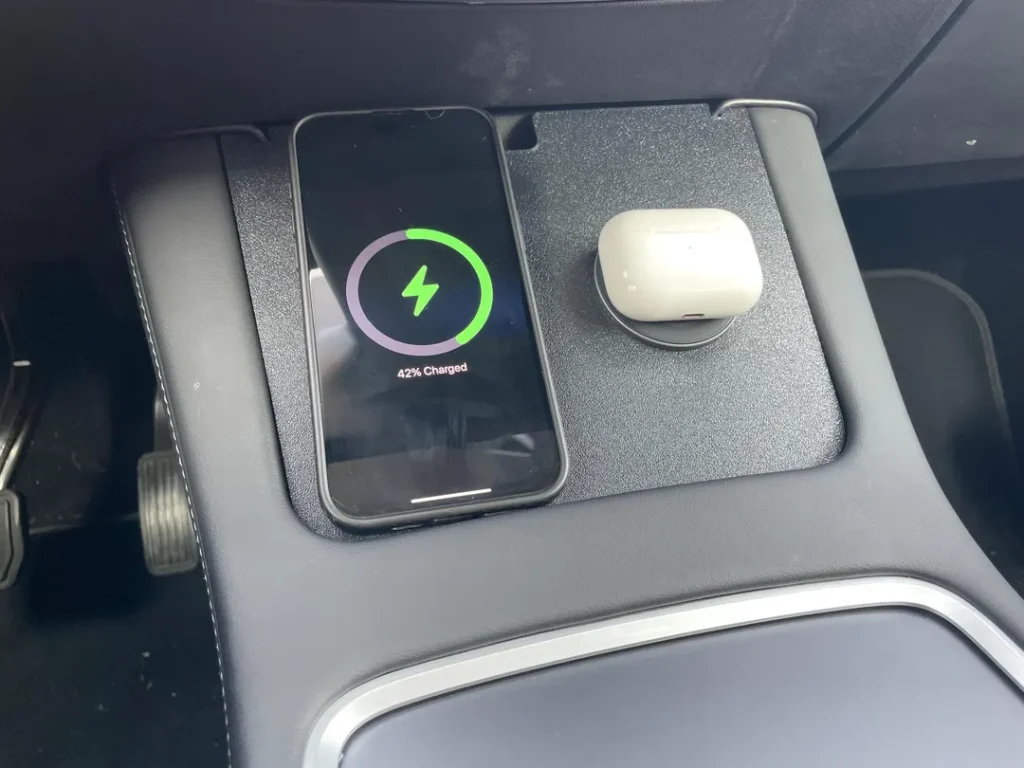
Wireless charging has become a popular convenience feature, but J.D. Power’s latest long-term data shows that it is another point where modern vehicle technology can disappoint owners. Wireless charging pads recorded 5.1 PP100 in the 2026 U.S. Vehicle Dependability Study.
The problem does not necessarily mean the charging pad has completely failed. Owners can encounter intermittent charging, charging that stops unexpectedly, or a phone that repeatedly starts and stops charging while sitting on the pad.
Physical positioning is an important part of wireless charging. The charging coil in the phone has to align sufficiently with the coil in the vehicle’s charging surface. Movement during driving can cause that alignment to change, especially if the charging area does not hold the phone securely.
Heat can add another complication. A smartphone running navigation, cellular data, and other demanding applications may already generate substantial heat. Wireless charging also produces heat, and the combination can cause charging performance to change.
Cases and accessories can further complicate the process. A thick case or accessory attached to the back of the phone can interfere with the charging relationship between the device and pad.
The significance of the J.D. Power number is that wireless charging is not an isolated complaint. It forms part of the 24.2 PP100 recorded across four major mobile-phone integration problems.
For an owner, intermittent charging is worth distinguishing from a completely failed pad. Trying another compatible phone can reveal whether the issue is vehicle-specific or device-specific. If several phones behave the same way, the charging system may require inspection.
The broader lesson is that convenience technology now contributes materially to long-term vehicle dependability measurements. A feature that was once considered an optional luxury has become another system owners expect to function every time they drive.
4. OEM Smartphone App Connectivity
The fourth major phone-related complaint involves the automaker’s own smartphone application. J.D. Power recorded 4.7 PP100 for OEM app connectivity in its 2026 dependability study.
Combined with Apple CarPlay and Android Auto, Bluetooth, and wireless charging problems, OEM app connectivity contributed to the 24.2 PP100 associated with the four major mobile-phone integration issues.
Manufacturer apps increasingly provide functions that once required a physical interaction with the vehicle. Depending on the automaker and model, an app may provide vehicle status information, remote locking, charging information, service reminders, or remote-start functionality.
That creates a different kind of dependability problem. The vehicle itself may be mechanically sound, while communication between the vehicle, the manufacturer’s servers, and the owner’s smartphone stops working.
Connectivity can fail because of several links in the chain. The phone application must operate correctly, the owner’s account must remain authenticated, the vehicle must have access to its communication network, and the manufacturer’s backend services must respond correctly.
This also explains why an app problem can sometimes disappear without any physical repair. A server-side update or application revision can restore functionality even though nothing inside the vehicle has changed.
The 4.7 PP100 figure is particularly relevant because it comes from vehicles that had already reached three years of ownership. These are not merely early bugs appearing during the first weeks of ownership. They are problems owners reported during the period measured by the long-term dependability study.
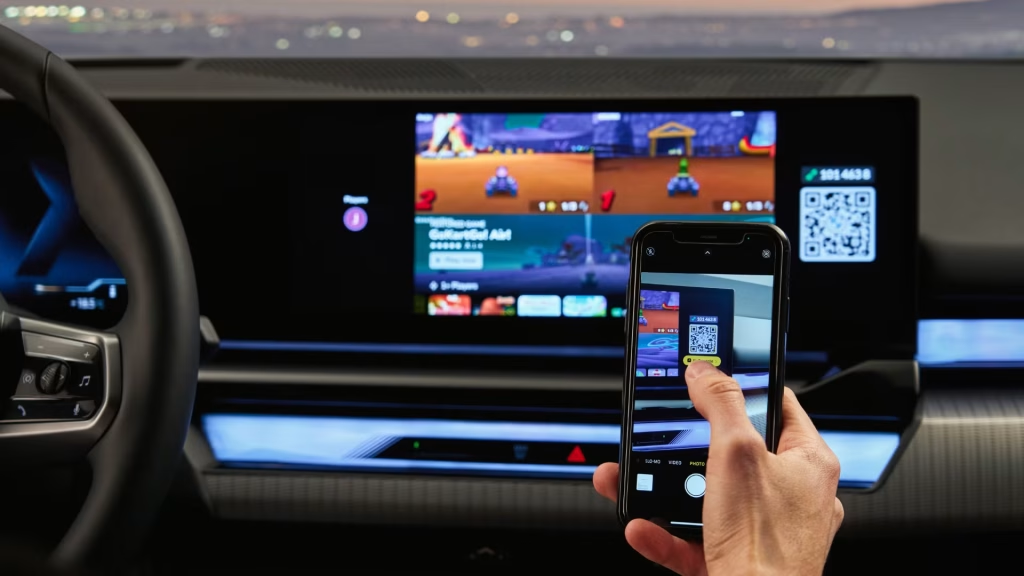
For owners, an intermittent app problem should be documented with screenshots or error messages when possible. Checking whether the vehicle itself has cellular connectivity can also help separate an application problem from a vehicle communication problem.
As cars become connected products rather than isolated machines, dependability increasingly depends on several systems working together. The OEM app is a clear example of how a vehicle can experience a functional problem without anything mechanical actually failing.
5. Abnormal Exterior Noises
Not every major dependability complaint comes from software. The 2026 study also points to the vehicle’s physical structure, with exterior problems reaching 27.5 PP100, second only to infotainment’s 56.7 PP100 among the nine major categories. J.D. Power specifically identified abnormal exterior noises as contributing to the increase in reported problems.
An abnormal noise can be difficult to diagnose because the sound may depend on speed, temperature, road surface, and wind conditions. A rattle that appears only on rough pavement may be completely absent on smooth asphalt.
Wind noise may become noticeable only at highway speeds, while a loose exterior component can produce a sound that changes with acceleration.
The source does not have to be the engine or suspension. Exterior-related noises can come from trim pieces, seals, body panels, mirrors, roof components, or other parts exposed to airflow and vibration.
That makes these complaints different from a traditional mechanical failure. A vehicle can drive normally while still producing a persistent rattle that owners find difficult to eliminate.
The importance of documenting the exact conditions cannot be overstated. Recording when the noise occurs, the approximate speed, road conditions, and whether the vehicle is hot or cold can give a technician considerably more information than simply reporting that the car “makes a noise.”
J.D. Power’s 2026 findings place exterior issues far below infotainment in raw PP100, but 27.5 is still a substantial number within a study averaging 204 problems per 100 vehicles across all categories.

This category also demonstrates why the word “problem” in a dependability survey should not automatically be interpreted as “breakdown.” A persistent rattle and a failed engine can both be reported problems, but their consequences are obviously very different.
6. Software Updates That Do Not Improve the Vehicle
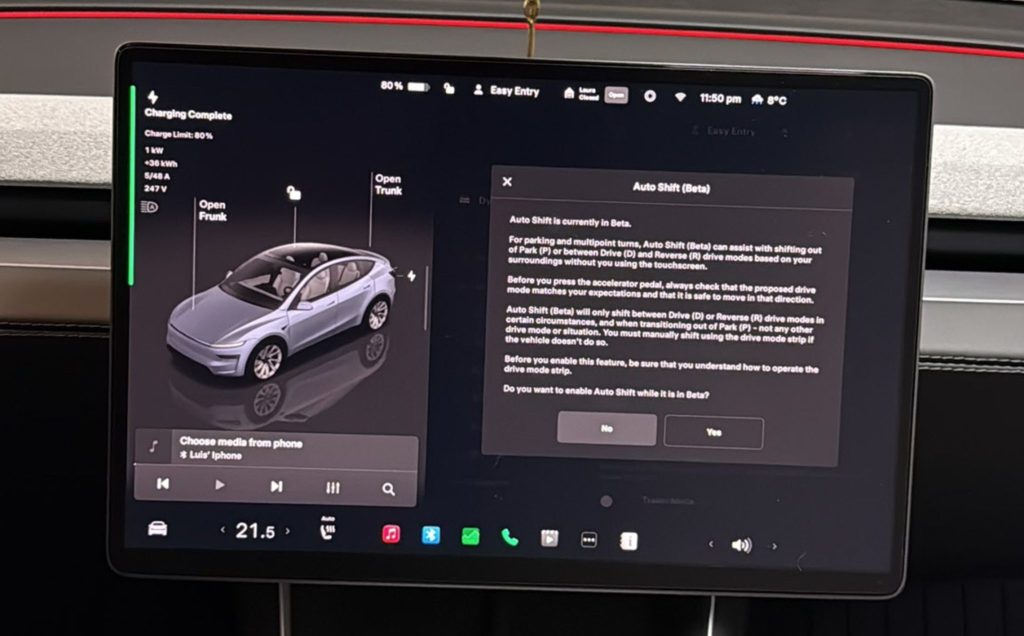
Software updates have become part of normal vehicle ownership, yet the latest J.D. Power study found that owners often do not perceive meaningful benefits after installing them.
Forty percent of owners said they received a software update during the previous 12 months. Of those owners, only 27% said the update improved their vehicle, while 58% noticed no difference.
The delivery method is also changing. J.D. Power found that 63% of the reported software updates were performed over the air. The study associated these OTA updates with a nearly 14% increase in problems, equivalent to 2.5 PP100.
That does not mean an OTA update directly causes every additional problem. The study is reporting an association within the measured population, not establishing that every update creates a defect.
The larger issue is expectation. Software updates are supposed to fix bugs, add functions, or improve existing systems. When an owner installs an update and notices no improvement, the technology may feel no more dependable than before.
Modern vehicles contain numerous software-controlled functions, including infotainment, smartphone integration, driver assistance, charging systems, and vehicle settings. An update can therefore affect multiple systems even when the owner was expecting a change to only one feature.
This is fundamentally different from replacing a worn mechanical component. A new brake pad has a physical purpose that can be inspected. Software improvements can be much harder for an owner to verify.
J.D. Power says the 2027 study will add year-round data collection, continuous reporting, and verified repair data to help identify dependability issues earlier.
For owners, the practical response is to read the update description and note whether a specific problem changes afterward. If an issue remains, reporting it to the manufacturer or dealer creates a clearer record than repeatedly accepting updates without documenting the result.
7. Infotainment System Faults
Infotainment is not merely one problem on the 2026 list. It is the largest problem category by a substantial margin, recording 56.7 PP100. Exterior problems, the second-highest category, recorded 27.5 PP100. That means infotainment generated more than twice as many reported problems as the next category.
The category covers a wide range of systems. Smartphone integration, Bluetooth, charging pads, navigation, displays, and other connected functions can all contribute to the infotainment total.
The sheer size of the category helps explain why vehicle dependability has changed. Traditional mechanical systems have become highly developed, while manufacturers continue adding new digital functions at a rapid pace.
J.D. Power’s 2026 research identified mobile phone integration as a particularly important part of the problem. Four of the five top individual industry problems involved phone integration, while Apple CarPlay and Android Auto connectivity alone reached 8.9 PP100.
This does not mean mechanical reliability has become irrelevant. Powertrain remains one of the nine categories measured by the study. But the data demonstrates that owners encounter many problems that do not prevent the vehicle from moving.
The distinction is important when interpreting the headline figure of 204 PP100. It does not mean the average three-year-old vehicle experiences two major mechanical breakdowns. PP100 counts reported problems across a broad range of systems, including technology and usability issues.
For manufacturers, that creates a difficult engineering challenge. Every additional digital function adds another software and hardware interaction that must continue working after years of use.
For owners, the lesson is to pay attention to infotainment problems even when the vehicle drives perfectly. Repeated crashes, connectivity failures, or system malfunctions should be documented while the vehicle is still covered by applicable warranty or service provisions.
8. Driver-Assistance System Problems
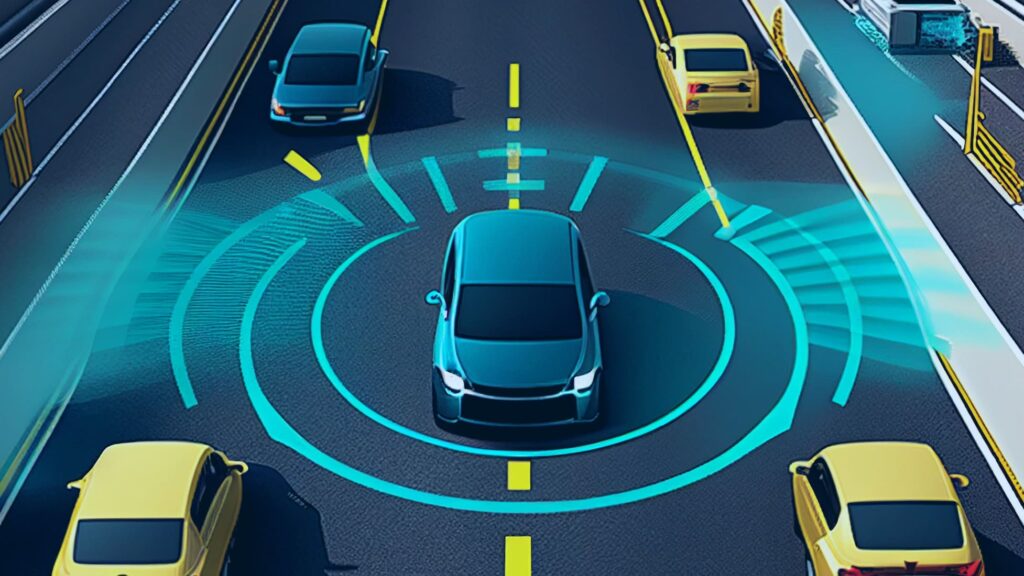
Driver-assistance technology is another modern vehicle category that can create complaints without a traditional mechanical failure. J.D. Power’s 2026 VDS includes driving assistance as one of its nine major problem categories, covering systems designed to support functions such as collision warnings, lane assistance, and other driver aids.
The issue is particularly important because these systems interact with cameras, radar sensors, control modules, and software. A system can therefore generate a warning because of a sensor condition, calibration issue, software behavior, or environmental obstruction rather than a failed mechanical component.
The 2026 study found premium vehicles underperformed mass-market vehicles in seven of the nine categories. J.D. Power specifically reported a 5.8 PP100 premium-to-mass-market gap in features, controls, and displays and a 3.4 PP100 gap in driving experience.
That does not mean every premium vehicle has driver-assistance problems. The figures describe aggregate survey results across brands and models.
Owners should pay attention when a warning repeatedly appears under normal conditions, when a driver-assistance feature unexpectedly disables itself, or when the system behaves differently from its normal operating pattern.
Camera-based systems can also be affected by dirt, snow, or other obstructions, so not every warning indicates a component failure. However, repeated warnings after the sensor areas are clean deserve professional attention.
Because these systems are designed to assist rather than replace the driver, owners should never assume that a malfunctioning assistance feature will compensate for a driving error. The vehicle’s manual provides the specific operating limitations for each system.
The appearance of driver-assistance problems in a long-term dependability study reinforces how much modern vehicle ownership now depends on software and sensors. The vehicle can remain mechanically functional while one of its electronic safety-support systems requires diagnosis.
9. Features, Controls, and Display Problems
The features, controls, and displays category covers another area where modern vehicle complexity can create problems that are difficult to classify as conventional mechanical failures. J.D. Power identifies it as one of the nine major categories in the 2026 study, which examines 184 specific problem areas across the vehicle.
This category matters because the physical controls inside a modern car have changed dramatically. Traditional buttons and switches have increasingly been joined or replaced by touchscreens, digital displays, electronic controls, and software-driven interfaces.
J.D. Power found a notable gap between premium and mass-market vehicles in this area. Premium vehicles recorded a 5.8 PP100 disadvantage in features, controls, and displays compared with mass-market models. The study also reported 217 PP100 for premium vehicles, up 8 PP100 from the previous year.
A control problem does not necessarily mean that a component has physically failed. A button may work intermittently, a digital display may not respond as expected, or a vehicle function may require an unusual sequence of inputs.
These problems can become particularly frustrating when manufacturers move basic functions into complicated interfaces. A driver who previously used one physical control may need to navigate several digital menus instead.
The 2026 study’s broader results show why these issues matter. The industry average reached 204 PP100, the highest recorded since the VDS redesign in 2022.
For owners, documenting exactly what happens is more useful than describing a system as simply “glitchy.” Recording whether a control fails consistently, intermittently, or only under certain conditions can help technicians reproduce the issue.
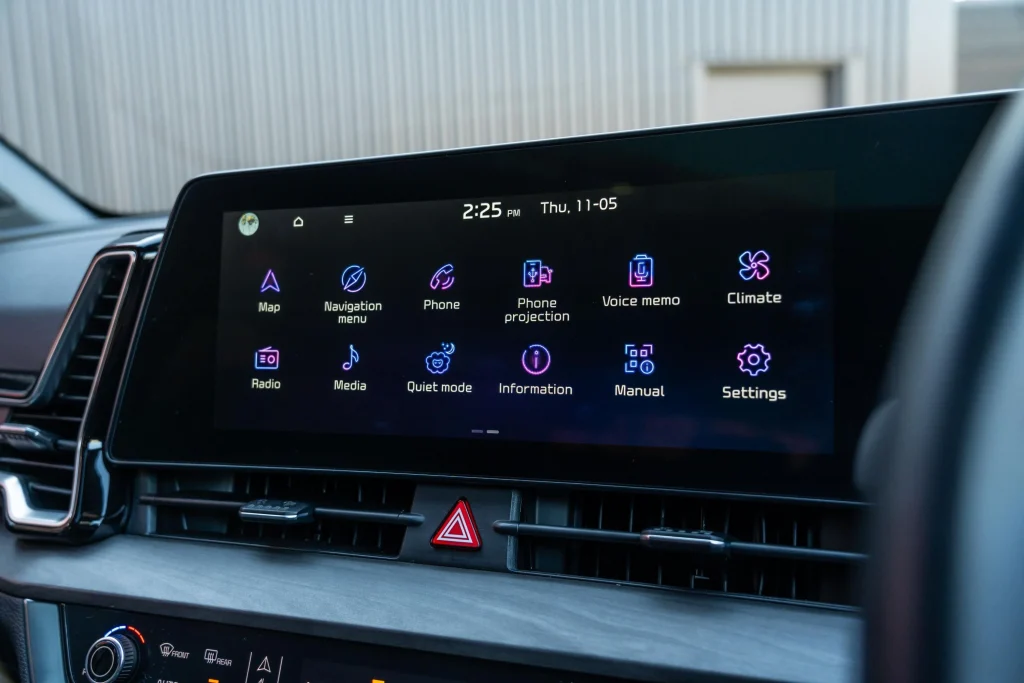
As vehicles become increasingly software-controlled, controls and displays are becoming part of long-term dependability rather than merely interior convenience equipment.
10. Powertrain and Electrified-Vehicle Problems
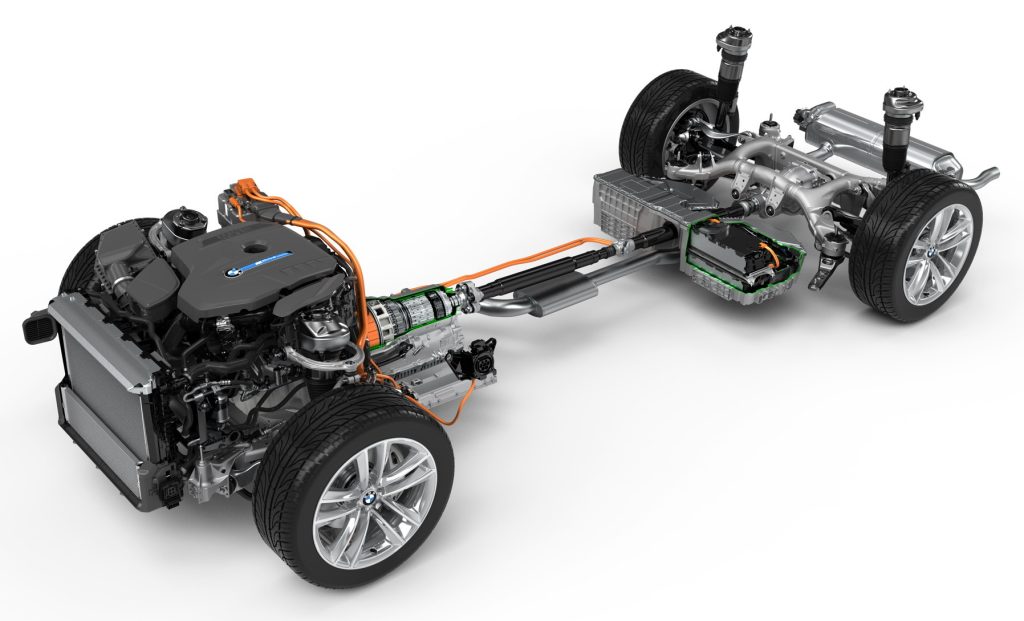
Powertrain problems remain part of the dependability picture, but the 2026 results show an important distinction between different types of propulsion. J.D. Power found that gas-powered vehicles averaged 198 PP100, compared with 213 PP100 for hybrids, 237 PP100 for battery-electric vehicles, and 281 PP100 for plug-in hybrids.
The numbers should not be interpreted as a statement that every electrified vehicle is unreliable. They represent reported problems across the powertrain categories in this particular three-year ownership study.
Plug-in hybrids showed the largest deterioration. Their score increased 39 PP100 year over year to 281 PP100. Battery-electric vehicles and conventional hybrids each increased 14 PP100, reaching 237 and 213, respectively. Gas-powered vehicles moved in the opposite direction, improving by 2 PP100 to 198.
The findings are significant because the powertrain represents only one part of vehicle dependability. Infotainment remained the largest problem category at 56.7 PP100, showing that many issues reported by owners were unrelated to the vehicle’s propulsion system.
Still, powertrain data provides an important counterpoint to the idea that every modern vehicle problem is purely digital. Engines, transmissions, electric motors, batteries, and associated systems remain part of long-term ownership.
The 2026 study surveyed 33,268 original owners of 2023 model-year vehicles after three years of ownership, with fieldwork conducted from December 2024 through November 2025.
That context matters when reading the numbers. The results describe owner-reported problems during a defined period and are not a prediction that a particular vehicle will fail.
The biggest takeaway from the study is that modern dependability has become broader than traditional mechanical reliability. A three-year-old vehicle can accumulate reported problems through software, connectivity, controls, exterior components, and powertrain systems alike.
The 204 PP100 industry average captures all of those experiences, which is why the latest data tells a much more complicated story than a simple count of mechanical breakdowns.
