
Buying or importing a car from Europe can reveal just how differently the two markets approach vehicle regulations. A car that is perfectly legal in one region may need different lighting, safety equipment, emissions hardware, or warning labels before it can be sold in the other.
These differences are not simply about engineering preferences. They come from separate regulatory systems, testing procedures, and long-standing vehicle standards. Some differences are easy to spot, while others are hidden inside the car’s software or safety equipment.
Here are 10 key areas where U.S. and European regulations can lead to noticeable differences in vehicle design and equipment. One of the most visible examples is the color used for rear turn signals.
1. Rear Turn Signals Can Be Red in the US, but Europe Requires Amber
Look at the back of a modern vehicle sold in the United States, and the turn signals may flash red. Look at a comparable vehicle built for the European market, and the rear indicators will normally flash amber.
This is one of the easiest ways to notice that the same basic vehicle can require different lighting equipment depending on its destination.
The U.S. rule comes from Federal Motor Vehicle Safety Standard No. 108, commonly called FMVSS 108. NHTSA’s interpretation of the standard states that rear turn signals may be either red or amber.
Red has historically been common among American manufacturers because the same rear lamp assembly can perform several functions, including tail, brake, and turn signaling.
Europe takes a different approach. UNECE lighting requirements specify direction-indicator lamps, and NHTSA’s technical research describes the European system as requiring rear turn signals to be amber rather than giving manufacturers the U.S. choice between red and amber.
There is a technical reason this matters. A red rear turn signal can be integrated with the braking and taillight system, meaning the same physical lamp area may perform multiple functions.
FMVSS 108 therefore includes requirements intended to make the flashing turn signal distinguishable from the steady taillight and to give the turn indication the necessary intensity.

NHTSA has studied whether amber provides a detectable advantage. Its research has found some evidence of quicker recognition under certain test conditions, but the agency has historically concluded that the evidence was not sufficient to prohibit red rear indicators in the United States.
That is why an American-specification vehicle can legally have red flashing indicators while a European-specification version of the same model uses amber.
2. Headlight Beam Requirements Are Different
Headlights may look almost identical on two versions of the same vehicle, yet their optical design can be different because U.S. and European regulations have historically used different requirements for forward lighting. This becomes especially important when a vehicle is imported rather than manufactured for the destination market.
In the United States, headlights and other required lighting equipment must comply with FMVSS 108. The standard establishes requirements covering lamps, reflective devices, photometry, mounting, and other aspects of vehicle lighting.
Manufacturers certify that vehicles comply with applicable federal requirements rather than receiving an individual approval from NHTSA.
European vehicles generally follow UNECE lighting regulations, including Regulation No. 48 for the installation of lighting and light-signaling devices. Those rules establish detailed requirements for the positioning and operation of lighting equipment. The European system also interacts with specific UNECE regulations governing individual lamp types.
The difference becomes particularly noticeable with the shape and control of the headlight beam. Historically, European lighting regulations placed significant emphasis on controlled beam patterns designed around right-hand or left-hand traffic.
A vehicle intended for driving on one side of the road can therefore require a different beam distribution when operated permanently in a country where traffic travels on the opposite side.
Modern adaptive LED and matrix systems make the situation more sophisticated. Instead of simply producing one fixed beam, advanced headlights can electronically control individual light segments. Even then, the system must operate within the regulatory framework applicable to the market where the vehicle is certified.
This is why importing European headlights into the United States is not necessarily a simple matter of physically installing them. The lamp assembly, beam pattern, markings, software, and certification requirements all have to be considered.
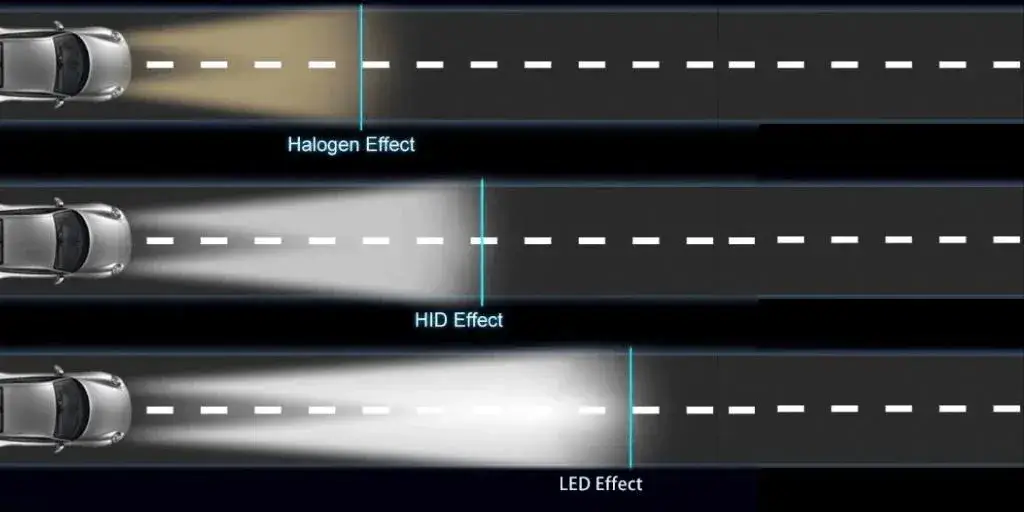
For drivers, the difference is mostly invisible until a vehicle is inspected, modified, or imported. For manufacturers, however, lighting regulations can influence the design of the entire front-end assembly. A single global vehicle may therefore require different headlight hardware or software depending on whether it is being built for the U.S. or European market.
3. Side-Marker Lamps Are a Major U.S. Lighting Requirement
Another difference becomes visible when you look at the sides of vehicles, particularly around the front and rear corners. U.S. regulations require certain vehicles to have side-marker lamps and side reflectors, creating the familiar small amber and red lights positioned near the outer edges of the vehicle.
European lighting regulations use a different system for side visibility and lamp placement, so a vehicle designed exclusively around European requirements can require different lighting hardware for the American market.
FMVSS 108 specifies required lighting equipment for passenger cars, multipurpose passenger vehicles, trucks, and buses. For applicable vehicles, the U.S. system includes side-marker lamps and reflex reflectors.
The front side-marker function is generally amber, while the rear side-marker function is red. These devices are intended to make a vehicle more visible from angles that are not directly in front of or behind it.
The European approach is governed through the UNECE framework, including Regulation No. 48, which establishes requirements for the installation of lighting and light-signaling devices. The regulation contains detailed requirements for lamp positioning, visibility, and installation rather than simply reproducing the U.S. arrangement.
This distinction can affect the actual bodywork. A U.S.-specification vehicle may have dedicated lamps or reflectors molded into the front and rear corners, while an international version may use different lamp assemblies or incorporate visibility functions into other lighting components.

It is one reason imported vehicles sometimes have seemingly unnecessary-looking lights or different bumper and fender details. Manufacturers are not necessarily adding equipment for styling purposes. They may be engineering the vehicle around a specific regulatory environment.
For consumers, the difference matters most when importing a vehicle or replacing lighting components. NHTSA specifically notes that non-compliant equipment cannot simply be imported into the United States.
The small lamp on the side of a vehicle therefore represents a much larger regulatory difference than its size suggests.
4. Headlight Aiming and Beam Requirements Follow Different Regulatory Systems
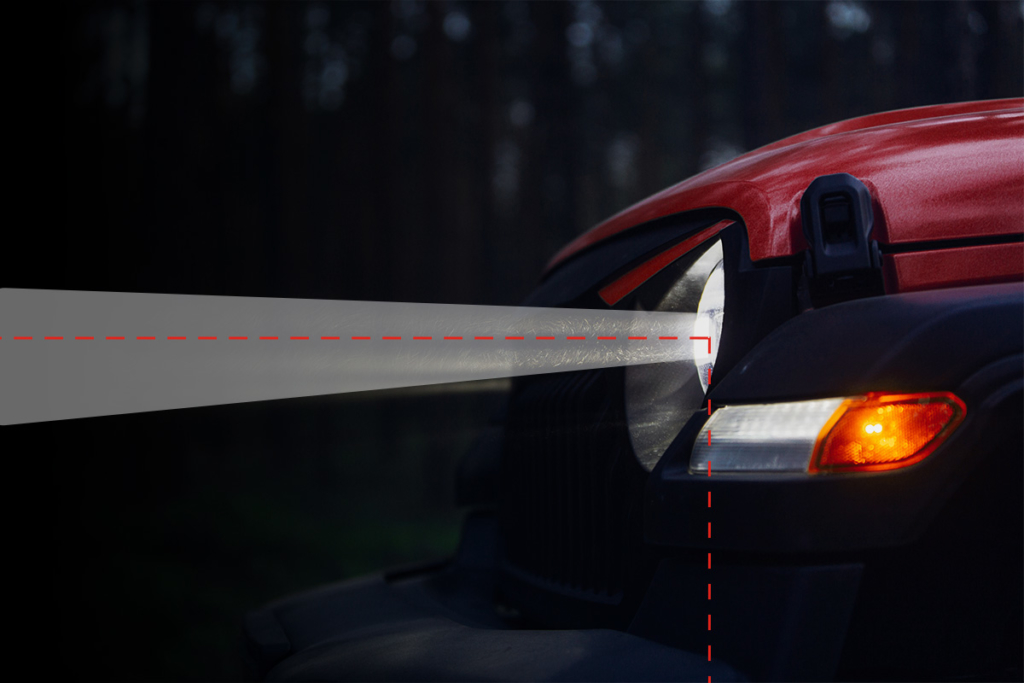
A European-market car and a U.S.-market version can have headlights that look nearly identical while being certified under substantially different requirements. The reason is that the United States and Europe developed separate regulatory frameworks for vehicle lighting, including requirements governing beam performance, installation, and aiming.
In America, FMVSS 108 covers lamps, reflective devices, and associated equipment. NHTSA interpretations show that the standard contains detailed provisions concerning headlamp systems, including aiming and visibility requirements. Manufacturers must certify that their vehicles comply with the applicable Federal Motor Vehicle Safety Standards.
Europe operates within the UNECE regulatory framework. Regulation No. 48 specifically covers the installation of lighting and light-signaling devices. Individual lighting functions can also be covered by separate UNECE regulations governing their construction and performance.
That distinction becomes especially important with low-beam headlights. The beam has to illuminate the roadway without producing excessive glare for approaching traffic. Historically, European systems have used detailed beam patterns associated with the direction of traffic, while U.S. requirements developed under a different testing and certification structure.
Modern LED and adaptive headlights have made the subject considerably more complicated. A matrix-lighting system can electronically alter portions of its beam, meaning compliance is no longer simply a question of whether a headlamp points in the correct direction. The complete lighting system, including its control strategy, has to satisfy the applicable rules.
NHTSA has even received requests concerning European-style headlamp systems and their relationship to FMVSS 108, illustrating that apparently minor differences in aiming and optical design can create certification questions.
For someone buying a new U.S.-market vehicle, these requirements are largely invisible because the manufacturer handles compliance before the car reaches the showroom. The issue becomes much more important with gray-market imports, replacement lamps, and vehicles originally built for another regulatory market.
A headlight may physically fit the same bodywork, but that does not automatically make it legally interchangeable.
5. Frontal Airbag Requirements Are Not Identical
Airbags are standard equipment in modern cars on both sides of the Atlantic, but the regulatory history behind them is different. In the United States, federal safety standards require specific frontal crash protection performance, while European vehicles are certified through a different regulatory and type-approval framework.
The key U.S. requirement is FMVSS 208, which addresses occupant crash protection. The American system uses mandatory federal performance requirements that manufacturers must satisfy before selling vehicles.
NHTSA has described the U.S. approach as a self-certification system, meaning manufacturers certify that their vehicles comply with applicable FMVSS requirements, while NHTSA can conduct compliance testing and enforcement afterward.
Europe approaches vehicle certification differently. EU vehicle type approval requires manufacturers to demonstrate compliance with applicable safety, environmental, and production requirements before a vehicle type can be placed on the market.
The European Commission specifically describes testing involving crash performance, airbags, seats, lighting, and other components as part of the approval process.
The difference becomes particularly interesting when looking at frontal airbags. European Commission material notes that frontal airbags have historically been voluntary equipment in many European vehicles, although manufacturers commonly fit them, whereas the United States has mandatory requirements that drive their installation.
That does not mean European cars are simply sold without airbags. Modern European vehicles generally contain extensive restraint systems, including airbags, pretensioners, load limiters, and belt reminders. UNECE Regulation No. 16 also establishes requirements concerning safety belts, restraint systems, and child-restraint systems.

For American consumers, the practical lesson is that an imported European vehicle cannot be assumed to meet U.S. crash requirements merely because it has airbags. The entire restraint system and vehicle certification must comply with the applicable American standards.
6. Child-Restraint Anchorage Requirements Developed Differently
Child-seat mounting points are another example of how U.S. and European regulations can differ. Although the requirements may vary between the two regions, both systems are designed to ensure that compatible child restraints can be securely attached to the vehicle.
American vehicles are subject to FMVSS 225, which establishes requirements for child-restraint anchorage systems. The U.S. system became closely associated with the LATCH system, or Lower Anchors and Tethers for Children.
Instead of relying exclusively on the vehicle seat belt to secure a child restraint, compatible seats can connect directly to dedicated lower anchorages and a tether anchorage.
The regulatory history is significant because the United States developed its own mandatory requirements for these dedicated attachment points. A vehicle intended for the U.S. market therefore has to meet the applicable location, strength, and accessibility requirements established under the federal standard.
Europe uses the ISOFIX system, which serves a similar purpose but was developed within the UNECE and European regulatory environment. UNECE Regulation No. 16 covers child-restraint systems and ISOFIX systems, while European rules also incorporate the i-Size approach for certain child restraints and seating positions.
The physical concepts are closely related, but the regulatory specifications are not simply identical. The United States and Europe have developed requirements covering anchor locations, strength, labeling, accessibility, and compatible restraint systems.
There is also an important distinction between the hardware and the legal requirements surrounding it. A European vehicle may physically contain ISOFIX attachment points that resemble the lower anchors found in an American vehicle, but that does not automatically establish compliance with every U.S. requirement.
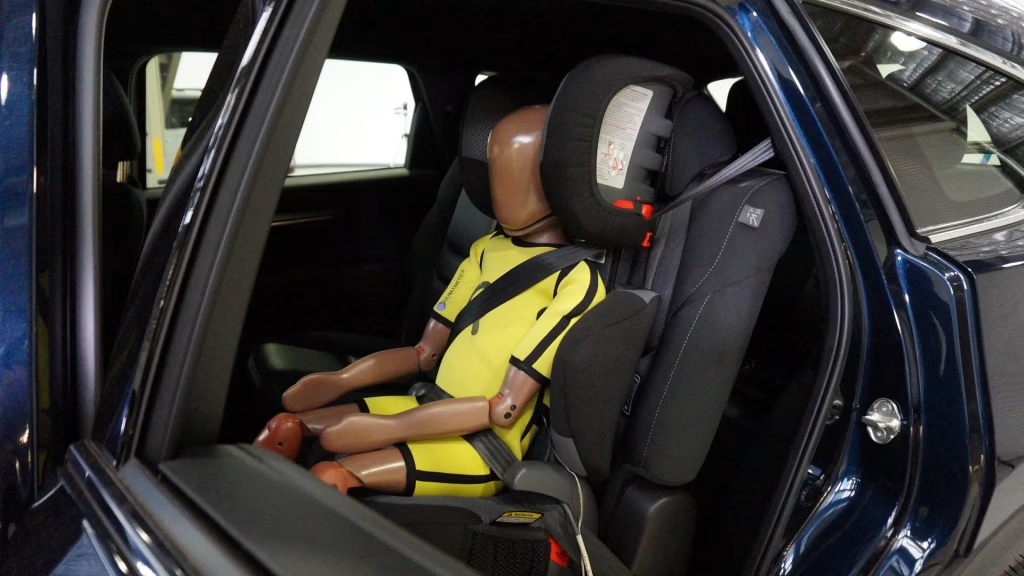
The difference matters most for imported vehicles and child-seat compatibility. Parents should not assume that a child restraint approved for one regulatory market is automatically approved for another.
The European Commission also emphasizes that children must use an approved restraint appropriate to their size, with specific rules concerning child restraints and airbags.
What appears to be two metal attachment points hidden between a seat cushion and backrest therefore represents a much larger regulatory difference.
7. Vehicle Crash Testing Uses Different Regulatory Frameworks
A car can pass a crash test in Europe and still require additional changes before it can legally be sold as a new vehicle in the United States. The reason is not that one region simply tests cars and the other does not. Both have extensive crash-safety requirements, but the standards, test procedures, and certification systems differ.
The United States uses Federal Motor Vehicle Safety Standards administered by NHTSA. Frontal occupant protection is addressed by FMVSS 208, while other standards cover areas such as side impacts, roof strength, seat belts, and child-restraint anchorage systems.
Manufacturers certify compliance with the applicable FMVSS requirements before selling vehicles.
Europe operates under UNECE regulations and the EU type-approval framework. European approval requires manufacturers to demonstrate that a vehicle meets the relevant regulatory requirements before it can be placed on the EU market. The European Commission lists crash tests among the examinations used during vehicle type approval.
One important historical difference is the way the crash tests themselves are structured. U.S. and European requirements have not always used the same impact configurations, speeds, dummies, or evaluation criteria. A vehicle designed around one system may therefore require structural or restraint-system changes to satisfy the other.
A UNECE document comparing the regulatory systems has specifically identified differences in frontal crash testing. It noted that the European regulatory framework did not historically specify the same full-frontal crash test used by the United States and also identified differences involving occupant dummies and airbag assessment.
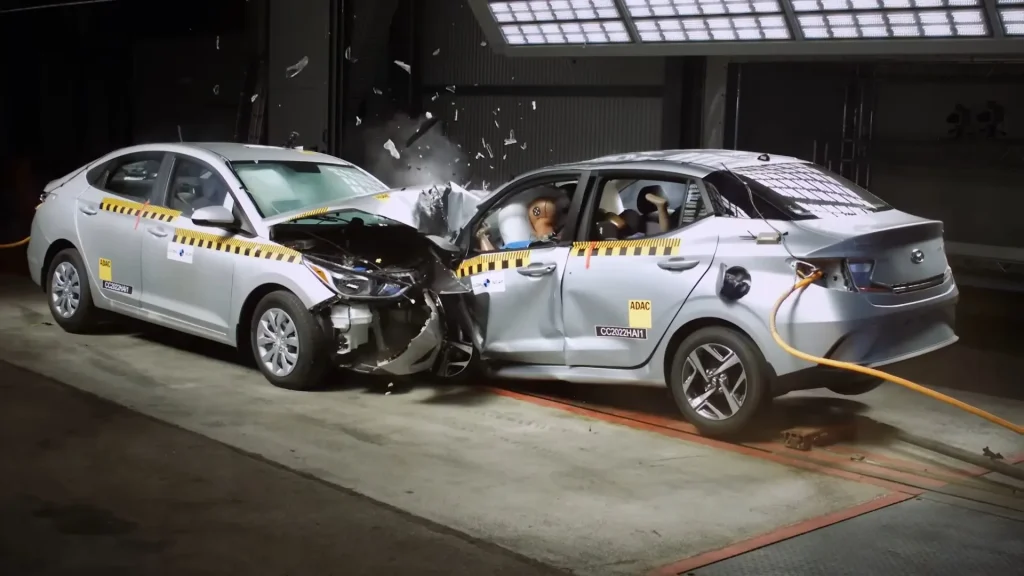
That does not mean a European car is inherently unsafe or that a U.S. vehicle automatically performs better. It means the legal engineering targets are different.
For manufacturers selling globally, this can influence airbag calibration, structural components, seat design, crash sensors, and restraint software. A seemingly identical vehicle may therefore contain market-specific safety hardware hidden beneath the bodywork.
8. Emissions Certification Uses Different Test and Regulatory Systems
Engine emissions are another major area where an American-market car can differ significantly from its European counterpart. Both regions regulate pollutants from gasoline and diesel vehicles, but they use separate regulatory frameworks and certification requirements.
In the United States, federal emissions requirements are administered primarily through the Environmental Protection Agency, with California operating its own separate emissions program through the California Air Resources Board. Depending on the vehicle and market, manufacturers must meet applicable U.S. emissions standards and certification requirements.
Europe uses the Euro emissions framework. The European Commission identifies pollutants such as carbon monoxide, nitrogen oxides, hydrocarbons, and particulate matter as regulated vehicle emissions. European rules have progressively tightened over successive generations, with Euro 6 requirements becoming mandatory for new cars from September 2015.
The testing methodology can also differ. Modern European certification incorporates laboratory and real-world-related procedures designed to better represent driving conditions. U.S. certification uses its own prescribed test cycles and compliance methodology.
These differences can affect the engine-management software, exhaust after-treatment system, evaporative-emissions equipment, and calibration of a vehicle. A European diesel engine, for example, may require different emissions-control calibration when adapted for the American market.
The result is particularly noticeable when an enthusiast attempts to import a vehicle that was never certified for U.S. sale. Having an engine that meets a European Euro standard does not automatically mean it meets the applicable American requirements.
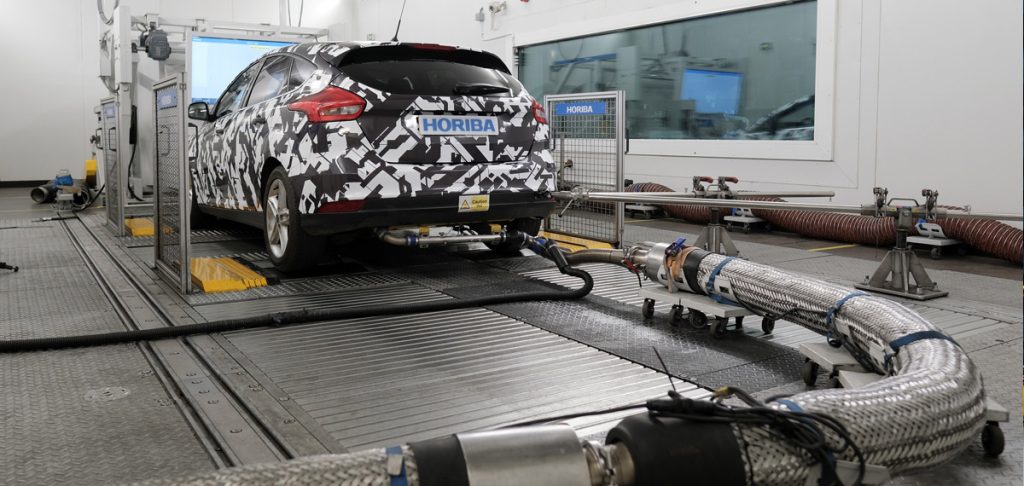
The regulatory differences also explain why identical engine families can have different horsepower ratings or equipment between continents. Manufacturers may change software, emissions hardware, fuel-system components, or exhaust systems to satisfy the destination market.
For drivers, these changes are mostly invisible. Under the hood, however, the European and American versions of the same engine can be substantially different despite carrying the same displacement and basic architecture.
9. Speedometer Display Requirements Differ
A vehicle’s speedometer may look almost identical on both sides of the Atlantic, but the required display conventions differ.
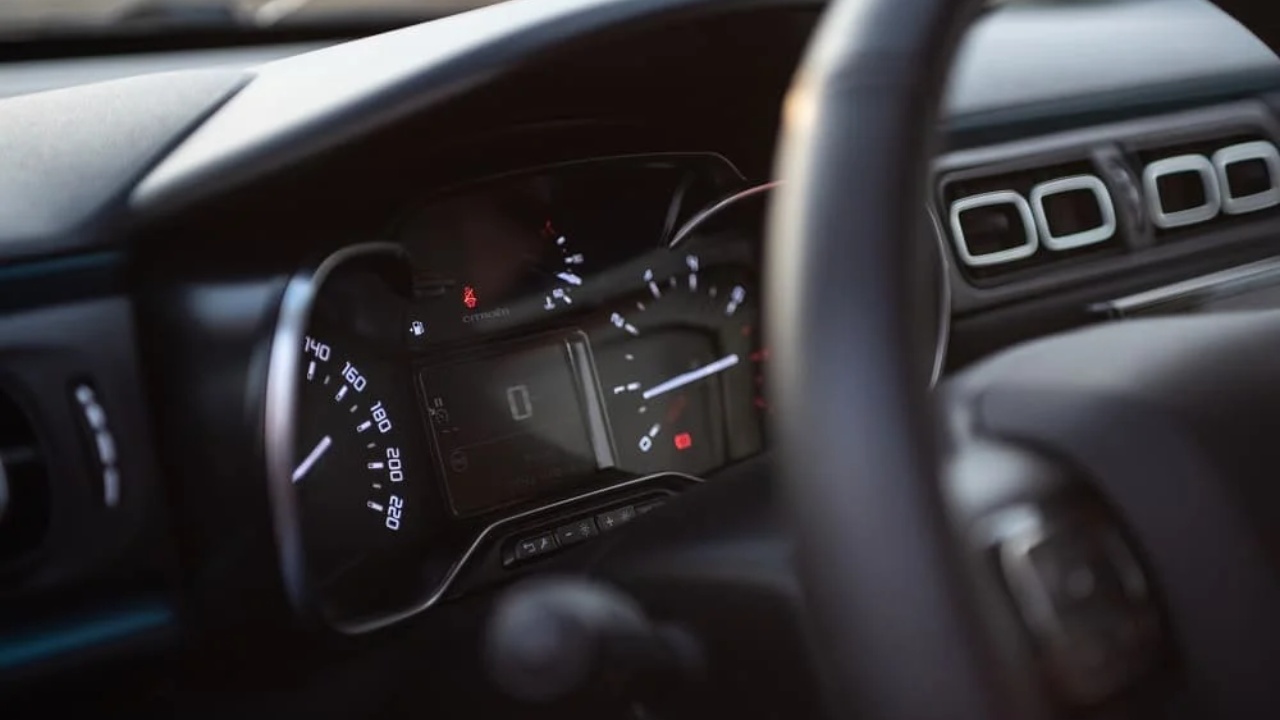
In the United States, federal regulations allow a speedometer to display speed in miles per hour, while manufacturers can also provide kilometers per hour. For American-market vehicles, mph is the primary unit buyers expect to see.
Europe operates differently because kilometers per hour is the standard road-speed unit. European vehicles therefore normally display km/h prominently, although some vehicles sold in particular markets can provide additional units.
The difference becomes important when a vehicle crosses borders. A European car imported into the United States may have a speedometer whose primary markings are in km/h, requiring an appropriate mph display to satisfy applicable U.S. requirements.
Modern digital instrument clusters make this easier because the displayed unit can often be changed electronically. Older vehicles with conventional analog gauges are less flexible because the numbers are physically printed onto the gauge face.
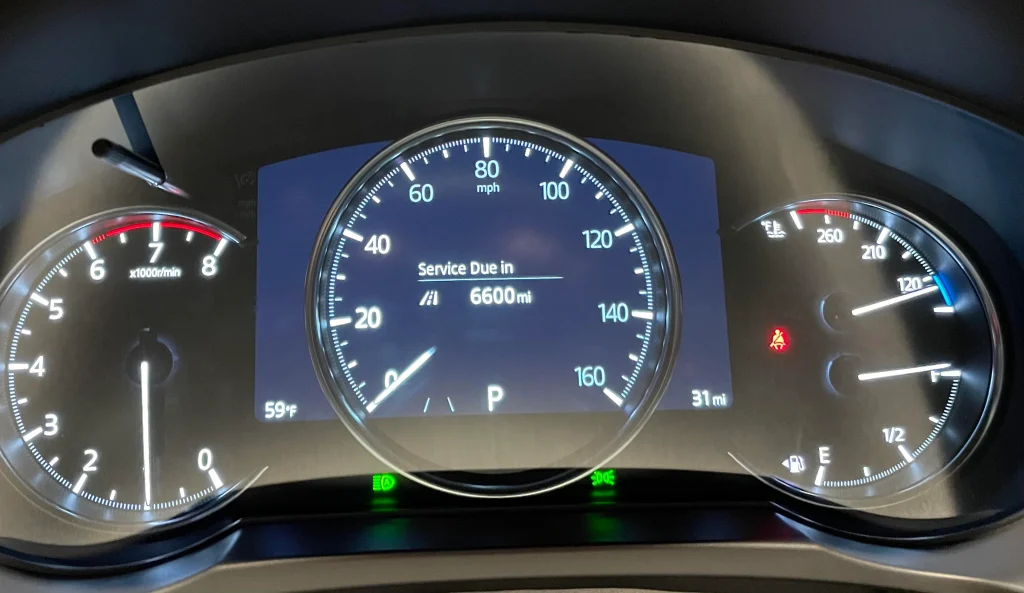
The distinction reflects broader measurement conventions rather than a difference in how fast the vehicle actually travels. U.S. road signs use miles, while European countries generally use kilometers.
For American buyers, this is why a European-market vehicle can have an unfamiliar dashboard even when its mechanical components are identical to the U.S. version. The speedometer is designed around the market where the vehicle was originally certified and sold.
10. Vehicle Approval Works Differently in the US and Europe
Perhaps the biggest difference is not a component at all, but how vehicles become legal for sale.
The United States primarily uses a manufacturer self-certification system. Under the Federal Motor Vehicle Safety Standards, manufacturers certify that their vehicles comply with applicable federal requirements. NHTSA can subsequently conduct compliance testing and take enforcement action when a vehicle fails to meet the standards.
Europe generally uses a type-approval system. Before a vehicle can be placed on the European market, the manufacturer must demonstrate compliance with applicable regulatory requirements and obtain the appropriate approval. The European Commission describes type approval as a process covering safety, environmental, and other technical requirements.
That fundamental difference affects manufacturers from the beginning of vehicle development. A global car may therefore require different documentation, testing, components, or certification procedures depending on where it will be sold.

For consumers, this is particularly important when importing vehicles. A car being legal for sale in Europe does not automatically make it eligible for unrestricted U.S. sale. The vehicle must satisfy the applicable American requirements or qualify under an available importation exemption or process.
This helps explain why two visually similar cars can carry different lights, safety equipment, emissions systems, and labels. They are products of two separate regulatory environments, not simply different versions created for marketing reasons.
