
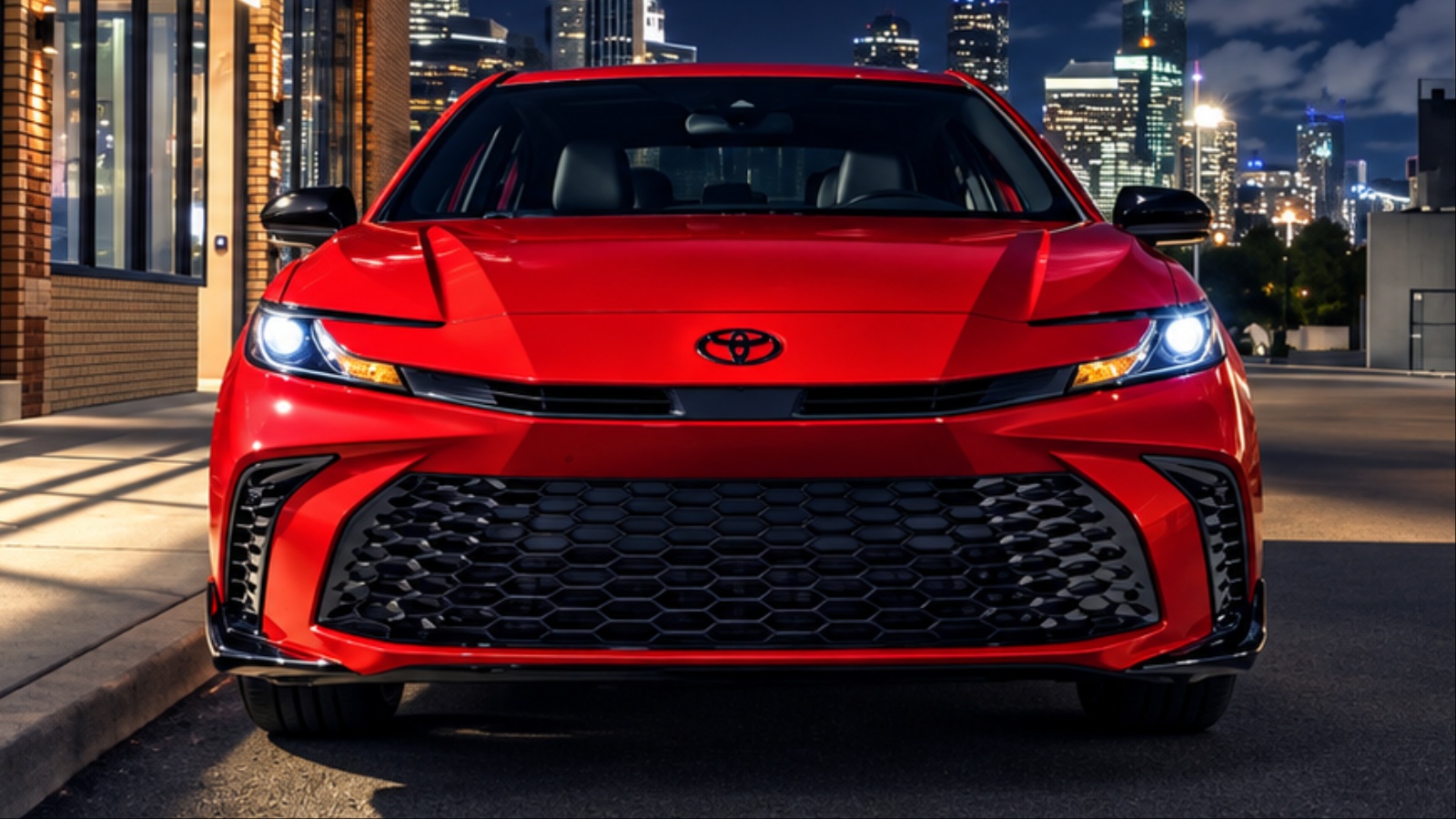
Brand loyalty shows whether customers return to the same automaker when they are ready for another vehicle. S&P Global Mobility’s U.S. make-loyalty data through May 2026 puts the national average at 52%.
Tesla leads at 64%, followed by Ferrari at 61% and Toyota at 60%. Subaru, Honda, and Ford also rank above the industry average at 59%, 58%, and 58%, respectively.
Chevrolet and Nissan follow at 55%, while BMW and Mercedes-Benz record 54%. Kia reaches 53%, and Hyundai matches the national average at 52%. The results show that loyalty is not limited to one type of automaker or customer.
1. Tesla
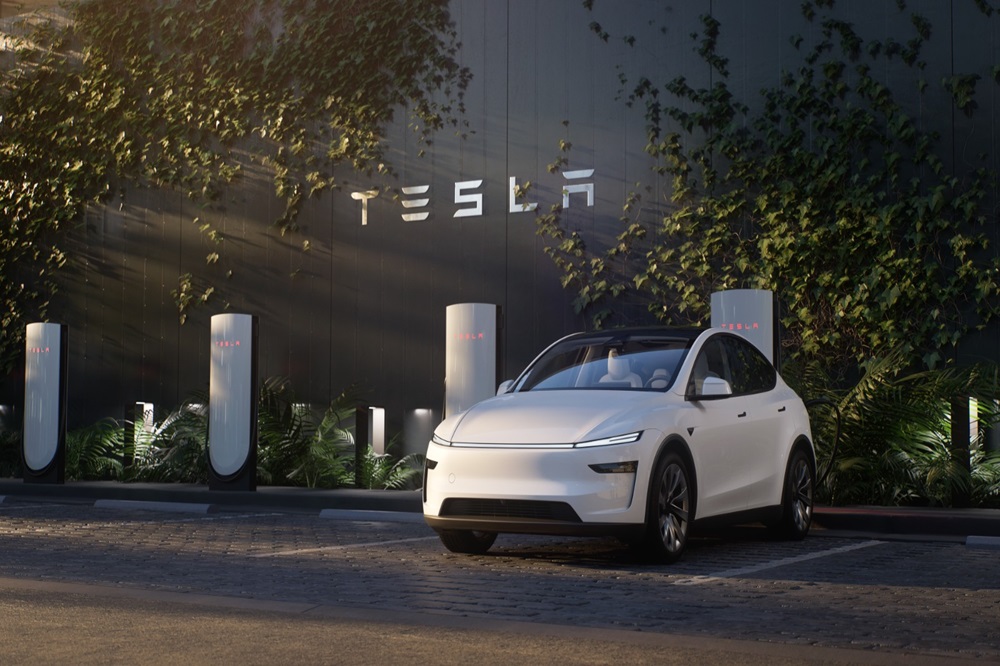
Tesla leads the May 2026 U.S. make-loyalty ranking with 64%, giving it a 12-point advantage over the 52% national average. The figure represents returning buyers who selected Tesla again when they returned to the new-vehicle market.
The result is notable because Tesla has a much smaller lineup than traditional automakers. Instead of competing in nearly every vehicle category, the company has built its American business around a focused selection of electric vehicles. That has still been enough to build strong repeat-purchase relationships.
The Model 3 and Model Y have played an important role because they moved Tesla into higher-volume segments rather than limiting the company to expensive performance or luxury vehicles. Customers who become familiar with Tesla’s electric powertrains, software, and charging ecosystem have a straightforward path to another Tesla.
The ownership experience is also different from the traditional dealership model. Tesla emphasizes digital interaction, software updates, and remote vehicle functions. For customers who prefer that approach, remaining with the brand can be easier than moving to a conventional automaker.
S&P Global Mobility’s figure should not be confused with customer satisfaction or reliability. It measures returning buyers and whether they select the same make again.
Tesla’s 64% result nevertheless stands out. It shows that the company has retained a particularly high proportion of measured returning customers despite increasing competition in the electric-vehicle market.
2. Ferrari
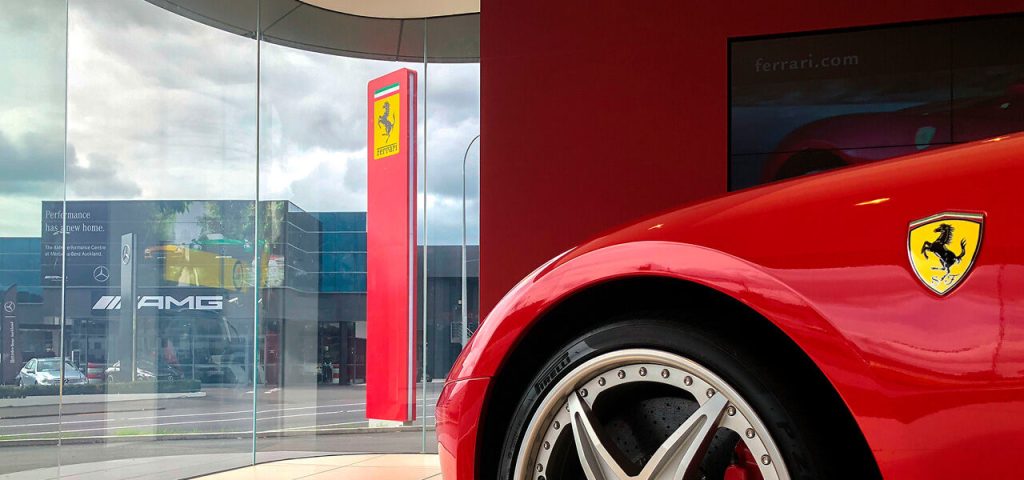
Ferrari ranks second with a 61% U.S. make-loyalty rate through May 2026. That places it three percentage points behind Tesla and nine points above the national average.
Ferrari’s position is particularly interesting because its customer base is very different from Tesla’s. Ferrari sells expensive performance vehicles in relatively limited numbers. Customers are purchasing more than basic transportation, with performance, design, exclusivity, and motorsport heritage all contributing to the brand’s appeal.
That emotional connection can encourage repeat purchases. Ferrari’s lineup gives returning customers different ways to remain within the brand, from sports cars and grand touring models to the Purosangue.
The company’s connection with motorsport also reinforces its identity. Ferrari has maintained a close association between its racing program and road-car image, giving the brand a distinction that goes beyond equipment and specifications.
The 61% figure is not a satisfaction rating. S&P Global Mobility measures households returning to the new-vehicle market and determines whether their next vehicle carries the same make.
Ferrari’s result therefore represents purchasing behavior. A substantial majority of its measured returning buyers selected Ferrari again, despite the large number of performance and luxury alternatives available to affluent American customers.
Porsche, Lamborghini, Aston Martin, McLaren, and Mercedes-AMG all compete for portions of this audience. Ferrari’s second-place result shows how powerful a well-established brand identity can be when customers return to the market.
3. Toyota
Toyota takes third place with a 60% U.S. make-loyalty rate, eight percentage points above the national average and only one point behind Ferrari.
Unlike Ferrari and Tesla, Toyota’s strength comes partly from the breadth of its lineup. An American buyer can start with a Corolla, move to a Camry, switch to a RAV4 for additional space, or choose a Highlander, Tacoma, or Tundra as requirements change.
That flexibility helps Toyota retain customers even when their needs evolve. A buyer may begin with a compact sedan and later require a crossover or pickup without having to leave the brand.
Hybrid technology is another important part of Toyota’s identity. The company has spent decades developing gasoline-electric systems and has expanded hybrid availability across much of its lineup. Buyers seeking greater efficiency can therefore remain with Toyota without moving directly to a fully electric vehicle.
Its established dealer network also provides familiarity when existing owners return for another purchase.
The 60% figure does not represent Toyota’s reliability or satisfaction score. It measures returning new-vehicle buyers and whether they select Toyota again.
Maintaining a 60% loyalty rate while offering such a broad range of vehicles suggests Toyota has built a durable relationship with American customers. Its product diversity gives owners multiple ways to stay with the brand even when their transportation requirements change.
4. Subaru
Subaru records a 59% make-loyalty rate through May 2026, placing it just one percentage point behind Toyota and seven points above the national average.
The company’s customer-retention strength is closely connected to a consistent product identity. Subaru’s American lineup has long emphasized all-wheel-drive capability, practicality, and vehicles suited to customers who regularly encounter poor weather or spend time outdoors.
The Outback and Forester are central to that formula. Both provide useful cargo space and elevated driving positions, while the Crosstrek offers a smaller alternative. The WRX gives performance-oriented buyers another reason to remain within the brand.
That consistency can help when owners return to the market. Someone who purchased a Subaru because of its all-weather capability or practical design can find those priorities represented in newer models.
The brand also has a strong outdoors-oriented image, creating an emotional connection that goes beyond individual specifications.
S&P Global Mobility’s loyalty measurement records actual return purchasing rather than simply asking owners whether they like Subaru. A 59% result therefore indicates that a substantial share of measured returning Subaru buyers selected the same brand again.
The result is notable considering Subaru’s smaller lineup compared with Toyota, Ford, or General Motors. The company does not need a huge number of models to maintain loyalty. Its recognizable formula appears to give existing customers enough reasons to return.
5. Honda
Honda posts a 58% make-loyalty rate through May 2026, six percentage points above the U.S. average.
One advantage is the brand’s ability to serve different stages of American life. A buyer can begin with a Civic, move into an Accord, choose a CR-V for additional cargo space, or step into a Pilot when more passenger capacity is needed.
The CR-V is especially important because compact SUVs remain one of the most competitive segments of the U.S. market. Honda’s presence there allows existing owners to remain with the brand when a sedan no longer meets their needs.
Honda also maintains a strong passenger-car presence. The Civic and Accord give customers alternatives across different sizes, while the company’s expanding hybrid offerings provide another way for buyers to change their efficiency priorities without changing brands.
That flexibility can matter when customers return to the market. Their next vehicle does not necessarily have to resemble their previous one.
The 58% figure should not be treated as a satisfaction percentage. S&P Global Mobility’s measurement focuses on households returning to the new-vehicle market and whether they select the same make again.
Honda’s result indicates that more than half of its measured return buyers stayed with the brand, despite intense competition from Japanese, Korean, American, and European manufacturers.
6. Ford
Ford also records a 58% U.S. make-loyalty rate through May 2026, placing it six percentage points above the national average.
The company’s broad American portfolio gives returning customers numerous options. Ford sells pickups, SUVs, performance vehicles, hybrids, and electric models, allowing buyers to remain within the brand even when their requirements change.
The F-Series is particularly important to Ford’s identity. Pickup owners who have established preferences regarding capability, towing, and familiarity have a direct route into another Ford when they replace an older truck.
SUV customers have similar options through vehicles such as the Bronco, Explorer, and Expedition. That gives Ford several ways to retain customers as family size, lifestyle, or transportation requirements change.
Ford’s range of powertrain choices also helps. Buyers can remain with the company while choosing between gasoline, hybrid, and electric vehicles.
The 58% figure reflects actual return-to-market behavior rather than general customer sentiment. It shows that Ford has retained a greater share of measured returning buyers than the industry average.
That is significant in a market where Ford faces strong competition from Chevrolet, Ram, Toyota, Honda, and other manufacturers.
Its position demonstrates how a broad product portfolio can strengthen loyalty. Customers do not necessarily need the same vehicle again. They simply need a compelling option within the same brand.
7. Chevrolet
Chevrolet records a 55% U.S. make-loyalty rate through May 2026, three percentage points above the national average.
Its broad lineup gives returning buyers several options across major American vehicle categories. The brand covers compact crossovers, larger SUVs, pickups, and performance vehicles.
The Silverado is especially important to Chevrolet’s identity. Truck buyers often develop strong preferences regarding capability, towing, and familiarity, and Chevrolet gives existing owners a direct path into another Silverado.
The SUV lineup provides another retention route. The Equinox covers the compact crossover segment, while the Traverse, Tahoe and Suburban allow families to move into larger vehicles without leaving Chevrolet.
The Corvette also maintains a performance connection for enthusiasts, giving Chevrolet an important identity beyond mainstream transportation.
Electrification is becoming another part of the lineup, with electric products giving some existing customers an alternative when they want to change powertrains.
Chevrolet’s 55% figure does not mean that 55% of every owner will eventually buy another Chevrolet. It measures households that return to the new-vehicle market and select the same make again.
The result nevertheless places Chevrolet above the national benchmark. Its broad lineup gives customers multiple opportunities to stay with the brand even as their vehicle requirements change.
8. Nissan
Nissan also achieves a 55% U.S. make-loyalty rate through May 2026, tying Chevrolet and finishing three percentage points above the national average.
The company’s lineup gives returning buyers several paths to another Nissan. The Rogue serves the highly competitive crossover market, while the Pathfinder and Armada address buyers who need greater passenger and cargo capacity. The Sentra covers the compact sedan market, and the Z maintains a dedicated performance presence.
That variety helps when customer requirements change. A buyer who once owned a compact car may later need a crossover, while a crossover owner could eventually require a larger family vehicle.
Nissan also has considerable experience with electrification. The Leaf was one of the earliest mass-market battery-electric vehicles in the United States, giving the company an established position in the technology.
A 55% loyalty rate puts Nissan above the national average. It indicates that more than half of its measured returning buyers selected Nissan again.
As with the other brands, the figure is not a general satisfaction rating. It reflects actual purchasing behavior among households returning to the new-vehicle market.
The tie with Chevrolet also illustrates how closely grouped several brands are. Nissan’s 55% rate sits only nine percentage points behind Tesla’s leading 64%.
9. BMW
BMW records a 54% make-loyalty rate through May 2026, putting it two points above the national average and tying it with Mercedes-Benz.
One factor supporting BMW loyalty is its broad premium portfolio. Customers can choose among sedans, SUVs, performance models, and electric vehicles without leaving the brand.
SUVs are especially important in the United States. Models such as the X3, X5, and X7 give customers different size options while maintaining a familiar BMW identity.
Performance is another retention tool. BMW’s M division provides high-performance versions of mainstream models, allowing enthusiasts to remain with the company rather than automatically moving to another manufacturer.
Electric vehicles add another option for customers interested in changing powertrains while keeping the same premium brand.
BMW’s 54% rate is notable because luxury buyers have many alternatives. Mercedes-Benz, Audi, Lexus, Porsche and other premium manufacturers compete for the same customers.
The S&P Global Mobility figure measures returning new-vehicle buyers rather than general owner sentiment. BMW’s 54% therefore indicates that more than half of its measured returning buyers selected BMW again.
The result suggests that performance, premium design, technology and product variety remain meaningful reasons for customers to stay with the brand.
10. Mercedes-Benz
Mercedes-Benz matches BMW with a 54% U.S. make-loyalty rate through May 2026, two points above the national average.
The brand’s extensive lineup gives customers multiple ways to remain within Mercedes-Benz. A buyer can move between smaller models, sedans and SUVs depending on changing needs.
Vehicles such as the GLC, GLE and GLS provide different levels of space, while AMG models give performance-oriented owners another route within the same brand.
Electrification is also becoming an important part of the company’s future product strategy. Existing customers interested in battery-electric vehicles can remain with Mercedes-Benz rather than automatically switching to an electric-only manufacturer.
The 54% figure is not a reliability or satisfaction score. It measures returning buyers and whether they choose Mercedes-Benz again.
That result is meaningful because premium customers have extensive choice. BMW, Audi, Lexus, Porsche and other luxury brands compete directly for many of the same buyers.
Mercedes-Benz nevertheless remains above the U.S. average. Its combination of luxury heritage, SUV coverage, performance products, and electric vehicles gives customers several reasons to stay.
The tie with BMW is also significant because both brands rely heavily on long-established premium identities. Their loyalty rates suggest that many customers remain willing to return to a familiar luxury manufacturer despite the large number of competing products.
11. Kia
Kia records a 53% U.S. make-loyalty rate through May 2026, one percentage point above the national average.
The brand has significantly broadened its American lineup, covering mainstream cars, compact crossovers, larger SUVs, performance-oriented products and electric vehicles.
The Sportage, Sorento and Telluride give Kia coverage across important SUV categories. That matters in the United States, where crossovers and SUVs have become central to the new-vehicle market.
Kia also provides different powertrain choices. Customers can select conventional vehicles, hybrids or battery-electric models depending on their priorities.
This product diversity can support loyalty because owners do not need identical requirements at every purchase. A customer can move from a smaller crossover to a larger SUV or change from gasoline power to electrification while remaining with Kia.
The 53% figure is close to the national average and therefore not as strong as Tesla’s 64% or Toyota’s 60%. Still, Kia remains above the industry benchmark.
S&P Global Mobility’s measurement is based on returning new-vehicle households rather than simply asking owners whether they like their vehicles.
Kia’s result indicates that its changing product strategy has helped establish a meaningful repeat-purchase relationship with American customers.
12. Hyundai
Hyundai closes the ranking with a 52% U.S. make-loyalty rate through May 2026, exactly matching the national average.
Its broad American lineup gives customers several ways to remain within the brand. The Elantra and Sonata serve sedan buyers, while the Tucson and Santa Fe address the crossover market. The Palisade provides a larger three-row option.
Hyundai has also built a significant electric-vehicle presence through the Ioniq family. Hybrid models provide another option for customers who want greater efficiency without moving completely to battery-electric power.
That variety can help preserve loyalty when customer requirements change. Someone who once preferred a sedan may eventually need an SUV, while a gasoline buyer may later want a hybrid or EV.
The 52% figure means Hyundai’s measured returning buyers stayed with the brand at approximately the same rate as the national market.
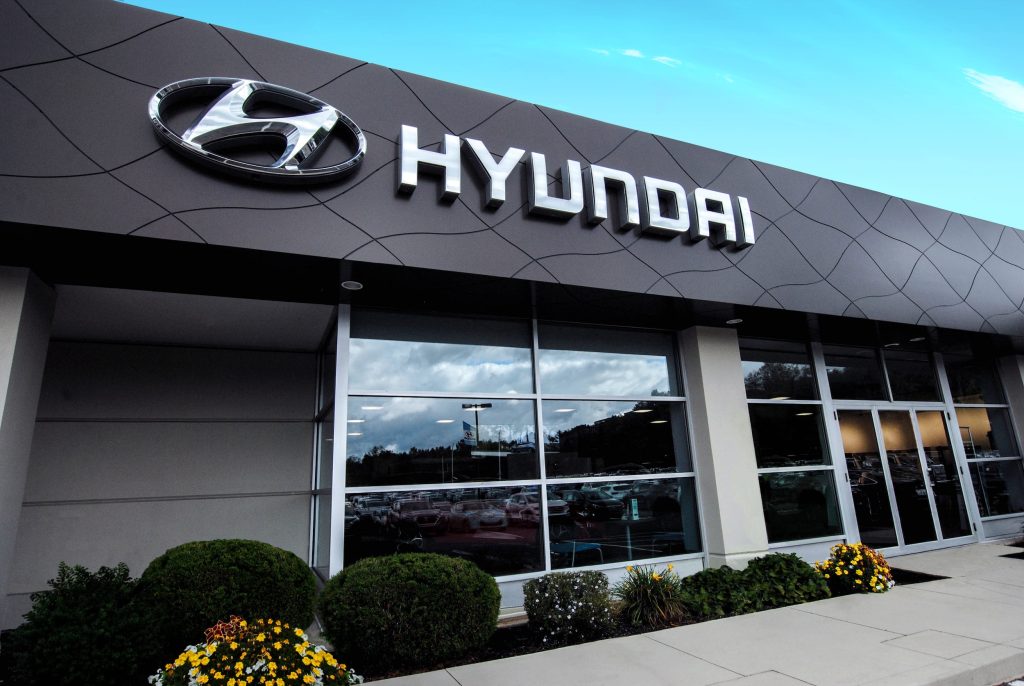
As with every other brand in the ranking, this is not a satisfaction or reliability percentage. S&P Global Mobility’s loyalty measurement concerns households returning to the new-vehicle market and whether they choose the same make again. Hyundai’s position therefore represents actual repeat-purchasing behavior.
The ranking as a whole shows how competitive brand loyalty has become in America. Tesla leads at 64%, while Hyundai sits at the 52% national average.
Between them are luxury, mainstream, and performance-focused manufacturers, each using a different combination of products, technology, reputation, and customer familiarity to keep buyers coming back.
