
A repaired vehicle can look nearly perfect and still be worth less than it was before a crash. That difference is known as diminished value, and it can become a meaningful part of a vehicle damage claim when the accident remains on the car’s history.
The rules are not identical across the United States. Some states clearly recognize the loss against an at-fault driver, while others make the answer depend on the insurance policy.
The following states have established authority supporting third-party diminished value claims, although the amount recoverable and proof required can vary considerably.
1. Georgia
Georgia is one of the clearest states in the country when it comes to diminished value. Its position is especially important because the state’s highest court directly addressed the issue in State Farm Mutual Automobile Insurance Co. v. Mabry.
The 2001 Georgia Supreme Court decision held that a vehicle can suffer a loss in value even after it has been properly repaired. The court treated diminished value as part of the insured’s loss rather than something that disappears simply because the bodywork has been completed.
The Georgia decision concerned a first-party insurance dispute, but the state’s broader legal framework also acknowledges diminished value in automobile damage claims. The underlying principle is simple. Repairing a vehicle to an acceptable physical condition does not necessarily restore the market value it had before the damage occurred.
That distinction matters because buyers and dealers can see an accident on a vehicle history report. A repaired vehicle competing against an otherwise identical car with no accident history may attract a lower offer. The amount is not automatically a fixed percentage, however. Evidence is important.

Georgia’s Mabry ruling also required the insurer involved in that case to evaluate claims for diminished value rather than simply assuming that paying for repairs settled every aspect of the loss.
For drivers, that makes Georgia one of the strongest examples of why repairing a vehicle and restoring its market value are two different things.
2. Maryland
Maryland also recognizes diminished value as a potential component of automobile property damage. The state’s position is particularly notable because the Maryland Insurance Administration has addressed diminished value in connection with uninsured motorist property damage coverage.
A 2024 bulletin recognized the loss in value as a real element of damages under the circumstances covered by the state’s rules.
The important point for Maryland drivers is that a repair invoice does not necessarily represent every dollar of economic loss caused by a collision. Suppose a vehicle was worth $30,000 immediately before an accident, received $8,000 in repairs, and was returned to good operating condition.
If credible market evidence shows that the repaired vehicle would bring only $27,000 because of its accident history, the $3,000 difference can become relevant to a diminished value claim.
That does not mean an insurer simply writes a check for an assumed percentage of the vehicle’s value. The claimant still needs evidence supporting the loss. Comparable vehicles, valuation information, repair documentation, and professional appraisal evidence can all become useful.

Maryland is also a good reminder that the type of insurance claim matters. A claim against the at-fault driver’s insurer is legally different from a claim under your own collision coverage. The current state-by-state review lists Maryland as allowing the third-party claim while making the first-party answer dependent on policy language.
That distinction can determine whether a driver has a viable claim and which insurer should receive it.
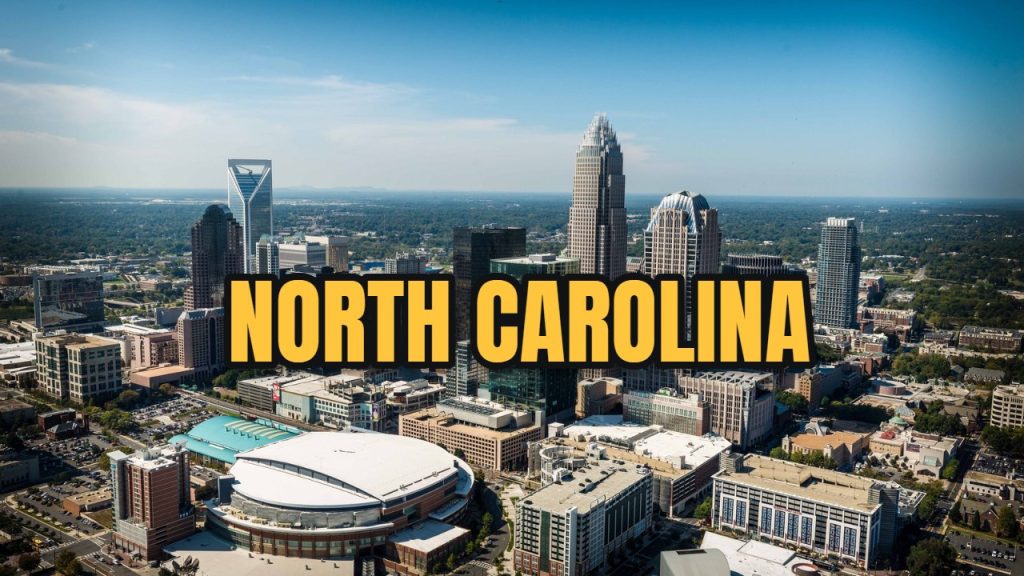
3. North Carolina
North Carolina provides another strong example of a state where diminished value can be pursued after an accident.
The state’s financial responsibility framework uses a before-and-after approach to vehicle value, which provides a legal mechanism for considering the difference between what a vehicle was worth before damage and what it is worth afterward.
That approach is important because diminished value is fundamentally a market-value question. The repair bill tells you how much it cost to fix the vehicle. It does not necessarily tell you what a buyer would pay for it afterward.
Consider a three-year-old SUV that was worth $35,000 before a significant collision. If repairs restore the vehicle mechanically and cosmetically but comparable market evidence indicates that its repaired value is $31,500, the potential diminished value is $3,500. That figure would need to be supported rather than simply asserted.
North Carolina drivers should therefore preserve documentation from the beginning. The original repair estimate, final repair invoice, photographs, vehicle history information, and valuation evidence can help establish what happened to the vehicle.
The state-by-state legal review lists North Carolina as allowing a third-party diminished value claim, while its first-party rules are not presented as a blanket right under every collision policy.
That distinction is crucial. A driver who caused the collision and is making a claim under his or her own policy faces a different legal question from an innocent driver seeking compensation from the at-fault motorist’s liability insurer.
4. Louisiana
Louisiana has particularly clear case law recognizing diminished value as a possible element of damages following an automobile accident. Courts have stated that when a damaged vehicle is repaired, additional compensation for depreciation can be available when the claimant proves that the vehicle remains worth less because of the accident.
The requirement for proof is important. Louisiana does not simply presume that every accident produces an identical percentage reduction in value. The claimant needs evidence demonstrating the actual loss.
A Louisiana appellate decision illustrates this point. In Danos v. St. Martin, the court considered evidence concerning a repaired vehicle’s reduced value and upheld a $2,000 diminished value award. The decision specifically recognized diminished value as recoverable when sufficiently established.
Another Louisiana case involving a BMW illustrates how substantial the disputed amount can become when evidence is presented. In Kyle v. New Hampshire Insurance Co., the court reviewed expert valuation evidence concerning an alleged $18,000 reduction in value following an accident.
The case shows why the quality of valuation evidence can become extremely important in larger claims.

Louisiana’s position therefore allows drivers to seek compensation beyond repair costs, but it does not make the process automatic. The vehicle’s pre-accident value, accident severity, repair history, and post-repair market value can all influence the claim.
For a serious collision involving a relatively valuable vehicle, independent valuation evidence can be especially important.
5. Pennsylvania
Pennsylvania is another state where diminished value can be recovered from an at-fault party. The legal principle is not a recent invention. The state has recognized the concept for decades, with Holt v. Pariser cited as a longstanding authority concerning the loss in value of damaged property.
The practical significance is easy to understand. A repair shop can replace damaged components, straighten structural areas, and repaint panels, but the vehicle’s history does not disappear. Once an accident is reported, a prospective buyer may consider the vehicle less desirable than a comparable car that has never been involved in a collision.
That creates a gap between physical restoration and financial restoration. Pennsylvania drivers should therefore think of a diminished value claim as a separate valuation issue rather than another repair invoice.
If an insurer has already paid $10,000 for repairs, that payment addresses the cost of restoring the vehicle. It does not necessarily establish that the vehicle is worth exactly what it was before the accident.
The current 2026 state review identifies Pennsylvania as allowing a third-party diminished value claim. It lists a two-year property-damage limitation period for the relevant claim category.

That deadline makes documentation important. Waiting until years after the accident can create problems even when the underlying claim is valid.
A strong claim should connect the vehicle’s pre-crash market value to its post-repair market value with evidence that another buyer, dealer, or qualified appraiser could reasonably evaluate.
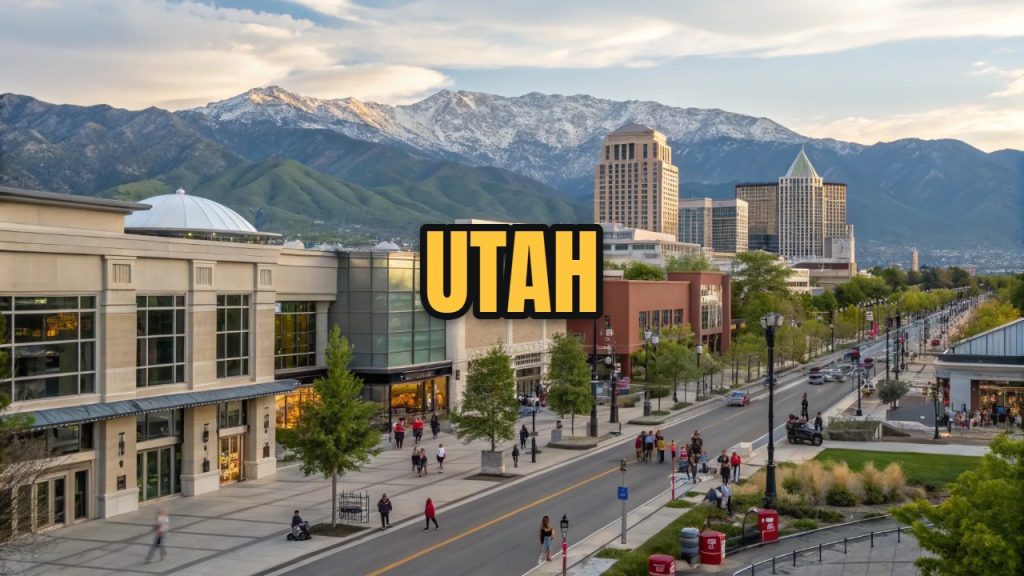
6. Utah
Utah has an unusually long history of recognizing diminished value in automobile damage cases. The current legal review traces the principle to Metcalf v. Mellen, a case from 1920. That makes Utah one of the older examples of a state recognizing that repairing damaged property does not necessarily erase its economic loss.
The underlying concept remains relevant to modern vehicles because today’s buyers have easier access to accident information. Vehicle history reports can reveal reported collisions, and that information can influence a dealer’s appraisal or a private buyer’s willingness to pay.
For example, imagine a relatively new pickup valued at $50,000 before a crash. If it receives extensive repairs but its documented accident history causes the market to value it at $45,000 afterward, the potential diminished value would be $5,000. That is an illustration, not a prediction of what any particular vehicle would lose.
The actual amount has to be demonstrated through evidence. Utah’s third-party rule means the relevant claim generally concerns the at-fault driver’s responsibility rather than an automatic entitlement under the owner’s own collision policy.
The 2026 state review lists Utah as allowing the third-party claim while finding no clear universal first-party rule.
That distinction can prevent a common misunderstanding. A driver may have a legitimate claim against another motorist while receiving a different answer from his or her own insurer.
The strongest approach is to document the vehicle’s condition and value before and after repairs and present evidence showing the market impact of the accident.
7. New Hampshire
New Hampshire is another state with longstanding recognition of diminished value. The current legal review traces the state’s position to Copadis v. Haymond, decided in 1946. The principle is that when a repaired vehicle remains worth less than it was before the accident, that remaining loss can form part of the property damage claim.
This becomes particularly significant with vehicles where buyers place a high premium on clean history. A late-model luxury car, performance vehicle or relatively expensive truck can lose buyer appeal after a serious collision even if the repair facility performs the work correctly.
The important word is evidence. A claimant should not simply choose a percentage and present it as the vehicle’s diminished value. Instead, the claim should explain the vehicle’s pre-crash market position and demonstrate how the accident affected its post-repair value.
Useful documentation can include dated comparable listings, dealer valuations, the completed repair file and an independent appraisal. The current legal review specifically identifies comparable listings, dealer offers and professional appraisal evidence as useful ways to establish the market loss.

New Hampshire’s third-party diminished value claim is listed as available, while the current review does not establish the same clear rule for claims under every driver’s own collision policy.
That means the insurer involved matters. A claim against the at-fault driver’s liability carrier should not automatically be confused with a first-party collision claim.
For New Hampshire drivers, the safest financial approach is to preserve the evidence before accepting a settlement that releases the vehicle damage claim.
8. Montana
Montana recognizes a third-party diminished value claim under the state’s property damage principles. The current 2026 legal review lists Montana among the jurisdictions where an owner can pursue the remaining loss in market value after a properly repaired vehicle is damaged in a crash.
The concept can be especially relevant when repairs are substantial. A vehicle may leave the body shop looking excellent, yet its accident record can still follow it through future transactions. A dealer evaluating the vehicle for trade may factor the reported collision into the offer, while a private buyer may compare it against similar vehicles with clean histories.
That market reaction is the central issue in a diminished value claim. Montana’s recognition of the third-party claim does not mean every repaired vehicle automatically receives compensation. The owner still needs to demonstrate that a real loss exists and establish its amount.
This is why simply pointing to the repair bill is usually insufficient. A $7,000 repair does not mean the vehicle lost $7,000 in market value. The two figures measure different things.
A better claim separates them. The repair invoice establishes what was required to fix the damage. Valuation evidence addresses what the vehicle was worth before the collision and what it was worth afterward.

The current state review lists Montana’s property damage limitation period as two years for the relevant negligence claim.
That makes timing another practical concern. A driver who believes an accident caused diminished value should not wait until the vehicle is ready to be sold years later before investigating the claim.
9. Oregon
Oregon recognizes third-party diminished value claims, although its treatment of first-party collision coverage requires more care. The current 2026 state review lists Oregon as allowing the claim against the at-fault driver while describing the first-party question as having no clear universal rule.
Oregon’s legal history also demonstrates why drivers should avoid treating all diminished value claims as identical. In Gonzales v. Farmers Insurance, the Oregon Supreme Court addressed an insurer’s obligation to restore a vehicle under policy language when repairs could not return it to its pre-loss condition.
The decision also recognized that policy language can define what an insurer means by repair. For a third-party claim, however, the central question remains the economic loss caused by the collision.
A driver should therefore build the claim around the market rather than simply the amount spent at the body shop. If a vehicle was worth $28,000 before the crash and comparable market evidence supports a post-repair value of $25,500, the relevant diminished value would be $2,500, assuming the evidence properly supports those figures.

That example is illustrative only. Actual losses vary according to the vehicle, mileage, condition, severity of damage, and market. Oregon is listed with a six-year property damage limitation period in the current state review.
Even with a relatively long legal window, waiting is rarely helpful. Vehicle condition, market prices, and comparable listings change. Preserving pre-crash valuation evidence and the complete repair record soon after the collision can make the claim considerably easier to support.
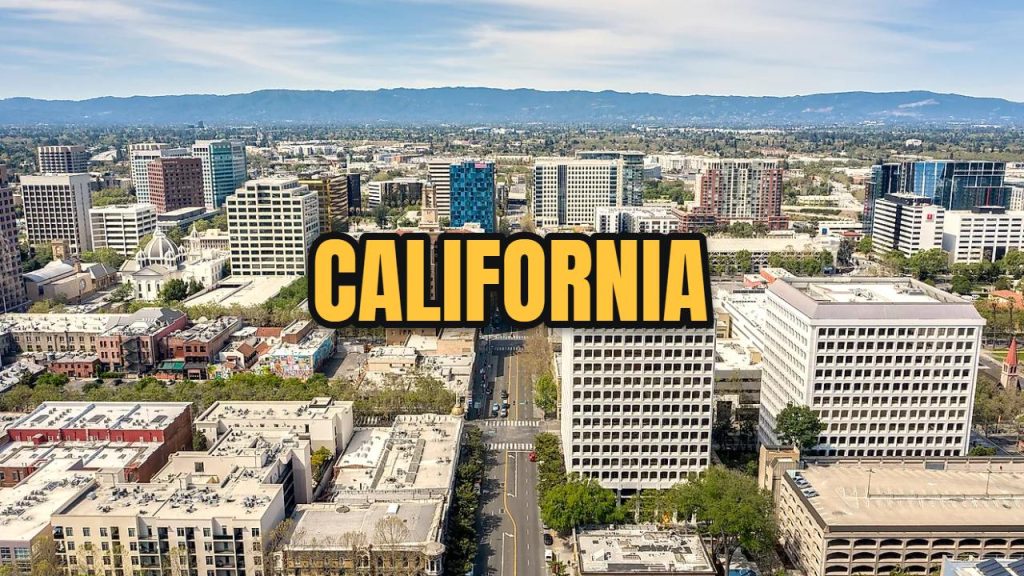
10. California
California provides another important example because its law expressly recognizes the possibility that a properly repaired vehicle can remain worth less than it was before an accident.
The current legal review cites California’s official civil jury instruction, CACI No. 3903J, as recognizing remaining loss in value after repair as a recoverable component in the appropriate circumstances.
That is significant because California has one of the largest and most diverse vehicle markets in the country. A vehicle’s accident history can matter when it is traded, sold privately or evaluated against comparable vehicles.
The key is that diminished value is not simply the cost of repairs. Imagine a vehicle valued at $40,000 before an accident. After $12,000 worth of repairs, an appraisal could establish that its market value is $36,000 because buyers discount its accident history.
The potential diminished value would be $4,000. Those figures are only an illustration of the calculation and do not represent a standard California award.
California’s third-party rule is distinct from first-party coverage. The current legal review lists California as allowing a claim against the at-fault driver while making a claim under the owner’s own collision coverage dependent on the policy wording.
That distinction is worth checking before contacting an insurer. California also has a three-year property damage limitation period identified in the current state review.
For owners considering a claim, the strongest documentation normally connects the pre-accident value, repair history, and post-repair market value. Written dealer offers and comparable vehicles can be more persuasive than simply stating that the vehicle has lost value.
A diminished value claim is therefore about proving the market’s reaction to the accident, not merely proving that the car was damaged.