
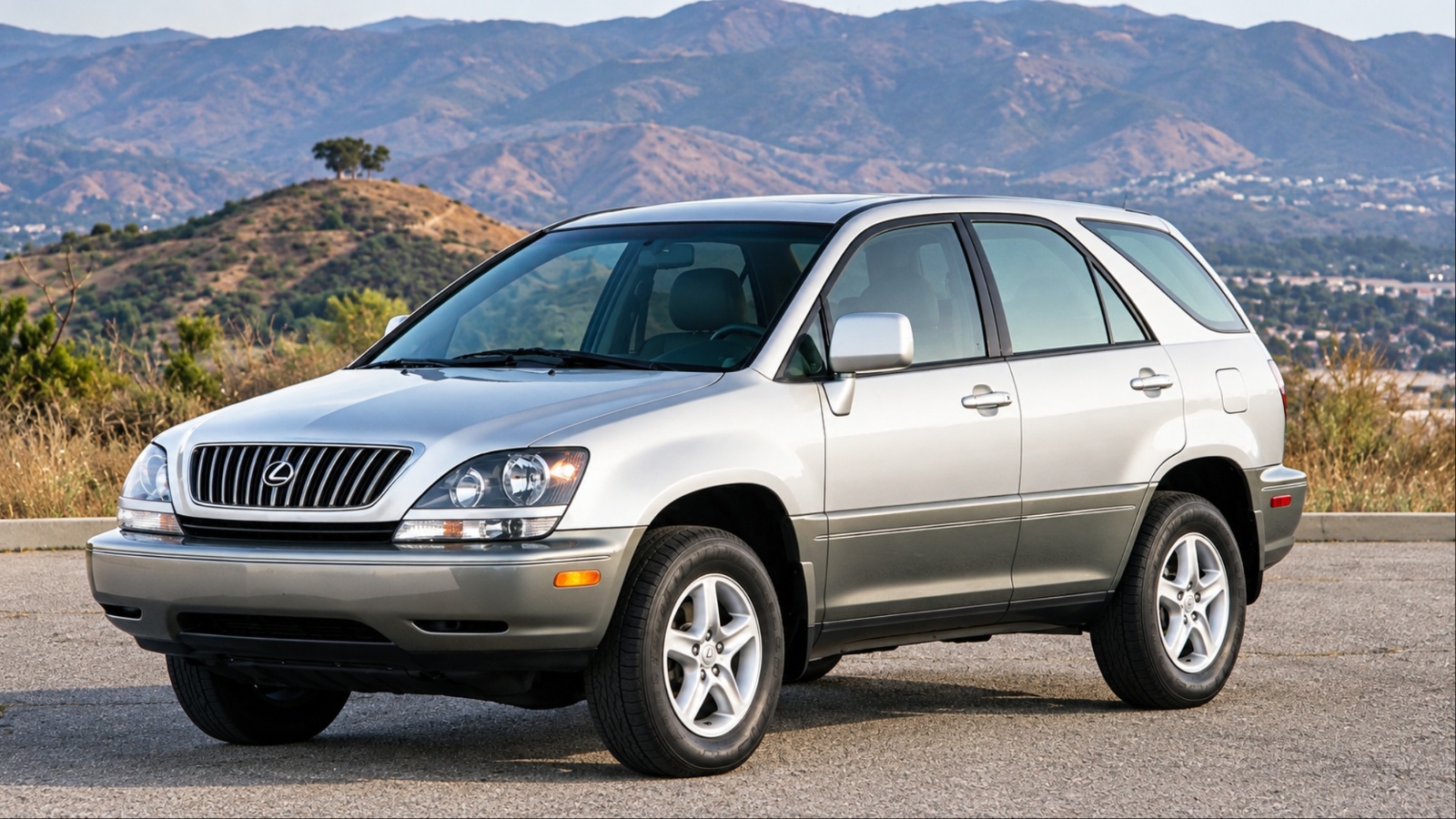
A 1999 car may seem primitive beside a modern vehicle, but it offered plenty of equipment that has almost disappeared from today’s showrooms. Some features vanished because technology made them unnecessary, while others were replaced by electronic systems that perform the same job more efficiently.
A few were removed simply because consumer expectations changed. In 1999, American cars commonly relied on physical keys, separate gauges, manual controls, compact radios, and mechanical components that drivers could understand at a glance.
Modern vehicles have traded many of those familiar features for touchscreens, electronic interfaces, and software-controlled systems. Here are nine things that defined late-1990s cars but are increasingly absent today.
1. A Physical Key for Starting the Car
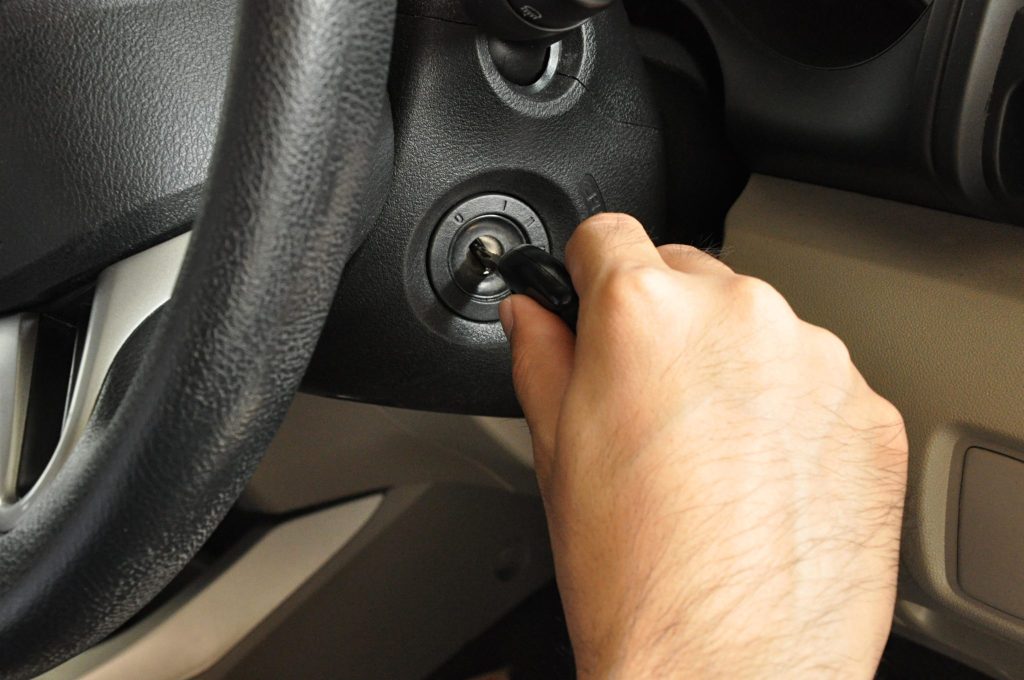
In 1999, the conventional ignition key was almost impossible to avoid. Even relatively expensive American cars generally required the driver to insert a metal key into an ignition cylinder, turn it through several positions, and engage the starter.
The same key typically operated the door locks and trunk, making it a single physical object responsible for several basic functions.
The setup may seem outdated by today’s standards, but it offered something that modern electronic systems cannot always replicate. The driver could physically sense the controls responding. Turning the key directly operated the ignition switch, while its position clearly indicated the progression from accessory power to ignition and then to starting the engine.
Modern vehicles increasingly use key fobs, push-button starters, and electronically controlled ignition systems. NHTSA’s vehicle safety standards have also evolved around electronic immobilization and theft-prevention technologies, while manufacturers have increasingly integrated passive keyless entry with push-button starting.
The shift has made starting a vehicle more convenient. A driver can keep a key fob in a pocket or bag, enter the vehicle, and press a button. Some newer vehicles can even use smartphone-based digital keys.
But the physical key remains memorable because it represented a direct mechanical relationship between driver and machine. There was no question about whether the vehicle recognized the fob or whether a battery inside the electronic key had enough power.
The disappearance also reflects how cars have changed from mechanical machines into electronically managed systems. A 1999 ignition key directly operated hardware. In many modern vehicles, the driver’s command is interpreted electronically before the vehicle decides what should happen.
That is a significant difference between the two eras. The old key was simple, visible, and mechanical. Modern starting systems are more convenient, but they depend on layers of electronics that were unnecessary in 1999.
2. A Dedicated Cigarette Lighter Socket
The cigarette lighter socket was a familiar feature in many 1990s vehicles. As its name suggests, it was originally designed to heat a removable lighter for lighting cigarettes. By 1999, however, many drivers were already finding another use for the socket, treating it as a convenient source of electrical power for accessories.
The important point is that the feature itself was not invented for electronics. The 12-volt outlet that modern drivers recognize evolved from the automotive cigarette lighter socket. As smoking rates declined and portable electronics became increasingly important, the same basic connection became more useful for powering accessories.
Modern vehicles frequently replace the traditional heated lighter element with one or more 12-volt accessory outlets. Many also add USB-A, USB-C and wireless charging systems.
The old lighter therefore did not disappear because the electrical concept became useless. Its original purpose became less relevant, while the socket’s electrical function survived.
This is a good example of how automotive interiors changed during the transition from the 1990s to the digital era. A 1999 driver might use the socket for a cigarette lighter or an aftermarket accessory. A modern driver is more likely to use a USB port for a phone, dash camera or another electronic device.
There is also an interesting cultural difference. Smoking was considerably more common in the United States in the late 20th century than it is today. According to CDC historical data, adult cigarette smoking prevalence was 23.5 percent in 1999. By 2023, it had fallen to 11.6 percent.

That decline removed much of the original reason for keeping a dedicated lighter in a vehicle. So the cigarette lighter is not completely gone from automotive design. Its identity simply changed. The modern 12-volt outlet is essentially its descendant, stripped of the heated lighter element and repurposed for the electronic age.
3. A Separate AM/FM Radio and CD Player
A 1999 car almost certainly had a conventional radio, and many better-equipped vehicles also offered a cassette deck or CD player. The controls were physical, the display was small, and the driver’s entertainment choices were limited by whatever was broadcast over the air or stored on removable media.
That seems restrictive compared with today’s systems, but there was a certain simplicity to it. A driver could press a button, tune a station, or insert a disc without navigating multiple touchscreen menus.
The CD had already become an important part of the American automotive experience by the late 1990s. The transition away from cassette tapes was well underway, and automakers increasingly offered in-dash CD players as factory equipment.
Today, a new vehicle may still provide AM/FM radio, but the traditional standalone radio interface has largely been absorbed into a larger infotainment system. Streaming services, smartphone integration, navigation, Bluetooth, and vehicle settings can all share the same screen.
The change is especially noticeable because the radio used to be a dedicated component. Modern infotainment systems are essentially computers integrated into the dashboard.
The disappearance of physical media is even more obvious. Drivers once carried cases filled with CDs to keep music available on long trips. Modern systems can stream enormous libraries through services accessed from a smartphone or connected vehicle.
The underlying technology has changed because consumers no longer need to store their music in the vehicle. A phone can provide navigation, entertainment, communication, and internet access through one device.
Yet the old radio arrangement remains appealing to some drivers because of its immediacy. There is no account login, software update, or wireless connection required to listen to an FM station.
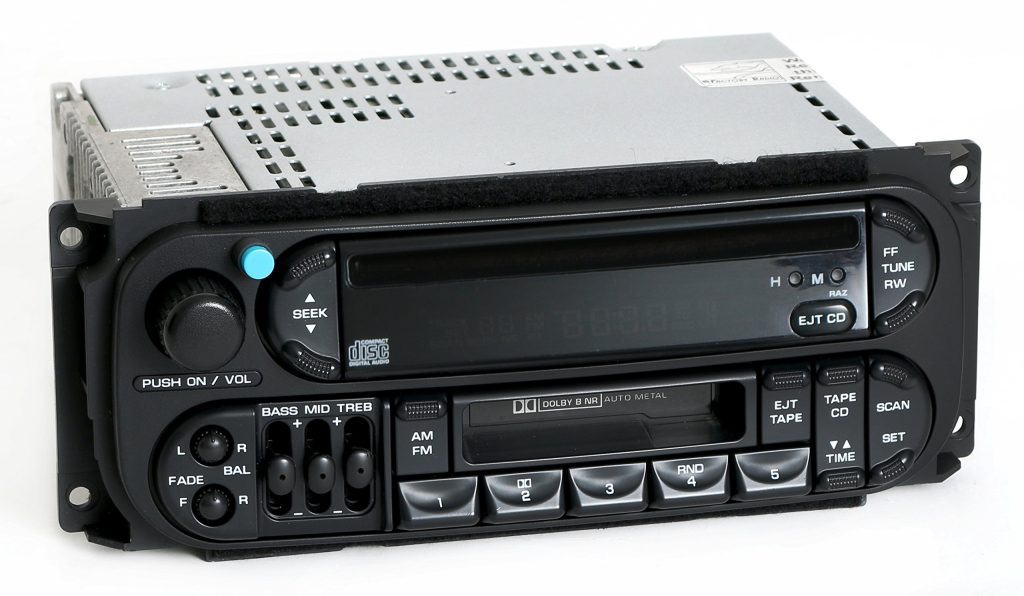
The 1999 setup also rarely demanded the driver’s attention visually. A small display and several buttons communicated enough information. Modern systems offer dramatically more functionality, but they can also require more interaction.
The dedicated radio therefore disappeared not because listening to music became less important, but because the dashboard became responsible for far more than entertainment.
4. A Separate Keyed Trunk Lock
In 1999, a trunk lid commonly included a visible mechanical lock cylinder. If the central locking system failed, the owner could insert the physical key and unlock the trunk directly.
That arrangement was part of a broader philosophy in which important vehicle functions remained mechanically accessible. The doors could be opened with a key, the ignition could be operated with a key, and the trunk could be unlocked through a lock cylinder.
Modern vehicles increasingly hide or eliminate visible mechanical locks. Remote keyless entry, electronic tailgate releases, and interior switches now handle many of the functions that once required a key.
The change is especially noticeable on newer vehicles with clean exterior surfaces. Designers often try to eliminate visible hardware because smooth bodywork creates a more contemporary appearance.
Electronic access also provides additional functionality. A modern vehicle can recognize a key fob without the driver touching it, automatically unlock when the driver approaches, and lock itself after the driver walks away. Power tailgates can open at the push of a button or, on some vehicles, through hands-free gesture systems.
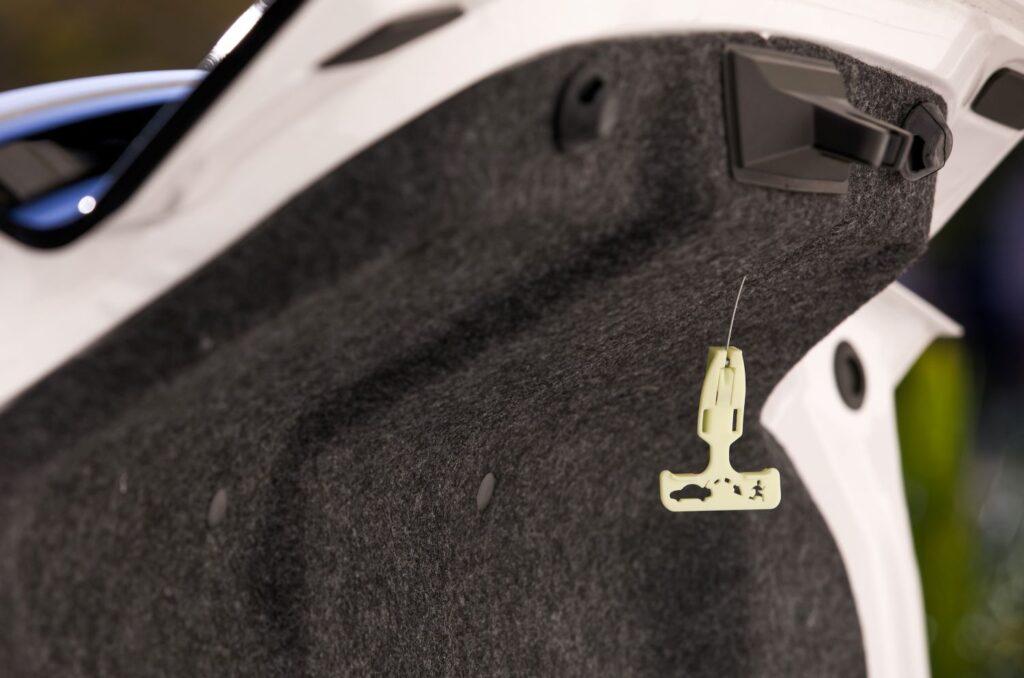
The traditional mechanical lock also offered one important advantage. It operated independently of the vehicle’s electrical system, meaning a dead remote battery did not necessarily leave the driver without access. The physical key could still be used as a reliable backup.
Modern manufacturers know this problem exists, which is why many key fobs still contain an emergency mechanical key hidden inside the housing. The difference is that the mechanical lock is no longer the primary interface.
This change illustrates how modern vehicles increasingly prioritize convenience over visible mechanical simplicity. In 1999, the owner interacted with the vehicle through hardware that could be seen and understood. Today, the same action may occur electronically without the driver ever touching a lock.
The disappearance of the trunk keyhole is therefore more than a styling change. It represents the broader transition from mechanical access to electronic vehicle control.
5. Manual Door Lock Pins
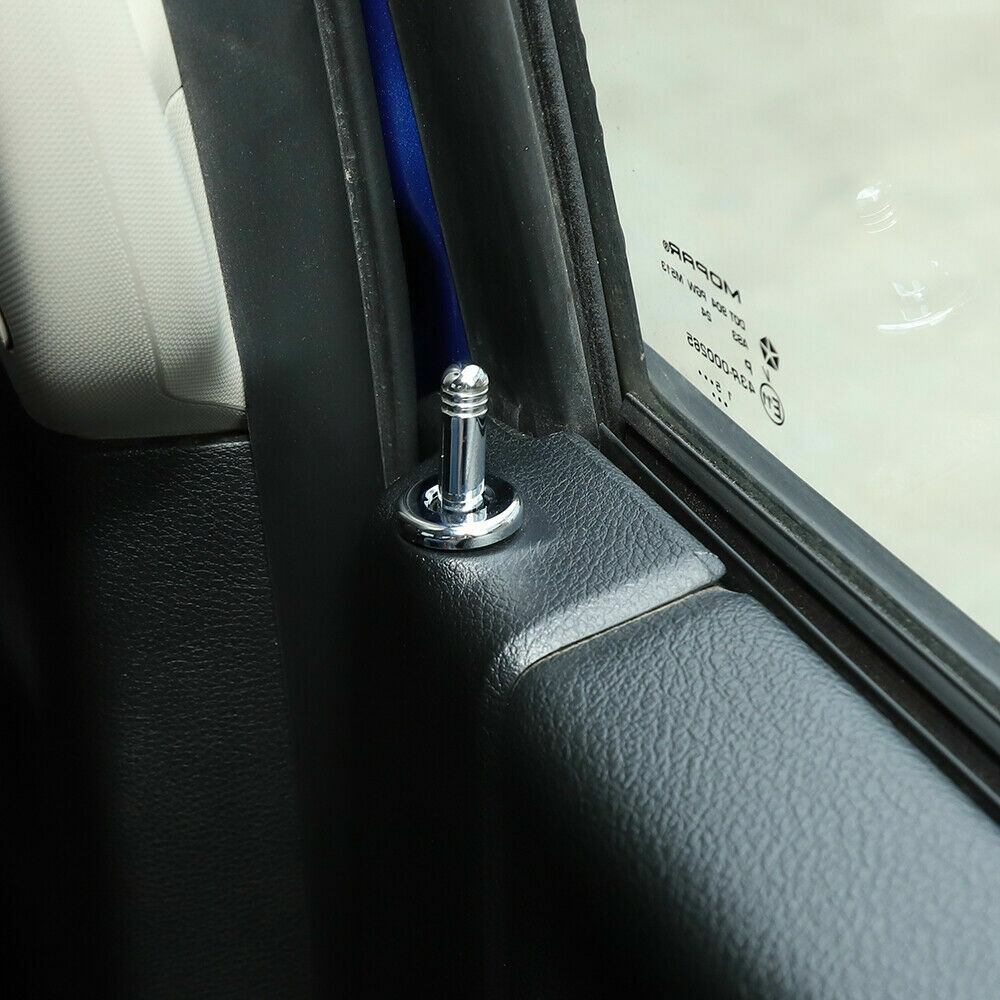
Step inside a typical 1990s car and one small detail quickly gives away its age. The familiar door lock pin sticking up from the top of each door is a feature that has largely disappeared from modern vehicles.
These pins moved physically when the driver locked or unlocked the door. In vehicles equipped with power locks, pressing a button could move them all simultaneously, but the mechanical indicator remained visible.
Modern cars have increasingly eliminated these visible pins. Electronic switches, touch-sensitive controls, and hidden locking mechanisms now dominate vehicle interiors. Some vehicles use small indicators integrated into the door trim rather than traditional vertical pins.
The older design offered one clear benefit. It gave drivers an immediate visual cue showing whether the door was locked. A quick glance at the position of the pin was enough to tell if it was up or down.
It was also mechanically satisfying. The movement of the pin confirmed that the lock mechanism had actually changed position.
Modern systems can provide more information. Some vehicles automatically lock the doors once the car begins moving, while others lock when the driver walks away with the key fob. Notifications can also appear on the instrument display or smartphone app.
These features are more sophisticated, but they make the underlying mechanism less visible to the driver.
The disappearance of door pins is particularly symbolic because it shows how much interior design has changed. Automotive cabins in the 1990s contained numerous small mechanical controls that physically moved when a system was activated. Modern interiors increasingly conceal the machinery behind electronic interfaces.
Even the basic act of locking a car has become automated. A 1999 driver might physically press a button or turn a key. A modern vehicle may decide that the car should lock based on the presence or absence of a key fob.
That is convenient, but it also makes the modern vehicle feel more like a connected electronic device than the mechanically interactive machines of the 1990s.
6. A Fixed Antenna You Could See From the Driver’s Seat
Visible radio antennas were once a familiar feature of cars. Many 1999 models used telescoping metal masts mounted on the front fender, while others featured fixed antennas placed toward the rear. Their function was straightforward, providing the vehicle’s radio with a way to receive broadcast signals.
Some luxury vehicles already had power-operated antennas by the late 1990s. They could automatically extend when the radio was turned on and retract when the system was switched off. Even so, the physical mast remained a familiar feature.
Modern vehicles increasingly hide antennas inside glass, roof structures, or other body components. The result is cleaner exterior styling and better integration with multiple communication systems.
The modern vehicle may need antennas for much more than AM/FM radio. Depending on the vehicle, the system can support satellite radio, cellular connectivity, GPS, Wi-Fi, keyless entry, Bluetooth, and other wireless functions.
That is a huge change from the single-purpose antenna of a 1999 car. The visible mast also had a practical vulnerability. It could be bent, broken, stolen, or damaged by automatic car washes. Hidden antennas reduce some of those problems and give designers greater freedom when shaping the body.
There is also an aesthetic reason for the change. Modern designers generally prefer uninterrupted body surfaces. A thin antenna sticking out of a fender can look conspicuously old-fashioned beside a vehicle designed around smooth aerodynamic surfaces.

Yet the antenna remains one of the easiest visual reminders of the older automotive era. In 1999, the antenna told you that the car had a radio. Today, the absence of an antenna tells you almost nothing because the vehicle may contain several hidden communication systems.
The visible antenna mast eventually faded from view for two main reasons. Advances in technology allowed manufacturers to conceal the hardware, while modern styling increasingly favored cleaner designs with fewer exposed components.
7. A Glove Box With a Simple Mechanical Latch
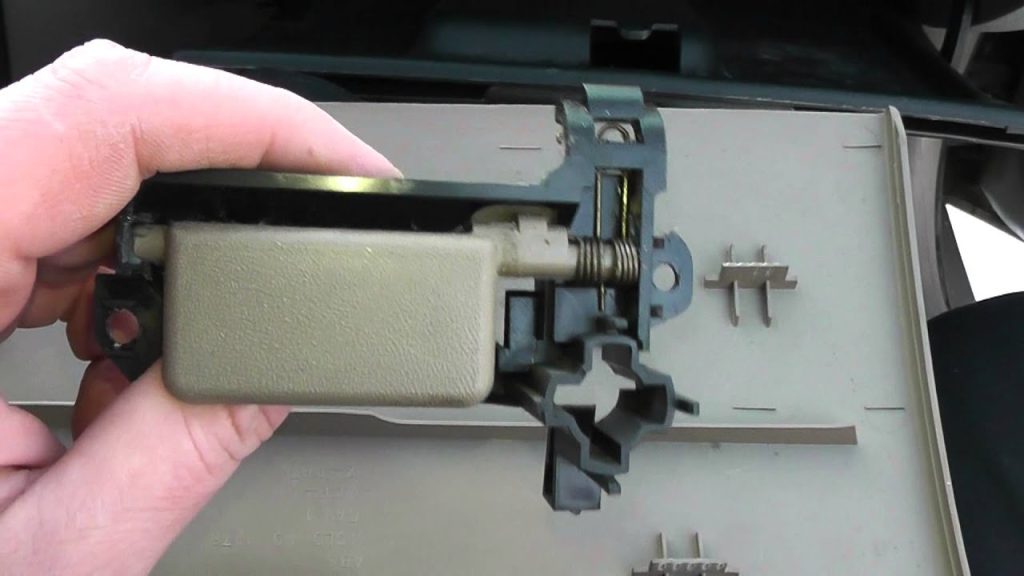
A glove box sounds too ordinary to count as a defining 1999 feature, but its traditional design has become increasingly unusual. Older glove boxes generally consisted of a simple compartment with a hinged door and a mechanical latch. Some included a lock operated by the same physical key used elsewhere in the vehicle.
Modern glove boxes can still be found in new cars, but their design has become more integrated and electronically influenced. Some are cooled, some are illuminated automatically, and some vehicles add additional hidden storage areas that reduce the importance of the traditional glove compartment.
The old glove box was essentially a small storage cabinet. Drivers could put the owner’s manual, registration documents, maps, sunglasses, or miscellaneous items inside.
Maps were particularly important in 1999 because satellite navigation was not yet a standard feature across ordinary American cars. Paper road maps and printed directions were common travel companions.
That changed rapidly with the growth of portable navigation devices, smartphones, and built-in navigation systems.
As the contents of the glove box changed, its role changed too. Modern vehicles can use wireless charging trays, center-console compartments and door pockets to store electronic devices.
The mechanical latch is another small reminder of the older era. A driver pulled the handle and physically released the compartment. Today’s vehicles can incorporate damped mechanisms, hidden catches, and soft-opening systems that make the compartment feel more like furniture than a simple storage box.
There is nothing inherently unsafe or inferior about the older design. In fact, its simplicity made it easy to understand and repair.
Its disappearance is mainly a consequence of changing expectations. Modern buyers expect quieter mechanisms, better interior integration, and more sophisticated storage solutions.
The 1999 glove box therefore represents something larger than a storage compartment. It belongs to an era when the car’s interior was designed around physical objects such as paper maps, manuals, CDs and keys.
Those objects have increasingly disappeared, taking some of the traditional glove box’s purpose with them.
8. A Handbrake Lever Connected Directly to the Rear Brakes
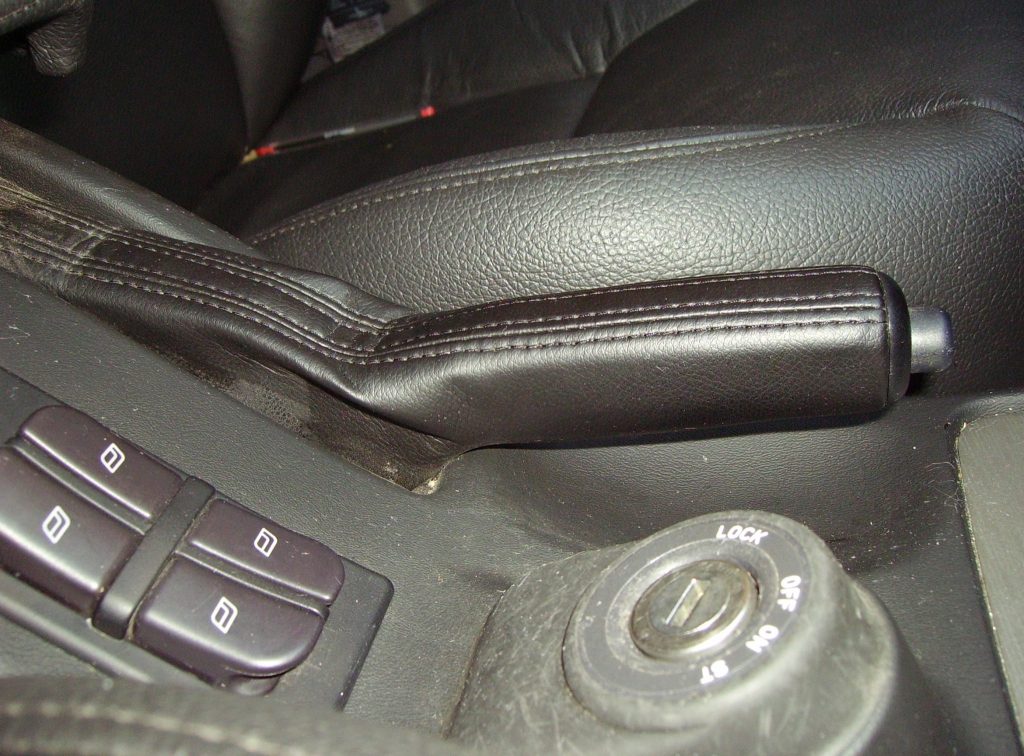
One of the most noticeable differences between a 1999 car and a modern vehicle can be found between the front seats. The traditional handbrake was usually a mechanical lever connected through cables to the rear brakes.
Pulling the lever created a physical connection between the driver’s hand and the parking-brake mechanism.
Modern vehicles increasingly use electronic parking brakes. Instead of pulling a long lever, the driver presses a button. The vehicle’s electronics then activate electric parking-brake motors.
The transition has several advantages. An electronic parking brake can take up less cabin space, allowing designers to create larger center consoles or additional storage. It can also integrate with other vehicle systems.
For example, modern vehicles can automatically apply the parking brake when the vehicle is shifted into Park or when the driver turns the vehicle off. Some systems can also release the parking brake automatically when the driver begins moving.
These functions would not have been possible with a purely mechanical handbrake. Even so, the traditional lever offered a type of feedback that modern systems cannot fully replicate. The driver could feel the resistance through the lever and see exactly how far it had been pulled.
There was also a practical advantage in situations where electrical systems failed. A conventional parking brake could generally be operated without depending on the vehicle’s electronic control architecture.
Modern systems include provisions for service and emergencies, but the fundamental interaction has changed.
The handbrake’s disappearance is particularly significant because it represents the broader movement toward electronic control. The driver’s command is no longer transmitted primarily through cables, levers, and linkages. It is increasingly translated into an electronic signal interpreted by the vehicle.
The result is cleaner interior design and additional functionality, but it also removes another piece of mechanical interaction that was completely normal in 1999.
9. A Full Set of Physical Gauges
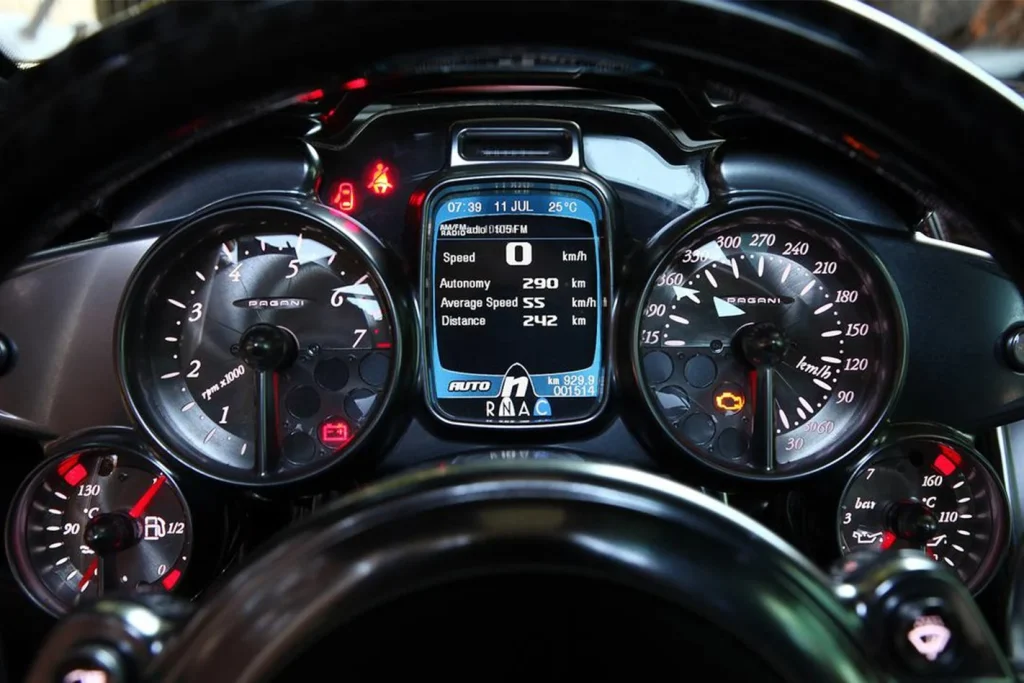
A 1999 dashboard typically presented the driver with a collection of physical instruments. Speedometer, tachometer, fuel gauge, and engine-temperature gauge were commonly separate analog displays with needles that moved across marked scales.
Today, physical gauges have increasingly been replaced or supplemented by digital displays. Some modern vehicles still use analog-style instruments, but many use configurable screens that can change their appearance depending on the selected drive mode.
The change is more than cosmetic. A traditional gauge had one job. The speedometer showed speed. The tachometer showed engine speed. The fuel gauge showed fuel level.
A digital instrument cluster can display navigation instructions, driver-assistance information, media data, efficiency statistics, and warnings alongside speed and other essential information. That flexibility is one of the main reasons screens have replaced fixed gauges.
The 1999 dashboard also gave drivers a remarkably consistent visual experience. Once someone learned how to read the instruments, the information remained in the same location every time they drove.
Modern displays can be configured differently, and manufacturers can alter the information shown depending on the vehicle mode.
There are clear advantages to that flexibility, particularly as cars gain more electronic safety and assistance systems. A vehicle needs somewhere to communicate warnings, navigation directions, and system status, and a programmable display can provide far more information than a fixed instrument cluster.
But physical gauges had an unmistakable character. The needle movement provided an immediate visual sense of acceleration and engine speed. A driver could glance down and understand the information without interpreting a complex graphical interface.
The disappearance of fixed gauges therefore reflects the broader transformation of the automobile into a software-defined machine.
In 1999, the dashboard was primarily an instrument panel. Today, it is increasingly a digital information center.
That may be more capable, but it is also one of the clearest reminders that the modern car has become fundamentally different from the machines Americans drove at the end of the 20th century.
