
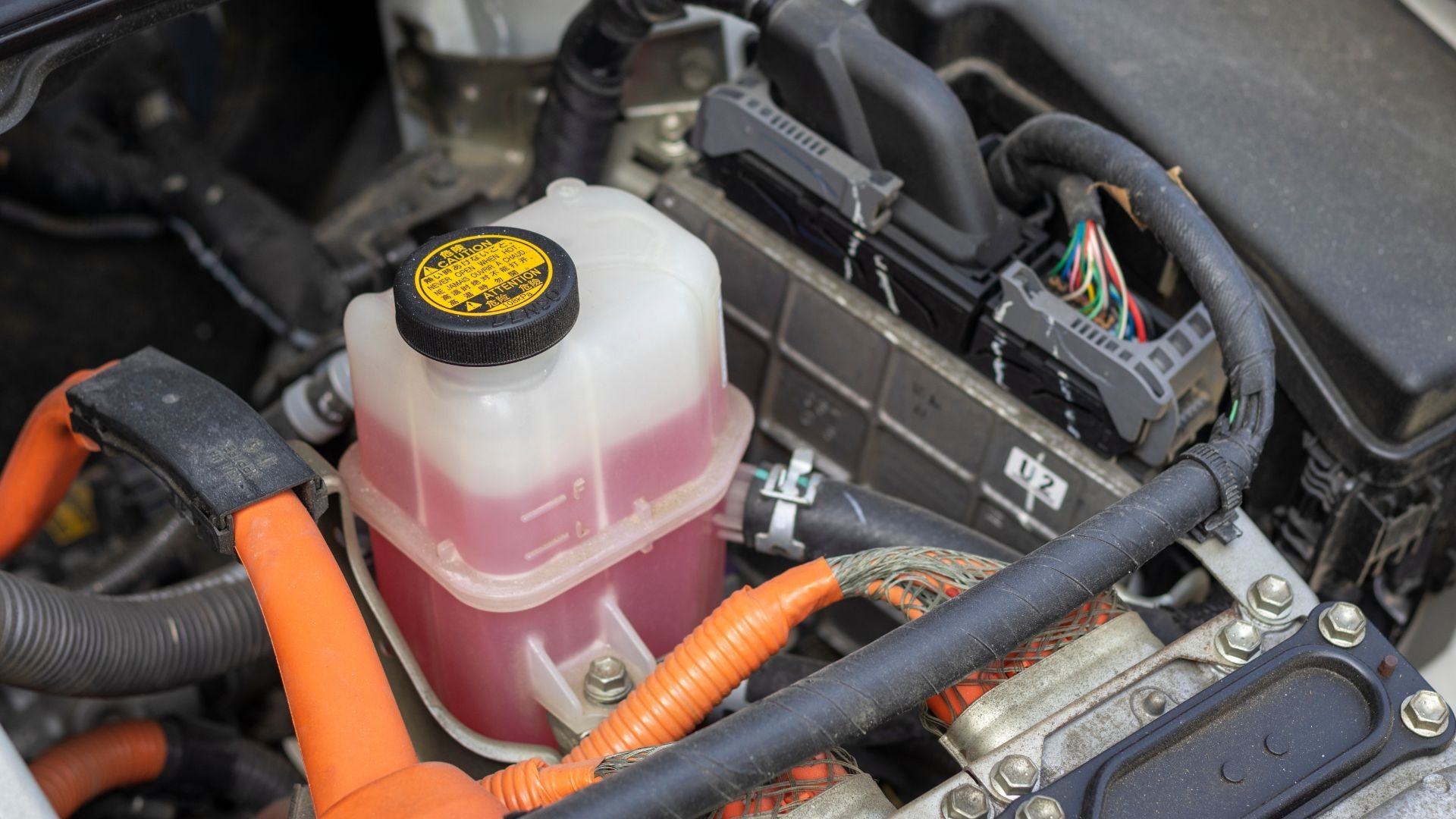
When did you last look at your engine coolant? If you hesitated, you’re in good company. Most drivers think about oil, tires, and gas, then forget the fluid that keeps the engine from cooking itself. Coolant fails quietly. There’s no dramatic noise or flashing light at first, just slow damage that builds out of sight until a repair bill lands in your lap.
The good news is that the fix is cheap, simple, and well within reach. This guide explains the hidden problems that come from neglecting coolant, what to watch for, and how to protect your engine without becoming a mechanic. Pop the hood, grab a coffee, and let’s get started.
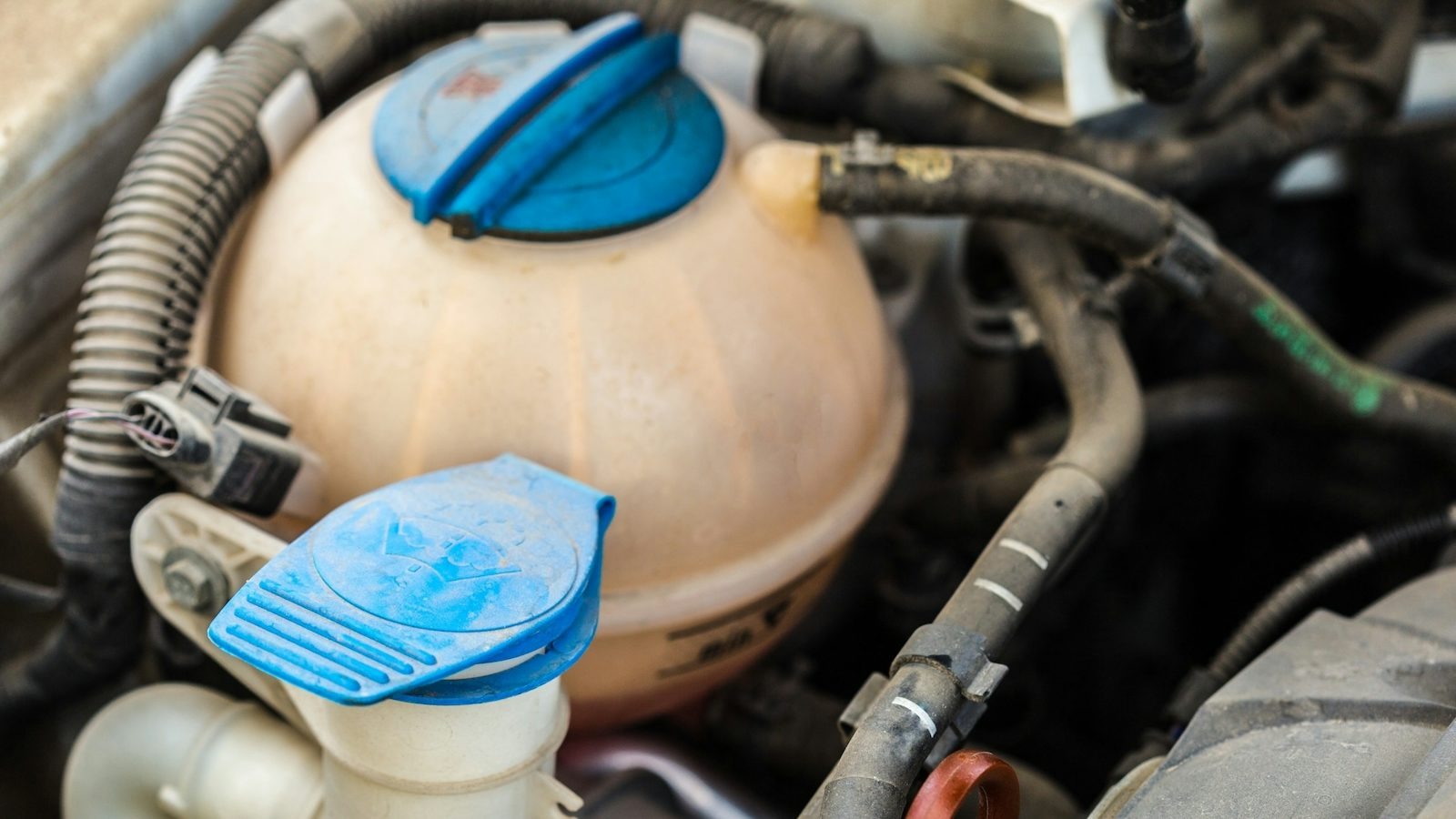
Your Engine Depends on Coolant for More Than Cooling
Engine coolant does more than carry heat away from the engine. As it circulates through passages in the engine block and cylinder head, it absorbs heat produced during combustion and carries that heat to the radiator.
The radiator then releases it into the surrounding air. This steady circulation helps keep engine temperatures within their intended operating range.
There is another job happening at the same time. Proper coolant contains additives that help protect metal parts from corrosion and help lubricate components such as the water pump.
Its antifreeze properties also protect against freezing in cold conditions. A healthy coolant mixture therefore supports several parts of the cooling system at once.
That is why an engine can suffer from neglected coolant even when the temperature gauge appears normal. The fluid may still be present, but its protective additives can become depleted as it ages. The color may look acceptable while its ability to protect internal surfaces has declined.
Manufacturer guidance remains the best reference for coolant type and service timing because formulas and maintenance requirements differ between vehicles. Regular checks can provide useful warning. It matters daily.
Low Coolant Can Create a Rapid Heating Problem
A low coolant level leaves less fluid available to absorb and carry away engine heat. The result can be a cooling system that struggles during traffic, long climbs, towing, or other situations that place extra demand on the engine.
Low levels may also allow air pockets to form, which can interfere with proper circulation and temperature control. The reason behind a low reservoir level matters just as much as the level itself.
Coolant does not normally disappear simply because a vehicle is being driven. A recurring drop may point to a leaking hose, radiator, water pump, connection, heater component, or another fault.
Adding fluid without finding the cause can therefore hide a problem rather than fix it. Watch for a temperature gauge moving above its normal range, warning messages, steam, a sweet smell, or visible fluid beneath the vehicle.
If the engine begins overheating, continuing to drive can cause serious damage. Turn the vehicle off safely and allow it to cool before checking the system. Never remove a radiator or pressure cap while the system is hot because pressurized coolant can cause severe burns.
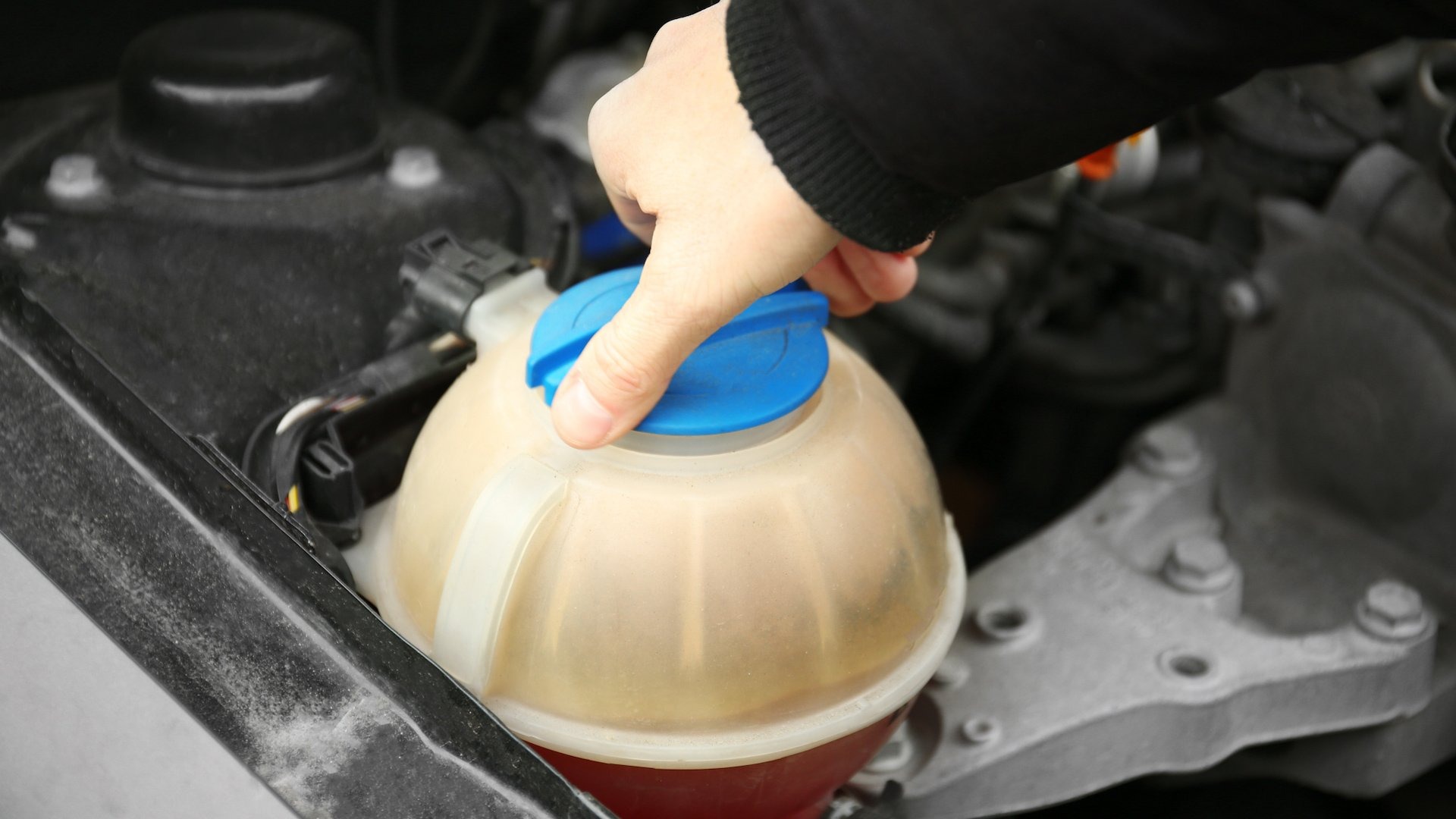
Old Coolant Can Lose Its Protective Power
Fresh coolant contains additives that help control corrosion inside the cooling system. Those additives do not remain equally effective forever.
Heat cycles and normal chemical wear gradually reduce their protective ability, leaving metal surfaces more exposed to corrosion and deposits.
This can happen without a dramatic warning from the dashboard. A vehicle may start, idle, and drive normally while the coolant becomes less capable of protecting the radiator, heater core, water pump, and internal coolant passages.
That quiet deterioration is one reason routine service matters even when the fluid does not look alarming. As protection declines, rust, scale, and other deposits can restrict coolant passages or reduce heat transfer.
A restricted radiator may struggle to release heat, while debris can interfere with circulation through smaller passages. Water pump components can also suffer when contaminated or degraded coolant affects their working environment.
There is no single replacement interval that fits every vehicle. Coolant chemistry, vehicle design, and manufacturer instructions all matter. Some modern coolants are designed for long service intervals, while other systems require earlier replacement.
The owner’s manual should therefore determine the schedule rather than a generic mileage figure copied from another vehicle.
Corrosion and Sludge Can Damage the Cooling System
Picture the cooling system as a network of narrow passages that must remain open for coolant to move freely. When old fluid loses its protective additives, corrosion products and deposits may slowly collect inside that network.
The issue is not dirty fluid. These can reduce flow and interfere with the system’s ability to move heat. The radiator is vulnerable because restricted passages can reduce the amount of coolant moving through the area where heat is released.
The heater core can also become restricted, which may reduce cabin heat during cold weather. The water pump is another concern because contamination can contribute to wear and poor circulation.
A neglected system may show clues before a major failure occurs. Discolored coolant, visible sediment in the reservoir, repeated temperature increases, or unexplained cooling-system leaks deserve inspection.
A mechanic may need to test the coolant, inspect hoses and connections, examine the radiator, and determine whether a drain and refill or a more thorough flush is appropriate.
Replacing coolant according to the vehicle maker’s instructions helps remove old fluid before its protective package becomes exhausted. If contamination is already present, adding fresh coolant may not remove the material that has accumulated inside the system.
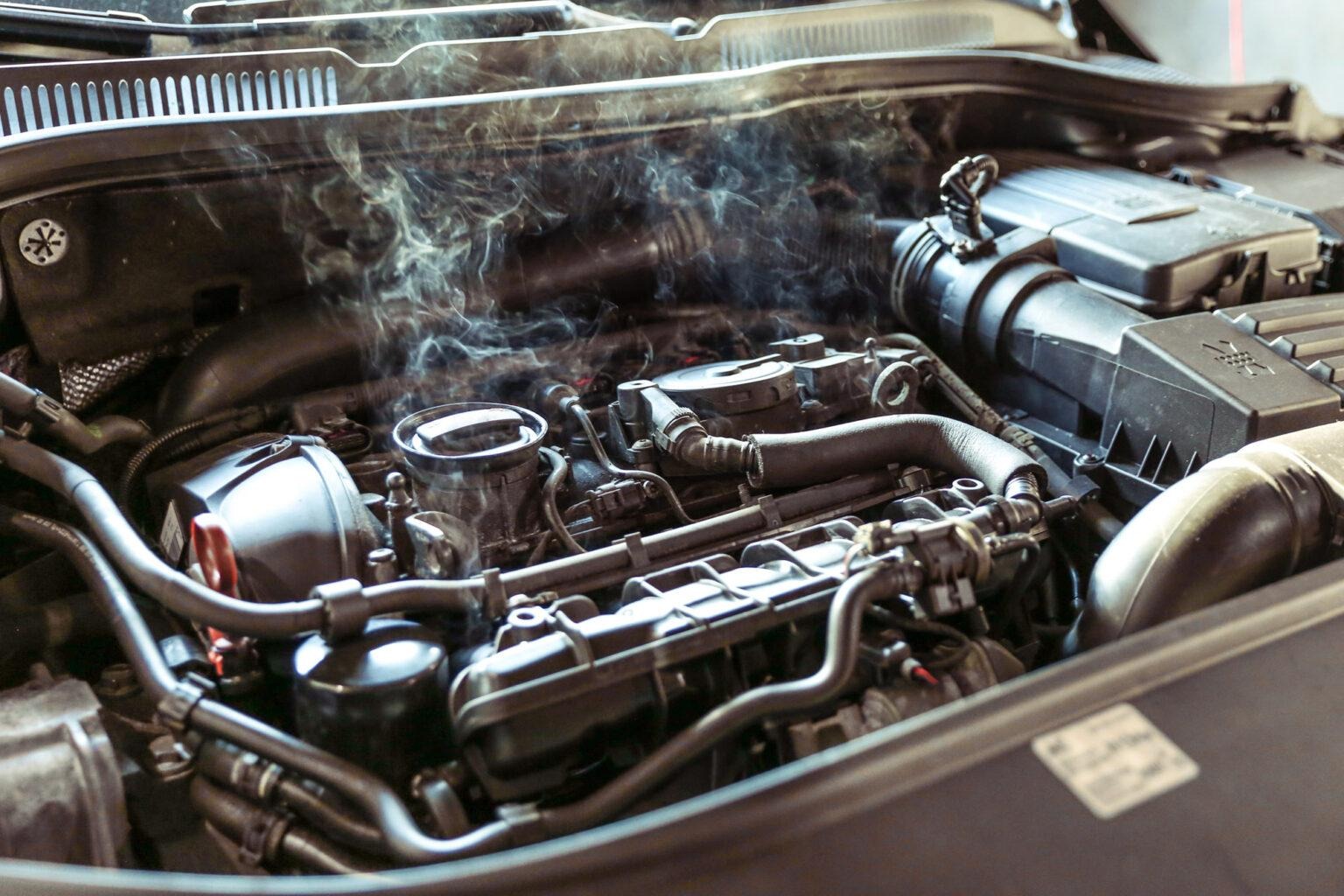
Repeated Overheating Can Harm Major Engine Parts
One overheating event does not always destroy an engine, but repeated or severe overheating can cause expensive mechanical damage.
As temperature rises beyond the engine’s intended range, metal components expand, and seals can lose their ability to maintain proper separation between oil, coolant, combustion gases, and engine surfaces.
The cylinder head and head gasket can be especially vulnerable. A damaged head gasket may allow coolant to enter the combustion chamber or combustion gases to enter the cooling system.
In severe cases, excessive heat can contribute to a warped cylinder head or damage to the engine block. The warning signs can vary. White exhaust smoke may occur when coolant enters the combustion process.
A persistent sweet smell, unexplained coolant loss, bubbles in the reservoir, poor heater performance, or repeated overheating can also justify a professional inspection.
None of these signs should be taken as proof of a specific failure, since several cooling system problems can cause similar symptoms. If the engine is actively overheating, the safest approach is to stop driving as soon as it is safe to do so, shut the engine off, and allow it to cool.
Continuing to drive while the temperature is in the danger zone can turn a cooling-system repair into a major engine repair.
Small Warning Signs Deserve Attention Before They Grow
Coolant trouble rarely begins with a dramatic engine failure. More often, the vehicle gives smaller clues first. A reservoir that repeatedly drops below the recommended level is one example.
Another is a sweet odor around the engine bay or inside the cabin. You may also notice a temperature gauge that runs higher than usual, a warning light, or inconsistent cabin heat.
Look beneath the vehicle after it has been parked, but do not assume every puddle is coolant. Coolant can come in different colors depending on the formulation, so color alone isn’t a reliable way to identify it.
A mechanic can locate a leak and determine whether the source is a hose, radiator, water pump, cap, heater component, or another part. Pay attention to changes rather than waiting for a dramatic symptom.
If the coolant level keeps falling after you refill it, the vehicle needs diagnosis. Topping up may restore the level temporarily, but it does not repair the leak or replace depleted additives.
Most importantly, never open a hot pressurized cooling system. Give the engine enough time to cool before checking the reservoir or following the inspection procedure in the owner’s manual.
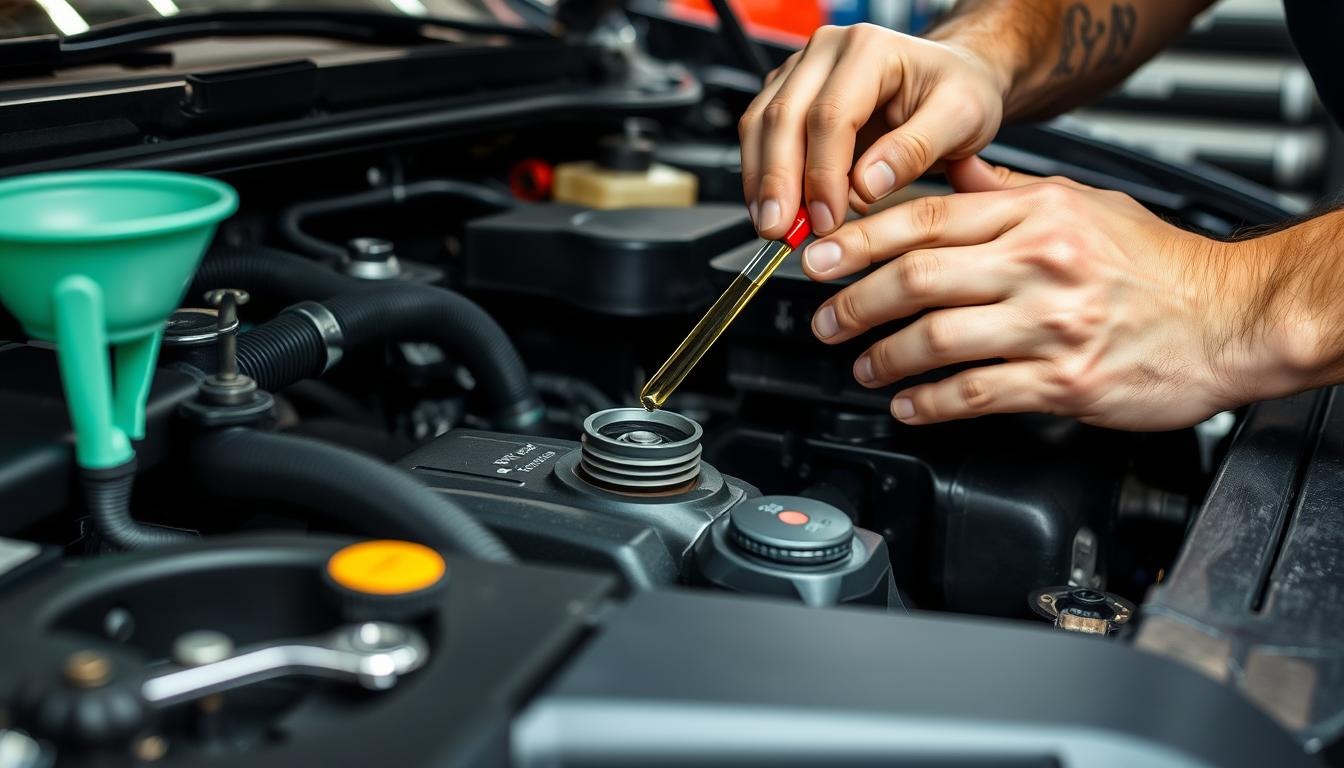
A Simple Maintenance Routine Can Protect Your Engine
Good coolant care does not require constant attention. It starts with knowing which coolant your vehicle requires and following the service interval in the owner’s manual.
Different engines can use different coolant formulations, and using an incompatible product may cause cooling-system problems. When in doubt, check the manufacturer’s specification before adding anything.
Check the reservoir when the engine is cold. Look for a level below the marked range, unusual discoloration, sediment, damaged hoses, or signs of leakage. If the level is low, do not treat topping it off as a complete repair when the loss keeps returning.
Coolant service may involve a drain and refill, while a contaminated system may need a more thorough flush. The correct procedure depends on the vehicle and the condition of its cooling system.
Used coolant should also be collected and disposed of properly because it can be harmful to people, pets, and the environment. Drivers do not need to memorize a universal replacement mileage.
Vehicle manufacturers set different schedules based on coolant chemistry and engine design. Keeping the service record current and responding promptly to warning signs can help prevent a minor fluid issue from becoming an engine repair when appropriate.
