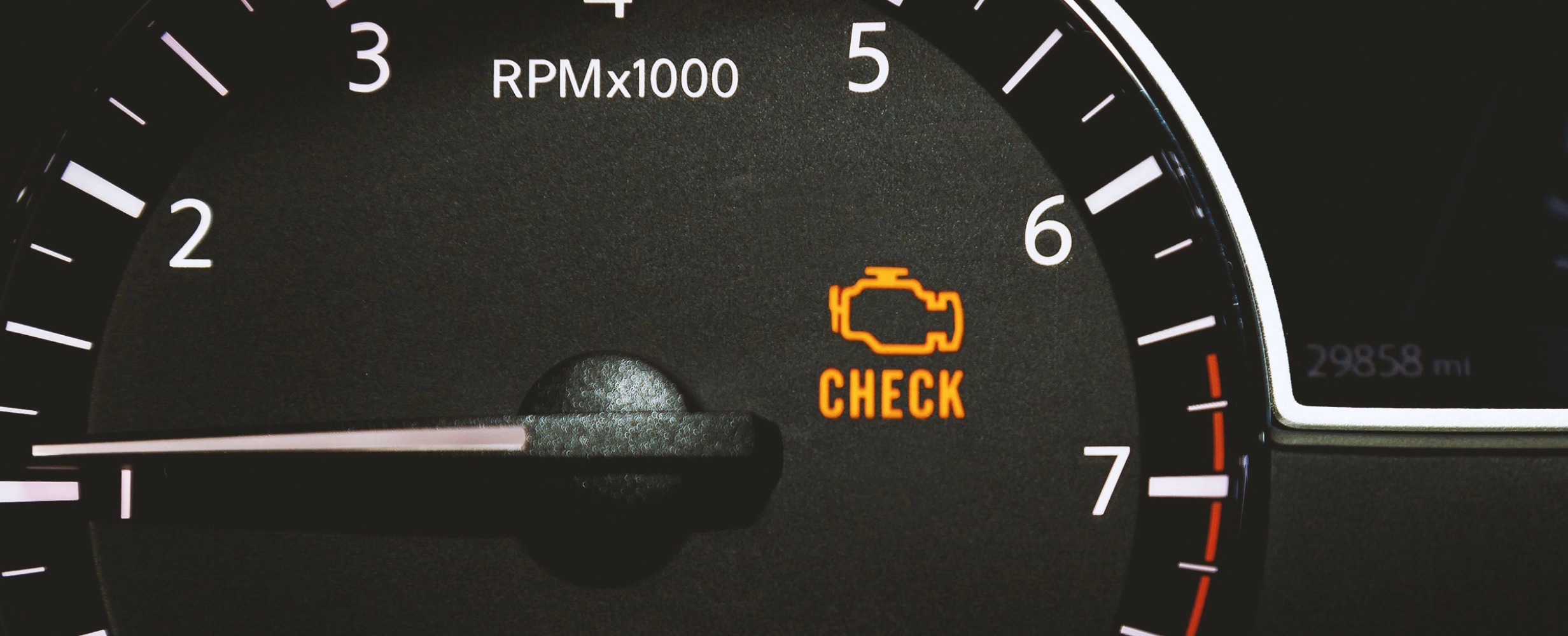
That little amber glow on your dashboard has a talent for ruining a perfectly good morning. You glance at it, hope it disappears, and keep driving. Sound familiar? Plenty of drivers do exactly that, and sometimes it works out fine. Other times, a small problem grows into a repair bill that makes you wince.
So which is it? The honest answer depends on what the light is doing and how your car feels. Below, you’ll learn what the light really means, how to tell a minor nag from a true emergency, and what to do next. Consider this a calm, practical guide for anyone who has ever stared at that glowing symbol and wondered whether to pull over.
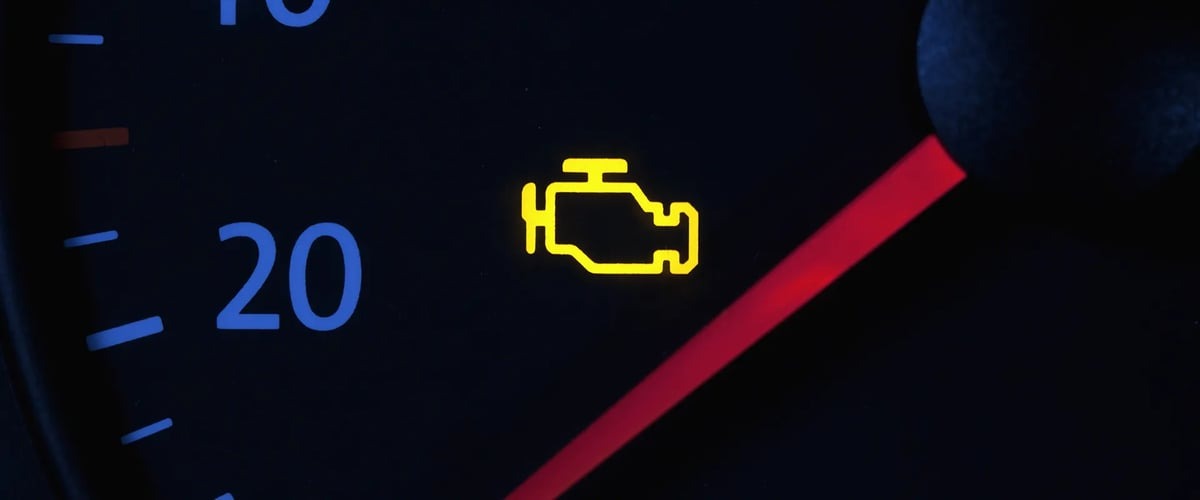
What That Glowing Symbol Is Actually Telling You
Your car is constantly checking itself. Dozens of sensors monitor the engine, the exhaust, the fuel system, and the transmission, then report to a central computer.
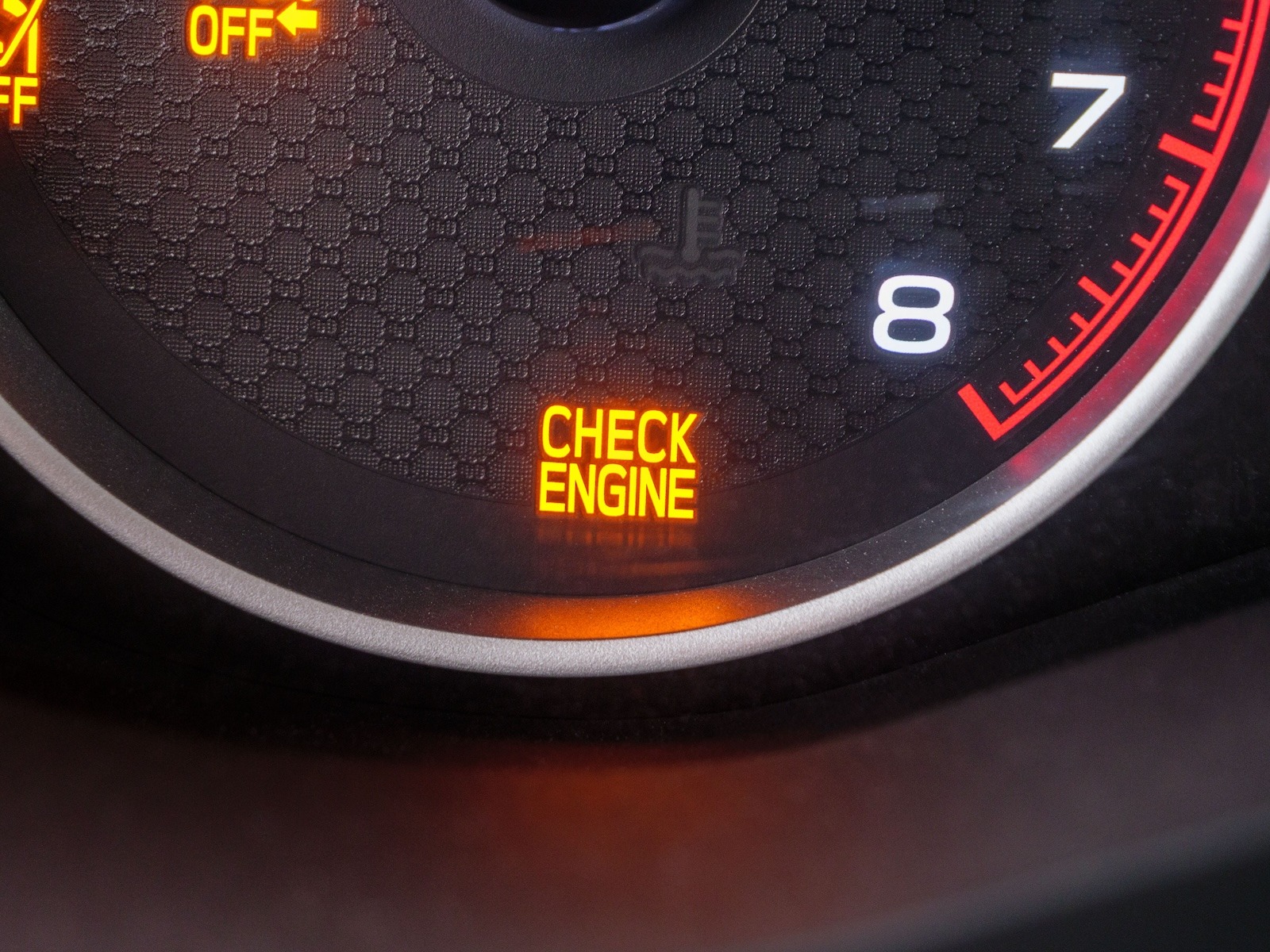
When a reading drifts outside its normal range, the computer stores a trouble code and switches on the check engine light. Think of it as a general alert, not a specific diagnosis.
The light doesn’t say “spark plug” or “oxygen sensor.” It only says something needs attention. That’s why two cars with the same glowing symbol can have wildly different problems, one trivial and one serious.
Most of the time, the light is tied to your emissions system, which manages what comes out of the tailpipe. Modern engines run cleanly only when everything works together, so even a small fault can trigger a warning.
The code itself holds the real clues. A technician or a basic scanner can read it in minutes, and that reading turns a vague worry into a clear starting point. Without that information, you’re guessing. Guessing with your engine is a gamble, and the stakes can be higher than they appear.
Why a Steady or Flashing Light Matters
The most important thing to understand is that the light can behave in two distinct ways, and each one communicates a different message to drivers.
A steady light means the computer found a fault that isn’t an immediate emergency.
You should get it checked soon, but you usually have some breathing room. Many drivers continue their daily routine for a short time while arranging a repair.
A flashing light is another story entirely. It signals a serious problem, and the most common cause is an engine misfire. During a misfire, unburned fuel can flow into the exhaust system, where it overheats and can melt the catalytic converter.
That part is expensive, and damage can happen quickly. If the light flashes, don’t try to tough it out. Ease off the accelerator, find a safe place to stop, and shut the engine off. Then call for a tow or professional help.
A red warning light for oil pressure or engine temperature is also an emergency, even though it’s a different symbol. Stop right away. Driving on can destroy an engine within minutes.
Everyday Culprits That Look Scarier Than They Are
Before you imagine the worst, consider the usual suspects. Many check engine lights come from simple, inexpensive problems. The most famous example is a loose gas cap.
If it isn’t tightened properly, fuel vapors escape, and the system notices a leak. Tighten the cap until it clicks, drive for a day or two, and the light may clear itself.
Other common triggers include a worn oxygen sensor, aging spark plugs, a faulty mass airflow sensor, or a small vacuum leak. None of these will strand you tomorrow morning.
They can, however, reduce fuel economy and increase emissions, so ignoring them costs money at the pump. Here’s a handy rule.
If the car drives normally, with no strange noises, no shaking, no loss of power, and no smells, the cause is often minor. That doesn’t mean it can wait forever, but it does mean you probably don’t need to panic.
Still, “probably” isn’t “definitely.” Only a code reading can tell you for sure. A quick scan is often free at auto parts stores, and it’s well worth the stop.
Warning Signs That Mean Pull Over Right Now
Some symptoms turn a nuisance into an emergency. Learn them, and you’ll know when to stop instead of hoping for the best.
Pay attention to how the car feels. Shaking, stumbling, or jerking under acceleration can point to a serious misfire. A sudden loss of power may mean the engine has dropped into protective mode.
Strange knocking or grinding sounds deserve immediate attention. Your nose and eyes matter too. A rotten-egg smell can signal a failing catalytic converter.
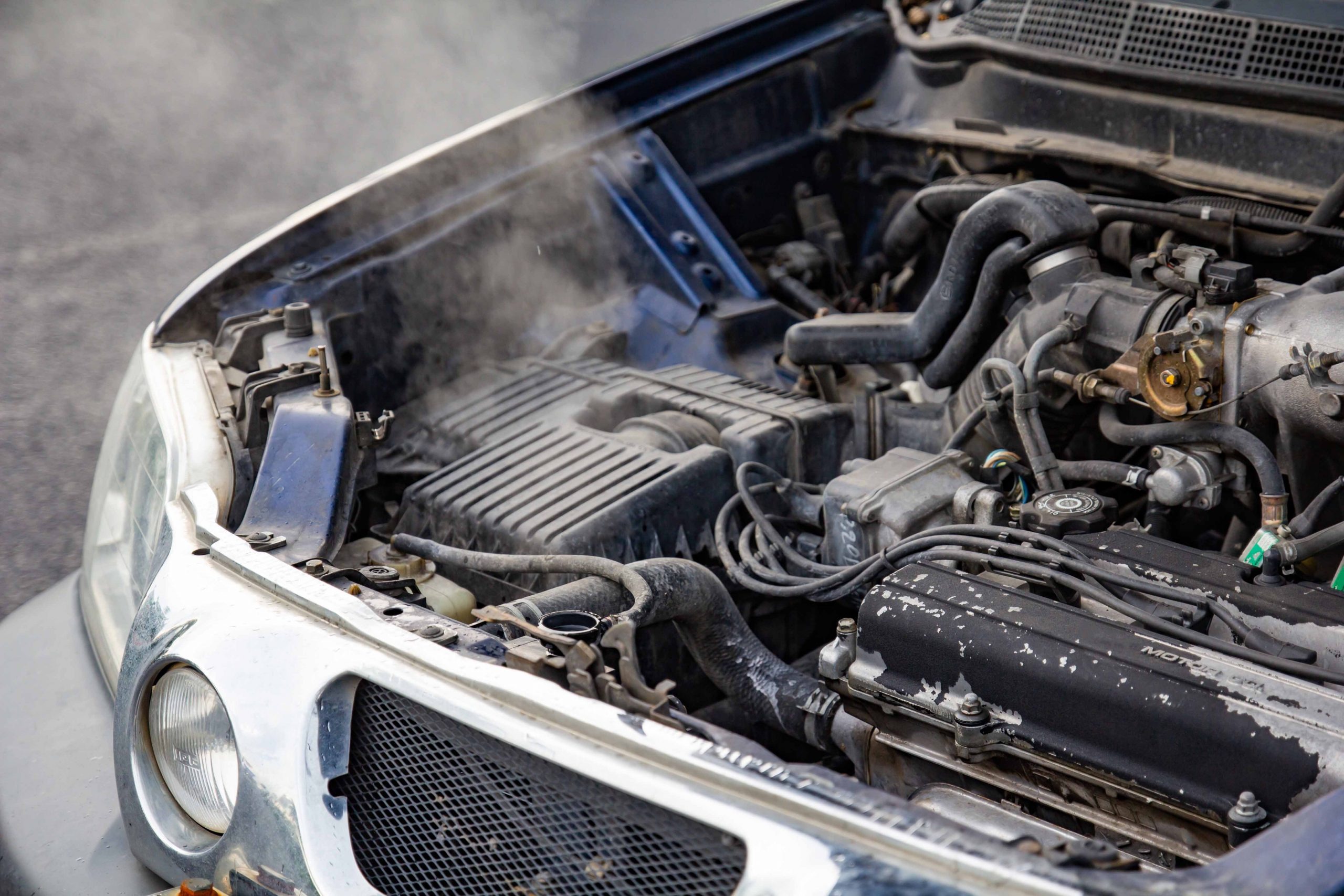
Thick smoke from the exhaust or the hood is a clear alarm. Steam or a rising temperature gauge suggests overheating, which can warp engine parts fast.
Fluids tell a story as well. Puddles under the car, a dashboard oil warning, or a burning odor all call for a stop. If any of these show up alongside the check engine light, don’t keep going to the next exit or “just make it home.”
Pull over somewhere safe, turn off the engine, and arrange a tow. A tow costs far less than a replacement engine, and safety always outweighs convenience.
How Long You Can Wait Before Real Damage Starts
Everyone wants a number, and sadly there isn’t a magic one. Still, some practical guidelines can help you decide. With a steady light and a normal-feeling car, a few days is usually reasonable, as long as you book a diagnosis soon.
A week or two begins to stretch your luck. Months of driving with the light on is where small faults quietly turn into expensive ones. Why does waiting cost so much? Because problems tend to cascade.
A weak sensor can cause the engine to run too rich or too lean, which strains the catalytic converter. Worn spark plugs can overload ignition coils. Each delay adds stress to the next part in line.
There’s also a hidden risk. A light that stays on can mask new problems. If a second fault appears, you may never notice, because the warning is already glowing.
Then there’s the practical side. Many regions require emissions or safety inspections, and an active check engine light can mean an automatic fail. Ignoring it can leave you stuck at registration time.
Treat the light like a smoke detector chirp. It’s easy to tune out, yet it’s trying to protect you.
What to Do the Moment the Light Appears
Stay calm, and run through a short checklist.
First, notice how the car behaves. Is it smooth, or does it shake, smell, or lose power? If anything seems off, pull over and get help. If everything feels normal, you can continue gently, avoiding heavy loads, hard acceleration, and long trips.
Second, check the gas cap. Remove it, reseat it, and tighten it until it clicks.
Third, get the code read. Auto parts stores often scan codes at no charge, and an inexpensive OBD-II reader plugs into a port under the dashboard and pairs with a phone app. Write down the code, since it gives a mechanic a head start.
Fourth, book an appointment. Describe what you noticed and share the code. Clear details speed up the diagnosis and help avoid unnecessary repairs.
Finally, resist the urge to clear the light with a reader and forget about it. Erasing the code doesn’t fix the cause, and the light will return.
Following these steps takes only minutes, yet it protects your engine and your wallet.

Why Fixing It Early Saves Money and Stress
The bottom line is simple. Taking care of minor problems early is usually far less costly than dealing with major repairs later. The check engine light gives drivers an opportunity to identify potential issues before they become more serious.
A new gas cap costs a few dollars. An oxygen sensor might run a couple hundred. A ruined catalytic converter, on the other hand, can reach well over a thousand. Waiting rarely makes the problem smaller, and it often makes it far pricier.
Early repairs also keep your car running efficiently. Faulty sensors can waste fuel every time you drive, so fixing them may pay for itself at the pump. Your car will feel smoother, respond better, and produce fewer emissions.
Peace of mind counts for something, too. Knowing exactly what the light means lets you drive without that nagging worry in the back of your mind.
So the next time that amber symbol appears, don’t ignore it and don’t panic. Observe your car, get the code read, and act promptly. A short visit to the shop today can save you a long, expensive walk home tomorrow.