
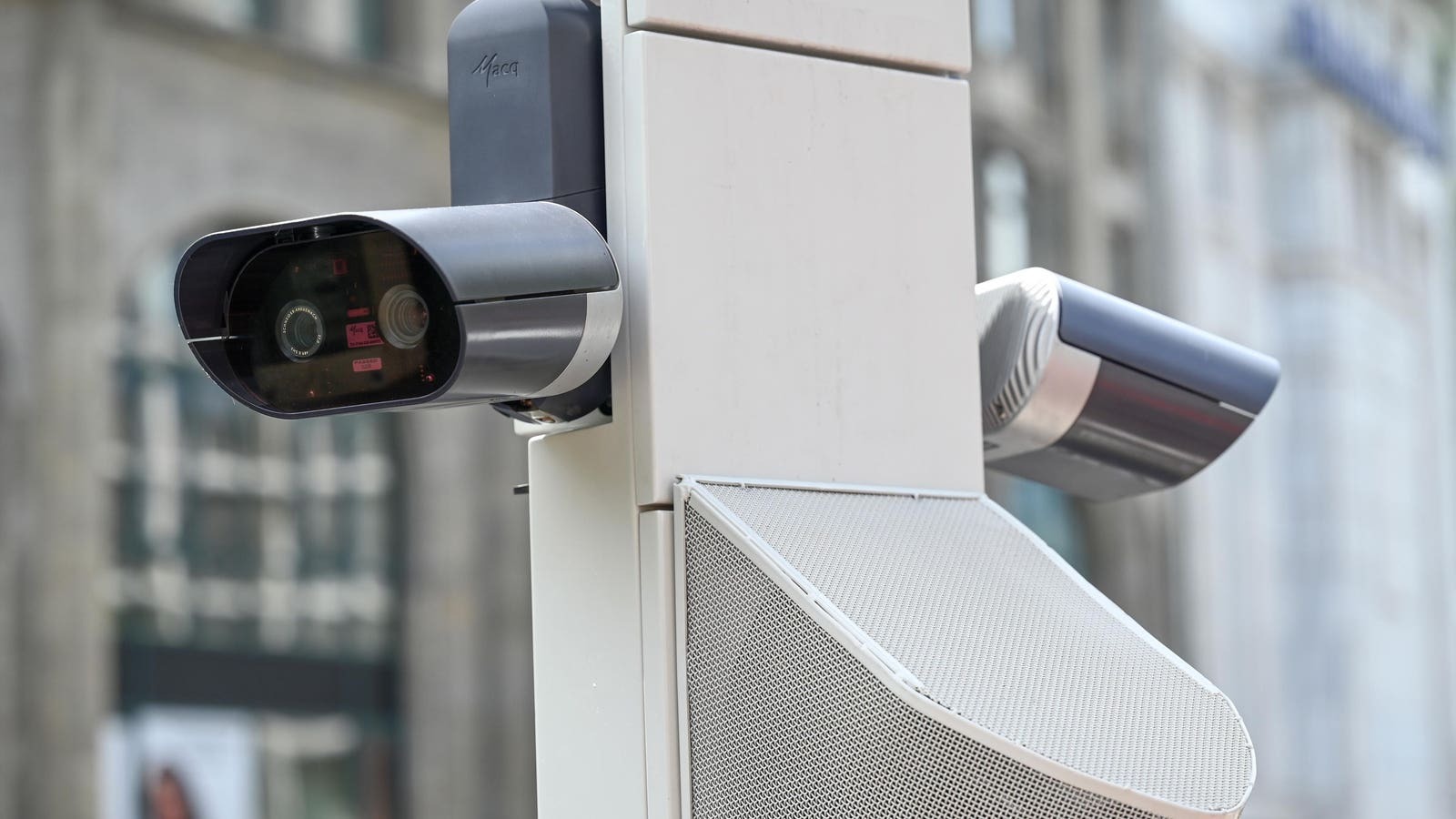
A loud exhaust once meant that a police officer had to hear the noise and pull the vehicle over. That approach is beginning to change in some parts of the United States. New York City already uses roadside sound cameras to detect excessive vehicle noise, record license plate information, and provide evidence for a summons without requiring an officer to be present.
Other cities are testing similar systems, while California has created a legal framework for evaluating sound-activated enforcement devices. For drivers with modified exhausts, this creates a new kind of concern. The car can leave the scene before anyone says a word, yet a notice can arrive later. Here is how these systems work and what drivers should know.
How Noise Cameras Catch Loud Cars
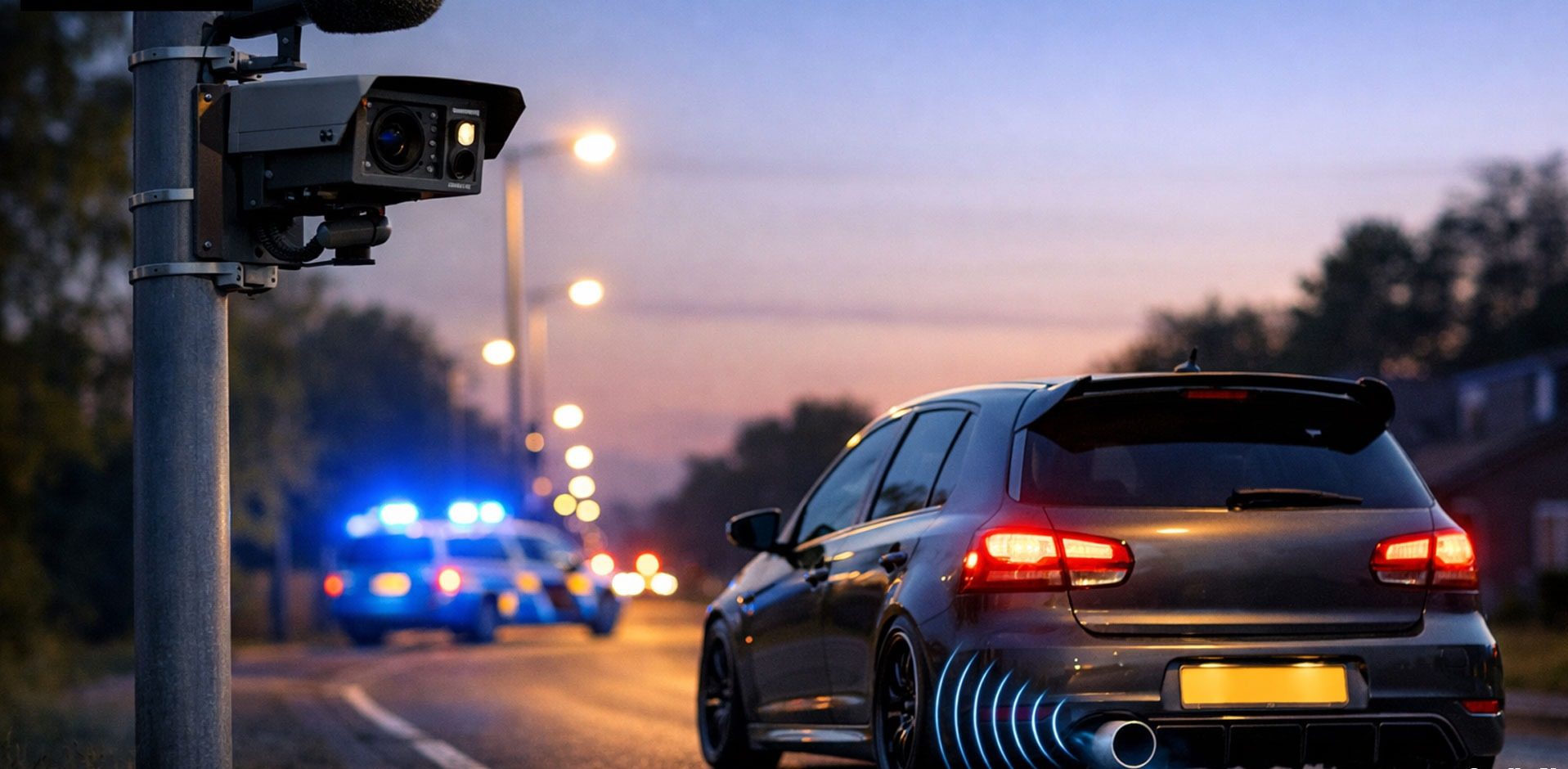
Picture a driver passing a roadside pole, unaware that the sound from the exhaust has just triggered a sensor. A noise camera is built to connect that sound with a vehicle.
New York City’s Department of Environmental Protection says its equipment combines microphones with high-definition video and license-plate imaging.
When a vehicle crosses a preset noise limit, the system records the event and captures the plate while keeping the vehicle interior out of view.
The process unfolds in several stages, beginning with sound detection and followed by visual identification. In New York City, DEP staff must review the recorded evidence before a summons can be issued.
That human review matters because streets contain many competing sounds from engines, motorcycles, trucks, horns and nearby activity.
Why use this setup? Loud vehicles can disappear before an inspector reaches the location. A fixed system can wait for the sound and preserve evidence when it happens.
The equipment therefore gives enforcement personnel another way to address vehicle noise without requiring an officer to witness every event from the roadside.
The system documents the event rather than merely reacting to a complaint. This can help on streets where complaints are frequent, but patrols are difficult to sustain.
Why New York City Started Using Them
New York City offers a real example rather than a future concept. DEP began piloting vehicle noise cameras in 2021 and launched the program in 2022. Local Law 7 of 2024 later established a formal noise-camera enforcement program and required reporting on its use.
The program covers more than exhaust. DEP uses its equipment for engine and muffler noise, excessive horn use and vehicle music. For exhaust owners, the muffler provision is the part that matters most.
A modified system that produces excessive sound can create an enforcement issue even when the driver is never stopped. The 2025 figures show how active the system has become. NYC DEP reported 12 cameras that year, with 15,994 noise events recorded and 1,691 summonses generated.
A summons is not automatically a final finding of liability because the case can proceed through the city’s administrative process. For muffler noise under Section 24-236(e), DEP lists a minimum penalty of $800 and a maximum of $2,625, including the default penalty.
The city’s program also shows that automated detection can be tied to existing noise laws rather than creating a separate exhaust offense. That gives the agency a record tied to a specific vehicle.
What New York City’s Numbers Show
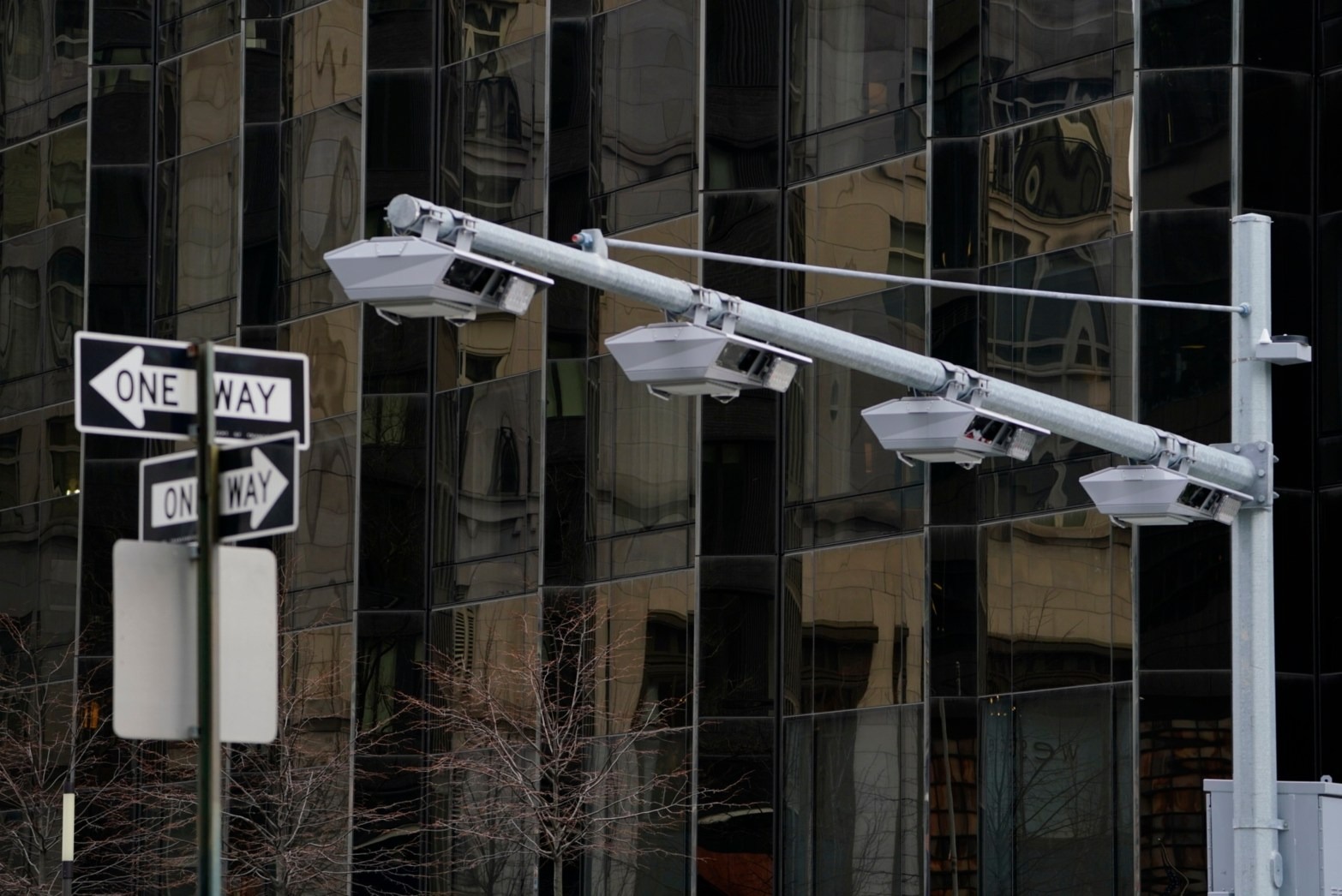
New York City offers the clearest look at how far this can go. The city’s Department of Environmental Protection operated 12 cameras in 2025. Those cameras recorded 15,994 noise events and produced 1,691 summonses.
Do the math, and roughly one in ten recorded events became a summons, which suggests not every loud moment leads to a ticket. The system can target excessive engine or muffler noise, and it can also capture certain horn and vehicle music violations.
The price of a muffler violation is steep. The minimum penalty is $800, and the maximum can reach $2,625. That’s real money for one loud pass.
Those figures also show scale. Twelve cameras, in a single year, caught nearly 16,000 noisy events. If a handful of devices can do that, it’s no surprise that cities elsewhere are watching closely.
New York began piloting the devices in 2021 and launched the program in 2022. Its cameras pair microphones with video and a plate reader. When sound passes a preset level, the system tries to identify the source, and city staff look over the evidence first.
Cities Trying Different Approaches
Not every city treats noise cameras the same way. Avoca, Iowa, targeted trucks using loud engine braking on Highway 59. Its one-month pilot logged 183 violations involving 83 vehicles, and the city moved ahead with a full program.
Hawaii chose another route. Its two-year pilot on Oʻahu began in September 2025, and drivers aren’t getting camera tickets. The state is gathering data on vehicles above 90 decibels to guide future laws.
Newport, Rhode Island, uses mobile equipment and has issued $250 citations. Santa Fe, New Mexico, signed a five-year contract worth up to $4 million for automated speed and noise enforcement, with a warning period planned first.
Knoxville, Tennessee, uses its camera for warnings rather than camera-generated citations, and Florida law kept Miami Beach from issuing automated noise tickets during its pilot.
West Haven, Connecticut, is preparing four devices. Under state law, a first violation brings a written warning, a second carries a $100 fine, and later ones cost $250. Boston and Providence are weighing programs of their own.
The bottom line is straightforward. What is allowed can vary depending on where you drive.
California’s Pilot and Its Accuracy Questions
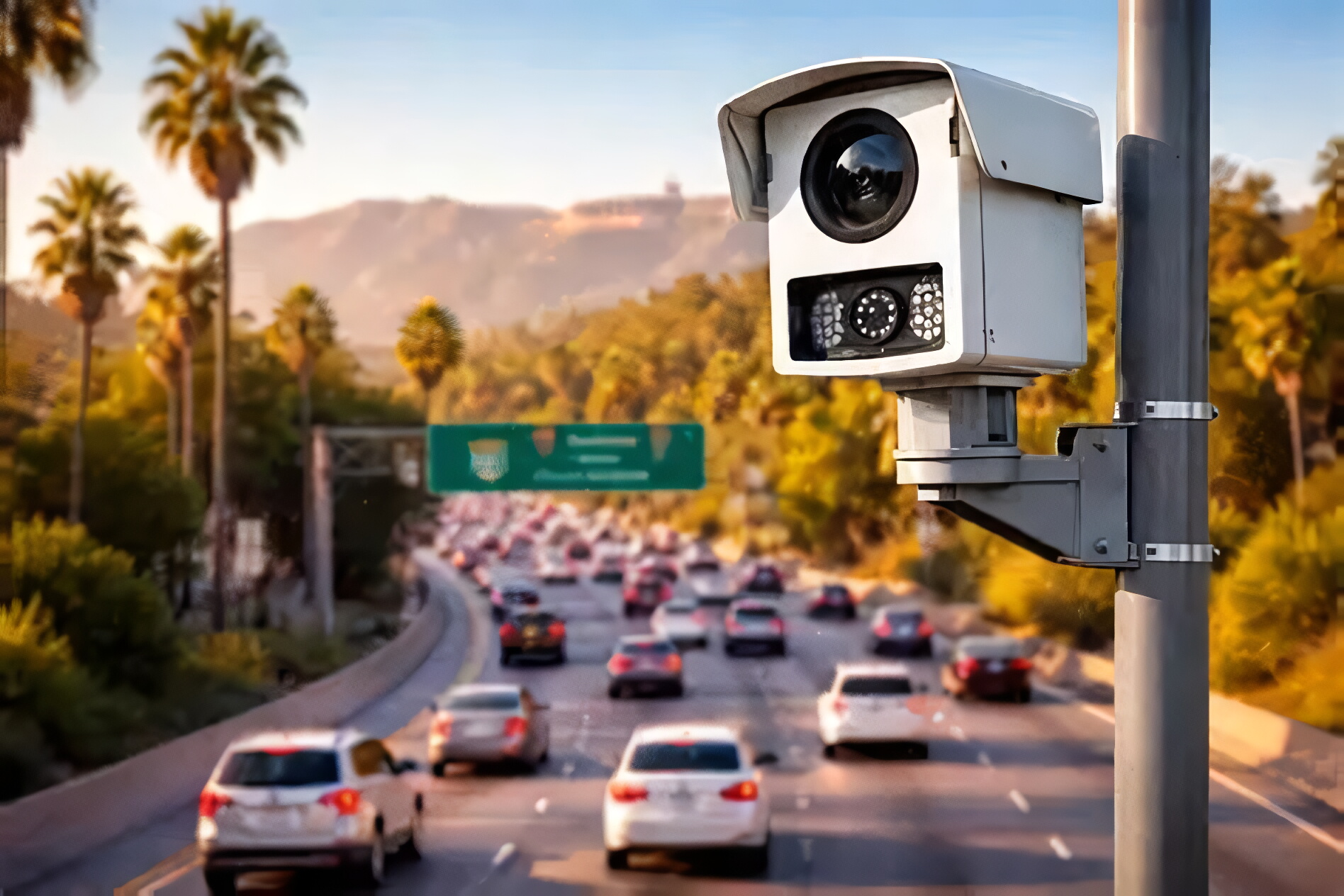
California has moved carefully. State lawmakers authorized a pilot program under SB 1079, and the California Highway Patrol has evaluated sound-activated enforcement systems from three companies.
The results were mixed. Technical problems kept CHP from fully evaluating all three systems, and only one device produced enough usable data for detailed analysis.
CHP found the technology could detect excessive exhaust noise. Still, the agency concluded that the systems it tested weren’t adequate as standalone enforcement tools.
Why? Tying a noise to the correct vehicle proved tricky. Lighting, license plate visibility, and traffic conditions could also affect the evidence.
It is important to keep the findings in perspective. The study examined specific equipment under specific conditions, so its results do not necessarily mean that every noise camera will make the same errors. The technology is also developing rapidly. Other cities have taken a cautious approach as well. Albuquerque, for example, conducted a six-month trial without issuing fines.
Still, the findings explain why human review plays such a large role in many programs. A microphone can detect a loud event. Turning that event into a fine takes much higher confidence, especially when the penalty can reach hundreds of dollars.
The Privacy Side of Roadside Microphones
Is the microphone the only concern? Not really. Many of these systems capture a license plate after a noise event, which creates another record of where a vehicle was and when.
New York says its camera positioning lets the plate appear while keeping occupants and the vehicle’s interior out of the video. Connecticut law requires human review before a citation and sets rules around the recorded images.
University Park, Maryland, activated a camera in January 2026 as part of a county and state pilot effort. Protections vary by location, though.
A city considering noise cameras should be able to explain what it records, who can access it, and how long it stays on file. West Haven’s mayor said the city owns the equipment, controls the data, and doesn’t share it with third parties.
Those answers matter because roadside cameras have drawn criticism elsewhere. Think about who sees that plate image, how long it sticks around, and whether another agency can request it.
Camera information should be one piece of evidence, not the final word. Ask questions early, before a contract is signed.
What to Do If You Get a Noise Ticket
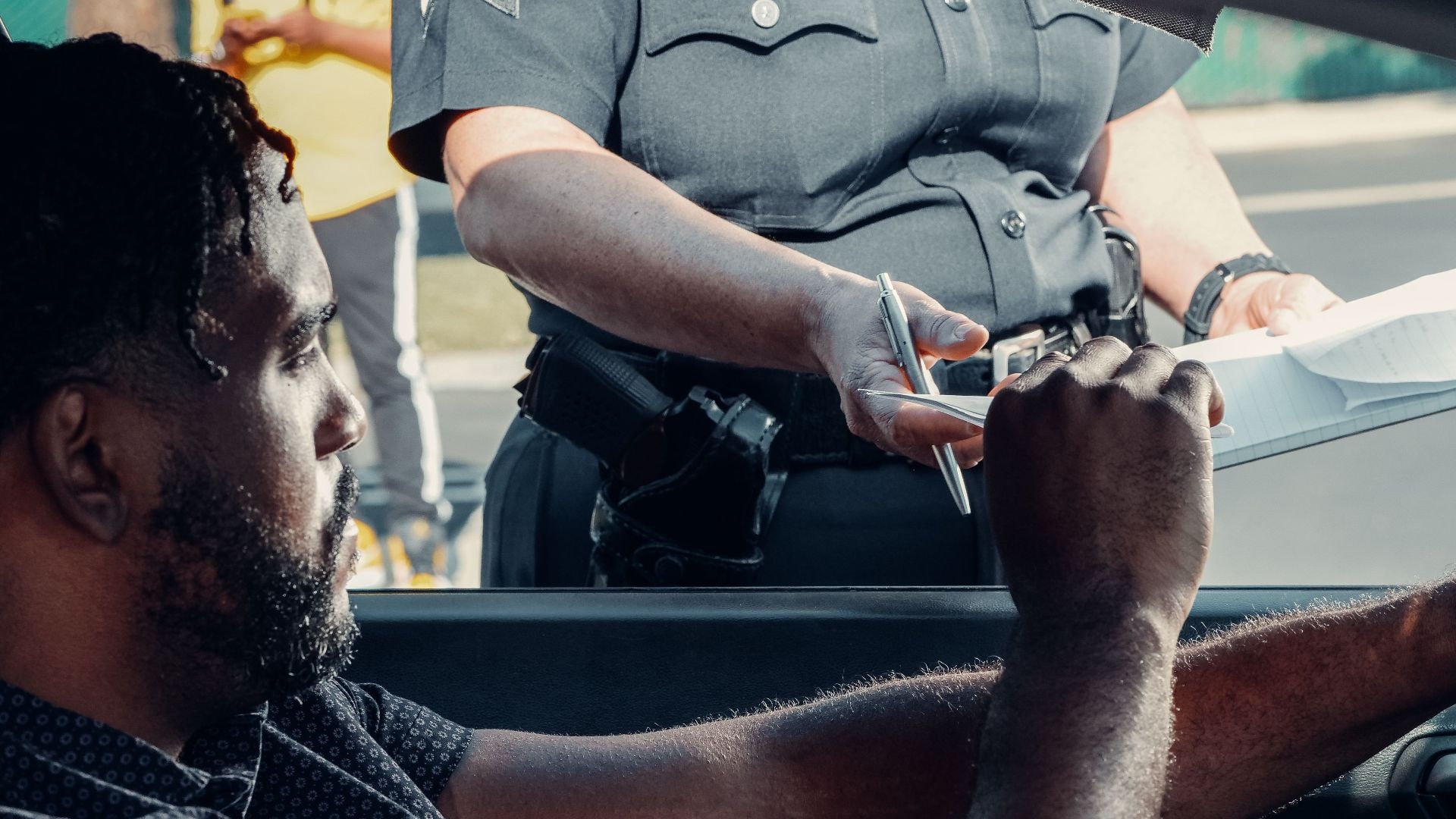
Say a notice lands in your mailbox. Don’t panic, and don’t pay on autopilot. Start by reading the evidence that came with it. Check the location, date, time, and vehicle details, and make sure they match your car and your day.
Next, find out whether a person reviewed the event before the citation went out. Many programs require it. If you believe the system picked the wrong vehicle, look up your local process for challenging the ticket, and note any deadlines.
Prevention is easier. If you have an aftermarket muffler or a loud stereo, remember that a camera doesn’t care whether the noise felt fun. Know your local limits, since Connecticut’s threshold is 80 decibels while Hawaii’s pilot flags events above 90.
Pay attention to council agendas, too. If your town announces a program, ask who supplies the equipment, what it records, and how long officials keep that information.
Those details tell you far more than the words “noise camera” ever will. A little attention now can save you from an $800 surprise later.
