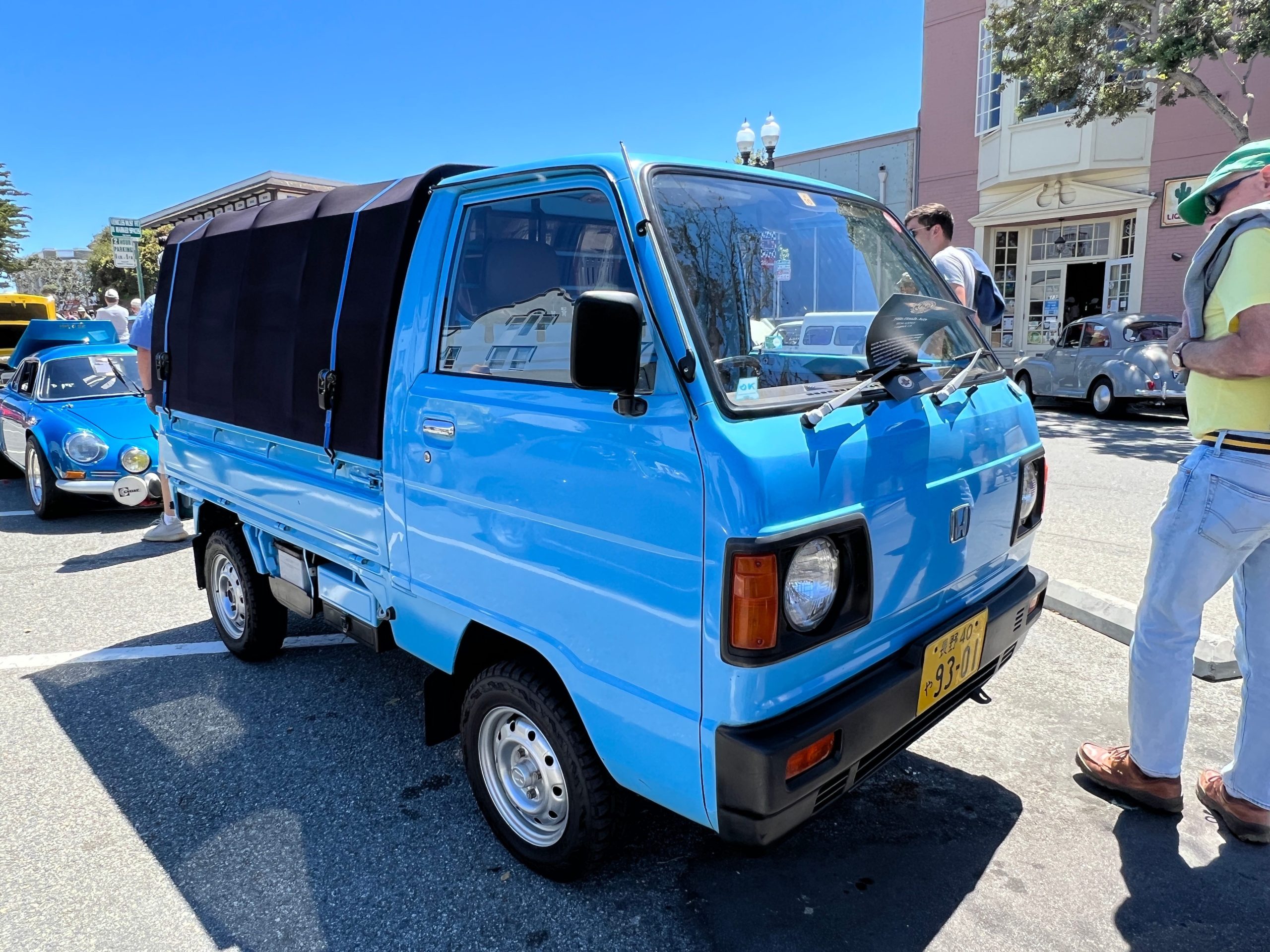
Thinking about buying a tiny Japanese pickup? Kei trucks are affordable, fuel-efficient, and surprisingly useful, which has made them increasingly popular among American buyers. The problem is that getting one through customs does not guarantee you can legally register it in your state. In some areas, owners have even had license plates removed from trucks they registered years earlier.
That’s a painful surprise after paying for shipping, import fees, and the truck itself. The good news is that a little research before you buy can save you thousands of dollars and a lot of stress. This guide walks through where kei trucks can no longer be registered, where the rules are tightening, and how to protect yourself. Let’s get into it.
Why Federal Import Approval Doesn’t Settle It
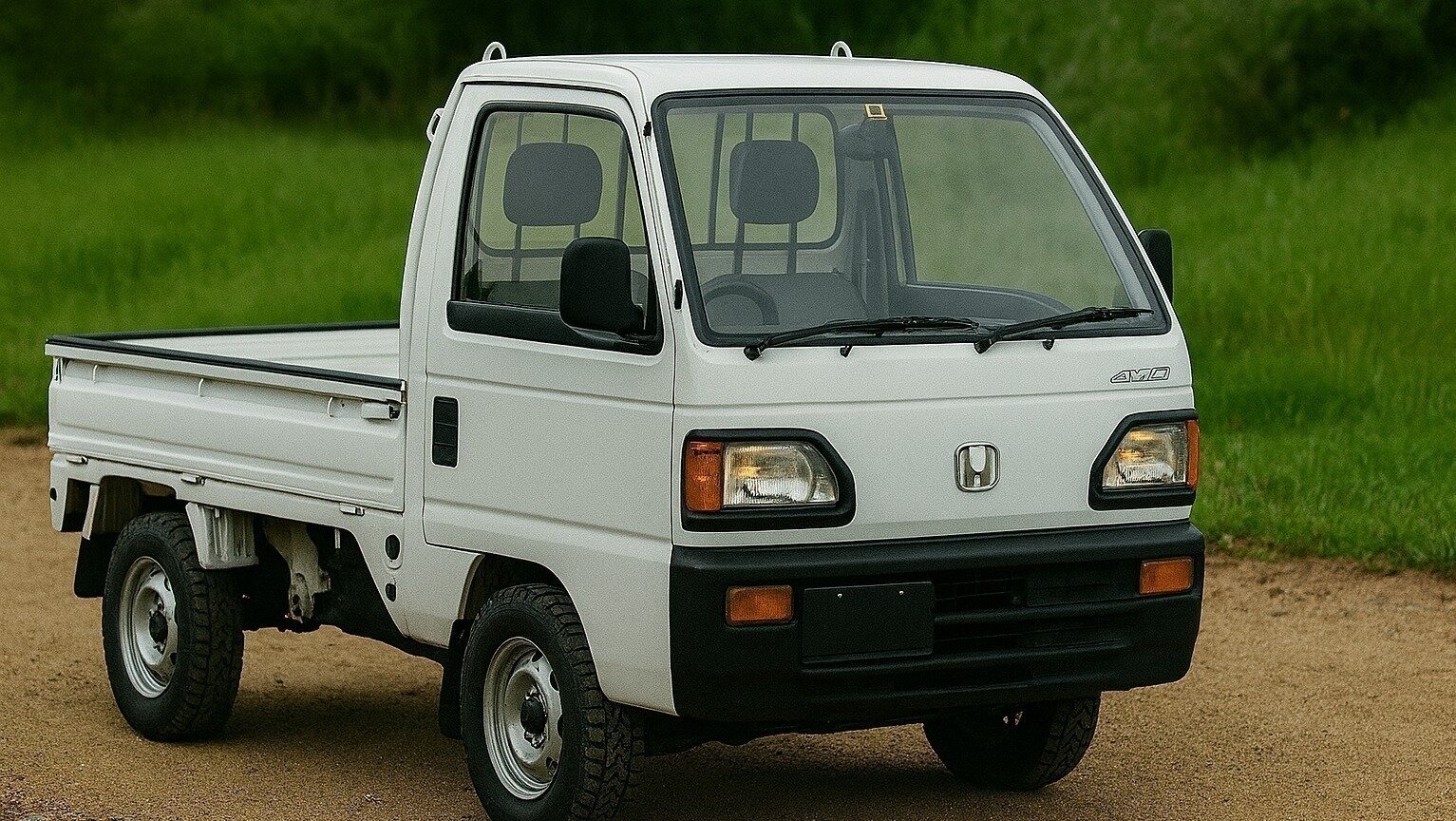
Start with the basic rule. Under federal law, vehicles at least 25 years old can be imported without meeting certain Federal Motor Vehicle Safety Standards.
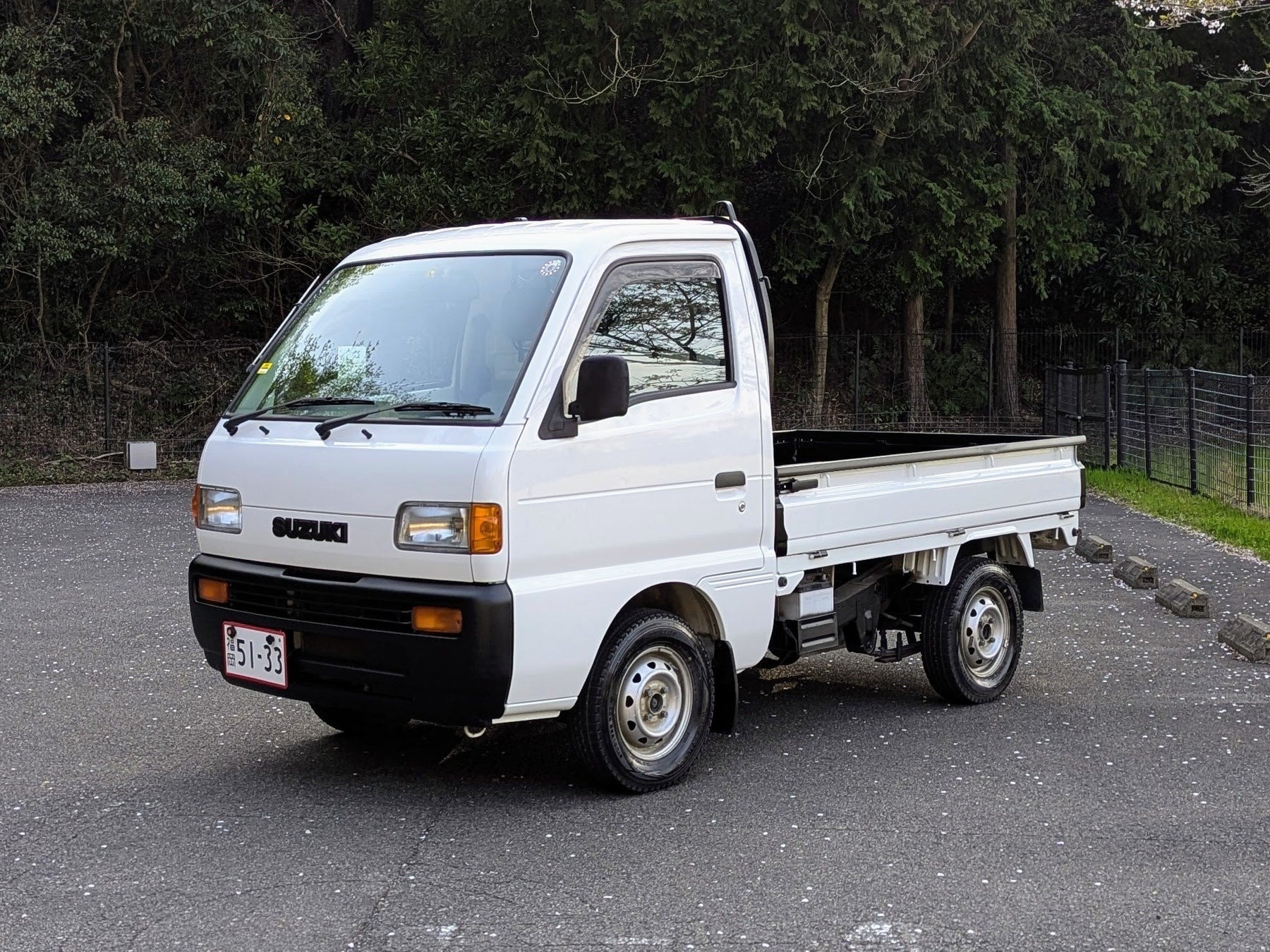
That’s why so many kei trucks, like the Honda Acty, Suzuki Carry, Subaru Sambar, and Daihatsu Hijet, arrive from Japan once they age in.
But federal permission only covers the border. Each state decides whether to title and register the truck, and where it can drive. A truck can enter the country legally and still be refused a plate. That mismatch drives nearly every headache in this article.
Why would a state say no? Safety is the main argument. Many of these trucks lack airbags and other crash protection, and a roughly 1,600-pound truck sharing the road with 5,000-pound pickups raises real concerns. Emissions rules add another layer, and California is especially strict.
Some agencies also sort kei trucks into other categories, such as low-speed vehicles, farm vehicles, or off-road vehicles. That label decides how fast the truck can go and whether it can touch a public highway.
The result is a patchwork. One state may allow normal registration, a neighbor may cap speeds, and a third may refuse plates entirely.
States Where Registration Is Off the Table
So where is on-road registration off the table? According to one 2026 state-by-state guide, California, Georgia, Iowa, Maryland, Nevada, New Jersey, New Mexico, New York, and Oregon are listed as not legal for on-road use. In those states, a kei truck generally stays on private property, farms, or other off-road land.
Think of it as three tiers. Some states ban the trucks outright. Others allow them with conditions. A few have clear, friendly laws. Alaska recently joined the friendly group when it legalized kei trucks in June 2026, which shows how quickly the map can change.
Keep a caution in mind, though. Labels differ by source, and states don’t always announce changes loudly. A site that called a state legal last year may be out of date today.
What does “not legal” mean in practice? Owners can be cited, and in some places the vehicle may be impounded if it’s driven on public roads.
For a buyer in one of these states, that changes the whole purchase. A farm truck can still make sense, but a daily driver doesn’t. Treat any list as a starting point, then confirm with your state motor vehicle agency before spending money.
Georgia, Illinois, and Rhode Island: Plates Pulled
Imagine owning a truck for years, then getting a letter saying it can no longer be registered. That’s what happened in several states.
Georgia revoked existing titles, and owners and an importer have fought back through administrative hearings, with a crowdfunding effort raising more than $8,000 from 86 backers.
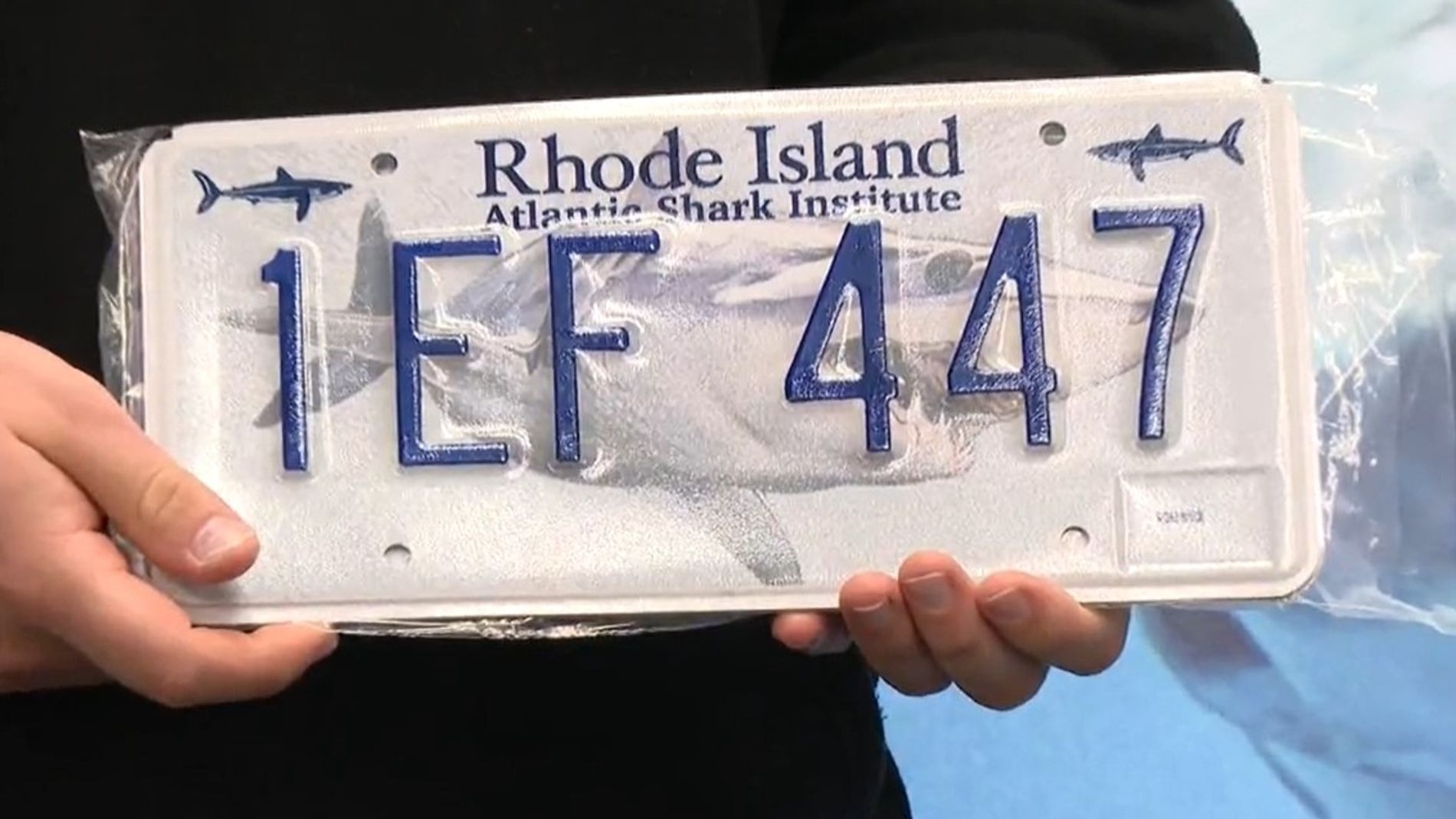
Rhode Island has faced similar disputes. Guidance from the American Association of Motor Vehicle Administrators, suggesting kei trucks don’t meet U.S. safety standards, helped prompt several of these actions.
Illinois is the sharpest example. Beginning in April 2025, the Secretary of State’s office started pulling plates from kei trucks and branding titles as not eligible for registration.
These weren’t new applications. They were trucks that had been registered legally. Hearings starting in June 2025 have reportedly gone badly for owners, with claims that the state threatened to crush vehicles at the owner’s expense.
Because the crackdown is administrative rather than written into statute, one guide still labels Illinois as restricted. In practice, it describes getting a kei truck registered there as extremely difficult or impossible.
The lesson is blunt. A registration you hold today isn’t a guarantee for tomorrow. Keep your paperwork organized, and speak with a lawyer before assuming anything.
Pennsylvania and Wisconsin Close the Door
Some states didn’t revoke plates. They just shut the door on new ones.
Pennsylvania’s PennDOT stopped issuing unrestricted road registrations for mini trucks in December 2021, and plenty of buyers still don’t know.
Today, owners have three options. They can register the truck for off-road use, obtain farm vehicle registration for agricultural purposes, or apply for antique registration if the truck is old enough to qualify. Owners who received plates before December 2021 are grandfathered in. A proposed bill, HB 1205, could restore road access, but it remains pending.
Wisconsin joined the list more recently. Starting in late 2025, its Department of Transportation began denying new kei truck registrations under a statute on the books since 2013 that had been mostly dormant.
Owners with collector plates from earlier years appear to be grandfathered, while fresh imports are getting rejection letters.
Maine took another route. It revoked kei truck registrations in 2023, then formed a working group to study legalization, and a follow-up bill is pending in committee.
If you’re importing right now, timing matters. A truck that could have been registered two years ago may not qualify today, and the rules for new buyers can differ sharply from those for existing owners.
Restricted States Where Legal Comes With Strings
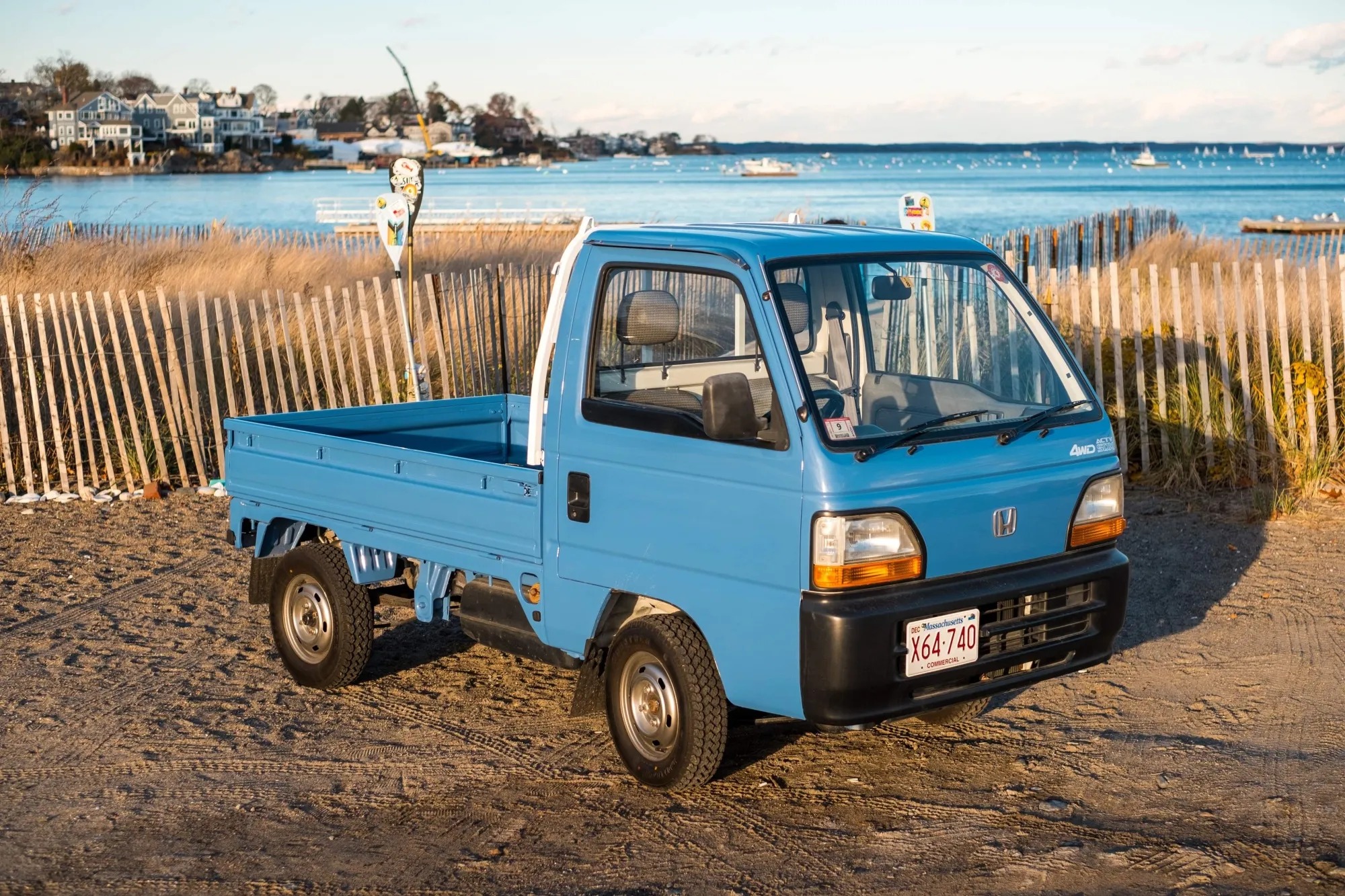
Even where plates are available, strings are attached. Virginia treats kei trucks as low-speed vehicles, limiting them to roads posted at 35 mph or lower.
Florida has a similar 35 mph street limit. Alabama requires mini trucks to have a speed governor that stops them above 25 mph, and they receive mini truck plates rather than standard ones.
Oklahoma allows roads at 55 mph or lower and bans interstate use. Indiana prohibits mini trucks on interstates. North Carolina also caps road use at 55 mph and requires specific safety equipment.
That’s a long way from a normal pickup. A 35 mph limit rules out most state highways, so you’d need to map every errand around slower streets.
Some trucks also top out around 55 to 65 mph anyway, so even in permissive states many owners avoid highways. The Insurance Institute for Highway Safety has recommended that mini trucks not share busy public roads with regular traffic.
So when a guide says a vehicle is “legal,” ask a follow-up question. Legal where, and at what speed? A registration that does not allow you to drive the truck on public roads to work may not be much use.
Where the Rules Are Moving
The rules keep moving, and not always in one direction. Vermont’s Senate passed a bill in March 2026 that would define mini trucks in state law and direct the DMV to register them.
Massachusetts has a bill pending that would write kei vehicle legality into statute. Texas and Colorado passed measures backing kei trucks, with SEMA leading much of that push.
Other efforts stalled. Virginia’s HB 219, which would have lifted the speed cap to 55 mph, died in committee in March 2026. Oregon’s HB 4063 died the same month after a third unsuccessful attempt. Kansas’s HB 2262 died without a hearing.
Federal talk adds noise. Presidential comments in December 2025 raised hopes, but guides note that the regulatory reality is more complicated than a press conference, and states remain the real battleground.
What should you take from this? Pending bills aren’t law. Don’t buy a truck hoping a state will legalize it next year. Do watch your state’s legislature, because advocates in several states are targeting the 2027 sessions.
How to Check Before You Buy
Before you spend a dime, do a little detective work. Start with your state motor vehicle agency, not a forum post. Ask whether a Japanese import kei truck can be titled and registered for road use, what restrictions apply, and whether any recent policy changes are pending. Get answers in writing when you can.
Next, check local rules. Some states require local ordinances, and a few have county-level requirements. A truck registered in another state may not qualify when you move.
Then look at the paperwork. Keep the import documents, title, bill of sale, and insurance card together. Insurance can be tricky because many companies struggle with the shorter Japanese VIN, so ask early.
Be wary of shortcuts. Registering a truck through an out-of-state business entity to dodge your home state’s rules is a legal gray area, and some states treat it as tax evasion.
Finally, ask a dealer who works in your state how recent registrations went. Experience beats guesswork.
If you already own a kei truck in a tightening state, talk to a lawyer and keep records. A little caution now can spare you a hard, expensive lesson later.