Buying a vehicle often comes with a second round of decisions after the selling price has already been negotiated.
Finance offices may offer GAP coverage, service contracts, maintenance plans, protection packages, and other extras that can add hundreds or even thousands of dollars to a financed balance.
The important part is that many of these products are optional, and some contracts allow cancellation with a full or prorated refund. The CFPB specifically says consumers can cancel certain optional auto-loan add-ons, while refund eligibility depends on the product and contract.
1. GAP Insurance
GAP insurance is one of the first add-ons worth checking because it can represent a substantial amount of money. The product is designed to cover the difference between what you owe on an auto loan and what your vehicle insurer pays if the vehicle is stolen or declared a total loss.
The CFPB identifies GAP as an optional product rather than a requirement for obtaining an auto loan in most situations.
The refund opportunity becomes particularly important when the loan ends earlier than expected. If you refinance, sell the vehicle, pay the loan off early, or otherwise terminate the financing, the GAP contract may no longer be providing the benefit for which you originally paid.
CFPB guidance says consumers may be entitled to a refund in situations such as selling the vehicle, refinancing, or prepaying the loan, although the exact amount depends on the agreement.
This is where owners should check their original finance paperwork instead of assuming the dealer will automatically contact them. Look for the GAP agreement, cancellation language, effective dates, and instructions identifying who handles cancellations. The provider, dealer, or lender may be involved.

A refund may not necessarily arrive as a check. Depending on the contract and financing arrangement, an eligible amount can be credited toward the loan balance. CFPB examinations have also found cases in which refunds for unused add-on periods were not properly applied after loans ended early.
If you still owe money on the vehicle, reducing the balance can be more valuable than simply thinking about the original purchase price.
2. Extended Warranty or Vehicle Service Contract
An extended warranty is commonly presented as protection against expensive repairs after the manufacturer’s original warranty expires. Technically, many dealer-sold products are vehicle service contracts rather than manufacturer warranties.
They can cover specified repairs, but exclusions, deductibles, authorization requirements, and coverage periods vary considerably.
The CFPB states that consumers have the right to cancel an extended warranty or vehicle service contract at any time and end the coverage. That makes this one of the clearest products to investigate when reviewing old purchase paperwork.
Cancellation does not automatically mean the customer receives every dollar originally paid. The contract controls the refund calculation.
Some agreements provide a prorated refund based on time or mileage, while others can contain specific cancellation procedures or fees. That distinction matters, particularly if the vehicle has already been owned for several months or years.
Start by locating the service contract itself rather than relying on the dealership’s memory. Identify the contract administrator, original purchase date, expiration terms, cancellation section, and any language concerning claims already paid. If a claim has already been made, the eventual refund can be affected by the contract’s rules.
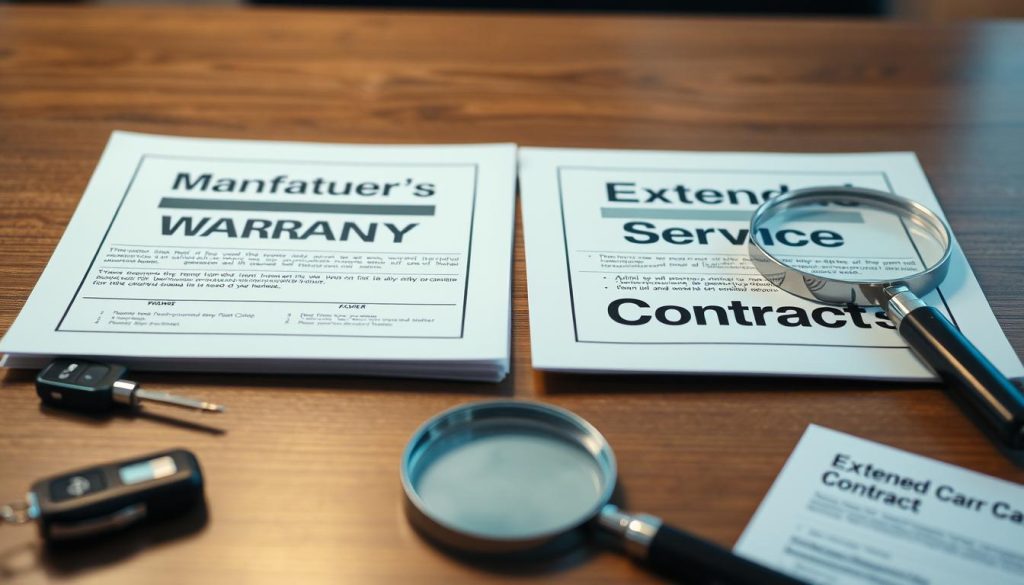
There is another reason to review this add-on carefully. CFPB guidance notes that service contracts generally exclude routine maintenance such as oil changes and tire replacement.
If the vehicle has been sold, traded, or paid off, check whether the contract remains transferable or whether those circumstances trigger cancellation. The key is to request the refund according to the written procedure and obtain confirmation in writing.
3. Prepaid Maintenance Plans
Prepaid maintenance can sound attractive because it turns future scheduled service into a known upfront expense. These plans may cover specified maintenance visits, inspections, fluid services, or other scheduled work. Their value depends heavily on the exact vehicle, mileage schedule, ownership period, and services included.
The refund question is different from GAP or a service contract because prepaid maintenance is usually governed primarily by the individual agreement. A buyer should not assume that every maintenance package is automatically refundable. Instead, the contract should be checked for cancellation, unused-service, transfer, and early-termination provisions.
This is particularly important when a vehicle is sold before all prepaid services have been used. A plan that was purchased for several years of ownership may have unused value remaining when the vehicle leaves the owner’s possession. Depending on the agreement, that unused portion might be refundable or transferable.
The practical approach is straightforward. Find the maintenance agreement and determine how many services were included, how many have been used, and whether the plan remains active. Then identify the company responsible for administering it. Ask specifically whether unused services qualify for a cancellation refund and request the calculation in writing.

Owners should also distinguish a prepaid maintenance plan from a manufacturer’s included maintenance program. They are not automatically the same thing. The FTC advises consumers to understand exactly what add-ons cost and what limitations or conditions apply before agreeing to them.
If the plan was financed with the vehicle, remember that the original purchase price may have been rolled into the loan. A refund can therefore have an impact on the amount owed, depending on how the contract and lender handle the cancellation.
4. Credit Insurance
Credit insurance is another optional product that can be buried inside an auto-financing package. Depending on the type of coverage, it can make loan payments under specified circumstances involving events such as death, disability, or unemployment.
The CFPB specifically describes credit insurance as optional and says it is not required for an auto loan. It also warns that adding such coverage increases the loan amount and can increase the interest paid over the life of the financing.
That makes an old finance contract worth revisiting, particularly if the borrower no longer needs the protection or has obtained similar coverage elsewhere. The first step is to determine exactly what type of credit insurance was purchased and who administers it.
Cancellation rights and refund calculations depend on the policy and applicable rules. Some products may provide a refund for unused coverage, while others have different termination provisions. Do not assume that canceling the policy means the entire original premium comes back.
The paperwork should identify the premium, coverage period, insurer or provider, and cancellation procedure. If the product was financed as part of the vehicle loan, ask how the refund will be handled. The amount may be applied to the outstanding loan rather than being handed directly to the customer.

The CFPB also points out that consumers should compare the cost and terms of credit insurance with alternatives before buying it.
For someone reviewing an older vehicle purchase, the important question is not whether credit insurance was offered. It is whether it is still active, whether the owner still needs it, and whether the contract permits cancellation with money returned for unused coverage.
5. Debt Cancellation or Debt Suspension Coverage
Debt cancellation and debt suspension products can look similar to credit insurance during the finance-office presentation, but they operate differently.
The CFPB explains that debt cancellation can eliminate an auto debt or payment obligation after certain qualifying events, while debt suspension can temporarily postpone payments during specified hardships.
These products are optional and can increase the cost of financing. They may also contain eligibility requirements and exclusions that determine when the promised benefit actually applies.
For someone trying to recover money, the contract is the starting point. Check the name of the product, provider, coverage period, cancellation language, and any conditions governing refunds. The fact that a product is optional does not mean its entire purchase price is automatically refundable after cancellation.
This distinction is important because consumers sometimes hear that an add-on can be canceled and assume that cancellation produces a dollar-for-dollar refund. That is not necessarily true. The agreement determines whether an unused portion is returned, whether a fee is deducted, and where the money goes.
If the product was financed, ask the lender how the cancellation will affect the account. The CFPB notes that optional add-ons can increase the amount borrowed and therefore increase interest costs.
A careful review can also uncover products the borrower forgot were purchased. These charges are sometimes buried among the many pages of vehicle financing documents.
If you find one, contact the named provider or lender and request the cancellation instructions. Keep copies of your request, contract, and any response. If a refund is due, ask when it will be processed and how it will be credited.
6. Tire and Wheel Protection
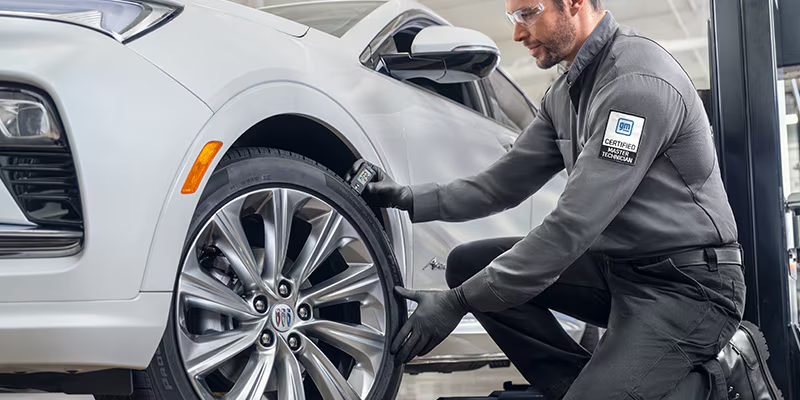
Tire and wheel protection is commonly sold as an optional vehicle protection product. Depending on the agreement, it can cover certain tire or wheel damage caused by road hazards. The exact coverage varies, so the contract matters more than the name printed on the finance paperwork.
This type of add-on deserves a refund check when the vehicle has been sold, traded, or otherwise leaves the owner’s possession.
Whether cancellation produces money back depends on the contract’s terms. Some protection agreements may permit cancellation and a prorated refund, while others may have different rules once claims have been made.
That last point is critical. A customer who has already used the protection may not receive the same refund as someone who never submitted a claim. The contract can determine how previous benefits affect the cancellation amount.
Start by locating the original protection agreement. Look for the administrator’s name, cancellation instructions, coverage dates, mileage limitations, and provisions addressing refunds. Then contact the administrator directly if the dealer is unable to provide a clear answer.
The FTC advises consumers to understand add-on pricing and limitations before purchasing these products because coverage may not be as broad as a buyer expects.
If the product was included in a financed purchase, ask whether the refund will be applied to the loan balance. Do not assume the lender will simply reduce the next monthly payment by the entire original purchase price.
For owners cleaning up an old vehicle loan, this is exactly the kind of small contract charge worth investigating. A protection plan that no longer applies to a vehicle can represent unused value, but the contract must establish whether that value can be recovered.
7. Dent and Ding Protection
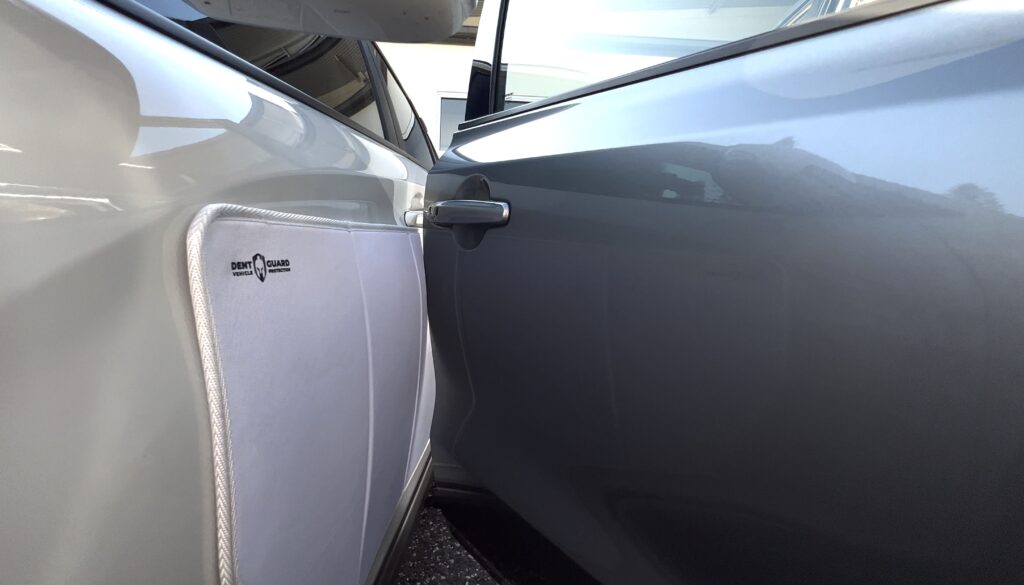
Dent and ding protection is another product that can be forgotten after the paperwork is signed. These plans may cover certain cosmetic damage, usually subject to defined limits, exclusions, repair procedures, and claim requirements.
Unlike GAP, this type of protection is tied directly to the vehicle rather than the loan balance. That means cancellation rules can differ significantly between providers. A buyer should not assume that selling or trading the vehicle automatically produces a refund.
The opportunity is still worth investigating, especially when the plan was purchased for a longer ownership period, and the vehicle is leaving the owner’s possession early. Find the contract and look for language covering cancellation, transfer, termination, and unused coverage.
If no claims have been submitted, the agreement may provide a more straightforward calculation than a contract that has already paid for repairs. If claims have been made, the provider may reduce or otherwise calculate the refund according to the contract.
The best request is specific. Instead of simply asking, “Can I get my money back?” ask the administrator to confirm whether the agreement is cancellable, what refund formula applies, whether any cancellation fee is charged, and how the money will be returned.
The CFPB notes that vehicle-related products can continue providing benefits even after an auto loan ends, unlike some loan-related add-ons.
That distinction makes the contract especially important. Paying off a loan does not necessarily mean every vehicle protection product ends automatically.
If the coverage remains active but you no longer want it, cancellation may be possible. The potential refund should be treated as a contract-based entitlement rather than an automatic right to recover the full original price.
8. Paint Protection
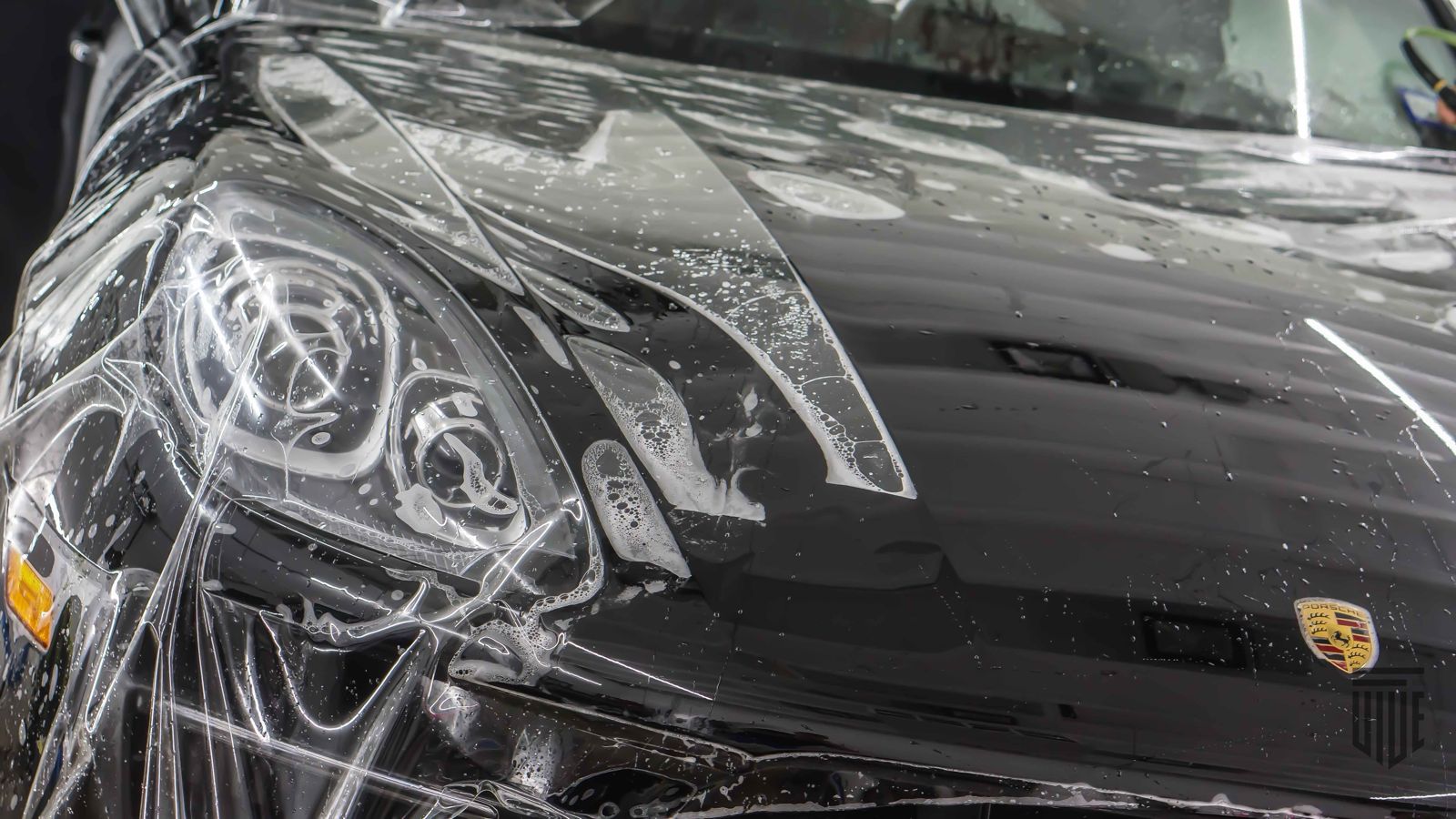
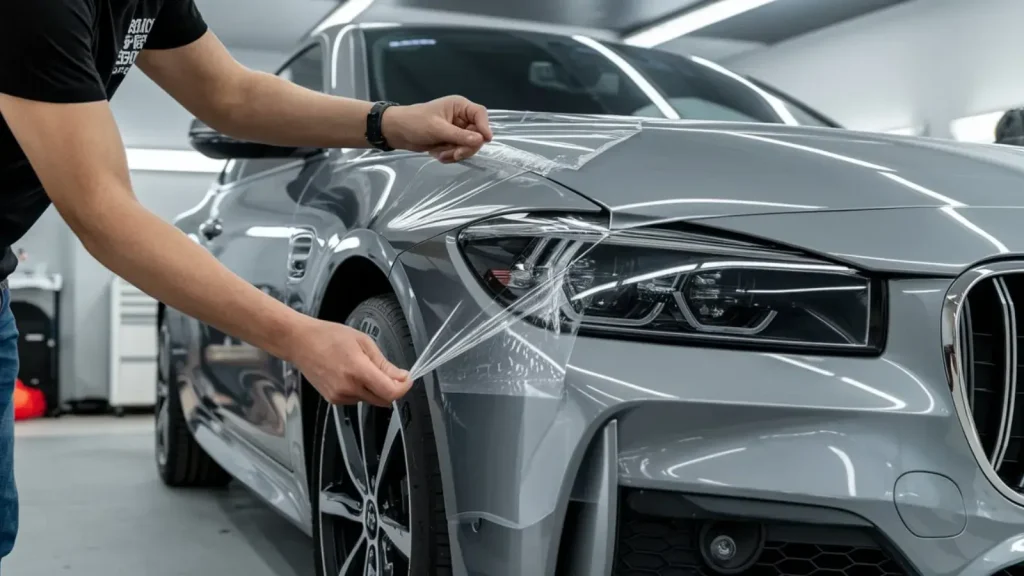
Paint protection packages can take several forms, from dealer-applied coatings to longer-term protection programs. They are generally optional and can be presented as a way to protect a vehicle’s exterior from specified environmental or cosmetic damage.
For an owner reviewing old paperwork, the first question is whether the product is actually a cancellable contract or a completed physical service. That distinction can completely change the refund situation.
If the product was a protection agreement promising future services or benefits, the contract may contain cancellation provisions. If the charge covered a treatment that was already applied to the vehicle, a refund may be much less straightforward.
This is why the FTC recommends understanding exactly what an add-on provides, what it costs, and what limitations apply before agreeing to it.
If you purchased a paint protection plan and later sold the vehicle, check whether the coverage was transferable or whether ownership changes trigger termination. Do not rely solely on what a salesperson remembers about the package.
The paperwork should reveal whether there is an administrator, service period, cancellation deadline, or unused-benefit calculation. Ask for those terms in writing.
This add-on can also illustrate why consumers should distinguish between a refund opportunity and a complaint about the quality of a product.
A customer may believe a coating was ineffective, but that does not necessarily create a contractual right to cancel and recover the purchase price. The strongest refund claim is based on the actual cancellation provision.
If the agreement permits cancellation, follow its required procedure precisely. If it does not, ask the provider whether an exception, transfer, or other remedy is available. Keep every response, especially if the request is denied.
9. Fabric and Interior Protection
Fabric and interior protection packages are often sold alongside paint protection, wheel protection, and other dealer-installed products. They can cover specified stains, damage, or treatments, but the actual benefit depends on the contract.
This is another area where the difference between a completed treatment and an ongoing protection agreement matters. If the customer paid for a treatment that was already performed, cancellation may not work the same way as it does for a service contract that provides future coverage.
For an existing owner, the best place to start is the purchase agreement and any separate protection certificate. Look for the provider, coverage term, cancellation clause, and conditions related to previous claims.
If the contract permits cancellation, ask for the refund calculation rather than accepting a verbal statement that there is no money available. A prorated refund, when permitted, will generally be calculated according to the specific agreement rather than simply dividing the purchase price by the number of months owned.
The FTC warns that add-ons can cost extra and says consumers should make sure the contract lists only the products they agreed to purchase and the prices they were quoted.

That advice is particularly useful for owners who cannot remember agreeing to a protection package. Review the signed documents and compare them with the final loan amount.
If an add-on appears in the paperwork without authorization, that becomes a different issue from ordinary cancellation. The CFPB has documented cases involving consumers being charged for optional products they did not agree to purchase.
In that situation, contact the lender or servicer and dispute the charge rather than simply requesting a routine cancellation.
10. VIN Etching and Theft Protection
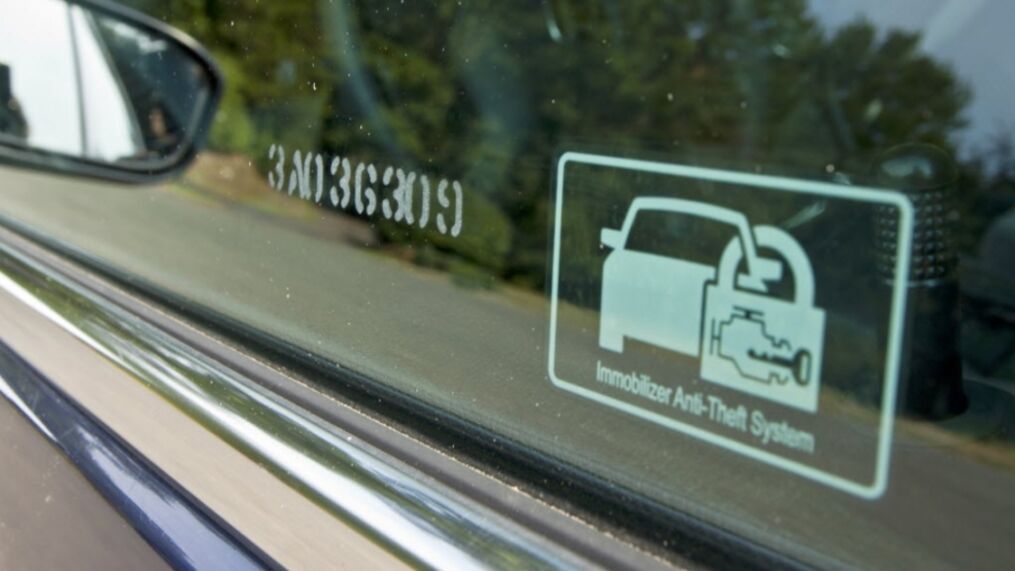
VIN etching and related theft-protection products can be among the easiest add-ons to overlook because they may be presented as part of a broader security package. The FTC specifically lists window etching among common vehicle add-ons.
The potential refund situation here requires more caution than with GAP or a service contract. If the product involved a physical service that has already been performed, there may be little or no unused coverage to refund. If it was actually a continuing protection agreement bundled with etching or another security service, the cancellation terms could be different.
That means owners should not assume that seeing “VIN etching” on a purchase contract guarantees a refund. Instead, identify exactly what was purchased.
Check whether the paperwork describes an installed product, a continuing theft-protection service, registration service, recovery assistance, or some combination. The provider’s cancellation rules should then determine what happens next.
This is also a useful category for checking whether you ever authorized the charge. The FTC warns that add-ons should be clearly disclosed and that dealers should not tuck unwanted products into a transaction without the buyer’s knowledge or approval.
If the charge was authorized and the product is cancellable, follow the agreement’s procedure. If it was not authorized, raise the issue with the lender and dealer and request documentation showing your approval.
The main point is that an item listed on an older finance contract is not necessarily a permanent charge. Some products may be canceled, while others may qualify for a refund based on unused value. Certain products, however, become nonrefundable once the service has been provided. The terms of the signed agreement determine how each item is handled.