
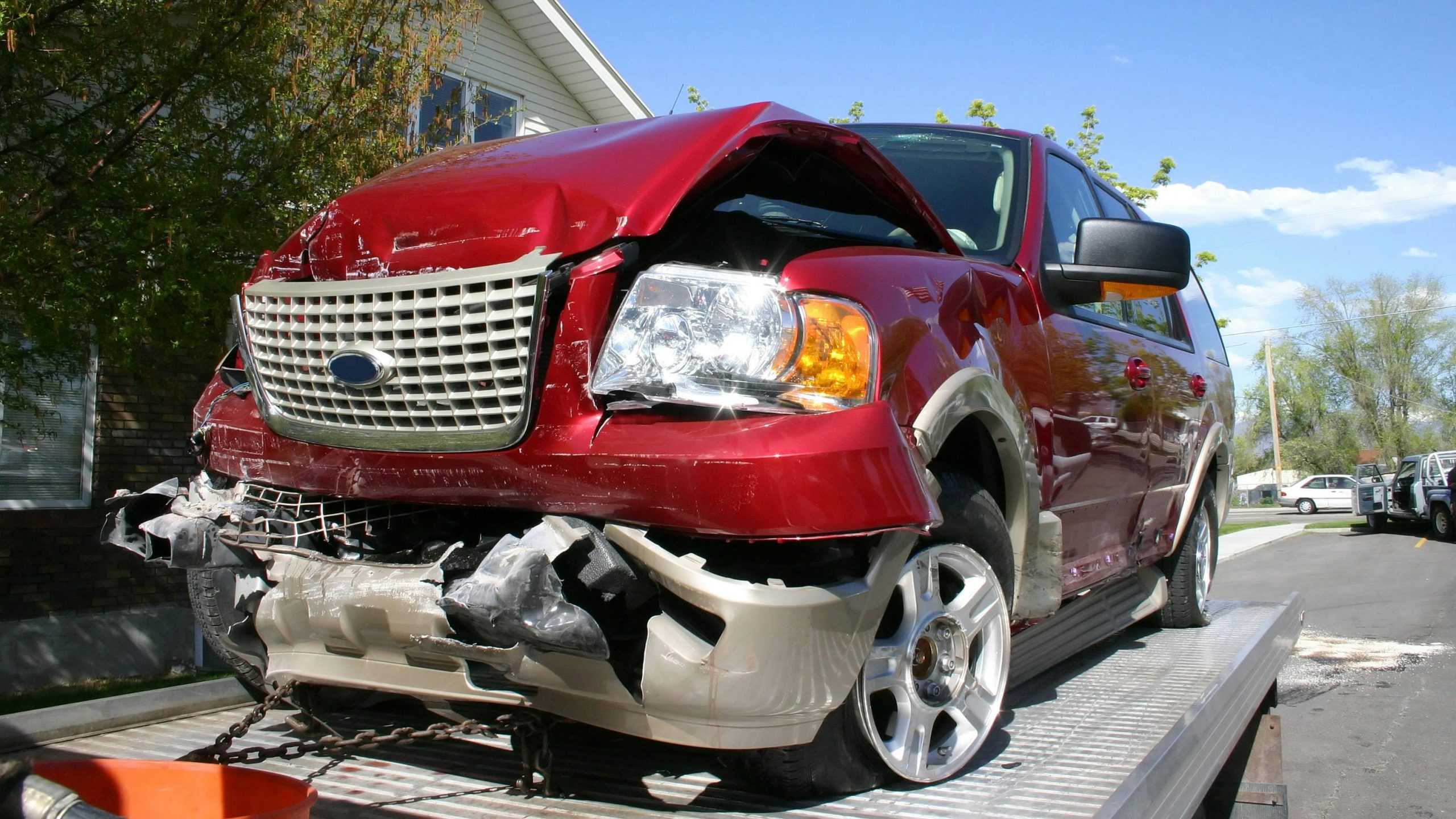
A totaled car does not automatically mean an insurance company will pay enough to buy the same vehicle again. In the United States, the payout usually depends on what the car was worth immediately before the damage, the applicable insurance coverage, the deductible, and whether a lender still has a financial interest in the vehicle.
The most important figure is the car’s actual cash value (ACV), not its original purchase price, remaining loan balance, or the cost of replacing it with a brand-new model. Understanding how insurers calculate that value, what they subtract, and how you can challenge a low offer can make a substantial difference to the money you receive.
What Insurance Actually Pays When a Car Is Totaled
When an insurer declares a vehicle a total loss, it generally pays the car’s actual cash value, subject to the policy’s terms and applicable state requirements. This is the estimated market value of the vehicle immediately before the accident, taking into account factors such as age, mileage, condition, equipment, and comparable vehicles.
That amount can be considerably different from what the owner originally paid. A car purchased for $35,000 several years ago might be worth only $19,000 today, even if the owner still owes $25,000 on the loan.
The National Association of Insurance Commissioners explains that insurers can declare a vehicle totaled when repairing it would cost more than the vehicle is worth.
The precise definition and threshold depend on state law and the circumstances of the claim. Some states use a percentage of the vehicle’s value, while others apply different total-loss rules.
Consider a vehicle with an agreed actual cash value of $20,000. If the applicable deductible is $1,000, the basic settlement would be $19,000 before any other applicable adjustments.
That distinction matters because the insurance payment is designed to compensate for the covered loss, not automatically provide enough money to purchase a new vehicle or pay off every outstanding financial obligation.
How Insurers Calculate Your Car’s Value
Insurance companies typically assess comparable vehicles to estimate what yours was worth before the accident. They may use valuation services, local dealer listings, comparable sales, and information about your vehicle’s specific condition and equipment.
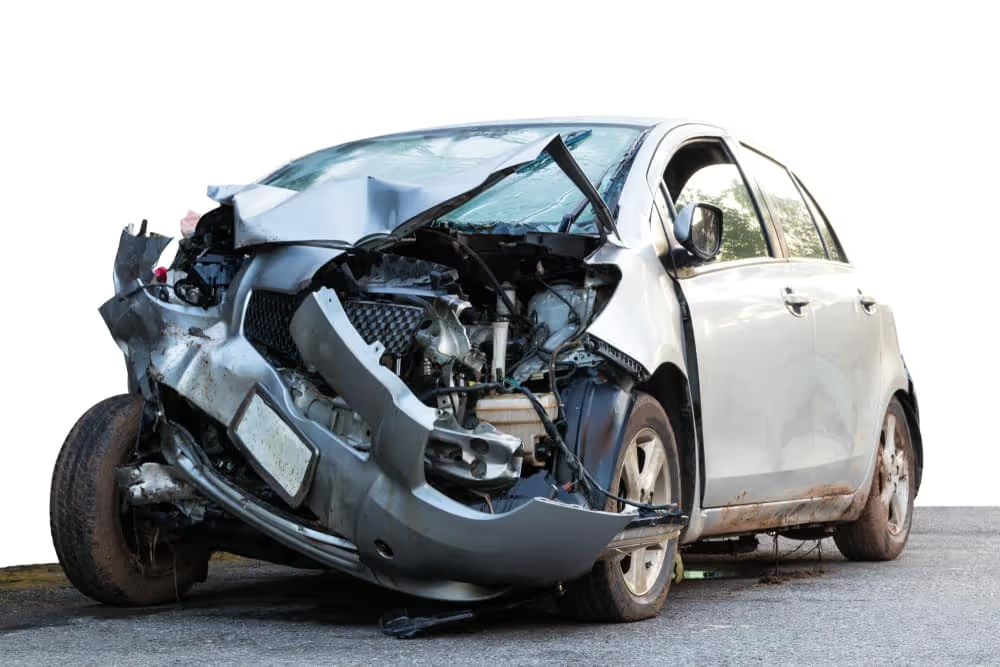
The make, model, model year, trim, mileage, and installed options can all influence the calculation. A low-mileage vehicle with desirable equipment may be worth more than a similar car with significantly higher mileage or fewer features.
Condition also matters. Existing mechanical problems, interior damage, worn tires, or previous accident damage can affect market value. Conversely, documented maintenance and factory-installed options may help establish that the vehicle was worth more than the initial offer suggests.
The important figure is not necessarily the price advertised for the most expensive comparable car online. Asking prices can differ from completed sale prices, and vehicles may have different equipment, mileage, or histories. A useful comparison should match the totaled vehicle as closely as possible.
If the insurer’s valuation report lists the wrong trim, inaccurate mileage, or missing equipment, those errors can reduce the settlement. Request the report and check its details carefully before accepting the offer.
Why Your Insurance Check May Be Smaller Than Expected
The deductible is one of the most common reasons a total-loss settlement falls below the vehicle’s estimated value. With a $20,000 valuation and a $1,000 deductible, the starting payment is $19,000.
Other adjustments may apply depending on the policy, the applicable state rules, and whether you retain the damaged vehicle. If the insurer pays you to take ownership of the vehicle’s salvage, the settlement generally includes a deduction for its salvage value.
Taxes and certain title or registration fees may also be included where required by state law. The Washington State Office of the Insurance Commissioner, for example, explains how applicable taxes and fees can be added before deductions are applied to a total-loss settlement.
Ask for an itemized breakdown rather than relying on a single headline figure. It should identify the vehicle valuation, deductible, applicable taxes or fees, salvage deduction if relevant, and the resulting payment.
A deductible does not necessarily apply in exactly the same way to every claim. The outcome can depend on whether you claim under your own collision coverage or seek compensation from another driver’s insurer. Your policy and the circumstances of the accident matter.
What Happens If You Still Owe Money on the Car?
A total-loss settlement can create a financial problem when the outstanding loan exceeds the vehicle’s actual cash value. This is commonly called being underwater on the loan.
Suppose you owe $25,000 on a car valued at $20,000. With a $1,000 deductible, the basic insurance payment would be $19,000. If that payment goes toward the loan, you could still owe $6,000, subject to the lender’s payoff calculation and any applicable coverage.
The insurer does not ordinarily pay the full loan balance simply because the vehicle has been destroyed. The loan is a separate financial obligation, and the lender generally has an interest in the settlement because the vehicle served as collateral.
Guaranteed asset protection, or GAP coverage, may help cover an eligible difference between the loan balance and the insurance settlement. Its terms, exclusions, and limits vary, so it is important to check the actual contract rather than assume every outstanding amount is covered.
GAP coverage may not pay certain fees, missed payments, or other excluded amounts. If you have a loan or lease, contact the lender and insurer to establish the exact payoff amount and whether any additional coverage applies.
Can You Keep a Totaled Car?
In some circumstances, an owner can retain a totaled vehicle instead of transferring it to the insurer. However, keeping the car generally reduces the settlement by the amount attributed to its salvage value.
For example, imagine the car’s actual cash value is $20,000, the deductible is $1,000, and the agreed salvage value is $4,000. If you keep the vehicle, a simplified calculation would produce a payment of $15,000 before any other applicable adjustments.
You would then be responsible for repairing the vehicle and meeting the relevant state requirements. Depending on the damage and local rules, the vehicle may receive a salvage title or require inspection before it can legally return to the road.
Keeping a totaled car is not automatically cheaper than accepting the standard settlement. Repairs can reveal additional damage, and the vehicle may be difficult to insure, register, or resell. Its future market value can also be substantially lower because of its title history.
Before deciding, compare the expected repair bill, the salvage deduction, inspection requirements, and the vehicle’s likely post-repair value. Ask the insurer and your state’s motor vehicle agency what documentation and restrictions apply.
How to Challenge a Low Total-Loss Offer
You do not necessarily have to accept an insurer’s first valuation without asking questions. Begin by requesting the complete valuation report and checking whether the vehicle’s trim, mileage, condition, and options have been recorded correctly.
Next, collect evidence of comparable vehicles in your local market. Focus on the same model year and trim, similar mileage, and comparable equipment. Save relevant listings and, where possible, obtain evidence of actual sale prices rather than relying entirely on advertised prices.
Maintenance records, recent documentation of vehicle condition, and proof of factory-installed options may also help. Major aftermarket modifications do not necessarily increase the settlement by their full purchase price, so do not assume that every upgrade will be reimbursed dollar for dollar.
Submit any corrections in writing and ask the adjuster to explain how they affect the valuation. If you still disagree, check whether your policy includes an appraisal provision and contact your state’s insurance department for guidance on applicable rules.
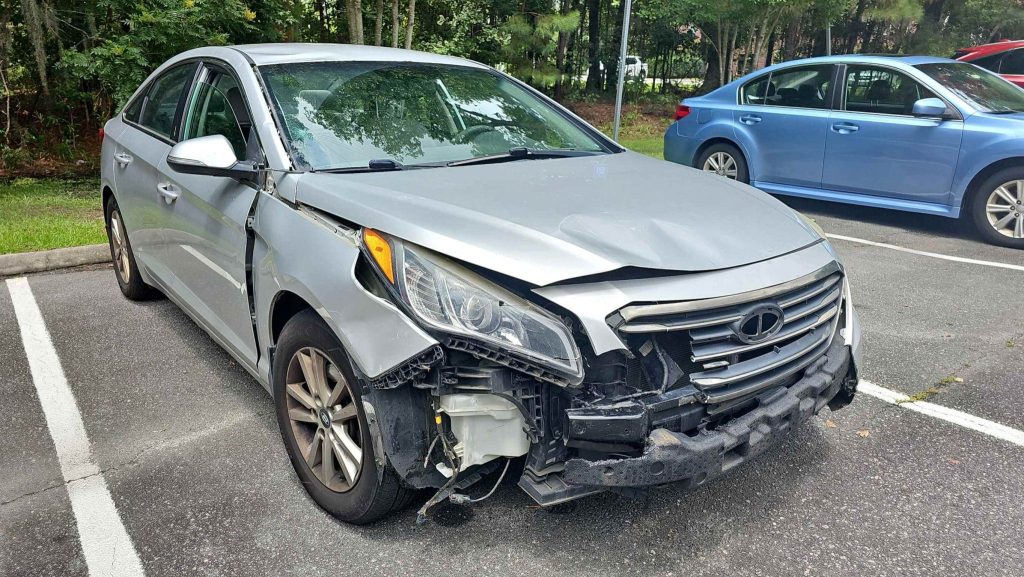
An independent appraisal may be useful in some disputes, although it can involve additional expense. Review your policy and local requirements before paying for one.
The Final Amount Depends on Your Situation
A totaled car’s payout is not one fixed amount. It depends on the vehicle’s pre-accident value, the applicable deductible, the coverage involved, any required taxes and fees, whether you keep the salvage, and whether a lender must be paid.
The simplest way to evaluate an offer is to request an itemized settlement and verify every figure. Check the valuation against comparable vehicles, confirm that the deductible is correct, and establish whether the payment must go to a lender before any remaining funds reach you.
If the offer appears too low, identify specific errors and provide evidence instead of relying solely on the amount you originally paid for the car. If the vehicle is financed, determine whether GAP coverage applies before assuming that the insurance settlement will clear the loan.
The key is to understand what the insurer is actually covering, which is the vehicle’s value immediately before the loss rather than necessarily the cost of buying a comparable car today. Understanding this difference helps you evaluate the settlement offer, dispute any errors, and determine how much compensation you can reasonably expect to receive.
