
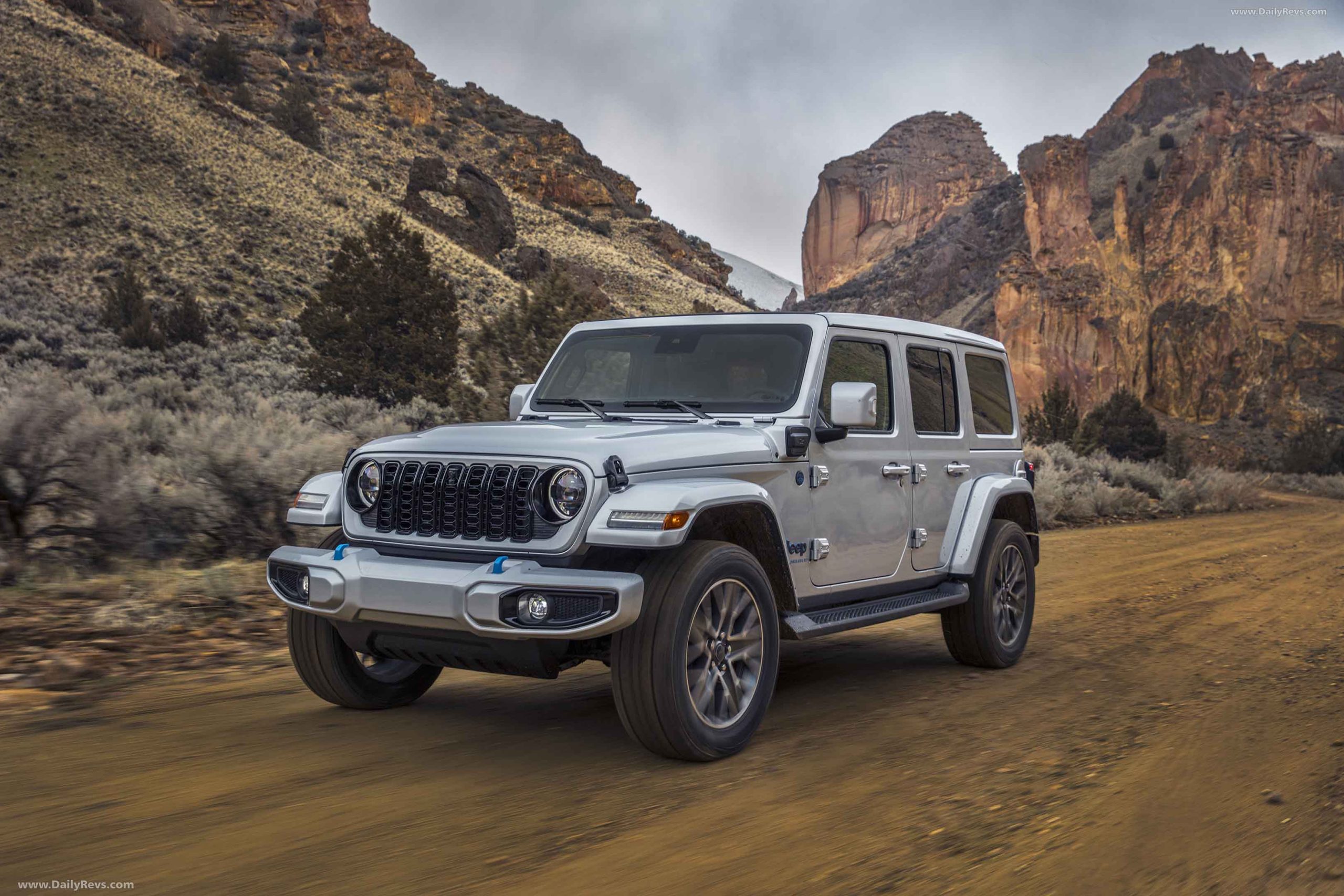
Driving in the American mountains places different demands on a vehicle than traveling across flat terrain. Thin air reduces engine power in naturally aspirated vehicles, steep grades increase cooling demands, and long descents put extra heat into braking systems.
Cold starts, snow, road salt, and rough surfaces can add further stress, particularly in Colorado, Wyoming, Utah, and other mountainous regions. However, there is no verified national ranking proving that ten specific parts fail first at high altitude.
The following guide focuses on components affected by these conditions, supported by established automotive engineering principles and relevant maintenance guidance.
1. Brake Pads and Rotors
Mountain driving can turn an ordinary braking system into one of the hardest-working parts of a car. On long descents through Colorado’s Rocky Mountains or Wyoming’s high-country roads, drivers may need to control speed for several miles at a time.
Repeated braking converts the vehicle’s motion into heat, and excessive heat can reduce braking performance through a condition known as brake fade.
The National Highway Traffic Safety Administration recognizes prolonged downhill driving as a condition that can challenge brake performance. Its federal braking standards include tests designed to assess brake fade and recovery after repeated stops.
That does not mean high altitude automatically causes brake failure. The principal concern is sustained braking, especially when a driver relies on the brake pedal instead of selecting an appropriate lower gear.
Brake pads may wear faster under demanding mountain use, while rotors can develop heat-related damage or uneven surfaces. Warning signs include vibration through the steering wheel, grinding noises, a burning smell, or a brake pedal that feels unusually soft. Any sudden loss of braking performance requires immediate attention.
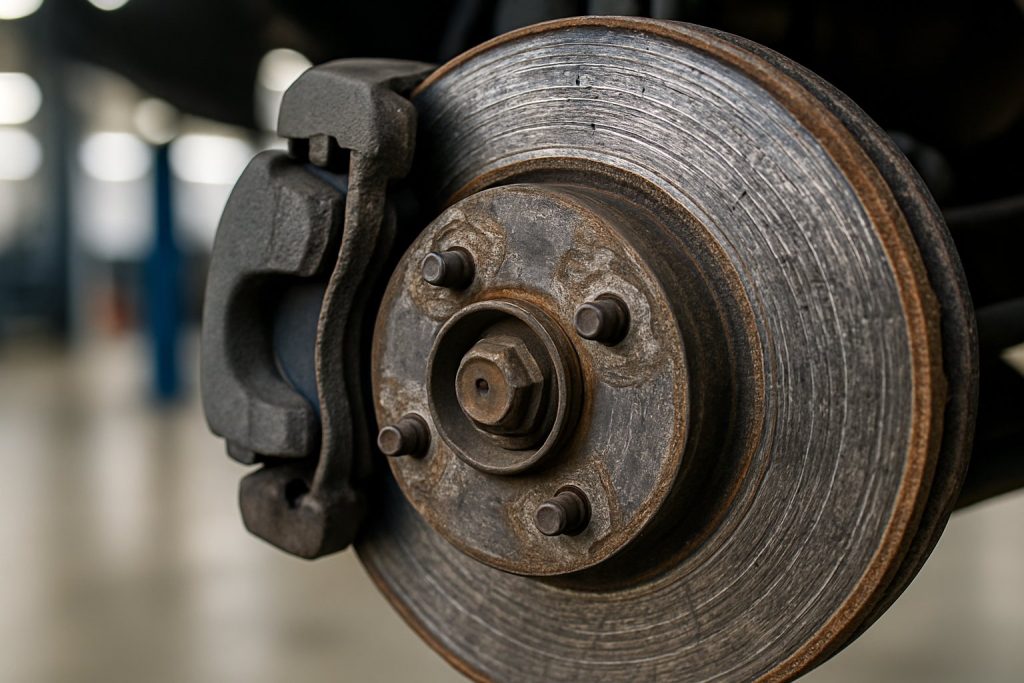
The best prevention begins before the climb. Have the pads, rotors, brake fluid, and calipers inspected if the vehicle is due for service or will face a demanding mountain trip. On descents, use an appropriate lower gear and avoid continuous light braking. Follow the vehicle manufacturer’s guidance for downhill driving.
NHTSA complaints and manufacturer service bulletins can help identify vehicle-specific brake problems, but they do not establish that brake components universally fail first in mountain states. Driving style, vehicle weight, maintenance, and route difficulty all influence wear.
2. Engine Cooling System
A mountain road can place sustained demands on an engine’s cooling system. Long uphill climbs require the engine to produce power for extended periods, particularly when a vehicle is heavily loaded or towing a trailer.
Under those conditions, the radiator, cooling fans, thermostat, water pump, and coolant must work together to keep engine temperatures within the manufacturer’s intended range.
High altitude itself does not automatically make a properly maintained engine overheat. However, thinner air can reduce heat transfer through the radiator and cooling airflow, while steep grades and high ambient temperatures can increase the challenge.
A cooling system with low coolant, restricted airflow, a weak water pump, or a malfunctioning fan may have less capacity to cope with these conditions.
The American Automobile Association recommends checking coolant levels, inspecting the radiator for leaks or corrosion, and ensuring that cooling fans and the thermostat operate correctly before a long trip. NHTSA likewise advises drivers to use the coolant specified by the manufacturer and have leaks or degraded coolant addressed.
Watch the temperature gauge during extended climbs. A rising reading, dashboard warning, steam, or a sweet coolant smell can indicate a problem.
If the engine begins overheating, pull over somewhere safe as soon as possible and follow the owner’s manual. Never remove a radiator cap while the system is hot, because pressurized coolant can cause severe burns.
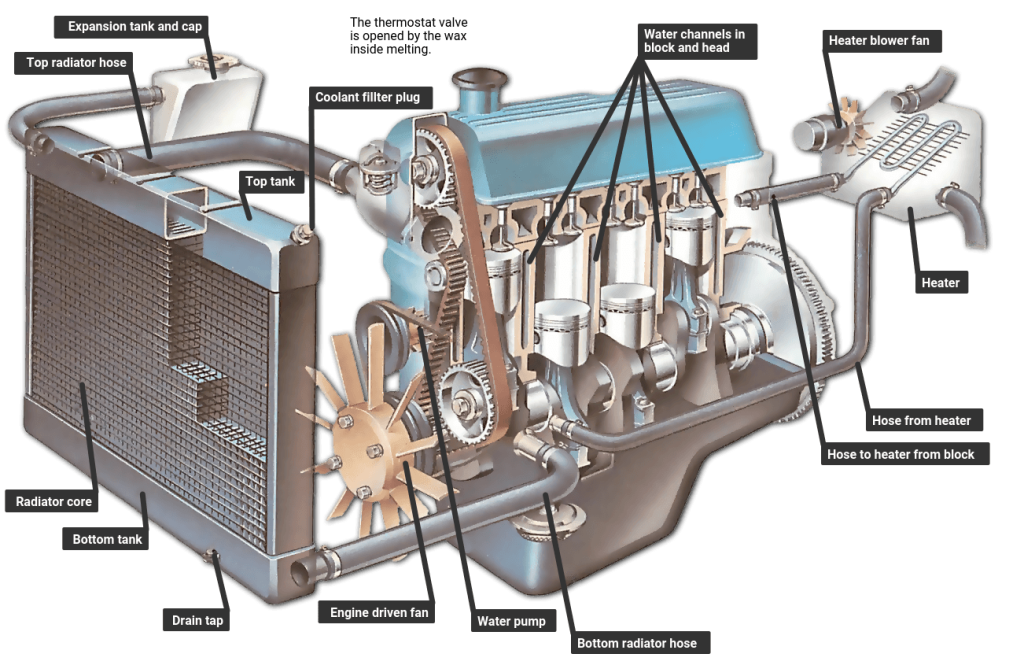
Pre-trip inspection is especially valuable for older vehicles or those used regularly for towing. Check hoses, clamps, coolant condition, and the radiator’s external surfaces. These checks cannot guarantee trouble-free mountain travel, but they can uncover weaknesses before a demanding climb turns a minor cooling problem into an expensive breakdown.
3. Car Battery
Cold mountain mornings can expose a weak car battery long before the driver notices a problem during warmer weather. In high-elevation communities across Colorado, Montana, and Wyoming, overnight temperatures can drop sharply, particularly during winter.
Although altitude itself is not a universal cause of battery failure, cold weather can reduce a battery’s ability to deliver starting power just when an engine needs more energy to turn over.
The National Highway Traffic Safety Administration explains that lower temperatures reduce battery power and make gasoline and diesel engines require more starting energy. Its winter-driving guidance recommends having the battery, charging system, and related components checked before cold-weather travel.
A battery that is already old, undercharged, or affected by corrosion may struggle when temperatures fall. Drivers might notice slow cranking, dim lights during startup, repeated clicking, or a battery warning. These symptoms can also indicate charging-system or electrical problems, so replacing the battery without testing it may not solve the underlying issue.
High-altitude drivers should pay attention to seasonal temperature changes rather than assume elevation alone determines battery life. A car parked outside overnight faces different conditions from one kept in a heated garage.
Frequent short trips can also leave the battery insufficiently recharged, especially when headlights, heated seats, and defrosters place additional demands on the electrical system.
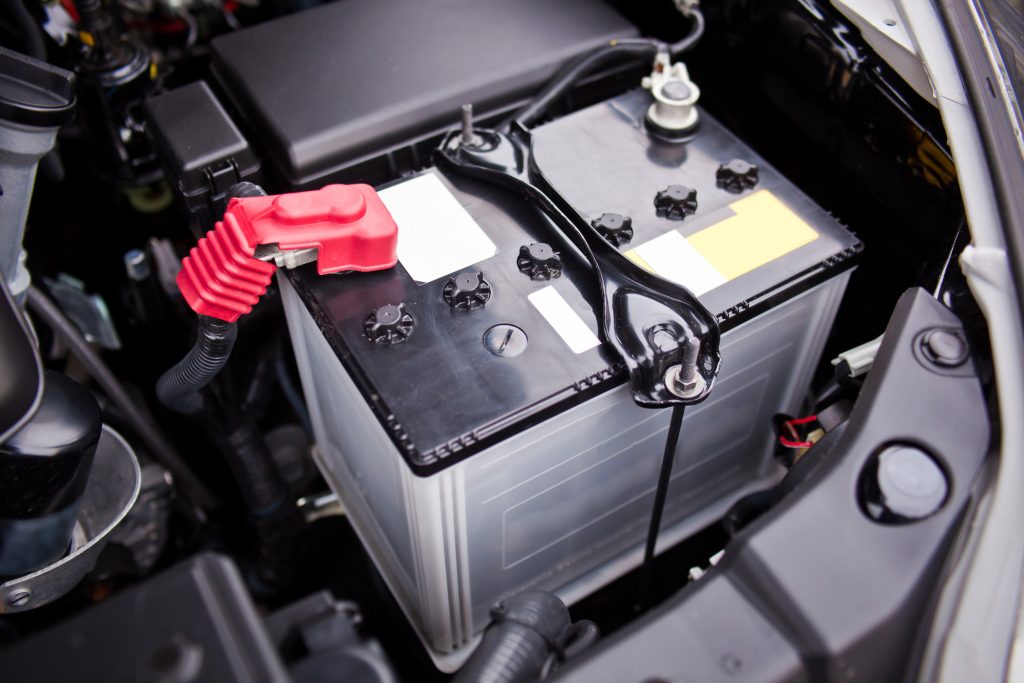
Before winter arrives, ask a technician to test the battery’s condition and cold-cranking performance, inspect the terminals, and verify alternator output. Replace a weak battery before a remote mountain trip if testing indicates that it is near the end of its useful life.
NHTSA’s guidance supports cold-weather battery checks, but it does not establish that batteries fail first in high-altitude states. Temperature, age, charge level, and maintenance are the more direct factors to evaluate.
4. Automatic Transmission and Transmission Fluid
A transmission can experience demanding operating conditions when a vehicle climbs steep mountain roads, particularly when towing a trailer or carrying a full load.
Low-speed uphill travel may require sustained power, while repeated changes in gear can increase workload. If the transmission becomes excessively hot, fluid can deteriorate faster, and internal components may experience additional stress.
Altitude does not automatically damage an automatic transmission. The more important factors are vehicle load, ambient temperature, road gradient, driving technique, and the transmission’s cooling design.
Some vehicles use dedicated transmission coolers, while others integrate cooling into the engine cooling system. The owner’s manual specifies the operating limits and maintenance requirements for each model.
The National Highway Traffic Safety Administration advises drivers preparing for summer trips to check automatic transmission or clutch fluid levels where applicable and to have leaks repaired. It also recommends following manufacturer guidance for vehicle fluids and maintenance.
Warning signs of a transmission problem include slipping between gears, delayed engagement, unusual whining, harsh shifts, or a transmission-temperature warning.
Stop safely if a warning indicates that the unit is overheating, and follow the instructions in the owner’s manual. Continuing to drive under severe overheating conditions can increase the risk of damage.
Drivers who regularly tow in mountainous terrain should check the vehicle’s rated towing capacity and follow the manufacturer’s recommendations for transmission service. Selecting an appropriate lower gear on long climbs or descents, when directed by the manual, can help the vehicle maintain control without placing unnecessary demands on the brakes.
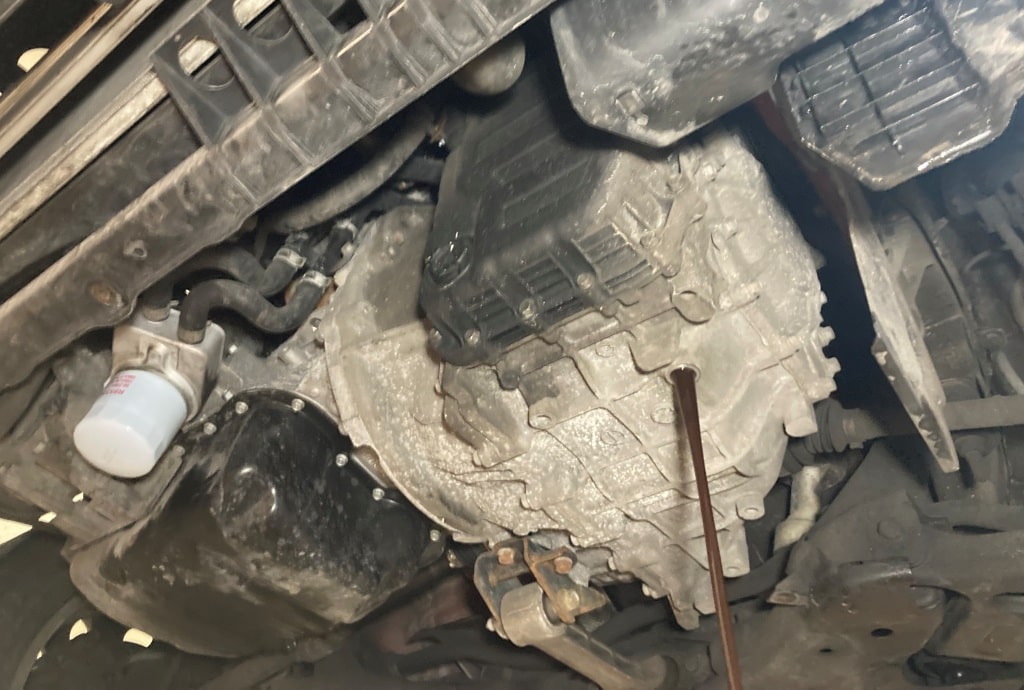
There is no verified national dataset showing that automatic transmissions fail first in mountain states. NHTSA complaints and manufacturer service bulletins can identify specific vehicle problems, but they must be examined by make, model, year, and defect before concluding.
For most drivers, preventive maintenance and responding promptly to warning signs are more useful than assuming elevation alone will cause transmission failure.
5. Engine Air Filter
Driving through a dusty mountain pass can reveal an issue that may go unnoticed during routine city driving, namely a clogged engine air filter. Although the filter protects the engine from dust and other contaminants, debris buildup can restrict airflow and affect engine performance.
This is particularly relevant for vehicles frequently driven on unpaved mountain roads, construction access routes, or dry trails where airborne dust is common.
Altitude introduces a separate issue. Air becomes less dense as elevation increases, reducing the amount of oxygen available in each volume of air.
Naturally aspirated engines consequently lose power at higher elevations, while turbocharged engines can compensate within the limits of their design. A dirty filter can add an avoidable restriction, but it is inaccurate to say that high altitude automatically causes the filter to fail.
Hyundai’s U.S. maintenance guidance lists dusty conditions as a reason to inspect or replace the engine air cleaner more frequently. It also identifies repeated mountain-road driving as a severe operating condition for several maintenance items. Exact service intervals depend on the vehicle, so the owner’s manual should determine when the filter needs attention.
Drivers may notice reduced acceleration or fuel economy when airflow is restricted, although these symptoms can have many other causes. A visual inspection can reveal heavy dirt, damage, or poor sealing around the filter housing. A technician can determine whether the filter is restricting airflow enough to warrant replacement.
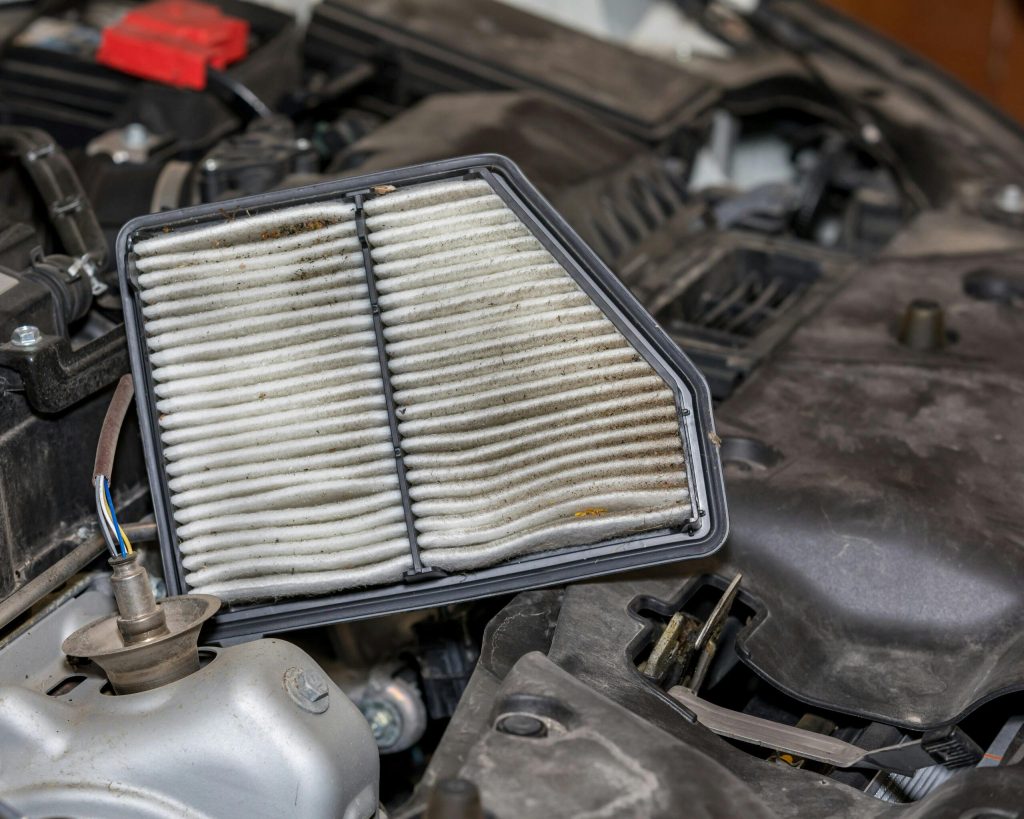
For mountain drivers, filter maintenance is especially important when routes include gravel, dust, or unpaved roads. Check the filter at the intervals specified by the manufacturer and inspect it sooner after unusually dusty trips.
Avoid installing an unsuitable aftermarket filter simply because it promises more airflow. Proper filtration protects internal engine components, and the correct replacement should meet the vehicle manufacturer’s requirements.
6. Spark Plugs and Ignition Components
Spark plugs are small components, but their condition matters when an engine must operate reliably across changing elevation and temperature.
They provide the electrical spark that ignites the air-fuel mixture in gasoline engines. Worn plugs, incorrect gaps, damaged ignition coils, or deteriorated connections can contribute to misfires, rough running, and loss of power.
High altitude changes the air available for combustion. Older carbureted engines were particularly sensitive because their fuel delivery systems often needed adjustment for different elevations.
Modern fuel-injected vehicles use electronic controls and sensors to adjust fueling, so drivers should not assume that a contemporary car needs a special high-altitude spark plug simply because it lives in the mountains.
A technical paper published by SAE International examined ignition-system performance at high altitude, confirming that elevation can affect ignition requirements. However, the paper dates to 1967 and predates modern engine-management systems. It should not be treated as a universal service instruction for today’s vehicles.
The best approach is to install the spark plugs specified for the particular engine and follow the recommended maintenance schedule. Certain manufacturers call for more frequent spark-plug replacement under severe driving conditions, although the required service interval depends on the engine design and type of spark plug used.
Hyundai’s U.S. maintenance guidance, for example, includes spark-plug replacement among items that may require more frequent attention under specified severe-use conditions.
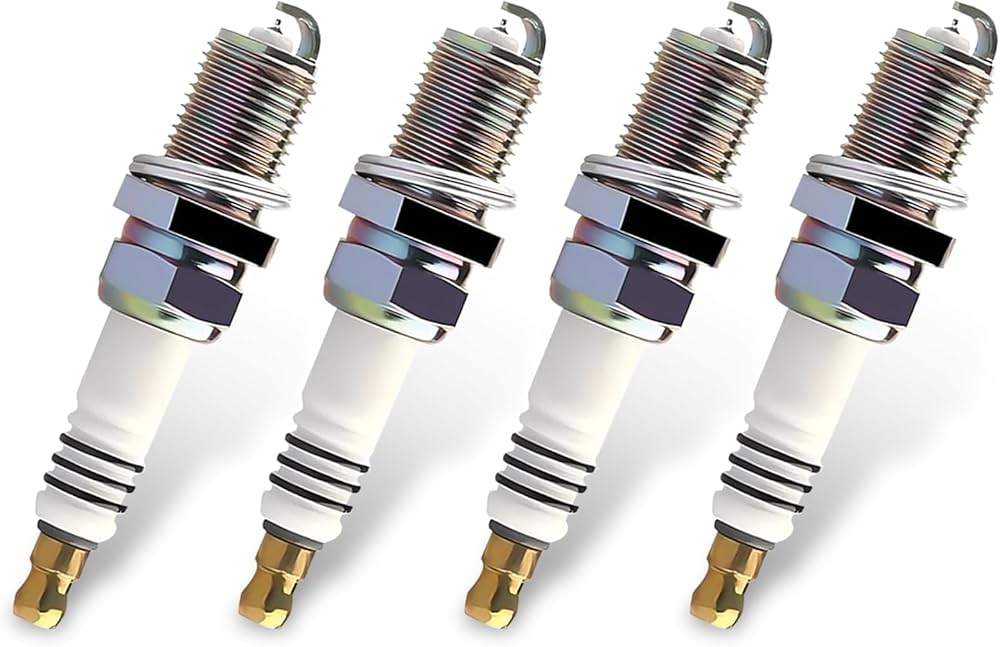
Watch for rough idling, hesitation during acceleration, an illuminated check-engine light, or a noticeable loss of power. These symptoms can indicate ignition trouble, but fuel delivery, sensors, and other engine faults can produce similar signs. A diagnostic scan and proper inspection are preferable to replacing parts at random.
Mountain residents should not replace healthy spark plugs solely because of elevation. Instead, maintain them according to the manufacturer’s schedule and address misfires promptly. That approach helps preserve performance without unnecessary parts replacement.
7. Tires and Tire Pressure Monitoring Sensors
Mountain roads can challenge tires through sharp bends, changing pavement conditions, potholes, temperature swings, and extended downhill travel. A tire that is underinflated, worn, or damaged may have less capacity to handle these demands safely.
The tire pressure monitoring system, commonly called TPMS, can help alert drivers when pressure drops substantially, but it cannot prevent every tire-related problem.
Altitude can affect the pressure relationship between a tire and the surrounding atmosphere, but the more immediate concern for most drivers is temperature. Tire pressure generally decreases as the air inside a tire cools, and cold mountain mornings can trigger a low-pressure warning. That warning does not necessarily mean the tire has developed a puncture.
The National Highway Traffic Safety Administration advises checking tire pressure when the tires are cold and using the pressure specified on the vehicle’s placard, usually located on the driver’s doorjamb. The pressure molded into the tire sidewall is generally a maximum rating, not the vehicle manufacturer’s recommended operating pressure.
Tire problems become particularly concerning on winding mountain roads, where braking, cornering, and changes in road surface place demands on the available grip. Inspect tread depth, sidewalls, and the spare tire if the vehicle carries one. Cracks, bulges, exposed cords, or repeated pressure loss warrant professional attention.
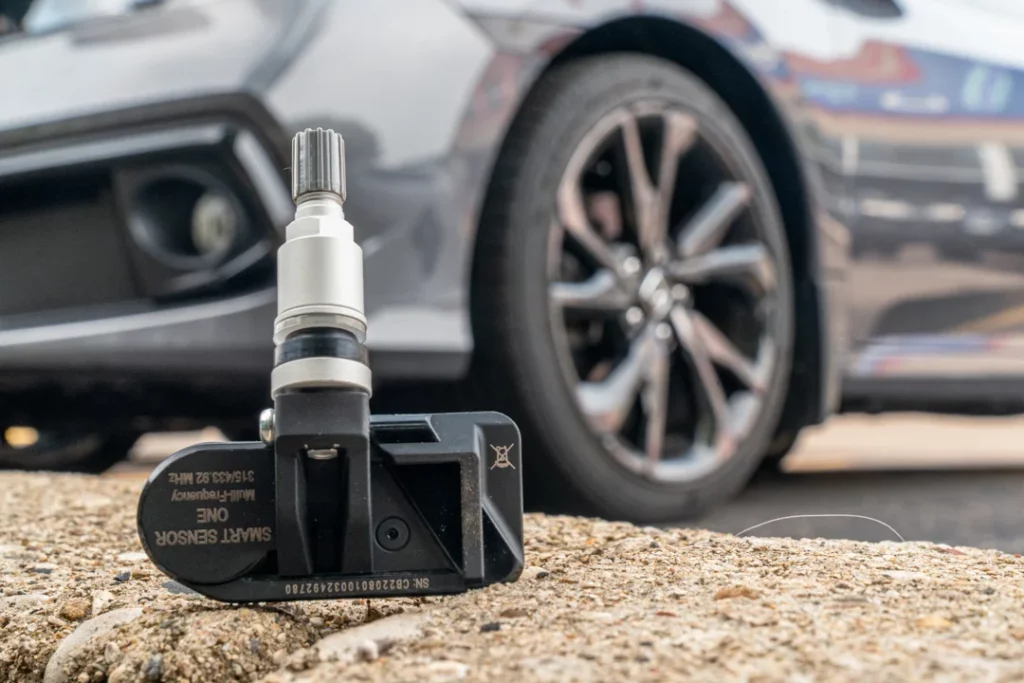
TPMS sensors themselves can also fail, often because of battery depletion or damage during tire service. A persistent warning should be investigated rather than ignored, but the sensor is not necessarily the cause of a pressure problem.
Drivers should check pressure before a long mountain trip and again when conditions change significantly. Use a reliable gauge rather than relying entirely on dashboard readings. Correct inflation and sound tires do not guarantee protection from punctures, but they help reduce avoidable risks on demanding roads.
8. Suspension Bushings, Ball Joints, and Shock Absorbers
Uneven mountain roads can put considerable stress on suspension components. Potholes, broken pavement, gravel, and repeated bumps force shocks, struts, control arms, bushings, and ball joints to absorb impacts while keeping the tires in contact with the road.
Vehicles driven regularly on rough routes may therefore need suspension inspections more frequently than cars used mainly on smooth highways.
It is important to distinguish the effects of altitude from the effects of road conditions. Thin air does not directly make rubber bushings crack or ball joints wear out. Instead, rough surfaces, vehicle weight, driving habits, age, corrosion, and accumulated mileage influence suspension wear.
Mountain regions can combine several of these factors, especially where winter weather and road treatments contribute to corrosion.
Hyundai’s U.S. maintenance schedules identify steering linkage, suspension ball joints, driveshaft components, and related parts for inspection under certain severe driving conditions, including repeated mountain-road use. The exact inspection intervals vary by vehicle, so the relevant owner’s manual should take priority.
A worn suspension may announce itself through clunking over bumps, excessive bouncing, uneven tire wear, steering looseness, or a vehicle that feels unstable in corners. These symptoms can also originate elsewhere, so a qualified technician should inspect the complete system rather than replacing a single component based on sound alone.
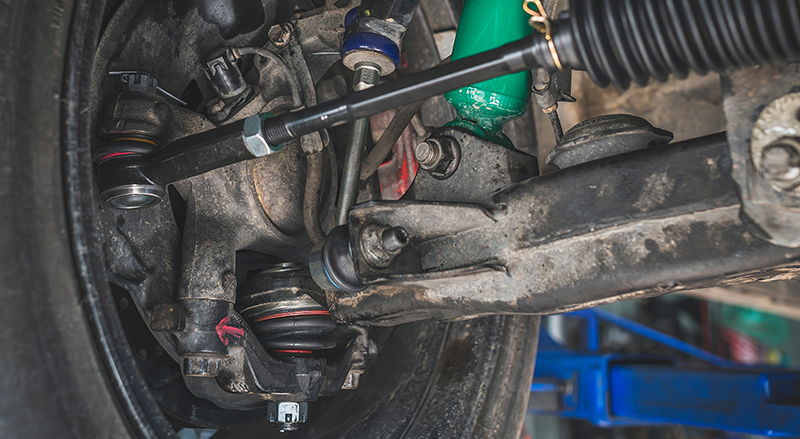
Before driving remote mountain routes, look for torn rubber boots, damaged shock absorbers, leaking struts, and uneven tire wear. After striking a substantial pothole or rock, have the alignment and suspension checked if the steering wheel sits crooked or the vehicle begins pulling to one side.
Suspension parts are not guaranteed to fail early in high-altitude regions. The useful lesson is that rough terrain and demanding driving conditions justify careful inspections, particularly when a vehicle carries passengers or luggage on long mountain journeys.
9. Engine Oil and Oil Filter
Long uphill climbs can require an engine to produce substantial power for extended periods. When the vehicle is towing, carrying a heavy load, or operating in hot weather, engine oil must continue lubricating moving components while helping manage heat and contaminants.
Oil that is low, degraded, or unsuitable for the engine can reduce the protection available under demanding conditions.
High altitude alone does not automatically cause engine oil to fail faster. The relevant factors include engine temperature, operating load, trip length, oil specification, and the manufacturer’s maintenance schedule.
Repeated climbs, frequent short trips, and extended idling can combine to create severe operating conditions, which is why some automakers specify shorter service intervals for certain patterns of use.
Hyundai’s U.S. maintenance guidance includes repeated mountain-road driving among severe-use conditions and specifies more frequent engine-oil service for applicable vehicles. The exact mileage and time interval depend on the engine and model year, so one manufacturer’s schedule should not be applied to every car.
Drivers should check oil levels according to the owner’s manual, use the specified viscosity and performance rating, and replace the oil filter whenever required. An oil-pressure warning, unusual engine noise, or a sudden change in oil level calls for prompt attention.
If the oil-pressure warning illuminates while driving, stop safely and follow the manual’s instructions rather than continuing uphill.
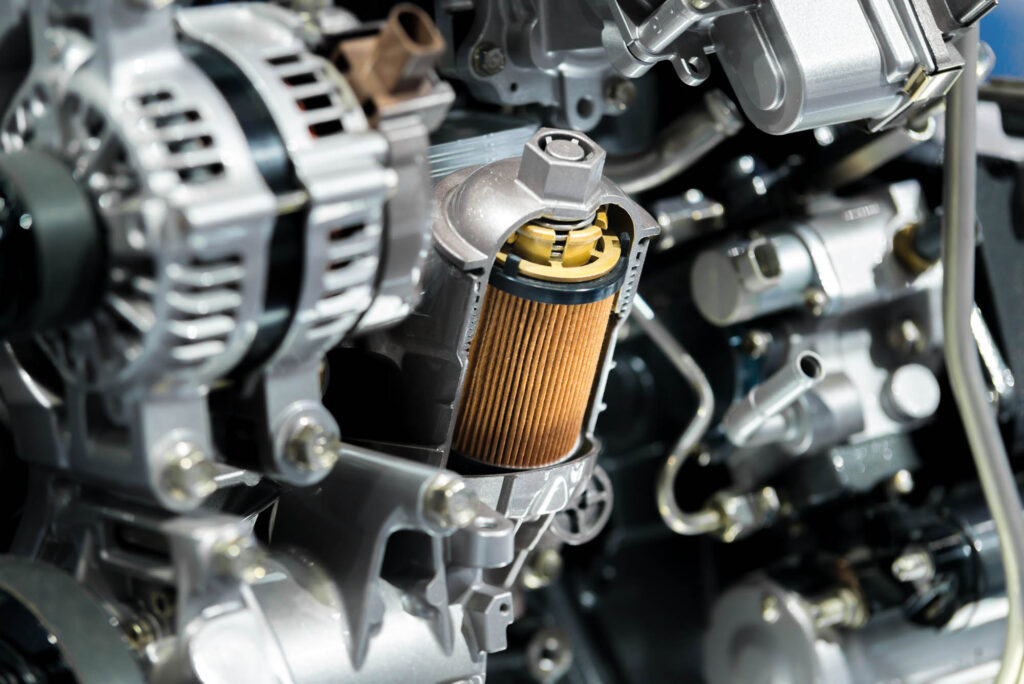
For a vehicle that regularly crosses mountain passes, keeping maintenance receipts is useful. Records help establish whether oil changes were performed on schedule and which specification was used. If the vehicle tows frequently or sees repeated severe operation, ask a qualified technician whether the manufacturer’s severe-service schedule applies.
Routine oil changes cannot prevent every engine problem, but they help minimize the risks caused by inadequate lubrication and poor maintenance. Rather than changing the oil simply because roads are elevated, owners should follow the recommended service intervals based on the vehicle’s actual driving conditions.
10. Fuel System and Engine Sensors
A vehicle’s fuel system and electronic engine controls help compensate for changing operating conditions.
Fuel injectors deliver the required amount of fuel, while sensors measure factors such as intake air pressure, oxygen content in the exhaust, and engine temperature. The engine computer uses this information to adjust fuel delivery and ignition timing within the system’s operating limits.
At higher elevations, thinner air means less oxygen is available in a given volume. Modern fuel-injected engines generally compensate using electronic controls, although naturally aspirated engines still lose power as elevation rises.
Turbocharged engines can maintain more power in some conditions, but their ability to compensate depends on turbocharger design, temperature, and control limits.
Altitude is not, by itself, proof that fuel injectors or sensors will fail prematurely. Contaminated fuel, damaged wiring, worn components, vacuum leaks, and ordinary age are more direct reasons to investigate a malfunction.
Older carbureted vehicles can be more sensitive to altitude-related fueling changes than modern electronically controlled vehicles.
If the check-engine light appears, the engine misfires, fuel economy changes sharply, or acceleration becomes inconsistent, a diagnostic scan can help identify stored fault codes. Those codes are clues rather than automatic proof that a particular sensor needs replacement. A qualified technician should confirm the cause before installing parts.
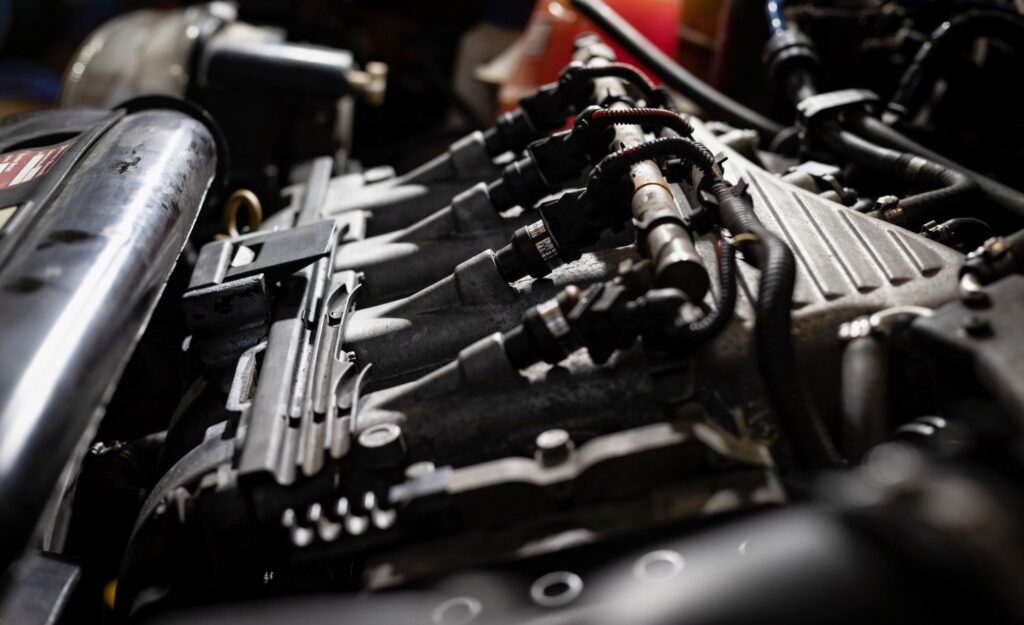
For drivers who regularly travel between low and high elevations, maintaining the air intake, ignition system, and fuel system according to the manufacturer’s schedule is the sensible approach. Use the recommended fuel grade and avoid assuming that premium gasoline will restore lost power unless the manufacturer specifies it.
No verified NHTSA dataset establishes fuel injectors or engine sensors as the tenth most common high-altitude failure. The parts belong on a preventive-maintenance checklist because they affect engine operation, not because the evidence proves they fail first in mountain states.
