
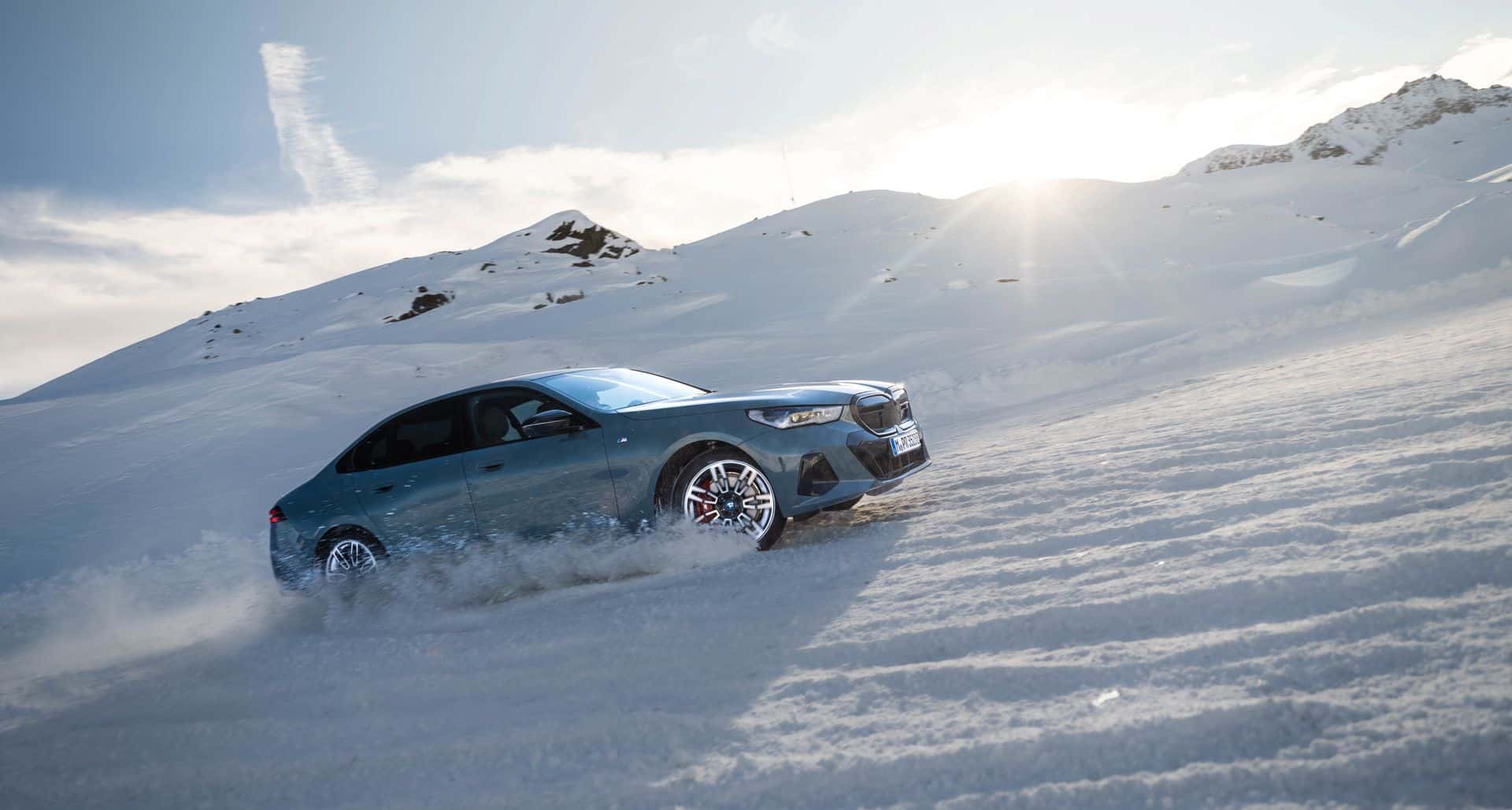
Deep snow puts a vehicle through a combination of stresses that ordinary winter commuting may never produce. Packed snow can obstruct cooling airflow, road salt accelerates corrosion, freezing temperatures challenge batteries, and repeated impacts with hidden ice can damage suspension components.
Some problems appear immediately, while others develop quietly over an entire winter. Automakers address cold-weather operation through owner manuals, maintenance schedules, technical service bulletins, and model-specific repair guidance.
The ten components below are common inspection priorities for vehicles driven regularly through heavy snow in the United States, although failure rates vary by vehicle, climate, and maintenance history.
1. Radiator, Cooling Fan, and Airflow Path
Deep snow can create a cooling problem in a place where drivers least expect it: the front of the vehicle. When wet snow accumulates around the grille and radiator opening, it can restrict airflow through the cooling stack.
Ice and slush may also collect around lower air intakes and protective panels. This does not mean every snow-covered grille will cause overheating, but a substantial blockage can interfere with the cooling system’s ability to manage engine temperature.
The U.S. National Highway Traffic Safety Administration advises drivers to check coolant level and condition before winter, inspect for leaks, and ensure the cooling system meets the manufacturer’s specifications.
Ford’s cold-weather guidance also warns that very low temperatures can affect the operation of some vehicle components. Neither point establishes that deep snow routinely destroys radiators, so the more accurate concern is restricted airflow, existing weaknesses, and damage from packed ice.
After driving through heavy snowfall, inspect the grille and accessible air openings once the vehicle is safely parked. Remove loose snow gently, without forcing tools into the radiator or condenser fins. Never reach near a cooling fan while the vehicle is running, because electric fans can start unexpectedly.
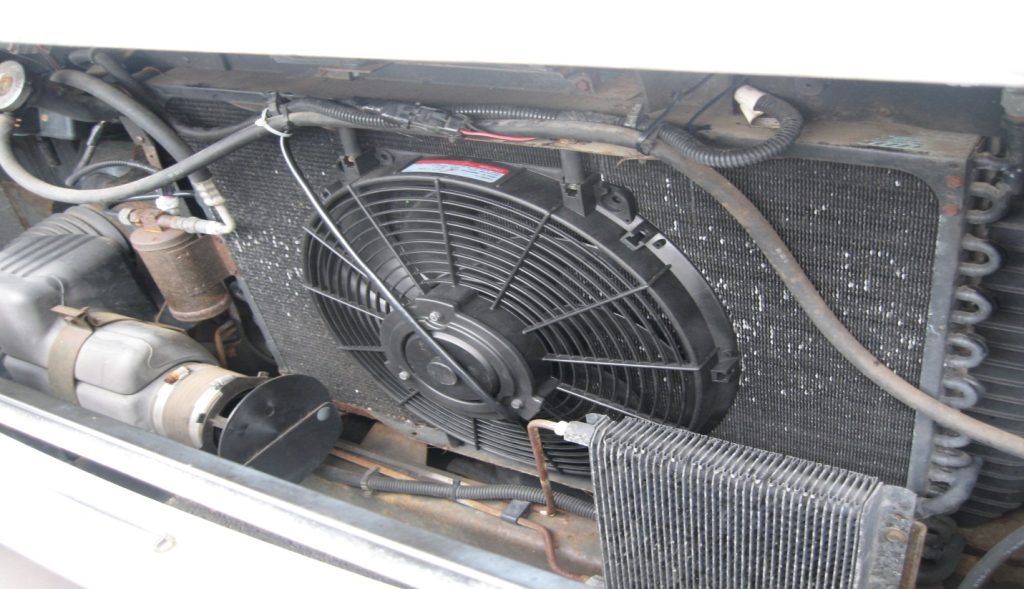
Watch the temperature gauge for unusual rises, and stop safely if an overheating warning appears. Do not remove a hot radiator cap or pour cold water onto overheated engine components.
During routine service, ask a technician to inspect damaged fins, coolant leaks, hoses, and fan operation. Repeated snow driving is especially worth checking when the vehicle has already shown temperature fluctuations or has a damaged front-end air duct.
2. Battery and Electrical Connections
A vehicle battery can lose starting power during a cold snap, and repeated winter trips may leave it struggling to recover.
The problem becomes more noticeable when an engine is started frequently, journeys are short, and electrical accessories such as heated seats, defrosters, headlights, and the cabin blower are in regular use.
Deep snow itself does not automatically damage a battery, but the cold conditions that accompany snow driving can expose an already weakened one.
The National Highway Traffic Safety Administration explains that battery power decreases as temperatures fall, while gasoline and diesel engines require more electrical power to start in cold weather. It recommends having the battery, charging system, and belts checked before winter conditions arrive.
Drivers may notice a slower engine crank, clicking during startup, dim lights, or a battery warning. These symptoms are not proof that the battery alone is responsible: a failing alternator, poor electrical connection, or excessive current draw can produce similar trouble. Corrosion around battery terminals can also interfere with reliable electrical contact.
Repeated journeys through deep snow create another reason to inspect connections. Slush and road spray can reach exposed areas under the hood, although the amount of exposure varies by vehicle design and driving conditions.
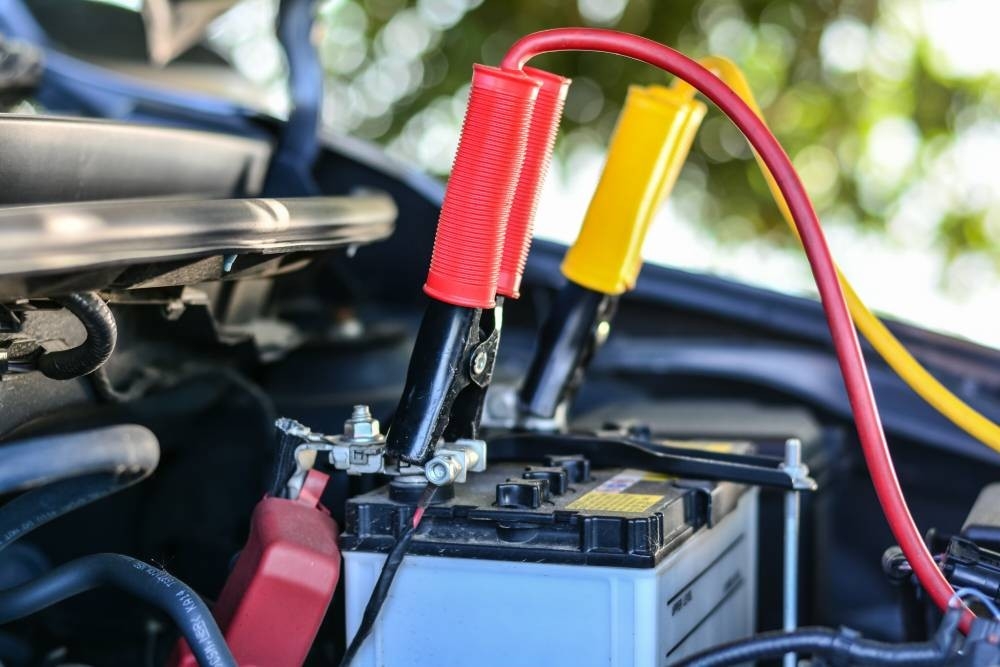
Check for loose terminals, damaged cables, corrosion, and a battery case that appears swollen or cracked. Avoid touching damaged electrical components, and have serious defects assessed professionally.
Before winter, request a battery load or conductance test and a charging-system inspection. If the battery is nearing the end of its service life, replacing it before a severe cold spell may prevent an inconvenient roadside breakdown. Do not assume that a recent successful start means the battery is healthy.
3. Engine Air Filter and Intake System
Snow can affect an engine before the driver notices anything unusual. Under certain conditions, powdery snow can enter the air intake, collect in the air cleaner housing, and restrict the filter’s ability to supply sufficient airflow. This is a documented issue, not merely a theoretical winter concern.
General Motors issued Technical Service Bulletin 08-06-04-054B for certain 2007 to 2010 Chevrolet Silverado 2500 and 3500 models and GMC Sierra 2500 and 3500 models equipped with the LMM Duramax diesel engine.
The bulletin describes snow entering the air cleaner housing and accumulating on the filter, potentially triggering diagnostic trouble code P0101, an illuminated malfunction indicator lamp, and a reduced-engine-power message.
That bulletin applies to specified vehicles and powertrains, not every GMC truck or every vehicle driven in snow. Still, it demonstrates why intake inspection matters when a vehicle repeatedly encounters deep, windblown snow.
Drivers should pay attention to unexpected power loss, a warning light, or a sudden change in engine response after travelling through heavy snowfall. Stop somewhere safe if the engine reports reduced power. Consult the owner’s manual and arrange an inspection rather than repeatedly accelerating hard to overcome the problem.
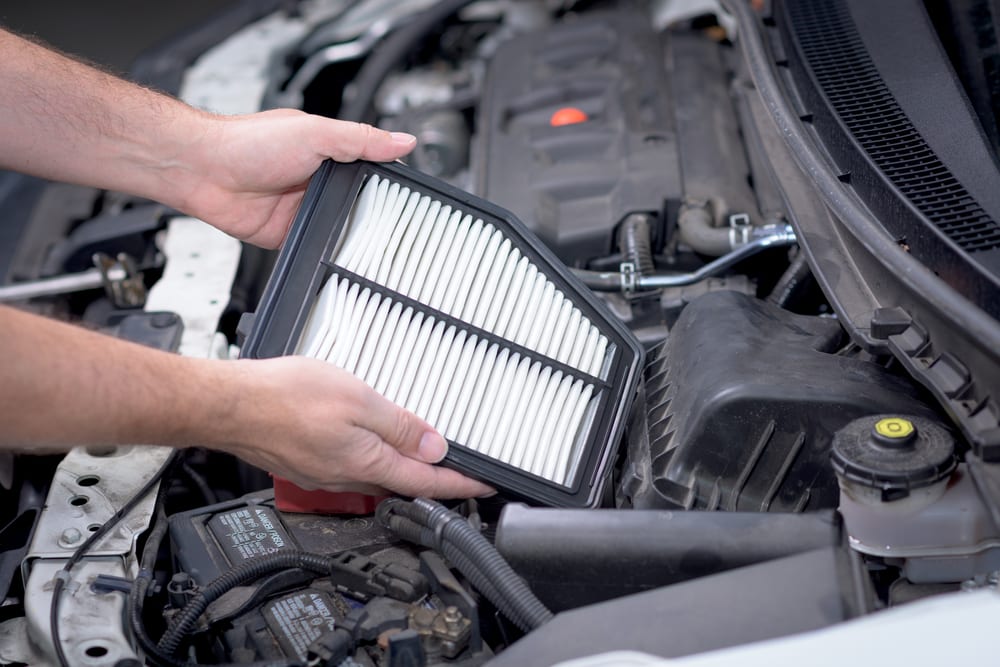
During servicing, a technician can inspect the air cleaner housing, filter, intake ducting, and relevant sensors. A wet, damaged, or heavily contaminated filter may need replacement, but the underlying cause should also be identified to reduce the chance of recurrence.
Do not install improvised intake covers or modify the airbox without manufacturer-approved guidance. Restricting the intake yourself can create a different airflow problem. If your vehicle is covered by a model-specific service bulletin, ask a qualified repair facility whether the prescribed procedure applies to its exact year and engine.
4. Active Grille Shutters and Ambient Temperature Sensor Wiring
Some modern vehicles use active grille shutters to regulate airflow through the front of the vehicle. Depending on the design and operating conditions, the shutters open or close to balance cooling needs and aerodynamic efficiency. Snow and ice can interfere with their movement, while moisture entering electrical connectors can cause separate faults.
General Motors documented both issues in Service Bulletin 16-NA-051, which addresses certain vehicles experiencing active-shutter or ambient-air-temperature-sensor problems. The bulletin identifies snow or ice accumulation around the front lower grille as a possible physical obstruction.
It also describes moisture intrusion and corrosion at specified wiring-harness connectors. The listed condition can trigger a warning light or diagnostic trouble codes, but it does not mean every vehicle with active shutters is vulnerable to the same fault.
Repeated deep-snow driving makes this area worth inspecting because snow can pack into narrow openings and freeze as temperatures drop.
The important distinction is between a temporary obstruction and an electrical failure. If snow blocks the shutters, the issue may disappear after the obstruction melts. Corroded connectors or damaged wiring, by contrast, may require repair.
After a severe snow drive, look for visible buildup around the lower grille when the vehicle is parked safely. Never force the shutters open or reach into moving mechanisms. If a warning appears, record the message and have the diagnostic codes checked.
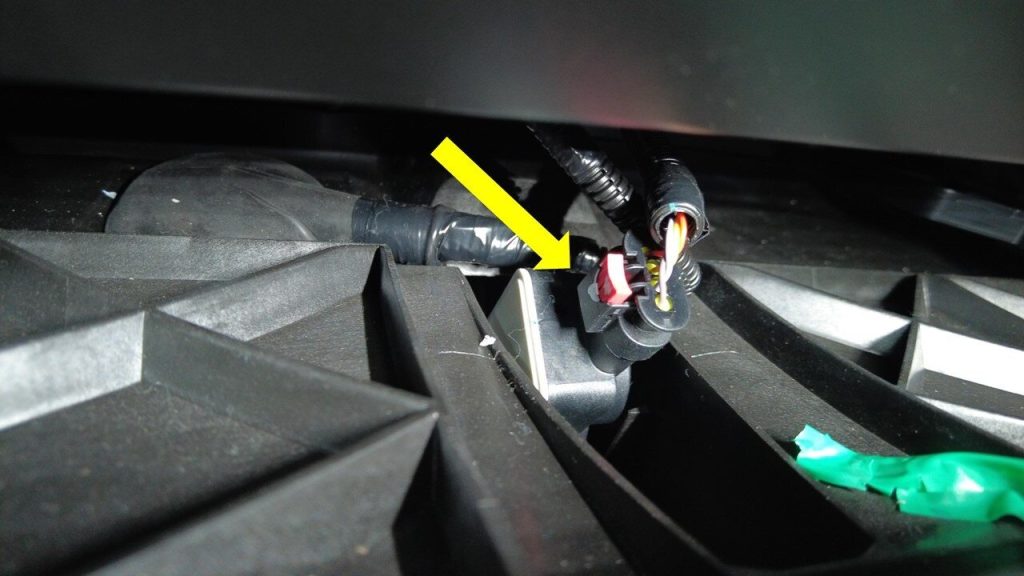
Owners should not assume a service bulletin automatically applies to their vehicle. Bulletins specify particular models, production periods, equipment, or fault conditions. A dealership or qualified technician can verify applicability using the vehicle identification number and the actual symptoms.
This is a useful example of a winter problem that may look like a failed component even when packed ice is the immediate cause. Proper diagnosis prevents unnecessary parts replacement and helps identify electrical damage that should not be ignored.
5. Brake Pads, Rotors, Calipers, and Parking Brake
Winter braking involves more than finding enough grip on a slippery road. Snow, slush, water, and road salt can reach brake components, while repeated exposure to moisture encourages corrosion on unprotected metal surfaces. Cold-weather brake noise is not automatically a sign of failure, but persistent symptoms deserve attention.
Ford’s owner guidance notes that brake noise can become more noticeable in cold weather and may be associated with moisture, road dust, salt, or mud. It also explains that surface corrosion can form on iron brake discs when they remain unused and is normally removed through braking.
These observations do not establish that deep snow routinely ruins brakes, but they show why winter conditions can change how braking components sound and behave.
The concern grows when salt-laden slush repeatedly collects around the wheels and the vehicle is left parked wet. Corrosion can affect rotors and other exposed metal parts. In some circumstances, caliper slides or parking-brake mechanisms may also become difficult to operate, depending on the vehicle’s design and condition.
Pay attention to grinding, persistent scraping, a vehicle pulling to one side under braking, unusual pedal feel, or a parking brake that will not release normally. These symptoms should not be dismissed as ordinary winter noise. If braking performance changes, stop driving when safe and arrange professional assistance.
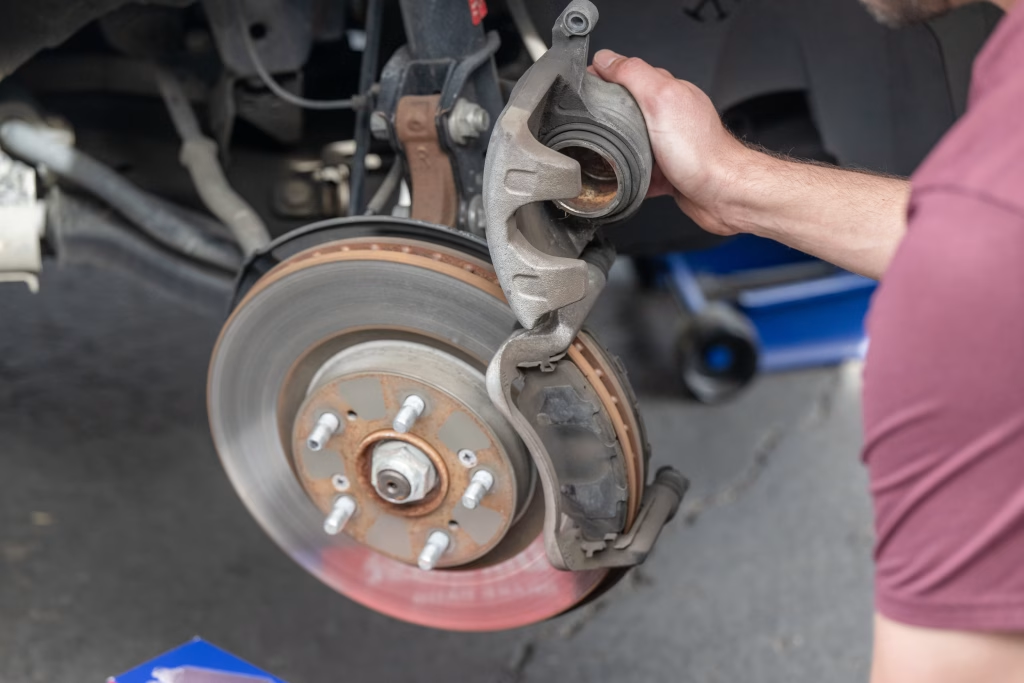
After driving through deep snow, clear packed material from around the wheels where it can be reached safely. Do not spray hot water onto frozen components or crawl beneath an unsupported vehicle. During routine maintenance, ask for checks of pad thickness, rotor condition, brake-fluid condition, caliper movement, and parking-brake operation.
Regular washing can help remove salt, but it cannot reverse corrosion that has already damaged a component. The most useful protection is prompt attention to symptoms and maintenance suited to the vehicle’s service schedule.
6. Tires and Tire Pressure Monitoring Sensors
Tires face a double challenge during repeated deep-snow driving: they must provide traction on slippery surfaces while also dealing with cold temperatures, hidden potholes, and sharp edges buried beneath snow. The tire itself may not fail simply because it encounters snow, but poor inflation, worn tread, or impact damage can make winter travel less safe.
The National Highway Traffic Safety Administration explains that tire pressure falls as outside temperatures drop. It recommends checking pressure when tires are cold and inflating them to the vehicle manufacturer’s specified pressure, usually listed on the driver’s door-frame label or in the owner’s manual.
The pressure printed on the tire sidewall is its maximum rating, not necessarily the correct operating pressure for the vehicle.
Deep snow can conceal potholes and debris, while repeated wheelspin and abrupt steering may place additional stress on tires.
A tire pressure monitoring system can alert the driver to significant underinflation, but it does not replace manual pressure checks or a physical inspection. A sensor warning can also indicate a sensor or system problem rather than a damaged tire.
Check tread depth, sidewalls, and inflation before winter trips and after a substantial impact. Look for bulges, cuts, cracks, or embedded objects. A tire with structural damage should be assessed by a tire professional rather than judged solely by whether it still holds air.
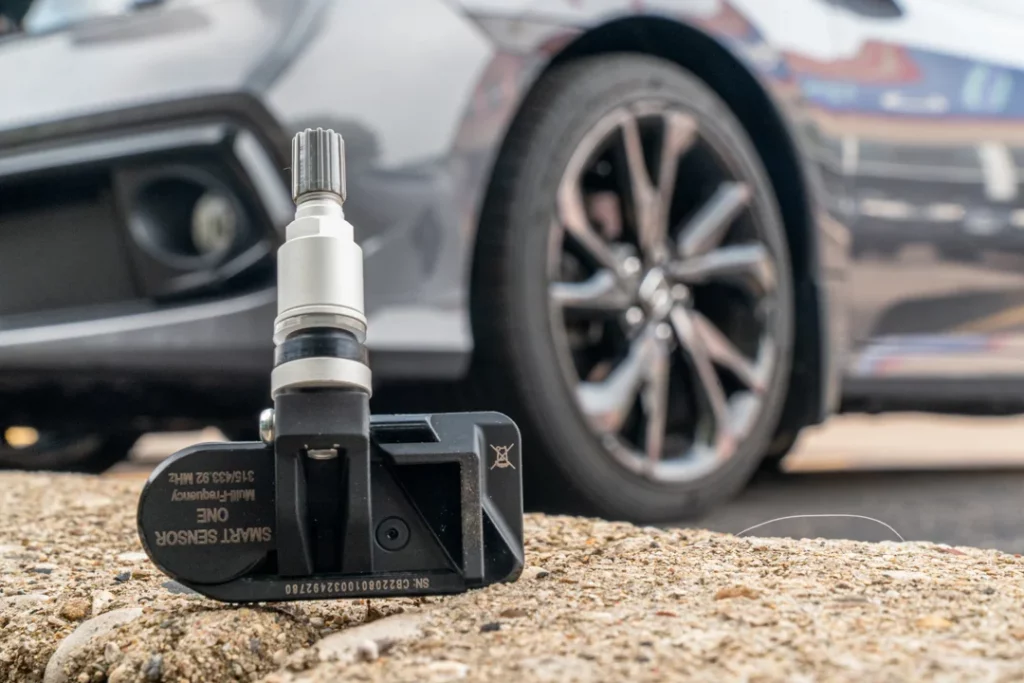
If a pressure warning appears during a cold morning, measure all tires before deciding that the temperature alone explains it. Inflate them to the manufacturer’s cold-pressure specification and recheck for continuing pressure loss.
Snow tires may improve traction in winter conditions, but the correct choice depends on the vehicle, driving environment, and manufacturer’s guidance. Never reduce tire pressure simply to gain traction in deep snow unless the vehicle maker explicitly specifies an approved procedure for the situation.
7. Windshield Wipers, Washer Pump, and Washer Lines
Repeated snow driving can wear out visibility equipment faster than drivers expect. Wiper blades must clear wet snow, road spray, and salt residue, while the washer system has to deliver fluid that remains usable in freezing conditions.
A worn blade may leave a broad film across the windshield precisely when the driver needs a clear view of traffic and lane markings.
NHTSA’s winter-driving guidance recommends inspecting wiper blades, ensuring that the defroster works, and filling the washer reservoir with suitable winter fluid containing de-icer. It also recommends carrying enough washer fluid for winter travel because a storm can consume it quickly.
Freezing weather can expose weaknesses in the washer system. Fluid that is not rated for the temperatures encountered may freeze in the reservoir, pump, or lines, depending on where the liquid is located and how cold the components become.
Frozen fluid can prevent spraying and may strain system components if the pump is operated repeatedly. Worn blades, blocked nozzles, and damaged hoses can produce similar symptoms, so diagnosis should not stop at the reservoir.
Before entering heavy snowfall, clear accumulated ice from the windshield and wiper area. Never force frozen blades across glass, because the rubber can tear and the wiper mechanism may be stressed. If the blades are frozen in place, use the vehicle’s recommended defrosting procedure and wait until they release safely.
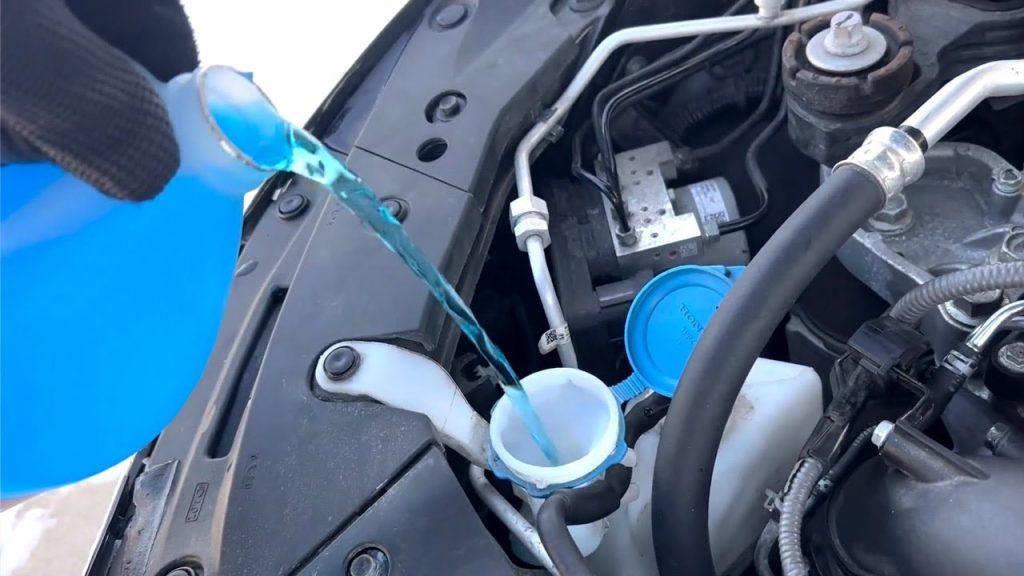
Replace blades that streak, chatter excessively, or have torn edges. Use washer fluid with a freezing-point rating appropriate for local conditions, and never substitute plain water during freezing weather.
If the washer system stops working, do not continue into poor visibility assuming the defroster alone will be enough. Pull over somewhere safe when necessary, clear the windshield, and repair the system before resuming a journey in heavy snow.
8. Wheel Bearings, Suspension, and Steering Components
A vehicle travelling through deep snow can encounter ruts, frozen ridges, hidden potholes, and uneven piles left by snowplows.
Hitting these obstacles repeatedly can place extra impact loads on tires, wheels, suspension joints, and steering components. Snow itself does not automatically cause a wheel bearing or control arm to fail, but concealed road damage can accelerate wear or expose an existing weakness.
Wheel bearings allow the wheels to rotate smoothly, while suspension components help maintain tire contact with the road. Ball joints, tie-rod ends, bushings, and control arms all contribute to stable handling. If an impact bends a wheel or damages a component, the symptoms may become apparent only after the vehicle returns to cleared pavement.
Listen for a new humming or growling noise that changes with vehicle speed, clunks over bumps, or steering that suddenly feels loose.
Uneven tire wear, a vehicle pulling to one side, or a steering wheel that no longer sits straight can also indicate a problem. These signs are not specific to winter damage, and a technician should inspect the vehicle before identifying the failed part.
Salt and slush add another concern. Corrosion can affect exposed metal and fasteners over time, particularly in regions where roads are frequently treated with deicing chemicals. Regular underbody washing can help remove accumulated salt, although it cannot repair existing damage or prevent every form of corrosion.
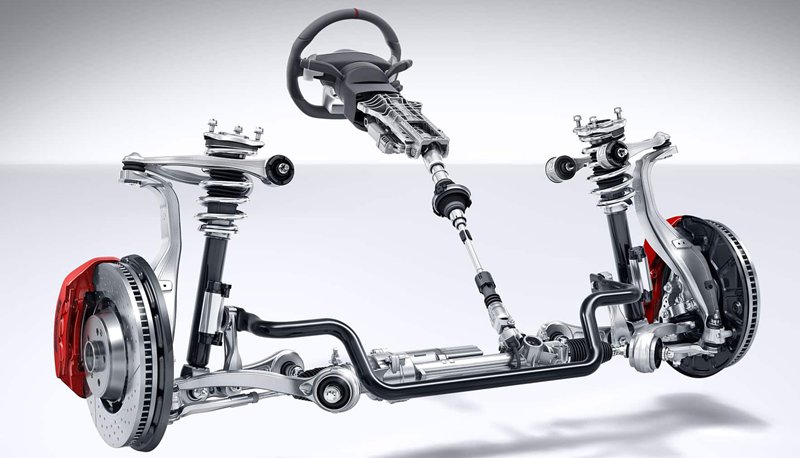
After striking a substantial hidden obstacle, inspect the tires and wheels for visible damage and arrange a professional check if handling changes or unusual noises appear. Do not crawl beneath a vehicle supported only by a jack.
At scheduled service, ask the technician to examine steering joints, suspension bushings, wheel bearings, alignment, and underbody corrosion when the vehicle’s condition or service history justifies it. Finding looseness or impact damage early can prevent a manageable repair from becoming a larger safety problem.
9. Engine Airflow Sensors and Electrical Connectors
Snow-related electrical problems can be difficult to diagnose because a warning light may appear even when a component has not physically broken.
Moisture entering a connector, corrosion affecting electrical contact, or snow obstructing an intake can interfere with sensor readings and trigger diagnostic trouble codes. The exact result depends on the vehicle’s design and the system involved.
A documented General Motors example involves certain 2007 to 2010 GMC Sierra 2500 and 3500 trucks equipped with the LMM Duramax diesel engine.
Service Bulletin 08-06-04-054B describes snow entering the air cleaner housing, restricting airflow, and potentially causing code P0101, a malfunction indicator lamp, and reduced engine power. This is an intake restriction problem that can affect sensor readings, not proof that snow routinely destroys engine sensors across the GMC lineup.
Another GM bulletin, 16-NA-051, addresses specified active-grille-shutter and ambient-air-temperature-sensor wiring concerns, including moisture intrusion and corrosion at particular connectors. It also identifies snow or ice blocking the front lower grille shutters as a separate possible cause.
Together, these cases illustrate why winter warnings should be investigated rather than treated as proof of a failed sensor. A driver may notice a check-engine light, a reduced-power message, or a warning involving grille shutters. Record the message and avoid repeatedly restarting or pushing the engine hard to make the warning disappear.
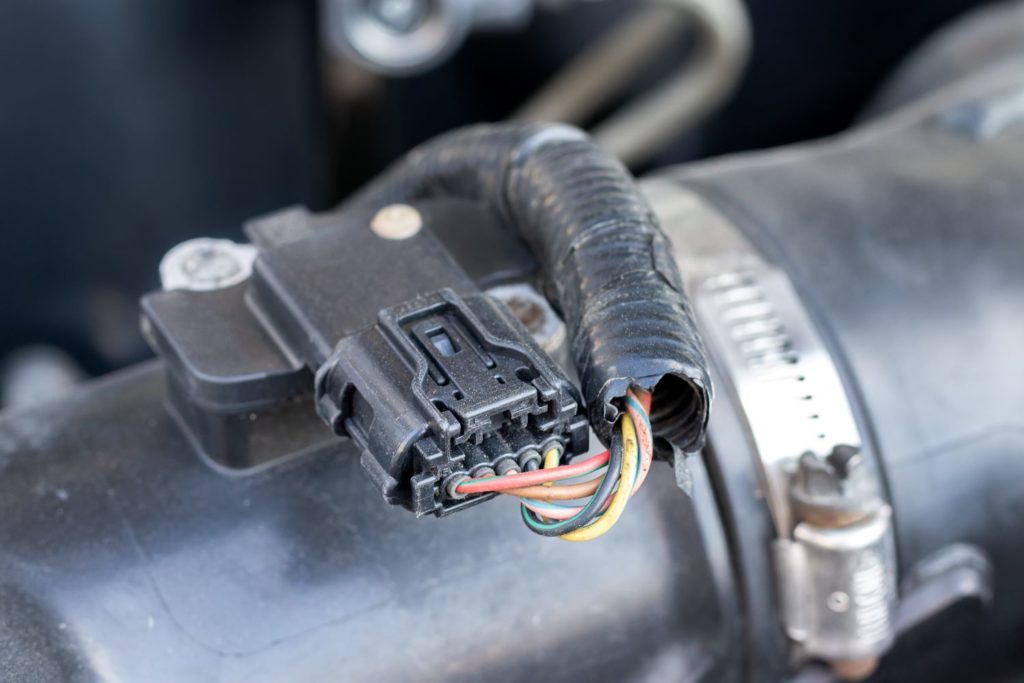
A repair technician can scan the vehicle for diagnostic trouble codes, inspect connectors and wiring, and check intake components for obstruction or moisture. Avoid unplugging sensors or applying chemicals to electrical connectors without the manufacturer’s procedure.
Service bulletins are model-specific technical guidance, not universal recalls. Check whether the bulletin covers the vehicle’s year, engine, equipment, and symptoms before assuming the repair applies.
10. Exhaust System and Tailpipe Area
One of the most important winter hazards involves a part that may not fail at all: the exhaust outlet. Deep snow can surround or block the tailpipe when a vehicle becomes stuck or is parked in a snowbank.
If the engine runs while exhaust gases cannot escape properly, carbon monoxide can accumulate around the vehicle and potentially enter the passenger compartment.
NHTSA specifically warns drivers stranded in winter weather to make sure the exhaust pipe is clear of snow. It also advises running the engine only intermittently, just long enough to stay warm, and avoiding extended operation with the windows closed.
Carbon monoxide is colorless and odorless, so drivers cannot rely on their senses to detect a dangerous buildup.
The danger is particularly serious when a vehicle is buried in drifting snow, trapped in a ditch, or left idling during a storm. Snow can accumulate around the rear of the vehicle even after the driver has cleared the visible outlet. Passengers may also be unaware of the obstruction while concentrating on staying warm.
If you become stuck, check the tailpipe before running the engine and clear snow away from the outlet whenever it is safe to do so. Keep the exhaust path clear while the engine operates. Do not remain in a running vehicle inside an enclosed garage, even with the garage door open.
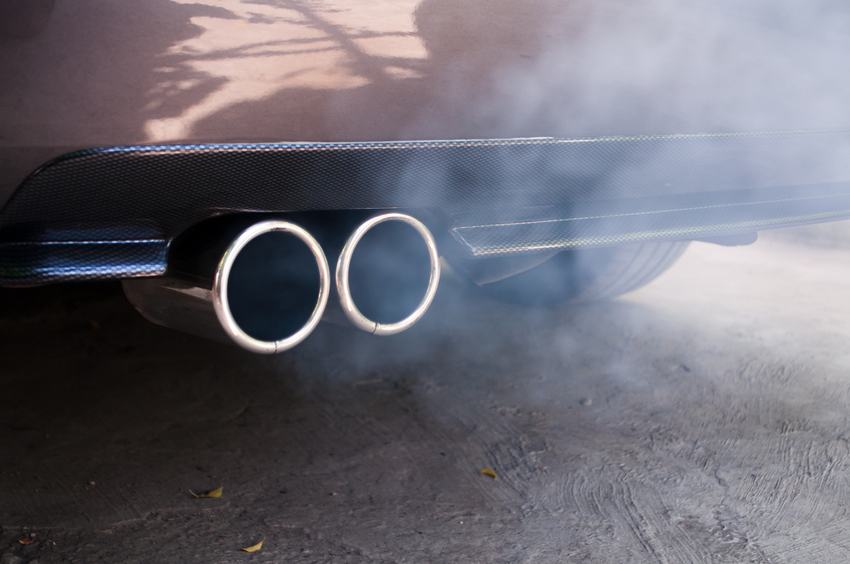
Repeated exposure to road salt and moisture can also contribute to corrosion in exhaust pipes, clamps, and muffler components. A technician should inspect unusual exhaust noise, visible damage, or loose connections, especially on older vehicles used in harsh winter climates.
The key distinction is that blocked exhaust flow is an immediate safety emergency, while corrosion is a longer-term maintenance concern. Both deserve attention, but preventing carbon monoxide exposure takes priority whenever deep snow surrounds a running vehicle.
