
A dependable car should do more than start every morning. It should keep repair bills manageable, deliver consistent performance, and leave owners confident about their purchase.
In the United States, Consumer Reports evaluates reliability using owner surveys, while J.D. Power measures reported vehicle problems, and Consumer Reports separately tracks whether owners would buy the same vehicle again.
These measurements reveal why some brands build lasting loyalty while others struggle with quality concerns. This ranking draws on published reliability findings and owner-satisfaction data, recognizing that a brand’s reputation can differ considerably from one model to another.
1. Lexus
Lexus has built its reputation around careful engineering, refined driving experiences, and long-term dependability. Its standing is supported by independent research rather than reputation alone.
In J.D. Power’s 2026 U.S. Vehicle Dependability Study, Lexus ranked highest among premium brands for the fourth consecutive year, recording 151 problems per 100 vehicles. A lower score indicates fewer reported problems.
The study examined owners’ experiences with three-year-old vehicles, making it useful for assessing durability beyond the initial purchase period.
Consumer Reports also placed Lexus at the top of its 2025 brand reliability rankings, based on reported problems across multiple vehicle systems.
Its December 2025 brand report card gave Lexus a predicted reliability rating of four out of five and an owner-satisfaction rating of four out of five. In the organization’s owner survey, 66% of Lexus respondents said they would buy the same vehicle again.
What makes Lexus particularly compelling is its broad lineup. Buyers can choose sedans such as the ES and IS or SUVs such as the RX and GX, depending on their space and performance requirements.
However, reliability is not identical across every model or powertrain. New designs, complex technology, maintenance history, and specific engine configurations can all affect ownership experiences.

Lexus vehicles generally carry premium purchase prices, and replacement parts or dealer servicing can cost more than comparable mainstream alternatives. Nevertheless, strong dependability results suggest that buyers prioritizing fewer reported problems should place Lexus high on their research list.
Its strongest evidence-based advantage is consistency across independent reliability assessments, reinforced by owners who remain satisfied with their vehicles after purchase.
2. Subaru
Subaru appeals to drivers who want year-round practicality without giving up the reassurance of strong reliability results. Its reputation is closely connected to standard all-wheel drive across much of its U.S. lineup, including the Impreza, Crosstrek, Forester, and Outback.
That hardware can improve traction on slippery roads, although it does not eliminate the need for suitable tires or careful driving in winter conditions.
Consumer Reports placed Subaru among the leading brands in its December 2025 reliability assessment, alongside Lexus and Toyota.
Subaru’s 2025 brand report card gave it four out of five for predicted reliability and four out of five for owner satisfaction. It also earned a score of 82, matching BMW for the highest score in the report.
Owner feedback supports its appeal. Consumer Reports found that 69% of surveyed Subaru owners would buy the same vehicle again, placing the brand third in its December 2025 owner-satisfaction rankings.
That figure suggests that the ownership experience resonates with many buyers, although satisfaction alone does not guarantee that every model will be trouble-free.
Subaru’s practical strengths include useful cargo space in its SUVs and wagons, confident traction, and a lineup aimed at commuters, families, and outdoor enthusiasts. The Crosstrek suits buyers seeking a smaller vehicle, while the Forester and Outback offer more room for passengers and gear.
There are trade-offs to consider. All-wheel drive adds mechanical complexity, and fuel economy can differ from front-wheel-drive rivals. Individual models and model years also have different reliability records, so buyers should check ratings for the exact vehicle rather than assuming every Subaru performs identically.
Subaru earns this position through a combination of strong predicted reliability, meaningful owner satisfaction, and practical features that align with the needs of many American drivers.
3. Toyota
Toyota’s reputation for durability is backed by a long record of strong results in independent reliability research. Consumer Reports ranked Toyota among the three most reliable car brands in its December 2025 assessment, drawing on owner-reported problems across major vehicle systems.
Its brand report card assigned Toyota four out of five for predicted reliability and four out of five for owner satisfaction. Toyota also recorded an owner-satisfaction rate of 65%, meaning nearly two-thirds of surveyed owners said they would purchase the same vehicle again.
The company’s broad U.S. lineup gives buyers several ways to benefit from its engineering approach. The Corolla serves drivers looking for economical transportation, the Camry offers a larger sedan, and the RAV4 targets households needing SUV versatility.
Toyota also sells hybrids across several categories, allowing shoppers to reduce gasoline consumption without switching to a fully electric vehicle.
However, reliability should not be confused with an absence of recalls or mechanical problems. Toyota models can experience defects, and redesigned vehicles may have different reliability outcomes from established versions.
Buyers should examine the history of the specific model year, check for outstanding recalls, and follow the manufacturer’s maintenance schedule.
Another consideration is driving character. Some Toyota models prioritize comfort, efficiency, and straightforward operation rather than sporty handling or premium cabin materials. That may suit practical buyers, but it will not satisfy every driver’s preferences.

Toyota’s reputation extends beyond brand recognition, with strong predicted reliability, positive owner satisfaction, and a diverse vehicle lineup. Buyers seeking a dependable daily driver can explore its compact cars, sedans, SUVs, and hybrid models to find one that suits their needs.
4. Honda
Honda has earned a strong position among reliability-conscious American buyers by producing practical cars and SUVs with a focus on everyday usability. Consumer Reports placed Honda fourth in its December 2025 brand reliability assessment, behind Lexus, Subaru, and Toyota.
Its brand report card gave Honda four out of five for predicted reliability and four out of five for owner satisfaction. The same report recorded a 64% owner-satisfaction rate, reflecting the proportion of surveyed Honda owners who said they would buy the same vehicle again.
The brand’s appeal spans several popular segments. The Civic offers compact-car practicality, the Accord provides more passenger space, and the CR-V serves families who prefer an SUV. These vehicles have different strengths, but their emphasis on usability and sensible packaging helps explain Honda’s broad appeal.
Honda also has a substantial hybrid presence. Hybrid versions of the Accord and CR-V give buyers alternatives to conventional gasoline powertrains, although the most suitable choice depends on purchase price, driving patterns, and expected ownership duration.
No manufacturer is immune to problems, and Honda’s reputation should not replace model-specific research. Transmission behavior, engine issues, electronics, and maintenance requirements can vary by generation. A used vehicle’s service records and previous ownership conditions can be just as important as the brand’s average rating.
Honda’s strength lies in the combination of favorable reliability findings, solid customer satisfaction, and a lineup that serves commuters and families without requiring a luxury-car budget. Its position in independent surveys makes it a sensible brand to shortlist, while comparisons between individual models help buyers identify the best fit for their needs.
5. BMW
BMW stands out because it combines strong owner satisfaction with improving reliability results, challenging the assumption that premium European vehicles are necessarily troublesome to own.
In its December 2025 brand report card, Consumer Reports gave BMW four out of five for predicted reliability and owner satisfaction. BMW also scored 82, matching Subaru for the highest brand score in the report.
The company’s U.S. lineup ranges from the compact 2 Series and 3 Series sedans to family-oriented SUVs such as the X3 and X5. Many models emphasize responsive handling, strong acceleration, and upscale interiors. Those characteristics appeal to drivers who want a more engaging experience than a typical commuter car provides.
Reliability is an important part of the ownership equation, particularly because BMW maintenance and repairs can be expensive.
Even when a vehicle performs well in reliability surveys, replacement parts, specialized labor, tires, and routine service may cost more than they do for mainstream brands. A strong reliability score should therefore be considered alongside the total cost of ownership.
Buyers should also distinguish between established powertrains and newly introduced designs. Different engines, transmissions, electronics packages, and model years can have different problem histories.
Before buying used, reviewing service documentation and obtaining an independent inspection can help identify expensive issues.
BMW’s position in the Consumer Reports findings is notable because owner satisfaction and predicted reliability measure different things. A vehicle can delight its driver while still requiring more maintenance than expected, so neither measure should be used alone.
For shoppers seeking premium performance without ignoring dependability, BMW deserves serious consideration. The most sensible approach is to compare the reliability history and maintenance requirements of the exact model under consideration rather than relying exclusively on the badge.
6. Porsche
Porsche attracts drivers who appreciate responsive handling and high-quality engineering while still needing a vehicle suited to everyday driving.
Its U.S. lineup includes sports cars such as the 911 and 718 Cayman, alongside SUVs such as the Macan and Cayenne. That variety means the brand’s vehicles serve very different purposes, making model-specific reliability research especially important.
Consumer Reports’ December 2025 brand report card gave Porsche a predicted reliability rating of four out of five and an owner-satisfaction rating of five out of five. The publication’s owner-satisfaction measure reflects whether surveyed drivers would purchase the same vehicle again, rather than simply whether they liked its performance.
That distinction helps explain Porsche’s appeal. Buyers often choose its cars for steering response, acceleration, braking, and carefully developed interiors. The 911, for example, serves sports-car enthusiasts, while the Macan offers a more practical format for people who need passenger and cargo space.
Still, strong survey results do not make Porsche inexpensive to maintain. Specialized parts, premium tires, complex mechanical systems, and dealer labor can raise ownership expenses. High-performance vehicles may also experience accelerated wear when driven aggressively or used on a track.

Used-car buyers should investigate maintenance history, accident records, tire condition, and evidence of modifications. A pre-purchase inspection by a technician familiar with the specific Porsche model is particularly valuable.
Porsche’s place among brands with strong owner feedback reflects the emotional side of vehicle ownership as well as reliability expectations. Drivers who value the experience of driving their cars may be willing to accept higher operating costs, but those costs should be evaluated before purchase.
7. Buick
Buick offers an interesting case for buyers who want a comfortable American vehicle without moving into a luxury brand’s most expensive segment. Its U.S. lineup focuses on crossovers, including the Envista, Encore GX, Envision, and Enclave. These vehicles cater to different budgets and space requirements, from compact urban driving to larger family transportation.
Consumer Reports’ December 2025 brand report card assigned Buick a predicted reliability rating of three out of five and an owner-satisfaction rating of three out of five. Those results place it below the strongest performers in this list, but they still provide a useful starting point for examining the brand’s ownership record.
Buick’s appeal often rests on ride comfort, quiet cabins, and approachable controls. For drivers who spend long hours commuting, those qualities can matter as much as acceleration or sporty handling. The brand’s crossover-focused lineup also makes it relevant to households that prefer a higher seating position and flexible cargo space.
The important qualification is that reliability varies by model and model year. A brand-level rating summarizes a broad range of vehicles, and it cannot tell a shopper whether a particular used Envision or Encore GX has been maintained properly.
Buyers should investigate known issues for the exact powertrain and check that recalls and service campaigns have been completed.
Ownership costs also extend beyond repairs. Insurance, depreciation, fuel consumption, and replacement tires can influence the long-term budget, particularly when comparing a Buick with a mainstream compact SUV.
Buick earns its place because it offers a comfort-oriented alternative for American shoppers who want a crossover with a more premium feel. The strongest buying decision comes from comparing individual model reliability, equipment, and operating costs rather than assuming the brand name alone guarantees trouble-free ownership.
8. Mazda
Mazda has developed a distinct identity by combining everyday practicality with a more driver-focused approach to vehicle design. In the United States, its lineup includes the Mazda3, CX-30, CX-5, CX-50, and larger SUVs.
Many models emphasize steering response, cabin presentation, and a connected driving experience without moving into traditional luxury-brand pricing.
Consumer Reports’ December 2025 brand report card gave Mazda a predicted reliability rating of four out of five and an owner-satisfaction rating of three out of five.
These scores suggest favorable reliability expectations, although the owner-satisfaction result indicates that reliability and enthusiasm for a vehicle are not interchangeable measures.
The CX-5 is an important example of Mazda’s approach. It offers a practical SUV format with a cabin designed to feel more upscale than many competitors in its price range. The Mazda3 provides a smaller alternative for drivers who prefer a compact sedan or hatchback, while other crossovers offer additional space and capability.
Potential buyers should look beyond the brand’s average reliability score. Engine options, turbocharging, all-wheel drive, electronics, and redesigns can affect the ownership experience. It is also worth checking whether a particular model requires premium gasoline, since fuel requirements can affect running costs.
Mazda’s focus on handling can appeal to drivers who find some mainstream vehicles less engaging. However, ride comfort, rear-seat space, infotainment controls, and cargo capacity should be evaluated during a test drive because priorities differ between households.
The brand deserves attention from shoppers who want favorable reliability expectations without sacrificing driving enjoyment. Comparing the specific model’s survey results, maintenance history, and ownership costs will provide a clearer picture than relying on brand reputation alone.
9. Acura
Acura provides a premium alternative for buyers who want upscale features and performance while remaining within Honda’s broader engineering family. Its U.S. range includes the Integra, TLX, RDX, and MDX, covering compact cars, sedans, and SUVs.
The brand’s appeal lies in combining premium equipment with a more restrained approach than some European luxury competitors.
Consumer Reports’ December 2025 brand report card assigned Acura a predicted reliability rating of three out of five and an owner-satisfaction rating of four out of five. That combination indicates that surveyed owners can appreciate their vehicles even when predicted reliability does not match the top-rated brands.
Acura models often provide strong performance and substantial standard equipment. The Integra suits drivers who want a compact premium car, while the RDX and MDX address buyers who need crossover practicality. Available all-wheel-drive systems on selected models can also be useful in regions where rain or snow affects driving conditions.
The premium positioning has financial implications. Repairs, insurance, tires, and specialized components can cost more than those of a comparable mainstream Honda. More powerful engines and additional technology can also introduce extra maintenance considerations as a vehicle ages.
Before purchasing a used Acura, buyers should verify scheduled maintenance, investigate any transmission or engine concerns specific to the model year, and confirm that all recalls have been addressed. A service history is particularly important when considering a vehicle that has been driven hard or modified.
Acura’s strongest case is the combination of owner satisfaction, premium equipment, and a lineup with practical everyday options. Its brand-level findings do not place it at the top of the reliability table, but individual models may still offer an appealing ownership experience for shoppers who value comfort and performance.
10. Mini
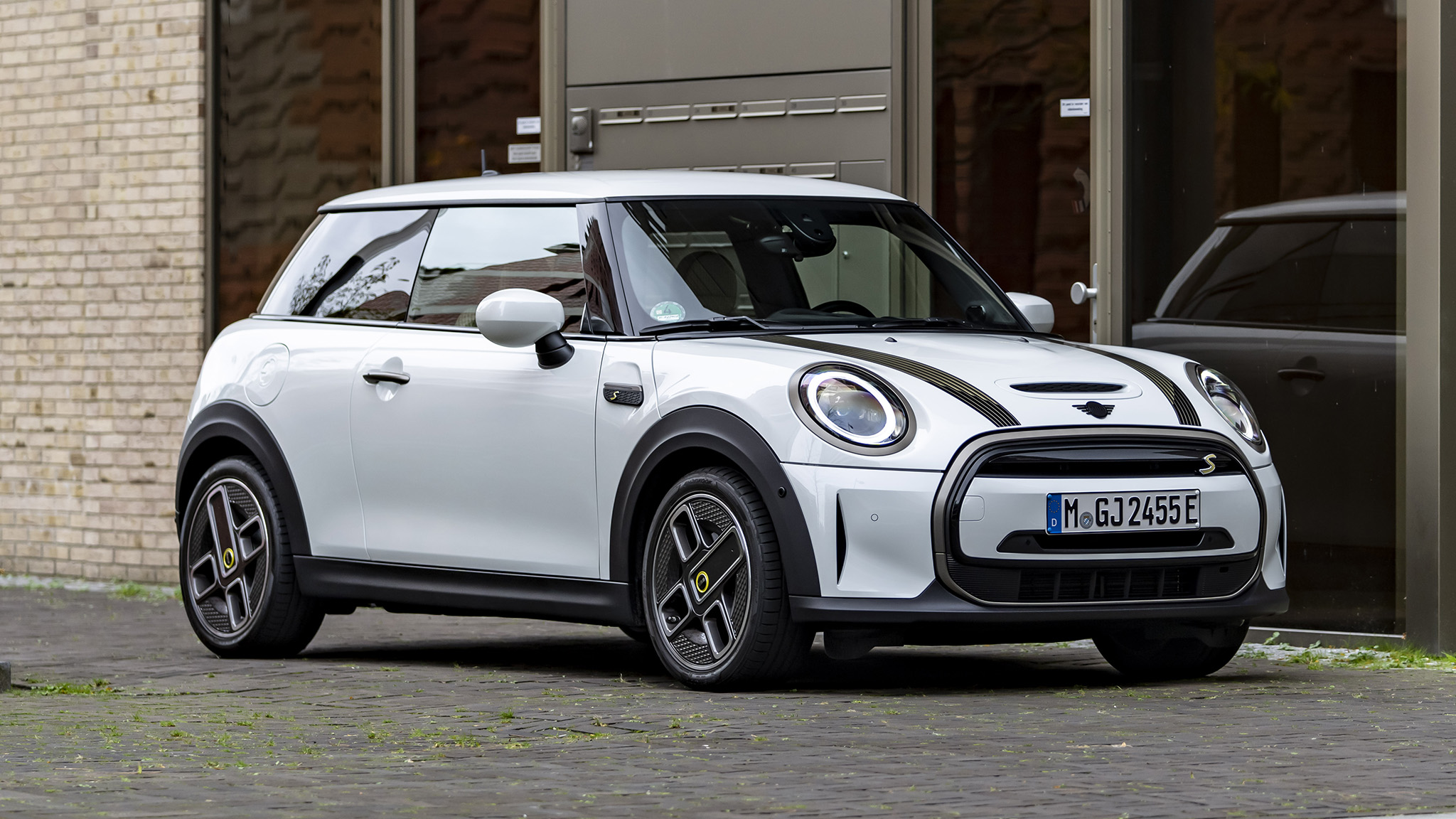
Mini rounds out this list with a personality that differs from that of larger mainstream and luxury brands. Its compact vehicles emphasize distinctive styling, maneuverability, and a playful driving character.
In the U.S. market, the lineup includes the Cooper family and the Countryman crossover, offering options for drivers who want a small urban vehicle or something with additional passenger and cargo room.
Consumer Reports’ December 2025 brand report card gave Mini a predicted reliability rating of three out of five and an owner-satisfaction rating of four out of five. This suggests that owners can appreciate the driving experience even though the brand’s predicted reliability rating falls short of the strongest performers in the report.
The Cooper’s small footprint makes it easy to maneuver through crowded streets and fit into tight parking spaces. Its responsive handling and distinctive cabin design help distinguish it from conventional small cars. The Countryman offers more versatility for buyers who need extra room without moving to a large SUV.
Mini ownership requires realistic expectations about costs and practicality. Some models have limited rear-seat and cargo space, while premium components and specialized repairs may cost more than those of a basic economy car.
Engine and transmission combinations also vary across generations, so a single brand-level rating cannot describe every used Mini equally well.
Buyers should check the service history, confirm that maintenance has been completed on schedule, and arrange an inspection before purchasing a used example. It is especially important to investigate the specific generation and powertrain rather than assuming newer and older models have identical reliability records.
Mini earns a place in this selection because satisfaction includes more than simply avoiding repairs. Its distinctive design and driving character appeal to a dedicated audience, but careful model selection remains essential for buyers who place reliability and long-term running costs first.
