
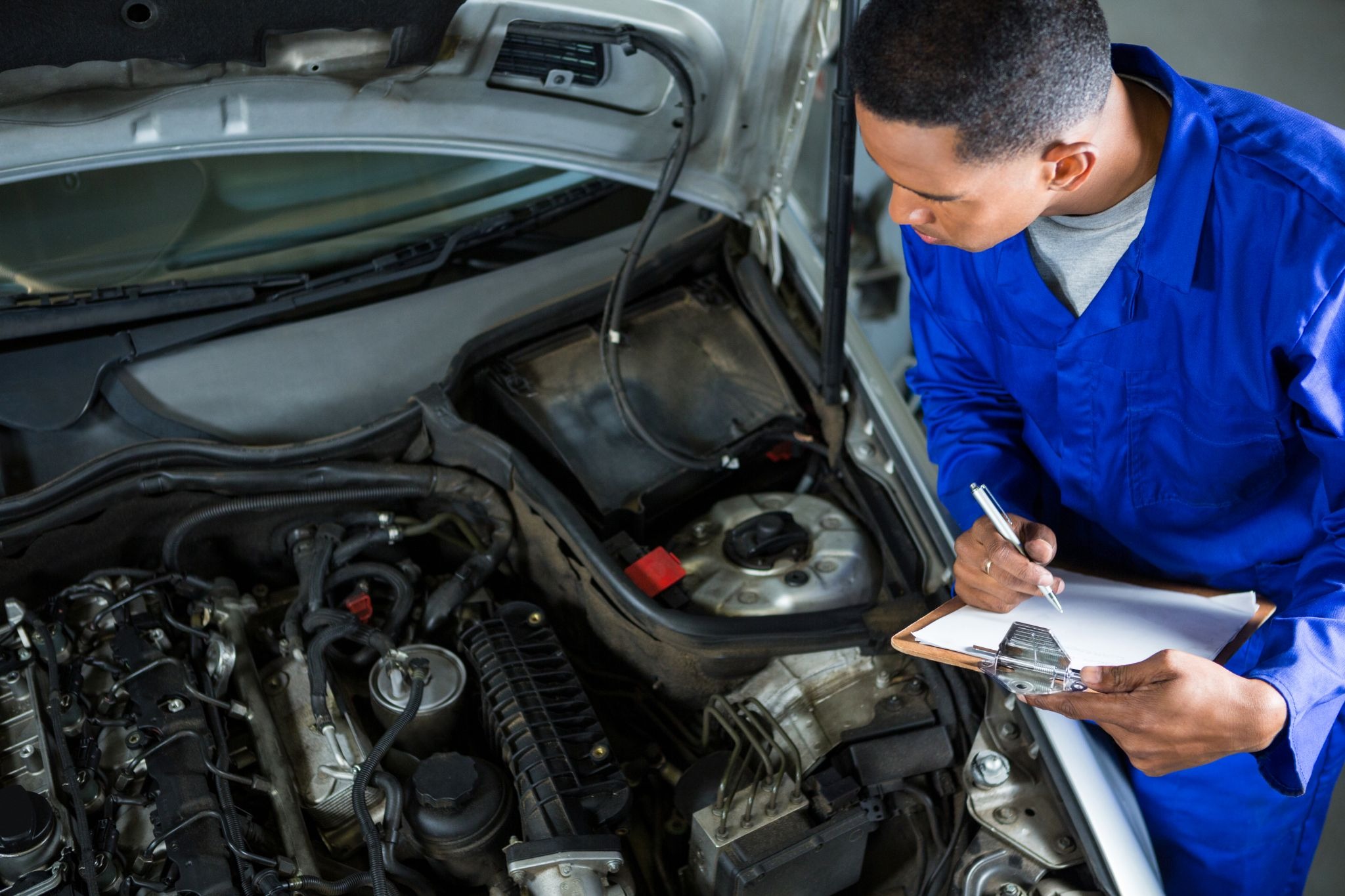
Lending your car to a friend, relative, or colleague might seem like a simple favor, but handing over the keys also means sharing responsibility for a valuable asset.
An unexpected accident, an insurance dispute, an unpaid parking ticket, or damage caused by careless driving can quickly turn a generous gesture into an expensive headache.
In the United States, insurance coverage, state driving laws, and the driver’s record can all influence what happens if something goes wrong.
Before letting anyone take your vehicle, a few practical checks can help protect your finances, reduce misunderstandings, and make sure the person borrowing your car is prepared to drive it responsibly.
1. Check the Borrower’s Driving License and Experience
Before handing over your keys, confirm that the person borrowing your car is legally permitted to drive it. In the United States, licensing requirements vary by state, and a valid license should authorize the type of vehicle being borrowed.
If the person has an expired, suspended, or otherwise invalid license, letting them drive can create legal and insurance complications.
Do not rely entirely on familiarity. A close friend may have driven for years, while a relative may have recently obtained a license and have little experience on highways, in heavy traffic, or with a larger vehicle. Someone accustomed to a compact sedan might struggle with the dimensions, blind spots, and braking characteristics of a full-size pickup or SUV.
Ask about the intended journey, too. Driving a few miles to a nearby store is different from taking an unfamiliar vehicle on a long interstate trip. If the borrower is inexperienced, consider whether the route, weather, traffic, and vehicle size are appropriate.
You should also be alert to signs that the person is not fit to drive at that moment. Alcohol, recreational drugs, certain medications, and severe fatigue can impair driving ability. A valid license does not make impaired driving safe or lawful.
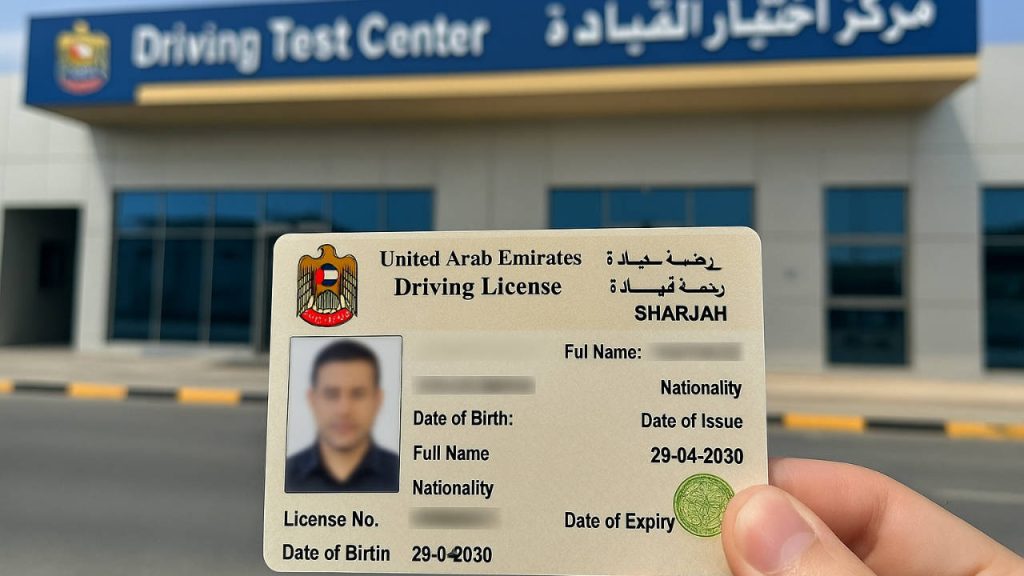
Lending your car to someone who lacks a valid license or cannot drive safely puts other road users at risk and may complicate insurance claims. Depending on your policy, coverage may be limited or denied if the driver is unlicensed or the vehicle is used in a way that violates the policy terms.
Make sure the driver has a valid license and feels comfortable operating the vehicle. Before handing over the keys, explain any unfamiliar features or controls they may need to use.
If the person appears impaired, is dangerously tired, or lacks the necessary legal authorization, do not hand over the keys. A favor is never worth risking someone’s safety or your own financial security.
2. Review Your Auto Insurance Before Handing Over the Keys
One of the biggest mistakes car owners make is assuming that their insurance automatically covers anyone who borrows the vehicle. In the United States, many personal auto policies include what’s commonly called permissive-use coverage.
This can extend certain protections to someone driving with the owner’s permission, but the exact terms depend on the policy and applicable state law.
In many situations, the vehicle owner’s insurance is the primary coverage when an authorized borrower causes a crash. However, that does not mean every expense will necessarily be paid. Coverage limits, deductibles, exclusions, and the circumstances of the accident all matter.
A borrower’s own insurance may provide additional protection in some situations, but you should not assume that it will cover every shortfall.
Pay particular attention to restrictions involving household members, excluded drivers, frequent borrowers, and business use. Someone who regularly drives your vehicle may need to be listed on the policy rather than treated as an occasional borrower.
Using a personal vehicle for rideshare driving or deliveries may also fall outside standard coverage unless the appropriate protection applies.
Consider what happens if the damage exceeds your liability limits. Even when insurance responds, a serious collision can create financial and legal complications that are difficult to resolve quickly.
Understanding your insurance coverage helps you avoid unexpected deductibles, out-of-pocket repair costs, and disputes over who is responsible for vehicle damage or other losses.

Review your policy to understand the rules for permissive use, liability, collision, comprehensive coverage, and excluded drivers. If anything is unclear, speak with your insurer before lending your car and confirm that the intended driver and trip are covered.
Insurance guidance from organizations such as the North Dakota Insurance Department and established insurance providers emphasizes that policy terms determine how coverage applies when another person drives your vehicle. Never rely on a friend’s assumption that their own insurance will automatically protect you.
3. Agree on Who Pays for Damage, Tickets, and Other Expenses
Money can make an otherwise good friendship uncomfortable, particularly when a borrowed car comes back with a dent, a parking ticket, or an empty fuel tank. Before lending your vehicle, discuss financial responsibility so neither person has to guess what happens if something goes wrong.
Start with accidental damage. Explain that the borrower must contact you promptly if the vehicle is scratched, struck, or involved in a collision. Insurance may cover certain losses, depending on the policy, but a deductible or uncovered expense could remain.
Decide in advance how you will handle those costs, without assuming that an informal agreement overrides insurance terms or applicable law.
Parking citations, toll charges, and traffic violations deserve equal attention. Depending on the state and circumstances, a citation may be associated with the driver, the registered owner, or the vehicle.
Toll agencies also use different procedures for identifying responsible parties and collecting unpaid charges. Do not assume that every ticket automatically becomes the driver’s responsibility simply because someone else was behind the wheel.
Fuel is another easy source of disagreement. If you lend a car with a nearly full tank, establish whether you expect it to be returned at a similar level. For an electric vehicle, agree on the expected battery charge and whether the borrower will use public charging stations.
You should also discuss towing, roadside assistance, and cleaning expenses if the borrower causes avoidable problems. The goal is not to turn a friendly favor into a legal contract for every minor detail. It is to remove misunderstandings before they develop.
Setting clear financial expectations helps prevent disagreements, late reimbursements, and disputes over vehicle damage that may be difficult to identify after the car is returned.
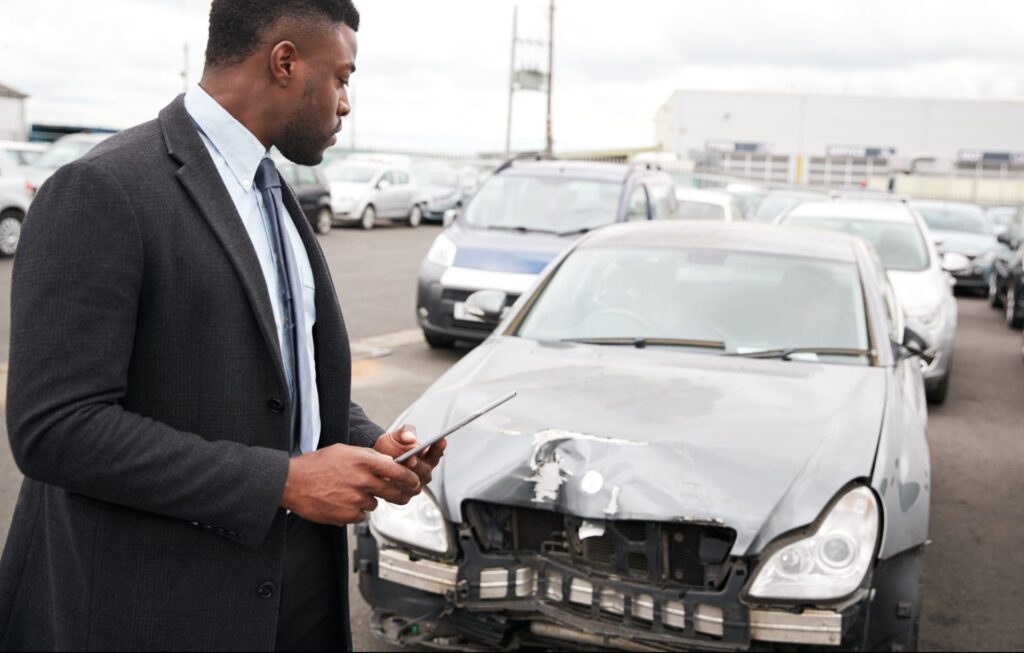
Explain your expectations before lending the car so both parties understand their financial responsibilities. For a valuable vehicle or a long borrowing period, put the agreement in writing. Keep photos, receipts, and relevant messages as records if damage or unexpected expenses arise.
Most importantly, do not promise that your insurer will cover a particular loss until you have confirmed the applicable policy terms. Clear expectations help protect both your finances and the relationship.
4. Inspect the Car and Document Its Existing Condition
A quick inspection before lending your car can prevent an avoidable argument when it comes back. Even when you trust the borrower, documenting the vehicle’s condition establishes what was already present and makes it easier to identify any new damage.
Walk around the vehicle in good lighting. Check the bumpers, doors, mirrors, windshield, headlights, taillights, and wheels for existing scratches, dents, chips, or cracks.
Take photographs of any noticeable damage, including close-ups when necessary. If the car already has a damaged bumper or a scrape along one door, a dated photograph can help prevent confusion later.
Next, check the tires and look for warning lights on the dashboard. Make sure the headlights, brake lights, turn signals, and windshield wipers work properly. If the vehicle has an existing mechanical issue, tell the borrower before they leave. A known defect should never become a surprise halfway through the journey.
The inspection should also include basic safety equipment and essential documents. Check that the vehicle has the required registration and insurance information available according to your state’s rules. If you provide a roadside emergency kit, explain where it is stored.
Do not overlook the interior. Photograph existing upholstery damage, cracked trim, or stains if they are significant. You do not need to record every tiny mark on an older vehicle, but documenting meaningful defects is sensible.
Documenting the car’s condition before lending it helps establish whether scratches, broken lights, or damaged wheels were already present or occurred while the vehicle was being borrowed.
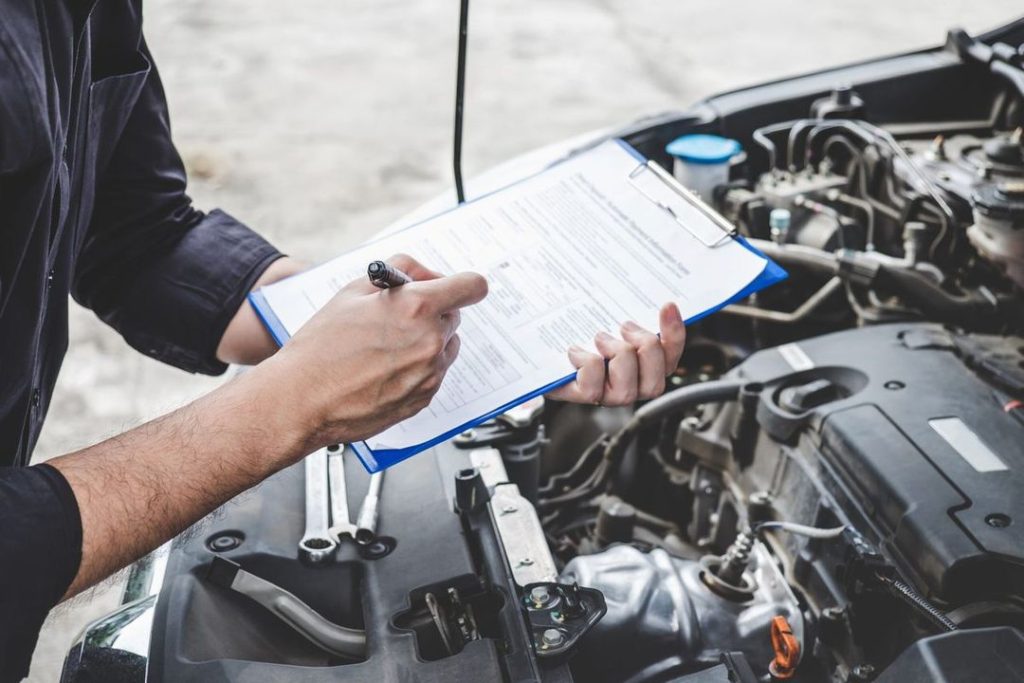
Take clear photos of the vehicle before lending it and keep them until the car has been returned and inspected. For longer trips, photograph the odometer as well to record the starting mileage.
Keep the process friendly and proportionate. Explain that the photographs protect both parties rather than suggesting that you distrust the borrower. A brief inspection now can prevent an uncomfortable disagreement later.
5. Set Clear Limits on Where and How the Car Can Be Used
Giving someone permission to borrow your car does not mean you must agree to every possible use. Before handing over the keys, establish where the vehicle may go, how long it can be kept, and whether anyone else is allowed to drive it.
Start by agreeing on the destination and expected return time. If the borrower needs the vehicle for a short errand, make sure you know when you can expect it back. For a longer trip, discuss the planned route, overnight stops, and whether the vehicle will be driven across state lines.
Interstate travel is not automatically prohibited, but your insurance policy, rental or loan agreements where applicable, and other relevant restrictions should be checked.
Be especially clear about third-party drivers. You may trust your friend, but that does not mean you have agreed to let their roommate, partner, or another acquaintance take the wheel. Insurance treatment can change when a different person drives, particularly if that person is excluded or does not qualify for coverage.
Commercial use also deserves attention. A personal car policy may restrict certain business activities, including some delivery or rideshare work. If the borrower intends to use your car to earn money, verify coverage before agreeing.
Consider the vehicle itself. A car with low ground clearance may not be suitable for rough roads, while a large pickup may be difficult for someone unfamiliar with its size. If your vehicle has special operating instructions, such as a particular fuel requirement or an unusual transmission, communicate them clearly.
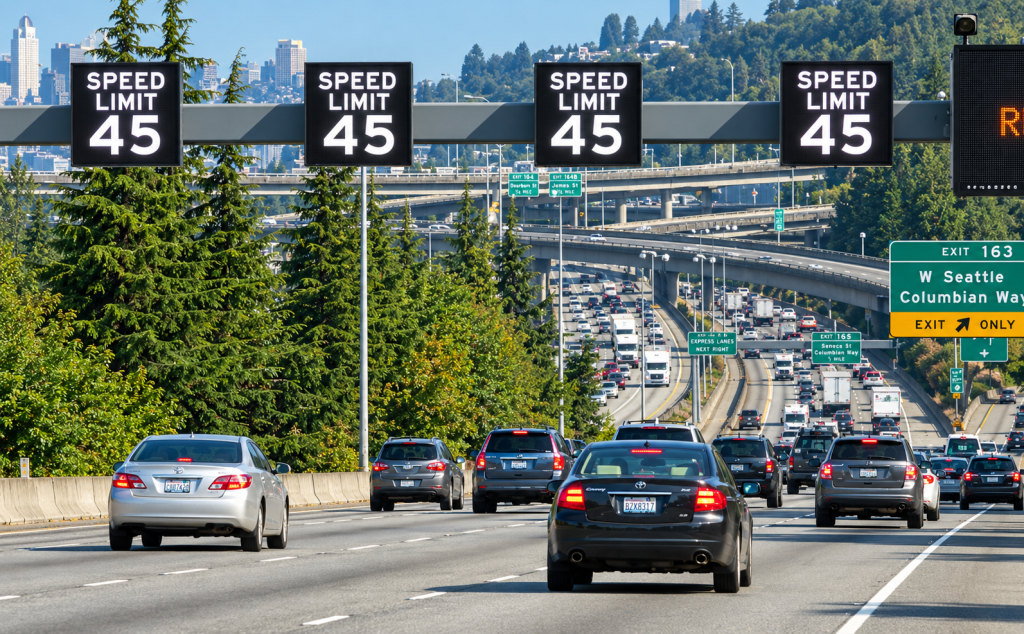
Setting clear rules helps prevent unauthorized use, excessive mileage, unnecessary wear, and insurance issues. Without agreed limits, the borrower might use your car for purposes you did not approve.
Discuss how the car may be used, when it should be returned, any mileage limits, and whether anyone else is allowed to drive it. Explain all restrictions before the trip and ask the borrower to check with you before making changes to the plan.
Clear limits are not about controlling every movement. They ensure that the borrower understands the permission you have actually given and that the intended use fits your expectations and insurance arrangements.
6. Check the Vehicle’s Safety and Mechanical Condition
Even if your car was running perfectly yesterday, it is worth checking its basic condition before somebody else takes it on the road. A borrower may be unfamiliar with its warning lights, maintenance history, or unusual operating characteristics, so a short safety check can reduce unnecessary risks.
Start with the tires. Look for visibly low pressure, cuts, bulges, or objects embedded in the tread. Use the manufacturer’s recommended cold tire pressures, usually shown on the driver’s door-jamb label, rather than relying on the maximum pressure printed on the tire sidewall. If a tire appears damaged or repeatedly loses air, have it assessed before lending the vehicle.
Check the brakes for obvious warning signs, including a soft pedal, grinding noises, or a brake warning light. Test the headlights, turn signals, brake lights, and windshield wipers. Confirm that mirrors are secure and that the windshield provides a clear view.
Pay attention to dashboard warnings. An illuminated oil-pressure or engine-temperature warning can indicate a serious problem, and a vehicle showing such symptoms should not simply be handed to another driver. The owner’s manual can help explain warning indicators and vehicle-specific requirements.
Fluid levels and visible leaks also deserve attention. You do not need to perform a complete mechanical inspection before every short loan, but unexplained leaks, overheating, or unusual noises should be investigated.
Informing the borrower about known mechanical issues helps prevent unexpected breakdowns and potential safety risks. Lending a vehicle that is not safe to drive can also lead to legal and financial problems.
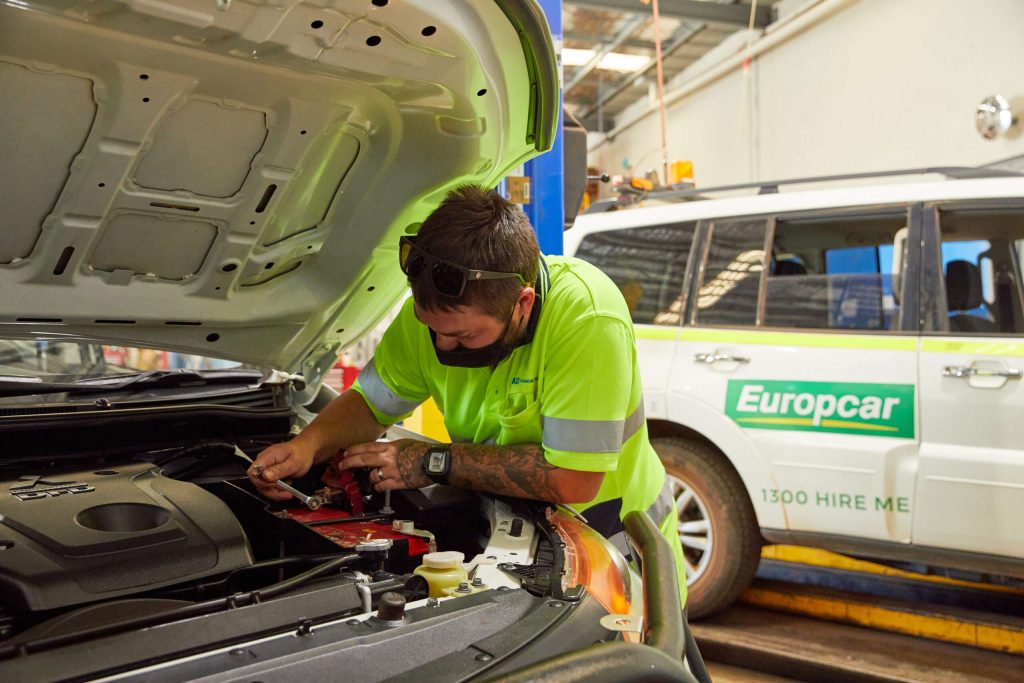
Inform the borrower about any known defects, maintenance issues, or special instructions for operating the vehicle. If the car has a serious safety concern, have it repaired before allowing anyone else to drive it.
For a longer trip, check the spare tire or tire-repair equipment, roadside assistance details, and emergency supplies. The aim is to ensure that the vehicle is ready for its intended journey, not to assume that a recent successful drive guarantees that every component is safe.
7. Remove Valuables and Protect Personal Information
Your car can contain much more personal information than you realize. Before lending it to someone, check the glove compartment, center console, trunk, and other storage areas for documents or belongings you would not want exposed.
Start with valuables. Remove cash, jewelry, laptops, work equipment, spare house keys, and important documents. If you keep a garage remote inside the vehicle, consider whether it could provide access to your home.
A vehicle registration document may contain personal information, so keep required paperwork available while avoiding unnecessary documents that reveal additional details about your household or finances.
Modern vehicles also store digital information. Depending on the model, the infotainment system may contain paired phones, recent calls, contact information, navigation destinations, saved home addresses, and connected-app accounts. A borrower may not intend to access any of this information, but handing over the vehicle can expose it accidentally.
Before lending the car, consider disconnecting your phone from the infotainment system if it is not needed. If you use a digital key, check whether the vehicle allows temporary access or other controls that can limit the borrower’s permissions. Do not share your main account password merely to make the car easier to use.
Some connected-car systems let owners track a vehicle’s location or lock its doors remotely. Learn how these features work before lending your car, as available functions vary by model.
Removing valuables and personal information helps protect your privacy and security. Items left behind, sensitive documents, or data stored in connected devices could be lost, exposed, or accessed by someone else.
Clear out unnecessary personal items, inspect the storage compartments, and check the connected-device settings before lending your car. Keep required vehicle documents and essential equipment inside, and explain any access procedures the borrower needs to know.
When the car is returned, check that your belongings are present and remove any temporary phone connections or digital access that you no longer want to remain active.
8. Explain What to Do If an Accident or Breakdown Occurs
Even a responsible driver can encounter a flat tire, mechanical failure, or unexpected collision. Before lending your car, make sure the borrower knows how to respond without making the situation more dangerous or complicating a potential insurance claim.
Begin with the emergency plan. Provide your contact number and explain how to reach roadside assistance, if your policy or membership includes it.
Show the borrower where the insurance information, registration documents, and emergency equipment are stored. If the vehicle has a spare tire, inflator, or repair kit, explain its location without suggesting that every roadside problem should be handled personally.
For a collision, the driver should prioritize safety, contact emergency services when necessary, and follow applicable state requirements.
They should exchange information with other involved parties, document the scene when safe, and avoid admitting legal fault or making promises about payment before the circumstances are understood. The driver should notify you promptly so you can contact your insurer and follow the policy’s reporting requirements.
A breakdown requires similar caution. The borrower should move out of traffic when it is safe to do so, activate hazard lights, and request assistance rather than attempting a risky repair on a busy roadway. If a warning light indicates low oil pressure or overheating, continuing to drive could cause additional damage.
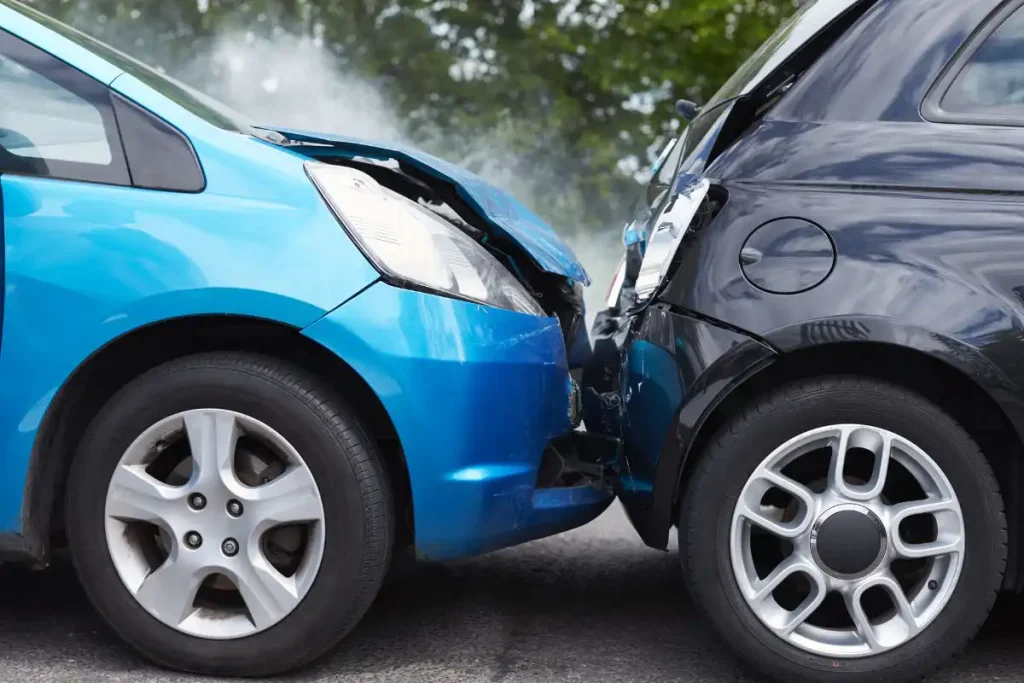
Knowing how to respond to an emergency can help prevent further damage and reduce safety risks. Quick communication also allows the owner to notify the insurer accurately and arrange the right assistance.
Make sure the borrower has your contact details and the roadside assistance number before leaving. Explain important vehicle procedures, including how to turn on the hazard lights and locate the emergency kit.
Finally, agree that the borrower will contact you promptly if the car is damaged, develops a serious warning, or cannot be returned on time. A simple plan established beforehand can make an unexpected situation easier for both of you to manage.
