
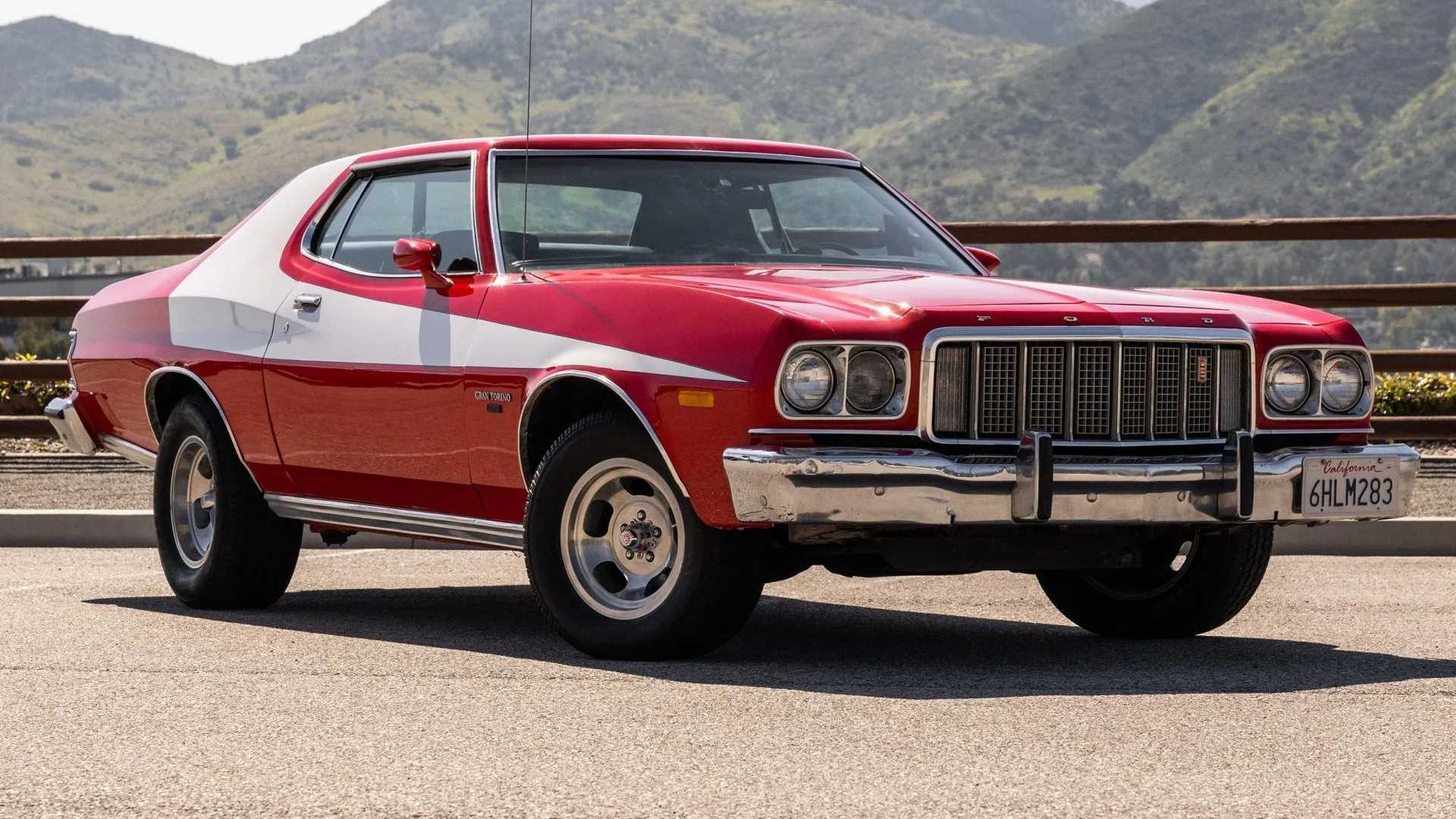
A new car in 1975 belonged to a very different automotive world. Drivers had fewer electronic aids, basic instrument panels, limited emissions controls, and far fewer choices beyond gasoline engines.
Today’s vehicles can combine computer-managed powertrains, extensive crash protection, touchscreen interfaces, connected services, and cameras that help drivers maneuver. The transformation has not been a straight march toward lighter, simpler, or cheaper cars.
Modern vehicles have gained power and technology, while their size and weight have also changed substantially. U.S. Environmental Protection Agency data provide a useful way to measure these changes across five decades of American automotive history.
1. Engine Power Has Increased Dramatically
The average new vehicle sold in the United States in 1975 produced far less horsepower than a modern car. According to the EPA’s automotive trends data, average new-vehicle output was about 137 horsepower in model year 1975.
By model year 2024, that figure had reached 258 horsepower, an increase of approximately 88%. The change reflects decades of engine development, improved fuel delivery, electronic controls, turbocharging, and the growing availability of powerful SUVs and pickups.
The route to modern power was not immediate. During the late 1970s and early 1980s, manufacturers responded to fuel-economy requirements and higher gasoline prices by reducing vehicle weight and engine output.
The EPA reports that average new-vehicle horsepower fell from 137 in 1975 to about 102 in 1981. Output then generally climbed over subsequent decades as manufacturers developed more efficient engines and buyers increasingly selected larger, more powerful vehicles.
Today’s power gains are not limited to bigger engines. Turbochargers can produce more power from relatively small gasoline engines, while hybrid systems combine an engine with electric motors.
Battery-electric vehicles add another dimension because electric motors deliver strong torque without needing to build engine speed in the same way as a traditional combustion engine.
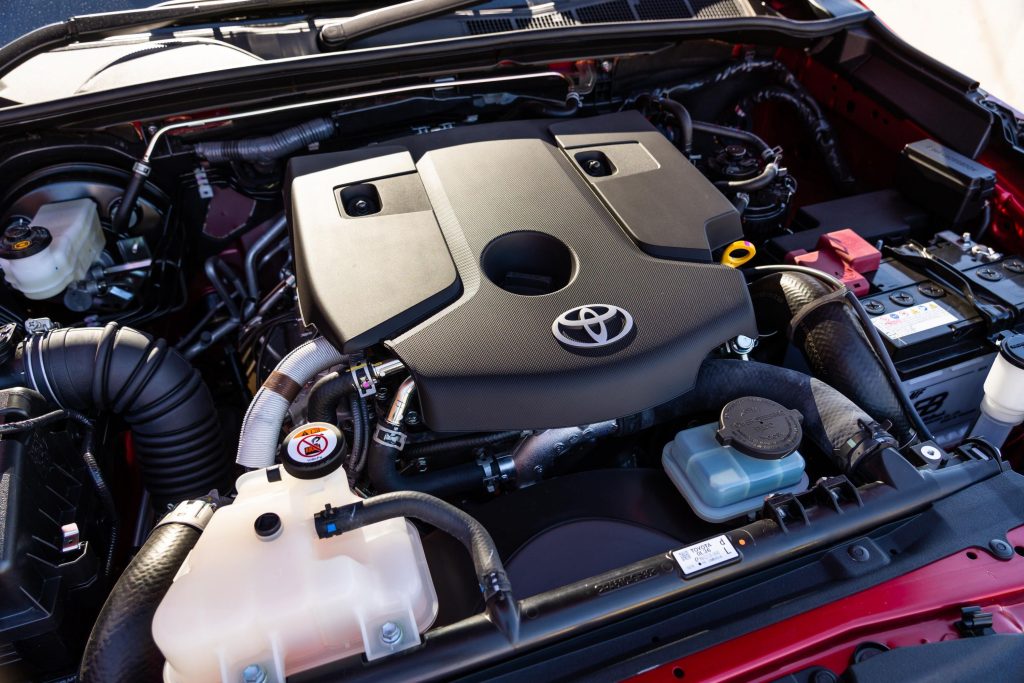
This represents a significant shift in everyday driving performance, as many modern vehicles can now deliver acceleration once associated with performance cars in earlier decades. However, horsepower alone does not determine how quickly a car accelerates or feels on the road. Factors such as gearing, vehicle weight, traction, and power delivery also play important roles.
The EPA’s figures demonstrate the broad change in average output, not the performance of every individual car.
2. Vehicle Weight and Size Have Changed, Not Simply Increased
A modern new car is not automatically heavier than a 1975 model by a fixed amount, but the U.S. fleet has changed substantially.
EPA data shows that average new-vehicle weight fell from approximately 4,060 pounds in 1975 to about 3,200 pounds in 1981, as fuel-economy pressure and higher gasoline prices encouraged smaller, lighter designs.
The trend eventually reversed, with average vehicle weight rising to 4,111 pounds in 2004 and approximately 4,354 pounds for the 2024 model year.
That long-term increase reflects more than heavier materials. Buyers have shifted toward SUVs and pickups, which generally weigh more than traditional small sedans.
Modern vehicles also carry equipment that was uncommon or unavailable in 1975, including multiple airbags, reinforced safety structures, extensive electronics, larger infotainment screens, and additional driver-assistance hardware. Battery-electric vehicles can add considerable mass because of their battery packs.
Size has changed alongside weight. The EPA tracks vehicle footprint, measured by the area enclosed by the tires, from 2008 onward.
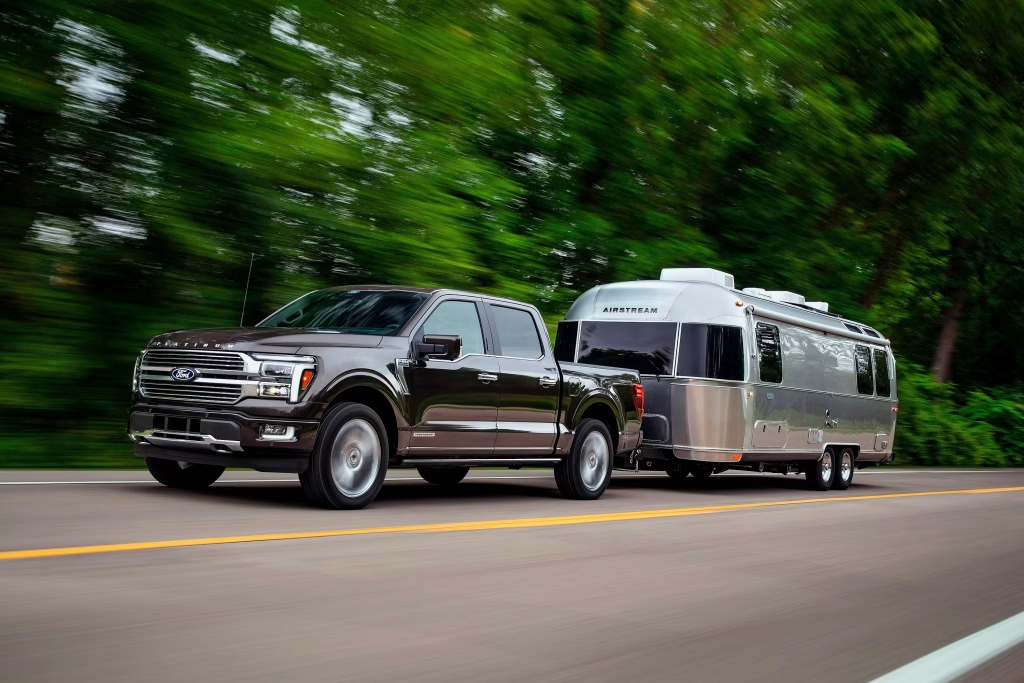
That means it cannot provide a directly comparable fleet-wide footprint figure for 1975, but its data shows that average footprint generally increased in the more recent period as the market moved toward SUVs.
The trade-off is complicated. Greater size can provide more passenger and cargo space, while added structure and safety equipment serve important purposes. Yet additional mass can affect energy use, braking demands, and tire wear.
The modern car is therefore not simply a larger version of its 1975 counterpart. It reflects different consumer preferences, safety expectations, and powertrain technologies, with weight changing in response to all three.
3. Fuel Economy Has Improved, Despite Bigger Vehicles
In 1975, fuel economy was a major concern for American drivers, particularly after the 1973 oil crisis. The average new light-duty vehicle achieved approximately 13 miles per gallon in the EPA’s estimated real-world fuel economy data.
By model year 2024, the average had reached a record 27.2 mpg, more than double the 1975 figure. That change is especially significant because today’s new-vehicle market includes many SUVs and pickups, which generally use more energy than smaller cars.
The improvement did not happen in a straight line. Fuel economy climbed rapidly as automakers responded to early efficiency requirements, while average vehicle weight and horsepower fell into the early 1980s.
In the following decades, vehicles became heavier and more powerful, and average fuel economy declined for a time. Since 2004, however, improvements in powertrain technology have helped fuel economy rise alongside power and weight.
Modern cars benefit from technologies that were not common in 1975, including sophisticated engine computers, more precise fuel injection, improved transmissions, variable valve timing, turbocharging, and hybrid systems.

Battery-electric vehicles and plug-in hybrids have also begun influencing the fleet average. The EPA reports that without battery-electric and plug-in hybrid vehicles, the 2024 new-vehicle average would have been 25.6 mpg rather than 27.2 mpg, using its gasoline-equivalent method for electrified vehicles.
The change is not simply that every modern car uses less fuel than every older one. A large, powerful modern SUV may consume more fuel than a small 1975 car. The meaningful comparison is the fleet average, which shows how far efficiency has advanced despite changing vehicle sizes and buyer preferences.
4. Emissions Equipment Has Become Far More Sophisticated
A 1975 American car was part of a major transition in pollution control. That model year saw the introduction of first-generation catalytic converters on many new vehicles, along with unleaded gasoline because lead could damage the converters.
These systems were introduced to help meet federal limits on exhaust pollutants, particularly hydrocarbons and carbon monoxide.
Today’s vehicles use much more sophisticated emissions-control systems. Catalytic converters remain important, but modern gasoline cars also commonly rely on oxygen sensors, electronic engine management, and precisely controlled fuel delivery to keep emissions within regulatory limits.
Three-way catalytic systems and onboard computers became widespread in the early 1980s, allowing vehicles to control multiple pollutants more effectively than the first-generation systems of the mid-1970s.
The difference is not merely an additional part under the car. Modern engine computers continually adjust operation based on sensor readings, while onboard diagnostic systems can identify certain faults that affect emissions performance.
This helps technicians detect problems that might previously have been harder to identify without specialized testing. Federal emissions standards have also changed over time, pushing manufacturers to improve control of pollutants from new vehicles.

Older cars can present a maintenance trade-off because emissions-control systems may require repairs, and replacing a faulty catalytic converter or sensor can be costly. However, these systems have also contributed significantly to improving public health by reducing harmful vehicle emissions.
The EPA estimates that ambient lead levels fell 64% between 1975 and 1982 as leaded gasoline was phased down. That historical change illustrates how different the environmental impact of an American car can be compared with vehicles built during the mid-1970s.
5. Safety Equipment Has Expanded From Basic Restraints to Multiple Protection Systems
In 1975, American cars did not have the extensive combination of airbags, electronic stability control, and camera-based assistance found in many new vehicles today.
Seat belts existed, but modern three-point restraint systems with pretensioners and more advanced belt management became part of a much broader approach to crash protection. NHTSA says frontal airbags were widely adopted by 1987, and dual airbags became mandatory in passenger cars for the 1999 model year.
Electronic stability control brought another major change. Rather than relying only on the driver’s steering and braking inputs to recover from a skid, the system can apply braking to individual wheels to help the driver maintain control.
Federal rules required this technology in new light vehicles beginning with the 2012 model year. That makes it a standard feature of modern vehicle safety, not something a typical 1975 buyer could expect.
Visibility and crash avoidance have also improved through technology. Rearview cameras became mandatory in new U.S. light vehicles beginning in May 2018, giving drivers a wider view behind the car when reversing.
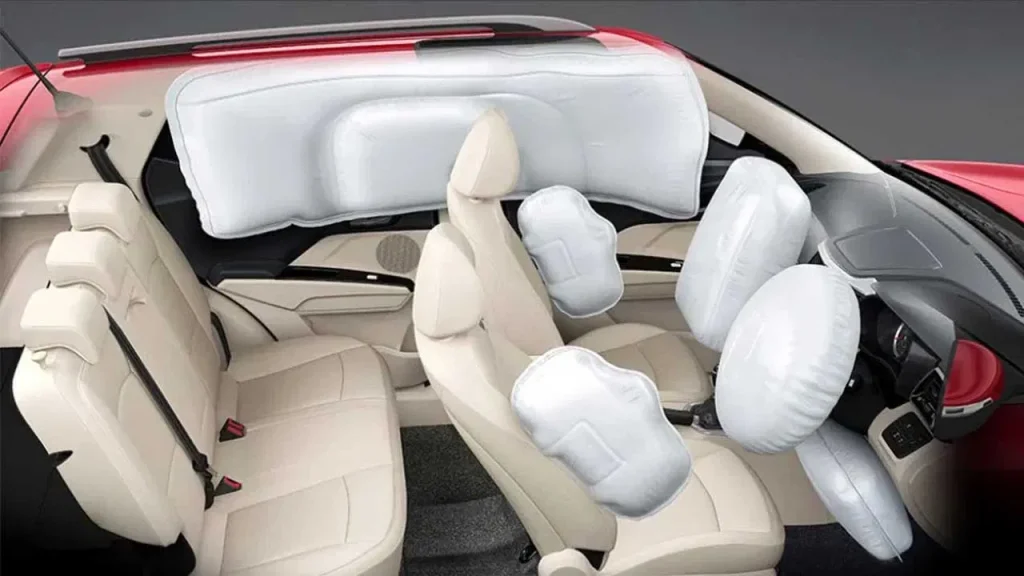
Many current vehicles also offer automatic emergency braking, lane-departure warnings, and blind-spot monitoring, although availability varies by model and trim.
These additions mean today’s new-car buyer expects protection that extends beyond the metal structure and seat belt. They do not make crashes harmless, and not every modern vehicle includes every driver-assistance feature as standard equipment.
But the evolution from basic restraint systems to multiple layers of passive and active safety is one of the clearest differences between a new car in 1975 and one sold today.
6. Dashboards Have Shifted From Analog Gauges to Connected Computers
A 1975 dashboard was primarily a physical control panel. Drivers typically relied on analog gauges, mechanical switches, knobs, and a radio for basic information and entertainment.
Modern cars still retain physical controls for important functions, but many now add digital instrument clusters, large touchscreens, navigation, smartphone integration, voice controls, and software-managed vehicle settings.
The dashboard has evolved from a collection of separate instruments into an interface connecting the driver with multiple electronic systems.
One important step was the spread of electronic engine management. Modern computers process information from sensors to control fuel delivery and other engine functions more precisely than the largely mechanical systems common in the mid-1970s.
Onboard diagnostics also made it easier for technicians to identify certain emissions-related faults. Federal onboard diagnostic requirements expanded during the 1990s, helping establish the electronic diagnostic systems used in today’s vehicles.
Connectivity has transformed what drivers can do inside the car. Depending on the model, a new vehicle may display live navigation, traffic information, hands-free calls, music streaming, and smartphone apps.
Some manufacturers can also deliver software updates or change selected vehicle functions electronically. These features were not part of the normal new-car experience in 1975.
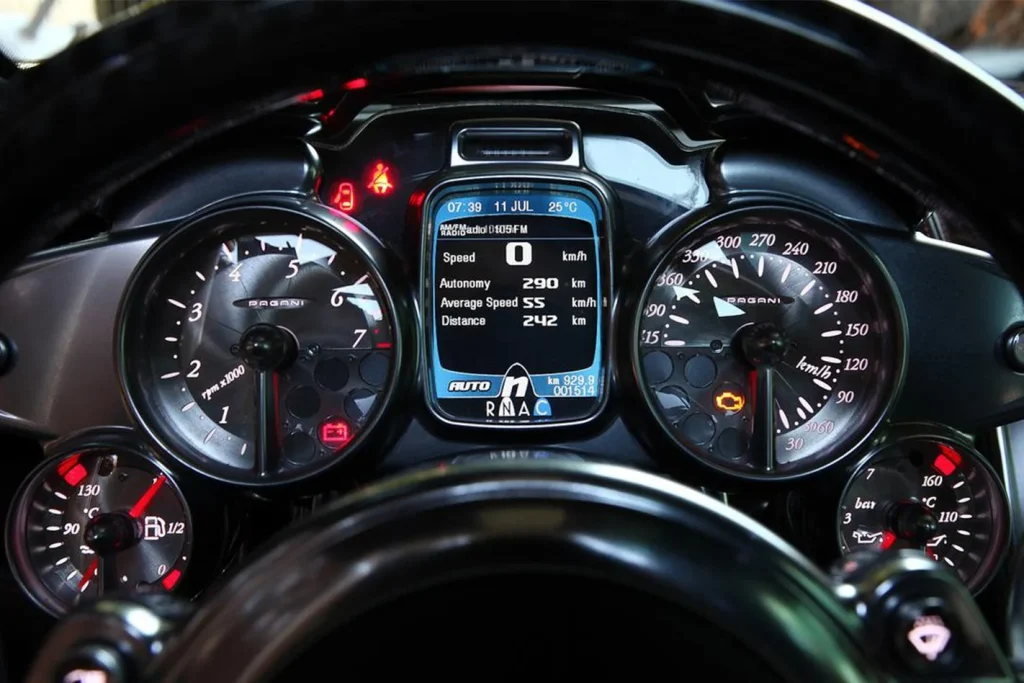
The change comes with a trade-off. Screens and software can make information easier to access, but complex menus may distract drivers if poorly designed or used while moving. Electronics can also add repair costs when a display, control module, or sensor fails.
A modern dashboard is therefore more capable than its 1975 counterpart, but it is also more dependent on software, electrical components, and specialist diagnostics.
7. Gasoline Is No Longer the Only Mainstream Powertrain Choice
In 1975, the typical American new car used a gasoline engine, and buyers had no mainstream choice of modern battery-electric or hybrid passenger vehicles. That changed in stages.
The Honda Insight became the first mass-produced hybrid-electric passenger car sold in the United States when it arrived in December 1999. The Toyota Prius followed in 2000, building on its earlier launch in Japan in 1997 and helping popularize hybrid technology among American buyers.
By the 2010 model year, mass-produced battery-electric and plug-in hybrid vehicles had entered the U.S. market, introducing buyers to cars that could travel using electric power rather than relying exclusively on gasoline.
Today’s choices include conventional gasoline engines, hybrids, plug-in hybrids, and battery-electric vehicles. A conventional hybrid uses an electric motor alongside an engine and does not normally need to be plugged in.
A plug-in hybrid can recharge its battery externally and travel a limited distance using electric power before relying more heavily on its engine. A battery-electric vehicle has no gasoline engine and uses a rechargeable battery to power its electric motors.
The change is visible in the EPA’s recent data. For model year 2024, battery-electric vehicles accounted for 7% of new-vehicle production in the report’s data, down from 10% in 2023, while plug-in hybrids also contributed to fleet fuel-economy improvements.
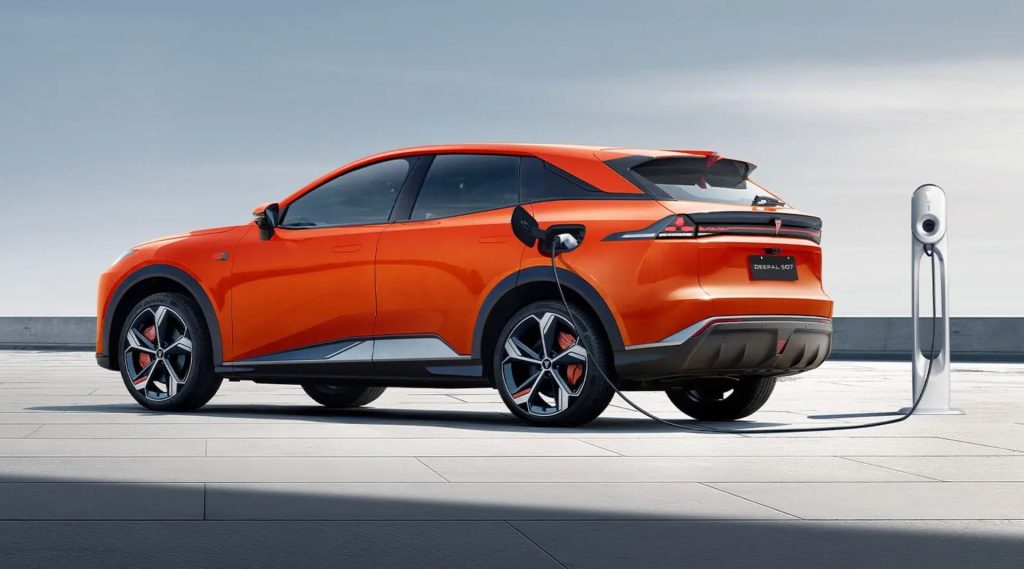
The figures show that electrification has become a meaningful part of the American market, even though gasoline-powered vehicles remain widely available.
This transition changes more than what goes under the hood. Electric vehicles need charging access, battery management, and different maintenance procedures, while hybrids combine electric components with familiar engine systems.
Buyers now have to compare charging needs, driving range, fuel costs, and purchase prices alongside horsepower and passenger space. None of these options suits every driver, but the range of powertrains available today is a fundamental departure from the new-car market of 1975.
