
Former rental cars can offer an attractive route to used-car ownership because rental companies regularly sell vehicles as they refresh their fleets. Many examples are relatively recent models, and some come with documented maintenance histories.
However, rental vehicles may have been driven by numerous people with different driving habits, making a careful inspection especially important. A low asking price does not automatically make a vehicle a bargain, and a clean history report cannot reveal every mechanical problem.
Before buying, examine the car’s rental history, mileage, service records, physical condition, warranty, and market value to judge whether its price reflects its actual condition.
1. Vehicle History Report: Confirm How the Car Was Used
A vehicle history report is the starting point when evaluating a former rental car. It can help establish whether the vehicle was previously used by a rental company, identify recorded ownership changes, and reveal reported accidents, title problems, or other significant events.
However, the amount of information available depends on the reporting service and the records supplied to it.
Start by obtaining the vehicle identification number, or VIN, from the car and matching it against the sales paperwork. Use the VIN to obtain a history report from a reputable provider.
The National Motor Vehicle Title Information System, known as NMVTIS, provides information about title history, certain insurance-related records, and salvage history through approved consumer-report providers.
Other services may supply additional information about reported accidents, service visits, and odometer readings. No single report is guaranteed to contain every event in a vehicle’s past.
Check the ownership timeline carefully. A rental vehicle may have been registered to a rental company, a fleet operator, or a business managing vehicles on its behalf. Several ownership or registration entries are not automatically evidence of a problem, but unexplained gaps deserve clarification.
Look for accident entries, title brands, theft records, flood damage indicators, and inconsistencies between recorded mileages. If a report identifies damage, ask for repair invoices and have the affected areas examined by an independent mechanic.
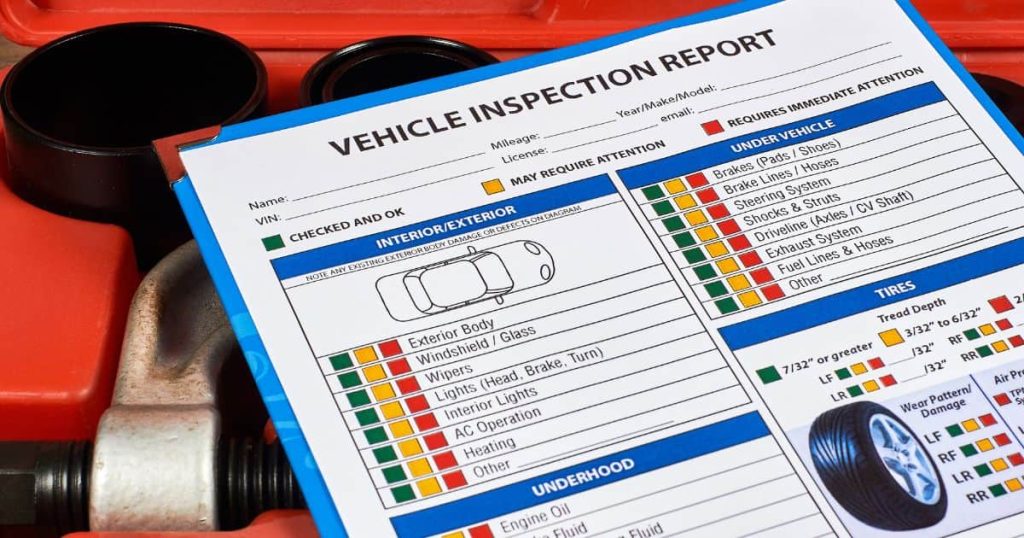
Do not treat a clean report as proof that the car has never been damaged. Minor collisions, unreported repairs, and maintenance performed outside reporting networks may not appear.
Verify that the VIN matches across the vehicle history report, the vehicle itself, and all relevant documents. Look into any unexplained records or discrepancies, and treat the report as a useful starting point rather than a replacement for a thorough physical inspection.
2. Mileage: Judge the Reading Alongside the Vehicle’s Age
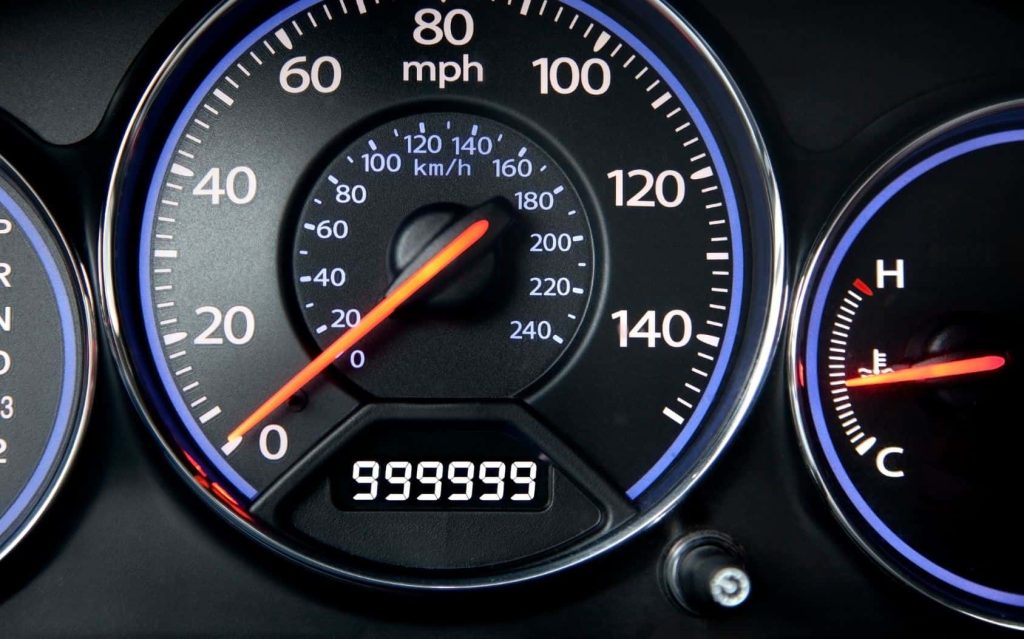
Mileage matters when buying a former rental because it helps indicate how much use the vehicle has accumulated. Rental cars can cover substantial distances in a relatively short period, particularly when used for airport transfers, business travel, or longer journeys.
Yet a high odometer reading does not automatically mean the vehicle is worn out, just as low mileage does not guarantee excellent condition.
Begin by comparing the odometer reading with the vehicle’s age and the mileage entries in its history report. A three-year-old car showing 60,000 miles has averaged about 20,000 miles per year. That calculation provides context, not a verdict on the vehicle’s condition.
Highway miles, frequent short trips, heavy traffic, and prolonged idling can place different demands on a vehicle.
Check whether recorded mileage rises consistently over time. If a service record shows 48,000 miles and a later document lists 43,000 miles, ask the seller to explain the discrepancy before proceeding.
It could reflect a recording mistake, a document mix-up, or a more serious odometer concern. Federal law prohibits odometer tampering, and buyers should take inconsistent mileage records seriously.
Also examine the driver’s seat, steering wheel, pedals, door handles, and cargo area. These parts can show signs of use, although cleaning or replacement may conceal wear. Their condition should be considered alongside documented mileage rather than used to estimate it in isolation.
Ask whether the rental company has records of routine maintenance at the mileage intervals specified by the manufacturer. Oil changes, tire rotations, brake inspections, and other scheduled services can provide a clearer picture of how the vehicle was maintained.
Compare the current odometer reading with past mileage records, the vehicle’s age, and its service history to check for inconsistencies. Consider mileage alongside maintenance records, mechanical condition, and asking price rather than ruling out a car based on its mileage alone.
3. Maintenance Records: Verify That Routine Services Were Completed
A rental vehicle’s service history can tell you more about its likely condition than the odometer alone. Cars used by rental fleets may follow scheduled maintenance programs, but you should verify the records for the particular vehicle rather than assuming that every rental company maintains every car identically.
Request available maintenance invoices, digital service records, and inspection reports. Compare the documented work with the maintenance schedule in the owner’s manual for that specific model and engine.
Depending on the vehicle, the schedule may include engine oil and filter changes, tire rotations, brake inspections, fluid checks, air-filter replacements, and other time- or mileage-based services.
Look for gaps that need explanation. For instance, if the odometer shows 45,000 miles but the available records stop at 20,000 miles, ask whether the remaining services were performed elsewhere. A missing invoice does not prove maintenance was skipped, but the seller should be able to explain what documentation is available.
Pay attention to work involving the transmission, cooling system, brakes, tires, and other costly components where applicable. Do not automatically demand a transmission-fluid change simply because the vehicle is used.
The correct service interval and procedure depend on the manufacturer’s specifications and the vehicle’s operating conditions.
Check whether the seller offers records from the rental company’s own maintenance system. Some fleet operators maintain detailed digital histories, while the records available to a retail buyer may be less complete. Confirm dates, mileage, and the vehicle identification number whenever possible.
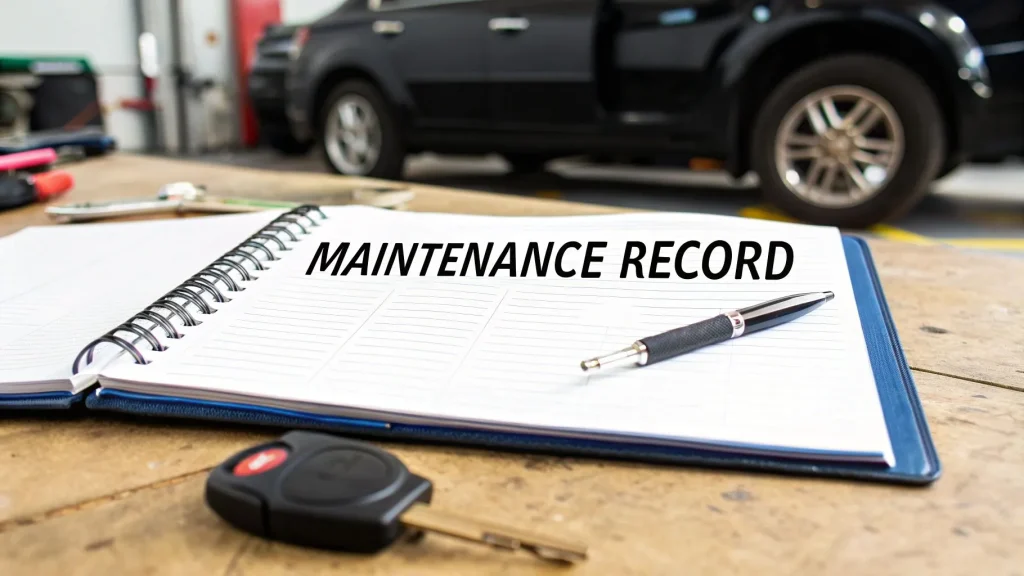
The Federal Trade Commission recommends checking a used vehicle’s service records and arranging an independent inspection before purchase. A history report alone does not establish that the car has received proper maintenance.
Review the service records to confirm that the vehicle has received regular maintenance according to the manufacturer’s recommended schedule. If any major services are undocumented, ask the seller for an explanation and have a qualified mechanic assess whether overdue maintenance or potential mechanical issues should influence the price you are willing to pay.
4. Independent Mechanical Inspection: Find Problems a Test Drive Cannot Reveal
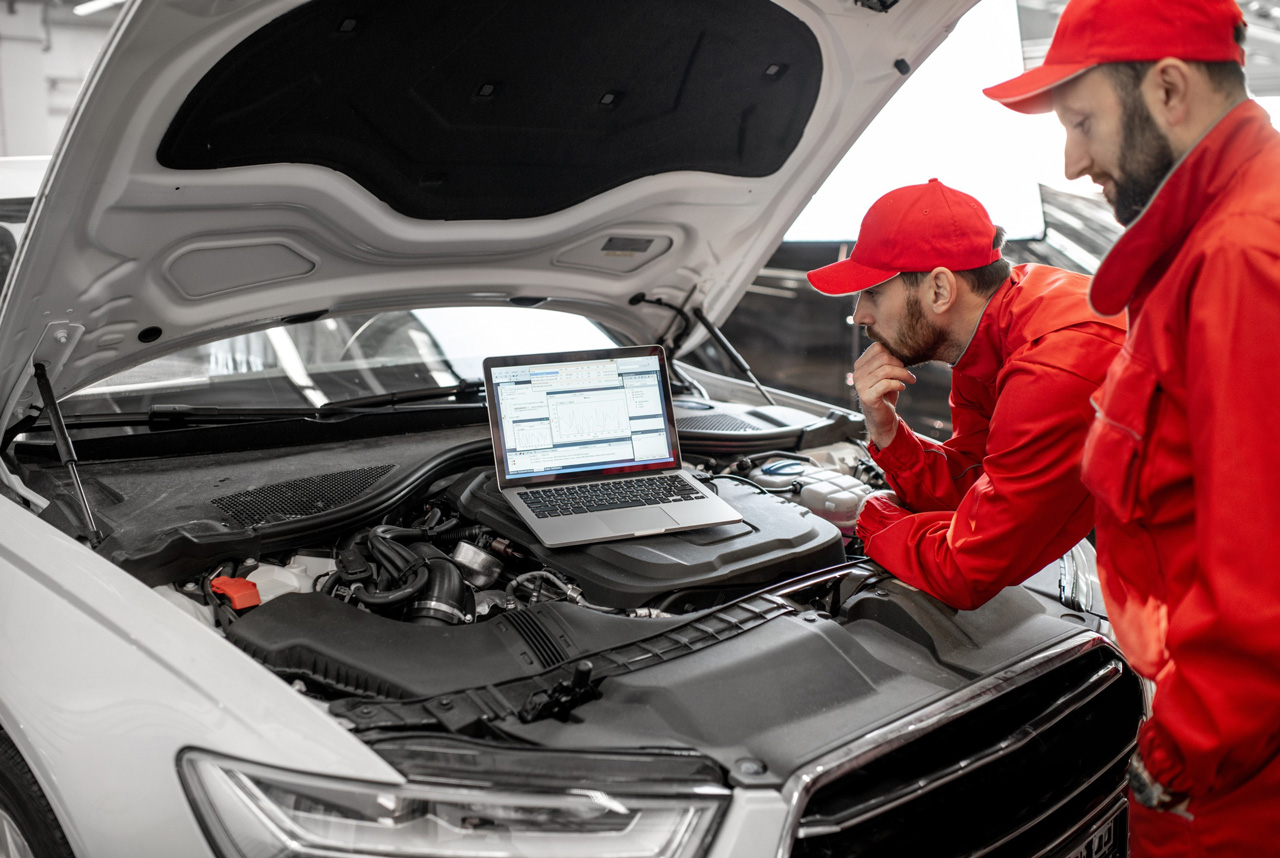
Even when a former rental looks clean and drives normally, an independent mechanical inspection can reveal problems that are difficult to identify during a short test drive. The inspection should be performed by a qualified mechanic you choose, rather than relying exclusively on a rental company’s own reconditioning checklist.
Arrange the inspection before paying a nonrefundable deposit or committing to the purchase. Ask the mechanic to examine the engine, transmission, brakes, steering, suspension, tires, battery, cooling system, and visible underbody components. The appropriate checks will depend on the car’s design, age, mileage, and powertrain.
A professional can also look for fluid leaks, damaged hoses, uneven tire wear, corrosion, previous collision repairs, and signs of poor-quality bodywork.
On vehicles equipped with electronic diagnostic systems, a scan may identify stored fault codes or other issues requiring further investigation. A scan is not a guarantee that every defect will be found, so it should form part of a broader inspection.
Ask for a written report that identifies problems, separates urgent safety concerns from routine maintenance, and estimates likely repair costs. If the mechanic discovers worn tires or brakes, for example, you can use the estimated expense when assessing the purchase price. More serious findings may justify walking away.
The FTC specifically recommends an independent inspection, even when a dealer claims the car has been inspected or offers a warranty. It also notes that a vehicle history report typically will not reveal every mechanical problem.
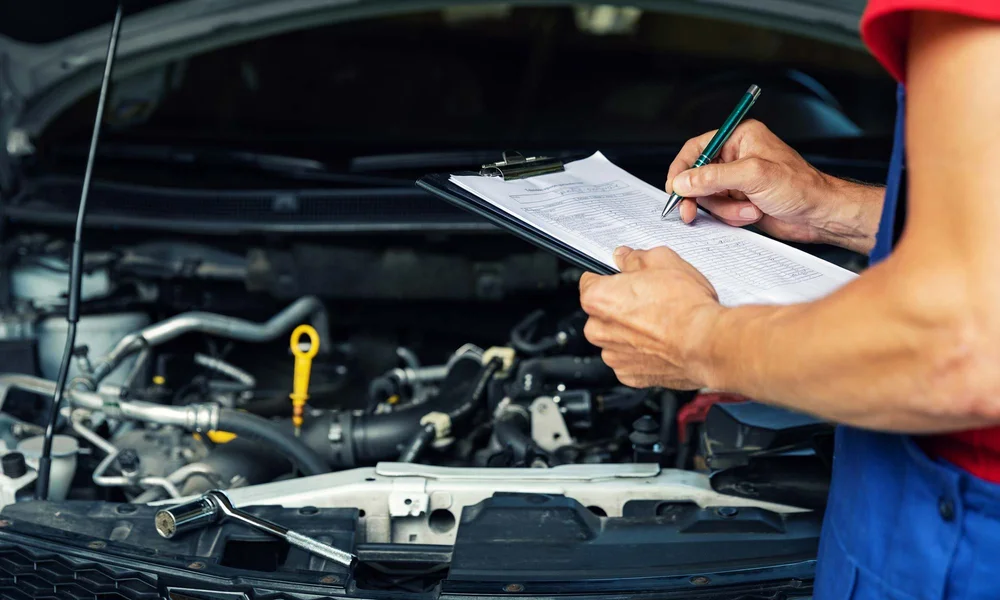
If the seller refuses to allow an independent inspection, treat that refusal as a significant warning sign. A mobile mechanic may be an alternative if the vehicle cannot leave the premises.
Request a written inspection report from a qualified mechanic before completing the purchase. Base your decision on the vehicle’s actual mechanical condition and any expected repair expenses rather than relying solely on the seller’s claim that it is in good working order.
5. Exterior and Interior Wear: Look Beyond Fresh Cleaning
Rental companies often clean vehicles before offering them for sale, so a shiny exterior and freshly vacuumed cabin should not be mistaken for evidence of light use. Examine the car in daylight and take enough time to look at details that a quick walk-around might miss.
Begin by inspecting the body panels for signs of previous repairs. Check for uneven gaps around the doors, hood, and trunk, differences in paint color between neighboring panels, overspray on the trim, and finishes that do not match the rest of the vehicle. These details may indicate past damage or repainting.
These clues may indicate previous body repairs, although they do not independently prove that a vehicle suffered a serious collision. Ask the seller about any identified repairs and request documentation where available.
Inspect the windshield and other glass for chips or cracks. Check the headlights, taillights, mirrors, and exterior trim for damage. Open and close every door, window, and storage compartment. Test the locks, seat adjustments, climate controls, infotainment system, backup camera, and other equipment fitted to the vehicle.
Inside, look for damaged upholstery, worn steering-wheel surfaces, loose trim, broken seat mechanisms, and missing accessories. Examine the carpet beneath floor mats and in the trunk or cargo area. Damp carpeting, water staining, a musty smell, or unusual corrosion can warrant further investigation for water intrusion.
Do not interpret every scuff or scratch as evidence of abuse. Rental vehicles can acquire minor cosmetic damage through ordinary use, and such marks may be acceptable if the price reflects their condition. The more important question is whether the car has damage that affects safety, function, durability, or resale value.

Take photos of any notable defects and ask the seller which repairs will be completed before handing over the vehicle. Make sure all agreed repairs are documented in the purchase contract. Minor cosmetic flaws may give you room to negotiate the price, while structural damage or signs of water intrusion should be assessed by a qualified professional before you proceed.
6. Tires, Brakes, and Suspension: Assess the Parts That Wear With Use
A former rental car may have accumulated miles quickly, so the condition of its tires, brakes, and suspension deserves close attention. These components affect safety, handling, comfort, and the amount you may need to spend shortly after buying the vehicle.
Start with the tires. Check tread depth across the width of each tire, not just the outer edges. Uneven wear can indicate incorrect inflation, poor alignment, worn suspension parts, or other issues.
Compare the tires’ sizes and specifications with the vehicle manufacturer’s recommendations. Look for sidewall cuts, bulges, cracking, and damage that could make a tire unsafe.
In the United States, federal standards establish a minimum tread depth of 2/32 inch for tires on passenger vehicles covered by the relevant requirements. That legal threshold is not a guarantee of good performance in wet conditions.
A tire approaching the minimum may need replacement soon, and the cost of four tires can materially change the value of a used-car deal.
During the test drive, listen for grinding or squealing from the brakes and notice any steering-wheel vibration, pulling, or unusual suspension noises. These symptoms can have several causes, so do not diagnose the problem solely by listening. Have a mechanic measure brake-pad and rotor condition and inspect suspension components for wear or damage.
Ask whether the tires or brakes were recently replaced and request receipts if the seller makes that claim. A replacement part is useful only if it is appropriate for the vehicle and properly installed.
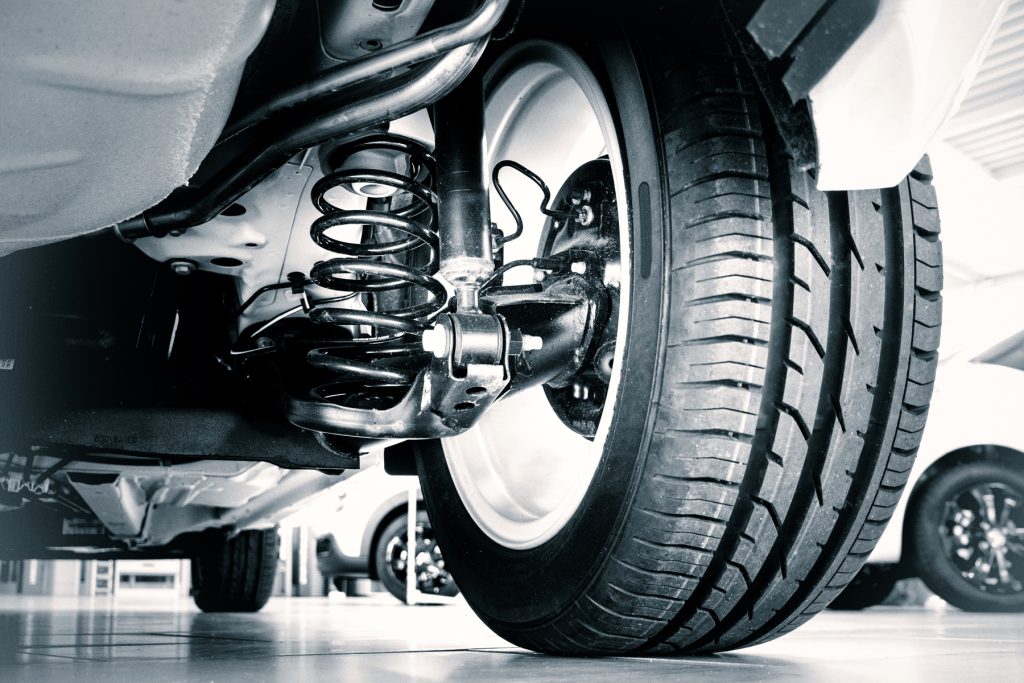
The inspection should also consider whether the car tracks straight and whether the steering feels consistent. These observations can help identify issues that deserve professional assessment, but they cannot replace a workshop inspection.
Obtain cost estimates for any required tire replacements, brake repairs, wheel alignment, or suspension work. Factor these expenses into your comparison of the vehicle’s total cost. If you suspect a safety-critical problem, have the vehicle inspected and repaired before driving it.
7. Warranty and Recall Status: Establish What Protection Remains
A former rental car may still have some original manufacturer warranty coverage, depending on its age, mileage, model, and the terms of the warranty. However, do not assume that every rental vehicle qualifies for the same coverage or that a rental company’s inspection guarantees protection against future repair bills.
Ask the seller for the original in-service date, available warranty documentation, and the current mileage. The in-service date can matter because some factory warranties begin when a vehicle is first placed into service, rather than when it is later sold to a private buyer.
Rental use may therefore mean that the warranty clock started before the first retail owner purchased the vehicle. The exact coverage and exclusions depend on the manufacturer’s written terms.
Contact an authorized dealership or manufacturer representative with the VIN to confirm the remaining coverage. Ask separately about the powertrain warranty, basic limited warranty, corrosion coverage, roadside assistance, and any special warranty extensions that may apply. Do not rely solely on a salesperson’s verbal statement.
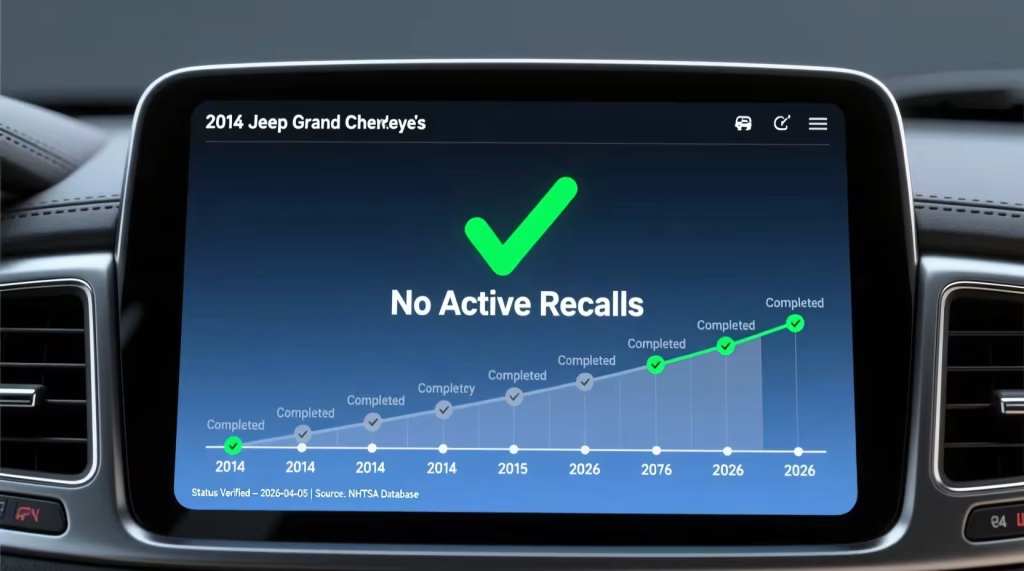
Next, check for outstanding safety recalls using the National Highway Traffic Safety Administration’s VIN lookup. The system identifies unrepaired recalls reported for a particular vehicle, where information is available.
If an open recall appears, ask the manufacturer or authorized dealership about the remedy and whether the repair has been completed. Safety recall repairs are generally provided by the manufacturer without charge to the vehicle owner, subject to applicable recall terms and procedures.
If the seller offers an extended service contract, examine its exclusions, deductible, duration, mileage limits, and repair authorization rules. A service contract is not the same as a manufacturer’s warranty, and some products overlap with existing coverage.
Confirm the vehicle’s warranty coverage directly with the manufacturer and check for outstanding recalls using the VIN. Request written documentation of all applicable coverage, including its terms and limitations. Evaluate the vehicle based on verified warranty protection rather than relying on verbal assurances or promises that have not been documented.
8. Asking Price and Resale Value: Decide Whether the Discount Is Real
A former rental car should be evaluated against comparable vehicles, not against an arbitrary percentage discount. Rental history can influence some buyers’ preferences, but it does not establish a universal amount by which a car should be cheaper.
Actual value depends on the model, model year, trim, mileage, condition, accident history, location, equipment, and local supply.
Begin by finding several comparable listings in your area. Match the model year, trim level, engine, drivetrain, mileage range, and major options as closely as possible. Compare dealer listings with vehicles of similar condition, and remember that an advertised price is not necessarily the final transaction price.
Pricing guides from established automotive valuation services can provide another reference point. The Federal Trade Commission identifies services such as Kelley Blue Book, Edmunds, and National Automobile Dealers Association guides as resources buyers can use when researching vehicle values.
These sources may use different methods and assumptions, so treat them as estimates rather than guaranteed sale prices.
Then account for the results of your inspection. If the car needs four tires, brake work, overdue maintenance, or cosmetic repairs, subtract the estimated cost from the amount you would otherwise consider reasonable. A lower asking price may not be a bargain if immediate repairs erase the savings.
Also think about your eventual resale. Some prospective buyers may be reluctant to purchase a former rental vehicle, while others may focus primarily on its condition, maintenance, and price. The effect on resale value varies by model and market, so avoid assuming a fixed penalty.
Compare the rental car with a privately owned example that has similar mileage and equipment. If the rental is only slightly cheaper but has less complete service documentation or more wear, the price difference may not justify the added uncertainty.
Compare several local listings and obtain a reliable valuation estimate. Factor documented repair costs into your calculations, and base your negotiations on specific evidence rather than applying the same discount to every former rental vehicle.
