
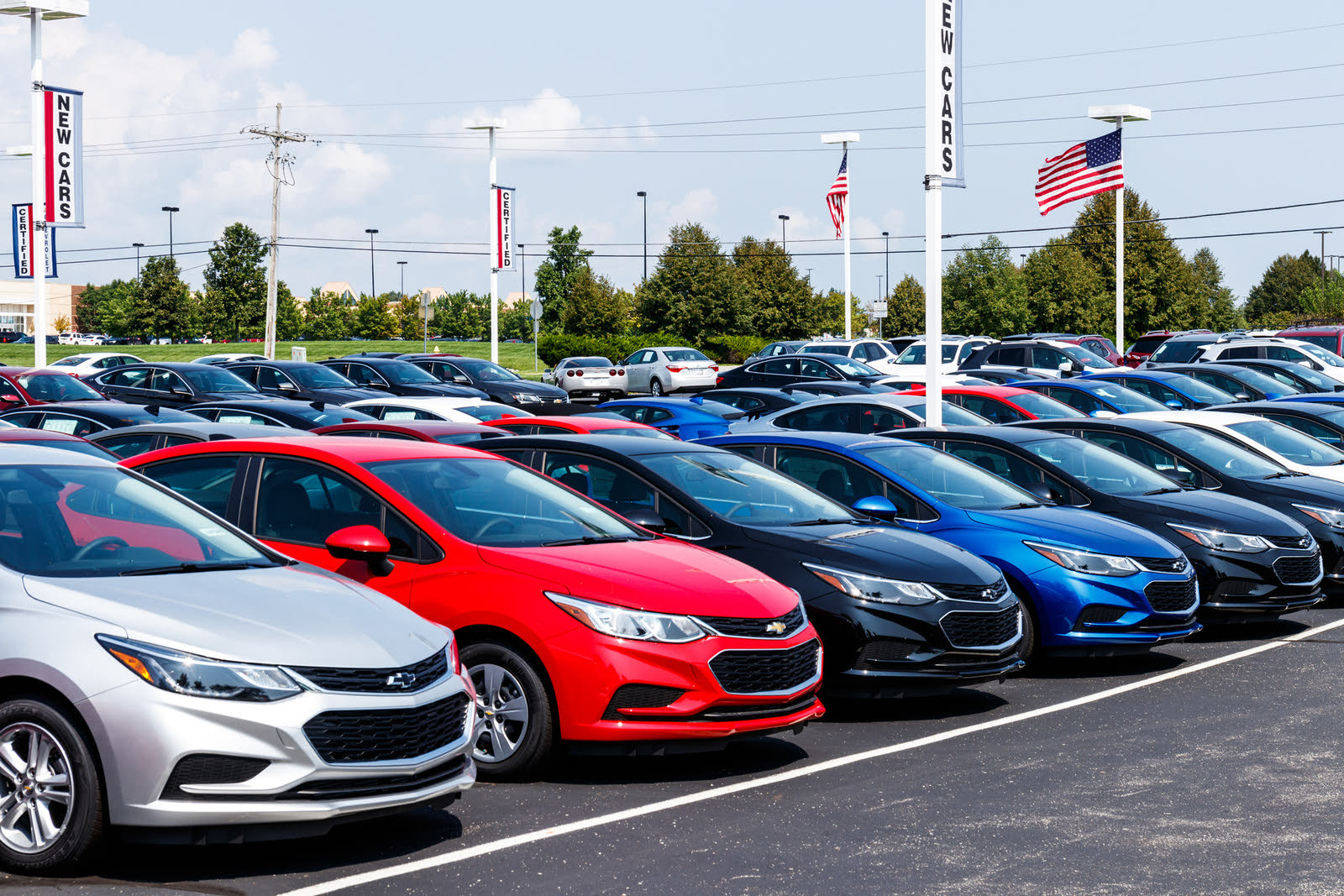
A car advertised for $29,995 may look like a bargain until the dealership presents a purchase agreement with extra fees, mandatory accessories, or discounts that you do not qualify for. For American car buyers, the difference between an advertised price and the amount needed to drive away can turn an attractive deal into an expensive surprise.
The Federal Trade Commission (FTC) has made clear that a vehicle’s advertised price must include dealer-required charges, with limited exceptions for government-required charges paid directly by the consumer.
Its September 2026 guidance gives shoppers a useful standard for checking dealership advertisements. The key is to verify the vehicle, qualify any discounts, and obtain a written out-the-door quote before visiting the lot.
Check What the Advertised Price Actually Includes
Start by reading the listing carefully, including its footnotes, disclaimers, and any conditions attached to the price. A dealer might advertise a vehicle at a low figure that depends on a manufacturer rebate, a trade-in, a specific financing arrangement, or eligibility for a special incentive. If you cannot qualify for the discount, the price you can actually pay may be higher.
The FTC’s September 2026 pricing guidance says the advertised price must be the actual price any consumer can pay to purchase the vehicle, with government-required charges that the consumer pays directly allowed to be excluded.
Dealer-required charges must be included, even when the dealer describes them as documentation, preparation, processing, or other fees. The FTC also says the actual price must be the most prominent price on relevant webpages, including inventory-search pages and individual vehicle listings.
That matters because a low headline price can be misleading when unavoidable costs appear only later in the buying process. For example, if a dealer advertises a vehicle for $30,000 but requires every buyer to pay a $500 documentation fee, that fee should be included in the advertised price under the FTC’s guidance.
Government-required taxes and registration charges may be treated differently depending on how the law requires them to be paid.
Look closely at advertised rebates, too. Some manufacturer incentives are limited to recent college graduates, military personnel, current lessees, or other eligible groups. Others may depend on financing through a particular lender.
A dealer should not make a conditional discount look like a price that any buyer can obtain. Ask which incentives are included and whether you personally qualify before comparing that listing with another vehicle.
Also confirm that the advertised vehicle is actually available. The FTC warns about advertisements that draw shoppers to a dealership for a vehicle that is unavailable, followed by an attempt to sell them a different, more expensive model.
Request the vehicle identification number (VIN), stock number, trim, and confirmation of availability. These details help establish that you and the salesperson are discussing the same vehicle, rather than a similar model with different equipment or pricing.
Ask for the Out-the-Door Price in Writing
The most useful number to request is the out-the-door price, meaning the total amount required to complete the purchase before accounting for any separate financing costs that are not part of the purchase transaction.
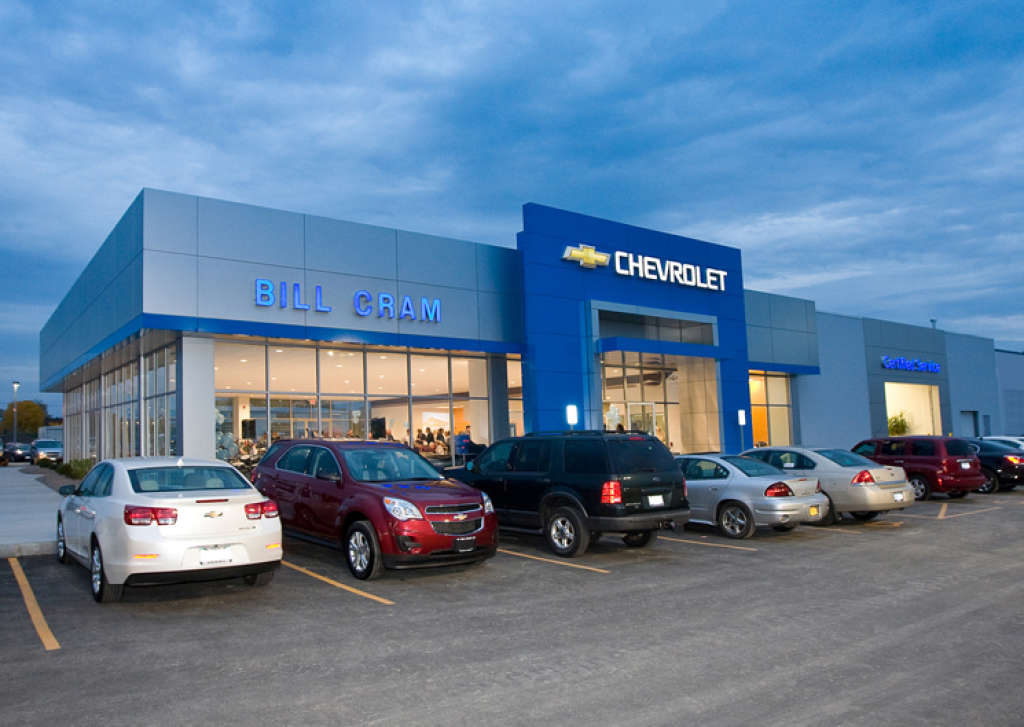
Ask the dealer to itemize the vehicle price, dealer fees, taxes, title, registration, and any accessories or other charges. The exact government fees will depend on where the vehicle is purchased and registered.
The FTC recommends contacting the dealership before visiting and asking for the out-the-door price in writing. Its consumer guidance explains that a written quote can help buyers compare offers, identify add-ons, and catch charges introduced late in the transaction.
It also recommends asking for the out-the-door price before the dealer evaluates a trade-in, so the price of the vehicle being purchased does not get confused with the value offered for the old one.
Consider a hypothetical vehicle advertised at $30,000. The dealer’s written breakdown might show the following:
| Item | Amount |
|---|---|
| Advertised vehicle price | $30,000 |
| Mandatory dealer fee | $500 |
| Sales tax | $1,800 |
| Title and registration | $250 |
| Out-the-door price | $32,550 |
These figures are illustrative, not a quote for any particular state or dealership. They show why buyers should distinguish the advertised vehicle price from the total purchase cost.
If the $500 dealer fee is mandatory, the FTC’s guidance says it should already be reflected in the advertised price. The example therefore illustrates a potential pricing discrepancy, not a compliant way to advertise the vehicle.
When the written quote arrives, compare it with the original listing. If the price has increased, ask the salesperson to identify every difference and explain why it was not included initially. Request a revised quote that reflects the actual price and all required charges.
Save a copy of the advertisement and the written quote so you can refer to the exact figures if the dealership later presents different paperwork.
Do not rely solely on a salesperson’s verbal assurance that a fee will be removed or a discount will be honored. Ask for the revised terms in writing. If the dealer will not provide a clear breakdown before you visit, consider contacting another dealership with a more transparent offer.
Watch for Mandatory Add-Ons and Conditional Discounts
Accessories and protection products are another reason the amount on a window sticker or online listing may differ from the final quote.
Dealers may offer paint protection, fabric protection, nitrogen-filled tires, security systems, extended warranties, maintenance plans, or other products. Some may be useful to a particular buyer, but they should not automatically be treated as necessary parts of every purchase.
Ask whether each item is optional, whether it has already been installed, and whether you can buy the vehicle without it. The FTC’s 2026 guidance says dealer-required charges must be included in the advertised price.
Its earlier consumer advice also warns shoppers about unexpected add-ons and recommends checking whether the final quote includes products they never requested.
A dealer might say an accessory package is already installed and cannot be removed. That does not automatically establish whether the price is compliant.
Ask for the itemized amount, whether it is required as a condition of the sale, and how it affects the advertised price. If the dealership refuses to sell the vehicle without a charge, that charge should not simply appear as a surprise at signing.
Pay attention to discounts tied to financing. A dealer may advertise one price for customers using a specific lender and another for buyers paying cash or arranging their own financing.
Under the FTC’s guidance, the price available to any consumer using any financing must be presented most prominently, while conditional offers can be disclosed separately.
This makes it important to compare the purchase price and financing terms independently rather than focusing on a discount that might cost more through a higher interest rate.
You should also separate the value of your trade-in from the new vehicle’s price. A generous trade-in allowance can make a deal appear attractive, but it may be offset by a higher selling price or other charges. Negotiate and record the vehicle’s price first, then evaluate the trade-in offer and any outstanding loan balance separately.
Compare the Final Paperwork Before You Sign
A written quote is an important checkpoint, but it is not the last one. Before signing, compare the buyer’s order or purchase agreement with the figures you received. Check that the vehicle identification number, agreed selling price, dealer fees, taxes, accessories, trade-in credit, and down payment match your understanding of the deal.
If you are financing, examine the loan disclosures separately. The Consumer Financial Protection Bureau explains that federal Truth in Lending disclosures include the annual percentage rate (APR), amount financed, finance charge, total of payments, and payment schedule.
These figures help you understand the cost of borrowing, which is different from the vehicle’s purchase price.
Do not judge a financing offer by the monthly payment alone. A longer loan term can reduce the monthly amount while increasing total interest, and optional products added to the loan can increase both the amount borrowed and the financing cost. Ask for the total amount you will pay over the loan term, not just the amount due each month.
If a salesperson introduces a new charge or changes a term at the last minute, pause the transaction and ask for an explanation. You are not obligated to accept an offer simply because you have spent time at the dealership.
If the dealer will not honor the agreed price or provide a clear explanation for the difference, walking away may be the most sensible choice.
The FTC encourages consumers to report suspected deceptive advertising through ReportFraud.ftc.gov. Keep copies of the advertisement, emails, text messages, written quotes, and purchase paperwork if you believe the dealer misrepresented the price.
The simplest way to protect yourself is to verify the exact vehicle, confirm your eligibility for advertised discounts, request a written out-the-door quote, and compare that quote with the final contract. A low advertised price is worth considering only when the dealership can explain the full cost clearly and consistently.
