

Buying a car on finance can make an expensive purchase manageable, but the wrong loan can cost thousands of dollars in additional interest.
A dealer may emphasize an affordable monthly payment while less obvious figures reveal a longer repayment period, a higher borrowing cost, or unnecessary products added to the contract.
Comparing loan offers requires more than checking the interest rate. The annual percentage rate, amount financed, repayment term, finance charges, and total payments all influence what you eventually pay.
Understanding these eight numbers before signing helps you compare offers accurately, negotiate confidently, and avoid committing to financing that strains your budget.
1. Annual Percentage Rate (APR): Compare the Cost of Borrowing
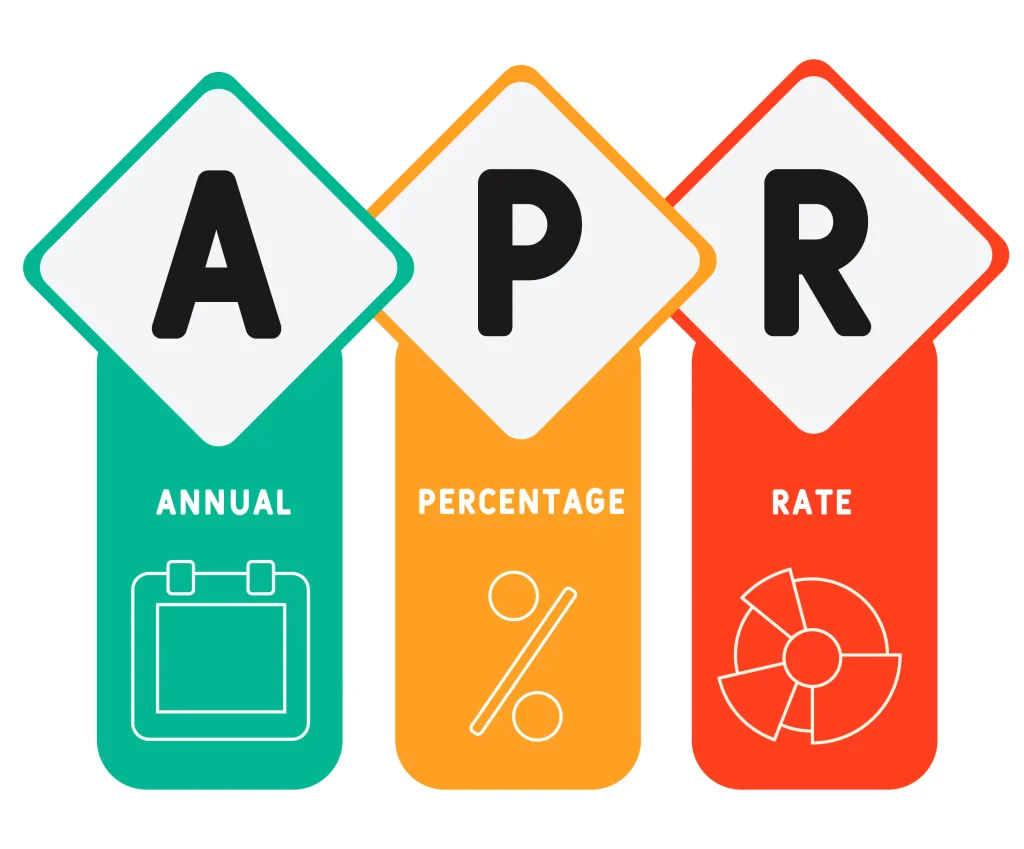
The annual percentage rate, or APR, is one of the first figures to examine when a dealership presents a financing offer. It expresses the yearly cost of credit as a percentage and includes the interest rate plus certain mandatory credit costs. Because APR can reflect costs beyond the stated interest rate, it is often more useful for comparing similar loan offers.
For example, imagine two lenders offering financing for the same vehicle at the same loan amount and repayment term. One offers a lower APR than the other. Assuming the offers use comparable terms and fees, the lower APR generally means borrowing will cost less.
However, promotional financing may have eligibility requirements, and a low advertised rate may be available only to qualifying buyers.
The Consumer Financial Protection Bureau advises buyers to compare APR, interest rate, loan length, and amount financed rather than choosing a loan based only on its monthly payment. Dealer-arranged financing can also include compensation for the dealership, so obtaining a separate offer from a bank or credit union gives you a useful benchmark.
Before accepting the dealer’s offer, request the APR in writing and compare it with preapproval offers for the same vehicle price, loan amount, and term. Check whether any optional products or fees are included in the financing, since these can change the amount borrowed and the total expense.
What to check: Do not confuse the note interest rate with the APR. Review both figures, confirm the APR on the final disclosure, and ask the finance manager to explain any difference between the dealer’s offer and competing lenders.
2. Loan Term: Count the Months You Will Be Paying
A loan term tells you how long you have agreed to make payments. Auto loans commonly run for several years, and some lenders offer terms of 72 or 84 months. A longer term can reduce the monthly payment, but it can also increase the total interest paid and leave you owing money on a vehicle that has lost substantial value.
The Consumer Financial Protection Bureau illustrates this trade-off with a $20,000 loan at a 4.75% interest rate. Its example shows that a 36-month term produces a monthly payment of about $597 and approximately $1,498 in total interest.
Stretching the same loan to 72 months lowers the monthly payment to about $320, but total interest rises to approximately $3,024. These are illustrative figures, not a current rate quote.
That difference matters when a dealer promotes a payment that appears comfortably affordable. Ask for the same loan calculated at more than one term, then compare the monthly obligation with the total amount you will repay. Do not choose a longer term simply because it makes a more expensive vehicle seem affordable.

Also consider how long you expect to keep the car. If you need to sell it before the loan ends, a large outstanding balance could complicate the transaction, particularly if the vehicle’s market value is lower than the amount you owe.
Verify the total number of monthly installments and the date the final payment is due. When comparing loan offers, look at 48, 60, and 72-month terms using the same loan amount and APR. This will show how the repayment period affects your monthly payments and the total cost of financing.
3. Amount Financed: Check Exactly How Much You Are Borrowing
The amount financed is the money being borrowed to complete the purchase after the applicable down payment and other transaction calculations. It deserves close attention because the dealership can negotiate a vehicle’s selling price while additional charges quietly increase the amount you owe.
Imagine you agree to buy a vehicle for $30,000. You make a $5,000 down payment, but taxes, registration charges, and other financed expenses add $2,000. If those figures are the only adjustments, the amount financed would be $27,000.
This simplified example illustrates why the loan amount can be different from the advertised vehicle price minus your down payment.
The Consumer Financial Protection Bureau explains that the Truth in Lending disclosure identifies the amount financed alongside the APR, finance charge, and total of payments. Ask for an itemized breakdown showing how the lender arrived at that figure.
Pay particular attention to optional products, including service contracts, GAP coverage, and protection packages. If you agreed to purchase one, its cost may be included in the financing. If you declined it, the final paperwork should not include its price. Even a relatively small add-on can cost more when financed because interest may be charged on the additional amount.
Trade-ins require another check. If you owe more on your current vehicle than its trade-in value, the negative equity may be added to your new loan. The Federal Trade Commission warns that this can increase borrowing costs because you may pay interest on the old debt as well as the new vehicle’s price.

Compare the amount financed with the vehicle’s purchase price, down payment, trade-in allowance, taxes, fees, and any optional products you agreed to purchase. If the figures do not add up, ask the dealer to explain the difference before signing the contract.
4. Finance Charge: Calculate the Cost of Borrowing in Dollars
The finance charge shows the total amount of interest and certain other credit costs you will pay over the loan term, assuming you make the scheduled payments as agreed. Unlike the APR, which expresses borrowing costs as a percentage, this figure puts much of the expense into dollars.
Consider two offers with different interest rates or repayment periods. One may advertise a lower monthly payment, but that does not necessarily make it cheaper. A longer term can allow interest to accumulate for more months, increasing the total finance charge even when the monthly obligation is smaller.
For example, the Consumer Financial Protection Bureau provides an illustration involving a $20,000 loan at 4.75% interest. Over 36 months, the monthly payment is approximately $597, and the total interest is about $1,498.
Over 72 months, the payment falls to around $320, but total interest increases to approximately $3,024. These are illustrative calculations, not a prediction of the terms a dealer will offer you.
When reviewing a dealer’s proposal, look for the finance charge in the Truth in Lending disclosure. Ask whether the figure assumes every payment is made on time and whether late fees or other possible expenses are excluded. Your actual costs can differ if you pay late, refinance, or change the repayment schedule.
It is also worth comparing the finance charge across competing offers only when the loan amount and repayment terms are comparable. Otherwise, a lower figure may simply reflect a smaller loan or shorter repayment period.
Calculate the difference in cost between the available offers and consider whether a lower monthly payment justifies paying more interest over time. Before making a decision, compare both the monthly payment amount and the total borrowing cost to determine which option best fits your budget.
5. Total of Payments: Find the Full Amount You Will Repay
The total of payments answers a question that monthly payment advertising often obscures: how much money will you pay the lender across the entire scheduled loan?
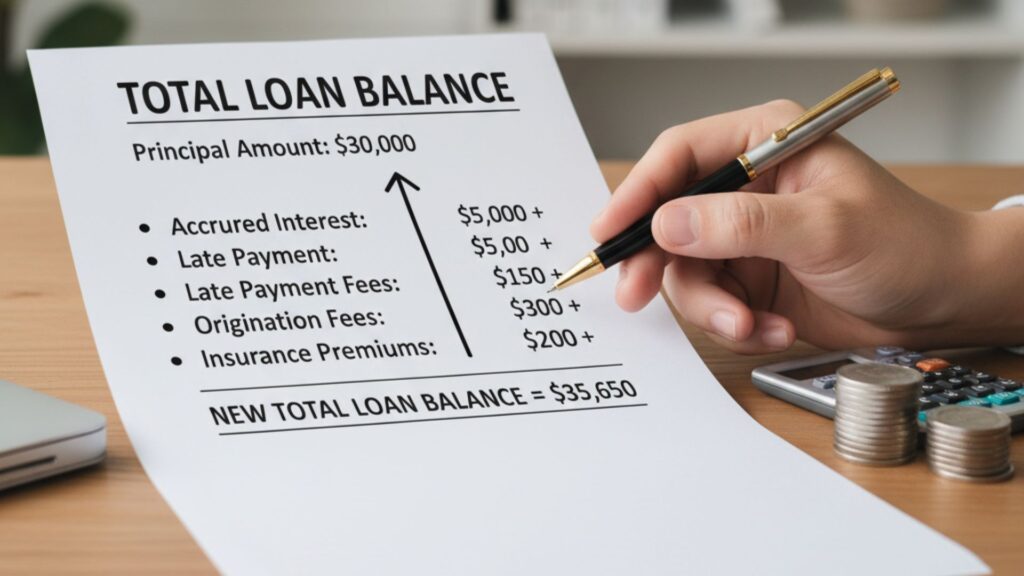
Under federal Truth in Lending disclosure requirements, lenders generally must disclose the total of payments for covered closed-end consumer credit transactions. It represents the sum of the scheduled payments over the loan term, assuming the contract is followed as specified.
Suppose a loan requires 60 monthly payments of $450. Multiplying the payment by the number of installments gives $27,000 in scheduled payments.
That is the amount paid through those installments, not necessarily the full cost of owning the vehicle: your down payment, insurance, fuel, maintenance, and other ownership expenses are separate considerations.
The total of payments is especially useful when a salesperson offers several financing structures. A longer loan might appear attractive because the monthly amount is lower, but comparing the total scheduled payments can reveal how much more you will pay across the contract.
Do not confuse this figure with the amount financed. The amount financed identifies the credit being extended, while the total of payments reflects the scheduled payments that repay the credit and applicable finance costs.
The difference between the figures can help you understand the expense of financing, although you should also review the disclosed finance charge because the figures can be affected by how the transaction is structured.
Request the final disclosure before signing rather than relying on a calculator displayed by the salesperson. Check that the payment amount and number of installments match what you were promised.
Compare the total amount you would pay over the life of each loan, keeping the vehicle price and down payment the same across all offers. A lower monthly installment may seem appealing, but it could cost you significantly more in the long run if the total repayment amount is much higher.
6. Down Payment: Measure How Much Cash You Are Putting In
Your down payment is the amount you contribute upfront toward the vehicle purchase. A larger down payment generally reduces the amount you need to borrow, which can reduce interest costs and lower the monthly payment when other loan terms remain the same.
For example, if the amount due for a vehicle purchase is $32,000 before financing adjustments, contributing $6,000 would leave $26,000 to cover through financing, assuming there are no other credits or charges.
Increasing the contribution to $8,000 would reduce that amount to $24,000. The actual loan amount depends on taxes, fees, trade-in credits, and other items in the contract.
However, putting more cash down is not always the right move if it leaves you without money for emergencies or necessary expenses. You still need to account for insurance, registration, maintenance, fuel, and unexpected repairs.
The goal is to choose a contribution that makes the loan manageable without draining your available savings.
The Federal Trade Commission recommends considering a down payment because reducing the amount borrowed can lower financing costs. It also advises buyers to establish the vehicle’s out-the-door price before negotiating financing, making it easier to compare offers accurately.

If you have a trade-in, verify the credit shown on the contract and check whether an outstanding balance on that vehicle is being deducted. A dealer may advertise a generous trade-in allowance while rolling negative equity into the next loan, which can reduce the benefit you expected.
Make sure the down payment amount and trade-in allowance are clearly stated in writing. Ask the dealer to prepare new quotes with different down payment amounts, then compare the loan balance, monthly installments, and total interest and borrowing costs for each option. This will help you determine which arrangement best suits your budget.
7. Monthly Payment: Make Sure It Fits Your Real Budget
A monthly payment is the amount you are scheduled to pay each month under the loan agreement. It matters because missing payments can create additional costs and put your credit at risk. Yet the payment alone is not a reliable measure of whether a financing offer is affordable.
Dealers can lower a quoted monthly payment by extending the loan term, increasing the down payment, or changing other deal components.
These adjustments can make the number look attractive without reducing the vehicle’s underlying price. The Federal Trade Commission cautions buyers not to focus only on monthly payments because longer terms can increase the total cost of financing.
Start by assessing your take-home income and regular expenses. Your budget should leave room for housing, food, utilities, savings, and existing debt obligations.
A vehicle also brings expenses beyond the loan payment, including insurance, fuel, routine maintenance, registration, and repairs. Obtain an insurance quote for the specific vehicle before committing to a loan.
Ask the dealership to show the payment at different loan terms while holding the amount financed and APR constant. This helps you see whether a smaller monthly amount comes at the cost of a much longer repayment period. Also check whether the payment includes any optional products that you may not want.

Do not treat a salesperson’s suggested budget as a substitute for your own calculations. The dealer does not know every detail of your financial obligations, and a lender’s approval does not necessarily mean the payment is comfortable for you.
Verify the payment amount, due date, total number of installments, and whether a final balloon payment is required. When planning your budget, account for the full cost of owning the vehicle, including insurance, maintenance, fuel, and other expenses, rather than focusing only on the monthly payment shown by the finance office.
8. Prepayment Penalty and Late Fees: Check What Happens If Your Plans Change
The final numbers to examine are the charges that may apply if you pay late or settle the loan early. These terms are easy to overlook when most of the discussion focuses on the purchase price and monthly installment, but they can affect your flexibility throughout the agreement.
A late fee may apply if a payment is not received according to the contract’s requirements. The amount, timing, and any grace period depend on the agreement and applicable law. Ask the lender how payments are credited, when a payment is considered late, and whether other consequences can follow a missed installment.
You should also check whether the contract imposes a prepayment penalty. Some auto loans permit early repayment without a penalty, while the treatment of early payoff can depend on the contract and applicable state law. Federal Truth in Lending disclosures identify whether a prepayment penalty applies to the loan.

Early repayment can be useful if your financial circumstances improve or you receive extra money. However, understand how interest is calculated and how additional payments are applied. For a simple-interest loan, paying principal down earlier can reduce future interest, but the actual benefit depends on the loan terms and payment timing.
Ask the lender for a written payoff quote if you plan to settle the balance, since the amount due may include interest accrued through the payoff date and other contractually permitted amounts. Do not assume that multiplying the monthly payment by the remaining months will give you the exact payoff figure.
Review the contract carefully, paying close attention to late payment fees, default conditions, early repayment options, and any prepayment penalties. If any terms are unclear, ask the lender for a written explanation before signing. Keep copies of the completed contract and all loan disclosures for your records.
