
Buying a car involves more than negotiating the advertised price. Before you sign, the dealership may present a purchase contract containing documentation charges, preparation costs, electronic filing fees, and optional protection products.
Some charges cover legitimate administrative work or government requirements, while others may be negotiable, unnecessary, or incorrectly presented as mandatory.
The difference matters because fees can increase your total purchase price and, if financed, add interest over the life of your loan. Understanding each charge before signing gives you a better chance of catching unexpected costs, questioning unclear line items, and making an informed decision.
1. Document Processing Fee: Check What the Dealership Charges for Paperwork
A document processing fee, commonly called a doc fee, covers administrative work associated with preparing a vehicle sale. Depending on the dealership and state, this may include preparing sales documents, processing title paperwork, and handling other transaction records.
The amount can vary considerably because state laws differ in whether dealerships may charge a fee, how it must be disclosed, and whether a maximum applies.
Do not assume that a doc fee is automatically fraudulent simply because it appears separately on the contract. Instead, establish whether the charge is permitted in your state and whether it matches the amount disclosed during negotiations.
A fee that is lawful in one state may be regulated differently elsewhere. The Federal Trade Commission’s guidance on automobile pricing also emphasizes that mandatory dealer charges generally must be reflected in the advertised price, rather than appearing unexpectedly after a customer arrives.
The best approach is to ask the salesperson to clarify the fee, request written confirmation of the exact amount, and compare the final purchase price against the original written quote. This helps you identify unexpected charges and understand exactly what you are paying before agreeing to the deal.
If the dealership says the fee cannot be removed, ask whether it can reduce the vehicle’s selling price by the same amount. Even when a particular fee is non-negotiable under dealership policy, the total deal may still be negotiable.
Pay attention to the difference between a dealership’s own processing charge and a government-imposed title or registration fee. They are not necessarily the same expense. Request an itemized breakdown rather than accepting a vague description such as administrative costs.
Before signing, check that the document fee on the final contract matches the amount disclosed and that the advertised price was not misleadingly presented without a mandatory dealer charge.
2. Dealer Preparation Fee: Find Out Whether You Are Paying Twice for Vehicle Readiness
A dealer preparation fee may be described as covering cleaning, inspection, fluid checks, minor adjustments, or preparing a vehicle for delivery.
The exact work varies by dealership, vehicle, and transaction. The important question is whether the charge represents a clearly explained service or simply adds another amount to the agreed selling price.
New vehicles typically undergo preparation before delivery, while used vehicles may receive cleaning, inspection, or reconditioning. Those activities can involve real labor and materials. However, a buyer should not automatically assume that a separate preparation fee is required by the manufacturer, state law, or the vehicle’s warranty.
Ask the dealership to identify the specific work covered and explain whether the amount is already reflected in the advertised price.
This distinction matters because a preparation charge may be presented as though it were an unavoidable government or manufacturer requirement when it is actually a dealership charge. The Federal Trade Commission’s automobile pricing guidance states that mandatory dealer fees generally belong in the advertised price.
A dealership should not use an artificially low advertised price and then surprise customers with mandatory charges late in the transaction.
Ask for the fee to be itemized and compare it with any other line describing inspection, reconditioning, detailing, or delivery preparation. Similar descriptions do not prove that a dealership has charged twice, but they are a reason to request clarification. For a used vehicle, ask what inspection or reconditioning was actually completed and whether records are available.

If the dealership cannot explain the charge, request that it be removed or negotiate an equivalent reduction in the vehicle price. Do not judge the deal solely by the monthly payment.
A preparation fee added to a financed purchase can increase both the amount borrowed and the interest paid. Review the final contract carefully to ensure the charge is disclosed, understood, and included in the total price you agreed to pay.
3. Electronic Filing Fee: Verify Whether the Charge Is Separate and Justified
An electronic filing fee may appear when a dealership processes vehicle title, registration, or other paperwork through an electronic system. The service can save time by allowing documents to be submitted digitally instead of being handled entirely through paper forms.
However, the name of the fee does not automatically establish that the amount is required by the state or that the dealership must collect it from every buyer.
The key distinction is between a government-required charge and a dealer-imposed fee for an administrative service. State requirements vary, and a dealership may operate under specific rules governing electronic filing, title processing, and fee disclosure.
Ask the finance manager to identify the service being provided, the organization receiving the money, and the legal or contractual basis for the charge. If the dealership says the fee is mandatory, request an explanation of why it applies to your transaction.
The Federal Trade Commission’s automobile pricing guidance makes an important distinction: mandatory dealer charges generally must be included in the advertised vehicle price, even when a dealer describes them as administrative or processing fees.
Government-required charges that the buyer must pay directly may be treated differently. A dealership should not simply label a dealer-controlled expense as a government fee to make it appear unavoidable.

Compare the electronic filing fee with any separate documentation, title processing, or registration charges on the contract. Multiple line items are not automatically duplicates, but each should have a clear purpose. Ask whether the amount is a state-prescribed fee, a third-party service charge, or compensation retained by the dealership.
Before signing, confirm that the fee is disclosed in writing and that the final purchase price matches the written quote. If the explanation is vague, ask for clarification before proceeding.
You can also check your state’s motor vehicle agency or dealer regulator for applicable fee rules. A few minutes spent verifying this line item can prevent confusion about what you are actually paying for.
4. VIN Etching Fee: Decide Whether You Want the Theft-Deterrent Service
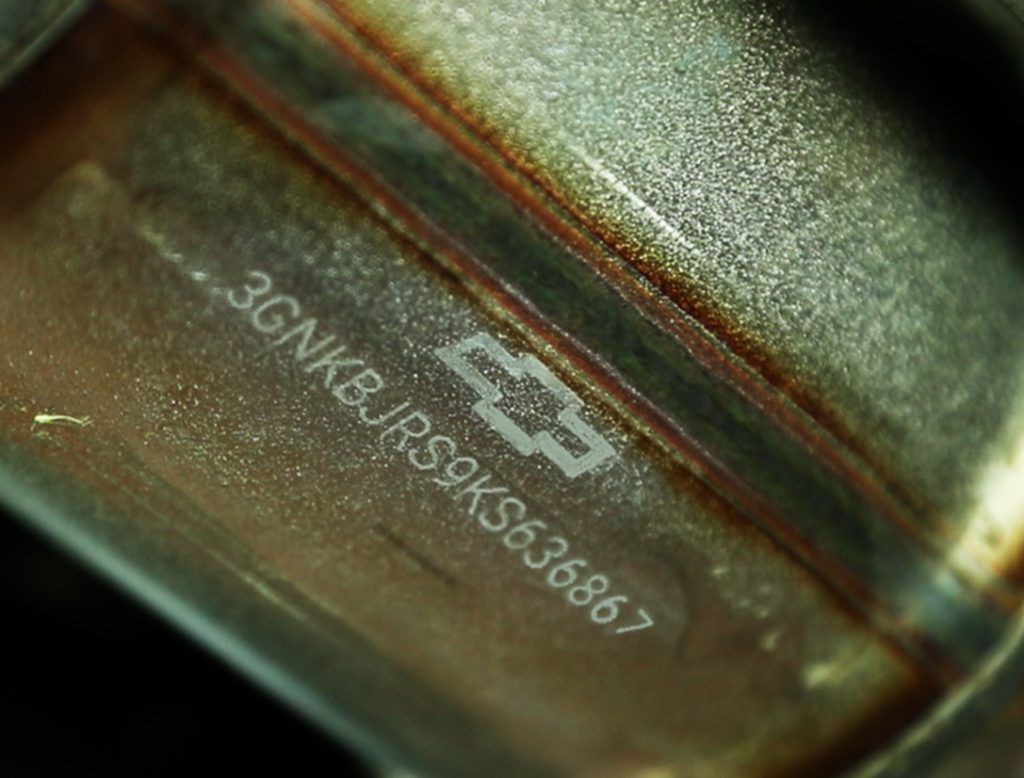
Vehicle identification number etching involves marking a vehicle’s VIN, often on its windows, to make the glass identifiable if it is stolen. Dealerships may describe the service as a theft-deterrent measure and include a charge for the etching, a related security product, or a bundled protection package.
The first question is whether you requested the service. VIN etching is generally an optional product rather than a universal federal requirement for buying a passenger vehicle. If the dealership has added a fee without your agreement, ask for it to be removed.
The Federal Trade Commission has repeatedly warned consumers about dealer add-ons that appear in contracts without clear consent or are incorrectly presented as compulsory.
Next, find out what the charge actually covers. A salesperson might describe it as a security service, but the contract could include a separate theft-recovery product, a warranty, or another service with different terms.
Request the product name, written description, price, and any conditions for receiving benefits. Do not assume that paying for etching guarantees that a stolen vehicle will be recovered or that your insurer will reduce your premium.
If you are interested in the service, compare the dealership’s price with independent alternatives and ask your insurance company whether the product has any effect on your coverage. A claimed insurance discount should be confirmed by the insurer, not accepted solely on a salesperson’s promise.
Also inspect the contract for wording such as theft protection, security registration, or vehicle marking. The name may differ from the term used during negotiations. If you decline the product, make sure the fee is removed from the final paperwork rather than merely being described as waived verbally.
The key is to evaluate each product based on its real value and cost rather than accepting it simply because the finance office includes it in the purchase process. Before agreeing to any additional expense, make sure you understand what the product covers, how much it costs, and whether it genuinely meets your needs.
5. Paint Protection Fee: Ask What Is Applied and What the Warranty Covers
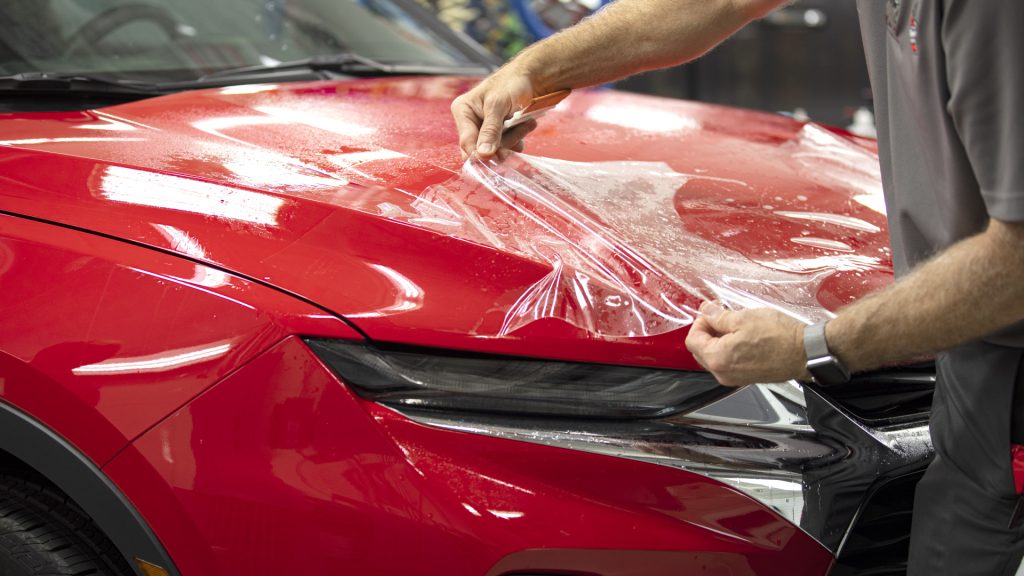
Paint protection may be sold as a coating or treatment intended to help protect a vehicle’s exterior from environmental contaminants, staining, or certain forms of surface damage.
Dealerships use different product names, and the services can vary from a conventional sealant to a more specialized coating. That makes it important to establish exactly what is included before accepting the charge.
Start by asking whether the treatment has already been applied to the vehicle or is simply being offered as an optional addition. A dealership may advertise a vehicle at one price and then present a paint protection package during negotiations.
Under the FTC’s automobile pricing guidance, a dealer generally cannot exclude mandatory dealer charges from the advertised price simply by giving them a different name. Optional products, however, may be offered separately when their optional nature and pricing are represented accurately.
Ask for the manufacturer’s name, the product specification, the application date, and the written warranty terms. If the dealer claims the treatment protects against scratches, chips, fading, or chemical damage, check whether the warranty actually covers those problems.
Some products may exclude damage caused by road debris, improper maintenance, environmental exposure, or ordinary wear. A warranty can also require specific cleaning products or periodic treatments to remain valid.
Be cautious about paying for a service simply because the salesperson says the car already has it. If the treatment was applied before you arrived, ask whether the charge was included in the advertised price and whether you agreed to buy it.
The fact that a product has been installed does not automatically establish that you consented to pay an additional amount.
You can also ask whether declining the package changes the negotiated vehicle price. If the dealership refuses to remove an installed product, compare the total cost with similar vehicles elsewhere rather than evaluating the charge in isolation.
Paint protection is not necessarily worthless, but its value depends on the product, application quality, warranty exclusions, price, and your expectations. Read the documentation before signing, and do not rely on broad verbal promises that are missing from the written agreement.
6. Extended Warranty Fee: Check the Actual Coverage Before Paying
An extended warranty, often marketed as a vehicle service contract, may help pay for certain repairs after the manufacturer’s warranty expires. However, it is not the same as the original factory warranty, and coverage varies by provider, contract, exclusions, and deductible.
Before accepting the charge, ask whether the product is optional and request the complete contract. Check the coverage period, mileage limit, deductible, covered components, and exclusions.
Some plans cover major engine and transmission components, while others offer broader protection. Wear items, routine maintenance, pre-existing problems, and certain electrical components may be excluded.
Pay particular attention to when coverage begins. A plan purchased with a new vehicle may overlap with the manufacturer’s warranty, meaning you could pay for protection that provides limited additional benefit during the initial ownership period. Ask whether the contract extends the coverage period or simply duplicates existing protection.

Compare the total price with manufacturer-backed plans and reputable third-party alternatives. Also check whether repairs must be performed at approved facilities and whether the provider pays repair shops directly or requires reimbursement.
If you decline the warranty, ensure the charge is removed from the purchase contract. If you finance the product, remember that interest may increase its actual cost. Never rely exclusively on a salesperson’s verbal assurances. The written contract determines the coverage, limitations, cancellation conditions, and any refund eligibility.
7. GAP Insurance Fee: Understand What the Policy Actually Pays
Guaranteed asset protection, commonly called GAP insurance, is designed to address a potential difference between a vehicle’s outstanding loan balance and its covered insurance payout after a qualifying total loss or theft. It can be useful when depreciation or a small down payment leaves you owing more than the vehicle is worth.
However, GAP coverage is not automatically necessary for every buyer. Before accepting a dealership’s offer, check your down payment, loan balance, loan term, and the vehicle’s expected depreciation. A buyer with substantial equity may have less need for this protection than someone financing nearly the entire purchase price.
Ask whether the product is insurance or a debt-cancellation agreement, because state rules and contractual terms can differ. Confirm the price, eligibility requirements, coverage limits, deductible treatment, exclusions, and cancellation provisions. Some agreements exclude particular fees, late payments, or amounts rolled over from a previous loan.
Compare the dealership’s offer with alternatives from your auto insurer or lender. Availability and pricing vary, so obtain actual quotes instead of assuming one option is always cheaper.
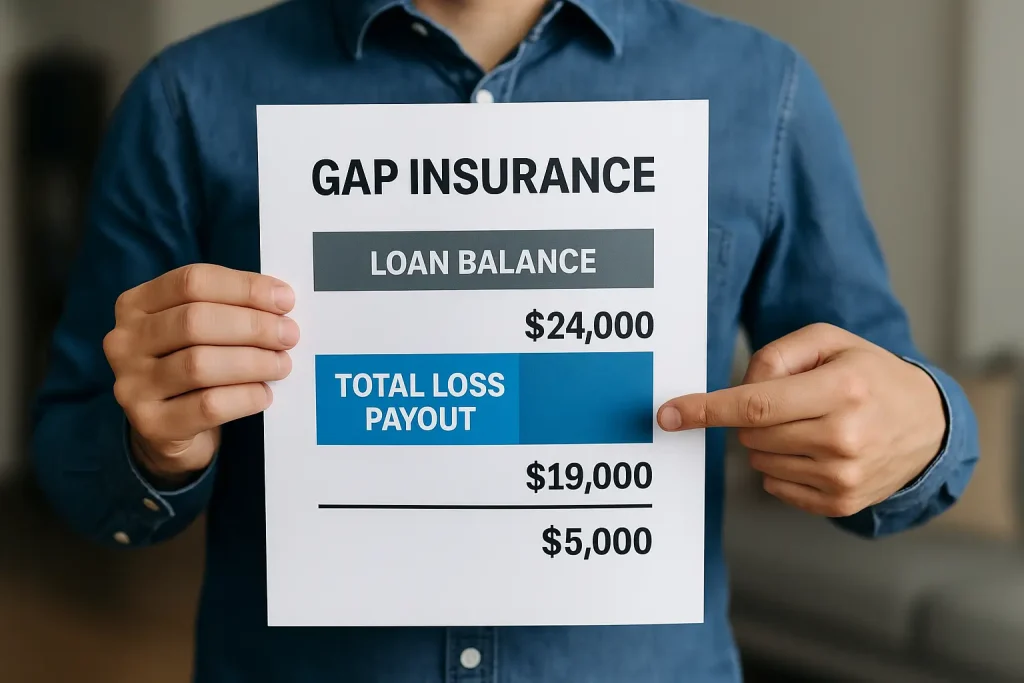
If you finance GAP coverage through the dealership, the charge may increase your loan balance and generate additional interest. Request the total financed cost, not merely its effect on your monthly payment.
Finally, check whether GAP protection is optional under the agreement being offered. Do not accept a claim that it is universally required for every car loan without reviewing the lender’s actual conditions. Read the contract before signing and keep a copy of the policy or agreement.
8. Nitrogen Tire Inflation Fee: Compare the Benefits With the Price
Some dealerships offer nitrogen-filled tires as an upgrade, claiming that nitrogen helps maintain tire pressure longer than ordinary compressed air.
Nitrogen can reduce pressure loss through permeation under certain conditions, but ordinary air already contains approximately 78% nitrogen. For most drivers, correct tire pressure and regular inspections matter more than paying extra for a nitrogen service.
Before agreeing to this charge, ask whether nitrogen inflation is optional and whether it has already been included in the advertised price. Dealers may bundle the service with other accessories, so check whether the amount covers only inflation or a larger package.
The National Highway Traffic Safety Administration recommends checking tire pressure regularly and following the vehicle manufacturer’s recommended pressure, usually listed on the driver’s door-jamb label or in the owner’s manual.
Tire pressure should be checked when the tires are cold. These practices remain important regardless of whether the tires contain ordinary compressed air or nitrogen.
Ask the dealership whether the fee includes future pressure checks or complimentary nitrogen refills. If it does, request the terms in writing and confirm how long the service remains available.
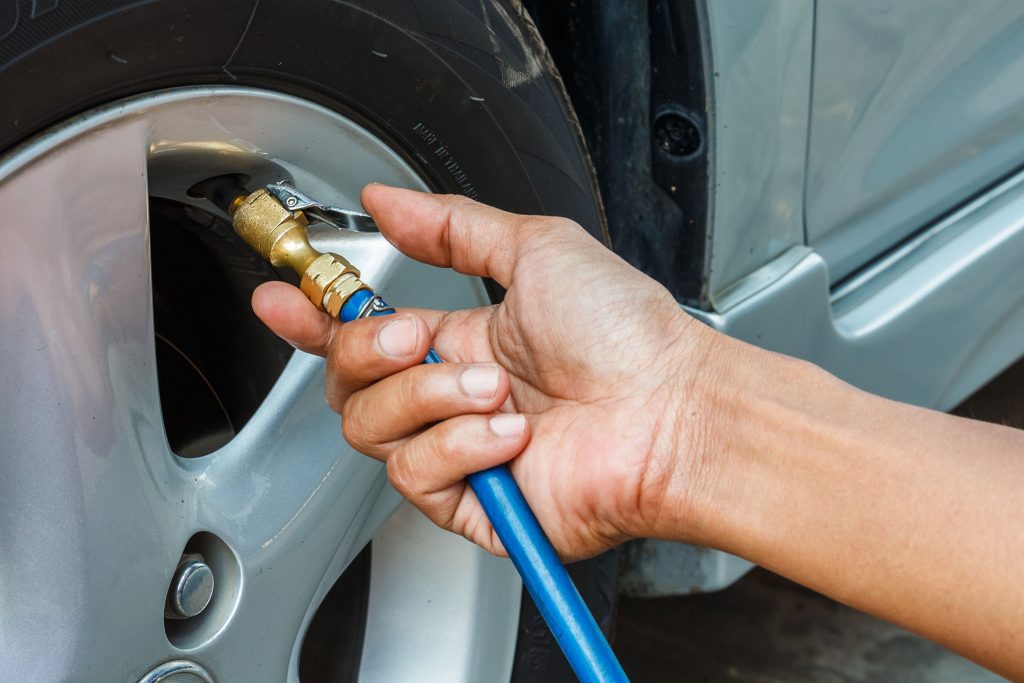
You can generally top up nitrogen-filled tires with ordinary compressed air if necessary. Doing so does not make the tires unsafe, although it reduces the nitrogen concentration.
If the dealership cannot explain a meaningful benefit for the price, decline the upgrade or negotiate its removal. Never allow the discussion to distract from checking tire condition, tread depth, manufacturing date, and correct inflation pressure before taking delivery.
9. Dealer Advertising Fee: Make Sure It Is Not an Unexpected Mandatory Charge
A dealer advertising fee may be described as a contribution toward marketing expenses, regional advertising programs, or promotional campaigns.
However, a dealership’s advertising costs are normally business expenses, and the presence of a separate line item does not automatically make the charge a government requirement or a manufacturer-mandated payment.
Ask the salesperson exactly who receives the money and whether the charge is mandatory. If the dealership claims the manufacturer requires it, request documentation explaining the requirement.
Even if the dealer participates in a regional advertising program, that does not automatically establish that a buyer must pay a separate charge outside the advertised price.
The Federal Trade Commission’s guidance on automobile pricing states that mandatory dealer charges generally must be included in advertised prices. A dealer should not attract customers with a low advertised figure and then add compulsory charges late in the transaction without properly reflecting them.
Compare the fee with other charges on the contract. Advertising, preparation, documentation, and delivery descriptions may refer to different activities, but unclear or overlapping charges deserve questions. Ask for an itemized explanation and compare the final out-the-door price with your original written quote.
If the dealer refuses to remove the fee, negotiate the vehicle’s selling price rather than focusing only on whether the line item can be deleted. A reduction elsewhere may offset the expense, provided the revised total is clearly documented.
Do not assume every advertising fee is illegal. Rules and contract terms vary, and the important issues are disclosure, accuracy, and whether the charge is being represented honestly. Before signing, make sure the advertised price, dealer fees, taxes, and registration expenses reconcile with the final amount.
10. Delivery or Destination Fee: Distinguish Manufacturer Charges From Dealer Add-Ons
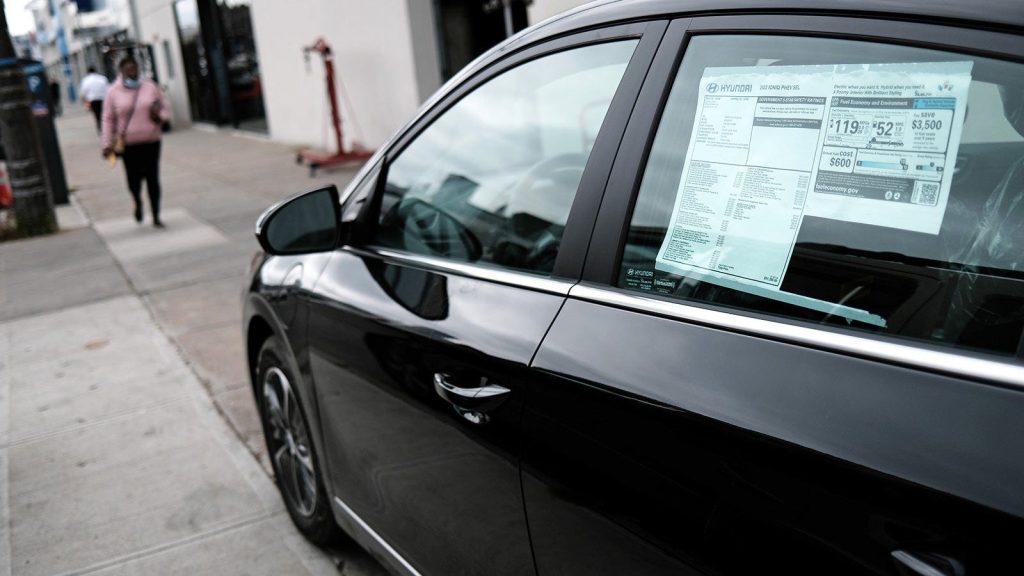
A destination charge generally covers transporting a new vehicle from the manufacturing or distribution point to the dealership. Manufacturers commonly disclose this charge separately on new-vehicle window stickers. It is different from a dealer’s own delivery, preparation, or transportation charge, which may require closer scrutiny.
Start by reviewing the vehicle’s Monroney label, commonly called the window sticker. For a new vehicle, it typically lists the manufacturer’s suggested retail price and destination charge separately. Compare the sticker with the purchase agreement to confirm that the manufacturer charge is accurately represented.
Be cautious if the dealership adds another delivery or transportation fee after the destination charge has already been included. Ask what additional service it covers and why it applies.
A separate charge is not automatically improper, but the dealership should explain the distinction rather than presenting duplicate transportation costs without justification.
The FTC’s automobile pricing guidance is relevant here because mandatory dealer charges generally must be included in the advertised price. A dealer should not use a low headline price and then introduce compulsory dealer-controlled expenses at the last moment.

For a used vehicle, ask what the delivery charge covers, particularly if the vehicle is already on the dealership’s lot. If it was transferred from another location, request a clear explanation of the transportation expense and whether you agreed to pay it.
Before signing, compare the window sticker, advertisement, buyer’s order, and final contract. Ask for every transportation-related fee to be identified separately. If the dealership cannot explain a charge, request its removal or negotiate an equivalent price reduction.
The final amount should reflect the agreement you actually accepted, not unexpected costs introduced after negotiations.
