Have you noticed that your car needs gas more often than it used to, even though your daily driving routine has not changed? A sudden drop in fuel economy can be frustrating, especially when every trip to the gas station seems to cost more. The cause may be something simple, such as low tire pressure or a mechanical problem that needs attention.
Faulty sensors, worn spark plugs, dirty fuel injectors, and changes in driving habits can all affect how efficiently a vehicle uses gasoline. Cold weather can also play a part. The good news is that recognizing the warning signs can help you identify the source of the problem before it becomes an expensive repair. Here are 10 common reasons your car may suddenly start getting worse gas mileage and what you can do about them.
1. Dirty or Clogged Air Filter
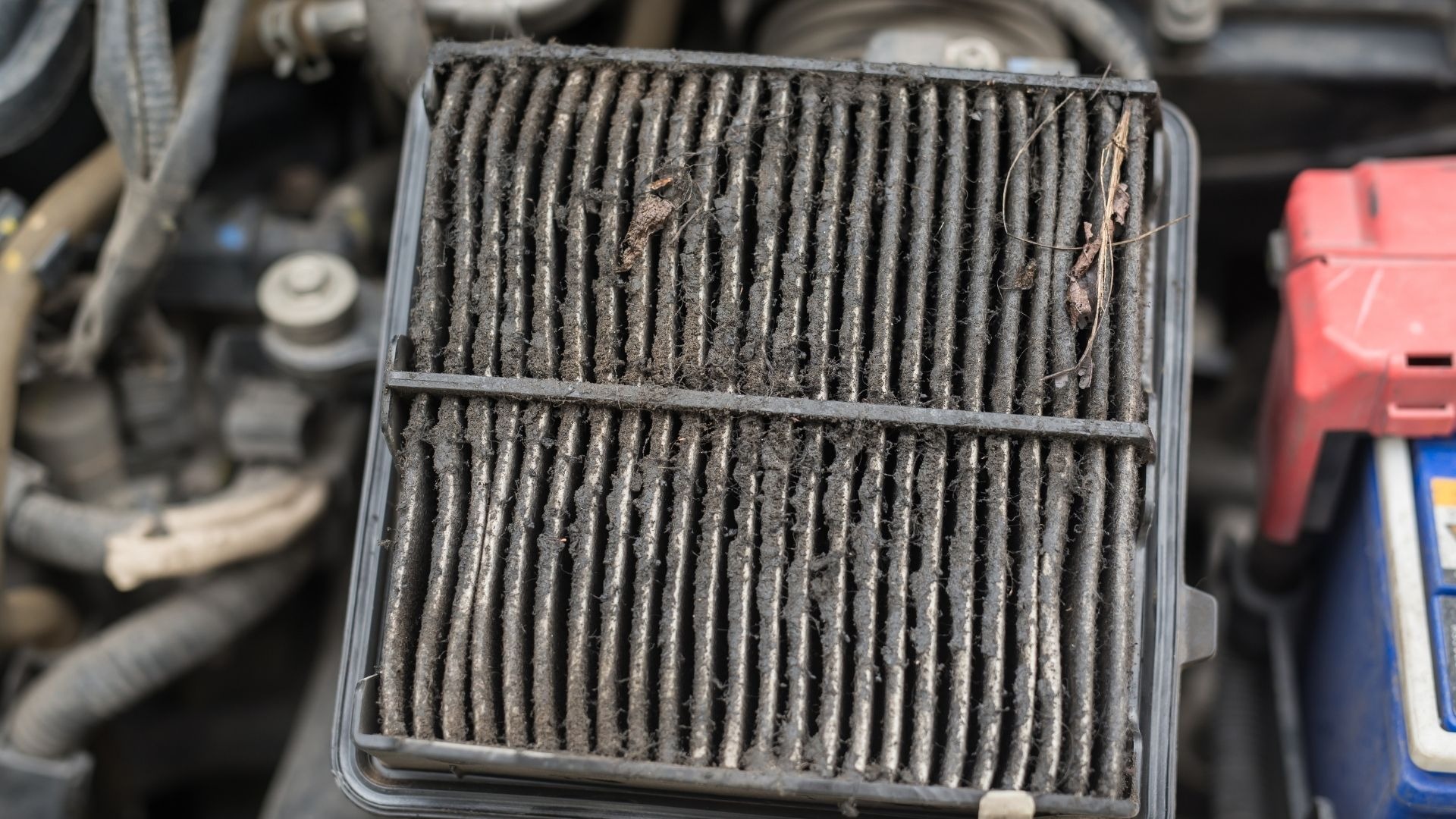
Your engine needs a steady supply of clean air to burn gasoline efficiently. The air filter catches dust, dirt, pollen, and other particles before they enter the engine.
When the filter becomes clogged, airflow may be restricted, particularly in engines that rely on a specific amount of incoming air for proper operation.
A restricted filter does not affect every vehicle in exactly the same way. Modern fuel-injected engines can adjust fuel delivery to compensate for some changes in airflow, so a dirty filter does not automatically cause a major drop in gas mileage.
However, a severely clogged filter can affect engine performance and may contribute to poor fuel economy under certain conditions.
You might notice sluggish acceleration, reduced engine responsiveness, or a filter that looks visibly dirty when inspected. These signs are worth checking if your mileage has recently declined.
Fortunately, this is often one of the easier maintenance items to address. Consult your owner’s manual for the recommended inspection and replacement schedule.
Drivers who regularly travel on dusty roads may need to inspect their filters more frequently than those who drive mainly on clean, paved streets.
Replacing an air filter is generally inexpensive compared with repairing a major engine fault. Still, avoid replacing parts simply because your fuel economy has changed. If a new filter makes no difference, other causes deserve attention.
Start by checking the air filter and replacing it if it is dirty or clogged. Monitor your fuel consumption over the next few fill-ups to see whether there is any improvement. If your vehicle continues to use more fuel than expected, have a mechanic check for other potential issues instead of assuming the air filter is the cause.
2. Faulty or Dirty Oxygen (O2) Sensor
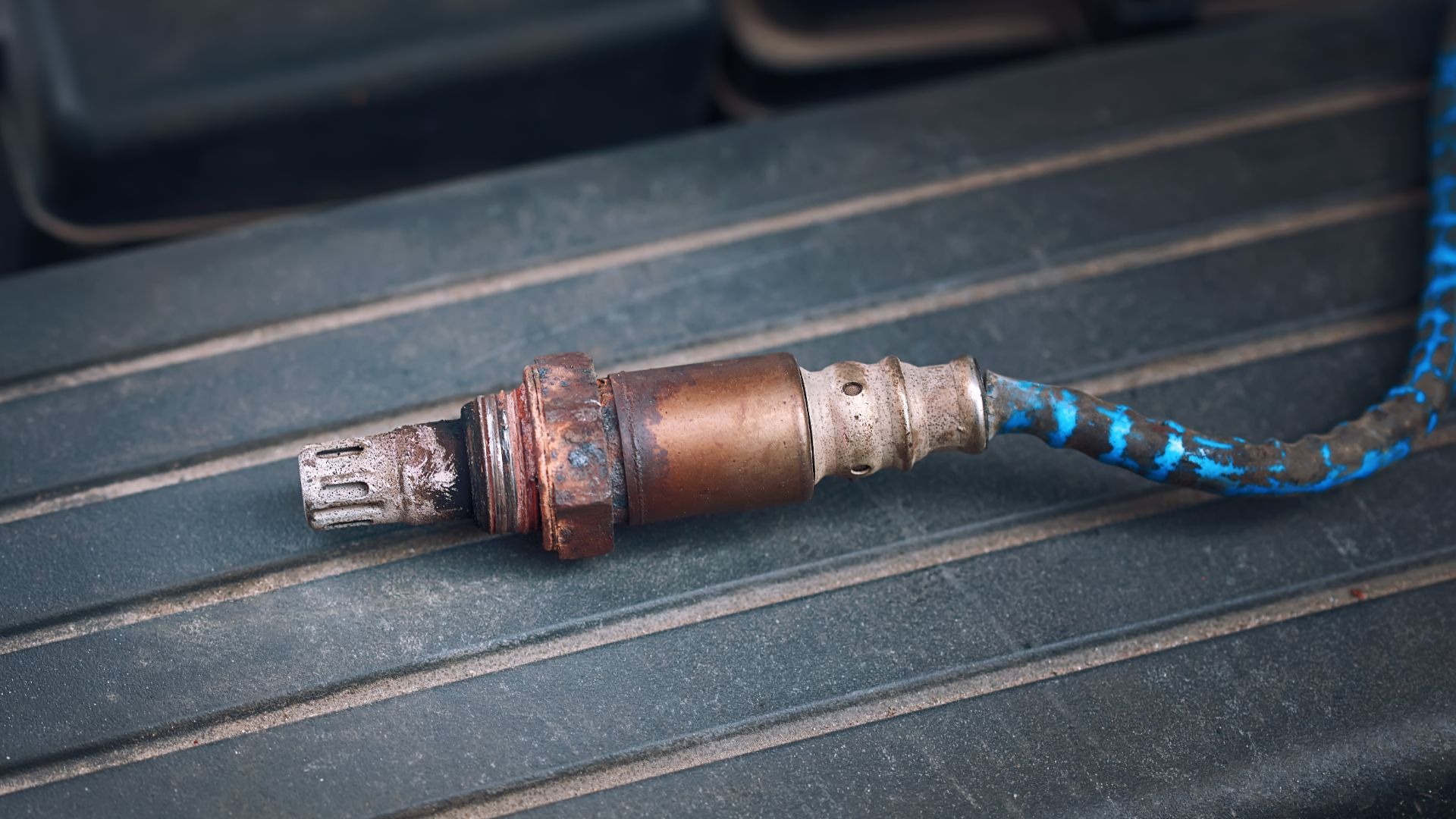
An oxygen sensor helps your vehicle’s engine control system determine how much oxygen remains in the exhaust. This information allows the computer to adjust the air-fuel mixture, helping the engine operate efficiently while controlling emissions.
When an oxygen sensor becomes faulty, it may send inaccurate readings or respond too slowly. Depending on the type of sensor and the nature of the fault, the engine computer may deliver more fuel than necessary or fail to maintain the proper mixture.
Either situation can affect fuel economy. Imagine noticing that your car suddenly uses more gasoline while producing a strong fuel smell from the exhaust.
You might also see the check engine light illuminate, experience rough running, or notice increased emissions. These symptoms can indicate an oxygen sensor problem, although other faults can produce similar warning signs.
A failed oxygen sensor should not be confused with every problem involving the exhaust system. Wiring damage, exhaust leaks, faulty fuel injectors, and other sensor problems can also produce related symptoms.
Replacing an oxygen sensor without properly identifying the problem can lead to unnecessary expenses while leaving the underlying issue unresolved. The best approach is to have a mechanic scan the vehicle using a compatible diagnostic tool to identify any trouble codes before deciding whether the sensor needs replacement.
A mechanic can use those codes, live sensor readings, and additional tests to determine whether the sensor has failed or another component is responsible.
Do not assume that a faulty sensor always reduces mileage by a fixed percentage. The effect depends on the vehicle, the particular fault, and how the engine management system responds.
Prompt diagnosis can restore proper operation, reduce unnecessary fuel consumption, and help prevent excessive emissions.
3. Worn or Failing Spark Plugs / Ignition Problems
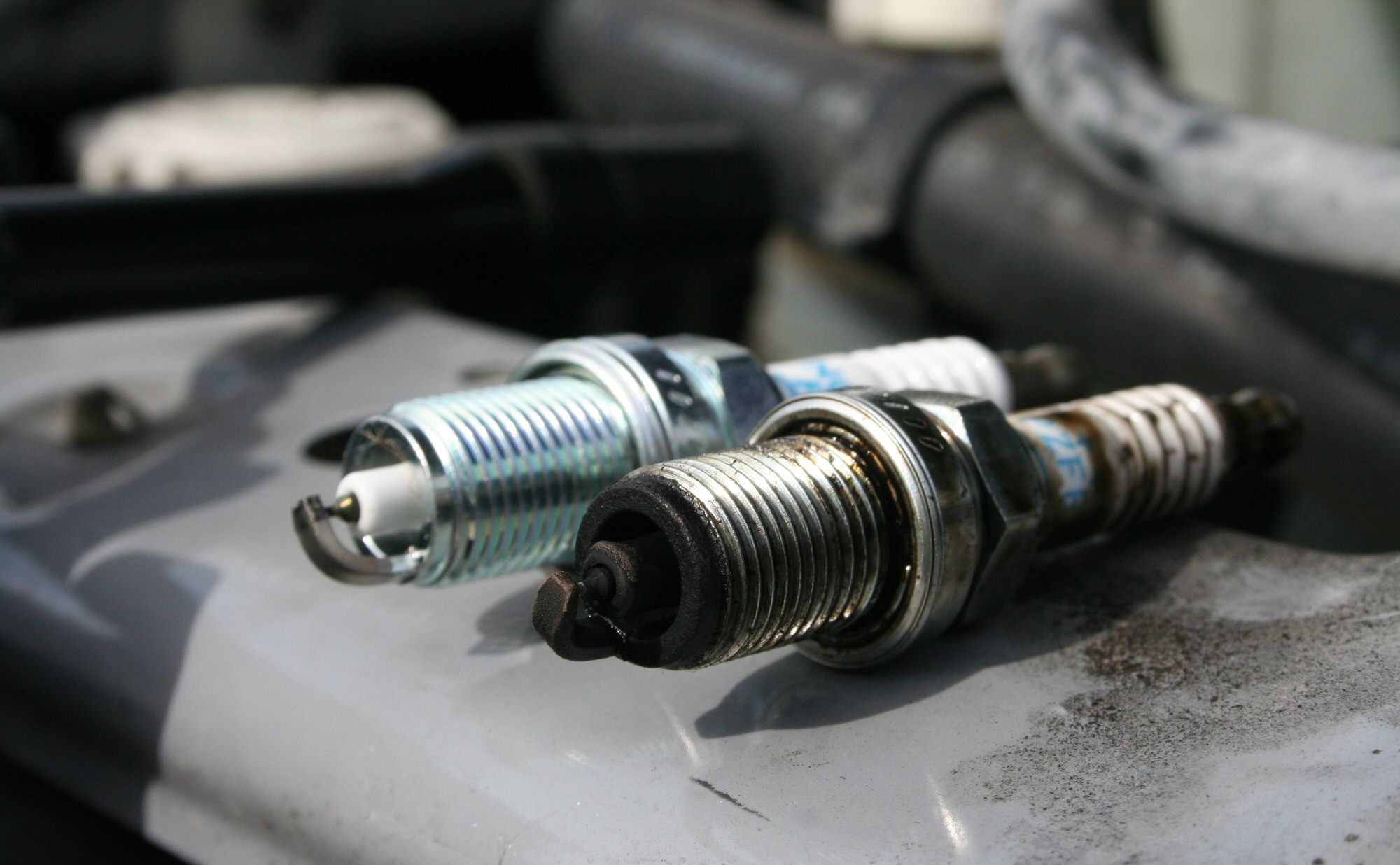
Gasoline engines need a properly timed spark to ignite the air-fuel mixture inside each cylinder. Spark plugs produce that spark, while ignition coils and related components supply the required electrical energy.
When these parts begin to fail, combustion may become incomplete or inconsistent. Worn spark plugs can struggle to ignite the mixture reliably.
A failing ignition coil may cause one or more cylinders to misfire, allowing some of the fuel entering those cylinders to leave without producing its intended power.
The engine may then run less efficiently, and the driver may press the accelerator harder to maintain normal speed. The warning signs are often easier to feel than to measure.
Your vehicle might shake at idle, hesitate during acceleration, lose power when climbing a hill, or produce a flashing check engine light. In some cases, the engine may start normally but develop problems after warming up.
Ignoring a persistent misfire can cause additional damage. Unburned fuel entering the exhaust can overheat and damage the catalytic converter, potentially turning a relatively manageable repair into a much more expensive one.
Spark plugs also have different service intervals depending on their design and the vehicle manufacturer’s recommendations. Some modern plugs last much longer than older designs, so replacing them too early may be unnecessary.
Review your vehicle’s maintenance history to determine when the spark plugs were last changed. If the engine starts running unevenly or the check engine light begins flashing, have the vehicle inspected as soon as possible to prevent further damage.
A mechanic can examine the plugs, test the ignition coils, and identify misfire codes. Correcting ignition problems can improve engine smoothness and restore lost fuel economy when these faults are responsible for the decline.
4. Clogged or Dirty Fuel Injectors
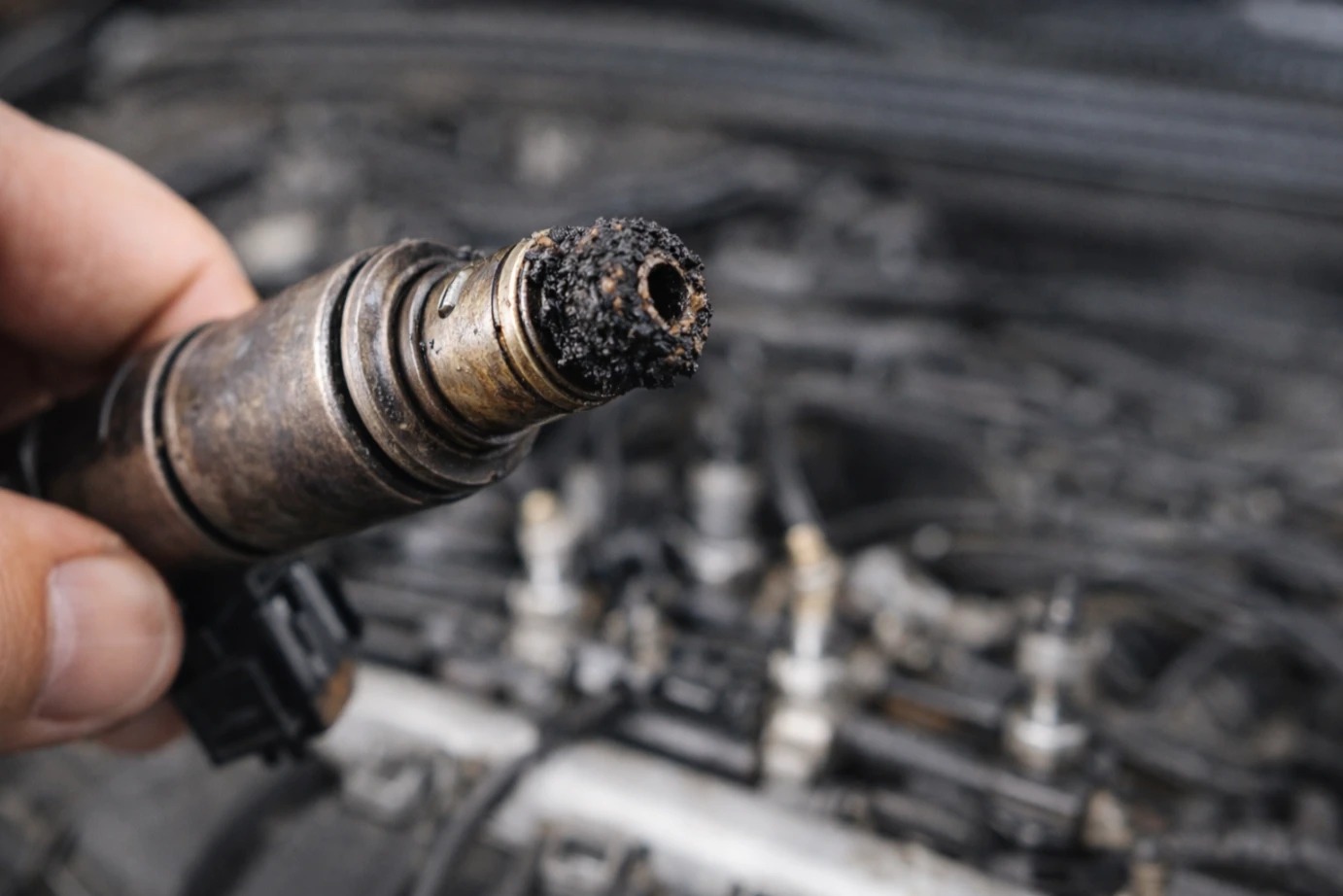
Think of a fuel injector as a tiny shower head for your engine. It’s supposed to spray a fine, even mist of fuel into the cylinder. When deposits clog it, the spray turns into a dribble or a stream.
According to the supplied sources, improper spray patterns reduce combustion efficiency and quickly drop mileage. Why does the pattern matter? Fuel burns best when it’s well mixed with air.
Droplets that are too big burn slowly or incompletely, so you get less power from each gallon. What are the warning signs? Rough idling, hesitation, a loss of power, hard starts, and a check engine light. You may also notice that mileage falls over a few tanks.
What can you do? Start with prevention. Buy fuel from reputable stations, since poor fuel can leave more deposits. Some owners use fuel system cleaners, which can help mild buildup, though results vary and they won’t fix a failed injector.
For stubborn clogs, a mechanic can perform a professional cleaning, and in some cases replacement is the best solution. Ask for a fuel pressure test and an injector balance test to see which injectors are affected. A diagnosis beats guessing. Replacing parts without testing can waste money.
Also follow your maintenance schedule. A clean fuel filter protects injectors from debris.
5. Low Tire Pressure
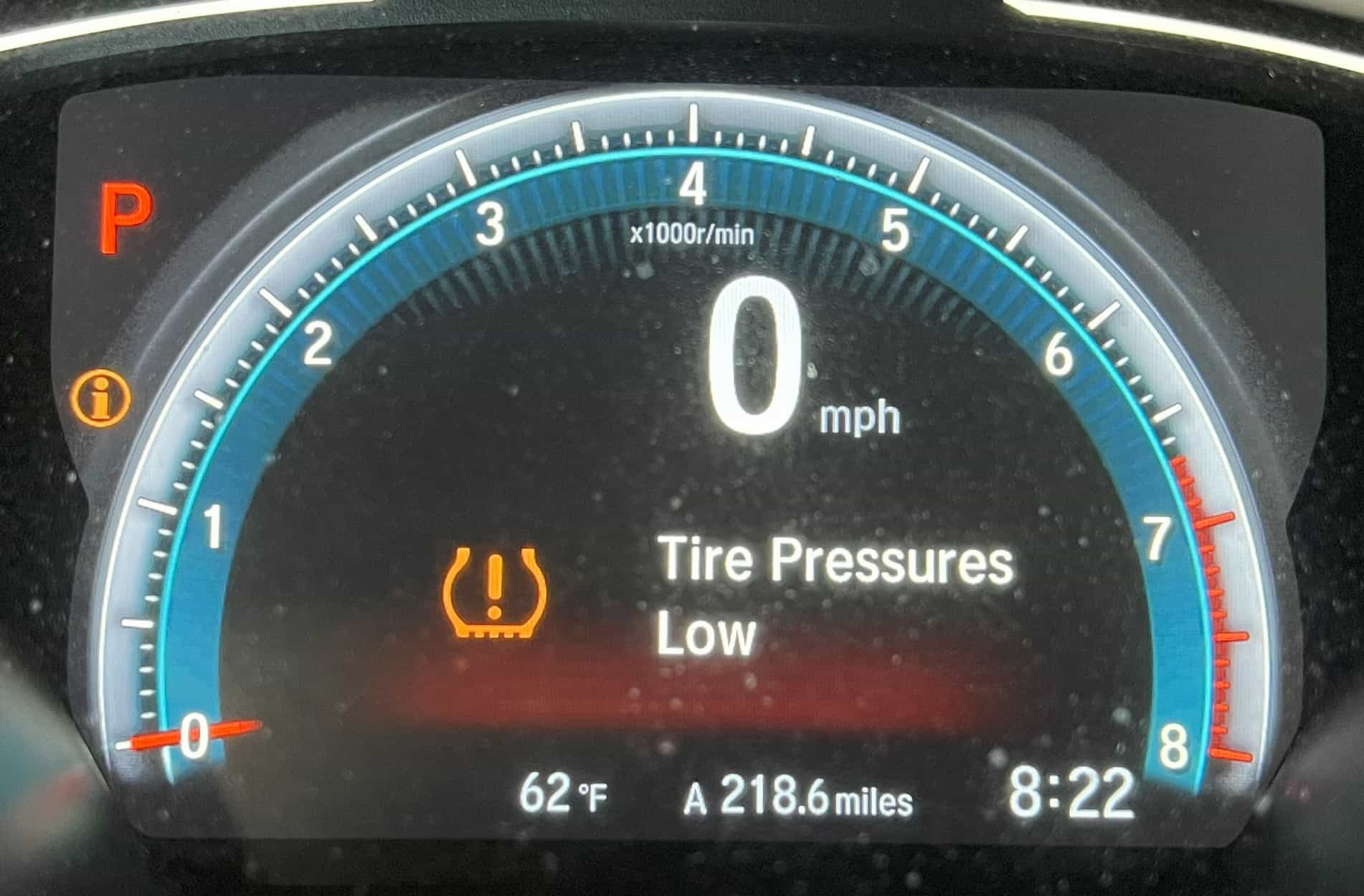
Here’s the cheapest fix on the list, and one that costs nothing. Underinflated tires increase rolling resistance, forcing the engine to burn more fuel, according to the supplied sources.
Rolling resistance is the effort needed to keep a tire moving. A soft tire flexes more and has a larger contact patch, so the engine has to push harder.
The Department of Energy estimates that mileage drops about 0.2% for every 1 PSI of pressure lost across all four tires. That sounds small, but tires that are 10 PSI low cost you around 2%, and that adds up over a year.
Pressure also falls on its own in cold weather, roughly 1 PSI for every 10°F drop, and tires lose a little air naturally each month. So your tires can go soft with no leak.
How do you check? Use a quality gauge, and measure when the tires are cold, such as before the first drive of the day. Compare the reading with the number on the sticker inside the driver’s door, not the maximum printed on the tire’s sidewall. Fill to the sticker number.
Check monthly and before long trips. Low pressure also wears tires unevenly and hurts handling and braking.
It takes five minutes, and it may save money.
6. Poor Wheel Alignment or Dragging Brakes
Sometimes the problem isn’t the engine. It’s something holding the car back. According to the supplied sources, misalignment or sticky brake calipers create drag, which makes the engine work harder and lowers fuel economy.
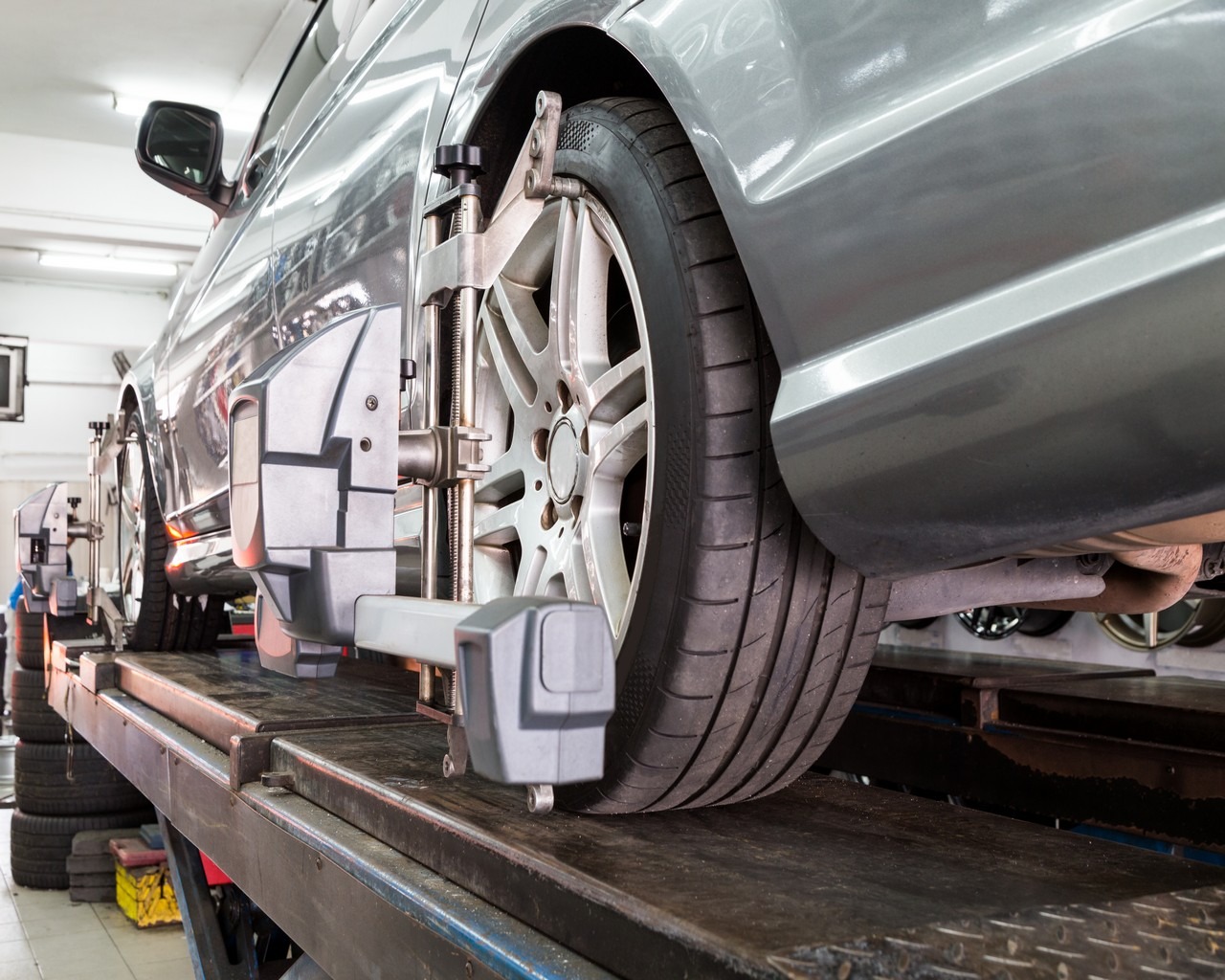
Let’s take them one at a time. Wheel alignment means the angles of your wheels are set correctly. Hit a pothole or curb hard, and the angles can change. A misaligned wheel doesn’t roll straight, so the tires scrub against the road. That friction costs energy.
Dragging brakes are a different problem. A brake caliper squeezes the pad against the rotor to slow the car. If the caliper sticks, the pad may keep rubbing even when you’re not braking. It’s like driving with your foot lightly on the pedal.
How can you tell if something is wrong? Alignment problems may cause the vehicle to drift to one side, leave the steering wheel off-center, or result in uneven tire wear. Dragging brakes, on the other hand, may produce a burning odor, excessive heat from one wheel compared with the others after driving, squealing sounds, or a noticeable loss of vehicle performance.
What can you do? Have the alignment checked once a year or after a hard impact. If you suspect a stuck caliper, have a mechanic inspect the brakes soon, since the heat can damage parts.
Both fixes protect your tires, too.
7. Wrong Octane or Low-Quality Fuel
The gasoline you use can affect engine performance, but the relationship between fuel quality and mileage is often misunderstood. One important detail is the octane rating.
Octane measures a fuel’s resistance to engine knock, which is abnormal combustion that can occur under certain operating conditions. It does not directly measure how much energy gasoline contains or guarantee better mileage.
Using premium gasoline in an engine designed for regular fuel usually provides little or no benefit unless the manufacturer specifies otherwise.
Some engines require premium fuel, while others recommend it for particular performance conditions. If your vehicle requires a higher octane rating and you use a lower one, the engine management system may adjust ignition timing to reduce knocking.
Depending on the vehicle, this can reduce performance and affect fuel economy. Contaminated or unsuitable fuel can cause different problems.
Water or other contaminants may interfere with combustion, while fuel that does not meet the required specifications may lead to poor running. Sudden problems shortly after refueling are worth investigating, especially if the engine begins to hesitate, misfire, or lose power.
Refer to your owner’s manual or the label inside the fuel door to confirm the recommended octane rating for your vehicle. Always refuel at trusted gas stations, and keep your receipt if you notice any problems shortly after filling up.
If you suspect contaminated fuel, avoid repeatedly driving the vehicle in an attempt to clear the problem. Contact a qualified repair facility for advice, particularly if the engine runs roughly or warning lights appear.
Choosing the correct fuel is more useful than automatically paying extra for premium gasoline. Match the fuel to your engine’s requirements, and investigate sudden performance changes instead of assuming the lowest-priced or highest-priced gasoline is responsible.
8. Cold Weather
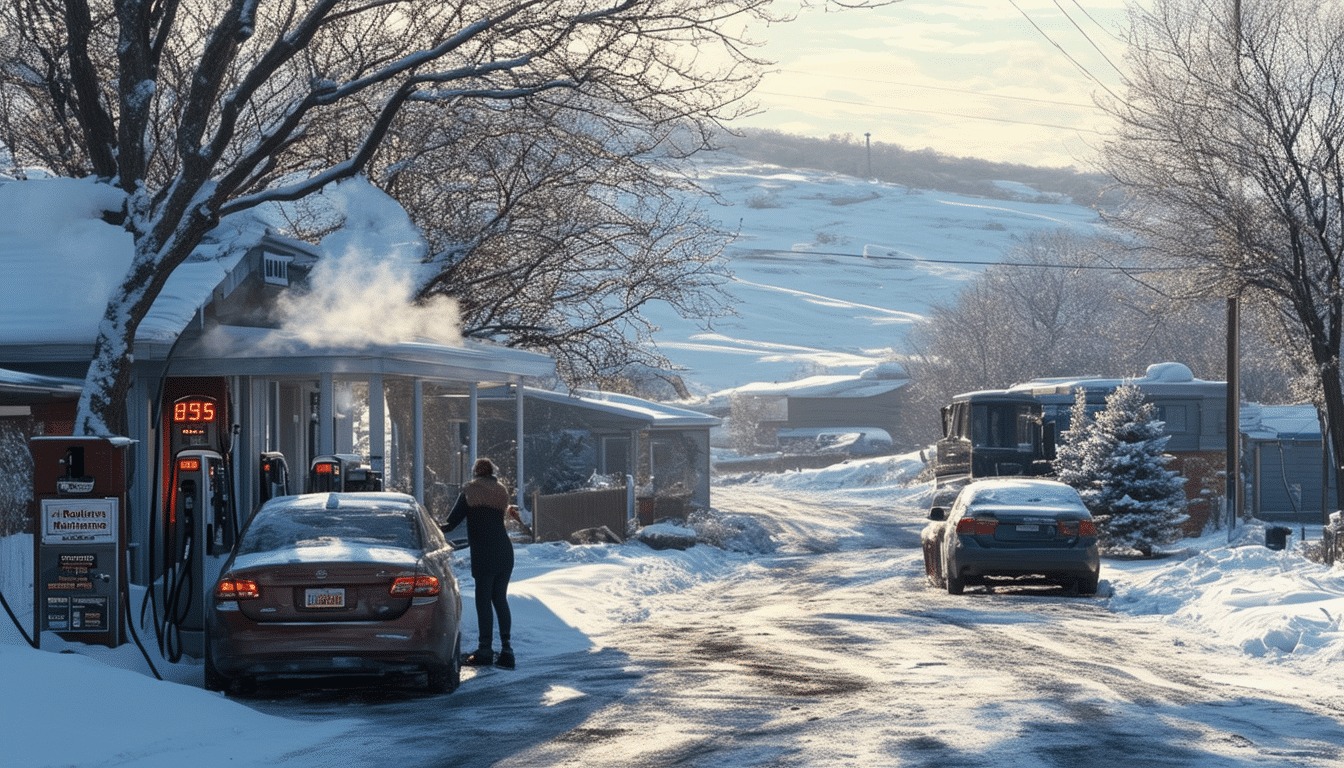
Have you ever noticed your car using more gasoline during winter, even when your route stays the same? Cold weather can explain part of that increase.
When an engine starts cold, it needs time to reach its normal operating temperature. During warm-up, the engine control system may use additional fuel to maintain stable operation. Engine oil is also thicker when cold, increasing internal resistance until it warms.
Short journeys are especially inefficient because the engine may spend much of the trip below its normal temperature. Gasoline formulations can also change seasonally to support starting and operation in colder conditions.
Depending on the blend, winter gasoline may contain less energy per gallon than summer fuel, contributing to a modest reduction in mileage.
Other winter habits add to the effect. Drivers may idle their vehicles longer to warm the cabin, use heated accessories, encounter slow traffic, or drive on wet, snowy, or slushy roads.
Cold temperatures also lower tire pressure, which can increase rolling resistance if the tires are not properly inflated. A seasonal drop in mileage does not necessarily mean something is broken.
The impact varies depending on the vehicle, local weather conditions, trip distance, driving habits, and fuel formulation. To help maintain fuel efficiency, combine errands when possible, avoid leaving the engine idling for too long, check tire pressure as temperatures drop, and follow the manufacturer’s recommendations for operating your vehicle in cold weather.
Most modern vehicles do not require extended idling before you start driving under normal conditions. Driving gently helps the engine reach its operating temperature more efficiently. If fuel consumption remains higher than usual even after the weather warms up, it is worth checking for other possible causes.
A thermostat stuck open, for example, may prevent an engine from reaching its proper operating temperature and can create a problem that lasts beyond the cold season.

9. Aggressive Driving (Lead Foot)
In some cases, driving habits may be the main reason for increased fuel consumption. The sources provided indicate that aggressive acceleration, excessive speeding, and sudden braking can significantly reduce fuel efficiency.
Why? Fast acceleration asks the engine for a lot of power, and it burns fuel quickly to deliver it. Speeding fights air resistance, which rises quickly as speed climbs. And hard braking wastes the energy you just paid for, turning it into heat in the brakes.
This one can cause a sudden drop if your habits change. A new commute, a new route with highway speeds, or a stretch of running late can all push mileage down. A new driver in the household can change the numbers too.
Here are fixes that cost nothing. Accelerate gently, and look ahead so you can coast instead of braking hard. Use cruise control on flat highways. Obey the speed limit, which is also safer. Remove roof racks and heavy items you don’t need, since extra weight and drag hurt mileage.
Try an experiment for a week. Drive smoothly, and track your mileage at each fill-up. Many drivers see a noticeable improvement without touching the car.
It’s also easier on brakes and tires, so the savings go beyond fuel.
10. Carbon Buildup in the Engine
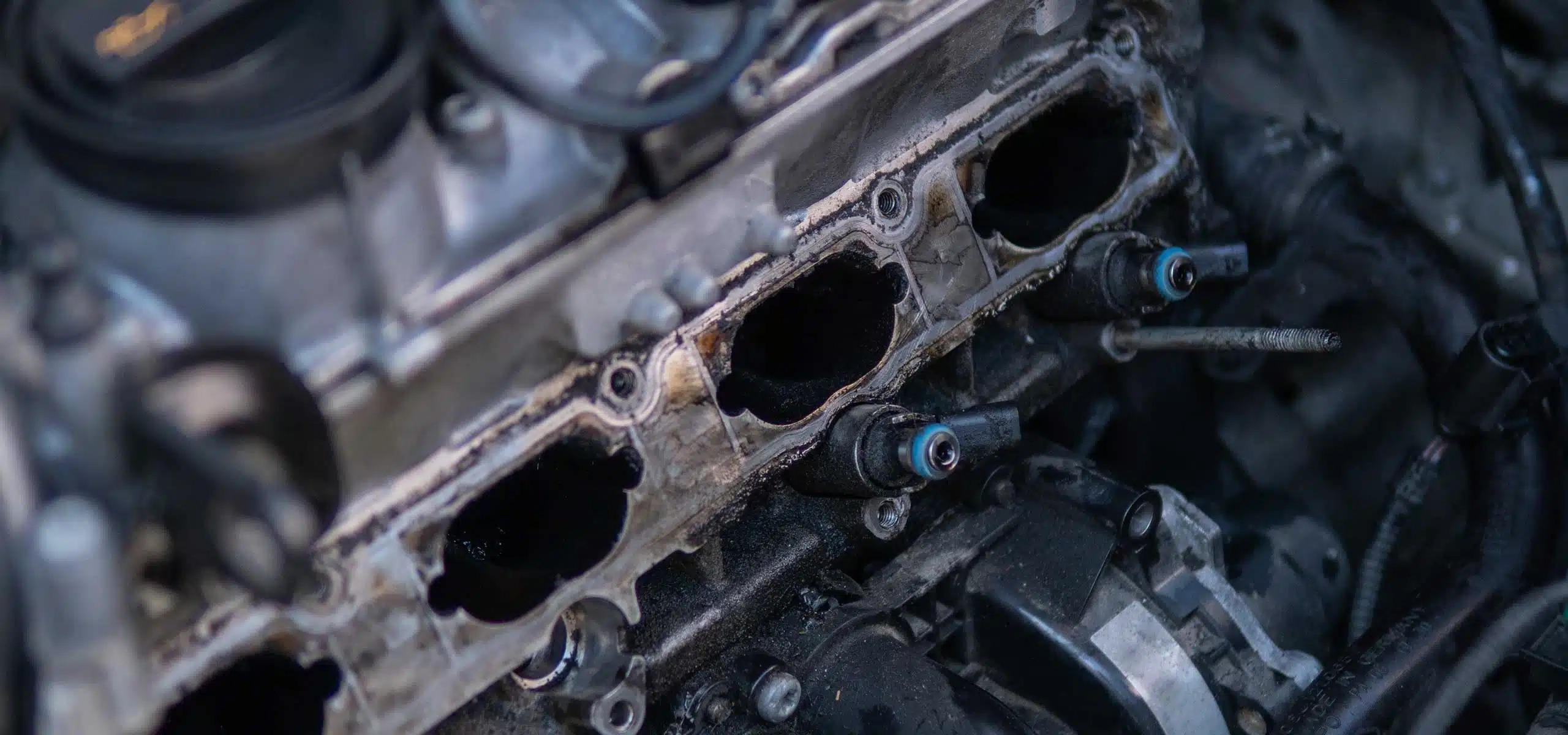
Last on the list is the slow one. According to the supplied source, carbon deposits on valves, injectors, and pistons reduce compression and combustion efficiency, lowering mileage.
Carbon forms from fuel and oil residue that doesn’t burn completely. Short trips, stop-and-go driving, and poor fuel can add to it. Some engines, especially direct-injection designs, are known for deposits on intake valves, though that’s general knowledge and not from the supplied source.
What are the signs? Rough idling, hesitation, reduced power, a knocking or pinging sound, and poor mileage that creeps down gradually. Because carbon builds slowly, the change can feel sudden when it finally crosses a line.
What can you do? Use quality fuel, follow oil change intervals, and take occasional longer drives so the engine reaches full temperature. Fuel system cleaners may help mild cases. For heavier buildup, a mechanic may recommend a professional cleaning.
Let’s recap the whole list. Dirty air filters, faulty oxygen sensors, worn plugs, clogged injectors, low tire pressure, dragging brakes, wrong fuel, cold weather, aggressive driving, and carbon all raise fuel use.
Begin with the basics by checking tire pressure, reviewing your driving habits, and inspecting the air filter. If the check engine light comes on, have the vehicle scanned for diagnostic trouble codes. A sudden decrease in fuel economy can signal an underlying problem, so addressing it early may help prevent more costly repairs.