
Fuel economy is an important consideration when buying a car, but it does not determine the full cost of ownership. Insurance premiums, depreciation, financing interest, maintenance, repairs, tires, registration fees, and parking can significantly affect a driver’s budget.
A vehicle that saves money at the gas station may still cost more to own if its other expenses are unusually high. American buyers should therefore compare the complete financial picture before choosing a model.
Understanding these eight expenses helps drivers estimate what a vehicle will really cost over several years, rather than relying on miles per gallon or the advertised purchase price alone.
1. Depreciation Can Cost More Than Years of Fuel Savings
Depreciation is the difference between what you pay for a vehicle and what you recover when selling or trading it in. It can become one of the largest ownership expenses because a car loses value without requiring any cash payment from the owner at that moment.
AAA’s 2025 Your Driving The Cost study estimated average annual depreciation of $4,334 for new vehicles, making it the largest expense category in its analysis. Actual losses vary by vehicle, purchase price, mileage, condition, and market demand.
Consider two hypothetical vehicles costing $30,000 each. If one loses 35% of its value over five years, its owner loses $10,500. If the other depreciates by 55%, the loss reaches $16,500. That $6,000 difference could easily outweigh the fuel savings from choosing the more efficient vehicle.
Resale value depends on several factors, including reliability reputation, popularity, condition, accident history, and the prices of newer models. Some vehicles maintain stronger demand in the used market, while others lose value quickly because of changing consumer preferences or substantial discounts on new inventory.
Before buying, compare prices for three-to-five-year-old examples of the models you are considering. Look at realistic resale estimates rather than relying exclusively on dealership asking prices.
A vehicle with slightly worse fuel economy can still be the financially smarter choice if it retains significantly more value. The key is to calculate depreciation alongside expected fuel spending, not treat these costs as separate decisions.
2. Insurance Premiums Can Erase Fuel Savings
Insurance costs can differ considerably between vehicles, even when their fuel economy is nearly identical. Insurers assess factors such as repair costs, theft rates, safety equipment, claims history, location, and the driver’s record. Consequently, a fuel-efficient car is not automatically the cheaper vehicle to insure.
The U.S. Bureau of Labor Statistics reported that average annual household spending on vehicle insurance was $1,993 in 2024. This figure represents household expenditure, not a universal premium, and an individual driver’s quote may differ substantially.
Imagine a car saves $400 annually on gasoline but costs $700 more per year to insure than an alternative. The insurance difference exceeds the fuel savings by $300 annually, creating a $1,500 disadvantage over five years if those differences remain unchanged.
Vehicle design can influence premiums. Expensive headlights, advanced sensors, specialized body panels, and costly replacement parts may increase repair bills after collisions. High-performance vehicles can also carry higher premiums depending on their risk profile. However, the actual difference depends on the insurer and the specific driver.
Location matters, too. Traffic density, theft rates, weather-related claims, and local repair expenses can affect insurance pricing. Two drivers purchasing the same model may therefore receive very different quotes.

Before committing to a vehicle, request insurance estimates for the exact models and trims under consideration. Keep liability limits, deductibles, and coverage types consistent when comparing offers. Check available discounts and make sure a lower premium does not come with inadequate coverage.
Comparing insurance before purchasing can reveal whether a supposedly economical car will actually reduce your annual expenses.
3. Financing Interest Increases the Real Purchase Price
A car’s sticker price does not show the full amount a buyer will pay when financing is involved. Interest depends on the amount borrowed, annual percentage rate (APR), repayment period, and loan terms. A fuel-efficient vehicle can become an expensive purchase if its financing costs are unnecessarily high.
Consider a hypothetical $30,000 auto loan with a fixed 7% annual interest rate, repaid monthly over 60 months. The payment would be approximately $594, with total payments of about $35,600. Roughly $5,600 would go toward interest, excluding fees and other charges.
Extending the same loan to 72 months reduces the payment to approximately $511, but total interest rises to around $6,800. The smaller monthly bill comes at the cost of approximately $1,200 in additional interest. Actual offers depend on creditworthiness and lender conditions.
Extended loan terms can also increase the risk of negative equity, which occurs when a vehicle loses value faster than the loan balance decreases. As a result, owners may owe more than the car is worth when they decide to sell or trade it in.
Before purchasing, compare offers from banks, credit unions, and dealership financing departments. Examine the APR, total interest, fees, and total repayment amount instead of focusing exclusively on the monthly payment.

A larger down payment can reduce borrowing costs, provided you retain enough savings for emergencies. Choosing a less expensive model may also deliver greater savings than stretching your budget for a fuel-efficient vehicle with a higher purchase price.
The goal is to minimize the total cost of acquiring the car, not simply to make the payment appear affordable.
4. Routine Maintenance Becomes a Significant Expense
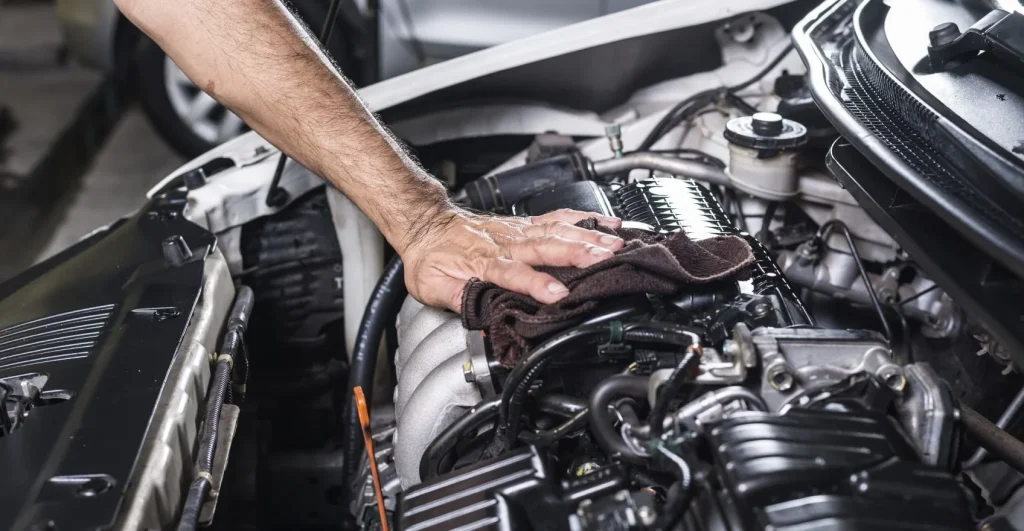
Oil changes and inspections may seem inexpensive individually, but scheduled servicing can accumulate into a substantial ownership expense. Filters, fluids, spark plugs, brake inspections, and other maintenance items must be considered alongside fuel consumption when comparing vehicles.
AAA’s 2025 Your Driving Costs study estimated maintenance, repair, and tire expenses at approximately 11.04 cents per mile across the vehicles evaluated. At 15,000 miles annually, that works out to about $1,656 per year. This is an average study estimate, not a guaranteed bill for every vehicle.
Servicing requirements differ by model and powertrain. Some vehicles require specialized fluids or labor-intensive procedures, while performance cars may use expensive components. Hybrids can reduce certain engine-related maintenance needs, but they still require inspections and servicing for tires, brakes, suspension, and other systems.
Driving conditions also matter. Frequent short trips, dusty roads, extreme temperatures, and heavy towing can affect maintenance requirements. Owners should follow the manufacturer’s schedule rather than relying on a universal service interval.
When shopping for a used vehicle, request maintenance records and identify upcoming services. A car approaching a major scheduled service may require an immediate expense that changes its apparent value. Compare local shop estimates for the specific model instead of assuming every vehicle costs the same to maintain.
Keeping service invoices also helps demonstrate responsible ownership when selling the car. Neglected maintenance can create mechanical problems and weaken resale prospects.
A vehicle with slightly lower fuel economy may still be cheaper to maintain over several years. Comparing service schedules and estimated labor and parts costs before purchase provides a more realistic picture than relying on miles per gallon alone.
5. Unexpected Repairs Can Wipe Out Your Savings
Routine maintenance is relatively predictable, but mechanical failures can arrive without warning. An expensive engine, transmission, cooling system, or electronic repair can erase several years of fuel savings, particularly when a vehicle is older or outside its warranty period.
Repair costs depend on the specific fault, parts availability, labor rates, and vehicle design. Replacing a small sensor is very different from repairing a transmission or replacing a complex electronic module. Without identifying the model and failure, a single repair-cost estimate would be misleading.
Reliability surveys and repair records can help identify recurring problems, but they cannot guarantee that an individual car will remain trouble-free. Different model years may use different components, and a well-regarded vehicle can still have expensive faults.
Used-car buyers should arrange an independent inspection before completing the purchase. A qualified mechanic can assess the engine, transmission, suspension, cooling system, brakes, and electrical equipment. Service records and a diagnostic scan may reveal concerns that a short test drive will not uncover.
Check the vehicle identification number through the National Highway Traffic Safety Administration’s recall lookup to identify outstanding safety recalls. Recall repairs are generally performed without charge, but ordinary mechanical failures are not automatically covered.
An emergency repair fund can reduce the financial shock of unexpected work. The appropriate reserve depends on the vehicle’s age, mileage, condition, and repair exposure. Extended warranties also deserve careful comparison because exclusions, deductibles, and coverage limits affect their actual value.

A cheaper used car may not be the better bargain if it has unresolved mechanical problems. Before buying, consider the likely repair exposure alongside fuel costs, insurance, and depreciation. Preventing avoidable surprises can make a larger difference to the ownership budget than a small improvement in fuel economy.
6. Tires and Brakes Can Carry a Premium Price
Tires and brakes are wear items, but their replacement costs can vary considerably between vehicles. A car with large wheels, wide performance tires, or specialized braking components may cost substantially more to maintain than a conventional model, even if both deliver similar fuel economy.
Tire prices depend on size, brand, load rating, speed rating, and intended use. A set of four tires costing $1,200 instead of $600 creates a $600 difference each time replacement is necessary. These figures are illustrative, and actual prices depend on the tire selected and the retailer.
Driving habits affect how frequently tires need replacement. Aggressive acceleration, hard braking, poor alignment, and incorrect inflation can accelerate wear. Regularly checking tire pressure against the manufacturer’s recommendation and correcting alignment problems can help avoid unnecessary expenses.
Brake costs also depend on vehicle weight, driving conditions, and component design. Stop-and-go traffic, towing, and mountainous routes can increase braking demands.
Performance models may use larger rotors or specialized components that cost more to replace. Regenerative braking in many hybrids and electric vehicles can reduce friction-brake use, but it does not eliminate inspections or eventual repairs.
Before buying, check the vehicle’s tire size and obtain prices for suitable replacement sets. Ask a repair shop for an estimate covering brake pads, rotors, and labor for the specific model. This is particularly useful when comparing vehicles with expensive factory wheel packages.

A used-car inspection should include tread depth, uneven tire wear, brake noise, and steering vibration. These symptoms can indicate problems requiring further assessment.
A fuel-efficient vehicle may still be expensive to operate if its consumables cost substantially more. Comparing tire and brake expenses before purchase helps buyers estimate the real cost of keeping the car roadworthy.
7. Taxes, Registration, and Government Fees
The advertised vehicle price rarely represents the complete amount required to purchase and register a car. Sales taxes, title charges, registration fees, and certain inspection costs can increase the initial bill, while some registration expenses recur annually.
Sales tax varies by state and locality. Depending on where the vehicle is purchased or registered, combined state and local taxes can add considerably to the transaction price. Trade-in credits, exemptions, and taxable amounts also differ according to jurisdiction, so buyers should check the rules that apply to their particular transaction.
Registration charges vary as well. Some states use relatively simple fee structures, while others consider factors such as vehicle value, weight, age, or type. Required safety inspections, emissions testing, and local permits can add further costs where applicable. Some states also charge additional registration fees for electric vehicles.
AAA’s 2025 Your Driving Costs study estimated annual license, registration, and tax expenses of $813 across the vehicles it evaluated. Actual costs can differ significantly by state, vehicle, and purchase price.
These expenses matter when comparing cars at different price points. A more expensive vehicle can generate a larger sales tax bill, while value-based registration charges may increase the cost of keeping it registered.
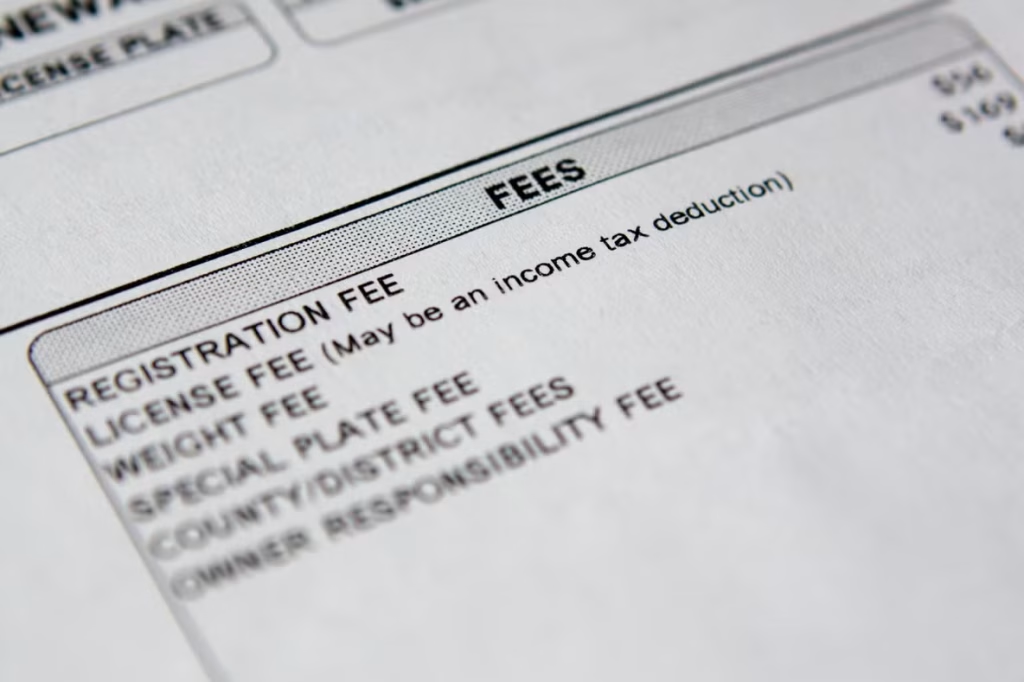
Request an itemized out-the-door price before signing a dealership agreement. Separate government charges from dealer documentation fees, optional accessories, and other products. This makes it easier to identify expenses that could otherwise be hidden within a monthly payment.
Used-car buyers should also verify title-transfer requirements, registration charges, and any necessary inspections. These costs are unrelated to fuel economy, yet they directly affect the amount required to buy and operate a vehicle legally.
8. Parking and Tolls Add to Everyday Driving Costs
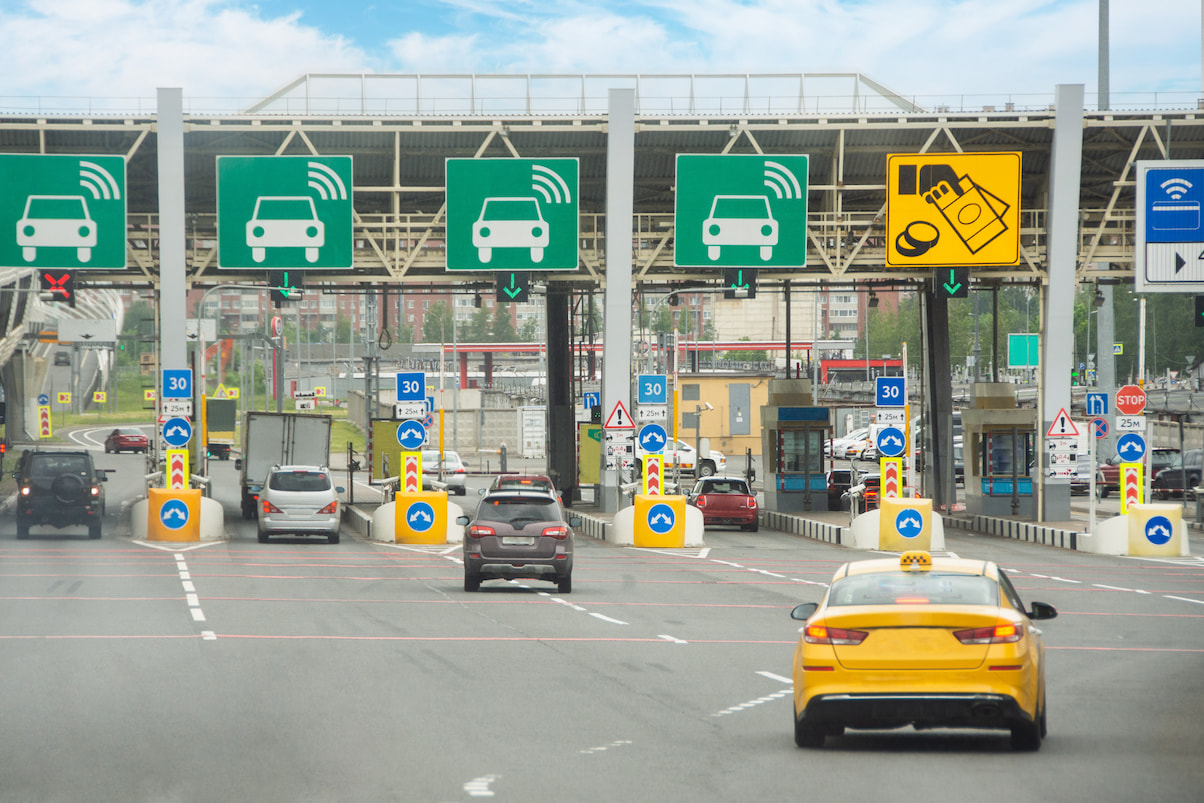
Where you drive and park can affect your budget just as much as the vehicle itself. Parking fees, residential permits, toll roads, and workplace garages create recurring expenses that do not appear on a fuel-economy label.
Consider a driver paying $150 monthly for a parking space. That amounts to $1,800 annually, or $9,000 over five years if the rate remains unchanged. Someone with free residential and workplace parking would avoid that expense entirely. The difference illustrates why ownership costs depend on daily circumstances, not simply the car’s specifications.
Tolls can also add up for regular commuters. A driver using a tolled highway every workday may spend hundreds of dollars annually, depending on the route and frequency of travel. An alternative road might reduce toll payments, although additional mileage, fuel consumption, and travel time could offset some savings.
Urban drivers may face residential parking permits, garage fees, street-cleaning restrictions, and other local charges. Apartment buildings sometimes charge separately for parking or electric-vehicle charging access, so buyers should check these expenses before choosing a vehicle.
Annual mileage influences other costs, too. Someone driving 20,000 miles each year will generally require more frequent mileage-based servicing and tire replacement than someone covering 7,000 miles.
AAA’s ownership-cost methodology uses five years and 75,000 miles for its principal comparison, but actual expenses vary with location and driving habits.
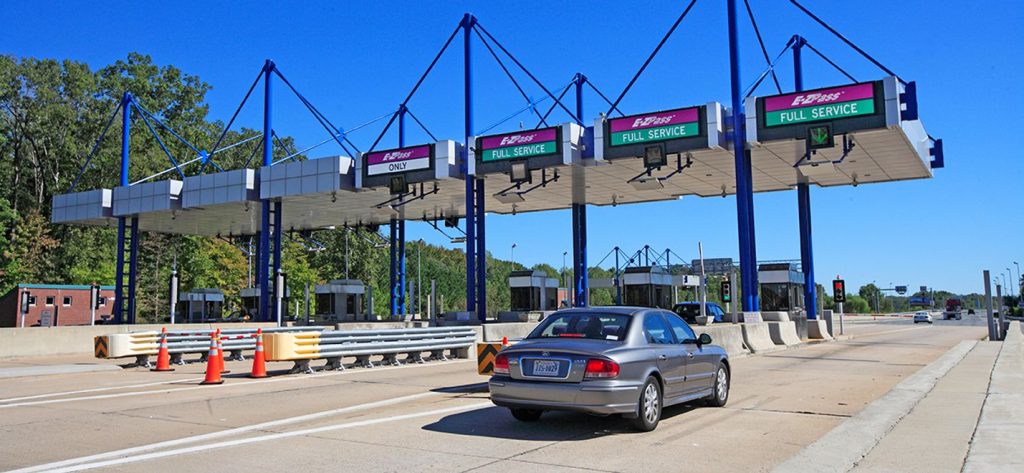
Before purchasing, calculate your regular parking payments, toll expenses, and expected annual mileage. Include any workplace parking benefits or alternative commuting arrangements that could reduce spending.
These costs are particularly important for drivers living in crowded cities, where parking alone can become a major household expense. A car that saves money on gasoline may not be the cheaper choice if it requires costly parking every day.
