
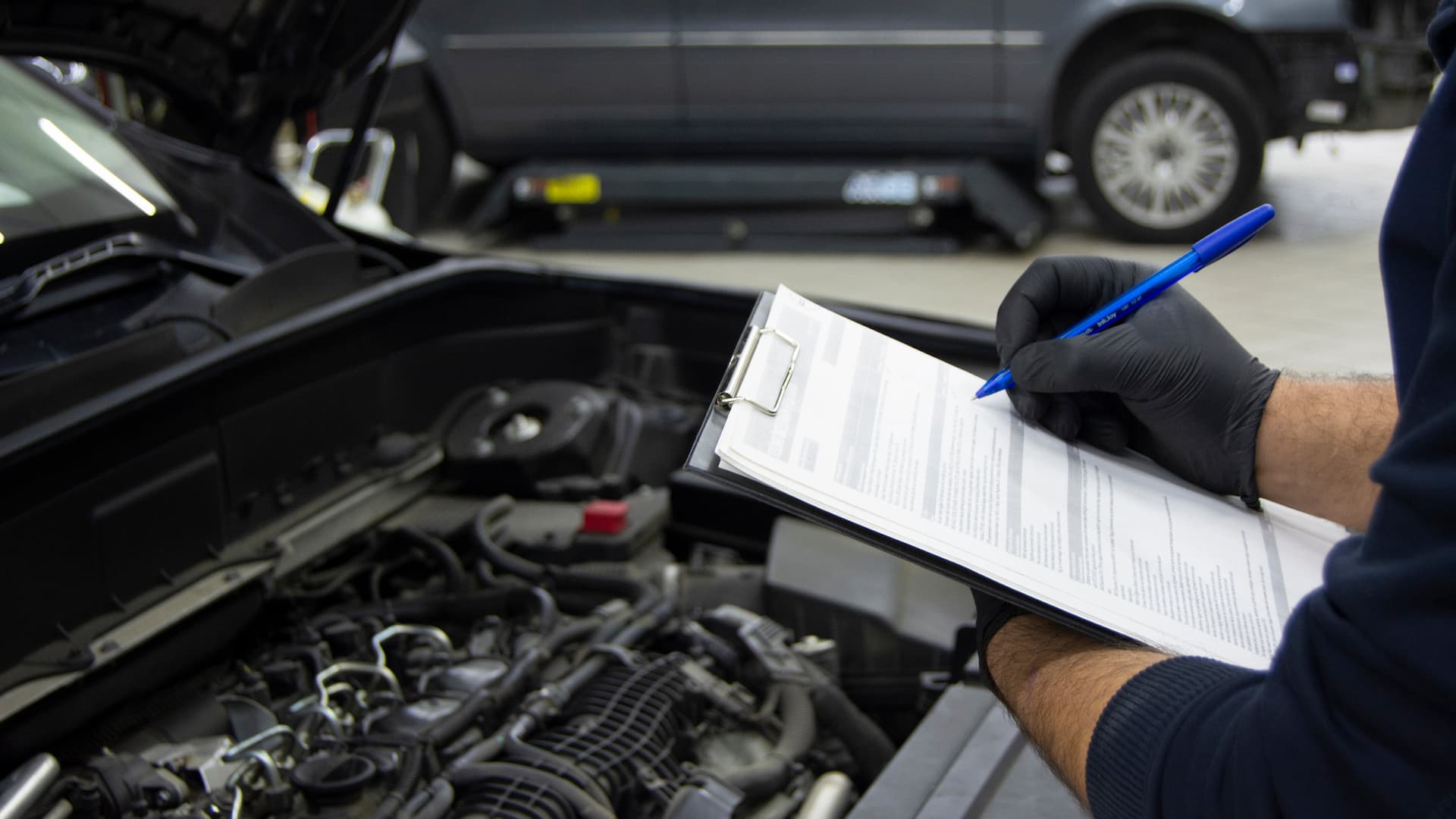
A $20,000 used car can look affordable on the dealership lot, but its purchase price reveals only part of the financial commitment. Insurance premiums, taxes, financing charges, fuel consumption, routine servicing, and unexpected repairs can significantly increase what you spend during the first year of ownership.
Two vehicles listed at the same price may also have very different running costs because of their age, mileage, reliability, and parts availability.
Before signing a purchase agreement, buyers should estimate the full cost of keeping the vehicle, not simply whether they can afford the monthly payment. These ten expenses can help reveal the real budget required.
1. Sales Tax, Title, and Registration Fees
The advertised $20,000 price is not necessarily the amount you will pay to take the car home. Depending on the state and local jurisdiction, sales tax, title charges, registration fees, and dealer documentation fees can add hundreds or even thousands of dollars to the transaction.
Sales tax is usually the largest variable. For example, a buyer purchasing a $20,000 car in a jurisdiction with a 7% vehicle sales tax would owe $1,400 in tax before considering applicable credits, exemptions, or other taxable charges.
That would bring the price to $21,400 before title, registration, and dealer fees. Actual rules vary by location, so buyers should calculate the amount using their own state’s requirements.
Registration expenses can also differ considerably. Some states charge relatively modest flat fees, while others calculate certain charges using the vehicle’s value, weight, age, or other factors. A dealer may also collect documentation fees, which should be reviewed separately from government charges.
AAA includes purchase taxes, licensing, and registration among the major categories in its vehicle ownership-cost analysis, emphasizing that these expenses belong in the budget alongside fuel and maintenance.
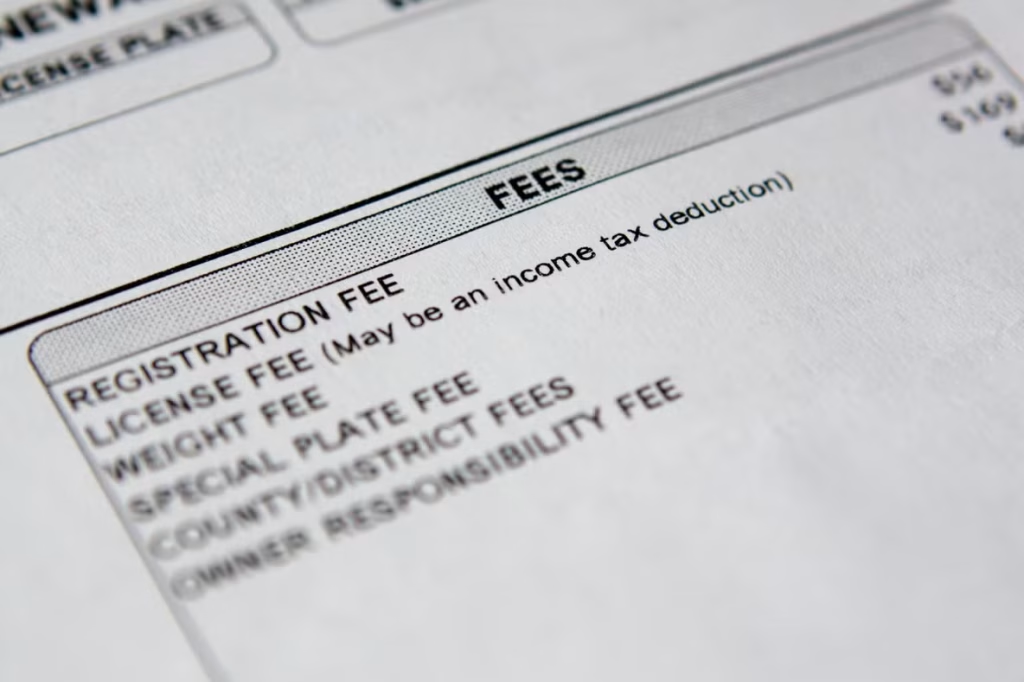
Before visiting the dealership, request an itemized out-the-door quote. This should show the vehicle price, taxes, title and registration charges, documentation fees, and any optional products.
Budget using the final out-the-door amount, not the $20,000 advertised price. That prevents upfront expenses from consuming money you intended to reserve for repairs or emergencies.
2. Car Insurance Premiums
Insurance is a recurring expense that can change the affordability of a $20,000 used car substantially. Two vehicles with identical asking prices may produce very different premiums because insurers consider factors such as the model, repair costs, theft risk, coverage selected, driving history, and the driver’s location.
AAA’s 2025 Your Driving The Cost study estimated an average annual full-coverage insurance cost of $1,694 for a new vehicle under its standardized assumptions. That is a useful reference point, not a reliable quote for every used car or driver.
A used vehicle may cost less to insure, but its premium can still be high depending on the model and circumstances.
Your coverage decision matters, too. Liability insurance covers qualifying claims for injuries or property damage you cause to others, subject to policy limits. Collision and comprehensive coverage can help pay for damage to your own vehicle in covered circumstances. If you finance the purchase, the lender will generally require certain physical-damage coverage.
Get insurance quotes using the exact year, make, model, trim, and vehicle identification number when available. Compare equivalent coverage limits and deductibles across several insurers rather than choosing the cheapest headline premium.

For budgeting, divide the quoted annual premium by 12 and include that amount in your monthly ownership estimate. Also check whether the policy has a substantial deductible that you could afford after an accident.
Do not finalize the purchase before confirming the insurance cost. A vehicle that fits your budget at the dealership can become far less attractive once the premium is added to the monthly payment, fuel, and maintenance expenses.
3. Financing Interest and Loan Fees
If you cannot pay the full $20,000 upfront, financing adds another cost that should be calculated before you choose a vehicle. The interest rate, loan term, down payment, and amount borrowed determine how much the car ultimately costs.
A low monthly payment may look attractive, but extending the loan can increase the total interest paid and leave you making payments long after the vehicle has accumulated substantial mileage.
For example, financing $20,000 over five years at a 9% APR, with no down payment or extra fees, would result in monthly payments of about $415. By the end of the 60-month term, you would pay approximately $4,900 in interest.
The total repayment would therefore be about $24,900, excluding insurance, taxes, registration, and running costs.
The actual figures will depend on your credit profile and lender. Used-car loan rates can also differ from new-car rates, while dealer-arranged financing may include terms that deserve closer scrutiny.
Compare offers from banks, credit unions, and dealership lenders before committing. Look at the APR, total interest, loan term, origination charges, and any prepayment restrictions. A longer term can reduce the monthly payment, but it does not make the vehicle cheaper.

Also consider the car’s age and expected reliability. Financing an older vehicle over a long period can leave you paying a loan while facing repair bills. If the car loses value faster than you repay the principal, you may owe more than it is worth.
Calculate the total repayment, not just the monthly installment. That figure reveals how much financing adds to the real cost of buying the car.
4. Fuel Consumption
Fuel can become one of the largest recurring expenses for someone who drives regularly. A $20,000 used sedan with good fuel economy may cost significantly less to operate than a similarly priced SUV or pickup, especially if you commute long distances or spend considerable time in traffic.
Start by estimating your annual mileage. If you drive 12,000 miles per year and your car averages 25 miles per gallon, you will use approximately 480 gallons annually. At an illustrative gasoline price of $3.50 per gallon, that amounts to $1,680 per year, or $140 per month. These are example figures, not a forecast of current local fuel prices.
For comparison, a vehicle averaging 35 mpg would use approximately 343 gallons over the same distance. At the same fuel price, annual spending would be about $1,200, saving roughly $480 each year.
Use the vehicle’s EPA fuel-economy estimate as a starting point, then account for your driving pattern. Stop-and-go traffic, cold weather, aggressive acceleration, heavy loads, and short trips can reduce real-world efficiency. A hybrid may offer an advantage in urban driving, while some gasoline vehicles perform relatively well on the highway.
Check the required fuel grade, too. A vehicle that recommends or requires premium gasoline may cost more to run than one designed for regular fuel.
Before buying, estimate monthly fuel consumption using your own mileage and realistic local prices. A modest difference in fuel economy can add up over several years, making it an important factor when comparing two otherwise similar used cars.
5. Routine Maintenance and Scheduled Servicing
Every used car needs maintenance, regardless of its reputation for reliability. Oil and filter changes, tire rotations, engine air filters, cabin filters, fluid inspections, and other scheduled services help keep the vehicle operating properly. Skipping them may save money temporarily but can lead to more expensive problems later.
The exact schedule depends on the vehicle, its age, mileage, engine, and driving conditions. Some cars require more frequent servicing under severe-use conditions, such as repeated short trips, dusty environments, heavy traffic, or towing. Consult the owner’s manual for the manufacturer’s recommended schedule rather than relying on a generic service interval.
Before buying a $20,000 car, ask for maintenance invoices and service records. Stamps in a booklet can be useful, but detailed records provide better evidence of what was actually done and when. Check whether the vehicle is approaching a major scheduled service, particularly if it is near a mileage milestone that requires additional work.
For budgeting, obtain estimates from a dealership and an independent repair shop familiar with the model. Compare the cost of common services and ask whether the vehicle has any overdue maintenance. An inexpensive used car can become costly if it immediately needs fluids, filters, belts, spark plugs, or other scheduled items.
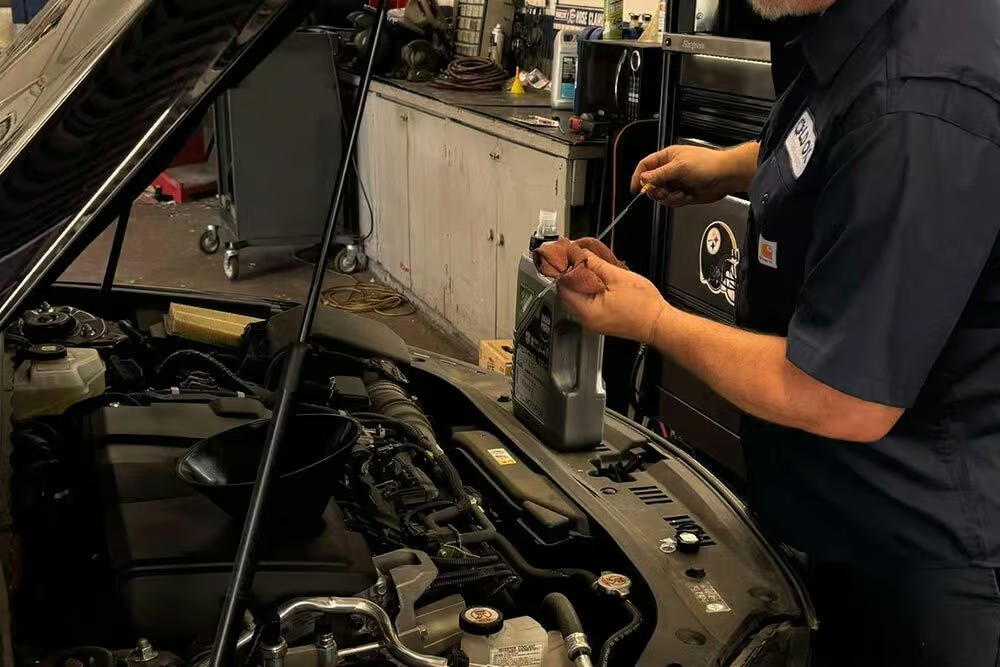
Do not assume that a newer vehicle will always be cheaper to maintain. Some models use expensive components, specialized fluids, or labor-intensive procedures. Others may have affordable parts but require more frequent servicing.
Set aside money every month for routine maintenance, even if the car appears to be in excellent condition. This expense is predictable enough to plan for, unlike a sudden mechanical failure.
6. Tires, Brakes, and Other Wear Items
A used car can pass a basic visual inspection and still need several hundred dollars’ worth of wear-related work soon after purchase. Tires and brakes deserve particular attention because their condition affects both safety and your immediate budget.
Tire prices vary by size, brand, performance rating, and vehicle type. A set for a common compact sedan may cost considerably less than tires for a large SUV, luxury model, or performance car.
Installation, balancing, disposal charges, and alignment can add to the bill. If the vehicle has staggered tire sizes or requires specialized tires, replacement costs may be higher.
Check the tread depth, uneven wear, sidewall damage, and tire age. Uneven wear can indicate alignment problems, suspension issues, or incorrect inflation. A tire that looks acceptable at a glance may still be nearing replacement.
Brakes also need more than a quick look through the wheels. Ask the inspector to evaluate pad thickness, rotor condition, brake-fluid condition, and any vibration or noise during braking. The cost of replacing pads and rotors depends on the vehicle and the parts selected.
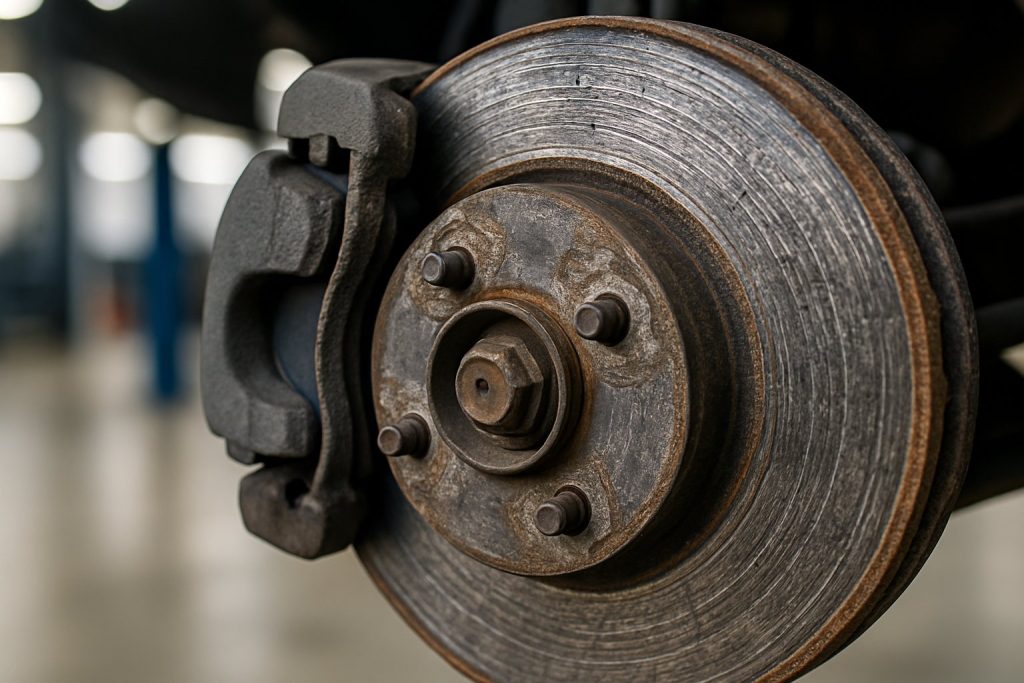
Other wear items may include the battery, wiper blades, suspension bushings, shocks, struts, and accessory belts. Not every car will need these items immediately, but an older vehicle may be approaching several replacements at once.
Request a written inspection report that identifies work needed now and work likely to be required soon. Use the estimates to negotiate the price or ask the seller to complete agreed repairs before delivery.
7. Unexpected Repairs and Mechanical Failures
Even a well-maintained used car can develop a mechanical problem without warning. A failed alternator, leaking cooling system, malfunctioning air conditioner, or transmission issue can disrupt your budget soon after purchase. This is why repair reserves should be treated as part of the cost of ownership, not as optional savings.
The amount you should reserve depends on the vehicle’s age, mileage, condition, and repair history. A mainstream model with widely available parts may be less expensive to repair than a luxury vehicle with complex electronics or specialized components. However, no make or model is immune to unexpected failures.
Before purchasing, arrange an independent pre-purchase inspection. A qualified mechanic can check for fluid leaks, abnormal noises, diagnostic trouble codes, worn suspension parts, cooling-system concerns, and signs of previous collision damage.
A road test alone cannot identify every problem, but an inspection can reduce the chance of buying a car with an obvious defect.
Ask for estimates when the inspection identifies potential repairs. Separate urgent safety-related work from items that may need attention later. This helps you determine whether the vehicle remains a sensible purchase at the negotiated price.
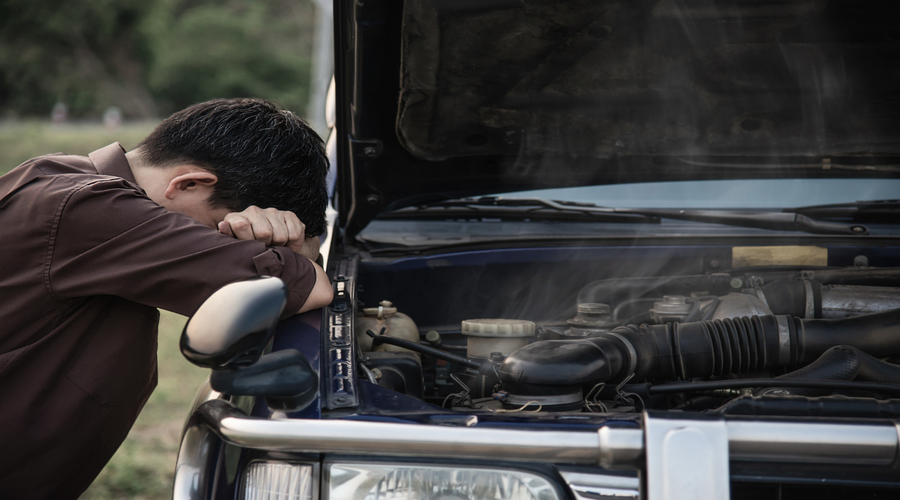
A repair reserve should also reflect how dependent you are on the car. If a breakdown could prevent you from getting to work, you may need a larger emergency fund than someone with reliable alternative transportation.
Extended warranties or vehicle service contracts may cover certain failures, but their exclusions, deductibles, claim limits, and provider reputation need careful review. Do not assume every repair will qualify.
8. Depreciation and Future Resale Value
Depreciation is the difference between what you pay for the vehicle and what you can eventually sell it for. It does not usually appear as a monthly bill, but it is a real ownership cost. A car bought for $20,000 that sells for $12,000 after several years has lost $8,000 in value, before accounting for the cost of financing, maintenance, fuel, or insurance.
Used vehicles often depreciate differently depending on their age, mileage, condition, brand, model, and market demand. A popular pickup or well-regarded SUV may retain value better than a less desirable model, but strong historical resale performance is not a guarantee of future prices.
Mileage affects resale value because prospective buyers often view a vehicle with 150,000 miles differently from one with 80,000 miles. However, service records, accident history, ownership history, and overall condition can change the comparison substantially.
Before buying, research prices for the same model year, trim, and approximate mileage. Compare dealer asking prices with private-party listings, remembering that advertised prices are not necessarily completed sale prices. Check valuation guides and look at several comparable vehicles rather than relying on one unusually high or low listing.
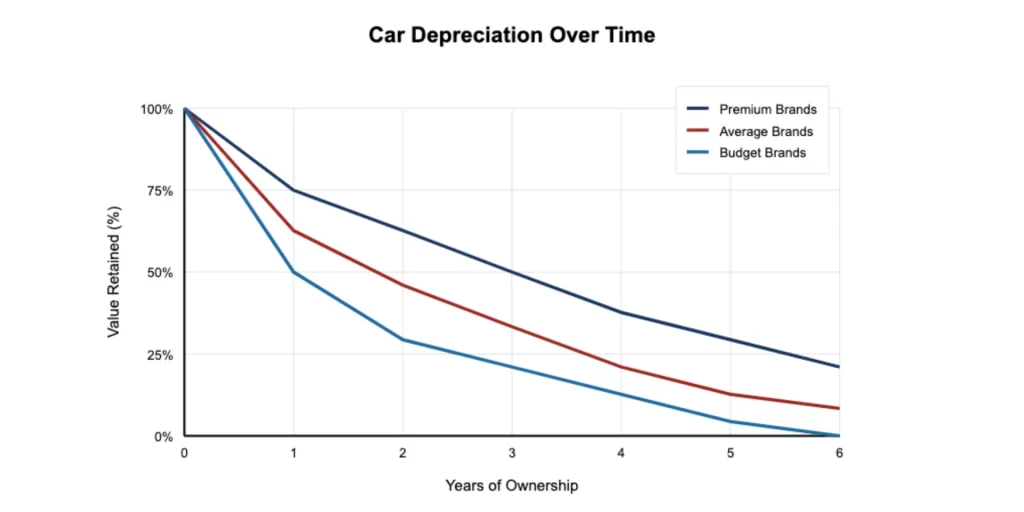
You should also consider how long you intend to keep the car. If you plan to sell it in two years, likely resale value matters more immediately than it would if you intend to drive it for a decade.
Estimate a conservative future selling price and subtract it from your purchase cost. This provides a more useful depreciation estimate than assuming you will recover most of your original investment.
9. Parking, Tolls, and Daily Driving Expenses
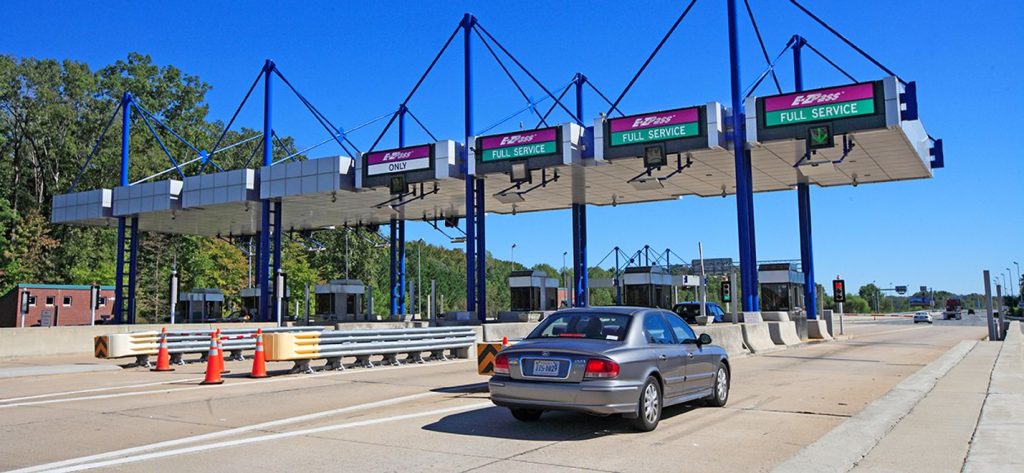
Not every ownership cost comes from the vehicle itself. Parking fees, toll roads, permits, and occasional paid parking can add up, especially for drivers who commute into busy urban areas or regularly travel on toll roads.
Start with your typical week. If you pay for workplace parking, calculate the monthly charge across the year. Include residential parking fees if your building charges separately for a parking space. Drivers who rely on public garages or paid street parking should use a realistic average rather than assuming they will always find free spaces.
Tolls deserve the same treatment. Estimate how often you use toll roads and the cost of your usual routes. Electronic toll accounts may offer convenience, but account fees, replenishment requirements, and the possibility of higher toll rates on certain roads should be checked against the relevant provider’s terms.
Other expenses can include car washes, cleaning supplies, windshield-washer fluid, parking permits, and occasional roadside assistance. Individually, these may appear small. Together, they can become a meaningful part of the monthly budget.
Location also affects practical ownership costs. If you live in an apartment without a private parking space, you may face monthly parking charges. If your commute involves toll roads, the cheapest vehicle to buy may not be the cheapest one to use.
Track these expenses for a month if you already drive regularly. If you are buying your first car, build an estimate using your expected commute and routine activities.
The purpose is not to eliminate every convenience expense. It is to avoid underestimating the cost of using the vehicle in your actual life.
10. Inspection, Vehicle History, and Pre-Purchase Checks
Before spending $20,000, budget for a vehicle history report and an independent mechanical inspection. These costs are small compared with the price of the car, yet they can help uncover issues that affect safety, reliability, and resale value.
A vehicle history report may reveal recorded accidents, title problems, odometer discrepancies, previous ownership details, and some service or damage records. However, reports are not complete records of a vehicle’s life. Unreported accidents and repairs may not appear, so a clean report should never replace a physical inspection.
A pre-purchase inspection is usually more valuable when performed by a mechanic who is independent of the seller. The mechanic can examine the engine, transmission, brakes, suspension, tires, underbody, electronics, and signs of leaks or collision repairs.
On a hybrid or electric vehicle, the inspection should also address the relevant high-voltage system and battery condition.
Ask the seller to allow a cold start and a proper road test where possible. Warning lights, unusual noises, shifting problems, smoke, fluid leaks, or inconsistent service records deserve further investigation. If the seller refuses a reasonable independent inspection, consider walking away.
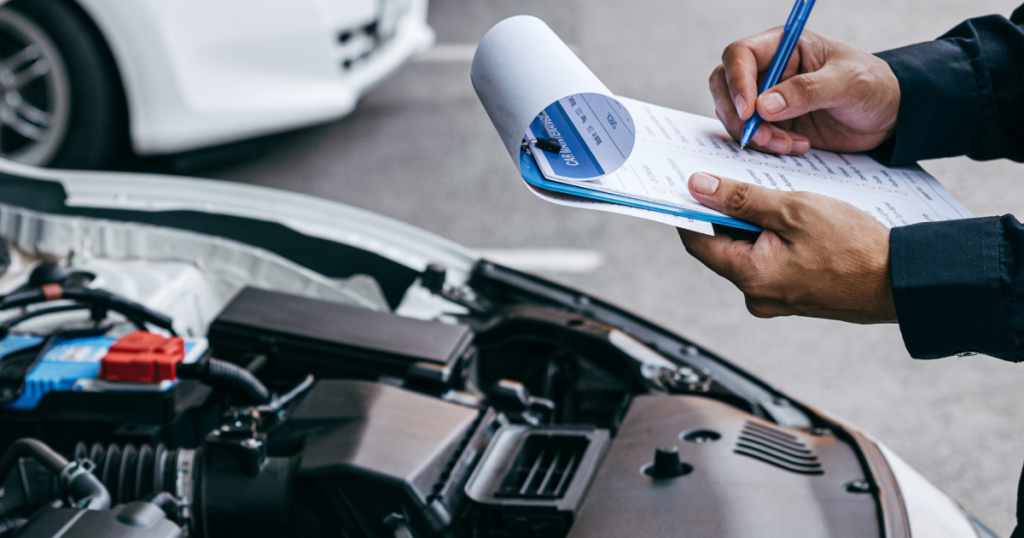
Also verify the vehicle identification number on the car against the title and paperwork. Review any outstanding recalls and determine whether required repairs have been completed.
Finally, use the inspection findings to revise your budget. If the car needs tires, brakes, or overdue maintenance, include those costs in your offer calculation.
A $20,000 used car is only a good deal when its condition and expected ownership costs justify the price. A modest inspection expense can help prevent a much bigger financial mistake.
