

Mileage can make a significant difference in how much a used car is worth, but the effect is not as simple as subtracting a fixed amount for every mile on the odometer. A vehicle with 50,000 miles may command a higher price than an otherwise identical car with 100,000 miles, while a well-maintained vehicle with 150,000 miles can still offer reasonable value.
For U.S. used-car shoppers, 50,000, 100,000, and 150,000 miles are common benchmarks that can influence a vehicle’s perceived value. These milestones often shape expectations about remaining lifespan, upcoming maintenance, and possible repair costs. However, the impact on price varies depending on the vehicle’s age, model, condition, maintenance history, and local market demand.
Kelley Blue Book says its valuation process compares a vehicle’s mileage with the typical mileage for its age, using transaction data to adjust estimated value. That means mileage is evaluated in context rather than through a universal discount applied to every car.
What 50,000 Miles Means for a Used Car’s Value
A used car with 50,000 miles can appeal to buyers who want a vehicle that has already depreciated from its original new-car price but may still have substantial useful life remaining. Whether it commands a premium depends on its age and how its mileage compares with similar vehicles.
Consider a three-year-old sedan with 50,000 miles. It has accumulated more miles than a comparable vehicle driven 10,000 miles annually, so a buyer may expect a price adjustment. By contrast, a six-year-old vehicle with the same 50,000 miles could be considered relatively low-mileage for its age.
This distinction matters because mileage is not the only measure of wear. A car that has covered 50,000 highway miles with consistent maintenance may have experienced less stop-and-go driving than one with the same mileage accumulated in congested urban traffic. Neither odometer reading tells the entire story.
At this stage, buyers should examine maintenance records, tire condition, brake wear, and any manufacturer-recommended services approaching their due dates. Some vehicles may require scheduled maintenance around this mileage, depending on the model and driving conditions.
Checking the owner’s manual is more reliable than assuming every car needs the same work at 50,000 miles.
For sellers, a vehicle with 50,000 miles may be easier to market if its condition is strong and its maintenance history is documented. Buyers may be more comfortable paying extra for a clean, well-maintained example than for one with missing records or visible neglect.
However, there is no reliable universal rule that a car loses a specific percentage of its value at exactly 50,000 miles. The price difference should be established by comparing similar vehicles with different mileage, using current local listings and valuation tools.
Why 100,000 Miles Can Change Buyer Interest
The 100,000-mile mark has long influenced used-car shopping because it is a simple milestone buyers can compare across listings. Some shoppers associate it with higher repair risk, while others consider it acceptable if the vehicle has been maintained properly.
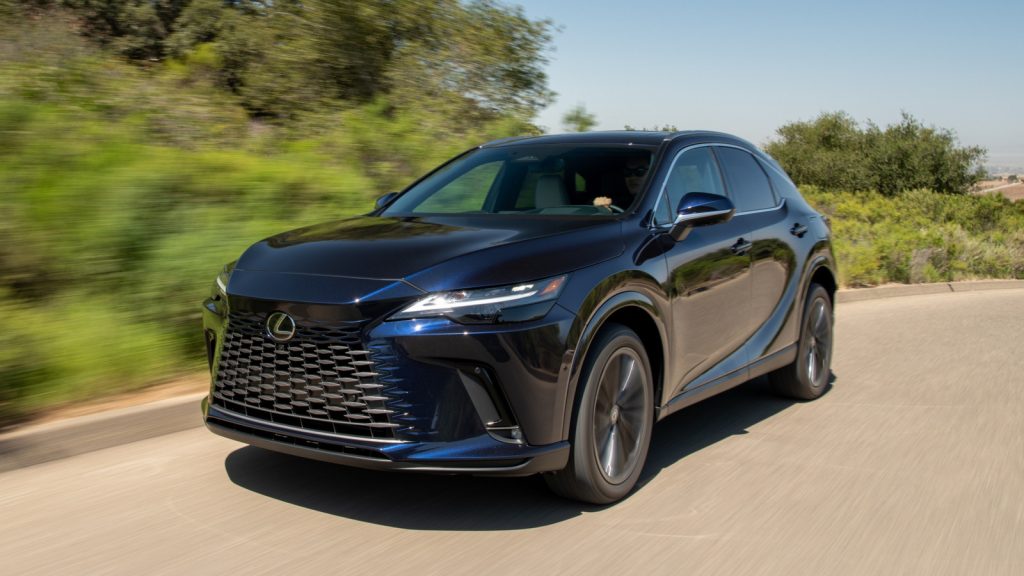
Crossing 100,000 miles does not mean a car is near the end of its life. Many vehicles can travel well beyond that distance, but their condition depends on maintenance, design, driving conditions, and how previous owners treated them.
The price impact often comes from buyer expectations. If shoppers can choose between two similar cars and one has 85,000 miles while the other has 105,000 miles, some may prefer the lower-mileage example even if both have comparable service records. That difference in demand can influence asking prices and resale values.
Maintenance becomes particularly important at this point. Depending on the vehicle, buyers may need to investigate whether the timing belt, spark plugs, transmission fluid, coolant, or other scheduled items have been replaced when required. Not every car uses a timing belt, and service intervals vary, so the vehicle’s maintenance schedule should guide the inspection.
A history of regular servicing can help reassure buyers that the vehicle has received appropriate care. Missing records, unresolved warning lights, transmission problems, or evidence of overheating deserve more attention than the odometer figure alone.
Imagine comparing two similar used SUVs. One has 92,000 miles and a complete maintenance history, while the other has 108,000 miles but no records of major servicing.
The first might command a higher price because of its lower mileage and clearer history. However, if the second has recently received necessary maintenance and passes an independent inspection, it could still be a sensible purchase at the right price.
The key is to avoid treating 100,000 miles as a mechanical cutoff. It is a useful point for closer scrutiny, not proof that expensive repairs are imminent.
What Changes at 150,000 Miles?
At 150,000 miles, a vehicle usually attracts a narrower group of potential buyers. Some shoppers avoid high-mileage cars because they expect more wear and a greater possibility of repairs. Others deliberately seek them out because the lower purchase price can make transportation attractive.
At this mileage, condition and maintenance documentation can become especially influential. Buyers should look beyond routine servicing and investigate the condition of major systems, including the engine, transmission, suspension, cooling system, steering, and electrical equipment.
A qualified mechanic can identify developing problems that may not be obvious during a test drive.
The type of vehicle matters as well. A common model with affordable replacement parts and a strong repair network may be easier to own at 150,000 miles than a vehicle with expensive components or limited parts availability. Strong demand for certain models can also support their resale prices despite higher mileage.
A 150,000-mile vehicle with extensive maintenance records and a clean inspection may represent better value than a lower-mileage example that has been neglected. Nevertheless, buyers should budget for age-related wear, even if the vehicle appears to run well.
Resale prospects also deserve consideration. If you plan to sell the vehicle again in two or three years, it will likely have accumulated additional miles, potentially limiting the number of interested buyers. If you intend to keep it for several years, the initial purchase price and expected repair costs may matter more than the next resale milestone.
There is no universal discount for 150,000 miles. Kelley Blue Book’s approach reinforces the importance of comparing mileage with the vehicle’s age and market, rather than applying the same deduction to every car.
How Much Could Mileage Change the Price? A $20,000 Example
To understand the potential impact, imagine a used vehicle that would be worth $20,000 at a particular reference mileage, assuming a specific model year, trim, condition, and local market. The following figures are illustrative examples only, not verified market averages or guaranteed mileage deductions.
| Mileage | Illustrative value | Difference from $20,000 |
|---|---|---|
| 50,000 miles | $20,000 | Reference price |
| 100,000 miles | $17,000 | $3,000 lower |
| 150,000 miles | $14,000 | $6,000 lower |
In this example, the vehicle loses $3,000 between each mileage milestone. Actual prices may follow a different pattern. A popular model with a strong reliability record may retain more value, while an expensive-to-repair vehicle may experience a sharper decline.
Age must also remain constant for a fair comparison. If the 150,000-mile vehicle is several years older than the 50,000-mile example, its lower price reflects both mileage and age. The table isolates mileage only to demonstrate how a hypothetical price comparison works.
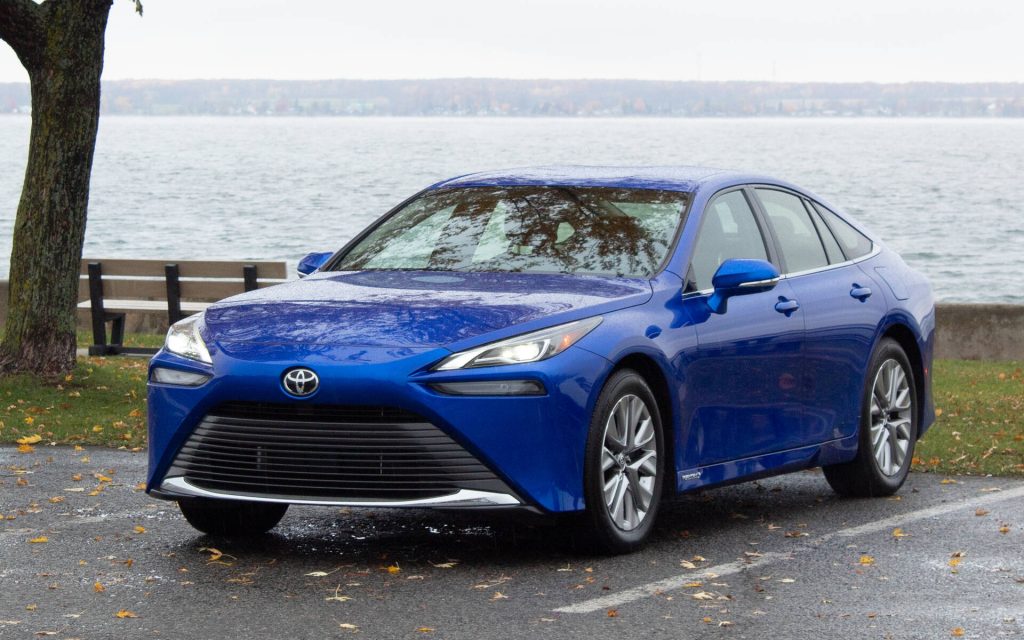
For a real purchase, compare listings with the same model year, trim, drivetrain, and similar condition. Kelley Blue Book’s Fair Market Range can help estimate a reasonable local price, while CARFAX’s History-Based Value considers reported information such as accidents, service history, ownership, and vehicle use.
How to Judge Mileage Before Buying
Before deciding whether a car is fairly priced, use these checks:
Consider both mileage and age when assessing a vehicle. A car driven 15,000 miles per year has experienced a different level of use than one averaging just 5,000 miles annually, even if their ages are similar.
Check the maintenance history to verify that routine servicing was completed on schedule and identify any overdue maintenance that may require attention.
Review the vehicle history for reported accidents, title issues, and discrepancies in odometer readings that could indicate mileage tampering.
Schedule an independent pre-purchase inspection with a qualified mechanic to evaluate key components and identify potential repairs or maintenance needs.
Compare prices for similar vehicles in your area using current listings and valuation tools. Assess mileage alongside age, condition, and maintenance history rather than applying a fixed discount based on odometer readings alone.
The bottom line is that 50,000, 100,000, and 150,000 miles are useful comparison points, but none determine a car’s value on its own. Lower mileage can help a vehicle command a higher price, yet documented maintenance, mechanical condition, age, and market demand can change the calculation substantially.
The best purchase is not necessarily the car with the lowest odometer reading. It is the one whose price accurately reflects its condition, history, and expected ownership costs.
