
Taking delivery of a new car is exciting, but signing the paperwork and driving away without a thorough inspection can create avoidable problems. Even brand-new vehicles can arrive with transport damage, paint defects, missing accessories, warning lights, or paperwork errors.
Some issues are easy to correct before delivery but become harder to resolve once you have accepted the vehicle.
Spending 20 to 30 minutes checking the car, its equipment, and its documents can help you catch problems while the dealership is still responsible for addressing them. Here are ten areas to inspect before accepting your new vehicle.
1. Inspect the Exterior Paint and Body Panels
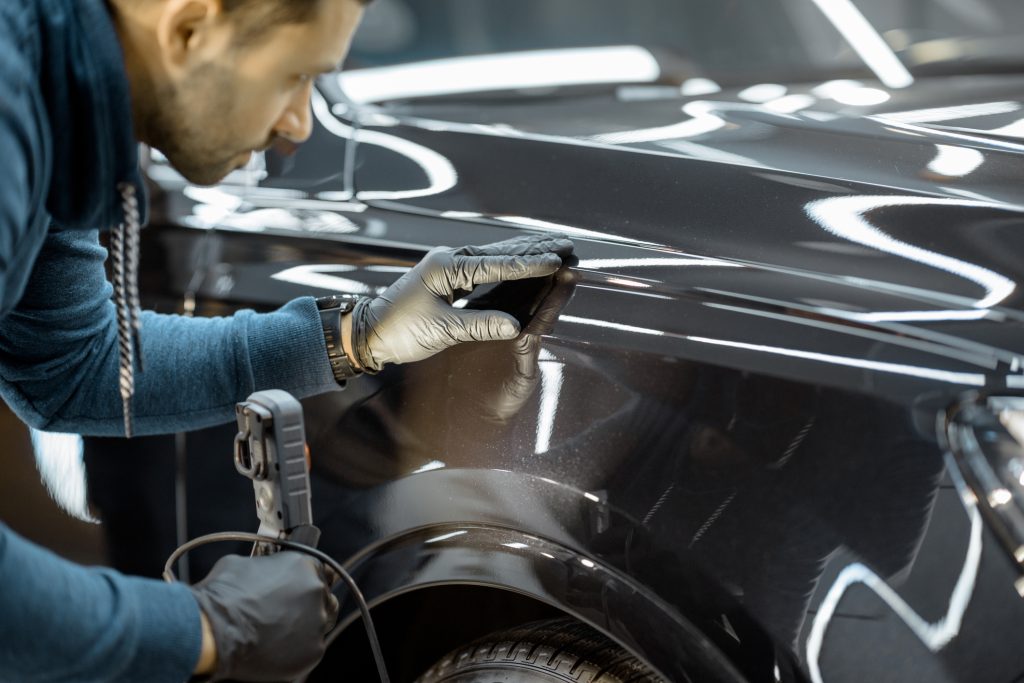
Start your inspection before the dealership moves the vehicle into bright sunlight or you drive it away. Walk around the entire car and examine the paint from several angles. Look for scratches, chips, dents, uneven gloss, paint overspray, and differences in color between adjacent panels.
These defects can occur during transportation, storage, or handling at the dealership, even when the vehicle has never been registered to a previous owner.
Pay particular attention to the bumpers, door edges, hood, roof, wheel arches, and lower sections of the doors. These areas can be vulnerable to scratches during loading, unloading, or movement around a crowded storage lot.
Check the panel gaps as well. Uneven spacing does not automatically prove damage, but obvious inconsistencies deserve an explanation.
Inspect the vehicle in daylight whenever possible. Artificial showroom lighting can hide minor paint defects, while a wet or freshly washed exterior may make scratches harder to identify. If you notice an area that looks different, ask the dealership to clean and inspect it with you.
Photograph any defects before signing the final delivery acknowledgment. Request that the dealership document the issue and confirm in writing how it will be corrected. If repainting or panel replacement is proposed, ask about the repair method and whether the work will be recorded in the vehicle’s service history.
Do not assume that every paint defect is harmless simply because the car is new. Identifying damage before acceptance gives you a clearer record and a better opportunity to request a satisfactory resolution.
2. Check the Windshield, Windows, and Mirrors
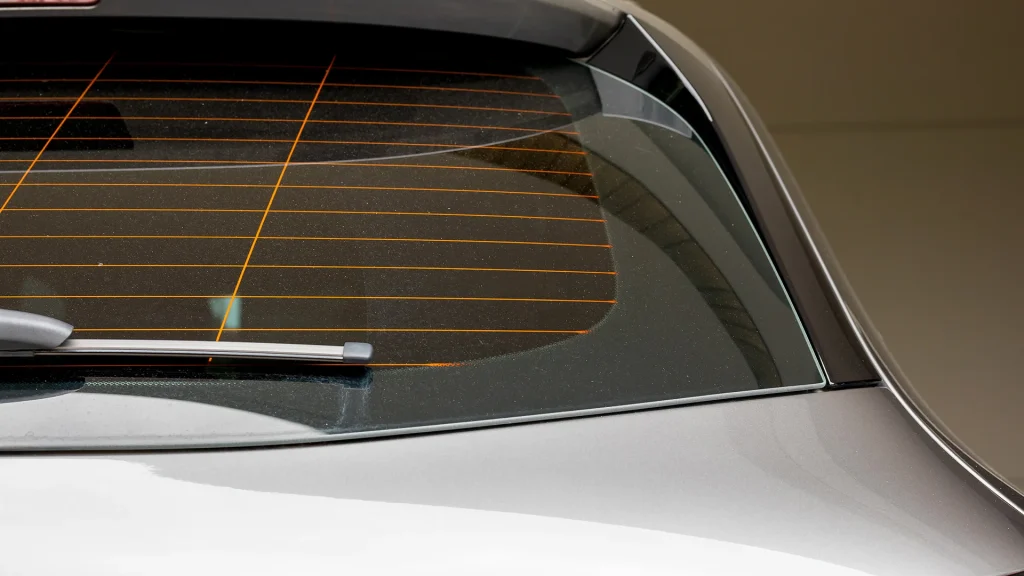
Glass damage can be easy to overlook when you are focused on the vehicle’s exterior paint and interior features. Carefully inspect the windshield, side windows, rear glass, and mirrors for chips, cracks, scratches, and distortion before accepting delivery.
Look across the windshield from both inside and outside the vehicle. Small chips may be difficult to see at first, especially near the edges or around the rear-view mirror mounting area.
Check the glass for visible defects that could interfere with your view of the road. Also examine the side windows for scratches and make sure the rear glass has no obvious damage.
Next, operate every power window. Each should move smoothly without unusual noises, sticking, or hesitation. Test the driver’s window controls and any individual switches fitted to the other doors. Check whether the windows close properly and whether any automatic one-touch functions work as described in the owner’s manual.
Adjust the side mirrors and test their electrical controls, if equipped. If the car has heated mirrors, check the relevant indicator or operating instructions. Vehicles fitted with cameras or driver-assistance sensors near the windshield may require additional attention if the glass appears damaged or has been replaced.
Do not accept a salesperson’s assurance that a crack is merely cosmetic without documenting it. A small chip can spread as temperatures change, and damage in the driver’s field of view may require more than a simple repair.
If you find a defect, photograph it and ask for a written repair or replacement commitment before signing the final acceptance paperwork.
3. Verify the VIN and Vehicle Documents
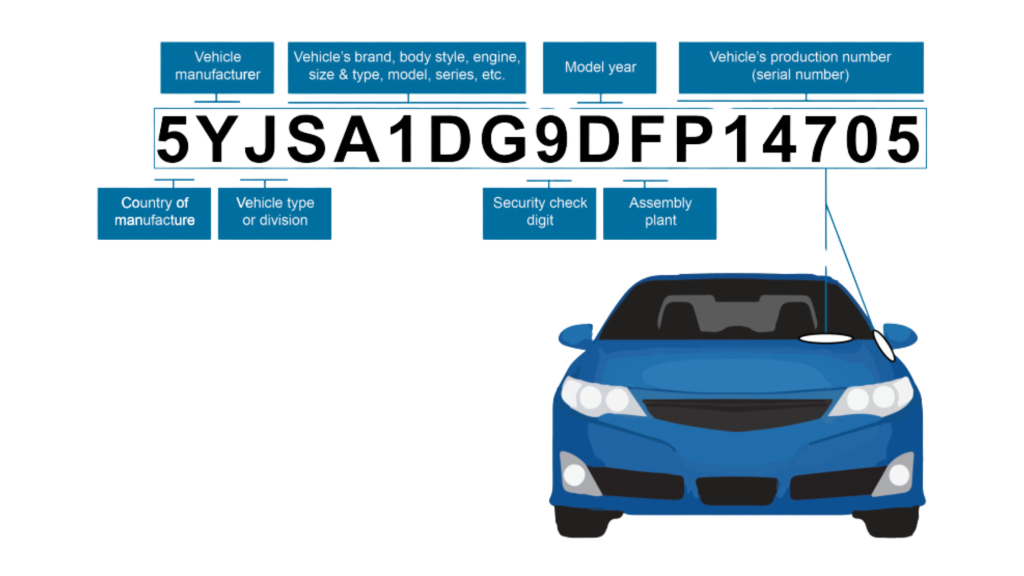
Before accepting delivery, confirm that the vehicle identification number (VIN) matches across the car and its paperwork. The VIN is a unique identifier used to distinguish one vehicle from another, and an error can create complications with registration, insurance, warranty claims, and future resale.
Locate the VIN on the dashboard near the windshield and compare it with the number shown on the door-jamb label and purchase documents, where applicable.
Check the sales contract, delivery paperwork, insurance documents, and any available title or registration records. Requirements and document timing vary by state, so some registration documents may arrive later.
Also confirm the model year, trim level, engine or powertrain, drivetrain, and factory-installed options. Two vehicles carrying the same model name can have substantially different equipment. If you paid for a specific package, make sure the delivered vehicle matches the contract and window sticker.
Review the final invoice for the agreed purchase price, taxes, dealer fees, accessories, and any optional products. Make sure any promises about repairs, missing equipment, or delivery conditions are documented in writing rather than left as verbal assurances.
If you are buying a vehicle that has been advertised as new, ask the dealership to clarify its prior use if anything suggests it may have served as a demonstrator or been driven extensively. Check the odometer reading and have any unexpected mileage explained.
Do not sign documents containing incorrect vehicle details or unexplained charges. Ask the dealership to correct discrepancies before acceptance. A careful paperwork check takes only a few minutes and can prevent administrative headaches long after you leave the lot.
4. Test Every Light and Exterior Signal
A new car’s lighting system includes more than its headlights. Before delivery, check the low beams, high beams, daytime running lights, front and rear turn signals, hazard lights, brake lights, reverse lights, and license-plate illumination. Depending on the model, the vehicle may also have fog lights or additional exterior lighting features.
Ask a dealership employee to operate the controls while you observe the lights from outside. To check the brake lights, have someone press the brake pedal while the vehicle is safely stationary. Test the hazard lights and turn signals on both sides, and verify that the dashboard indicators respond correctly.
Modern vehicles may use LED lighting, adaptive headlights, automatic high beams, or other advanced systems. These features may operate only under certain conditions, so consult the owner’s manual instead of assuming that every function can be fully tested while parked.
If the vehicle has an exterior lighting setting you do not understand, ask the delivery representative to demonstrate it.
Inspect the light housings for cracks, scratches, loose fittings, or moisture that appears excessive. Slight condensation can be normal in some lighting assemblies, but persistent water accumulation should be investigated.
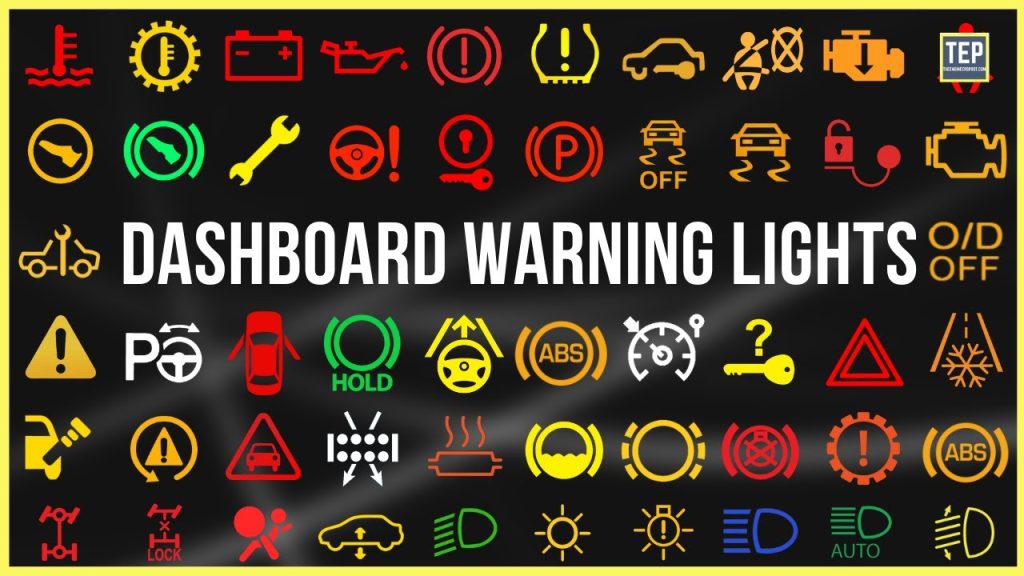
Also check the dashboard for lighting-related warnings. A light that fails to illuminate during its normal startup check or a warning that remains on may indicate a problem requiring diagnosis.
Document any malfunction and request correction before accepting the car. A faulty exterior light can affect visibility, road safety, and legal compliance. Discovering it at the dealership is much easier than arranging a return visit after your first night drive.
5. Inspect the Tires and Wheels
The tires and wheels deserve a close look before you drive away, even when the vehicle has never been sold to another owner. Damage can occur during transportation, while incorrect tire pressure or poor storage conditions may affect how the vehicle drives.
Check all four tires for cuts, bulges, punctures, unusual wear, or visible sidewall damage. Confirm that the tires appear to match the specifications listed on the vehicle’s tire-information label or in the owner’s manual.
The spare tire, if supplied, should also be present and in usable condition. Some new cars instead include a tire repair kit or run-flat tires, so verify what your specific model is supposed to have.
Inspect the wheels for scratches, dents, or damaged finishes. Pay special attention to the outer edges, where contact with transport equipment or curbs can leave marks. If the vehicle has alloy wheels, check each one individually rather than assuming all four are undamaged.
Ask the dealership to verify tire pressures against the manufacturer’s recommended cold pressures. Tires may be inflated above their normal operating pressure for transportation or storage, but the dealer should prepare them according to the vehicle’s delivery requirements.
Do not rely solely on the tire-pressure monitoring system, because a reading may not appear immediately after a pressure change.

During the road test, pay attention to vibration, pulling, or unusual tire noise. These symptoms can have several causes and should be investigated rather than dismissed.
If a wheel is scratched or a tire is damaged, photograph it and request a documented solution. A new vehicle should not leave the dealership with unexplained tire or wheel defects.
6. Test the Air Conditioning, Heating, and Ventilation
Climate-control systems can be expensive to diagnose when something is wrong, so test them before accepting delivery. Start the vehicle according to the manufacturer’s instructions and run the air conditioning at a low temperature with the fan set to a moderate speed. Check whether the system produces cool air and whether the airflow remains consistent.
Next, switch to heat and verify that warm air comes through the vents when the engine or heating system is ready. Some vehicles, especially hybrids and electric vehicles, manage cabin heating differently from conventional gasoline cars. They may use electric heaters or heat pumps, so performance and operating behavior can vary by model.
Test the fan at several speeds and change the airflow direction between the dashboard, floor, and windshield vents. If the car has dual-zone or multi-zone climate control, adjust the settings independently to ensure the different zones respond correctly. Also test automatic climate control, rear ventilation, and rear-seat temperature controls if fitted.
Listen for unusual rattling, squealing, or clicking from the fan area. Check that the windshield defogging function operates and that the controls respond without delay. A faint new-car smell is common, but a persistent musty odor may justify checking the cabin filter or ventilation system.
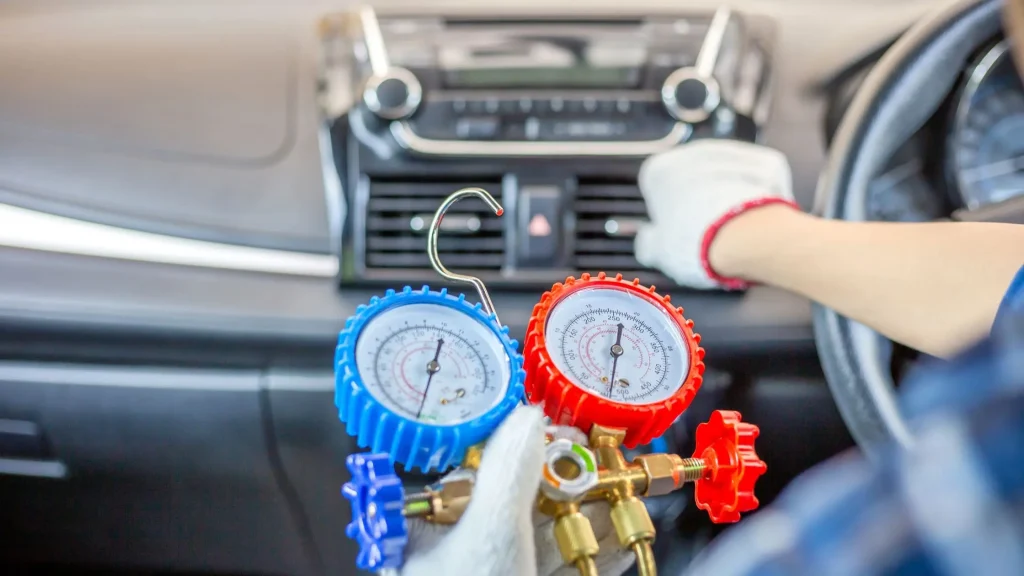
Do not judge the system solely by how quickly it cools the cabin while the car is stationary. Ambient temperature, sunlight, and the vehicle’s design affect performance. Instead, confirm that the system operates normally and ask the dealer to investigate any clear malfunction.
Record any issue on the delivery paperwork and request a repair before accepting the vehicle if possible.
7. Check the Infotainment System and Connectivity
Modern cars rely on touchscreen systems for navigation, media, vehicle settings, phone connectivity, and sometimes essential controls. Before delivery, spend a few minutes testing the infotainment system rather than assuming every feature works because the display powers on.
Start the vehicle and allow the system to complete its startup process. Check the touchscreen for dead areas, flickering, unusual delays, or repeated restarts. Open the main menus and verify that the controls respond properly. Test the audio system at a moderate volume and listen for distortion from the speakers.
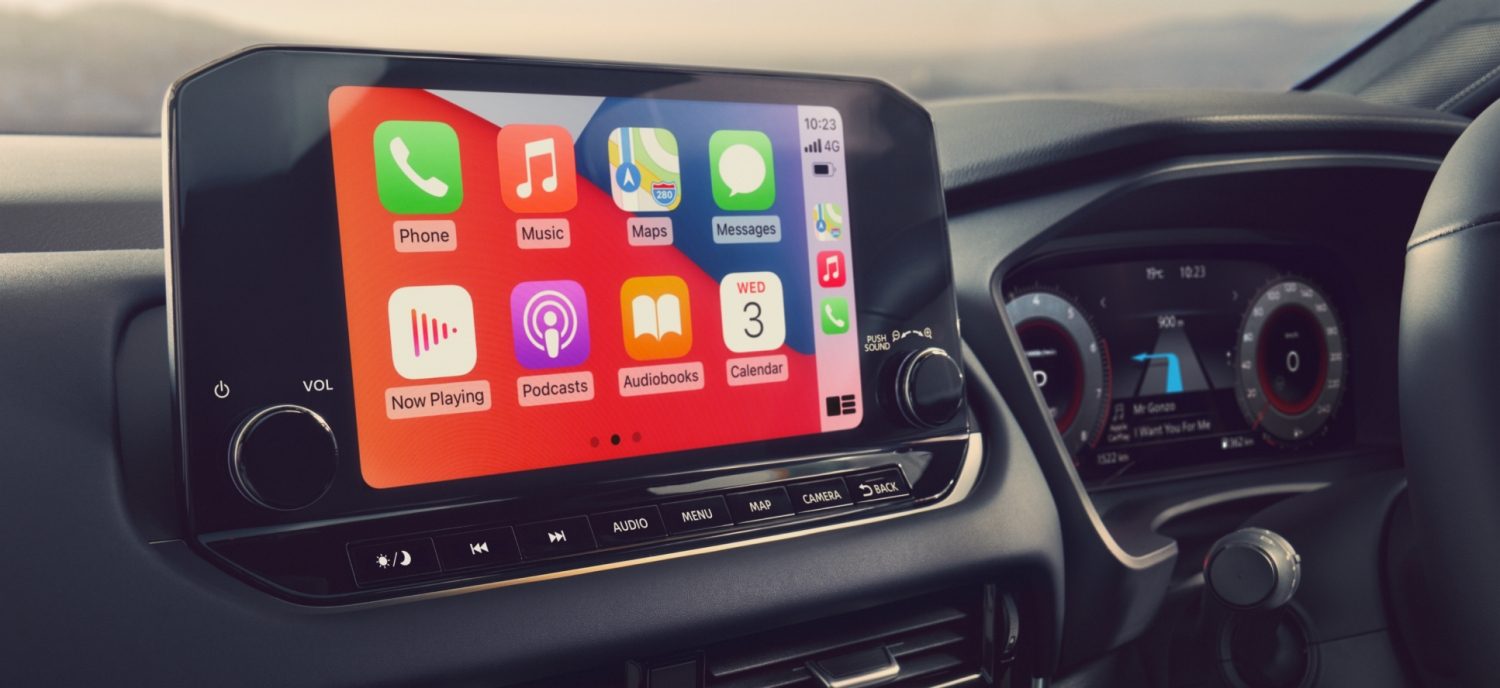
If the vehicle supports Apple CarPlay or Android Auto, connect a compatible phone and confirm that the connection works as expected. Some vehicles support wireless connectivity, while others require a USB cable.
Check Bluetooth pairing, hands-free calling, and microphone quality if possible. You should also verify that USB ports provide the intended charging or data functions.
If navigation is included, check whether the system opens correctly and can identify your location. Connected services, subscriptions, and smartphone applications may require separate activation, so ask the dealer which features are included and whether any trial periods apply.
Review the privacy settings before connecting personal accounts. If the vehicle was previously used as a demonstrator, ask the dealer to remove any stored personal data and reset the system appropriately.
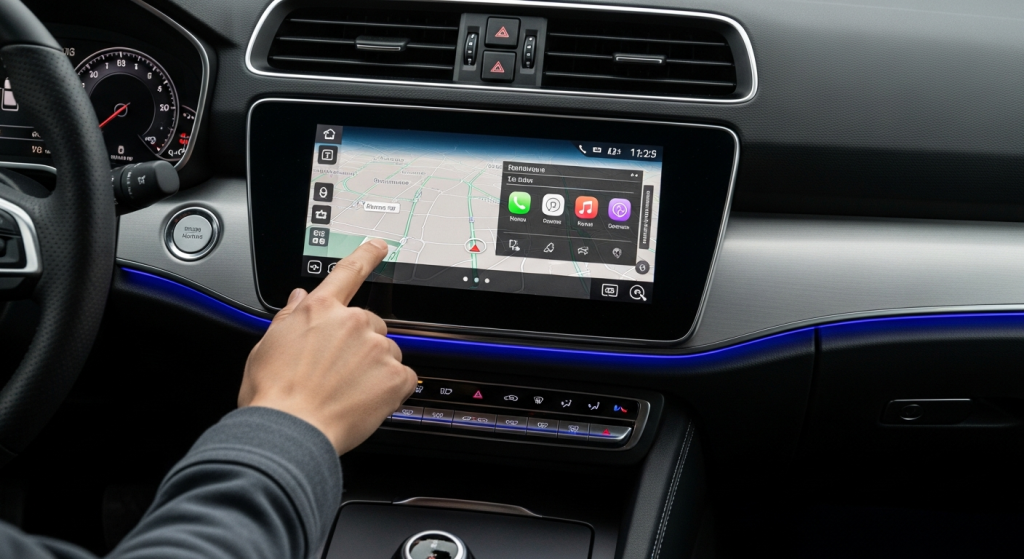
Do not assume that every advertised feature is standard on your trim. Confirm the equipment against the purchase agreement and window sticker.
If the screen freezes, a speaker fails, or a connection repeatedly drops, ask the dealership to diagnose the issue and record it before acceptance. A quick demonstration can prevent frustration with a system you will use on almost every drive.
8. Examine the Seats, Interior Trim, and Safety Belts
The cabin should be inspected as carefully as the exterior. Check the upholstery, dashboard, door panels, headliner, carpets, and cargo-area trim for stains, scratches, tears, loose pieces, or signs of damage. New-car interiors can be marked during transportation or while accessories are being installed at the dealership.
Move each front seat through its available adjustments. Test power controls, lumbar support, heating, ventilation, and memory functions if fitted. Check the rear seats as well, including folding mechanisms, head restraints, and any third-row seating. Make sure the seatbacks lock securely into their intended positions.
Inspect the safety belts for cuts, fraying, twisting, or visible damage. Pull each belt out and allow it to retract normally. Check that the buckles engage and release correctly. Never accept a belt that appears damaged or does not latch properly, because seat belts are critical safety equipment.
Test the interior lights, vanity mirrors, glove compartment, center console, cupholders, and cargo-area covers. Verify that floor mats are included if promised and that they fit securely without interfering with the pedals. Check that the owner’s manual and any supplied accessories are present.
Look for moisture, unusual odors, or damp carpeting. These may justify further investigation rather than being dismissed as normal new-car smells.
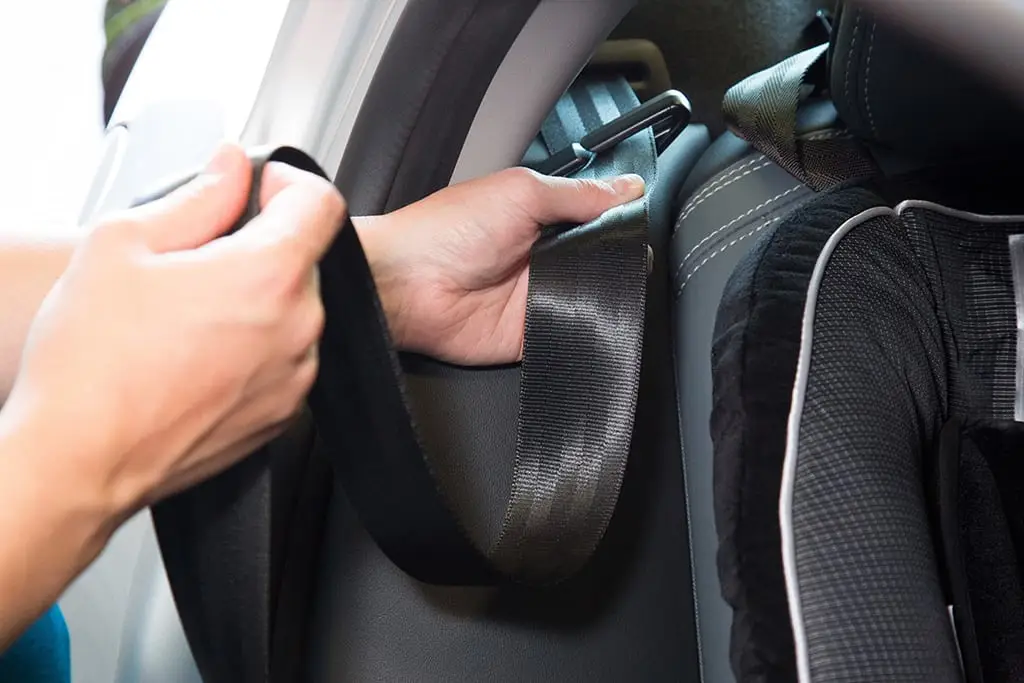
If the vehicle includes child-seat anchors, ask the representative to identify their locations and explain the relevant instructions. Do not assume every seating position has the same anchor arrangement.
Document missing equipment or damaged trim before signing the delivery acknowledgment. Small defects may be easier to resolve while the dealership is completing the handover.
9. Check the Engine Bay, Fluids, and Warning Lights
You do not need to be a mechanic to perform a basic under-hood inspection before accepting a new car. Start by asking the delivery representative to show you how to open the hood safely and identify the main service points.
With the vehicle parked securely and the engine off, look for obvious leaks, loose components, damaged hoses, or wiring that appears out of place.
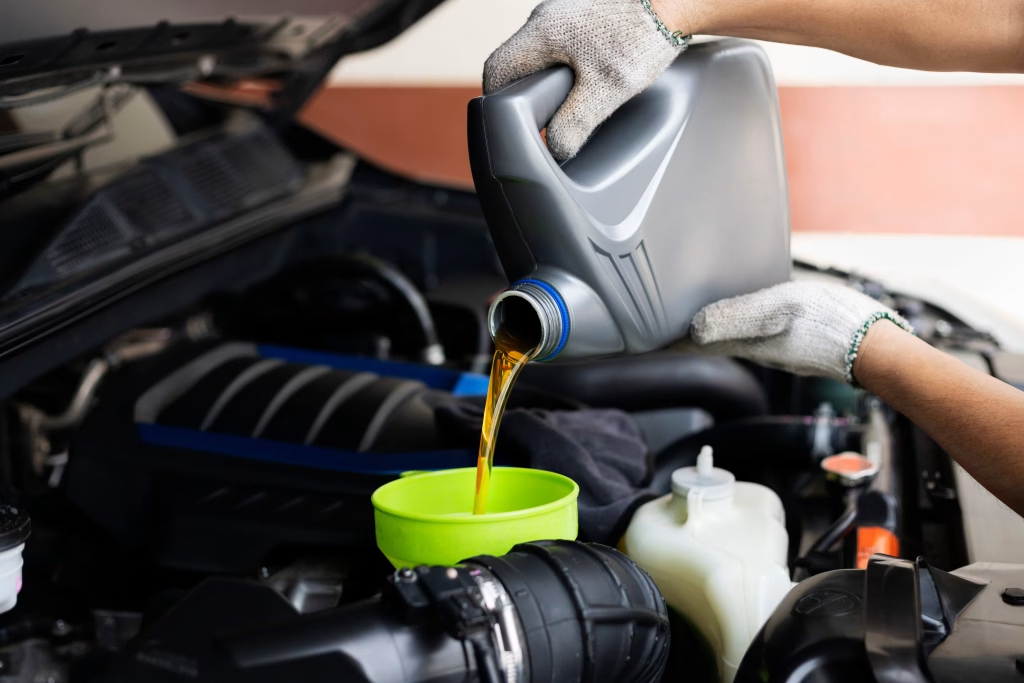
Check the engine oil, coolant, brake fluid, and windshield-washer fluid where the vehicle’s design permits safe inspection. Some modern cars use electronic oil-level monitoring, sealed systems, or specific procedures, so follow the owner’s manual rather than opening unfamiliar caps. Never open a hot, pressurized cooling system.
Look beneath the parked vehicle for fresh fluid puddles. Clear water dripping after the air conditioning has operated can be normal condensation, but colored fluid, oily residue, or an unexplained leak deserves attention. Do not touch hot components or attempt repairs during the delivery inspection.
When starting the car, observe the dashboard warning lights. Many indicators illuminate briefly during the normal startup check and then switch off. A warning that remains illuminated, or one that appears after the engine starts, should be explained and investigated. Ask the dealer to scan the vehicle if a fault is suspected.
The engine should start and run smoothly under normal conditions. Listen for persistent knocking, grinding, or other unusual noises, while recognizing that some vehicles make normal sounds from fuel systems, cooling fans, or hybrid components.
A new vehicle may have been moved or stored before delivery, so checking its basic condition is worthwhile. Do not accept an unexplained warning light simply because the car is new. Ask for a documented diagnosis and resolution before completing the handover.
10. Confirm the Keys, Accessories, Warranty, and Delivery Commitments
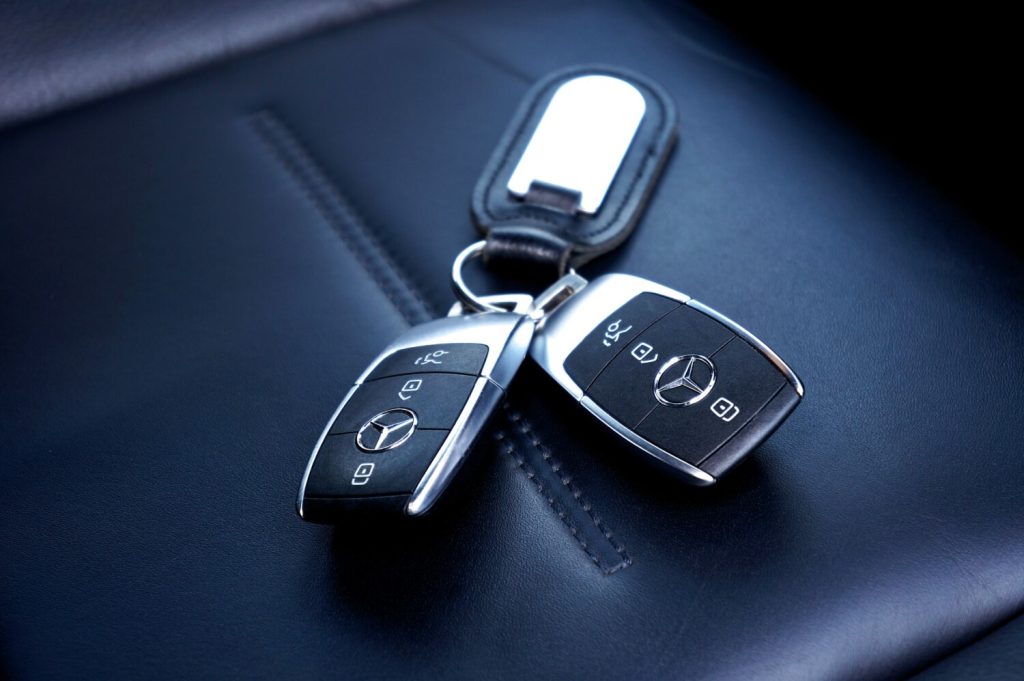
Before leaving, verify that the dealership has supplied everything included with your purchase. Depending on the vehicle, this may include two key fobs, a physical emergency key, floor mats, cargo covers, a tire repair kit, charging cables, or other accessories.
The exact items vary by model and trim, so compare what you receive with the window sticker and purchase agreement.
Test each supplied key or fob. Confirm that it unlocks and locks the vehicle and that the vehicle starts or recognizes it as intended. If the car uses a digital key, ask how to activate it and whether a physical backup is supplied. Missing keys can be expensive to replace.
Review the warranty documents and ask when the coverage begins. Confirm the applicable time and mileage limits, what is covered, and how warranty service is arranged.
Ask about roadside assistance, complimentary maintenance, connected-service trials, and any other benefits included with the purchase. Do not assume that every advertised benefit is part of your specific deal.
Make sure any promises about paint repairs, missing accessories, software updates, or other outstanding work are written down. The document should identify the work to be completed and, where possible, the expected completion date.
Save copies of the final sales contract, financing agreement, insurance documents, and delivery paperwork. Store the owner’s manual and warranty information where you can access them later.
Finally, ask the representative to demonstrate unfamiliar controls, driver-assistance features, and emergency procedures. A proper handover should leave you understanding how to operate the vehicle safely.
Accept delivery only after you understand the paperwork and have documented any unresolved issues. A careful final check can save time, money, and unnecessary disputes after you leave the dealership.
