

A car payment of $350 a month can sound affordable until the buyer discovers how much the loan will cost over its full term. At a dealership, the monthly figure can be shaped by the down payment, loan duration, interest rate, trade-in value, and optional products added to the deal.
Some charges are legitimate, while others may be optional, negotiable, or poorly explained. The key is to understand how the numbers fit together before signing. These ten items deserve close attention when a dealer focuses your conversation on the monthly payment instead of the vehicle’s total cost.
1. A Longer Loan Term
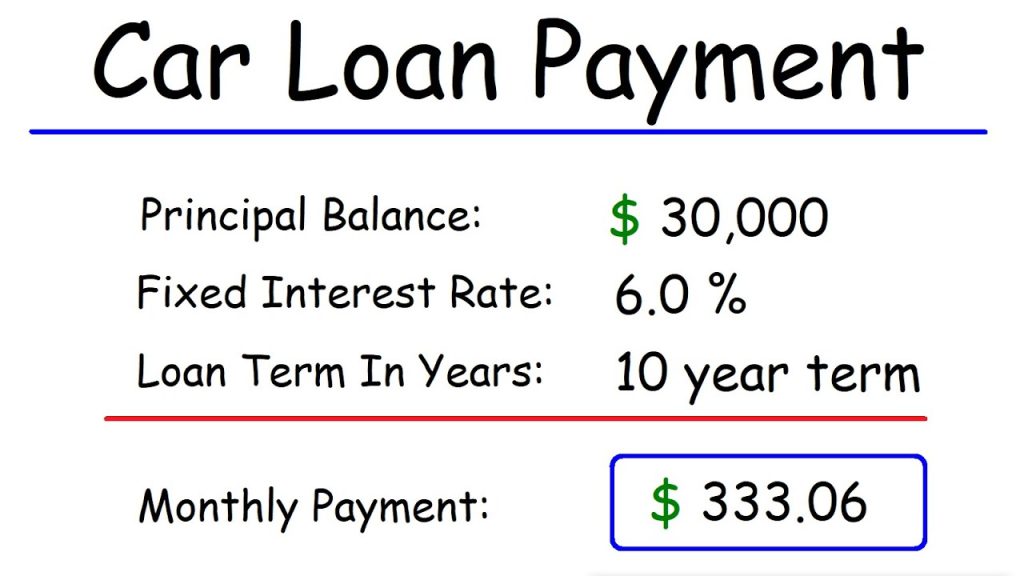
One way a dealer can make a vehicle appear more affordable is by extending the repayment period. Spreading the balance over 72 or 84 months generally reduces the required monthly payment compared with a shorter loan, but it can substantially increase the total interest paid.
Consider a $25,000 loan at a 9% annual percentage rate (APR), excluding additional fees. Over 60 months, the payment would be approximately $519 per month, with around $6,140 in total interest.
Stretching the same loan over 84 months would reduce the payment to roughly $402 but increase total interest to approximately $8,750. The longer term saves about $117 per month while adding more than $2,600 in interest.
The exact figures vary by lender, and this example assumes a fixed interest rate with no additional fees. However, the key takeaway remains the same. Lower monthly payments do not necessarily mean you will pay less for the vehicle in the end.
Longer loans also increase the chance that you will owe more than the car is worth, particularly if depreciation outpaces repayment of the principal. That can complicate selling or trading the vehicle before the loan is paid off.
Ask the dealer to quote the same vehicle using several loan terms. Compare the APR, monthly payment, total interest, and total amount repaid. Choose a loan based on its full cost, not simply the smallest monthly figure.
2. A Higher Interest Rate Than You Expected
The interest rate is one of the most important numbers in an auto loan, yet it can receive less attention than the monthly payment. A dealer may present a financing offer without making it immediately clear how the rate compares with other available offers.
In some dealer-arranged loans, the lender provides a rate, and the dealer may be permitted to add a markup, subject to applicable law and lender rules.
Even a small rate difference can affect the total cost. For example, financing $25,000 over 60 months at 7% APR produces a payment of approximately $495 per month. At 11% APR, the payment rises to about $544. The higher rate adds roughly $49 each month and nearly $2,900 in total payments over five years.
Your credit history, income, loan amount, vehicle age, and lender policies can influence the rate you qualify for. A rate advertised to highly qualified buyers may not be the rate offered to you.
Before visiting the dealership, request preapproval from a bank or credit union. Use that offer as a comparison point, and ask the dealer to disclose the APR and explain any financing conditions. Compare the complete terms, including loan duration and fees, rather than looking at the rate in isolation.
A dealer’s financing offer is not automatically your best option. Even if you prefer the convenience of arranging the loan at the dealership, having an independent offer gives you a stronger basis for evaluating the deal.
3. Optional Extended Warranties and Service Contracts
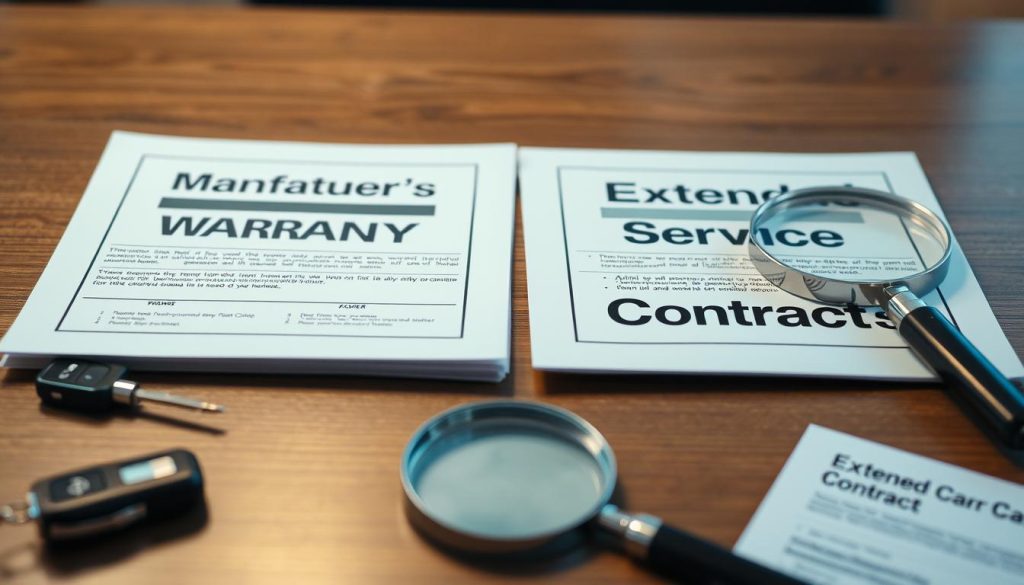
An extended warranty or vehicle service contract can increase a monthly payment without changing the car’s advertised price. These products may cover certain repairs after factory coverage ends, but their terms, exclusions, deductibles, and limits determine how useful they actually are.
The Federal Trade Commission identifies extended warranties and service contracts as common dealership add-ons and advises buyers to ask for their prices and review coverage restrictions.
The cost can appear small when spread across a long loan. For example, adding a hypothetical $1,800 service contract to a 60-month loan at 9% APR increases the payment by about $37 per month. You would repay approximately $2,240 for that add-on over the loan term, including interest.
Before agreeing, ask what components are covered, whether labor is included, where repairs can be performed, and whether the contract pays the shop directly or reimburses you. Check exclusions for pre-existing conditions, routine maintenance, and wear items. Also find out whether the contract duplicates coverage already provided by the manufacturer or seller.
You may be able to purchase coverage later or compare plans from other providers. Do not assume the dealership’s offer is the only option.
Ask for the product’s cash price and its total financed cost. If you decline it, verify that the contract reflects your decision and that the monthly payment has been recalculated accordingly.
4. GAP Insurance Added to the Loan
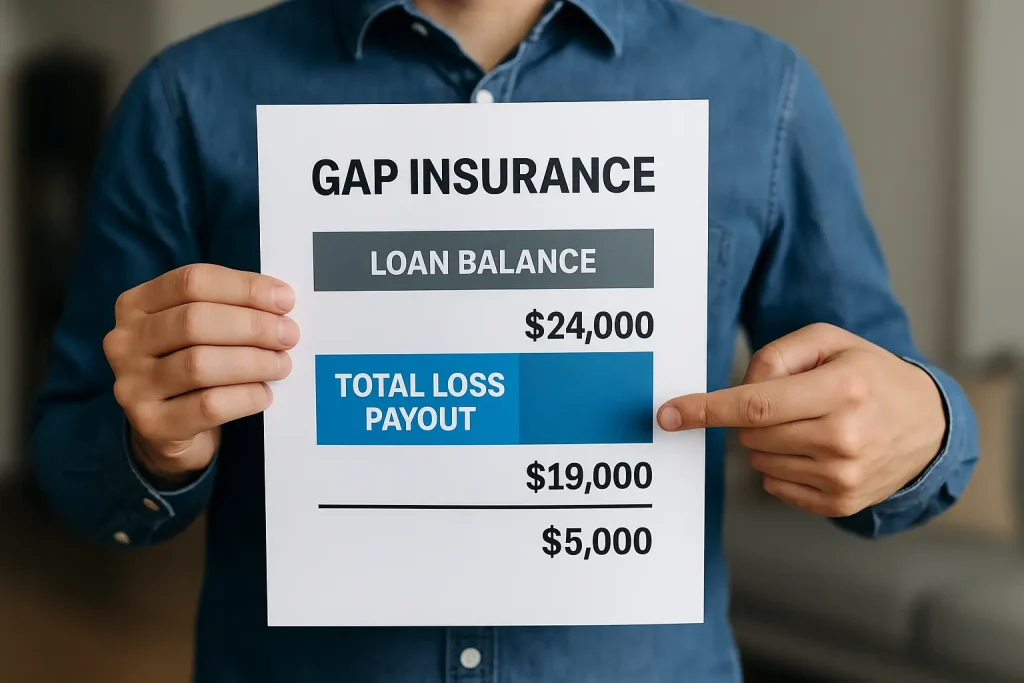
Guaranteed Asset Protection, commonly called GAP, is designed to cover a potential shortfall when a financed vehicle is stolen or declared a total loss. Standard auto insurance generally pays the vehicle’s covered value, not necessarily the amount still owed on the loan. GAP may cover some or all of that difference, depending on the contract.
The issue is not that GAP coverage is inherently bad. It is that buyers may be offered an expensive policy without comparing alternatives or understanding its limitations.
The Consumer Financial Protection Bureau says GAP is generally optional and notes that the cost may be added to the amount financed, increasing both the monthly payment and interest paid.
Suppose a policy costs $900 and is financed over 60 months at 9% APR. It would add roughly $19 per month and about $1,120 in total payments. The actual cost depends on the policy price and loan terms.
Ask whether your insurer, bank, or credit union offers comparable coverage. Compare exclusions, claim limits, deductibles, eligibility rules, and cancellation terms. Some policies may not cover missed payments, certain fees, or the entire shortfall.
GAP can be useful when the loan balance is likely to exceed the vehicle’s value, but not every buyer needs it. Request the price separately and confirm that the contract includes GAP only if you explicitly agree to purchase it.
5. Negative Equity From Your Trade-In
Trading in your current vehicle can simplify a purchase, but an outstanding loan balance can complicate the numbers. If you owe more than the trade-in is worth, the difference is called negative equity.
A dealer may offer to roll that shortfall into the financing for your next car, making the new monthly payment appear manageable while increasing the amount you owe.
For example, imagine your current vehicle is worth $8,000, but your loan payoff is $11,000. You have $3,000 in negative equity. If that amount is added to the financing for a $25,000 vehicle, you could end up borrowing $28,000 before taxes, fees, or other products.
The trade-in may reduce the amount you pay out of pocket today, but it does not erase the old debt. You are effectively paying for part of the previous vehicle while financing the next one. The larger loan may also increase the risk of owing more than the new car is worth.
The Consumer Financial Protection Bureau recommends evaluating trade-in value separately and comparing offers before agreeing to a deal.
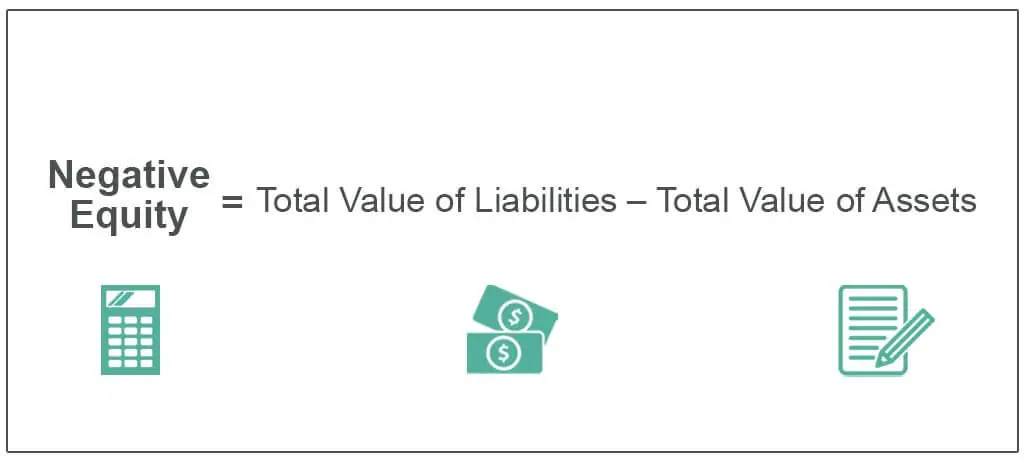
Get your current loan payoff amount directly from the lender and obtain independent estimates of your car’s value. Ask the dealer to show the trade-in allowance, loan payoff, negative equity, and new amount financed as separate figures.
Never judge the deal by the new payment alone. Check whether the dealer is absorbing any shortfall or simply moving it into your next loan.
6. Dealer-Installed Accessories and Protection Packages
Window tinting, paint protection, fabric treatments, wheel locks, nitrogen tire inflation, and security systems are among the products that may appear in a dealership’s add-on package. Some buyers genuinely want these features, but others may discover them only when reviewing the financing paperwork.
The Federal Trade Commission says dealers should not charge customers for add-ons they did not agree to purchase. It also advises consumers to ask for itemized prices and to check the contract before signing.
The monthly impact can be easy to underestimate. A hypothetical $1,200 package financed for 60 months at 9% APR adds about $25 to the monthly payment and roughly $1,490 to the total repayments. The price may seem modest when described as a small monthly increase, but the buyer is paying interest on the products as well.
Ask which items are already installed, which are optional, and whether the advertised vehicle price assumes you purchase them. If the package is unwanted, request its removal and an updated written quote.
If it cannot be removed because an item is already installed, negotiate the out-the-door price rather than assuming the dealer’s listed value reflects what the feature is worth to you.
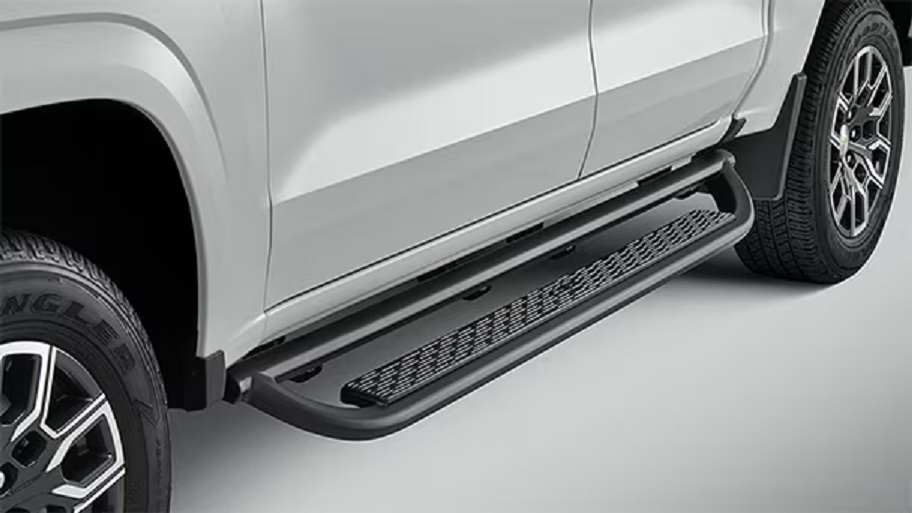
Compare protection products with alternatives from independent providers. A dealer’s package is not automatically better simply because it is offered during the purchase.
Review every accessory line individually. The goal is to pay for features you choose, not extras that quietly increase the amount financed.
7. A Down Payment That Was Left Out of the Advertised Offer
A very low advertised monthly payment may depend on a substantial down payment that is easy to overlook in the headline offer. A dealer might promote a payment that assumes you pay several thousand dollars upfront, qualify for a particular financing rate, and agree to a specified loan term.
The Federal Trade Commission warns consumers that advertised low-payment offers can come with conditions, including large down payments or additional fees.
Consider a $25,000 vehicle financed for 60 months at 9% APR. With no down payment, the monthly payment would be about $519 before taxes and fees. If you put $5,000 down and finance only $20,000, the payment falls to roughly $415. The lower payment is real, but it requires $5,000 upfront.
That distinction matters if you are comparing offers from different dealerships. One quote might assume a substantial cash contribution, while another might finance most of the purchase price. Comparing the monthly figures alone would make the offers appear more similar than they actually are.
Ask the dealer to disclose the required down payment and calculate the total cash needed at signing, including taxes, registration, and other charges. Make sure any trade-in contribution is shown separately.
Also avoid using all your available savings just to lower the payment. A cash reserve can be important for insurance deductibles, maintenance, and unexpected repairs after the purchase.
Compare offers using the same down payment and loan term. This gives you a clearer view of whether the vehicle and financing are genuinely more affordable.
8. Documentation Fees and Other Charges
Taxes, registration charges, title fees, and dealer documentation fees can increase the amount financed, even when the vehicle’s advertised price appears attractive. Some charges are government-imposed, while others are set by the dealership and may be subject to state rules or negotiation.
A dealer might quote a monthly payment before presenting the full breakdown of these costs. If you finance them, you may also pay interest on them throughout the loan. The result is a payment that is higher than you expected from the advertised vehicle price.
For example, adding $800 in fees to a 60-month loan at 9% APR increases the payment by about $17 per month and adds approximately $995 to total repayments. The exact treatment of fees depends on the contract and applicable law.
Ask for an itemized out-the-door quote before negotiating financing. It should show the vehicle price, taxes, title and registration charges, documentation fees, optional products, trade-in allowance, and total amount financed. Question any vague line items and ask whether they are required by law, required by the lender, or optional dealership products.

Do not assume that every fee can be removed. Government charges generally follow local rules, while dealer fees vary by jurisdiction and dealership policy. What matters is understanding each charge and comparing the complete offer with alternatives.
Negotiate the full purchase price before discussing monthly payments. Once you know the complete amount, you can compare financing offers more accurately and identify unexplained additions.
9. Credit Insurance and Payment Protection Products
A dealer may offer credit life insurance, credit disability insurance, or similar payment-protection products during the financing process. Depending on the policy, these products may pay some or all of a loan balance after a qualifying death, or cover payments during certain periods of disability. Their benefits, exclusions, and eligibility requirements vary.
These products are generally optional in U.S. auto financing. The Consumer Financial Protection Bureau advises buyers to check whether optional credit products have been added to the loan and to question any claim that purchasing them is required.
The monthly effect can be deceptively small. A hypothetical $600 policy financed over 60 months at 9% APR would add roughly $12 per month and about $745 in total repayments. The real cost depends on the policy and financing terms.
Before agreeing, read the policy’s coverage conditions and exclusions. Check whether benefits decline as the loan balance falls, whether pre-existing conditions affect eligibility, and how claims are handled.
Compare the price with similar coverage available independently, and consider whether your existing life, disability, or other insurance already addresses the relevant financial risk.
Ask the dealer to list the product’s cash price and total financed cost separately. If you do not want it, decline it explicitly and review the final contract to make sure it has not been included.

Some optional products may be cancellable after purchase, subject to their terms, but cancelling later can involve paperwork and delays. It is easier to avoid an unwanted product before signing.
Do not accept a new monthly charge without understanding the benefit, exclusions, and total cost.
10. Financing Terms That Are Not Yet Final
A payment quoted during negotiations may be based on financing that has not received final approval. In some dealership transactions, a buyer is allowed to take the car home while the dealer continues arranging financing. If the original agreement is conditional, the buyer may later be asked to sign revised terms.
This situation is sometimes called spot delivery or conditional delivery. It is not the same as every ordinary dealer-arranged loan, and the consequences depend on the signed documents and applicable state law.
The risk is that the buyer focuses on the initial payment and assumes the financing is settled. Later, the dealer may say the lender requires a higher rate, a larger down payment, or a different loan structure.
The Federal Trade Commission advises buyers to ensure the agreed terms are documented and to be cautious about offers with conditions that are not clearly disclosed.
Before taking the vehicle home, ask whether financing approval is final or conditional. Read the contract for clauses explaining what happens if a lender does not approve the proposed terms. Keep copies of all signed documents and do not rely solely on verbal assurances.
If the dealer contacts you to change the deal, compare the new terms with the original agreement and consider seeking legal or consumer-protection advice before signing anything new. Do not assume you must accept a less favorable offer simply because you have already driven the car home.
Confirm the financing status before delivery. A payment is only meaningful when it is supported by the actual written loan terms, not an estimate that could change later.
